 Marvery P. Duarte1
 Otávio T. Nóbrega1
 Barbara P. Vogt2
 Marina S. Pereira3Fábio A. Vieira1Maryanne Z. C. Silva4
 Henrique S. Disessa5Dario R. Mondini6
 Rodrigo R. Krug7Bruna M. Sant’Helena8Daiana C. Bundchen9Maristela Bohlke10Angélica N. Adamoli11Ricardo M. Lima12
 Antônio J. Inda-Filho1
 Carla M. Avesani13
 Maycon M. Reboredo3
 Heitor S. Ribeiro1* and the SARC-HD Study Group
- 1Faculty of Health Sciences, University of Brasilia, Brasília, Brazil
- 2Medicine Faculty, Federal University of Uberlandia, Uberlândia, Brazil
- 3School of Medicine, Federal University of Juiz de Fora, Juiz de Fora, Brazil
- 4Internal Medicine Department, Botucatu Medical School, São Paulo State University, UNESP, Botucatu, Brazil
- 5Department of Physical Education, São Paulo State University, Bauru, Brazil
- 6Laboratory of Applied Kinesiology, Faculty of Physical Education, State University of Campinas, Campinas, Brazil
- 7Postgraduation Program in Comprehensive Health Care, University of Cruz Alta, Cruz Alta, Brazil
- 8IELUSC Faculty, Joinville, Brazil
- 9Department of Health Sciences, Federal University of Santa Catarina, Araranguá, Brazil
- 10Postgraduate Program in Health and Behavior, Catholic University of Pelotas, Pelotas, Brazil
- 11Hospital de Clínicas de Porto Alegre, Porto Alegre, Brazil
- 12Faculty of Physical Education, University of Brasilia, Brasília, Brazil
- 13Department of Clinical Science, Technology and Intervention, Division of Renal Medicine and Baxter Novum, Karolinska Institute, Stockholm, Sweden
Objective: The understanding of sarcopenia in patients on hemodialysis from middle-income countries remains underexplored. We investigated the prevalence of and factors associated with sarcopenia in patients undergoing hemodialysis in Brazil.
Methods: This was a cross-sectional analysis using baseline data from the SARCopenia trajectories and associations with clinical outcomes in patients on HemoDialysis (SARC-HD) multicenter study. Muscle strength was assessed by handgrip, muscle mass by calf circumference, and physical performance by the 4-m gait speed test. Sarcopenia was diagnosed and staged as probable, confirmed, or severe based on the revised European Working Group on Sarcopenia in Older People (EWGSOP2) consensus. Associated factors were investigated with adjustment for potential confounders.
Results: A total of 983 patients (median age 59 years; 48% ≥ 60 years; 40% female) from 19 dialysis centers were analyzed. The prevalences of probable, confirmed, and severe sarcopenia were 12, 9, and 5%, respectively. Sarcopenia prevalence increased with age, ranging from 7 to 45% in the male individuals and from 4 to 21% in the female individuals. In the fully adjusted model, older age [≥60 years; adjusted odds ratio (aOR): 3.30, 95% confidence interval (CI): 2.09–5.21], male sex (aOR: 1.77, 95% CI: 1.13–2.77), white ethnicity (aOR: 1.88, 95% CI: 1.23–2.87), and diabetes as the etiology/comorbidity of chronic kidney disease (CKD) (aOR: 1.83, 95% CI: 1.20–2.91) were independently associated with higher odds of sarcopenia. Nevertheless, overweight (aOR: 0.38, 95% CI: 0.24–0.60) and obesity (aOR: 0.11, 95% CI: 0.05–0.26) were associated with lower odds. After sensitivity analyses based on dialysis prescription, only older age, white ethnicity, overweight, and obesity remained independently associated with sarcopenia.
Conclusion: One in four patients on hemodialysis had some stage of sarcopenia. Independent risk factors associated with sarcopenia were older age and white ethnicity, whereas overweight and obesity were protective factors. These findings may help identify hemodialysis patients at increased risk of sarcopenia, thereby promoting early screening, diagnosis, and treatment strategies.
1 Introduction
Sarcopenia is an age-related condition characterized by low levels of physical function and skeletal muscle mass (1, 2). In patients with chronic diseases, such as chronic kidney disease (CKD), an accelerated aging process may predispose them to a more rapid decline in skeletal muscle health, mainly due to low-grade chronic inflammation, oxidative stress, malnutrition, and immunosenescence (3, 4). This accelerated aging process promotes muscle wasting (5, 6), leading to an earlier onset of sarcopenia traits. Previous systematic reviews have shown that the prevalence of sarcopenia in chronic diseases is heterogeneous: 18% in diabetes (7), 16% in chronic obstructive pulmonary disease (8), 38% in cirrhosis (9), and 22% during cancer treatment (10). In patients with CKD at all stages, the overall prevalence of sarcopenia is 25%, while it is 29% among those on hemodialysis (11).
Screening for and diagnosing sarcopenia in chronic diseases, such as kidney failure requiring renal replacement therapy—which is highly prevalent in Brazil (12)—is essential to identify patients at higher risk of adverse clinical outcomes. Patients on dialysis with sarcopenia may have a twofold increased risk of mortality (13, 14). In the general population, malnutrition, smoking, extreme sleep duration, and diabetes have been recently identified as significant factors associated with sarcopenia (15). Furthermore, modifiable lifestyle factors, particularly physical inactivity, are recognized as significant contributors to muscle wasting and physical function decline in chronic diseases, including CKD (15). Data on the prevalence of sarcopenia and its associated factors in patients on hemodialysis are largely derived from single-center studies (11), with little evidence from large multicenter studies. To the best of our knowledge, no large-scale multicenter study has been conducted in Latin American countries to date.
To address the knowledge gap regarding the epidemiological profile of sarcopenia in patients on hemodialysis in middle-income countries, especially Latin America, we investigated its prevalence and associated factors in a multicenter sample from different regions of Brazil.
2 Methods
2.1 Design, setting, and population
This cross-sectional report is part of the SARCopenia trajectories and associations with clinical outcomes in patients on HemoDialysis (SARC-HD) study, a large national multicenter prospective cohort that has been conducted at 19 dialysis centers across Brazil since October 2022. Recruitment and baseline assessments occurred between October 2022 and April 2023. A more detailed description of the design and methodology has been published elsewhere (16). Briefly, patients aged 18 years or older undergoing maintenance hemodialysis for at least 3 months were eligible for participation. The exclusion criteria included physical limitations, limb amputations, and other conditions or medical contraindications that would prevent any physical function assessment. All participants provided written informed consent, and the Institutional Review Board of the University Center ICESP (no. 5.418.365) ethically approved the study (all other institutional review boards reviewed and agreed with the approval letter). This study adhered to the principles of the Declaration of Helsinki. The SARC-HD study is also registered at the Registro Brasileiro de Ensaios Clínicos (ReBEC) platform (RBR-82p87rq). This manuscript was written in accordance with the Strengthening the Reporting of Observational Studies in Epidemiology (STROBE) Statement.
2.2 Sociodemographic and clinical variables
Clinical (e.g., comorbidities, CKD etiology) and demographic data were collected from electronic health records by the same experienced researcher at each dialysis center. Missing information was obtained from patients or the medical team. Patients aged ≥ 60 years were considered older according to the Brazilian Statute of the Elderly. Ethnicity was self-reported according to the Brazilian Institute of Geography and Statistics as white, black, brown (Pardo, a mixed black and white ethnicity), or other (East Asian, Indigenous, or Quilombola). For further analysis, we stratified the patients into white (East Asian and white) and non-white (black, brown, Indigenous, and Quilombola) groups due to the characteristics of miscegenation in the Brazilian population. Brazilian minimum wages (based on 2022; 1,212 BRL or approximately 220 USD) were self-reported according to the patients’ individual income, not their household income. Smoking and alcohol consumption were reported as Yes (current), No (former), or Never. The patients were stratified according to the weekly frequency of dialysis as conventional (3 sessions) or short daily (≥ 4 sessions). Body mass index (BMI; kg/m2) was calculated and classified according to the World Health Organization (WHO) criteria: overweight, 25.0–29.9 kg/m2, and obesity, ≥30.0 kg/m2. Physical activity was assessed using the short version of the International Physical Activity Questionnaire (IPAQ), and the patients were classified as physically active (≥ 150 min/week) or inactive (< 150 min/week), in accordance with the WHO recommendations (17).
2.3 Laboratory parameters
Blood samples were collected before the first weekly dialysis session, following operational procedures recommended by the Brazilian Ministry of Health (18). Assays were conducted in affiliated laboratories at each dialysis center. Serum levels of sodium, potassium, phosphorus, calcium, albumin, and intact parathyroid hormone (iPTH) were assessed. Cutoff values for electrolyte imbalances varied depending on the laboratory; therefore, we standardized them using the KDIGO (19) or National Kidney Foundation (20) recommendations, unless otherwise specified. A detailed description is provided in Supplementary Table 1.
2.4 Assessment of sarcopenia parameters
Measurements of physical function (i.e., muscle strength and physical performance) were conducted before a midweek dialysis session by an experienced researcher at each dialysis center. Detailed descriptions of the protocols have been published previously (16).
2.4.1 Muscle strength
2.4.1.1 Handgrip strength
Maximal voluntary isometric contraction was assessed using one of two hydraulic dynamometers, the Jamar (Sammons Preston Rolyan, Bolingbrook, IL, United States) or the Saehan (Saehan Corp., Changwon, Korea), depending on availability at each dialysis center. These two dynamometers present an excellent intraclass correlation coefficient (21). The highest value obtained from three trials in each arm was recorded and reported in kilograms (kg) (22).
2.4.1.2 Five-time sit-to-stand test
Lower-limb muscle strength was assessed using the five-time sit-to-stand (STS-5) test. The shortest duration, in seconds, from three trials was recorded (23).
2.4.2 Physical performance
2.4.2.1 Gait speed
Physical performance was assessed by measuring usual gait speed over four meters. A total of three attempts were made, and the distance divided by the shortest time [i.e., speed (m/s)] was used for analysis (24).
2.4.3 Calf circumference
Calf circumference was assessed using a non-stretchable measuring tape while patients were seated without muscle contraction, at the point of greatest circumference on the right leg (25). The mean of two measurements was used for analysis and reported in centimeters. If a patient presented with clinical signs of edema during the nephrologist’s evaluation, the assessment was postponed and conducted in a subsequent session with adequate volume status. Measurements were taken after a midweek dialysis session.
2.5 Diagnosis of sarcopenia
Sarcopenia diagnosis and staging were based on the revised European Working Group on Sarcopenia in Older People (EWGSOP2) criteria, classified as no sarcopenia, probable sarcopenia, confirmed sarcopenia, and severe sarcopenia (26). Probable sarcopenia was defined as low muscle strength alone (handgrip strength < 27 kg for male individuals and < 16 kg for female individuals). Confirmed sarcopenia was defined as low muscle strength accompanied by low muscle mass (calf circumference ≤34 cm for male individuals and ≤33 cm for female individuals) (27). Severe sarcopenia was defined as a diagnosis of confirmed sarcopenia plus low physical performance (gait speed ≤ 0.8 m/s for both sexes). We grouped confirmed and severe sarcopenia as ‘sarcopenia’ for further analysis. In the case of missing data for calf circumference or gait speed, only the probable sarcopenia stage was assessed.
2.6 Statistical analysis
2.6.1 Sample size
A sample size calculation was not performed, as we aimed to recruit as many eligible patients as possible from the cohort population.
2.6.2 Missing data and imputation
Details of missing data are provided in Supplementary Table 2. For sarcopenia-related variables, no data imputation was conducted. However, for descriptive continuous variables (<15% missing data), we applied the multiple imputation regression method, assuming the data were missing at random (28). Age, BMI, and sex were used as predictors, whereas the variables of imputation interest were not included.
2.6.3 Descriptive analysis
Data normality was assessed through visual inspection of histograms and the Kolmogorov–Smirnov test. Continuous data were presented as median and interquartile range (IQR), whereas categorical data were presented as frequencies and valid percentages. Comparisons among the groups based on sarcopenia stages were conducted using the Kruskal–Wallis test with Bonferroni post-hoc correction for continuous variables and the chi-squared or Fisher’s exact test for categorical variables.
2.6.4 Binary logistic regression
Binary logistic regression analyses were conducted to identify factors independently associated with the presence of sarcopenia (confirmed plus severe sarcopenia). Odds ratios (ORs) and 95% confidence intervals (CIs) were calculated. Clinical and dialysis prescription variables with a p-value of <0.25 in the between-group comparison (no sarcopenia vs. sarcopenia) were included in the models for adjustments. A total of two models were developed using both stepwise and backward selection approaches. Variables were retained in the model for adjustment if their exclusion led to a change of more than 10% in the parameter estimates of the remaining variables. Model goodness-of-fit was assessed using the Hosmer–Lemeshow test, and the significance of each variable was determined using the Wald test.
Model 1 (n = 943) included clinical variables: age (reference = <60 years), ethnicity (reference = non-white), sex (reference = female), diabetes as the etiology or comorbidity of CKD (reference = no diabetes), body mass index (reference = normal weight), and physically active (reference = <150 min/week). Model 2 (n = 945) included all variables from model 1, with the addition of dialysis modality (reference = conventional) and vascular access (reference = arteriovenous fistula or graft). Sensitivity analyses were conducted by excluding patients undergoing hemodiafiltration or receiving short daily dialysis (≥ 4 sessions/week).
Analyses were performed using Statistical Package for the Social Sciences (version 29.0, SPSS Inc., Chicago, United States) and GraphPad Prism (version 8.4, GraphPad Software, San Diego, USA). A two-tailed p-value of <0.05 was considered statistically significant.
3 Results
3.1 Recruitment
From the 19 dialysis centers included in the SARC-HD study, a total of 1,525 patients were assessed for eligibility; 1,008 were recruited, and 983 were included in the final analysis (see Supplementary Figure 1 for the flowchart). A detailed description of recruitment in each city is provided in Supplementary Figure 2; most of the patients were from the Federal District (n = 485; 49%) and São Paulo state (n = 168; 17%). A total of three Brazilian regions were included: 485 patients from the Midwest (49%), 304 from the Southwest (31%), and 194 from the South (20%). Of the dialysis centers included, nine (47.4%) were funded solely by private health insurance companies, three (15.8%) received only public funding from the Brazilian Unified Health System, and seven (36.8%) had mixed funding (private and public).
3.2 Characteristics of the patients
The prevalences of probable, confirmed, and severe sarcopenia were 12, 9, and 5%, respectively (Supplementary Figure 3). Individually, low muscle strength, low muscle mass, and low physical performance were found in 26% (n = 254), 43% (n = 391), and 17% (n = 158) of the sample, respectively. The characterization of the cohort is presented in Table 1 and Supplementary Table 3. Male individuals were more frequent in the sarcopenia groups (p < 0.001). The more advanced the sarcopenia stage, the older the age (p < 0.001) and the higher the frequency of individuals aged ≥ 60 years (p < 0.001). Ethnicity differed significantly among the groups, with a higher frequency of white patients in the sarcopenia groups (p < 0.001). Marital status, education level, minimum wages, and smoking or alcohol consumption did not differ among the groups (all p > 0.05).
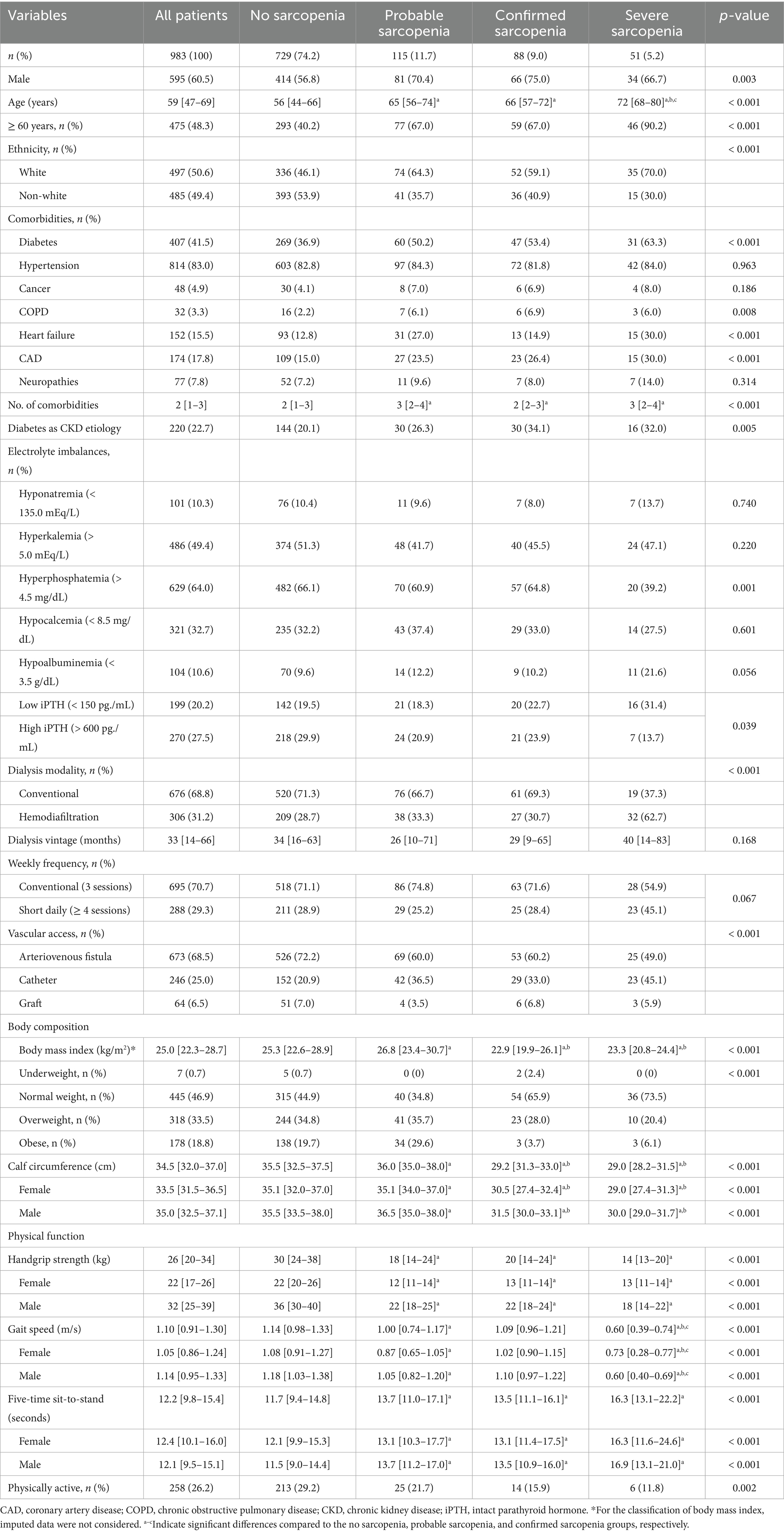
Table 1. Characteristics of the patients on hemodialysis according to sarcopenia status.
The sarcopenia groups showed a higher frequency of comorbidities, such as diabetes (p < 0.001), chronic obstructive pulmonary disease (p = 0.008), heart failure (p < 0.001), and coronary artery disease (p < 0.001). Diabetes as the etiology of CKD was also more frequent in the sarcopenia groups (p < 0.001). In the severe sarcopenia group, the frequency of hyperphosphatemia was lower (p = 0.001), whereas low and high iPTH values were more and less frequent, respectively (31.4 and 13.7%, p = 0.039). There were significant differences among the groups in terms of dialysis modality (p < 0.001), dialysis weekly frequency (p = 0.007), and vascular access (p < 0.001), whereas dialysis vintage did not differ (p = 0.168).
The body composition and physical function variables of the patients according to sarcopenia stages are provided in Table 1. The patients with sarcopenia (confirmed and severe) had lower BMI (p < 0.001) than those without sarcopenia. Compared to the confirmed sarcopenia group, the patients with severe sarcopenia only differed in gait speed, showing lower performance (p < 0.001). Supplementary Figure 4 shows the linear association of physical function and calf circumference with advancing age. The patients with sarcopenia were less physically active (p = 0.002).
3.3 Prevalence of sarcopenia among the subgroups
The prevalence of sarcopenia increased with advancing age, ranging from 7 to 45% in the male patients and from 4 to 21% in the female patients (Figure 1). The male patients had a higher prevalence of sarcopenia in the oldest age group (≥ 80 years; 45 vs. 16%; p = 0.027).
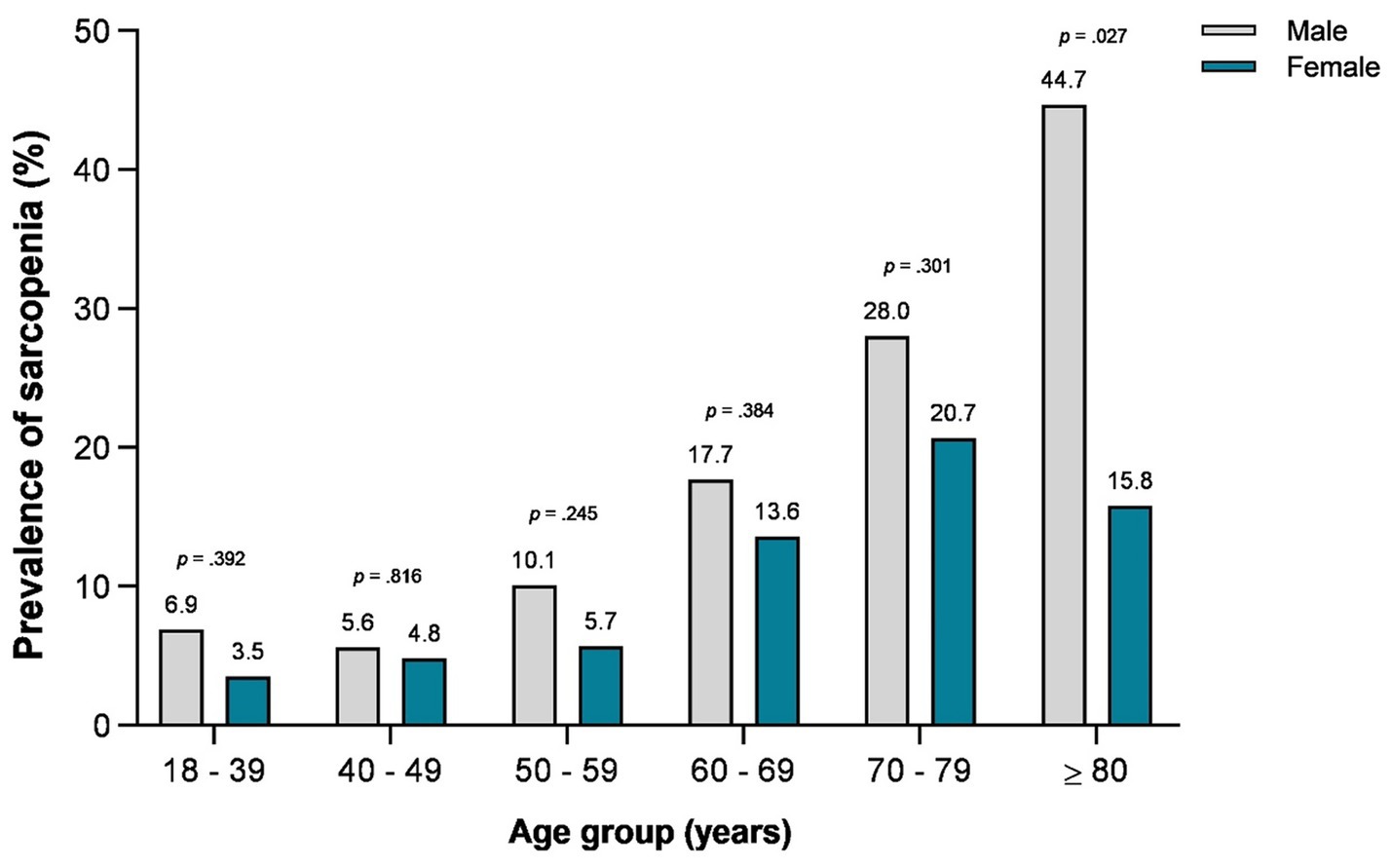
Figure 1. Prevalence of sarcopenia stratified by age group and sex.
Regarding sarcopenia stages, Figure 2 shows that the male patients (panel a) had a higher prevalence of probable (14 vs. 9%; p = 0.025) and confirmed sarcopenia (11 vs. 6%; p = 0.006). Probable, confirmed, and severe sarcopenia were more prevalent among the older patients (≥ 60 years; all p < 0.001; panel b). The patients of white ethnicity (panel c) had a higher prevalence of probable (15 vs. 9%; p = 0.002) and severe sarcopenia (7 vs. 3%; p = 0.018). Probable (17 vs. 10%; p = 0.002) and severe sarcopenia (9 vs. 4%; p < 0.001) were more prevalent among the patients with a catheter as vascular access (panel d). Regarding dialysis characteristics, the patients undergoing hemodiafiltration (panel e) and on a short daily frequency (≥ 4 sessions; panel f) had higher rates of severe sarcopenia (11 vs. 3%; p < 0.001; and 8 vs. 4%; p = 0.014, respectively).
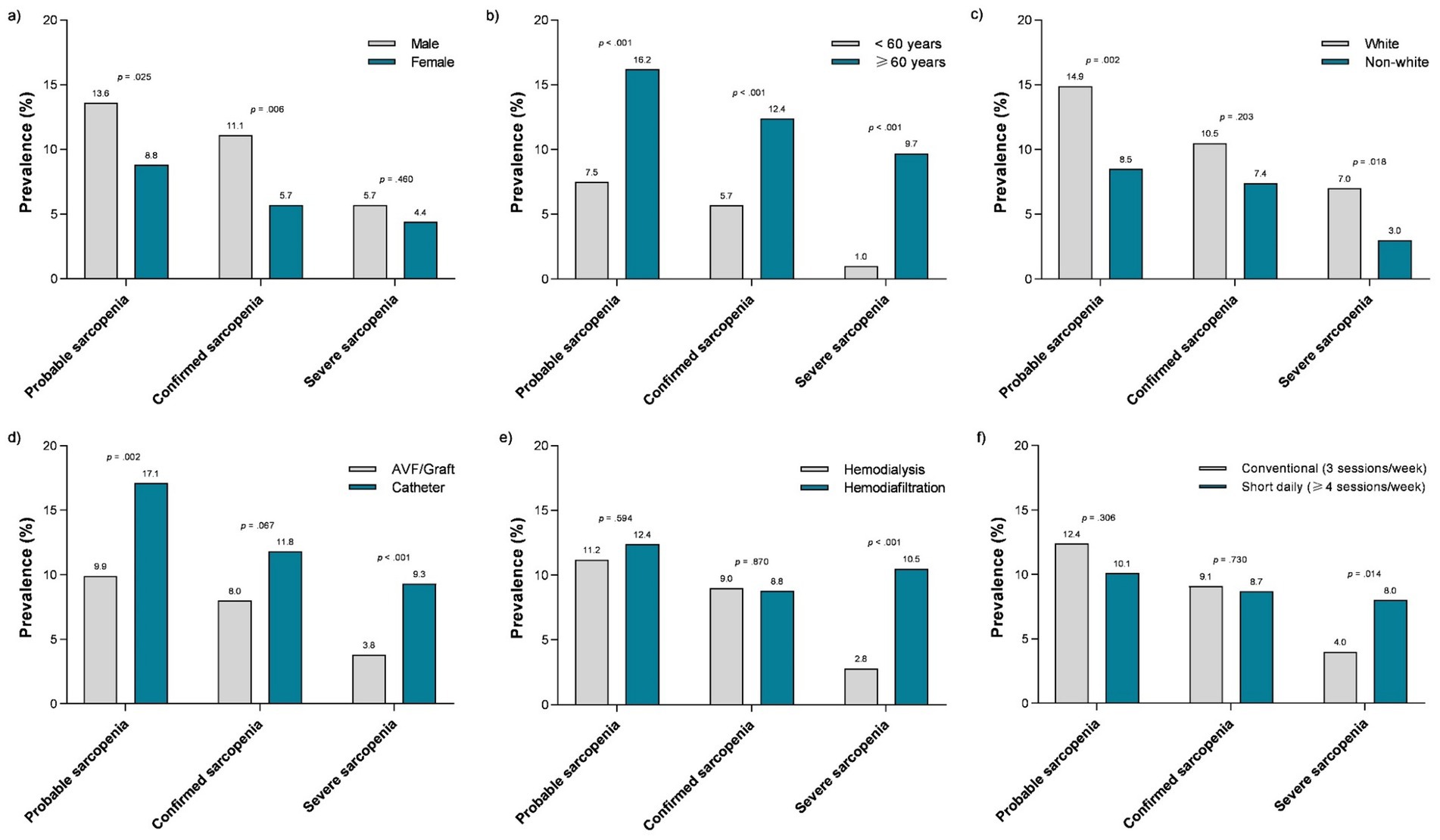
Figure 2. Prevalence of sarcopenia stages according to sex (A), age (B), ethnicity (C), vascular access (D), dialysis modality (E), and weekly dialysis frequency (F). AVF, arteriovenous fistula.
3.4 Factors associated with sarcopenia
Table 2 describes the factors associated with sarcopenia. In the fully adjusted model 2, older age (aOR: 3.03, 95% CI: 1.90–4.82), male sex (aOR: 1.77, 95% CI: 1.13–2.78), white ethnicity (aOR: 1.92, 95% CI: 1.26–2.94), and diabetes as the etiology or comorbidity of CKD (aOR: 1.78, 95% CI: 1.16–2.73) were independently associated with higher odds of sarcopenia. On the other hand, overweight (aOR: 0.37, 95% CI: 0.23–0.59) and obesity (aOR: 0.11, 95% CI: 0.05–0.26) were independently associated with lower odds of sarcopenia.
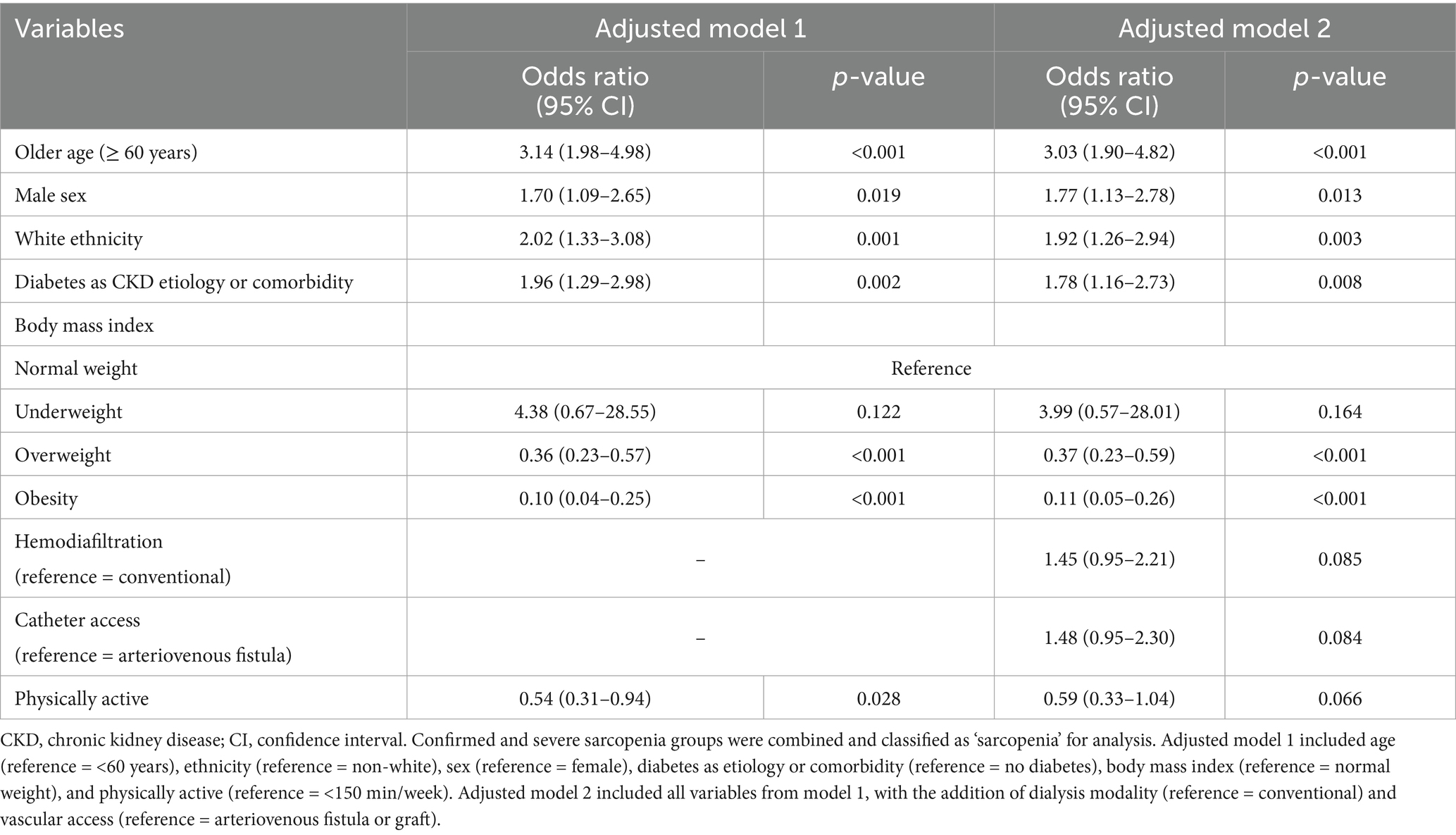
Table 2. Identification of factors associated with sarcopenia in the patients on hemodialysis.
3.5 Sensitivity analyses of the factors associated with sarcopenia
Sensitivity analyses of the factors independently associated with sarcopenia in the overall sample were conducted (Supplementary Table 4) by excluding the patients undergoing hemodiafiltration and on short daily dialysis frequency (≥ 4 sessions/week). The results were partially consistent with the overall analysis, confirming that older age (≥ 60 years), white ethnicity, overweight, and obesity were independently associated with sarcopenia. Conversely, male sex and diabetes as the etiology or comorbidity of CKD showed different patterns of association depending on the sensitivity analysis.
4 Discussion
4.1 Main findings
In this multicenter study in Brazil, we examined the prevalence of and factors associated with sarcopenia in patients on hemodialysis. Our findings indicated that the prevalences of probable, confirmed, and severe sarcopenia stages were 12, 9, and 5%, respectively. Overall, some stage of sarcopenia was observed in 25% of the patients. The patients with sarcopenia (i.e., confirmed + severe) were mainly male, older, and of white ethnicity; had more diabetes; received hemodiafiltration treatment more frequently; used a catheter as vascular access; were less physically active; and had lower BMI. After multiple sensitivity analyses based on clinical and dialysis characteristics, key risk factors associated with sarcopenia included older age and white ethnicity, whereas overweight and obesity were associated with lower odds. These findings, which enhance our understanding of sarcopenia in patients on hemodialysis in Brazil, may help health professionals and researchers identify patients at increased risk of sarcopenia, thereby promoting early screening, diagnosis, and treatment strategies.
4.2 Overall prevalence of sarcopenia
Previous evidence on the prevalence of sarcopenia in patients with kidney failure receiving replacement therapy has been mainly from single-center studies and did not include a wide range of dialysis regimens, as in the present sample. Sarcopenia was diagnosed in 14% of our sample. A Chinese multicenter study by Zhou et al. included 3,196 patients undergoing maintenance hemodialysis from 20 centers and reported a sarcopenia prevalence of 36% using the Asian Working Group for Sarcopenia (AWGS) definition (29). This difference between Zhou et al. and our findings may be due to the different consensus criteria used. Kittiskulnam et al. (30), using data from the ACTIVE/ADIPOSE studies conducted at 14 hemodialysis centers in the United States of America and including 645 patients, reported a sarcopenia prevalence ranging from 4 to 16%, depending on the cutoff for low muscle mass according to the EWGSOP consensus (31). Individually, low muscle mass/height squared, low handgrip strength, and low gait speed (i.e., sarcopenia traits) were identified in 8, 30, and 35% of patients, respectively, in the ACTIVE/ADIPOSE studies. The same sarcopenia traits were found in 43, 26, and 17% of the patients in our Brazilian sample. Zhou et al. (29), however, did not evaluate these traits individually.
The application of different consensus criteria may impact the prevalence of sarcopenia (11). Kittiskulnam et al. (30) applied the same consensus that we employed, but they used a former definition (31). Despite finding a similar prevalence of sarcopenia, they found differences in sarcopenia traits, especially in low muscle mass. We assessed muscle mass by measuring calf circumference, whereas Kittiskulnam et al. used bioelectrical impedance spectroscopy (BIS), which may explain the heterogeneity. Despite being different methods to estimate muscle mass, previous studies in patients on hemodialysis have shown a strong and significant correlation between BIS-derived skeletal muscle mass and calf circumference (32). This emphasizes that when a BIS assessment is not available, calf circumference could be used as a marker of muscle mass.
Altogether, until there is an internationally accepted operational diagnosis of sarcopenia, differences may interfere with clinical practice (33–35). Therefore, the present data should be interpreted with caution based on the cutoff points adopted to determine low muscle strength, low muscle mass, and low physical performance.
4.3 Differences in prevalence and factors associated with sarcopenia
Our findings showed that older age, white ethnicity, overweight, and obesity were significantly associated with sarcopenia in the fully adjusted model and sensitivity analyses. There is a plethora of evidence confirming that sarcopenia is mainly an age-related disease (36), and CKD per se may contribute to an accelerated aging process. In our adjusted binary logistic regression, older age was associated with more than a threefold increase in the odds of sarcopenia. Therefore, our findings align with the literature, including previous systematic reviews that showed a positive association between the prevalence of sarcopenia and older age (11).
We also identified white ethnicity as an independent factor associated with sarcopenia after adjustment for confounders (88% higher odds compared to the non-white individuals). Bigman and Ryan, using data from the National Health and Nutrition Examination Survey (NHANES) in older adults (≥ 50 years) without CKD, found that non-white individuals (i.e., black) were less likely to have low appendicular lean mass relative to BMI compared to white individuals (37). In patients on hemodialysis, Yoowannakul et al. investigated the effects of ethnicity on sarcopenia prevalence (38). The prevalence of sarcopenia was 37% among Asian individuals (by the AWGS criterion), 19% among black individuals, and 37% among white individuals (both according to the EWGSOP criterion). These findings corroborate ours and indicate a discrepancy in sarcopenia prevalence among ethnicities, particularly in white individuals, but future research should explore the underlying causes.
Interestingly, our findings demonstrated that the patients with overweight or obesity were less likely to have sarcopenia compared to those with normal weight. Higher BMI and better clinical outcomes have been described as the “obesity paradox” (39), and previous studies in patients on hemodialysis from Brazil have confirmed such a phenomenon for mortality (40). Despite the limitations of assessing nutritional status using BMI, our results indicate that overweight and obesity might also play a role in musculoskeletal health, impacting sarcopenia status. Future studies should focus on the coexistence of obesity and sarcopenia (i.e., sarcopenic obesity) and investigate whether the obesity paradox phenomenon—in the presence of sarcopenia—remains clinically meaningful.
In the overall analysis, male sex and diabetes were found to be significantly associated with sarcopenia, but not independently, as significance was lost in some sensitivity analyses. Previously, we found a negative association between the prevalence of sarcopenia and the percentage of female individuals in the sample (11). This inverse association could be explained by testosterone deficiency, one of the major endocrine disorders in male patients with CKD (41–43). As we did not assess testosterone levels, future studies should investigate whether this association is mainly driven by testosterone deficiency.
Diabetes is one of the main causes of CKD worldwide (19), and insulin resistance has been reported as one of the main factors for muscle mass loss (44). In patients with kidney failure receiving replacement therapy, decreased renal gluconeogenesis may lead to reduced intramuscular glycogen reserves, thereby contributing to the development of sarcopenia (45). Even so, diabetes was not independently associated with sarcopenia when patients on hemodiafiltration or on short daily dialysis were excluded from the analysis, suggesting that this association may be influenced by the dialysis regimen.
4.4 Strengths and limitations
We consider the multicenter design to be the main strength of our study, as there is limited multicenter evidence regarding sarcopenia in dialysis centers, especially in middle-income countries such as Brazil. In addition, we recruited dialysis centers from three regions and five states in Brazil, encompassing different dialysis regimens, socioeconomic classifications, and ethnicities, which may partially represent the Brazilian population on hemodialysis.
Despite these strengths, we acknowledge that our study has several limitations. (i) Possible heterogeneity in data collection, as the dialysis centers used different electronic health records, routines, and procedures. To mitigate this limitation, we designed standardized tutorials and materials and conducted monthly virtual meetings. (ii) The assessment of calf circumference as a marker of muscle mass, as recommended by the updated EWGSOP2 guideline (26). Despite being an indirect marker, it has been constantly shown to be highly associated with skeletal muscle mass assessed by dual-energy X-ray absorptiometry (46). (iii) The lack of association between physical activity and sarcopenia in the fully adjusted model should be interpreted with caution, as the IPAQ, like other self-reported tools, is subject to recall bias and may not accurately capture the correct volume and intensity of physical activity, particularly in a clinical population with vulnerable health status. Future studies employing objective measures, such as accelerometers, may provide a more precise understanding of the role of being physically active.
Also, (iv) Our sample predominantly consisted of patients undergoing conventional dialysis (i.e., three sessions per week and not on hemodiafiltration); therefore, the findings should be generalized to other dialysis regimens with caution. (v) Excluding participants with physical limitations or amputations may have led to an underestimation of sarcopenia, and the prevalence may be higher than 25%. (vi) Half of our dialysis centers were solely funded by private health insurance companies. Data from the Brazilian Dialysis Registry show that only 20% of Brazilian dialysis centers rely exclusively on this funding source (12). Therefore, caution is warranted when extrapolating the present data to centers exclusively funded by the Brazilian Unified Health System. vii) The cross-sectional design of our study prevents any inference of causality or temporal relationships. Prospective cohort studies are needed to determine whether the variables independently associated with sarcopenia in our study increase the risk of its incidence.
5 Conclusion
In conclusion, some stage of sarcopenia was observed in one out of four patients on hemodialysis in our multicenter SARC-HD study. The more severe the sarcopenia stage, the lower the prevalence. Clinical characteristics significantly influenced the prevalence of and the association with sarcopenia. We identified older age and white ethnicity as independent risk factors associated with sarcopenia, whereas overweight and obesity were protective factors.
Our findings enhance the understanding of sarcopenia in patients on hemodialysis in Brazil. We advocate that dialysis staff teams in Brazil make concerted efforts to identify patients at increased risk of sarcopenia in their clinical routines by following standard guidelines, such as those recommended by the EWGSOP2, until a national guideline is established.
Data availability statement
The raw data supporting the conclusions of this article will be made available by the authors, without undue reservation.
Ethics statement
The studies involving humans were approved by Institutional Review Board of the University Center ICESP. The studies were conducted in accordance with the local legislation and institutional requirements. The participants provided their written informed consent to participate in this study.
Author contributions
MD: Conceptualization, Investigation, Methodology, Project administration, Software, Visualization, Writing – review & editing. ON: Methodology, Visualization, Writing – review & editing, Funding acquisition, Resources, Supervision, Validation. BV: Methodology, Visualization, Writing – review & editing, Conceptualization. MP: Conceptualization, Methodology, Writing – review & editing, Data curation, Investigation. FV: Conceptualization, Data curation, Investigation, Writing – review & editing, Visualization. MS: Conceptualization, Data curation, Investigation, Visualization, Writing – review & editing, Methodology, Validation. HD: Data curation, Investigation, Visualization, Writing – review & editing. DM: Data curation, Investigation, Visualization, Writing – review & editing. RK: Data curation, Investigation, Visualization, Writing – review & editing, Conceptualization, Methodology. BS’H: Data curation, Investigation, Visualization, Writing – review & editing. DB: Data curation, Investigation, Visualization, Writing – review & editing. MB: Data curation, Investigation, Visualization, Writing – review & editing. AA: Data curation, Investigation, Visualization, Writing – review & editing. RL: Visualization, Writing – review & editing, Conceptualization, Methodology, Validation. AI-F: Conceptualization, Methodology, Validation, Visualization, Writing – review & editing, Investigation. CA: Investigation, Methodology, Visualization, Writing – review & editing. MR: Investigation, Methodology, Visualization, Writing – review & editing, Conceptualization, Data curation, Project administration, Supervision, Validation. HR: Conceptualization, Investigation, Methodology, Project administration, Supervision, Validation, Visualization, Writing – review & editing, Formal analysis, Funding acquisition, Resources, Software, Writing – original draft.
Funding
The author(s) declared that financial support was received for this work and/or its publication. This study was supported by the Fundação de Apoio à Pesquisa do Distrito Federal (FAPDF) (grants 00193–00001833/2023–36 and 00193–0000001757/2023–69); and by the Brazilian Coordination for the Improvement of Higher Education Personnel (CAPES), Finance Code 001. Marvery P. Duarte receives a scholarship grant from CAPES.
Group member of SARC-HD study group
Victor M. Baião, João M. Rocha, João P. Silva, Priscila M. Varela, Jacqueline S. Monteiro, Ana C. Bainha, Emanuele P. Gravina, Abner R. Castro, Fabiana L. Costa, Clara C. Rosa, Henrique L. Monteiro, Luiz R. Medina, Flávio I. Nishimaru, Maria G. Rosa, Ana C. Picinato, Marco C. Uchida, Paulo R. Moreira, Camila R. Vignali, Luane B. de Oliveira, Samy Mendez, Augusto H. Mansur, Catiussa Colling, Aparecido P. Ferreira.
Acknowledgments
The authors are grateful to all dialysis centers and investigators involved in the SARC-HD study (the full list is provided in Supplementary material 1). We also thank DaVita® Kidney Care Brazil and IdealCor Physiotherapy for their generous support. This study is endorsed by Grupo Brasileiro de Reabilitação em Nefrologia (GBREN). The interpretation and conclusions contained herein are those of the researchers and do not represent the views of GBREN.
Conflict of interest
The author(s) declared that this work was conducted in the absence of any commercial or financial relationships that could be construed as a potential conflict of interest.
Generative AI statement
The author(s) declared that Generative AI was used in the creation of this manuscript. During the preparation of this work, the authors used ChatGPT to rephrase content previously published by our study group on the same project. After using this tool, the authors reviewed and edited the content as needed and take full responsibility for the content of the publication.
Any alternative text (alt text) provided alongside figures in this article has been generated by Frontiers with the support of artificial intelligence and reasonable efforts have been made to ensure accuracy, including review by the authors wherever possible. If you identify any issues, please contact us.
Publisher’s note
All claims expressed in this article are solely those of the authors and do not necessarily represent those of their affiliated organizations, or those of the publisher, the editors and the reviewers. Any product that may be evaluated in this article, or claim that may be made by its manufacturer, is not guaranteed or endorsed by the publisher.
Supplementary material
The Supplementary material for this article can be found online at: https://www.frontiersin.org/articles/10.3389/fmed.2025.1671237/full#supplementary-material
References
1. Rosenberg, IH. Sarcopenia: origins and clinical relevance. J Nutr. (1997) 127:990S–1S. doi: 10.1093/jn/127.5.990S,
2. Anker, SD, Morley, JE, and von Haehling, S. Welcome to the ICD-10 code for sarcopenia. J Cachexia Sarcopenia Muscle. (2016) 7:512–4. doi: 10.1002/jcsm.12147,
3. Barbé-Tuana, F, Funchal, G, Schmitz, CRR, Maurmann, RM, and Bauer, ME. The interplay between immunosenescence and age-related diseases. Semin Immunopathol. (2020) 42:545–57. doi: 10.1007/s00281-020-00806-z,
4. Franceschi, C, Garagnani, P, Parini, P, Giuliani, C, and Santoro, A. Inflammaging: a new immune–metabolic viewpoint for age-related diseases. Nat Rev Endocrinol. (2018) 14:576–90. doi: 10.1038/s41574-018-0059-4,
5. Kooman, JP, Kotanko, P, Schols, AMWJ, Shiels, PG, and Stenvinkel, P. Chronic kidney disease and premature ageing. Nat Rev Nephrol. (2014) 10:732–42. doi: 10.1038/nrneph.2014.185,
6. Ebert, T, Pawelzik, S-C, Witasp, A, Arefin, S, Hobson, S, Kublickiene, K, et al. Inflammation and premature ageing in chronic kidney disease. Toxins (Basel). (2020) 12:227. doi: 10.3390/toxins12040227,
7. Feng, L, Gao, Q, Hu, K, Wu, M, Wang, Z, Chen, F, et al. Prevalence and risk factors of sarcopenia in patients with diabetes: a Meta-analysis. J Clin Endocrinol Metab. (2022) 107:1470–83. doi: 10.1210/clinem/dgab884,
8. Sepúlveda-Loyola, W, Osadnik, C, Phu, S, Morita, AA, Duque, G, and Probst, VS. Diagnosis, prevalence, and clinical impact of sarcopenia in COPD: a systematic review and meta-analysis. J Cachexia Sarcopenia Muscle. (2020) 11:1164–76. doi: 10.1002/jcsm.12600,
9. Tantai, X, Liu, Y, Yeo, YH, Praktiknjo, M, Mauro, E, Hamaguchi, Y, et al. Effect of sarcopenia on survival in patients with cirrhosis: a meta-analysis. J Hepatol. (2022) 76:588–99. doi: 10.1016/j.jhep.2021.11.006,
10. Couderc, A-L, Liuu, E, Boudou-Rouquette, P, Poisson, J, Frelaut, M, Montégut, C, et al. Pre-therapeutic sarcopenia among cancer patients: an up-to-date meta-analysis of prevalence and predictive value during cancer treatment. Nutrients. (2023) 15:1193. doi: 10.3390/nu15051193,
11. Duarte, MP, Almeida, LS, Neri, SGR, Oliveira, JS, Wilkinson, TJ, Ribeiro, HS, et al. Prevalence of sarcopenia in patients with chronic kidney disease: a global systematic review and meta-analysis. J Cachexia Sarcopenia Muscle. (2024) 15:501–12. doi: 10.1002/jcsm.13425,
12. Nerbass, FB, Lima, H d N, Moura-Neto, JA, Lugon, JR, and Sesso, R. Brazilian dialysis survey 2022. Braz J Nephrol. (2024) 46:1–8. doi: 10.1590/2175-8239-jbn-2023-0062en
13. Ribeiro, HS, Neri, SGR, Oliveira, JS, Bennett, PN, Viana, JL, and Lima, RM. Association between sarcopenia and clinical outcomes in chronic kidney disease patients: a systematic review and meta-analysis. Clin Nutr. (2022) 41:1131–40. doi: 10.1016/j.clnu.2022.03.025,
14. Shu, X, Lin, T, Wang, H, Zhao, Y, Jiang, T, Peng, X, et al. Diagnosis, prevalence, and mortality of sarcopenia in dialysis patients: a systematic review and meta-analysis. J Cachexia Sarcopenia Muscle. (2022) 13:145–58. doi: 10.1002/jcsm.12890,
15. Yuan, S, and Larsson, SC. Epidemiology of sarcopenia: prevalence, risk factors, and consequences. Metabolism. (2023) 144:155533. doi: 10.1016/j.metabol.2023.155533,
16. Duarte, MP, Pereira, MS, Baião, VM, Vieira, FA, Silva, MZC, Krug, RR, et al. Design and methodology of the SARCopenia trajectories and associations with adverse clinical outcomes in patients on HemoDialysis: the SARC-HD study. BMC Nephrol. (2023) 24:239. doi: 10.1186/s12882-023-03168-4,
17. WHO. WHO guidelines on physical activity and sedentary behaviour, vol. 104. Geneva: World Health Organization (2020).
18. Ministério da Saúde B. Diretrizes clínicas para o cuidado ao paciente com doença renal crônica – DRC no Sistema Único de Saúde. Brasília: Ministério da Saúde B, pp. 1–37. (2014).
19. Stevens, PE, Ahmed, SB, Carrero, JJ, Foster, B, Francis, A, Hall, RK, et al. KDIGO 2024 clinical practice guideline for the evaluation and Management of Chronic Kidney Disease. Kidney Int. (2024) 105:S117–314. doi: 10.1016/j.kint.2023.10.018,
20. National Kidney Foundation. Understanding your lab values and other CKD health numbers. New York: National Kidney Foundation. Available online at: https://www.kidney.org/atoz/content/understanding-your-lab-values.
21. Reis, MM, and Arantes, PMM. Medida da força de preensão manual- validade e confiabilidade do dinamômetro saehan. Fisioter Pesqui. (2011) 18:176–81. doi: 10.1590/s1809-29502011000200013
22. Wilkinson, TJ, Gabrys, I, Lightfoot, CJ, Lambert, K, Baker, LA, Billany, RE, et al. A systematic review of handgrip strength measurement in clinical and epidemiological studies of kidney disease: toward a standardized approach. J Ren Nutr. (2022) 32:371–81. doi: 10.1053/j.jrn.2021.06.005
23. Guralnik, JM, Simonsick, EM, Ferrucci, L, Glynn, RJ, Berkman, LF, Blazer, DG, et al. A short physical performance battery assessing lower extremity function: association with self-reported disability and prediction of mortality and nursing home admission. J Gerontol. (1994) 49:85–94. doi: 10.1093/geronj/49.2.M85
24. Mehmet, H, Robinson, SR, and Yang, AWH. Assessment of gait speed in older adults. J Geriatr Phys Ther. (2020) 43:42–52. doi: 10.1519/JPT.0000000000000224
25. Gonzalez, MC, Mehrnezhad, A, Razaviarab, N, Barbosa-Silva, TG, and Heymsfield, SB. Calf circumference: cutoff values from the NHANES 1999–2006. Am J Clin Nutr. (2021) 113:1679–87. doi: 10.1093/ajcn/nqab029,
26. Cruz-Jentoft, AJ, Bahat, G, Bauer, J, Boirie, Y, Bruyère, O, Cederholm, T, et al. Sarcopenia: revised European consensus on definition and diagnosis. Age Ageing. (2019) 48:16–31. doi: 10.1093/ageing/afy169,
27. Barbosa-Silva, TG, Menezes, AMB, Bielemann, RM, Malmstrom, TK, and Gonzalez, MC. Enhancing SARC-F: improving sarcopenia screening in the clinical practice. J Am Med Dir Assoc. (2016) 17:1136–41. doi: 10.1016/j.jamda.2016.08.004,
28. Sterne, JAC, White, IR, Carlin, JB, Spratt, M, Royston, P, Kenward, MG, et al. Multiple imputation for missing data in epidemiological and clinical research: potential and pitfalls. BMJ. (2009) 338:b2393–3. doi: 10.1136/bmj.b2393,
29. Zhou, C, Lin, X, Ma, G, Yuan, J, and Zha, Y. Increased Predialysis extracellular to intracellular water ratio is associated with sarcopenia in Hemodialysis patients. J Ren Nutr. (2022) 33:157–64. doi: 10.1053/j.jrn.2022.03.004,
30. Kittiskulnam, P, Chertow, GM, Carrero, JJ, Delgado, C, Kaysen, GA, and Johansen, KL. Sarcopenia and its individual criteria are associated, in part, with mortality among patients on hemodialysis. Kidney Int. (2017) 92:238–47. doi: 10.1016/j.kint.2017.01.024,
31. Cruz-Jentoft, AJ, Baeyens, JP, Bauer, JM, Boirie, Y, Cederholm, T, Landi, F, et al. Sarcopenia: European consensus on definition and diagnosis: report of the European working group on sarcopenia in older people. Age Ageing. (2010) 39:412–23. doi: 10.1093/ageing/afq034,
32. Özcan, B, Güner, M, Ceylan, S, Öztürk, Y, Girgin, S, Okyar Baş, A, et al. Calf circumference predicts sarcopenia in maintenance hemodialysis. Nutr Clin Pract. (2024) 39:193–201. doi: 10.1002/ncp.11089,
33. Evans, WJ, Guralnik, J, Cawthon, P, Appleby, J, Landi, F, Clarke, L, et al. Sarcopenia: no consensus, no diagnostic criteria, and no approved indication—how did we get here? GeroScience. (2023) 46:183–90. doi: 10.1007/s11357-023-01016-9,
34. Coletta, G, and Phillips, SM. An elusive consensus definition of sarcopenia impedes research and clinical treatment: a narrative review. Ageing Res Rev. (2023) 86:101883. doi: 10.1016/j.arr.2023.101883,
35. Kirk, B, Cawthon, PM, Arai, H, Ávila-Funes, JA, Barazzoni, R, Bhasin, S, et al. The conceptual definition of sarcopenia: Delphi consensus from the global leadership initiative in sarcopenia (GLIS). Age Ageing. (2024) 53:52. doi: 10.1093/ageing/afae052,
36. Marzetti, E. Musculoskeletal aging and sarcopenia in the elderly. Int J Mol Sci. (2022) 23:2808. doi: 10.3390/ijms23052808,
37. Bigman, G, and Ryan, AS. Implications of race and ethnicity in sarcopenia US national prevalence of sarcopenia by muscle mass, strength, and function indices. Gerontol Geriatr Res. (2021) 4:126.
38. Yoowannakul, S, Tangvoraphonkchai, K, Vongsanim, S, Mohamed, A, and Davenport, A. Differences in the prevalence of sarcopenia in haemodialysis patients: the effects of gender and ethnicity. J Hum Nutr Diet. (2018) 31:689–96. doi: 10.1111/jhn.12555,
39. Alzayer, H, and Roshanravan, B. Dissecting the obesity paradox in patients with obesity and CKD. Kidney Int Reports. (2023) 8:1281–2. doi: 10.1016/j.ekir.2023.05.003,
40. Peçanha, A, Nerbass, FB, Sesso, RC, and Lugon, JR. Obesity and survival in a national cohort of incident hemodialysis patients: an analysis of the Brazilian Dialysis registry. Hemodial Int. (2023) 27:428–35. doi: 10.1111/hdi.13099,
41. Romejko, K, Rymarz, A, Sadownik, H, and Niemczyk, S. Testosterone deficiency as one of the major endocrine disorders in chronic kidney disease. Nutrients. (2022) 14:3438. doi: 10.3390/nu14163438,
42. Chiang, JM, Kaysen, GA, Segal, M, Chertow, GM, Delgado, C, and Johansen, KL. Low testosterone is associated with frailty, muscle wasting and physical dysfunction among men receiving hemodialysis: a longitudinal analysis. Nephrol Dial Transplant. (2019) 34:802–10. doi: 10.1093/ndt/gfy252,
43. Zitzmann, M. Testosterone deficiency and chronic kidney disease. J Clin Transl Endocrinol. (2024) 37:100365. doi: 10.1016/j.jcte.2024.100365,
44. Merz, KE, and Thurmond, DC. Role of skeletal muscle in insulin resistance and glucose uptake. Compr Physiol. (2020) 10:785–809. doi: 10.1002/cphy.c190029,
45. Snyder, RW, and Berns, JS. Use of insulin and oral hypoglycemic medications in patients with diabetes mellitus and advanced kidney disease. Semin Dial. (2004) 17:365–70. doi: 10.1111/j.0894-0959.2004.17346.x,
Keywords: chronic kidney disease, dialysis, handgrip strength, calf circumference, epidemiology, multicenter study
Citation: Duarte MP, Nóbrega OT, Vogt BP, Pereira MS, Vieira FA, Silva MZC, Disessa HS, Mondini DR, Krug RR, Sant’Helena BM, Bundchen DC, Bohlke M, Adamoli AN, Lima RM, Inda-Filho AJ, Avesani CM, Reboredo MM, Ribeiro HS and the SARC-HD Study Group (2026) Prevalence of and factors associated with sarcopenia in patients on hemodialysis in Brazil: findings from the multicenter SARC-HD study. Front. Med. 12:1671237. doi: 10.3389/fmed.2025.1671237
Edited by:
Chia-Ter Chao, National Taiwan University, TaiwanReviewed by:
Damiano Zemp, Ente Ospedaliero Cantonale (EOC), SwitzerlandDeng-Chi Yang, National Cheng Kung University Hospital, Taiwan
Copyright © 2026 Duarte, Nóbrega, Vogt, Pereira, Vieira, Silva, Disessa, Mondini, Krug, Sant’Helena, Bundchen, Bohlke, Adamoli, Lima, Inda-Filho, Avesani, Reboredo, Ribeiro and the SARC-HD Study Group. This is an open-access article distributed under the terms of the Creative Commons Attribution License (CC BY). The use, distribution or reproduction in other forums is permitted, provided the original author(s) and the copyright owner(s) are credited and that the original publication in this journal is cited, in accordance with accepted academic practice. No use, distribution or reproduction is permitted which does not comply with these terms.
*Correspondence: Heitor S. Ribeiro, aGVpdG9ycmliZWlyb0B1c3AuYnI=; aGVpdG9yc2lxdWVpcmE5NUBnbWFpbC5jb20=