 Sharmila Jagadisan
- School of Architecture, Vellore Institute of Technology, Vellore, Tamil Nadu, India
In recent years, the climate change crisis has become a serious concern and has heightened public perceptions of environmental awareness and the importance of ecological sustainability. Human-induced climate change poses a grave and dangerous threat to our entire ecosystem. Climate change profoundly impacts all life on Earth, driven by the overexploitation of resources and unsustainable choices. This threatens our health, security, and survival. Blue–green infrastructure presents significant opportunities to address complex multifaceted urban concerns, including global temperature rises and biodiversity loss. This research focuses on how blue–green spaces play a crucial role in minimizing the cascading risks through nature-based solutions as an efficient approach to managing natural resources sustainably. It also explores how the integrated blue–green infrastructure projects benefit human wellbeing and increase the livability quotient. This research utilizes a wide range of evidence to demonstrate how various global case studies involved in blue–green infrastructure (BGI) projects positively impact health and social cohesion. This study has important implications for policymakers and urban planning practitioners and can potentially help decision-makers prioritize more holistic and socially inclusive BGI projects.
1 Introduction
Urban blue–green infrastructure has the potential to tackle climate hazards, mitigate the rising risks of environmental change, restore biodiversity, and improve public health globally. In cities, integrated ecosystem services through blue–green spaces are receiving greater attention as they directly impact health and mental wellbeing. For various demographic groups, living in densely populated places is significantly linked with a stressful existence and a higher risk of mental health disorders (Srivastava, 2009). An interconnected network of multifunctional green spaces (natural and artificial), along with water bodies offers several environmental, social, and economic benefits, significantly enhancing the livability quotient of its inhabitants (Daniels et al., 2020). First, integrating BGI helps counteract air pollution, improve air quality, diminish noise, and prevent stress-related symptoms. Second, BGI provides a truly immersive and sensory experience that transcends visual aesthetics, highlighting multisensory aspects such as sounds, smells, and tactile qualities. These aspects have therapeutic effects that evoke feelings of calm, joy, and tranquility; for example, the softness and the texture of the grass while walking barefoot give a soothing effect (Spence, 2020). Third, including inclusive, equitable blue–green infrastructure public spaces in the neighborhood potentially encourages social cohesion and strengthens social capital.
1.1 Research objectives
The objectives of the study are as follows:
i. To understand the potential of BGI spaces in an urban context and their beneficial impacts on human wellbeing.
ii. To identify and present evidence on social and ecological co-benefits of BGI at different scales through national and international case studies.
iii. To demonstrate how an integrated BGI project would be a proactive tool to rejuvenate and restore urban water bodies through a successful Chennai city case study. Example: Chetpet Ecopark.
2 Significance of blue and green spaces
BGI is characterized by its emphasis on contact with nature, such as parks, gardens, and green corridors, along with water components (ponds, lakes, rivers, etc.), with a blend of natural and semi-natural elements of integrated green and blue spaces (Barker et al., 2019). BGI operates at multiple levels on different scales to mitigate the adverse effects of stormwater runoff and seeks to improve hydrological performance. The human-induced climate crisis resulted in extreme weather disruptions, such as intense precipitation, heat waves, and devastating flooding. These unpredictable torrential rains have recently resulted in disastrous flash floods and landslides across several countries (Mishra, 2024). These recurring floods have caused catastrophic destruction to property, buried hundreds of villages, damaged infrastructure, and destroyed habitat. There is a growing awareness that integrated blue–green infrastructures would be a viable, innovative conservation approach to optimize urban flood risks. For instance, its application in small-scale infrastructure projects, such as promoting green spaces through vertical gardens on small balconies and terrace gardens in apartments, is considered a critical asset in modifying the microclimate in the built environment, aiding in air purification, thermal comfort, and recycling capacities. On a larger scale, projects help enhance resource efficiency, minimize heat gain, use sound-proofing barriers and natural air filters, enhance aesthetic appeal, and provide essential habitat for various species (Mell and Scott, 2023). Understanding the multifaceted concept of BGI varies according to varied geographic locations, many scales, and disciplines, leading to diversity in delivery. According to Canzonieri et al. (2007), the blue–green infrastructure (BGI) strategy prioritizes the functioning of biophysical dynamics mediating between the built environment and the local population. It is important to present the possibility of addressing the risks related to water management and improving flood resilience through ecological interventions (Voskamp and Ven de van, 2015).
Studies on urban blue–green spaces have concluded that they have a positive correlation with residents’ mental health and wellbeing and provide a sense of fulfillment and satisfaction (Wang et al., 2022). People who spend more time in outdoor environments such as parks or other green spaces tend to feel better, and this type of engagement with nature can divert their attention from the issues they have been facing. In general, individuals surrounded by greenery feel more energetic and comfortable in a state of tranquility. Vante de Macedo et al. state that BGI should be strategically planned and designed to balance the relationship between nature and humans, as it is crucial to maintain the fundamental ecosystem services on which human survival depends (Valente de Macedo et al., 2021). Urban green–blue infrastructure (UGBI) is typically a hybrid infrastructure that manages surface runoff, protects biodiversity, filters pollutants, enhances water quality and quantity, and serves as a resilient cooling approach for any built environment. It also refers to blue spaces if aquatic ecosystems are included. UGBI is essential to the food chain as it influences pollination and nutrient cycling (Andreucci et al., 2019).
Lõhmus and Balbus (2015) assert that the existence of blue and green infrastructure will encourage people living in the nearby communities to engage in sporting activities (Lõhmus and Balbus, 2015). The residents had the chance to utilize the blue and/or green spaces, providing myriad community health benefits. Blue–green networks incorporate several nature-based solutions such as green roofs, rain gardens, permeable pavements, artificial wetlands, and urban forests. By utilizing natural systems, the goal is to improve the regeneration of ecosystem services and promote the livability of cities. Incorporating the active approach of blue and green spaces creates a novel framework for resilient and harmonious wellbeing to tackle environmental challenges. Blue–green infrastructure is a pivotal strategy widely used on amenities, and we could anticipate tangible benefits that are quantifiable and measurable from social and sustainability perspectives (Charlesworth et al., 2016). By bringing people and nature together, the implementation of blue–green infrastructure in urban settings offers profound social and cultural benefits.
As we are aware, SDG 11 has different degrees of interconnections with other SDG goals such as SDG 3, SDG 6, and SDG 13. The goal of SDG 11 which is sustainable cities and communities can be accomplished through the incorporation of blue–green infrastructure as shown in Figure 1.
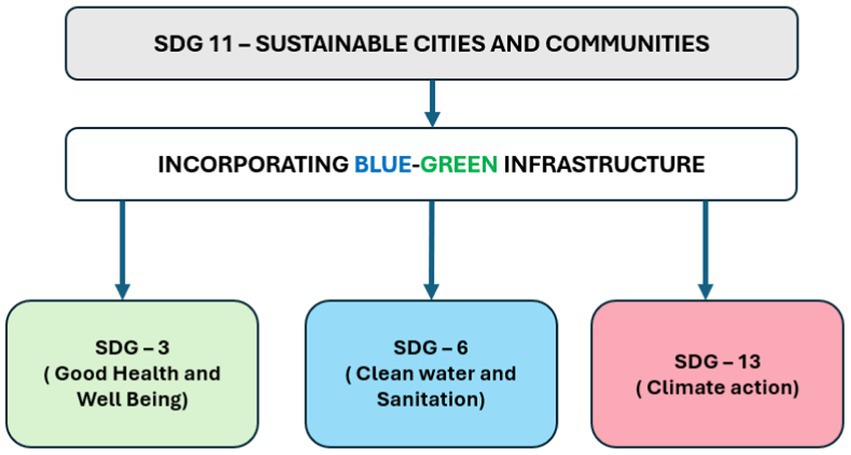
Figure 1. Achieving the goal of SDG 11 by using blue–green infrastructure which satisfies SDG 3, SDG 6, and SDG 13.
The number of articles in the recent past demonstrates how blue–green infrastructures are becoming a crucial part of the urban fabric and need to be integrated (Meerow and Newell, 2017).
In the Indian context, the idea of blue–green infrastructure is relatively new, and many global cities have already begun the transition, driven by exacerbating climate impacts and events. While the green infrastructure concept is gaining attention in India, the country must consider integrating blue infrastructure as part of its sustainability framework (Driver and Mankikar, 2021). As per NAPCC (National Action Plan on Climate Change), the Government of India has two national flagship initiatives, i.e., Atal Mission for Rejuvenation and Urban Transformation (AMRUT) and Smart Cities Mission where both the missions focused on urban livelihoods by incorporating blue–green elements. The Smart City Mission aims to work on the core Infrastructure aspects such as providing reliable water supply and sanitation, striving to improve the quality of people’s lives. However, AMRUT focuses on augmenting existing water supply and sanitation, revitalizing water bodies, and creating communal green spaces (MoHUA, 2023). Despite being a relatively new idea, several Indian cities, including Bengaluru, Delhi, Bhopal, and Madurai, include blue–green elements into their master or action plans to improve the existing natural blue systems and their surrounding public spaces through a thoughtful strategy. Delhi is one of the first cities in India to identify the opportunities for integrated blue–green infrastructure in its policy and published the draft Master Plan of 2041 (Driver and Mankikar, 2021). India needs to encompass comprehensive strategies to combine and protect hydrological elements of the urban landscape alongside the ecological while planning for adaptation and resilience to enhance cities economy and social stability.
3 Role of blue–green spaces for healthy cities
Urban blue–green spaces play an important role in creating healthy communities and can catalyze social cohesion. From a public health perspective, BGI can mitigate urban health risks, promote healthy behaviors, promote eco-health, and enhance urban aesthetics. Kirby and Scott (2023), in their research, declare that residing near blue spaces can lower the risk of developing a mental health disorder by as much as 6% in socioeconomically deprived communities (Kirby and Scott, 2023). WHO conceptualizes “mental health” as a state of wellbeing that enables individuals to realize and manage their everyday stress effectively. It helps the individual to build resilience and reach their potential for a harmonious life and a good work–life balance, which improves the general wellbeing community (WHO, 2021).
Wellbeing has been defined as an overall evaluation that an individual makes of their life in all important aspects. Several studies indicate that there is nearly double the amount of evidence demonstrating the positive impacts of GBI on quality of life and wellbeing than on improved mental health and reduced morbidity. Direct attributes such as increased physical activity and social cohesion were discovered, which can be measured through self-reported methods. However, indirect attributes like improved air quality or a reduction in urban heat islands can be evaluated through intensive clinical methods.
It was discovered that more evidence exists to support the role of direct attributes. The following are direct and indirect attributes of evaluating BGI benefits (refer to Table 1).
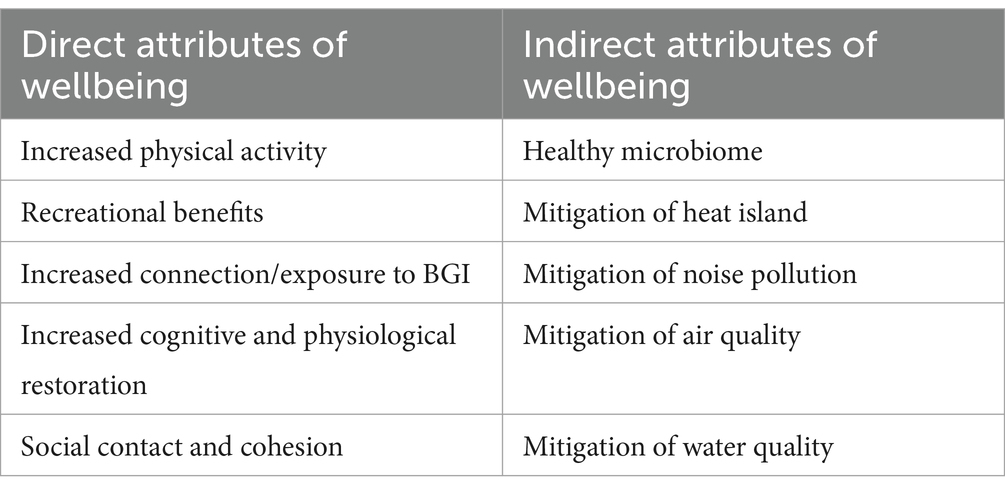
Table 1. Direct and indirect attributes of BGI benefits (Source: Author).
The WHO through case studies highlights the importance of having access to green and blue spaces in nature, which will serve as a refuge for the community to relax and increase their social cohesion. Inseparable and integrated BGI urban landscapes are highly valued in the urban fabric to ensure sustainable communities. BGI-based therapies can significantly promote individual health and wellbeing through (i) physical involvement; (ii) emotional positive resonance; and (iii) self-satisfaction (Li and Trivic, 2024).
3.1 Examples of direct attributes of wellbeing
In traditional Kerala architecture, the essential feature while designing a house is the “ambal kulam,” or pond (Figure 2), which is surrounded by large trees and plants. The major function of the vegetation surrounding the ponds is a determining factor for the ecosystem of ponds. These ponds act as a rainwater reservoir, harbor biodiversity, and alleviate flood risk by improving the runoff water quality. In addition, it contributes to healthier water-based recreation (Yadav and Goyal, 2022). In the olden days, most Kerala houses offered a human-centric living environment in which all the family members indulged in swimming and fishing, fostering physical and mental wellbeing, which led to longevity.
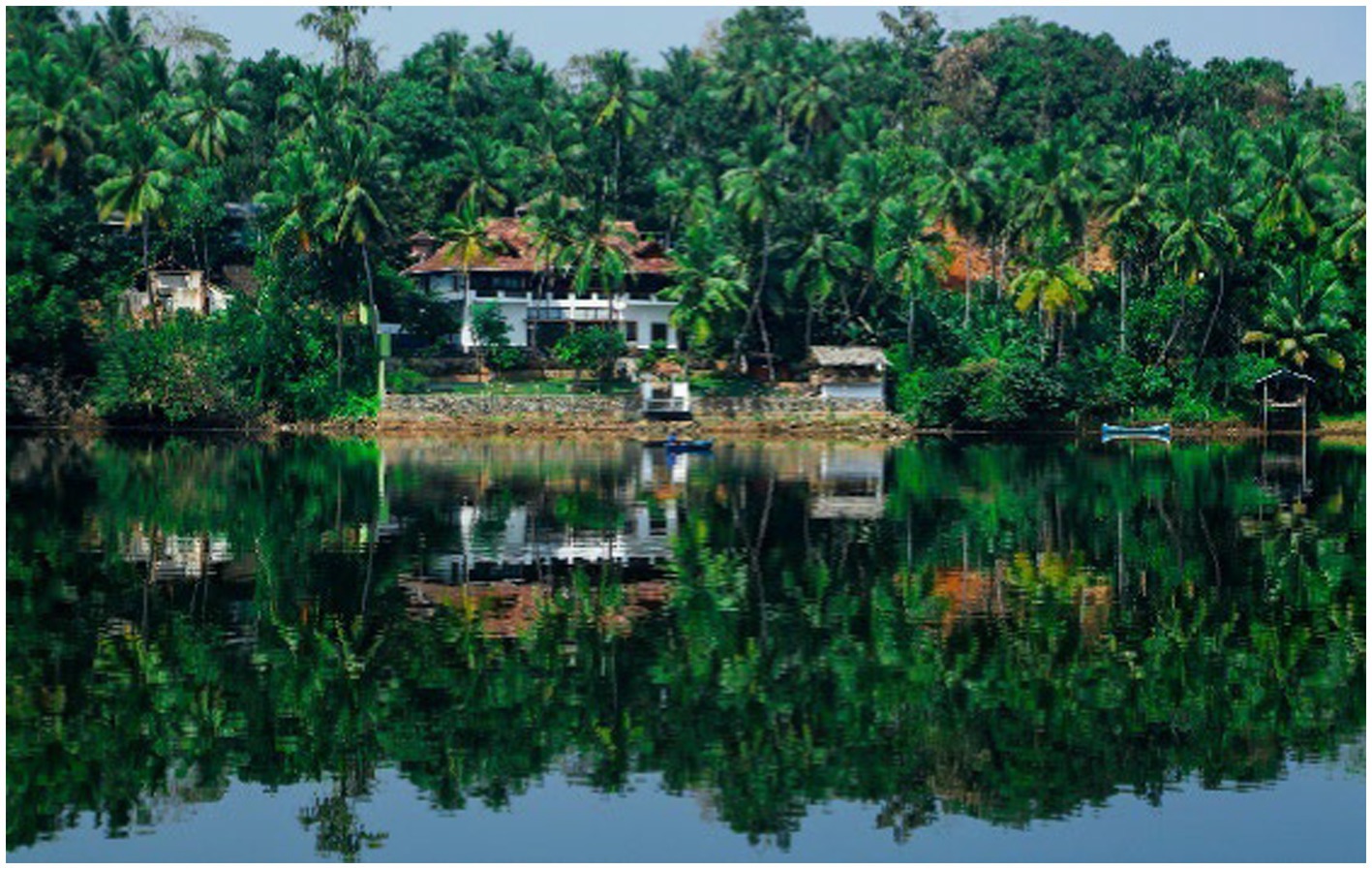
Figure 2. Kerala house with pond (Source: Unsplash).
Similarly, temple tanks are an integral part of BGI in public spaces. The majority of South Indian temples have ponds, which are considered “sacred temple tanks” and are surrounded by sacred groves (Figure 3). These sacred sites hold immense value to devotees, and they believe that they gain spiritual possession after taking a dip in this water, and they perform their rituals. These cultural values are powerful catalysts for place identity and nurture social cohesion (Gruebner et al., 2017). Cultural value in BGI serves as regional symbolism, cultivates a positive social image, and promotes environmental justice. It fosters a strong sense of belonging and ownership among residents and serves as a religious connotation, revitalizing their indigenous culture and serving as a landmark. Engaging in these activities offers a profound impact in reducing stress, boosting strength, and supporting holistic healing, all of which contribute to longevity and a vibrant lifestyle.
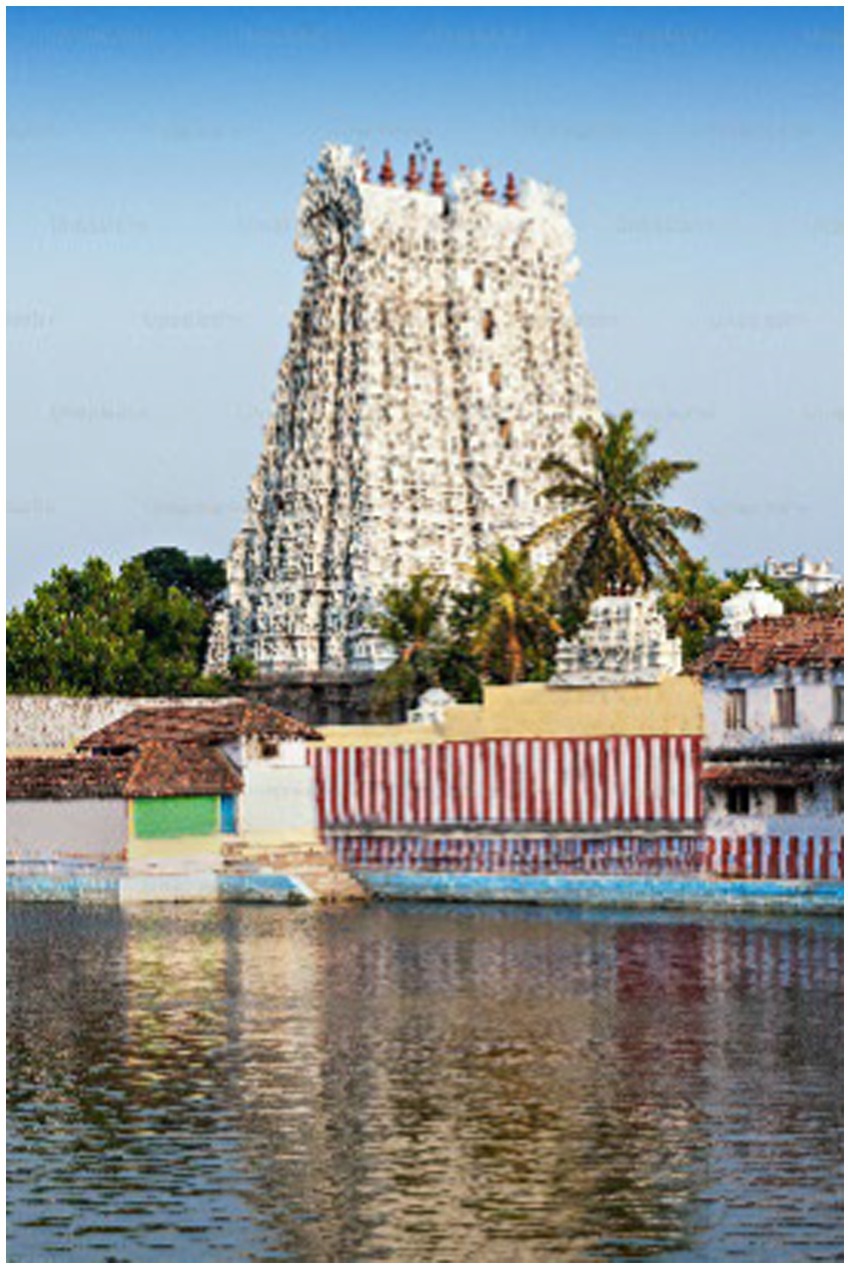
Figure 3. Typical temple tank (Source: Author).
Regrettably, over the past decades, these ponds have been subjected to tremendous pressure due to ever-expanding urban sprawl and encroachment, which has caused considerable shrinkage and deterioration of these natural water resources. As a ray of hope in 2023 the Union Government’s Mission Amrit Sarovar Program has planned to harness the potential of ponds and rejuvenate them to tackle climate change. Over 1,000 ponds in Kerala were rejuvenated to conserve water and benefit the community and ecology. This ecosystem-based approach increased the water-holding capacity of the ponds. It enhanced their utility as this mission believes ponds are critical enablers for environmental sustainability and social wellbeing, serving as lifelines for the sustenance of rural livelihoods in an agrarian economy like India.
4 Benefits of BGI
The benefits of BGI in terms of economy, environment, and community are shown in Figure 4.
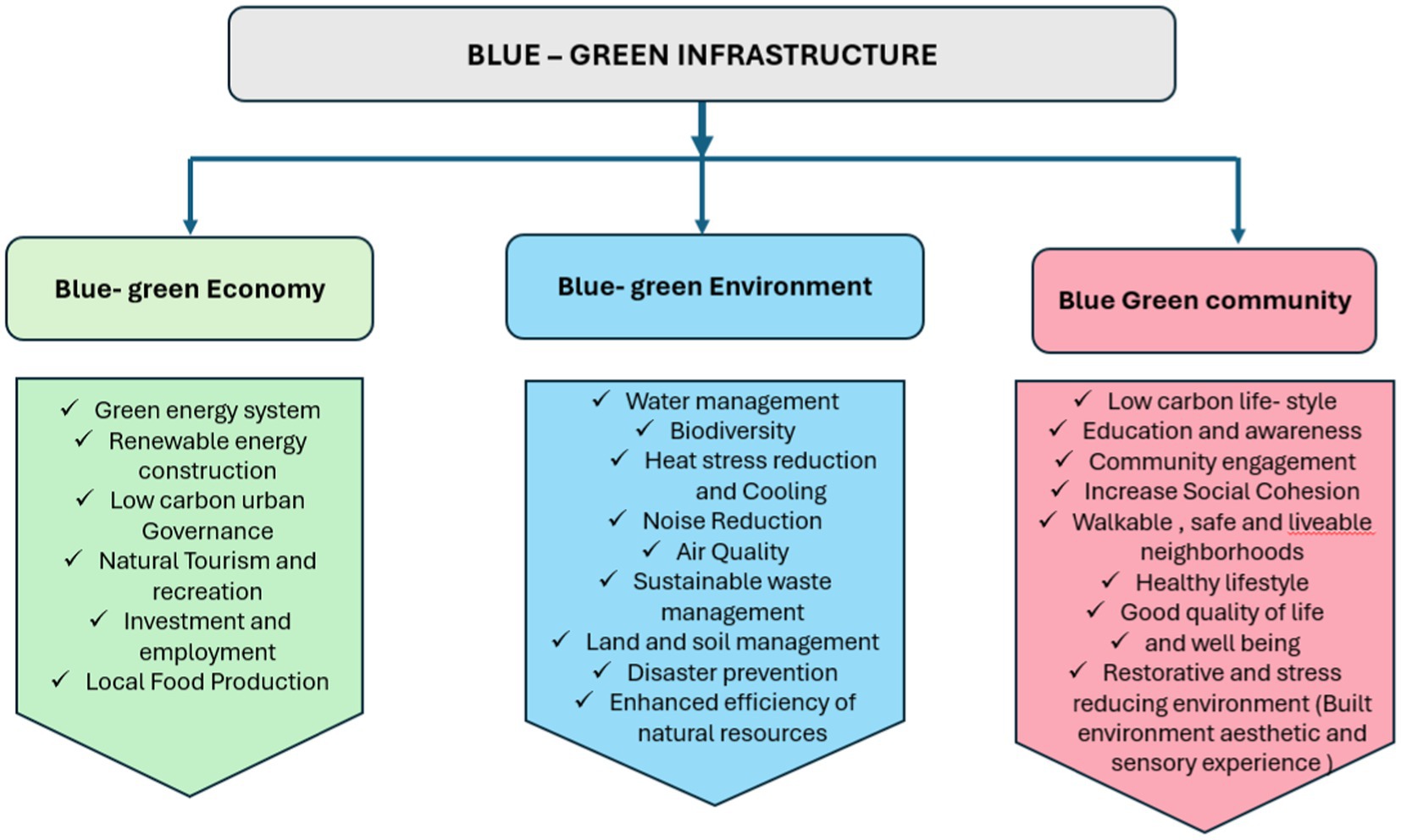
Figure 4. Benefits of BGI in terms of economy, environment, and community.
5 International and national case studies
5.1 International case studies
5.1.1 Case study 1: city level: Sponge City project, China
The idea of ‘Sponge City’ (Table 2) was first introduced by Chinese President Xi Jinping in 2012. It was the most ambitious and promising approach to mitigate the risks associated with water management, such as flooding and waterlogging concerns in Chinese cities. According to statistical data from the Office of State Flood Control and Drought Relief Headquarters in 2013, China has 641 cities at risk of flooding, with more than 100 cities experiencing flooding annually (Griffiths et al., 2020).
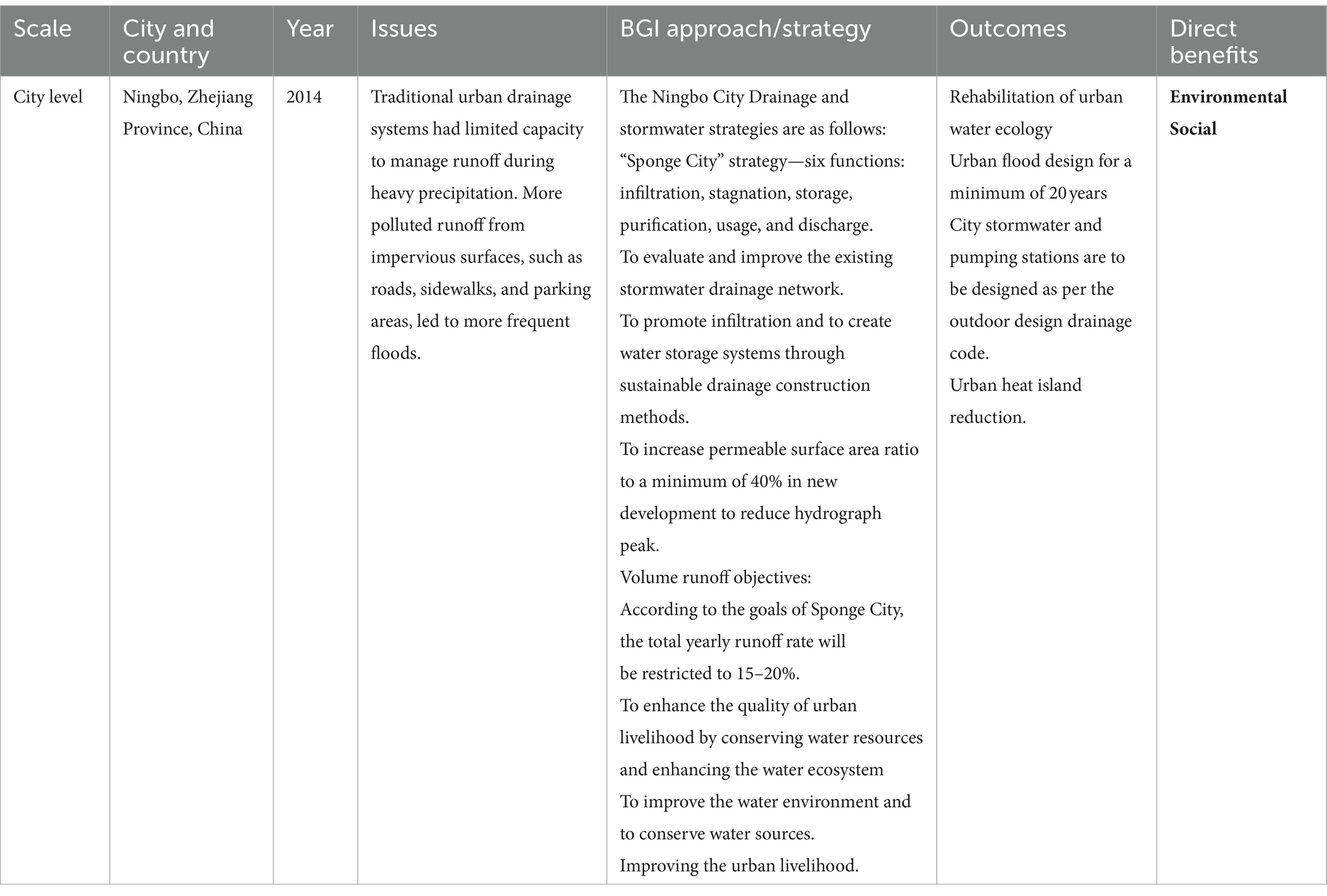
Table 2. Case study 1: city level: Sponge City project, China.
Concept: The philosophy of Sponge City is to manage stormwater by designing a drainage along with green spaces in urban areas allowing them to absorb water like a sponge. It is a nature-based solution to make the cities resilient to flood and drought.
Guidelines: The Ministry of Housing and Urban–Rural Development of the People’s Republic of China (2016) issued the following guidelines:
• Outdoor drainage design code
• Sponge City construction technology guide
• The City Flood Control Engineering Design code
The author has used the case of Ningbo City to demonstrate that the principles of Sponge City guidelines have been applied at the local (neighborhood) level.
Contextual setting: In the last decade, Ningbo City has been sprawling outward beyond pre-defined boundaries and there is a dynamic transformation in land use. The unique feature of the Yangtze River delta place in Ningbo is the most dynamic and densely populated place known for its concentrated industrial hub, where existing farmlands and parklands are converted into high-density development, which considerably reduces naturally permeable landscapes.
5.2 Case study 2: neighborhood level: green street steward program
Case study 2 is explored in Table 3.
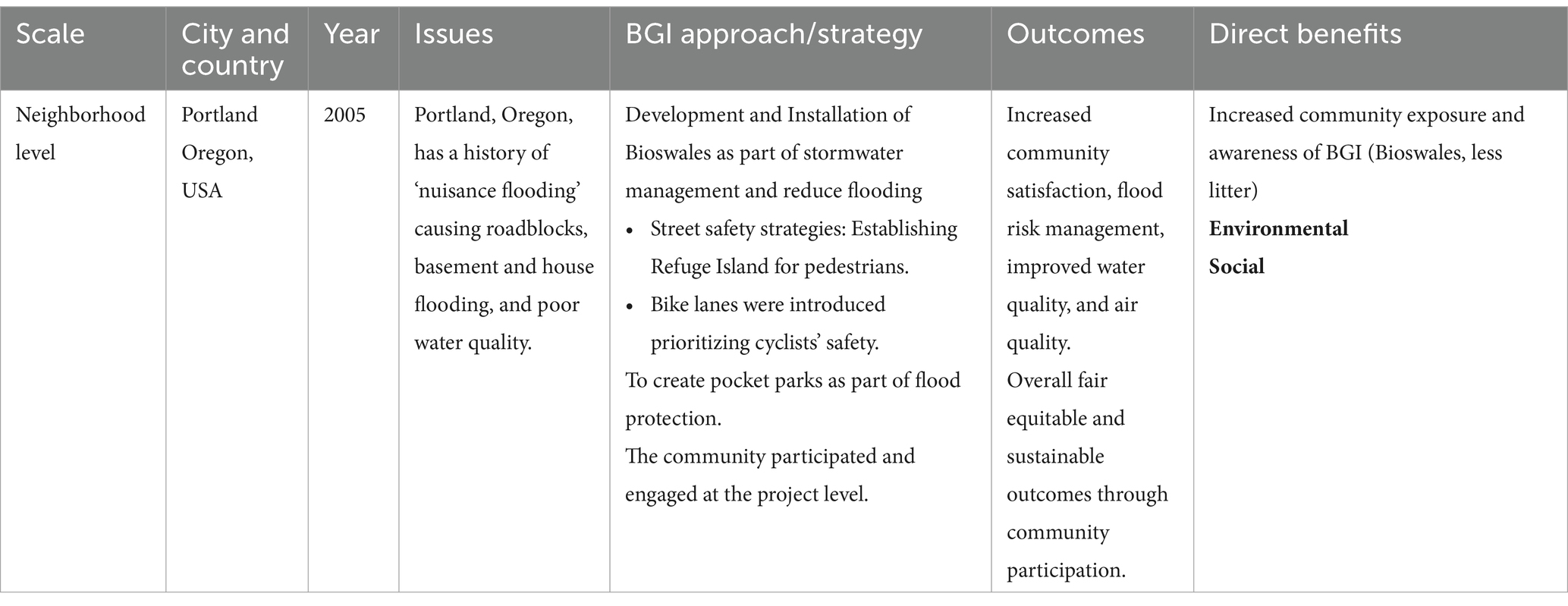
Table 3. Case study 2: neighborhood level: green street steward program.
5.3 National case studies
5.3.1 Case study 1: city level: future proofing Indian cities project
The Future Proofing Cities project (Table 4) has been carried out by the consulting firm Atkins in collaboration with the Department for International Development (DFID) of the UK and the Development and Planning Unit at University College London (UCL) (CDKN, 2016).
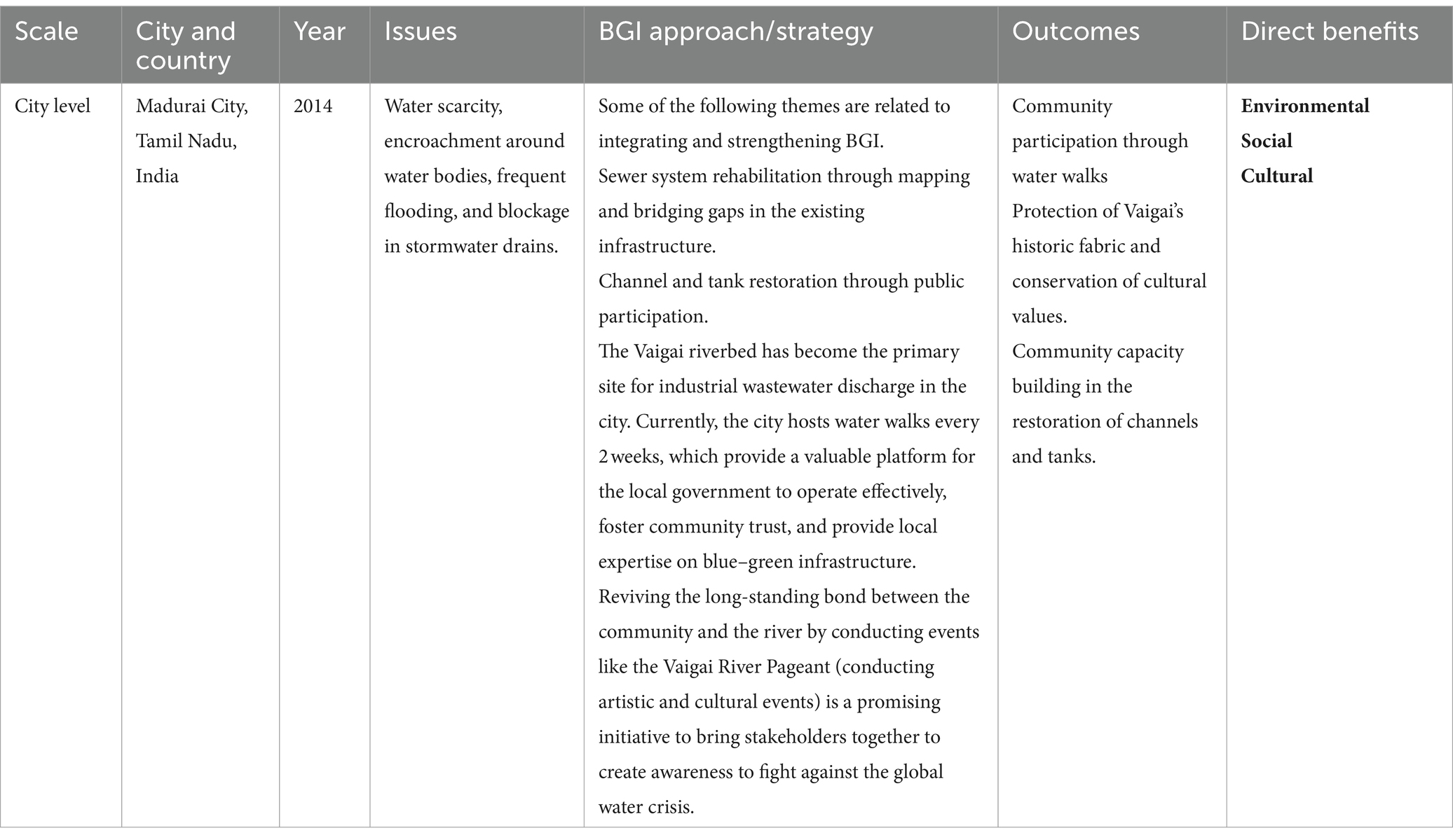
Table 4. Case study 1: city level: future proofing Indian cities project.
The DHAN Foundation is the delivery partner of Madurai City Corporation located in Madurai, Tamil Nadu, helping to future-proof local development initiatives.
Concept: Future-proofing Indian cities is a collaborative and emerging approach that relies on diverse stakeholders’ engagement and promotes the multifaceted benefits of integrated blue–green infrastructure as a climate change adaptation strategy in cities.
Guidelines: Atkins in partnership with UCL and DFID developed an Action Plan under six themes prioritizing the issues identified by stakeholders.
The author has used the case of Madurai City to demonstrate the Action Plan of Future Proofing project, which has been applied at the local (neighborhood) level for strengthening blue–green infrastructure.
Contextual setting: Madurai is one of the ancient temple cities and the second largest city of the South Indian state of Tamil Nadu. Over the past few decades, flooding in Madurai has been exacerbated due to the blockage of stormwater drains and encroachment of slum communities around water bodies. Despite extensive networks of water bodies, Madurai faces extreme water shortages for drinking and irrigation.
5.3.2 Case study 2: neighborhood level: India’s pond rejuvenation program
As a component of the Azadi Ka Amrit Mahotsav (to celebrate and commemorate 75 years of India’s Independence) Mission Amrit Sarovar 2022 (Table 5) was established to rehabilitate and build 75 Amrit Sarovars (ponds) across all districts of the nation to conserve water for future generations (PIB, 2022).
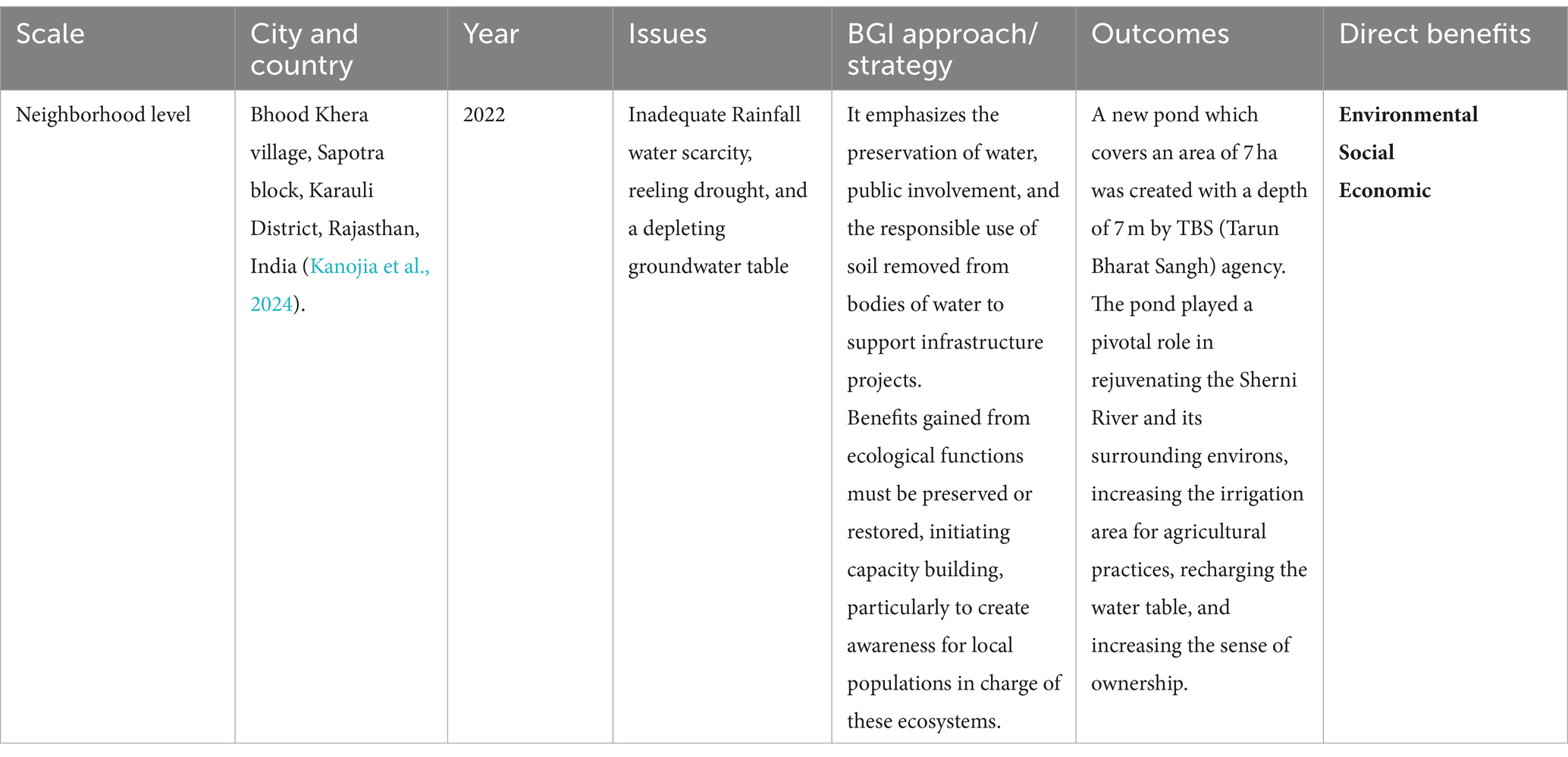
Table 5. Case study 2: neighborhood level: India’s pond rejuvenation program.
Concept: With a minimum pondage size of one acre (0.4 hectares) and a maximum water-holding capacity of 10,000 cubic meters, this mission aims to create 50,000 water bodies. Through pond-based livelihood initiatives, the Mission identifies the economic worth of the pond.
Guidelines: The author has used the case of a man-made pond, which was created at Bhood Khera village, Sapotra block, Karauli District, Rajasthan which is a dry humid zone to address the challenge of water scarcity, reeling drought, and a depleting groundwater table.
6 Best practices: successful case example
Project Name: Chetpet Ecopark, Chennai, Tamil Nadu, India
Year: 2016
Location: Chennai
Overview: Chetpet Lake, popularly called “Chethupattu Aeri,” is the only existing park covering 16 acres surrounded by a 9-acre rain-fed lake. It is located in the heart of Chennai city near Chetpet railway station and belongs to Tamil Nadu Fisheries Department Corporation Limited (TNFDC).
History: According to the historian K.V. Raman’s writings, the people of Settruppedu, Thudarmuniyurnadu, received a gift of gold from a noble in the army of Rashtrakuta King Krishna III, which was given to the Tiruvottriyur temple (Sriramv, 2019). This village, he recognized, is a contemporary Chetpet. A map from 1798 shows that the village of Chetpet is cited in a 1958 Adyar Library Bulletin article. During that period, Namberumal Chetty (1856–1925) was a well-known builder and contractor in Madras (currently officially Chennai). Owning a brick kiln, Namberumal has undertaken multiple government projects and is well known in Chennai for his red brick construction. This location was once a brick field in the 19th century. As the soil was excavated to make bricks during those periods, it eventually transformed into the lake it is today.
According to the vision of colonial civil service officer Sir Frederick Nicholson and engineer Sir Alfred Chatterton, who later became the Director of Industries and taught at the College of Engineering, Guindy, the Madras Presidency was envisioned as an industrialized region. Both individuals played a crucial role in the industrialization of the Madras Presidency (Ravichandran, 2019). Their programs, like the promotion of fisheries, were crucial to the economic growth of the area. The fact that the Fisheries Department took control of Chetpet Lake in the 1930s is a testament to their commitment and foresight.
Issues: The tremendous increase in population density and rampant urban sprawl in Chennai creates immense pressure on water bodies, and they have undergone varying degrees of environmental degradation such as refuse and sewage, and massive depletion of water sources. This Chetpet Lake has been heavily encroached upon and inevitably turned into a dumping ground for illegal sewage outfalls, and illegal dumping of building rubble, and debris for several years.
Vision: In 2013, Former Chief Minister J Jayalalitha paved the way for the transformation of this lake into an ecological park. Chetpet EcoPark (Figure 5) is a fine example of a lake revival model that demonstrates how the lake restoration has not only improved the ecological state but also offered multiple socio-economic benefits, creating a transformative impact on the quality and wellbeing of the community. It has brought multifaceted endeavors such as sensitizing communities for community-engaged restoration projects and the need for healthy spaces and boosting their social cohesion (TNFDC, 2018).
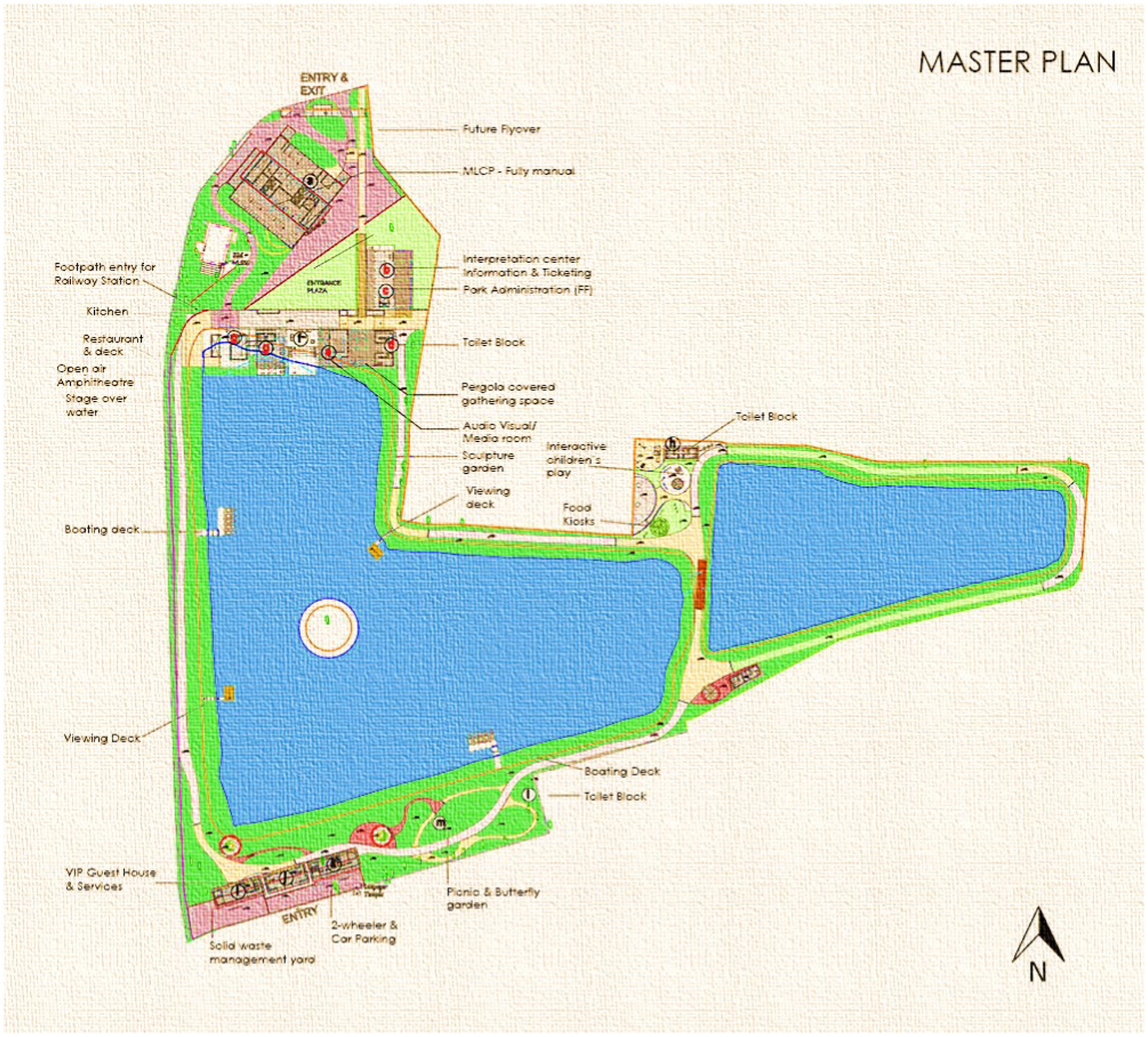
Figure 5. Proposal plan for Chetpet ecological park (Source: recreated by Author).
Visitors: As of June 2017, a total of 3,31,616 individuals have visited the Ecopark (TNFDC, 2018).
As of 2023, the park gets 300 visitors/per day, and approximately 1,000 visitors on weekends.
Objectives of the project:
i. To establish best practices to create and develop a replicable model project of international standards to maintain, develop, and conserve Chetpet Lake.
ii. To conserve and preserve the lake to its original glory.
iii. To attract diverse groups of people to interact with the restored Ecopark to engage them with nature and include it as part of their identity.
iv. To formulate plans and undertake the implementation of programs, to regenerate the Indigenous fauna and flora, and to maintain and preserve ecological and natural resources, such as flora and fauna, waterways, water bodies, and wastewater recycling, preserving rare and all species.
v. To formulate, evolve, and identify the suitable mechanism for augmenting necessary revenues through commercial operation.
Budget: Rs. 42 crores.
The proposal aims to restore and regenerate both natural and semi-natural ecosystems to establish a natural habitat along the edge of the water. The area features two water bodies according to the proposed plan, and it is bordered by plantations and low-impact, sustainable constructions; 96% of the chosen species are indigenous and promote insect and bird life. Many of the chosen species are resistant to drought. Ground covers and grasses selected will serve the purpose of soil stabilization and filtering of runoffs (Author, 2024).
Currently, the depth of the lake is 13 feet and to a maximum of 18 feet lacks a natural source of freshwater: instead, a tertiary sewage treatment plant treats sewage, and approximately 20,000 L of treated water is discharged into the lake every day (TNFDC, 2018).
These projects benefit the public in several ways. Once a dumping ground filled with sewage and sludge, the Chetpet Lake today is a bustling eco-park in the heart of the city. The 16-acre eco-park consists of angling decks, facilities for boat rides, a play area for children, a walking/jogging track, a multi-level car park, and a cafeteria (Table 6).
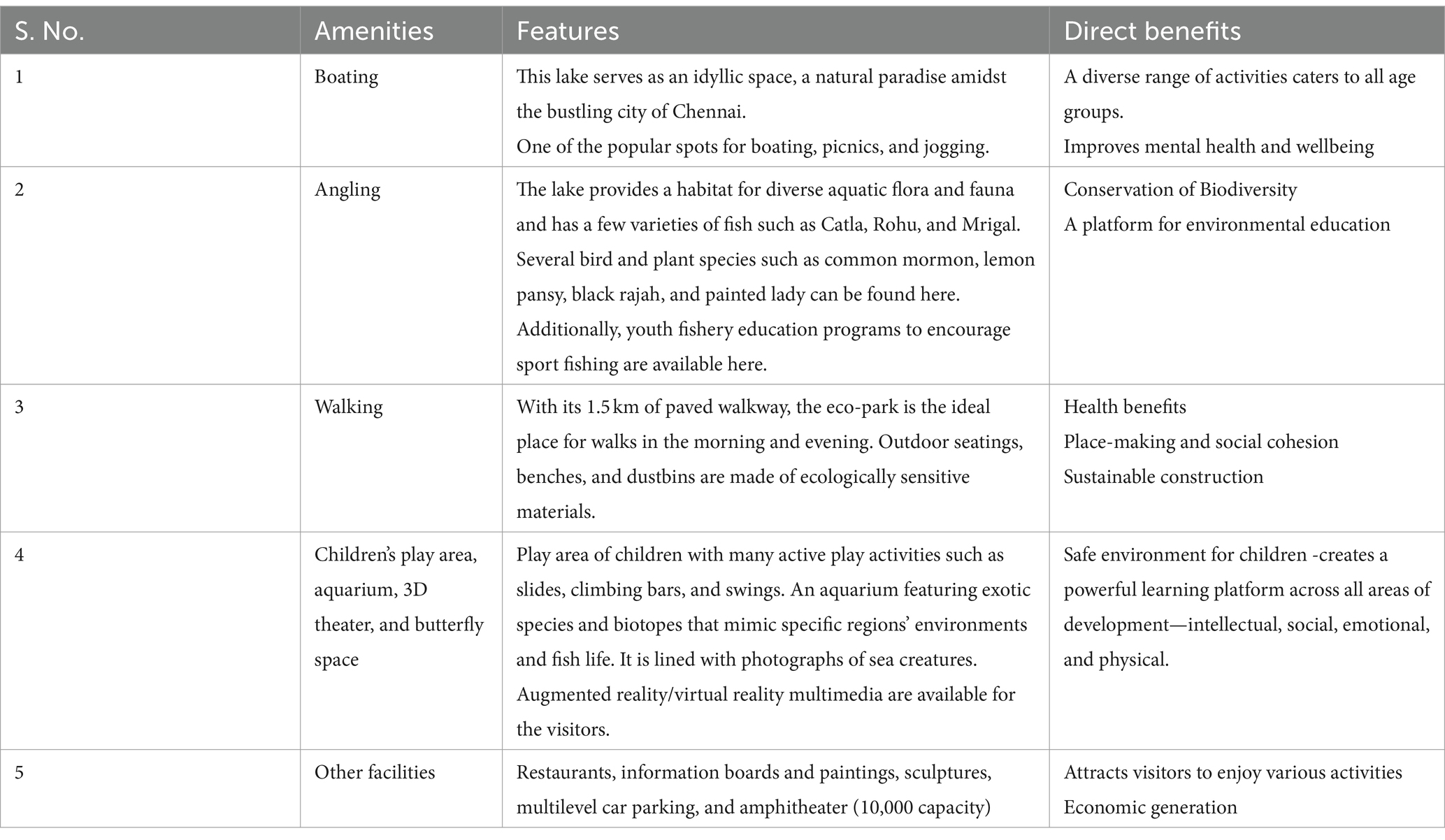
Table 6. Successful case example: Chetpet Ecopark, Chennai, Tamil Nadu, India.
According to a park administrator, for maintenance purposes, the majority of the amenities of the park are leased to outside companies to manage. For example, as discussed one portion of the lake (3 acres) has been leased out for fishing. Twenty pedal boats are being used by a private party for boating in the remaining area.
6.1 Goals of Chetpet EcoPark
Chetpet ecosystem conservation achieved the following goals (Figure 6):
a. Water quality restoration
b. Reintroduce local flora
c. Facilitate the return of native fauna
d. Water management
e. Wellbeing of the community (as a recreation spot for all age groups)
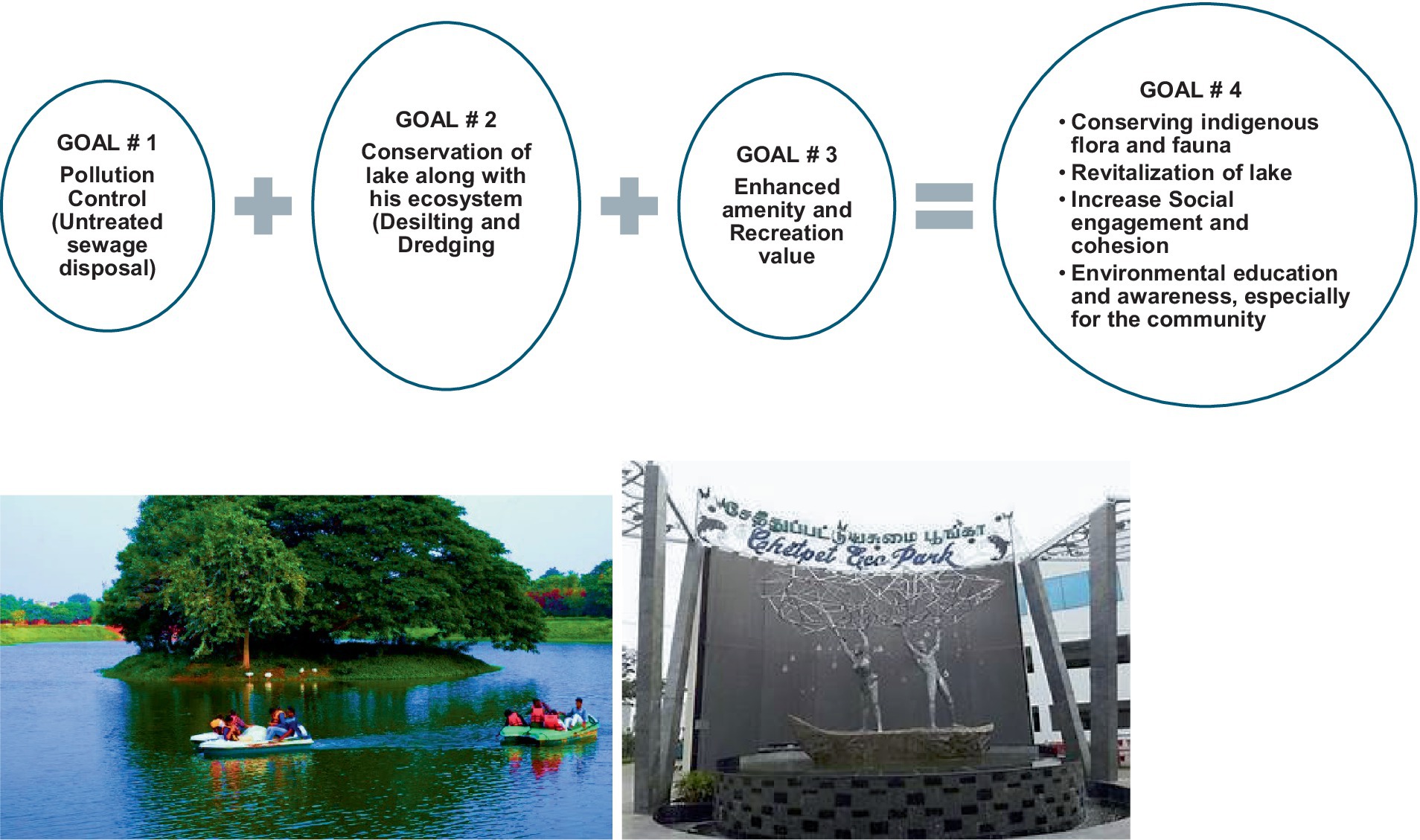
Figure 6. Goals and photographs of Chetpet EcoPark (Source: Author).
The human interface strategy aims to:
a. Develop an educational campaign to raise awareness of sustainability and blue–green infrastructure.
b. Promote the region as an ECOPARK-certified environmentally sustainable location.
In recent years, residents of Chennai have begun to realize that restoring and conserving the landscape of the city may strengthen the In recent years, residents of Chennai have begun to realize that restoring and conserving the city’s landscape may strengthen the local economy. Reversing the loss of natural capital requires the implementation of landscape restoration projects, an underutilized strategy. About the idea of multifunctionality, this Chetpet Ecopark serves successful case study to demonstrate how integrated blue–green infrastructure could be potentially used to optimize community benefits.
The worldwide aim of reducing climate change and conserving biodiversity can greatly benefit from ecological restoration. A paradigm shift is urgently needed at this juncture to understand how ecological restoration can bring back the entire ecosystem to a healthy state by altering a degraded area to its original or pre-disturbance state.
7 Conclusion
All the above case studies gather and summarize data regarding the possible advantages of creating blue–green infrastructure (BGI) to improve wellbeing, physical health, and mental health. The lessons learned from best practices show that the concept of integrated BGI is universally valued and a vital component to battle climate change crisis and will support practitioners in advocating to policymakers for health-promoting BGI, integrating it into investment, master planning, and policy, and designing BGI to optimize health benefits.
Data availability statement
The raw data supporting the conclusions of this article will be made available by the authors without undue reservation.
Author contributions
SJ: Conceptualization, Data curation, Investigation, Methodology, Writing – original draft.
Funding
The author(s) declares that financial support was received for the research, authorship, and/or publication of this article. The author received financial support from the Vellore Institute of Technology for the publication of the article.
Conflict of interest
The author declares that the research was conducted in the absence of any commercial or financial relationships that could be construed as a potential conflict of interest.
Publisher’s note
All claims expressed in this article are solely those of the authors and do not necessarily represent those of their affiliated organizations, or those of the publisher, the editors and the reviewers. Any product that may be evaluated in this article, or claim that may be made by its manufacturer, is not guaranteed or endorsed by the publisher.
References
Andreucci, M. B., Russo, A., and Olszewska-Guizzo, A. (2019). Designing urban green blue infrastructure for mental health and elderly wellbeing. Sustain. For. 11:6425. doi: 10.3390/su11226425
Author, N. (2024). Chetpet – ecological park. Retrieved from functional forms. Available at: https://www.functionalforms.in/portfolio-posts/chetpet/ (Accessed September 9, 2024).
Barker, A., Clay, G. D., Morrison, R., Payne, S., Gilchrist, A., Rothwell, J., et al. (2019). Understanding green infrastructure at different scales: a signposting guide. UK: Natural Environment Research Council (NERC), University of Manchester and the Universityof Sheffield.
Canzonieri, C., Benedict, M., and McMahon, E. (2007). Green infrastructure: linking landscapes and communities. Landsc. Ecol. 22, 797–798. doi: 10.1007/s10980-006-9045-7
CDKN (2016). Future proofing of an Indian City: lessons from Madurai. UK: UK Department for International Development (DFID) and the Netherlands Directorate-General for International Cooperation (DGIS).
Charlesworth, S., Warwick, F., and Lashford, C. (2016). Decision-making and sustainable drainage: design and scale. Sustaianability 8:782. doi: 10.3390/su8080782
Daniels, P., Baghdadi, O. E., Desha, C., and Matthews, T. (2020). Evaluating net community benefits of integrating nature within cities. Sustain. Earth 3, 1–15. doi: 10.1186/s42055-020-00025-2
Driver, B., and Mankikar, S. (2021). Blue-green infrastructure: an opportunity for Indian cities. New Delhi: Observer Research Foundation.
Griffiths, J., Chan, F. K. S., Shao, M., Zhu, F., and Higgitt, D. L. (2020). Interpretation and application of Sponge City guidelines in China. Philos. Trans. R. Soc. A Math. Phys. Eng. Sci. 378:20190222. doi: 10.1098/rsta.2019.0222
Gruebner, O., Rapp, M., Adli, M., Kluge, U., Galea, S., and Heinz, A. (2017). Cities and mental health. Dtsch. Arztebl. Int. 114, 121–127. doi: 10.3238/arztebl.2017.0121
Kanojia, V., Sehrawat, N., Khanna, S., Issar, T., and Malhotra, K. (2024). India's pond rejuvenation programme: lessons from the mission Amrit Sarovar implementation in India. New Delhi: Development Alternatives.
Kirby, M., and Scott, A. (2023). Green blue infrastructure impacts on health and wellbeing; a rapid evidence assessment. CAPE: Capabilities in Academic Policy Engagement UCL.
Li, J., and Trivic, Z. (2024). Impact of “blue-green diet” on human health and wellbeing: a systematic review of potential determinants in shaping the effectiveness of blue-green infrastructure (BGI) in urban settings. Sci. Total Environ. 926:171397. doi: 10.1016/j.scitotenv.2024.171397
Lõhmus, M., and Balbus, J. (2015). Making green infrastructure healthier infrastructure. Infect. Ecol. Epidemiol. 5:30082. doi: 10.3402/iee.v5.30082
Meerow, S., and Newell, J. P. (2017). Spatial planning for multifunctional green infrastructure: growing resilience in Detroit. Landsc. Urban Plan. 159, 62–75. doi: 10.1016/j.landurbplan.2016.10.005
Mell, I., and Scott, A. (2023). ICE manual of blue-green infrastructure. In the ICE manuel of blue-green infrastructure ICE publishing. Eds. Washbourne, C., and Wansbury, C., 3–22.
Mishra, V . (2024). Floods, landslides wreak havoc across South Asia. Retrieved from UN News, Global Perspective Human Stories. Available at: https://news.un.org/en/story/2024/08/1153726 (Accessed September 9, 2024).
MoHUA . (2023). Atal mission for rejuvenation and urban transformation-AMRUT. Retrieved from Ministry of Housing & Urban Affairs, Government of India. Available at: https://mohua.gov.in/ (Accessed September 9, 2024).
PIB . (2022). Amrit sarovar scheme. Retrieved from Ministry of Rural Development. Available at: https://rural.gov.in/en/press-release/mission-amrit-sarovar-0 (Accessed September 11, 2024).
Ravichandran, B . (2019). Remembering father of coop movement. Retrieved from Deccan Chronicle. Available at: https://www.deccanchronicle.com/nation/current-affairs/141119/remembering-father-of-coop-movement.html (Accessed September 12, 2024).
Spence, C. (2020). Senses of place: architectural design for the multisensory mind. Cogn. Res. Principles Implicat. 5:46. doi: 10.1186/s41235-020-00243-4
Sriramv . (2019). The 99 houses of Namberumal Chetty – where are they? Retrieved from Madras Heritage and Carnatic Music. Available at: https://sriramv.com/2019/09/09/the-99-houses-of-namberumal-chetty-where-are-they/
Srivastava, K. (2009). Urbanization and mental health. Ind. Psychiatry J. 18, 75–76. doi: 10.4103/0972-6748.64028
Valente de Macedo, L. S., Picavet, M. B., Puppim de Oliveira, J. A., and Shih, W.-Y. (2021). Urban green and blue infrastructure: a critical analysis of research on developing countries. J. Clean. Prod. 313:127898. doi: 10.1016/j.jclepro.2021.127898
Voskamp, I. M., and Ven de van, F. H. M. (2015). Planning support system for climate adaptation: composing effective sets of blue-green measures to reduce urban vulnerability to extreme weather events. Build. Environ. 83:159. doi: 10.1016/j.buildenv.2014.07.018
Wang, K., Sun, Z., Cai, M., Liu, L., and Wu, H. (2022). Impacts of urban blue-green space on residents’ health: a bibliometric review. Int. J. Environ. Res. Public Health 19:16192. doi: 10.3390/ijerph192316192
WHO (2021). Green and blue spaces and mental health- new evidence and perspectives for action. Europe: World Health Organization.
Keywords: blue–green infrastructure, Chennai, case studies, wellbeing, quality of life
Citation: Jagadisan S (2024) Promoting integrated blue–green infrastructure for urban resilience—lessons learned from case studies. Front. Water. 6:1474411. doi: 10.3389/frwa.2024.1474411
Edited by:
Kshama Gupta, Indian Institute of Remote Sensing, IndiaReviewed by:
Swatantra Kumar Dubey, Seoul National University of Science and Technology, Republic of KoreaSadhana Jain, Indian Space Research Organisation, India
Copyright © 2024 Jagadisan. This is an open-access article distributed under the terms of the Creative Commons Attribution License (CC BY). The use, distribution or reproduction in other forums is permitted, provided the original author(s) and the copyright owner(s) are credited and that the original publication in this journal is cited, in accordance with accepted academic practice. No use, distribution or reproduction is permitted which does not comply with these terms.
*Correspondence: Sharmila Jagadisan, c2hhcm1pbGEuamFnYWRpc2FuQHZpdC5hYy5pbg==