DT
daria tashyreva
University of Warsaw
Warsaw, Poland
504
Total downloads
5,392
Total views and downloads
Submit your idea
You will be redirected to our submission process.
Manuscript Submission Deadline 2 June 2026
This Research Topic is currently accepting articles.
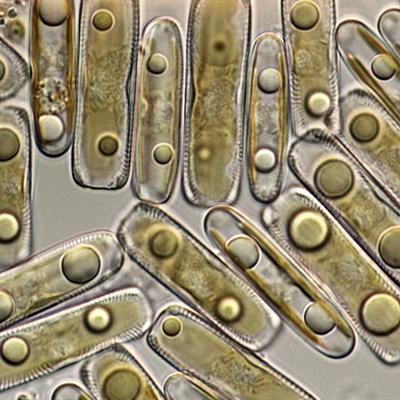
Symbiotic associations between protists and prokaryotes are fundamental to the diversity, ecological success, and cellular complexity of eukaryotes. At the dawn of eukaryotic evolution, bacteria became integral components of eukaryotic cells, evolving into mitochondria and plastids. Beyond these well-known organelles, a variety of phylogenetically and functionally diverse prokaryotes have established symbiotic relationships with eukaryotes, particularly protists, which represent the majority of eukaryotic diversity. Protists engage in symbioses with a wide range of prokaryotes, including Proteobacteria, Cyanobacteria, Archaea, Chlamydiae, and Bacteroidetes, as well as novel bacterial lineages known only through DNA signatures. These symbiotic relationships allow protists to sequester prokaryotes within their cells, providing a regulated environment that enhances the metabolic potential of the host, diversifies ecological niches, and offers protection against competitors, infections, and predation. Recent studies have uncovered new types of symbiotic relationships, such as the primary plastids in Paulinella and non-photosynthetic cyanobacterial symbionts that supply nitrogen fixation products. Despite these advances, our understanding of the prevalence, roles, and interaction mechanisms of endosymbionts in protists remains limited.
This research topic aims to expand our knowledge of bacterial and archaeal symbionts in protists. Specifically, it seeks to address the prevalence of these symbionts, their roles within their protist hosts, and the molecular mechanisms underlying their interactions. By exploring these aspects, the research aims to answer key questions about the diversity and function of protist-associated prokaryotes, test hypotheses regarding their evolutionary significance, and uncover the molecular basis of these intricate relationships.
To gather further insights into the symbiotic associations of protists with prokaryotes, we welcome articles
addressing, but not limited to, the following themes:
- New examples of symbiotic associations with various protist lineages
- Occurrence of protist-associated prokaryotes (including studies of the protist microbiome) in diverse environments
- Analysis of genome composition and evolution of protist-associated symbionts
- Insights into the roles of protist symbionts and microbiome and molecular mechanisms of interaction with the hosts
The article types accepted in this Research Topic include Brief Research Report, Methods, Mini Review, Opinion, Original Research, and Review.
This Research Topic accepts the following article types, unless otherwise specified in the Research Topic description:
Articles that are accepted for publication by our external editors following rigorous peer review incur a publishing fee charged to Authors, institutions, or funders.
Keywords: endosymbiont, intracellular bacteria, intracellular archaea, microbiome, microeukaryote, symbiosis
Important note: All contributions to this Research Topic must be within the scope of the section and journal to which they are submitted, as defined in their mission statements. Frontiers reserves the right to guide an out-of-scope manuscript to a more suitable section or journal at any stage of peer review.
Manuscripts can be submitted to this Research Topic via the main journal or any other participating journal.
Submit your idea
You will be redirected to our submission process.
