RG
rui guo
College of Animal Sciences (College of Bee Science), Fujian Agriculture and Forestry Universit
Fuzhou, China
402
Total downloads
3,247
Total views and downloads
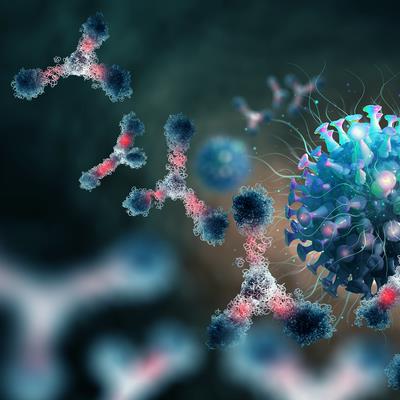
In the dynamic field of host-pathogen interactions, the balance between host survival and pathogen invasion hinges on multifaceted interactions that span immune defenses, pathogen proliferation, and evolutionary dynamics across various organisms including humans, animals, plants, and insects. Recent advancements in research methodologies and technological innovations have significantly enhanced our understanding of these complex interactions. Despite progress, many aspects remain poorly understood, calling for deeper exploration using the latest genetic and epigenetic tools like gene editing and third-generation sequencing, which offer promising new avenues for breakthroughs in this field.
This Research Topic aims to deepen our understanding of host resistance, pathogen infection mechanisms, and the co-evolutionary processes that define host-pathogen dynamics. By leveraging state-of-the-art genetic and epigenetic methodologies, this series seeks to uncover new layers of regulation and interaction that could lead to novel therapeutic strategies and insights into evolutionary biology.
To expand on this complex subject, the Research Topic will focus on a range of important areas. We invite contributions particularly in the following themes:
• Strategies for host immune defense against various pathogens (e.g., bacteria, fungus, viruses, microsporidia)
• Genetic and epigenetic mechanisms driving host and pathogen responses
• Roles of non-coding RNAs in the regulation of host-pathogen interactions
• Application of advanced omics technologies to study host-pathogen co-evolution
• Recent advancements in genetic and epigenetic studies of host-pathogen dynamics
Keywords: Host, Pathogen, Genetics, Epigenectis, Immune defense, Infection, Mechanism
Important note: All contributions to this Research Topic must be within the scope of the section and journal to which they are submitted, as defined in their mission statements. Frontiers reserves the right to guide an out-of-scope manuscript to a more suitable section or journal at any stage of peer review.
College of Animal Sciences (College of Bee Science), Fujian Agriculture and Forestry Universit
Fuzhou, China
Southwest University
Chongqing, China
Fujian Agriculture and Forestry University
Fuzhou, China
Dongguan Maternal and Child Health Hospital
Guangdong, China
Department of Veterinary Medical Sciences, University of Bologna
Bologna, Italy
