MA
matthew a reilly
The Ohio State University
Columbus, United States
2,218
Total downloads
13k
Total views and downloads
Presbyopia is a prevalent age-related condition characterised by the decline in near vision, primarily caused by the hardening and continuous growth of the eye's lens. In 2015 alone, approximately 1.8 billion people globally were affected by this condition, significantly impacting their daily lives and quality of living. Despite temporary solutions providing some relief, the fundamental understanding of the biochemical and biomechanical transformations in the ageing lens is paramount for developing long-term solutions to reverse or mitigate presbyopia. Current research has begun to unveil the complex mechanisms involved in lens accommodation loss and stiffness increase, yet comprehensive answers to these challenges remain elusive.
Continued scientific exploration has highlighted the importance of understanding the interplay between biochemical changes, such as post-translational protein modifications, and biomechanical properties, such as alterations in lens stiffness. Recent studies have focused on the lens epithelial cell dynamics, changes in transport systems as the lens ages, and the pivotal role of cytoskeletal proteins in facilitating normal lens function. While advances in measuring techniques and early therapeutic approaches offer promise, further research is needed to hone these methods and understand the overarching mechanisms driving lens ageing and growth.
This Research Topic aims to address the multifaceted challenges of presbyopia by delving into the changes in lens stiffness and accommodation resulting from ageing. Through this scrutiny, we seek to identify innovative interventions and preventive measures to enhance life quality for affected individuals. Our goal is to foster a comprehensive understanding of presbyopia by integrating insights from diverse scientific disciplines, ranging from cellular biology to clinical applications.
To gather further insights into the complexities of the ageing lens, we welcome research articles and reviews that illuminate the following topics:
- Post-translational modifications of lens proteins and their impact on lens ageing
- The dynamics between lens epithelial cells and the capsule during ageing
- Changes in lens transport systems as a result of ageing
- The role of lens cytoskeletal proteins in age-related visual impairment
- Biomechanical properties of the lens and lens capsule and their evolution with age
- Novel techniques for measuring lens stiffness and accommodation capabilities
- Emerging therapies aimed at reversing or preventing increased lens stiffness
- Understanding the driving forces behind lens growth and ageing mechanisms
We encourage submissions that contribute to a comprehensive understanding of presbyopia through empirical research and review articles, facilitating the development of sustainable interventions for this widespread condition.
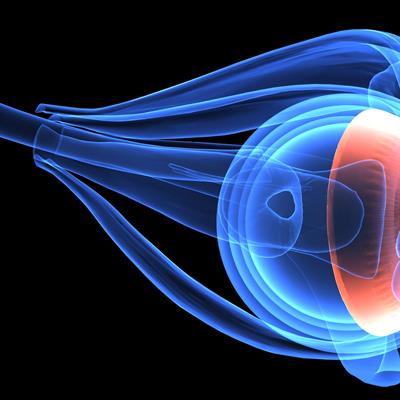
Keywords: Lens stiffness, lens accommodation, presbyopia, aging
Important note: All contributions to this Research Topic must be within the scope of the section and journal to which they are submitted, as defined in their mission statements. Frontiers reserves the right to guide an out-of-scope manuscript to a more suitable section or journal at any stage of peer review.
