DC
daniel craighead
University of Minnesota Twin Cities
St. Paul, United States
3,210
Total downloads
17k
Total views and downloads
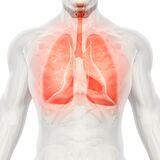
Respiratory interventions (e.g., Yogic breathing, resisted efforts, intermittent hypoxia, voluntary hyperpnea) are popular and generally accessible lifestyle strategies that have been investigated as means for improving physiological function and decreasing disease risk. Results, mostly from small studies in select populations, indicate respiratory interventions hold potential for improving human health. In turn, this work has spurred considerable popular interest in respiratory training and breathwork and given rise to wide-ranging claims of its beneficial effects on health and wellbeing.
Despite favorable outcomes and widespread popularity, there remain significant gaps in our understanding as to the intermediate and long-term health benefits of the various respiratory-related interventions and their potential underlying mechanism(s). Additional and more rigorous investigations are needed if we are to; a) establish the benefits of these types of interventions for healthy adults and select clinical populations; and b) identify a range of potential mechanism(s) of action.
This Research Topic welcomes contributions that enhance our understanding of how respiratory-related interventions may improve health and well-being. Areas of interest include but are not limited to:
- The impact of modulated breathing (e.g., acute, intermediate, or long-term, resisted inspiratory/expiratory breaths, paced breathing) on health biomarkers such as blood pressure, regional blood flow, circulating hormones, and (central/autonomic) nervous system activation.
- Impact on physical function (e.g., exercise endurance, exercise tolerance, performance, oxygen uptake/CO2 production), strength, and muscle fatigue.
- The impact of respiratory-related interventions in select patient populations.
- Impact on stress, sleep, and brain health.
- Systems and/or cellular mechanisms (i.e., cardiovascular, cerebrovascular, peripheral vascular (endothelial), immune cell activation, CNS /ANS responses) through which respiratory-related interventions may impact physiological function.
- Innovative methodology/approaches to implementing and/or monitoring respiratory-related interventions in select populations.
The following manuscript types are welcomed: original research, perspective, methods, case report, brief research report, and hypothesis and theories.
Keywords: inspiration, expiration, deep breathing, pranayama, hyperpnea, hypoxia
Important note: All contributions to this Research Topic must be within the scope of the section and journal to which they are submitted, as defined in their mission statements. Frontiers reserves the right to guide an out-of-scope manuscript to a more suitable section or journal at any stage of peer review.
