MK
mithlesh kumar temre
National Institute on Aging (NIH)
Bethesda, United States
1,375
Total views and downloads
Submit your idea
You will be redirected to our submission process.
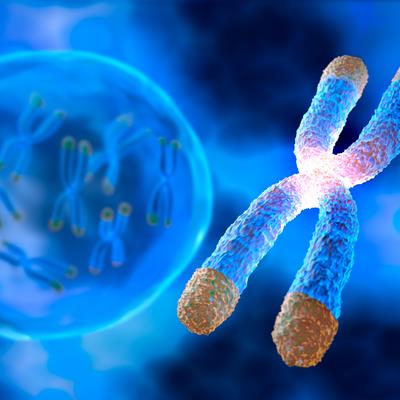
Telomere shortening and DNA damage play crucial roles in aging, a multifaceted biological phenomenon characterized by a gradual decline in physiological function and increased vulnerability to diseases. Telomeres, protective caps located at the ends of chromosomes, undergo progressive shortening with each cell division due to constraints within the DNA replication machinery. This gradual attrition of telomeres functions as a biological timekeeper, eventually initiating cellular senescence or programmed cell death. Additionally, malfunctioning telomeres can instigate genomic instability, resulting in the accumulation of DNA damage. The intricate interplay between telomere shortening and DNA damage response pathways underscores their intertwined contributions to aging.
DNA damage, stemming from various internal and external factors like reactive oxygen species, radiation, and environmental toxins, accrues over time, overwhelming cellular repair mechanisms and compromising cellular function. Consequently, aged cells exhibit diminished proliferation, altered gene expression patterns, and heightened susceptibility to programmed cell death. Furthermore, dysfunctional telomeres and DNA damage synergistically contribute to the onset and progression of age-related diseases, including cancer, neurodegenerative disorders, and cardiovascular ailments.
This Research Topic invites contributions that delve into the molecular mechanisms underlying telomere shortening and DNA damage in aging, essential for devising interventions to alleviate age-related pathologies and enhance human healthspan. The overarching aim is to provide a comprehensive overview of current understanding and pivotal discoveries in the field, with continued research efforts poised to unravel the intricate connections between telomere biology, DNA damage, and aging, paving the way for innovative strategies to extend human longevity and augment the quality of life in aging populations.
Potential topics include but are not limited to Telomere Biology and Disorders, DNA Damage Response, Aging Biology, Molecular Mechanisms of Aging, Age-related Diseases, and Therapeutic Interventions.
This Research Topic accepts the following article types, unless otherwise specified in the Research Topic description:
Articles that are accepted for publication by our external editors following rigorous peer review incur a publishing fee charged to Authors, institutions, or funders.
Keywords: Telomere Shortening, DNA Damage, Aging Biology, Cellular Senescence, Genomic Instability, Therapeutic Interventions
Important note: All contributions to this Research Topic must be within the scope of the section and journal to which they are submitted, as defined in their mission statements. Frontiers reserves the right to guide an out-of-scope manuscript to a more suitable section or journal at any stage of peer review.
Manuscripts can be submitted to this Research Topic via the main journal or any other participating journal.
Submit your idea
You will be redirected to our submission process.
