CT
christina tsigalou
Medical School, Democritus University of Thrace
Alexandroupolis, Greece
996
Total downloads
13k
Total views and downloads
Submit your idea
You will be redirected to our submission process.
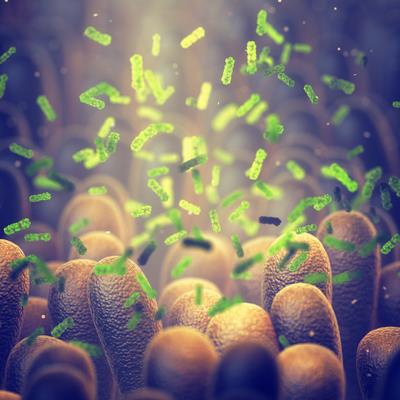
The gut microbiome, a diverse community of microorganisms residing in our digestive tract, plays an essential role in overall health and well-being. It is increasingly recognized for its influence on the aging process. As we age, changes in the gut microbiota composition can impact immune function, inflammation, and metabolism, which are critical factors in age-related diseases and longevity.
Aging is a complex biological process characterized by a gradual decline in physiological function and increased susceptibility to disease. The gut microbiome has emerged as a key player in modulating aging, affecting everything from metabolic health to cognitive function. Recent studies suggest that the gut microbiome's composition and activity can either accelerate or mitigate age-related decline, making it a promising target for interventions aimed at promoting healthy aging.
This Research Topic aims to investigate the following themes. We especially welcome studies from model organisms as well (C. elegans, drosophila, Kilifish, and mice, etc)
Microbial Composition and Diversity:
1. Understanding how the diversity and composition of gut microbiota change with age.
2. Identifying beneficial strains that promote resilience against age-related changes.
Mechanistic Pathways:
1. Exploring how microbial metabolites influence systemic inflammation and immune function.
2. Investigating pathways through which the microbiome affects metabolic health and cellular aging.
Intervention Strategies:
1. Evaluating the potential of probiotics and prebiotics in modulating the gut microbiome.
2. Assessing the impact of dietary modifications on maintaining a healthy microbial balance.
Health Implications:
1. Examining the relationship between gut microbiota and age-related diseases such as neurodegenerative disorders, cardiovascular diseases, and metabolic syndromes.
2. Investigating the role of the microbiome in extending healthspan and improving quality of life.
This Research Topic aims to deepen our understanding of the gut-aging axis, providing insights that may lead to innovative therapeutic approaches to enhance longevity and prevent age-associated diseases. By unraveling the connections between the gut microbiota and aging, we aim to pave the way for strategies that support healthier aging populations.
This Research Topic accepts the following article types, unless otherwise specified in the Research Topic description:
Articles that are accepted for publication by our external editors following rigorous peer review incur a publishing fee charged to Authors, institutions, or funders.
Keywords: probiotics, aging, microbial diversity, gut microbiome, inlammation
Important note: All contributions to this Research Topic must be within the scope of the section and journal to which they are submitted, as defined in their mission statements. Frontiers reserves the right to guide an out-of-scope manuscript to a more suitable section or journal at any stage of peer review.
Manuscripts can be submitted to this Research Topic via the main journal or any other participating journal.
Submit your idea
You will be redirected to our submission process.
