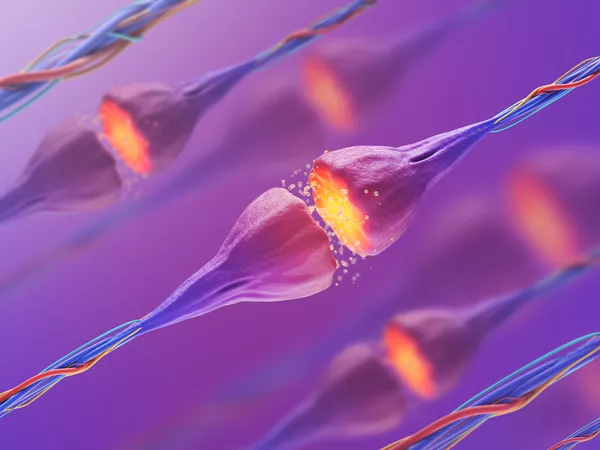
Traumatic brain injury, stroke, and degenerative diseases elicit complex pathogenic cascades involving glial cells such as astrocytes, microglia, and oligodendrocytes with their protective and pathogenic roles. New evidence underlines metabolic dysfunctions in glia in driving neuroinflammation, excitotoxicity, oxidative stress, and disrupted synaptic homeostasis, ultimately controlling disease course. Glial metabolism in relation to glycolysis, oxidative phosphorylation, lactate shuttling, and lipid metabolism, is now identified as a determinant of neuronal survival and degeneration. Yet, it is unknown which metabolic mechanisms underlie glial dysfunction in injured brain states.
This Research Topic aims to advance our understanding of the interplay between glial metabolic pathways and neurodegeneration by bringing together innovative research on metabolic shifts in astrocytes, microglia, and oligodendrocytes following brain injury. By integrating diverse methodologies and perspectives, this collection will provide new insights into how glial metabolic dysfunction contributes to neuroinflammation, synaptic instability, and long-term cognitive decline.
We encourage submissions examining metabolic alterations of astrocytes, microglia, and oligodendrocytes in injured brain states, highlighting their role in driving neurodegeneration. Explorations of crosstalk between glial metabolism and major pathogenic mechanisms such as mitochondrial dysfunction, neuroinflammation, breakdown of the blood-brain barrier and neurotransmitter imbalances, are of special interest. We also encourage studies of how modulating glial metabolic pathways may represent a therapeutic avenue for dampening down neurodegenerative mechanisms in post-injury states.
Key topics of interest include, though are not limited to the following:
- Astrocytic metabolism and its role in neurodegeneration, including glutamate and GABA transport, lactate shuttling, and metabolic reprogramming in post-injury recovery or dysfunction. - Studies examining microglial metabolic states in brain injury, focusing on glycolysis, oxidative metabolism, and lipid metabolism in relation to microglial activation, neuroinflammation, and neurodegeneration. - Oligodendrocyte metabolism: the impact of lipid metabolism and mitochondrial function on myelination and white matter integrity following brain injury. - Analyses of metabolic crosstalk between neurons and glia, exploring how injury-induced metabolic shifts in glial cells influence neuronal excitability, synaptic plasticity, and long-term network stability. - Research on the relationship between neuroinflammation and metabolic dysregulation, addressing how glial metabolic dysfunction contributes to chronic neuroinflammation and neurodegenerative processes in conditions such as traumatic brain injury, stroke, and Alzheimer’s disease. - Therapeutic strategies targeting glial metabolism, including pharmacological, dietary, and neuromodulatory interventions aimed at restoring metabolic homeostasis and improving recovery outcomes.
This Research Topic welcomes a variety of article types, including Original Research, Review, Mini-Review, Hypothesis and Theory, Perspective, Opinion, and Methods.
Article types and fees
This Research Topic accepts the following article types, unless otherwise specified in the Research Topic description:
Brief Research Report
Data Report
Editorial
FAIR² Data
FAIR² DATA Direct Submission
General Commentary
Hypothesis and Theory
Methods
Mini Review
Articles that are accepted for publication by our external editors following rigorous peer review incur a publishing fee charged to Authors, institutions, or funders.
Article types
This Research Topic accepts the following article types, unless otherwise specified in the Research Topic description:
Important note: All contributions to this Research Topic must be within the scope of the section and journal to which they are submitted, as defined in their mission statements. Frontiers reserves the right to guide an out-of-scope manuscript to a more suitable section or journal at any stage of peer review.