MP
mario petretta
University of Naples Federico II
Naples, Italy
1,000
Total downloads
9,452
Total views and downloads
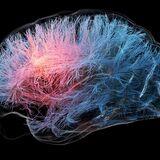
Connectomics is the study of neural connections in the brain, often represented as a detailed map of neural networks. Nuclear medicine, through techniques such as positron emission tomography (PET), can significantly contribute to connectomics by providing functional images of the brain. These images can help identify areas of brain activity and connections between different regions of the brain.
The integration of connectomics with nuclear medicine allows for a deeper understanding of brain functions and pathological alterations. For example, PET can be used to study changes in brain metabolism and connectivity in neurological conditions such as Alzheimer's disease, schizophrenia, and other neurodegenerative diseases. This combination of technologies offers a powerful tool for neuroscience research and the development of new targeted therapies. In particular, connectomics is emerging as a crucial tool in neurosurgery, with several applications improving the planning and execution of surgeries. Connectome analysis is an innovative and feasible approach for brain mapping in patients with brain tumors, improving surgical planning and preservation of neurological functions. Diffusion tractography has become an essential neurosurgical tool, particularly useful in glioma surgery.
This technique allows white matter traits to be visualized, improving surgical precision and reducing the risk of neurological damage. For primary Intra-Axial Neoplasms, the connectome-based approach goes beyond the traditional modular conception of brain architecture, offering a more integrated and functional view of the brain, useful in the management of intra-axial neoplasms. The brain's complex functional connectivity can significantly influence postoperative outcomes. Connectomics can help predict the risk of postoperative neurological deterioration, as is the case with supplemental motor area syndrome.
Furthermore, advances in imaging and high-performance computing are enabling the construction of customized connectomes visualizing the cortical organization of language, which can be used in routine neurosurgical practice to preserve language functions. These developments underscore the importance of connectomics in modern neurosurgery, offering new opportunities to improve surgical outcomes and patients' quality of life. Proteomics and connectomics are two emerging fields that intersect to provide a more comprehensive understanding of brain function and neural connections. Connectomics also appears relevant for understanding the neural mechanisms underlying long COVID and in guiding the development of targeted therapeutic interventions.
The goal of this Research Topic is to describe the state-of-the-art of nuclear and multimodal imaging utilizing functional magnetic resonance imaging, diffusion tensor imaging, and other advanced neuroimaging techniques to study the biological basis of connectivity and its pathophysiological alterations in various neurological and systemic diseases, highlighting the key advancements in this field. The Research Topic therefore intends to stimulate research in this important and innovative field of biology and pathophysiology in the field of neuroscience and clinical medicine. In addition, it aims to encourage the sharing of the different methodologies used in the various research laboratories that are actively engaged in this important field of research and that can now more easily exploit beyond the scientific skills of researchers the otherwise evolving advances of artificial intelligence, 3D modeling and printing and the metaverse.
In an increasingly globalized world, it is necessary to promote the dissemination of knowledge, the results acquired and the circulation of ideas, particularly in a sector, such as neuroscience, in which the different imaging techniques, including integrated imaging, have made progress that was previously unimaginable and is still evolving. Understanding the complexity of biological processes in various brain diseases including ischemic brain stroke, brain tumors etc. is a major challenge.
The scope of this Research Topic is to collect and disseminate a broad series of scientific articles aimed at exploring technological advances and clinical applications on the use of imaging in this research area, highlighting its potential not only in improving current neurophysiological knowledge but also in transforming patient management and the evaluation of therapeutic outcomes. Furthermore, this collection aims to advance the field by encouraging the development of new imaging guidelines, methodologies, and protocols that can improve the accuracy and utility of molecular imaging in clinical trial scenarios.
Additionally, this collection aims to encourage the development of new guidelines, methodologies, and imaging protocols that can enhance the accuracy and utility of connectomics in experimental and clinical settings. Nowadays, many techniques are crucial for creating detailed maps of neural connections, contributing to the understanding of how different parts of the brain interact with each other. Articles using imaging techniques to study brain connectomics are welcome.
This Research Topic accepts a wide range of article types, including Brief Research Report, Clinical Trial, Editorial, Hypothesis and Theory, Methodology, Mini Review, Opinion, Original Research, Perspective, Policy and Practice Reviews, Review, Study Protocol, Systematic Review and Meta-analysis.
Keywords: Brain physiology, Cell communication, Functional connectivity, Connectomics, Network analysis and modelling, Multimodal imaging, Alzheimer’s disease, PET imaging, Neuroimaging, PET/MR imaging, Cognition cognitive decline.
Important note: All contributions to this Research Topic must be within the scope of the section and journal to which they are submitted, as defined in their mission statements. Frontiers reserves the right to guide an out-of-scope manuscript to a more suitable section or journal at any stage of peer review.