CC
cesar ceballos
Florida Atlantic University, Department of Biological Sciences
Jupiter/FL, United States
572
Total views and downloads
Submit your idea
You will be redirected to our submission process.
Manuscript Submission Deadline 31 March 2026
This Research Topic is currently accepting articles.
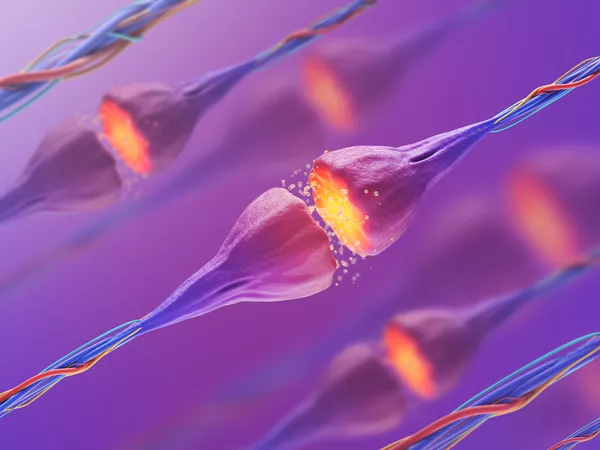
This Research Topic of Frontiers in Molecular Neuroscience is dedicated to neuronal co-transmission- a rapidly evolving area at the intersection of cellular, molecular, and systems neuroscience.
The classical view of neurotransmission held that neurons release a single neurotransmitter to convey signals to their postsynaptic targets. This principle has underpinned much of modern neuroscience, informing how we define neuronal identity and circuit function. However, emerging evidence has increasingly challenged this dogma, demonstrating that neurons can release multiple neurotransmitters—a phenomenon known as co-transmission. This includes the co-release of combinations such as GABA and glutamate, dopamine and glutamate, or acetylcholine and neuropeptides, depending on context and circuit identity.
Recent advances have illuminated the molecular machinery that enables co-transmission. Distinct vesicular transporters (e.g., VGLUTs, VGAT, VMAT, VAChT) can be co-expressed in single axon terminals, supporting the packaging of multiple neurotransmitters into either the same or segregated vesicles. The regulation of vesicular pH, ion gradients, and vesicle priming proteins (such as SNARE complexes) appear to play pivotal roles in shaping co-release dynamics.
Moreover, co-transmission is increasingly understood to be activity-dependent and modulated by intracellular signaling cascades, including calcium dynamics, kinase/phosphatase networks and second messengers. These pathways interact with synaptic proteins to fine-tune vesicle docking, release probability, and short-term plasticity.
At the transcriptional level, gene regulatory networks involving transcription factors and epigenetic modifiers orchestrate the developmental expression of dual transmitter phenotypes. These co-transmitting neurons are found in diverse brain regions including the striatum, hypothalamus, midbrain, and cerebral cortex, where they play key roles in reward processing, motor control, and homeostatic regulation.
This Research Topic seeks to bring together cutting-edge research that explores:
• Molecular and genetic mechanisms driving co-transmitter expression and vesicle sorting
• Signaling pathways and intracellular mechanisms that regulate co-release dynamics
• Functional downstream effects of co-transmission
• Technological advances (e.g., optogenetics, snRNA-seq, imaging, connectomics) applied to the study of co-transmission
We welcome original research articles, and reviews that address these themes across species and methodological approaches.
Join us in advancing the frontier of molecular neuroscience by contributing to this exciting Research Topic. We look forward to your submissions and to highlighting the intricate molecular choreography behind neuronal co-transmission.

This Research Topic accepts the following article types, unless otherwise specified in the Research Topic description:
Articles that are accepted for publication by our external editors following rigorous peer review incur a publishing fee charged to Authors, institutions, or funders.
Keywords: Neuronal Co-transmission, Neurotransmitter Co-release, Vesicular Transporters, Synaptic Plasticity, Intracellular Signaling, SNARE, VGLUT, VGAT, VMAT, VAChT
Important note: All contributions to this Research Topic must be within the scope of the section and journal to which they are submitted, as defined in their mission statements. Frontiers reserves the right to guide an out-of-scope manuscript to a more suitable section or journal at any stage of peer review.
Manuscripts can be submitted to this Research Topic via the main journal or any other participating journal.
Submit your idea
You will be redirected to our submission process.