CP
changmin peng
George Washington University
Washington, D.C., United States
2,186
Total views and downloads
Submit your idea
You will be redirected to our submission process.
Manuscript Submission Deadline 9 February 2026
This Research Topic is currently accepting articles.
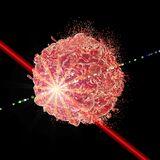
Cancer therapy resistance remains a major obstacle to successful treatment, contributing to disease recurrence and poor prognosis in many cancer types. Despite the progress in targeted therapies and immunotherapies, both intrinsic and acquired resistance frequently limit their long-term effectiveness. Recent advances in omics technologies and experimental models have uncovered novel molecular pathways underlying resistance, but translating these findings into clinical strategies remains challenging. A comprehensive understanding of these molecular drivers is essential for developing predictive biomarkers, combination therapies, and innovative treatment approaches that can overcome resistance and improve patient outcomes.
The goal of this Research Topic is to deepen our understanding of the molecular determinants that drive resistance to cancer therapy and to explore novel strategies to overcome them. Our ability to translate mechanistic insights into actionable interventions remains limited. This Research Topic aims to bridge that gap by encouraging submissions that not only dissect the underlying biology but also highlight translational implications. By gathering cutting-edge research on predictive biomarkers, novel drug targets, and resistance-preventive approaches, we seek to foster the development of more effective and durable cancer therapies. We especially welcome interdisciplinary studies that integrate multi-omics, patient-derived models, or systems biology approaches to identify actionable vulnerabilities in therapy-resistant tumors.
This Research Topic welcomes all article types accepted by the journal, including but not limited to original research articles, reviews, mini-reviews, perspectives, methods, hypothesis and theory, brief research reports, data reports, opinion papers, and case reports, all of which should explore the molecular basis of therapy resistance in cancer and its translational implications. We encourage submissions that focus on, but are not limited to, genetic and epigenetic drivers, tumor heterogeneity, immune evasion, cell death pathways, drug efflux mechanisms, metabolic adaptation, and signaling rewiring. Studies incorporating advanced models such as organoids, patient-derived xenografts, or multi-omics integration are particularly encouraged. Contributions discussing novel therapeutic strategies, biomarkers for early detection of resistance, or rational combination therapies are also welcome. Our aim is to gather multidisciplinary insights that can inform the design of more durable cancer treatments.
Authors who intend to submit their manuscript should review the section scope prior to submission. Please note that purely computational or bioinformatics studies without experimental or clinical validation are beyond the scope of this Research Topic, which is focused on the translation and integration of interdisciplinary approaches into medical practice.
This Research Topic accepts the following article types, unless otherwise specified in the Research Topic description:
Articles that are accepted for publication by our external editors following rigorous peer review incur a publishing fee charged to Authors, institutions, or funders.
Keywords: Cancer therapy resistance, Molecular mechanisms, Targeted therapy, Epigenetic regulation, Tumor microenvironment, Post-translational modifications, Translational oncology, Immunotherapy resistance.
Important note: All contributions to this Research Topic must be within the scope of the section and journal to which they are submitted, as defined in their mission statements. Frontiers reserves the right to guide an out-of-scope manuscript to a more suitable section or journal at any stage of peer review.
Manuscripts can be submitted to this Research Topic via the main journal or any other participating journal.
Submit your idea
You will be redirected to our submission process.