AN
alberto nieri
Azienda Ospedaliero Universitaria di Ferrara Arcispedale Sant'Anna
Cona, Italy
56
Total downloads
2,272
Total views and downloads
Submit your idea
Select the journal/section where you want your idea to be submitted:
Manuscript Submission Deadline 10 March 2026
This Research Topic is currently accepting articles.
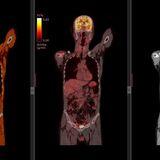
Radioligand Therapy (RLT) has significantly advanced over recent decades, emerging as an innovative treatment modality in oncology. By combining targeted ligands with radioactive isotopes, RLT enables precise delivery of cytotoxic radiation to tumor cells while minimizing damage to healthy tissues. This approach has shown remarkable success, particularly in treating neuroendocrine tumors and metastatic prostate cancer. Despite these achievements, RLT is a rapidly evolving field, with ongoing research focused on developing new radioligands, optimizing dosimetry, and expanding clinical applications. Understanding the historical development and future directions of RLT is essential to maximize its therapeutic potential and integrate it effectively into personalized cancer care.
This Research Topic aims to provide a comprehensive overview of Radioligand Therapy, highlighting both its past milestones and future prospects. We seek to gather cutting-edge research and critical reviews that address novel radioligands and therapeutic targets, clinical trial outcomes, and advancements in dosimetry and treatment optimization. Emphasis will also be placed on the role of theranostics in personalizing treatment and improving patient outcomes. Contributions exploring translational research, technological innovations, regulatory challenges, and health economics in RLT are particularly encouraged. Ultimately, this issue intends to foster multidisciplinary collaboration and accelerate the translation of scientific discoveries into clinical practice, paving the way for innovative therapeutic strategies in cancer care.
This Research Topic welcomes original research articles, reviews, clinical case studies, and perspective papers related to Radioligand Therapy. Submissions should focus on novel developments, clinical experiences, preclinical studies, or translational research that advance the understanding and application of RLT. Interdisciplinary contributions bridging nuclear medicine, oncology, radiopharmacy, molecular biology, and health policy are encouraged. Authors are invited to submit manuscripts that provide innovative insights into radioligand development, dosimetry, clinical efficacy, safety, and future therapeutic directions. Manuscripts will undergo rigorous peer review to ensure high scientific quality.
This Research Topic accepts the following article types, unless otherwise specified in the Research Topic description:
Articles that are accepted for publication by our external editors following rigorous peer review incur a publishing fee charged to Authors, institutions, or funders.
Keywords: RLT, Theranostics, Personalized Medicine, Radioligands, Targets
Important note: All contributions to this Research Topic must be within the scope of the section and journal to which they are submitted, as defined in their mission statements. Frontiers reserves the right to guide an out-of-scope manuscript to a more suitable section or journal at any stage of peer review.

Manuscripts can be submitted to this Research Topic via the main journal or any other participating journal.
Submit your idea
Select the journal/section where you want your idea to be submitted: