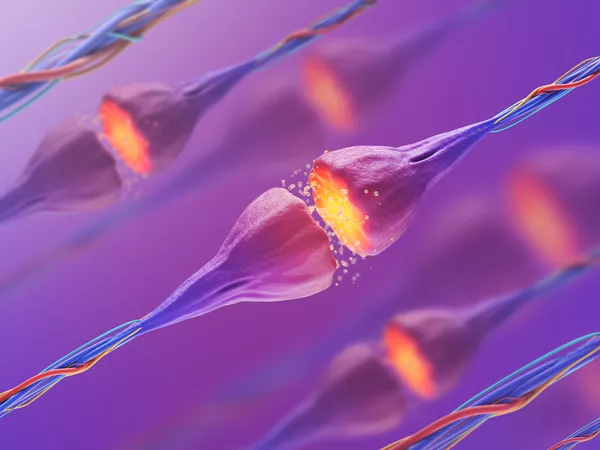
Neuromodulatory control of hippocampus-dependent learning is pivotal because dopamine (DA) and norepinephrine (NE) can reconfigure plasticity rules and microcircuit computations that support memory processes. Recent work across species suggests ventral tegmental area (VTA)-derived DA and locus coeruleus (LC)-derived DA/NE influence distinct memory stages: phasic signals may prioritize encoding, more sustained neuromodulation can support consolidation, and internal states can modulate recall. At the cellular level, granule and pyramidal cells integrate catecholaminergic inputs alongside interneurons and glia; distinct receptor–cell-type pairings (e.g., D1-/D2-type DA receptors, β-/α-adrenoceptors) engage diverse signalling pathways to influence transcriptional and synaptic mechanisms, supporting retention of plasticity and memory. The mode of DA/NE release (synaptic vs. volume transmission) and uptake [via the norepinephrine transporter (NET)], along with phasic–tonic dynamics, are thought to shape computations from dendrite to neuronal ensembles. Notably, advances in cell-type–specific genetics, opto/chemogenetics, in vivo imaging, biosensors, and human readouts (e.g. pupillometry, LC neuromelanin-sensitive MRI) now enable causal manipulations in animals and cross-level associations in humans, while causal inference in humans remains limited. However, major gaps remain: (i) mapping causal links from receptors to signalling to circuit motifs at distinct memory stages; (ii) receptor- and cell-type specificity across hippocampal subregions under defined brain states; and (iii) mechanistic analyses of release/clearance and microcircuit computation. Addressing these gaps is essential for precision neuromodulation of memory, particularly in aging and disease, where putative biomarkers are being explored to inform individualized interventions and improve clinical care.
This Research Topic aims to integrate molecular receptor/cascade insights with cellular and circuit perspectives to resolve how VTA-derived DA and LC-derived DA/NE shape memory encoding, consolidation, and recall. We seek to pinpoint receptor- and cell-type–specific mechanisms within hippocampal subregions, bridging mechanistic studies to human biomarkers and clinical contexts.
We welcome Original Research, Review, Methods, and Perspective articles on:
• VTA DA vs. LC DA/NE in stage-specific control of hippocampal memory
• Receptor–cell type specificity across hippocampal subregions and microcircuits
• Downstream signaling and plasticity linking receptors to behavioral memory
• Release modes, timescales, and transporter-mediated uptake shaping computation
• Reporting standards and reproducibility for cumulative research
Article types and fees
This Research Topic accepts the following article types, unless otherwise specified in the Research Topic description:
Brief Research Report
Case Report
Data Report
Editorial
FAIR² Data
General Commentary
Hypothesis and Theory
Methods
Mini Review
Articles that are accepted for publication by our external editors following rigorous peer review incur a publishing fee charged to Authors, institutions, or funders.
Article types
This Research Topic accepts the following article types, unless otherwise specified in the Research Topic description:
Important note: All contributions to this Research Topic must be within the scope of the section and journal to which they are submitted, as defined in their mission statements. Frontiers reserves the right to guide an out-of-scope manuscript to a more suitable section or journal at any stage of peer review.