LR
lapo ragionieri
Free University of Bozen-Bolzano
Bolzano, Italy
716
Total views and downloads
Submit your idea
Select the journal/section where you want your idea to be submitted:
Manuscript Summary Submission Deadline 11 May 2026 | Manuscript Submission Deadline 14 September 2026
This Research Topic is currently accepting articles.
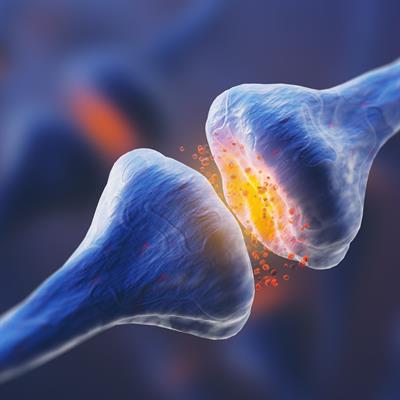
Arthropods neuropeptides represent a rapidly expanding field of research at the intersection of physiology, evolution, and applied biology. These signaling molecules regulate fundamental pathways underlying growth, development, reproduction, feeding, circadian rhythms, and water balance. Produced by neurosecretory cells in the central nervous system, neuroendocrine organs, and peripheral tissues such as the gut and Malpighian tubules, neuropeptides exert their effects through G-protein-coupled receptors (GPCRs). Recent innovations in mass spectrometry, transcriptomics, and comparative genomics have greatly accelerated the discovery of novel neuropeptides and their evolutionarily conserved precursors, revealing both lineage-specific adaptations and deep homologies across the animal kingdom. Functional analyses, ranging from RNA interference and receptor deorphanization to in vivo physiological assays, have uncovered mechanistic pathways linking neuropeptide signaling to insect growth regulation, reproductive success, and adaptive plasticity. Beyond advancing fundamental understanding of insect biology, this research illuminates broader evolutionary principles of hormonal regulation and offers translational applications in pest management, including the design of next-generation biocontrol agents that target conserved signaling pathways with high specificity and safety for humans and the environment.
In recent years, the field of neuroendopeptidomics has expanded rapidly, driven by innovations in nucleotide sequencing, proteomics, and high-resolution mass spectrometry. These advances have accelerated the discovery of novel neuropeptide precursors and enabled precise mapping of their signaling pathways across insect tissues and developmental stages. The goal of this special issue is to highlight studies that not only provide novel information on neuropeptide diversity but also explore their mechanistic roles in regulating growth, reproduction, metabolism, and adaptive physiology. Integrative, omics-based strategies, spanning genome annotation, transcriptomics, proteomics, metabolomics, and functional assays, offer powerful tools to unravel the complexity of neuropeptide signaling. Beyond insect physiology, these investigations shed light on the evolutionary conservation and diversification of neuroendocrine systems across the animal kingdom, revealing both shared molecular architectures and lineage-specific innovations. Ultimately, such knowledge holds broad applications, from advancing our understanding of fundamental biological processes to inspiring novel strategies in biotechnology and sustainable pest control.
• Genomic and transcriptomic analyses of neuropeptide genes and receptors
• Peptidomics and mass spectrometry-based neuropeptide profiling
• Functional assays including RNAi, CRISPR, receptor deorphanization, and behavioral experiments
• Comparative studies across insect taxa
• Evolutionary analyses of neuropeptide systems
• Metabolomics in studying neuropeptides functions
• Multi-omics approach in insect physiology studies
This Research Topic accepts the following article types, unless otherwise specified in the Research Topic description:
Articles that are accepted for publication by our external editors following rigorous peer review incur a publishing fee charged to Authors, institutions, or funders.
Keywords: insect neuropeptides, neuroendopeptidomics, GPCR deorphanization, insect peptidomics, comparative neurogenomics, multi-omics integration, functional genomics (RNAi CRISPR) insects, insect neuroendocrine signaling, evolutionary analysis of neuropeptides
Important note: All contributions to this Research Topic must be within the scope of the section and journal to which they are submitted, as defined in their mission statements. Frontiers reserves the right to guide an out-of-scope manuscript to a more suitable section or journal at any stage of peer review.

Manuscripts can be submitted to this Research Topic via the main journal or any other participating journal.
Submit your idea
Select the journal/section where you want your idea to be submitted: