SK
sandeep kumar singh
All India Institute of Medical Sciences Nagpur
Nagpur, India
561
Total views and downloads
Submit your idea
You will be redirected to our submission process.
Manuscript Summary Submission Deadline 30 April 2026 | Manuscript Submission Deadline 30 November 2026
This Research Topic is currently accepting articles.
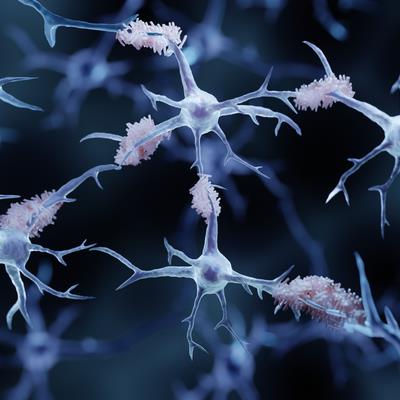
Alzheimer’s disease (AD) is strongly influenced by oxidative stress, neuroinflammation, and impaired cellular resilience, all of which are targets of natural antioxidants and nutraceuticals. Yet, individuals show wide variability in their response to such interventions, suggesting a critical role for genetic and epigenetic modifiers. This topic focuses on elucidating the genomic and epigenomic determinants of response to natural antioxidant and nutraceutical therapies in Alzheimer’s disease and related cognitive decline.
Research under this theme will investigate how genetic variation (e.g., SNPs, rare variants, polygenic risk profiles) in genes involved in oxidative stress responses, mitochondrial function, lipid metabolism, and neuroinflammatory pathways modulates the efficacy and safety of nutraceuticals such as polyphenols, carotenoids, omega-3 fatty acids, vitamins, and plant-derived bioactive compounds. Parallel emphasis will be placed on epigenomic mechanisms, including DNA methylation, histone modifications, chromatin accessibility, and non-coding RNAs that are altered in aging and AD, and that may be dynamically reshaped by long-term exposure to these compounds.
The topic encourages studies that:
Integrate multi-omic data (genomics, epigenomics, transcriptomics, metabolomics) to define molecular signatures of responders versus non-responders to specific nutraceutical or antioxidant interventions.
Use patient-derived cells, organoids, animal models, and human cohort data to dissect causal pathways linking nutraceutical exposure to changes in gene regulation, neuronal integrity, and cognitive outcomes.
Explore interactions between age-related epigenetic drift, APOE and other AD risk loci, and diet- or supplement-derived antioxidants in shaping disease trajectory.
Develop biomarkers and predictive models that leverage genomic and epigenomic profiles to stratify patients for personalized nutraceutical strategies in AD prevention and therapy.
By bridging aging biology, nutritional neuroscience, and precision genomics/epigenomics, this topic aims to uncover mechanistic insights into how natural antioxidant and nutraceutical interventions can modify the molecular landscape of aging brains, reduce AD risk, and potentially slow disease progression.
This Research Topic accepts the following article types, unless otherwise specified in the Research Topic description:
Articles that are accepted for publication by our external editors following rigorous peer review incur a publishing fee charged to Authors, institutions, or funders.
Keywords: Alzheimer’s nutrigenomics, Antioxidant epigenomics, Nutraceutical genomics, Cognitive aging, Neuroprotection
Important note: All contributions to this Research Topic must be within the scope of the section and journal to which they are submitted, as defined in their mission statements. Frontiers reserves the right to guide an out-of-scope manuscript to a more suitable section or journal at any stage of peer review.
Manuscripts can be submitted to this Research Topic via the main journal or any other participating journal.
Submit your idea
You will be redirected to our submission process.
