For decades, limiting oxygen (O2) availability while training has been used to boost physiological responses and specific adaptations which, in turn, improve athletes' performance (1). Interestingly, such combination of hypoxia and exercise also appears relevant for health enhancement in different pathological populations. Since the 30's, the former Soviet Union and Russia prescribed such approach as a non-invasive, non-pharmacological treatment option (2) with very few contraindications and satisfactory outcomes (3). Sharing the same acronym, intermittent hypoxic training or therapy (IHT) -also known as periodic/interval hypoxia or hypoxic (pre)conditioning, among others -have seen a growing interest in the (sports) medicine and sports sciences research community (Figure 1). *** Insert Figure 1 *** Within this Research Topic, we called for original researches that may contribute to clarify the different underlying mechanisms in relation to hypoxic-and training-induced factors, likely to improve exercise performance, health and well-being of healthy participants (along the continuum of sport participation levels), patients with co-morbidities (e.g., obesity, hypertension, diabetes) and elderly people. Five original researches provide translational applications for improving exercise performance as well as preventing and/or treating diseases.
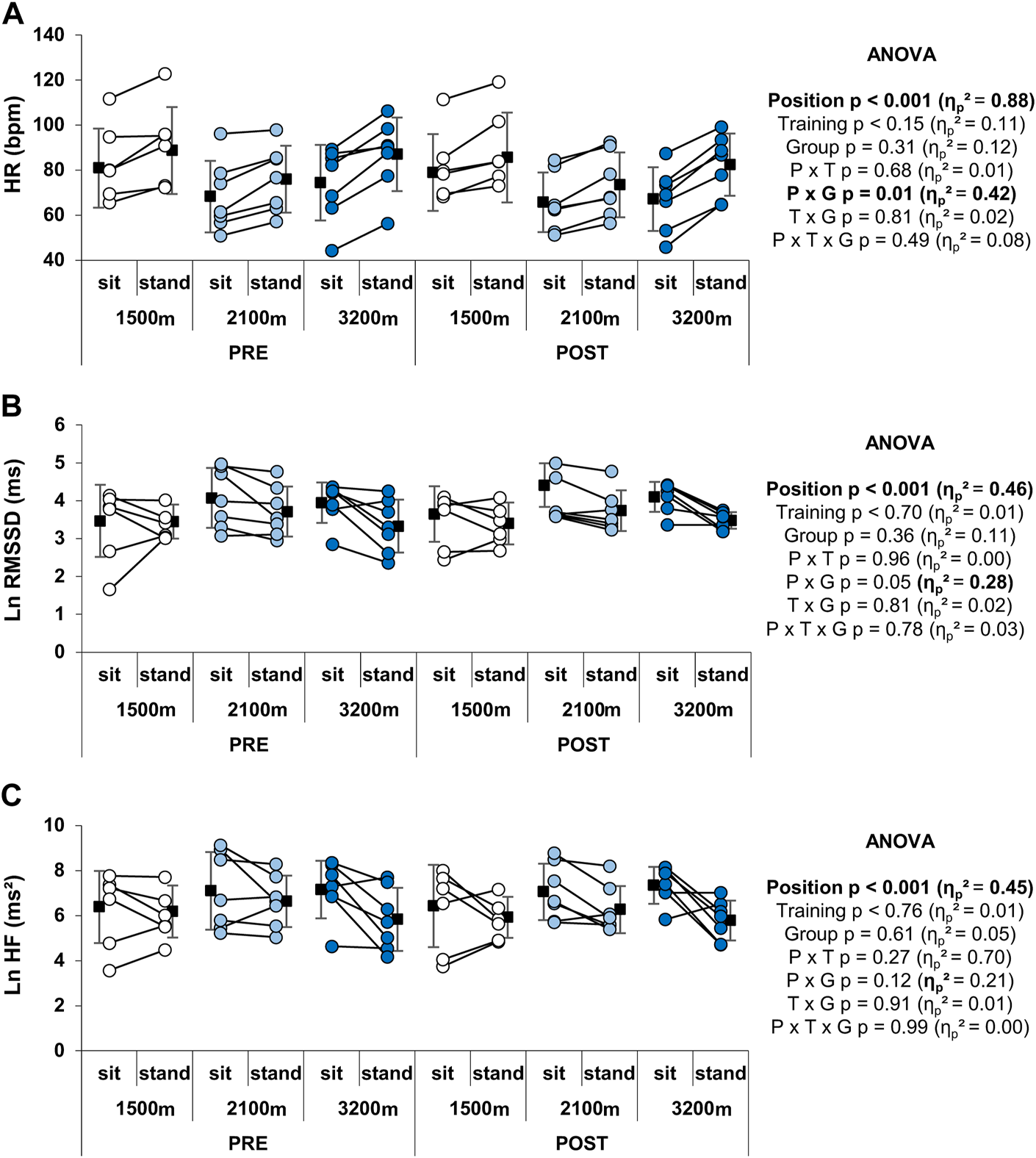
At altitude, the reduction in O2 availability in the pulmonary alveoli or muscle microvasculature with hypoxic-based (pre)acclimatization (i.e., progressive ascent, artificial hypobaric or normobaric hypoxic exposure or IHT) (1,4). Recently, remote ischemic preconditioning (IPC) -consisting in intermittent occlusion and reperfusion of peripheral blood flow, susceptible to increase O2 delivery and muscle O2 utilization (6) -potentially facilitates altitude acclimatization concomitantly with aerobic performance improvement (7). Aiming to explore its underlying mechanisms, Zhong et al. investigated the effects of 8 consecutive days of upper arms IPC (4 × [5 min arterial occlusion 180 mm Hg/ 5 min reperfusion 0 mm Hg]) on aerobic performance compared to sham during acute hypobaric hypoxic exposure (462 mmHg correspond to 4000 m). They demonstrated that IPC alleviated the decrease in maximal O2 uptake, muscle and regional cerebral oxygenation caused by acute hypobaric hypoxia. Based on analytical biochemistry assay, the authors postulated that the changes observed in thymosin Tβ4, heat shock protein-70 and 90 after IPC (compared to sham) contribute to cardio-protection.Among the recent advancement in altitude/hypoxic training, repeated-sprint training in hypoxia (RSH) has been shown to improve physical performance in various sports (8,9). Although most studies used normobaric hypoxia equivalent to about 3000 m above sea level (9), the level of simulated altitude required to promote the greatest gains in performance remains uncertain, notably because of the large inter-individual variability in hypoxemic response to hypoxia (10).In this view, Gutknecht et al. investigated whether anaerobic performance (i.e., Wingate and repeated-sprint ability) was differentially improved after RSH (i.e., 6 sessions within 2 weeks) performed at three distinct altitude levels (i.e., 1500 m, 2100 m and 3200 m), and whether changes in performance were related to the pulse O2 saturation (SpO2) level achieved during RSH. Their results indicated that six sessions of RSH at altitude ≥1500 m were effective for improving anaerobic power and capacity, but that higher altitude (at least until 3200 m) did not provide further advantage in moderately-trained young males. Of note, no association was observed between individual SpO2 during RSH (ranging 78.2-94.5%) and subsequent performance changes.Regarding endurance performance, the gains observed following hypoxic training are mainly exercise-and intensity-dependent (1,11,12) with high-intensity anaerobic interval method showing stronger benefits than moderate-intensity continuous exercises (12). In such case, the hypoxic training-induced stress exacerbates the physiological and metabolic function (13), with hematological changes related to immune system (14,15). Park et al. therefore evaluated to effects of 6-weeks IHT (3000 m simulated altitude) on hematological parameters related to immune system in amateur Korean female runners. Consistently with the aforementioned exercise-and intensity-dependent effect, the authors reported improvement in endurance performance, while hematological parameters related to immune system remained in the "normal" range.Exercising in O2-deprived environment opens doors as a promising therapeutic approach for targeting hypoxic-inducible factor signaling in some chronic diseases (2,16). However, depending on the patients' condition, whether adding hypoxia with exercise or passive exposure results in health benefits remains subject to several factors such as, for instance, hypoxic dose, exercise intensity and/or intervention frequency. In inactive middle-aged individuals, Lizamore et al. assessed whether exercise (1 h, 3 days per week) supplemented with passive intermittent hypoxic exposure (IHE; 6 × 5 min hypoxic, 5 min normoxia; 2-3 sessions per week) over a 10week period would improve overall cardiovascular disease risk and individual risk factors than exercise alone. Their results indicate that sequential IHE with exercise may be beneficial to systemic markers of cardiovascular health (i.e., high density lipoprotein, systolic blood pressure and peak O2 uptake) but also increase myocardial load due to increased arterial wave reflection. These conflicting findings therefore call for caution before considering such intervention as a safe therapeutic method.In certain cases, such as geriatric, where (poly)pharmacological treatments can lead to adverse effects due to drug interaction (17), innovative non-pharmacological strategies to prevent and treat common age-related risk diseases are most welcome. Previous IHT-related studies (e.g., (18)(19)(20) have shown putative benefits for health promotion and disease prevention or treatment in elderly population without elevating the mechanical stress on the musculoskeletal system.
The original researches included in this Research Topic promote the field-to-bench (and viceversa) translational implications of the chronic adaptations to non-invasive, nonpharmacological IHT-related interventions either to improve exercise performance and prevent and treat several diseases. Given the inconsistent findings, possibly related to confounding factors (e.g., individual variability, hypoxic mode and dose, exercise intensity), further research efforts must focus on the determination of optimal regimes and treatment protocols in order to improve efficiency but also safety.