
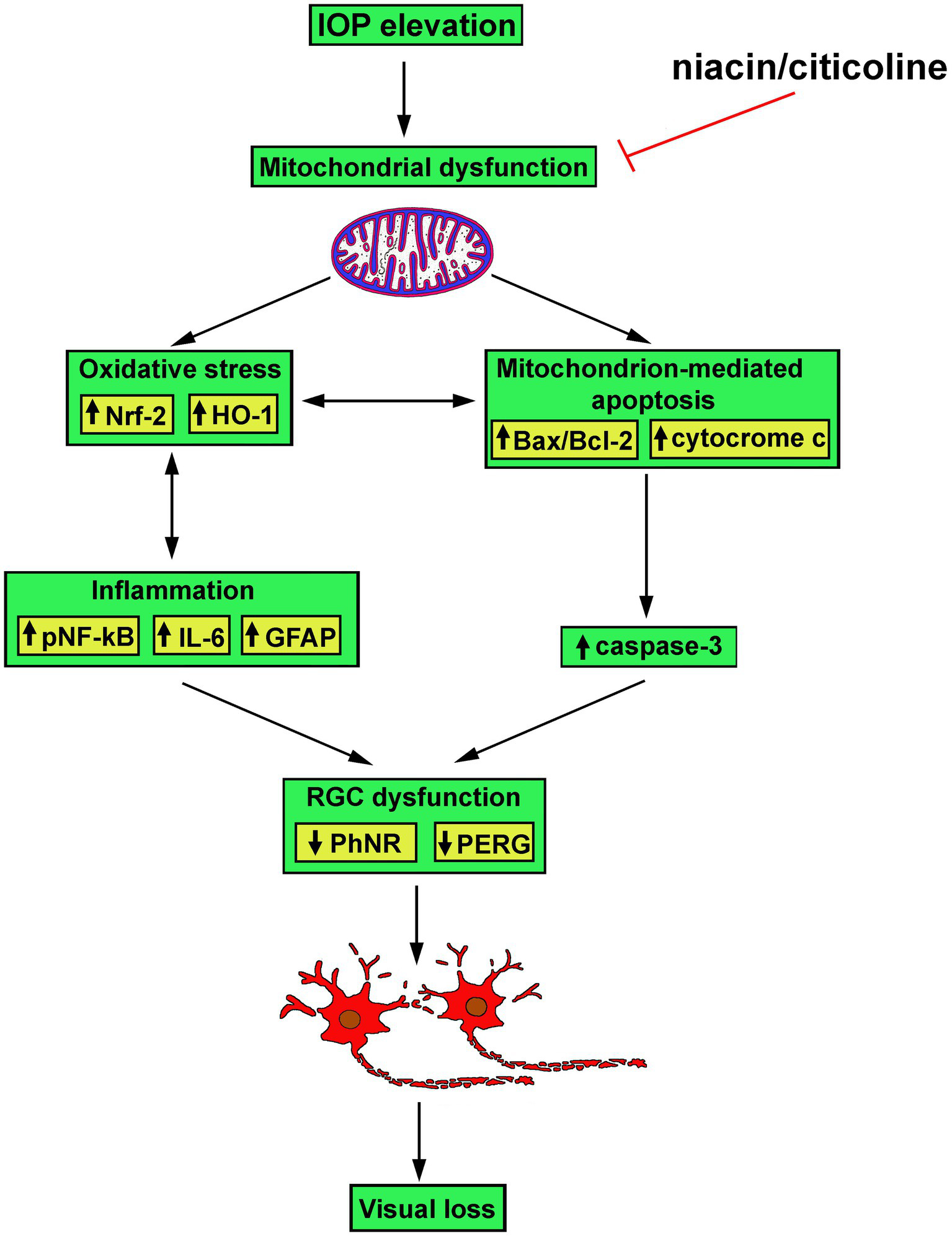
In exploring novel therapeutic approaches for neurological disorders, the spotlight on autophagy emerges as a promising avenue. Traumatic brain injury (TBI) poses significant challenges in treatment, often leaving limited options due to its complex pathophysiology. However, recent investigations into the role of autophagy machinery, particularly in post-TBI neuronal responses, shed light on potential interventions. Boswellia Sacra gum resin (BSR) emerges as a notable candidate, exhibiting modulatory effects on neuronal autophagy and demonstrating substantial improvements in functional recovery within a mouse model of TBI (Interdonato et al., 2024). This aligns with a broader narrative within the field of neurodegenerative diseases, notably Parkinson's disease (PD), where a repurposing strategy involving Type 2 Diabetes Mellitus (T2DM) drugs gains support. The interplay between T2DM and PD pathogenesis, marked by disruptions in autophagic processes, underscores the therapeutic potential of antidiabetic medications (Greco et al., 2023). By restoring autophagic function, these drugs offer a glimmer of hope in mitigating neurodegenerative processes and enhancing neuronal resilience. Thus, the convergence of research efforts in different fields highlights the pivotal role of autophagy modulation in addressing multifaceted challenges within the complex scenario of neurological disorders. As the population ages, the incidence of neurological diseases tends to increase. This demographic trend underscores the importance of developing accurate and reliable instruments for monitoring individual health, particularly among the elderly. A recent study developed a composite measure of fitness status based on multiple tests, including the six-minute walking test. Data from eight fitness tests were collected from 176 participants aged 51-80. The newly developed biomarker for biological aging showed strong associations with cardiovascular risk scores and mortality predictions, outperforming previous methods (Manca et al., 2023). This approach has potential for clinical screening and monitoring but requires further validation.Exploring the therapeutic potential of botanical extracts and dietary supplements unveils a compelling narrative in addressing various health challenges. An anthocyanin-rich fraction extracted from Callistemon citrinus flowers emerges as a protective shield against oxidative stress-induced damage in human red blood cells (RBCs). By preserving RBC morphology and anion exchanger 1 (band 3, SLC4A1/AE1) activity, this extract underscores the importance of dietary interventions in fighting oxidative stress-related pathologies (Remigante et al., 2023). Similarly, niacin combined with citicoline demonstrates promise in restoring retinal physiology preventing retinal ganglion cell loss, offering a glimmer of hope in the management of hypertensive glaucoma (Melecchi et al., 2023). Furthermore, bergamot extract emerges as a potent anti-aging agent, exhibiting profound effects on human RBCs exposed to D-Galactose-induced aging (Remigante et al., 2023) . Through its multifaceted antioxidant and metabolic regulatory properties, bergamot extract holds potential in mitigating age-related changes, thus presenting a novel avenue in anti-aging therapeutics. Collectively, these findings underscore the burgeoning interest in harnessing the therapeutic power of botanical extracts and dietary supplements in addressing a spectrum of health disorders.Resolving the intricate web of cellular communication unveils a captivating narrative in understanding disease pathogenesis and therapeutic interventions. In the context of neurodegenerative disorders like Amyotrophic Lateral Sclerosis (ALS), the crosstalk between microglia, astrocytes, and infiltrating immune cells emerges as a pivotal player in shaping neuroinflammatory milieu (Calafatti et al., 2023). By orchestrating a pro-inflammatory microenvironment, this intricate interplay exacerbates neuronal damage, further fueling disease progression. Meanwhile, tunneling nanotubes (TNTs) offer a novel avenue for long-range intercellular communication within the central nervous system (CNS), yet this area remains largely unexplored (Capobianco et al., 2023). Serving as conduits for the exchange of small signals and large cargo between CNS cells, TNTs redefine our understanding of cellular interactions in controlling CNS functions. As we delve deeper into these intercellular dialogues, new therapeutic strategies aiming to modulate microglial phenotypes and restore CNS homeostasis are on the horizon, holding promise in mitigating neurodegenerative processes and improving patient outcomes.The deleterious impact of environmental pollutants on human health is a growing concern, with airborne particulate matter less than 10µM in size (PM 10) emerging as a significant risk factor. Investigations into the cellular mechanisms underlying PM-induced cytotoxicity shed light on its role in triggering apoptotic volume decrease (AVD), a hallmark of early apoptosis, in A549 pulmonary cells (Giordano et al., 2023). Furthermore, chronic exposure to glyphosate, a common herbicide, and its metabolite AMPA, raises questions about their potential cardiovascular effects. Studies elucidating the biological effects of sub-lethal doses of these agrochemicals on H9c2 cardiac myoblasts uncover a complex interplay between these agrochemicals and cytotoxicity (reduction in cell viability, increased ROS production, morphological alterations, and mitochondrial dysfunction), highlighting the need for further research to inform regulatory policies and public health interventions (Arrigo et al., 2023).Finally, the dynamic orchestration of intracellular signaling pathways lies at the heart of cellular function and disease pathogenesis. Despite decades of research, the spatiotemporal analysis of Ca2+ signaling events continues to surprise, revealing previously unexplored facets of cellular function. The experimental exploitation of classic and newly developed genetically encoded fluorescent probes is opening new windows, shedding light on unexpected roles for this ubiquitous ion (Moccia et al., 2023). Recent investigations have elucidated four such roles: 1) the transient receptor potential mucolipin 1 (TRPML1) channel plays a crucial role in modulating water reabsorption in the kidney; 2) dysregulation of endoplasmic reticulum-to-mitochondria Ca2+ transfer contributes to astroglial dysfunction in Alzheimer's Disease; 3) TRP Melastatin 8 (TRPM8) plays a non-canonical role as a Rap1A inhibitor in cancer progression; and 4) non-genetic optical stimulation might serve as a new tool to enable precise manipulation of Ca2+ signals in cardiovascular function. In addition, investigations into the effects of Type 2 Diabetes Mellitus (T2DM) on vascular smooth muscle cells (VSMCs) have uncovered significant alterations in intracellular Ca2+ handling (Moreno-Salgado et al., 2023). Studies conducted in Zucker Diabetic Fatty rats have shown that T2DM leads to decreased Ca2+ release from the sarcoplasmic reticulum (SR) and increased activity of store-operated channels (SOCs) in VSMCs. Furthermore, enhanced cytosolic Ca2+ activity during the early stage of ATPinduced Ca2+ transient decay, along with alterations in the activity of Ca2+ extrusion mechanisms, suggests a potential link between dysregulated Ca2+ homeostasis in VSMCs and vascular dysfunction associated with T2DM.As we navigate the ever-expanding landscape of physiological research, it is essential to acknowledge the collaborative efforts of scientists, clinicians, and educators driving scientific innovation forward. The 72nd Annual Meeting of the Italian Society of Physiology exemplifies the spirit of inquiry and collaboration that fuels progress in sciences. We extend our heartfelt gratitude to all the authors, reviewers, and contributors who have made this Special Issue possible. In conclusion, this Special Issue serves as a demonstration to the boundless curiosity and collective endeavor of the scientific community. May the discoveries unveiled within these pages inspire future generations of physiologists and propel us closer to unraveling the mysteries of human biology and health.
5 Authors
- MG
Marco Greco
Department of Biological and Environmental Science and Technology, University of Salento, Italy
- AM
Anas Munir
Department of Biological and Environmental Science and Technology, University of Salento, Italy
- DM
Debora Musarò
Department of Biological and Environmental Science and Technology, University of Salento, Italy
- CC
Chiara Coppola
Department of Biological and Environmental Science and Technology, University of Salento, Italy
- MM
Michele Maffia
Department of Biological and Environmental Science and Technology, University of Salento, Italy
4,282 views
10 citations
14 Authors
- AM
A. Manca
Department of Biomedical Sciences, University of Sassari, Italy
- GF
G. Fiorito
Department of Biomedical Sciences, University of Sassari, Italy
- MM
M. Morrone
Department of Biomedical Sciences, University of Sassari, Italy
- AB
A. Boi
Department of Biomedical Sciences, University of Sassari, Italy
- BM
B. Mercante
Department of Biomedical Sciences, University of Sassari, Italy
- GM
G. Martinez
Department of Biomedical Sciences, University of Sassari, Italy
- LV
L. Ventura
Department of Biomedical Sciences, University of Sassari, Italy
- AP
A. P. Delitala
Department of Medicine, Surgery and Pharmacy, University of Sassari, Italy
- AC
A. Cano
Department of Biomedical Sciences, University of Sassari, Italy
- MG
M. G. Catte
Department of Biomedical Sciences, University of Sassari, Italy
- GS
G. Solinas
Department of Biomedical Sciences, University of Sassari, Italy
- FM
F. Melis
Department of Biomedical Sciences, University of Sassari, Italy
- FG
F. Ginatempo
Department of Biomedical Sciences, University of Sassari, Italy
- FD
F. Deriu
Department of Biomedical Sciences, University of Sassari, Italy
1,228 views
6 Authors
- AM
Alberto Melecchi
Department of Biology, University of Pisa, Italy
- RA
Rosario Amato
Department of Biology, University of Pisa, Italy
- MD
Massimo Dal Monte
Department of Biology, University of Pisa, Italy
- DR
Dario Rusciano
Research Center, Fidia Farmaceutici S.p.A, Italy
- PB
Paola Bagnoli
Department of Biology, University of Pisa, Italy
- MC
Maurizio Cammalleri
Department of Biology, University of Pisa, Italy


