 Jan Petzold1*
 Elphin T. Joe2
 Ilan Kelman3,4
 Alexandre K. Magnan5
 Charlotta Mirbach1,6
 Gabriela Nagle Alverio7
 Patrick D. Nunn8
 Beate M. W. Ratter9,10The Global Adaptation Mapping Initiative Team
- 1Department of Geography, Ludwig-Maximilians-University Munich, Munich, Germany
- 2Department of Civil Engineering, Pennsylvania State University, State College, PA, United States
- 3Institute for Risk and Disaster Reduction and Institute for Global Health, University College London, London, United Kingdom
- 4University of Agder, Kristiansand, Norway
- 5Institute for Sustainable Development and International Relations, Sciences Po, Paris, France
- 6Center for Earth System Research and Sustainability, University of Hamburg, Hamburg, Germany
- 7Sanford School of Public Policy, Nicholas School of the Environment, School of Law, Duke University, Durham, NC, United States
- 8School of Law and Society, University of the Sunshine Coast, Maroochydore, QLD, Australia
- 9Institute of Geography, University of Hamburg, Hamburg, Germany
- 10Institute of Coastal Systems Analysis and Modeling, Helmholtz-Zentrum Hereon, Geesthacht, Germany
Islands are at the center of discourses on climate change. Yet despite extensive work on diverse island systems in a changing climate, we still lack an understanding of climate change-related responses amongst islands and what shifting from what might be called “tinkering” (perhaps heat warnings) to “transformational” adaptation (perhaps relocation) means for these vastly different landmasses which are often grouped together by default. Through a systematic review of the climate change adaptation scientific literature, this paper critically reflects on how considering islands as a homogenous ensemble and the use of buzzwords such as “transformational adaptation” may be problematic for diverse island realities under climate change. Our findings show that the adaptation evidence base actually provides literature on contrasting island types and cultural and political contexts, including Small Island Developing States as well as other island territories. This study finds research gaps with respect to regions (e.g., South America, Africa, and Mediterranean) and that there is overall both little evidence of and a lack of context-specific definitions of transformational adaptation in island contexts. The adaptation literature does not yet fully reflect the experiences or needs of islands regarding transitions and transformations throughout history.
1. Introduction
Recent Intergovernmental Panel on Climate Change (IPCC) assessments indicate climate change is likely to push some low-lying islands beyond adaptation limits (Magnan et al., 2022; Mycoo et al., 2022). Popular discourses on climate change impacts and adaptation for islands are often dominated by narratives around allegedly “sinking” islands, whose inhabitants are “vulnerable” and “lack resilience” (Farbotko, 2010; Kelman, 2018). In addition, Small Island Developing States (SIDS) are commonly highlighted as representative of small islands in general (Pelling and Uitto, 2001; Hay, 2013; Klöck and Nunn, 2019; Robinson, 2020; Thomas et al., 2020; Moncada et al., 2021), leaving aside non-independent island territories. Such a narrow perspective obscures the reality of diverse island contexts experiencing different climate change impacts, including throughout human history, due to contrasting characteristics (e.g., urban-rural, mountainous-low-lying, and tropical-temperate-high latitudes) (Petzold and Ratter, 2019; Mycoo et al., 2022). These differences can mean that an adaptation action on one island could be infeasible or maladaptive on another. For instance, building greenhouses for local food in high-latitude islands (Bamsey et al., 2009) might be counterproductive in isolated, tropical atolls which would do better through improved open-air agricultural land use, such as moving away from cash crops. Yet any solid social perspective on island adaptation requires acknowledging the role of differing geographic, demographic, historical, political, participatory and institutional contexts—specifically across islands with varying degrees of political autonomy between and within island territories (Nunn et al., 2014; Petzold and Magnan, 2019). Adaptation for the SIDS of Haiti cannot be successful without understanding the roots of current governance problems and vulnerabilities through colonialism, neo-colonialism, and post-colonialism (Mika, 2020). This lens does not fully apply to non-sovereign islands that have long been part of a country such as the Isles of Scilly, UK, without neglecting aspects of marginalization that still influence the location (Petzold, 2016).
While many island communities are already experiencing the impacts of climate change, there is growing evidence of adaptation-related responses taking place, often drawing on their previous experience throughout history of adapting to major environmental and social changes (Klöck and Nunn, 2019; Magnan et al., 2019; Duvat et al., 2020; Thomas et al., 2020). However, many responses in SIDS still follow short-term and hard defense approaches, despite evidence of their potential maladaptive outcomes and ineffectiveness in the long term (Klöck and Nunn, 2019; Nunn and McNamara, 2019). Therefore, besides referring to different kinds of adaptation, which are already difficult to delineate (e.g., “planned adaptation,” “autonomous adaptation,” “community-based adaptation,” or “ecosystem-based adaptation”) or separate from other forms of action that are not explicitly called adaptation (IPCC, 2022, p. 3), climate change scholars increasingly debate the need for “transformational” adaptation on islands (Nunn and McNamara, 2019; Filho et al., 2022).
The definition of transformational adaptation suggests the possibility of breaking up existing power structures and overcoming development-related path dependencies, which in many island states can be traced back to their colonial past (Kelman, 2014; Baldacchino, 2018; Ratter, 2018). In the literature, transformational adaptation describes changing “the fundamental attributes of a social-ecological system in anticipation of climate change and its impacts” and is usually contrasted with “incremental adaptation” which refers to maintaining “the essence and integrity of a system or process at a given scale” (IPCC, 2022, p.3)—and so is, in effect, tinkering which can be suitable and important, but which is not a fundamental change. One example of transformational adaptation that is increasingly discussed in island contexts is settlement relocation, for example, adapting to the risk of marine flooding due to both sea level rise and changes in extreme sea levels (Duvat et al., 2022). An ongoing discussion regarding adaptation is whether or not settlement relocation is a form of (transformational) adaptation, a failure to adapt, or both (Mycoo et al., 2022). One example of “incremental adaptation,” or tinkering, is improving warning systems to cover hazards in combination and to make them inclusive.
As demonstrated by islanders' long history of relocation for many environmental and social reasons ranging from conflict to volcanic eruptions, it requires strong collaboration among actors and across jurisdictions (Nunn and McNamara, 2019) and the inclusion of diverse local perspectives and knowledge systems (Farbotko et al., 2020) to avoid fundamental problems around land tenure, political participation and cultural conflicts between local communities (Kelman, 2014; Donner, 2015). Addressing these requirements is complex as relocation is intrinsically context-specific, meaning that generalization of action or policy at even a whole-island or sub-national scale often fails to satisfy all local conditions. Relocation, therefore, does not go without trade-offs. As evidenced by the inherent challenges, how to define context-specific combinations for transformational adaptation remains an open question.
This paper systematically compares adaptation patterns (hazards considered, types of responses, actors, inclusiveness of indigenous/traditional and local knowledge, limits to adaptation) across all islands that have been the focus of academic literature on climate change adaptation, including but not limited to SIDS. In an explorative manner, the paper aims to identify the context-specific patterns of island adaptation, including potentially transformational adaptation. Specifically, this paper asks (1) How does the peer-reviewed adaptation literature cover different types of islands? (2) Does the literature show different adaptation patterns across island types? (3) How is transformational adaptation conceived in island-specific literature?
2. Methods
This paper builds on a systematic review of island case studies included in the Global Adaptation Mapping Initiative (GAMI) database,1 which includes in total more than 1,600 articles published between 2013 and 2019 that document evidence for observed and implemented climate-related responses (Berrang-Ford et al., 2021b). Systematic reviews serve as an evidence-based method to analyse a large body of literature by assessing the current state of knowledge on a specific topic in a transparent, reproducible, and comprehensive manner (Berrang-Ford et al., 2015, 2020). They are gaining increasing attention in adaptation research due to the exponentially growing literature base. The GAMI review is the first global systematic mapping exercise of peer-reviewed literature on climate change adaptation. It draws mainly on English-language literature included in three large scientific databases [Web of Science, Scopus, and Medline; see Supplementary material 1 and Berrang-Ford et al. (2021a) for more details on the GAMI database and methodology]. This bias of “Anglophone squint” has been described as narrowing perspectives, weaking arguments, and delegitimising approaches not expressed well in English (Aalbers, 2004; Chowdhury et al., 2022).
For this paper, we use the online platform sysrev (Bozada et al., 2021) to screen the GAMI database for island case studies. For the initial screening, we include any papers dealing with an inhabited island2 case study. These include, for example, articles dealing with SIDS or islands which are part of SIDS, island case studies in island states that are not SIDS (e.g., Indonesia, Japan, Philippines, Sri Lanka, and the United Kingdom), case studies of islands that are part of a continental state (e.g., Bangladesh, Germany, and the United States), and case studies of islands within coastal cities (e.g., Mombasa Island). We include only papers with an explicit island case study and information about “on-the-ground” adaptation. We exclude all such papers without case studies of inhabited islands or articles that do not deal with empirical evidence on climate change adaptation (including articles reviewing planning documents or national communications), literature reviews, conference papers, and even entire books. Articles potentially dealing with island case studies but lacking sufficient information to identify the island are excluded.3
All included articles are coded according to the study type, political status and island type of the case study (see Table 1). For the category of political status, we build on Petzold and Magnan's (2019) classification. The category of island type builds on Grydehøj et al. (2015) and Nunn and Kumar (2018). While features such as geomorphology and elevation are certainly relevant for influencing risk levels in terms of impacts and exposure (Nunn et al., 2016), in this review, we focus on the above-mentioned island-related features that may affect the vulnerability and adaptive capacity of diverse islands.
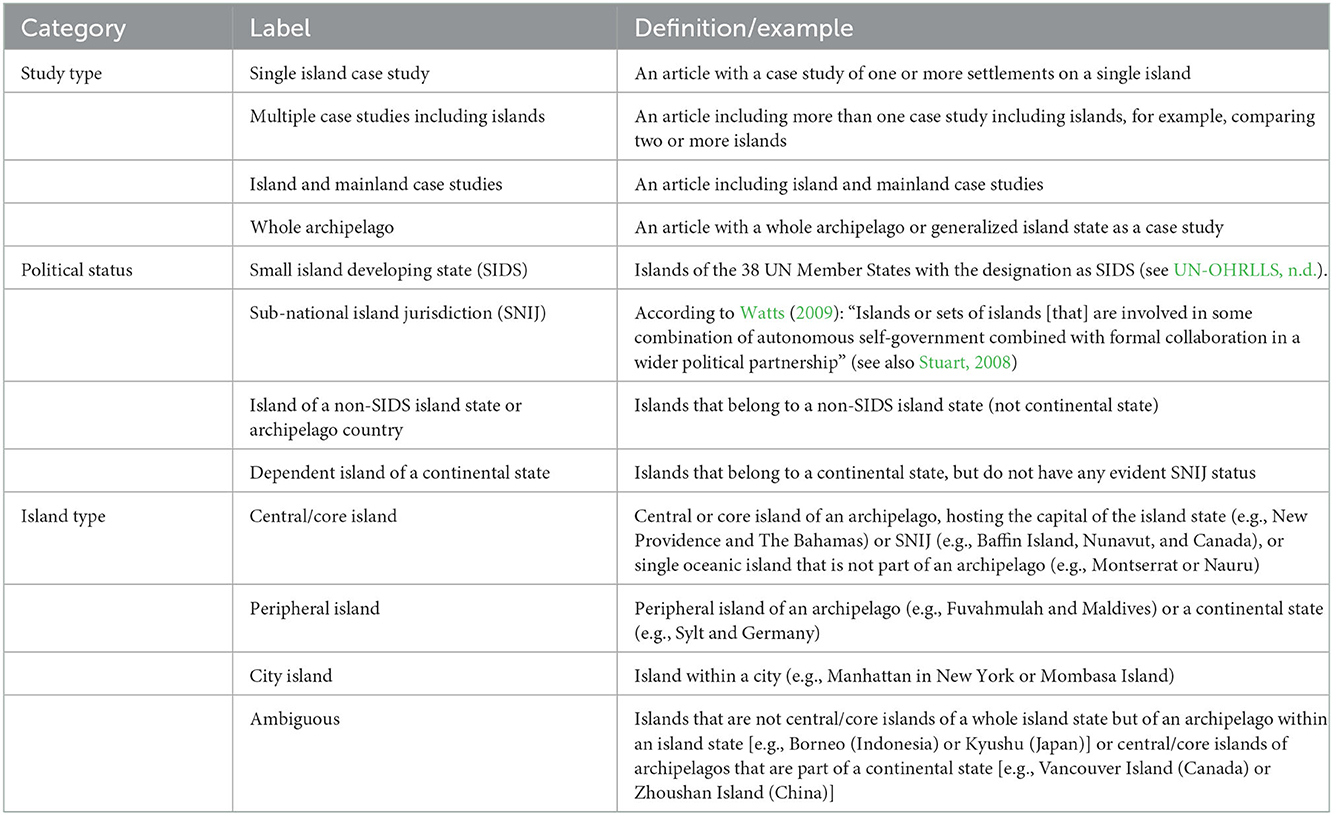
Table 1. Coding scheme.
The coded dataset was exported from sysrev into an Excel spreadsheet and merged with the GAMI dataset for descriptive analysis (see Supplementary material 2 for the full review database). Data cleaning and analysis were performed in R (R Core Team, 2021). After merging the GAMI database with our additional coding, we selected various variables of interest and performed chi-square tests of independence and calculated residuals. This analysis covered the main variables defined in the GAMI approach (Berrang-Ford et al., 2021b; Lesnikowski et al., 2021), which are of relevance to our research questions concerning geographic distribution and potentially differing patterns of responses across island types to weather-related hazards influenced by climate change, including actors involved in adaptation, the inclusion of indigenous/traditional and local knowledge, how far limits to adaptation are challenged, and the depth of responses4 (see Supplementary material 1 for the list of variables and labels). In a second analytical step, we extracted the island case studies that were marked according to indicators of high transformational adaptation in the GAMI database, i.e., those including high “depth” and defined as “adaptations reflect[ing] entirely new practices that involve deep structural reform, complete change in mindset, major shifts in perceptions or values and changing institutional or behavioral norms” (Berrang-Ford et al., 2021b, p.993). Finally, we used an explorative qualitative approach to review the case studies and identify the island-specific aspects of transformational adaptation by carefully reading through each extracted article to understand what transformational adaptation means in the particular contexts.
3. Results
3.1. Island evidence
The review of the GAMI database for evidence on island case studies resulted in 186 articles dealing with islands. Among these articles, we identified 261 case studies on 134 islands (see Figure 1).
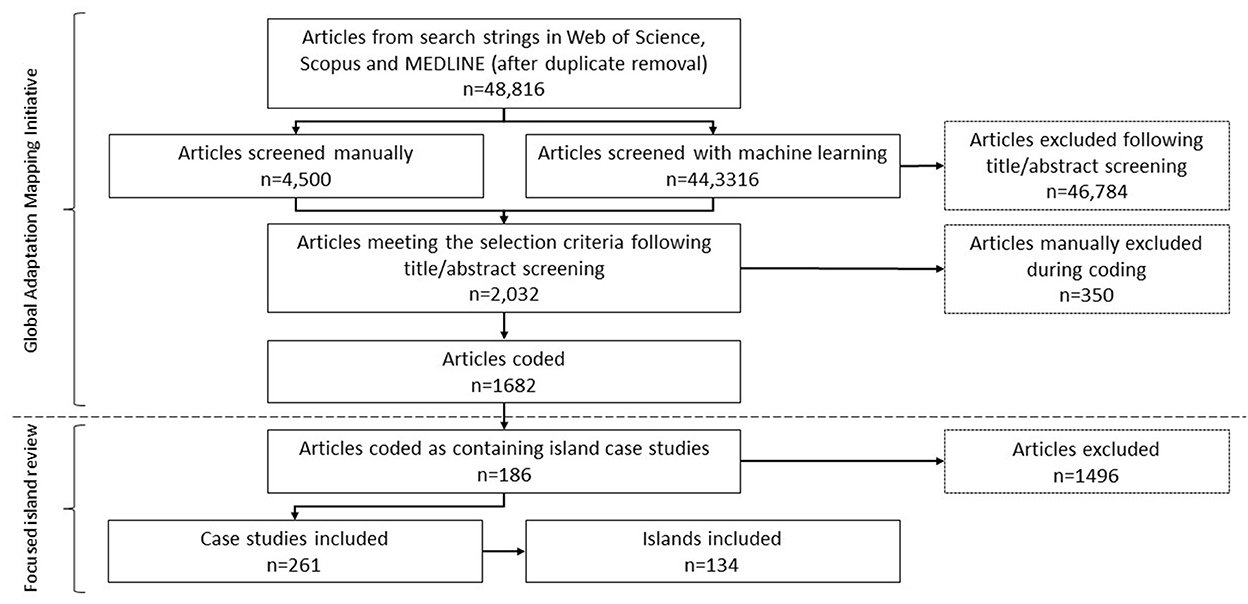
Figure 1. Systematic review diagram (adapted, after Haddaway et al., 2018).
Most of the articles that include islands in the GAMI database deal with single island case studies (59%), followed by articles that include or compare multiple islands (either within the same archipelago or across different regions) (17%), and those that include island and mainland case studies within the same article (17%). Seven percent of the articles deal with archipelagos as a whole, not targeting precise islands (Figure 2). Most island case studies involve islands of a non-SIDS island state or archipelago country (40%), followed by SIDS (25%), dependent islands of a continental state (21%), and finally, sub-national island jurisdictions (SNIJs), which effectively equate to non-sovereign territories (14%; Figure 3).
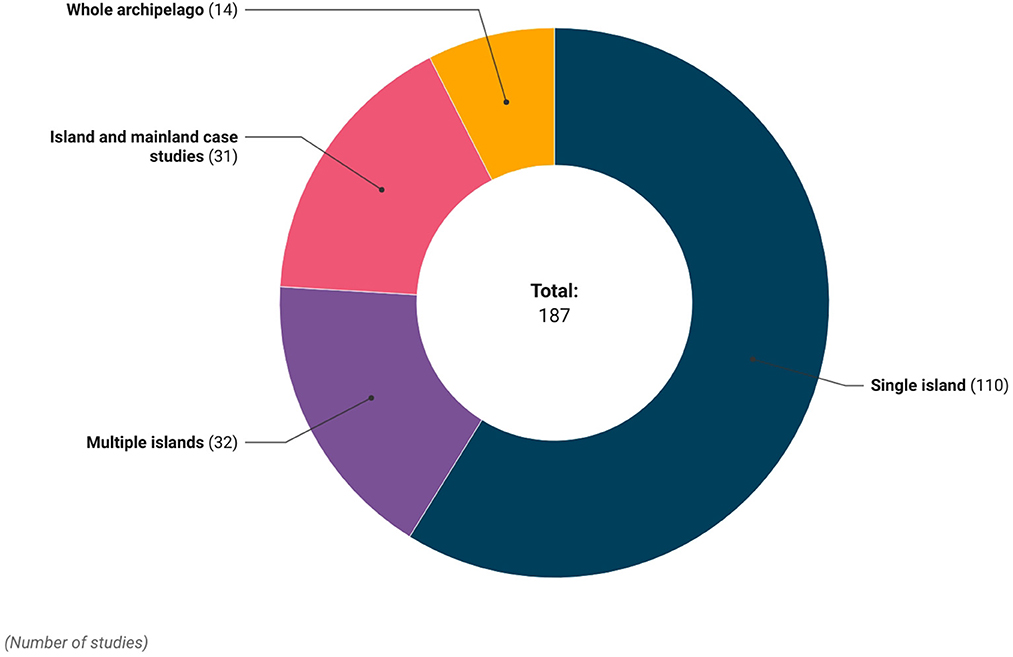
Figure 2. Distribution of articles per study types.
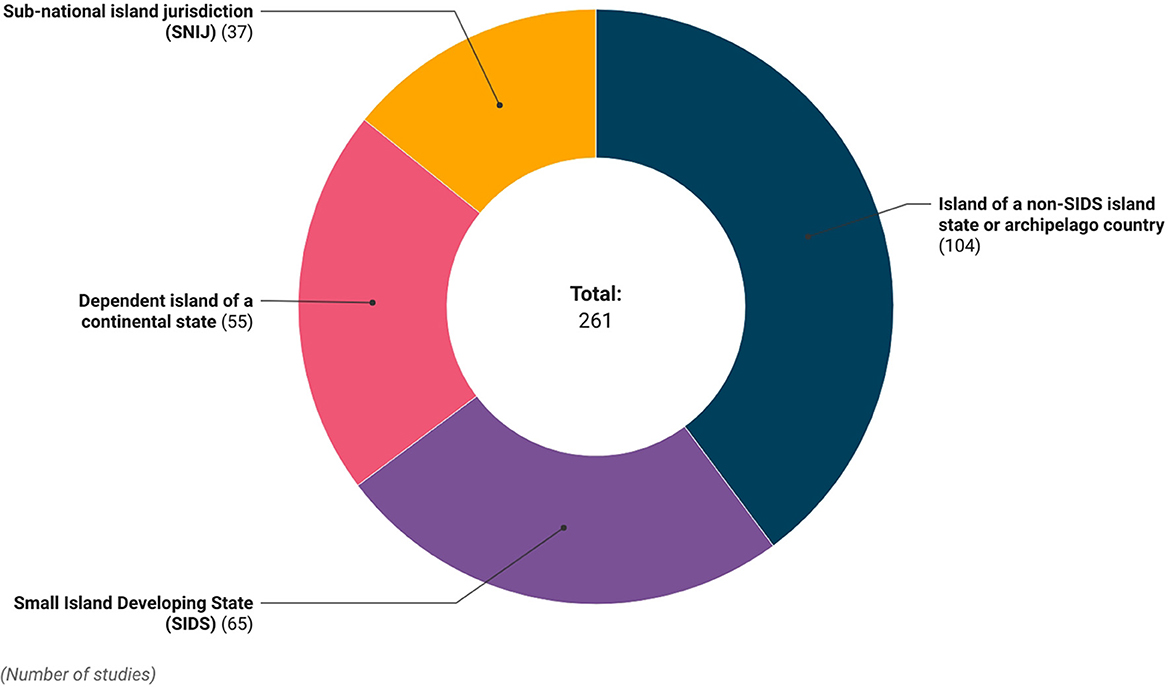
Figure 3. Distribution of island case studies per political status.
While the review includes a wide range of islands from low to high latitudes, the evidence for island adaptation is not uniformly distributed across the globe (Figure 4). Case studies from non-SIDS island states are mostly found in Indonesia, followed by the Philippines, United Kingdom, Sri Lanka, New Zealand, Japan, and Madagascar. Case studies from SIDS are well represented, especially in the Caribbean and the Pacific Ocean, as well as the Maldives in the Indian Ocean. Articles dealing with SNIJs include cases from across various parts of the globe, including multiple islands in Nunavut (Baffin Island and others), overseas territories in the Caribbean, several European islands (Faroe Islands, Åland, Lofoten, and Canary Islands), Unguja (Zanzibar) in the Indian Ocean, as well as Taiwan (China), Mindanao (Philippines), and Tasmania (Australia). The continental countries hosting most case studies on dependent islands represented in GAMI are Bangladesh, the USA, and Canada, although a few case studies on dependent islands can also be found in northern Europe, Africa, South and Southeast Asia, Australia, and South America (Brazil).

Figure 4. The global distribution of island case studies in the GAMI database. Colors refer to different island types and the size of circles to the number of studies on the same island.
With respect to the relative island type, most studies are located on central/core islands (46%), followed by peripheral islands (36%), and ambiguous cases (8%). Five percent of the studies deal with city islands and whole archipelagos, respectively. Compared to the overall distribution of island types, the patterns are different across islands of different political status (Figure 5 and Supplementary Figure SM1.2). Studies on dependent islands of a continental state are mostly about peripheral islands, as these are generally islands located off the coastlines of larger continental states. Also the studies on city islands are mostly found on dependent islands, with one exception being a SIDS (Singapore). Studies on islands of a non-SIDS island state and SNIJs are mostly on central islands. In the former case, many studies are located, for example, on the largest islands of Indonesia (Java), the Philippines (Luzon), or the United Kingdom (Great Britain). In the latter case, many studies are on SNIJs that are not part of a larger archipelago, such as Tasmania (Australia) or Unguja (Tanzania). In addition, many studies have been conducted on Baffin Island, the central island of the SNIJ Nunavut (Canada). In SIDS, the majority of studies are located on peripheral islands. Many of the SIDS studied are larger archipelagos, such as Fiji and the Maldives, and therefore include many peripheral islands; almost a third of SIDS case studies are located in central/core islands.
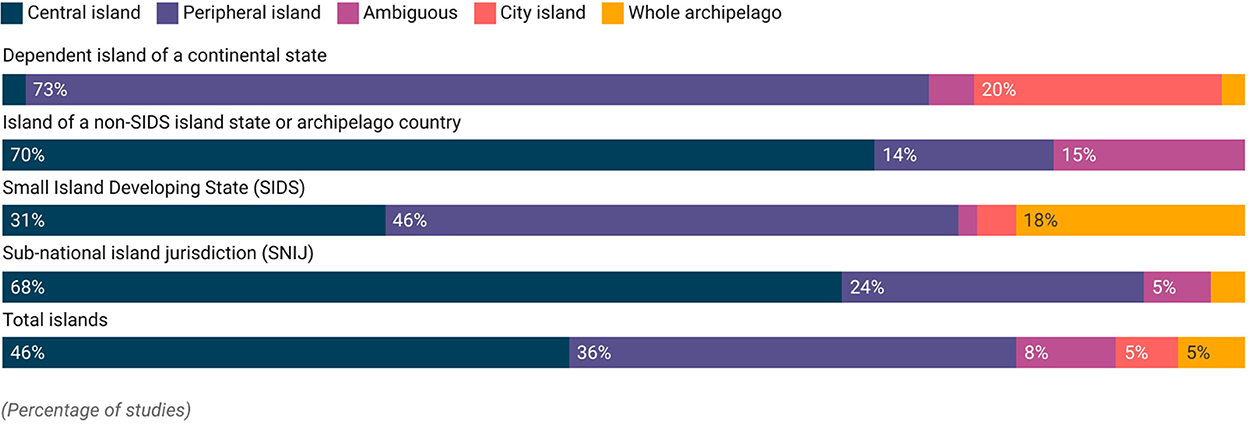
Figure 5. Distribution of island types across island case studies.
3.2. Global climate change adaptation patterns in islands
The documented hazards in the island climate change literature show similar patterns with slight differences between islands and the globally available evidence in the whole GAMI database (Figure 6). After general climate change impacts, the most often reported hazard in GAMI is drought (19%) while on islands, it is extreme precipitation and inland flooding (20%). This is followed on islands by sea level rise (15%), which is reported in only 5% of the articles in the whole GAMI database. In the GAMI database, in turn, increased frequency and intensity of extreme heat is reported in 16% of the articles, while on islands only 7% of studies report this hazard. A noteworthy difference between island types is that drought is often documented in studies on islands of non-SIDS island states (17%), while sea level rise is most commonly reported on dependent islands (22%). SNIJs are most associated with loss of Arctic sea ice, compared to other island types (see also Supplementary Figure SM1.1). The “other” category, which is more often used in island case studies compared to the whole GAMI dataset refers, for example, to tsunamis and earthquakes.
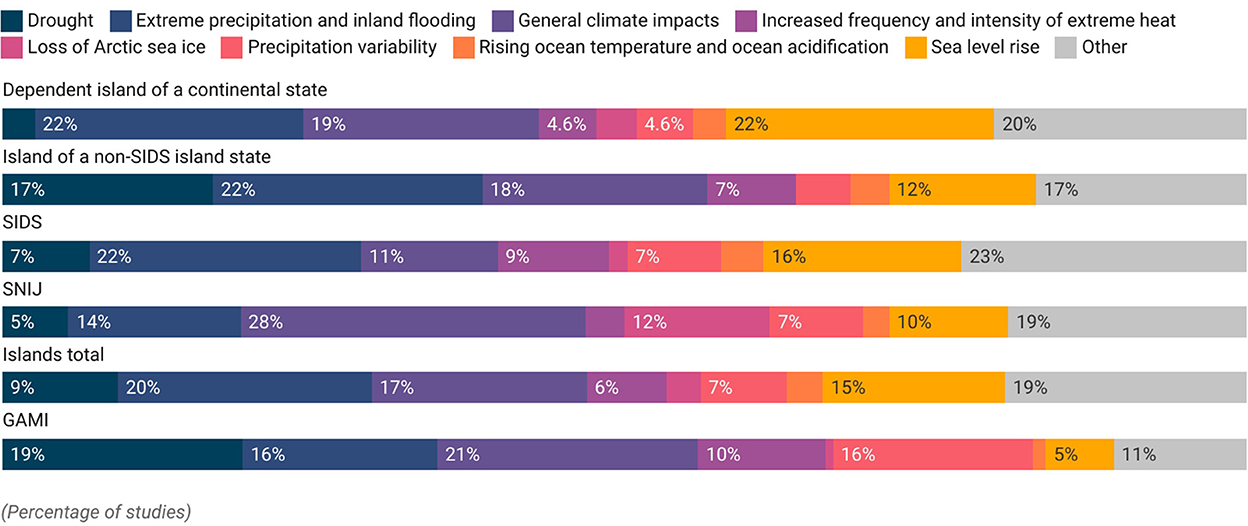
Figure 6. Distribution of hazards reported in island case studies compared to the whole GAMI database.
The response types documented in the literature show overall very similar patterns (Figure 7 and Supplementary Figure SM1.5). The most commonly documented response type is behavioral/cultural (overall 33%, on islands 38%), followed by technological/infrastructural, ecosystem-based, and finally, institutional responses. Also between different island types there are hardly any differences in the order of reported response types, apart from institutional responses being the second most reported in SNIJs instead of technological/infrastructural. In many cases, studies in GAMI were coded as reporting many of the four response types, which explains the lack in statistically significant differences and a seemingly homogeneous picture.
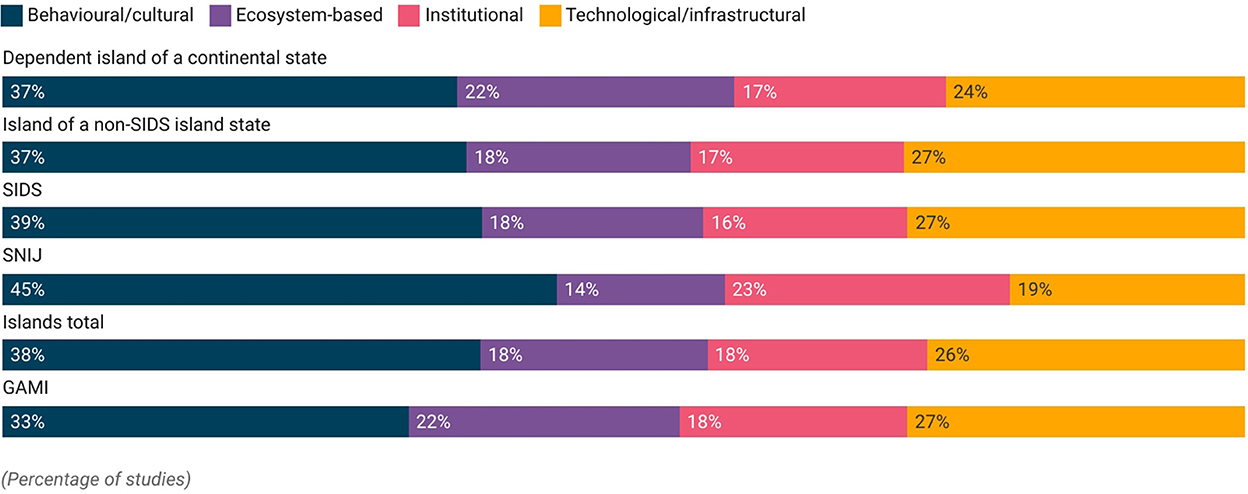
Figure 7. Distribution of response types reported in island case studies compared to the whole GAMI database.
Whereas there are only negligible differences between the types of actors involved in adaptation on islands overall and the GAMI database, distinguishing between islands of different political status reveals different patterns (Figure 8). Individuals or households, the overall most common actors, are associated mostly with studies in SNIJs. Civil society actors (e.g., formal community associations or non-governmental organizations) are reported less often in the studies in SNIJs compared to other island types, and more often in SIDS. The roles of different government actors also vary. While national governments are reported frequently in SIDS, sub-national governments are reported relatively more often especially in dependent islands. International or multinational governance institutions (e.g., organizations under the United Nations) are reported most often in SIDS case studies compared to other island types or the whole GAMI dataset. Overall, private sector actors (e.g., small and medium enterprises or larger corporations) are relatively less common compared to other actors yet most common on islands of non-SIDS island states and SNIJs.
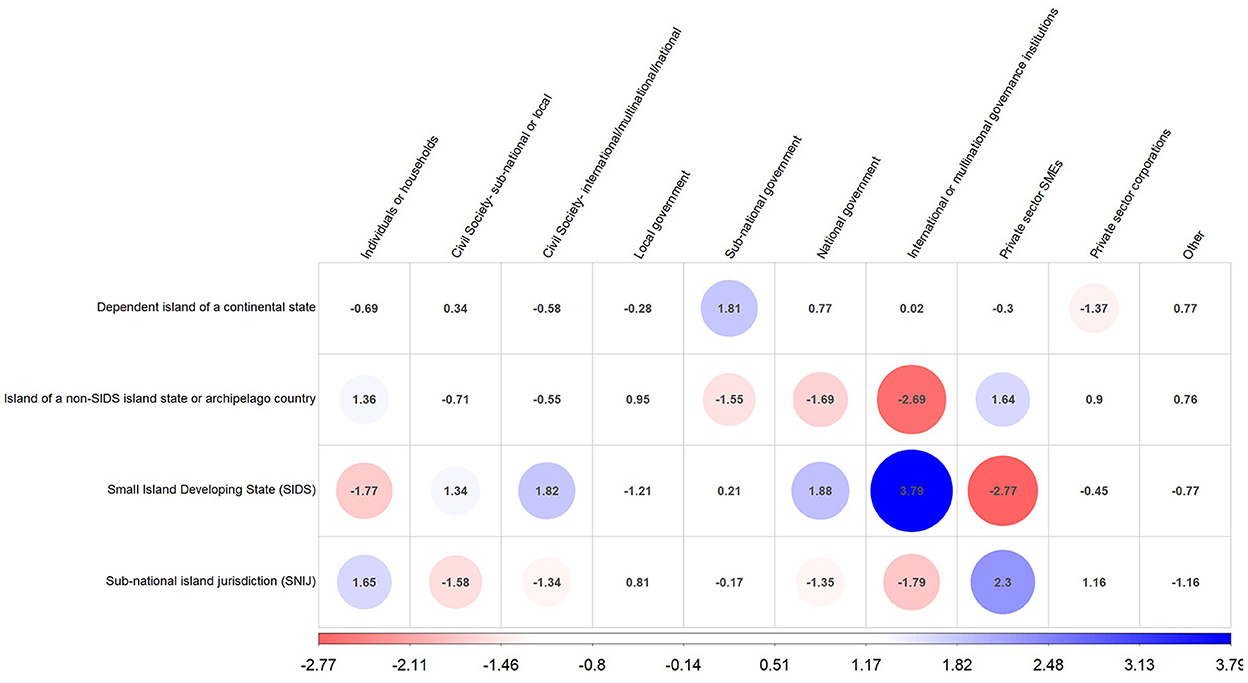
Figure 8. Political status of islands related to actors. Results of the chi-square test calculating the residuals, that is, the difference between the observed and the expected frequency of each combination of political status and actor type, are shown. Residuals below −2 and above 2 can be considered significant. Positive residuals (blue) indicate a higher observed frequency of an actor-role combination, and negative residuals (red) indicate a lower than expected frequency. The size of the circles corresponds to the value of the residuals. X-squared = 84.366, df = 27, p-value = 8.097e−08.
While in the GAMI dataset, only a quarter of articles includes aspects related to indigenous/traditional and local knowledge, almost a third of the studies on islands include such knowledge. This ratio differs between island types. The majority of studies include indigenous/traditional and local knowledge in the analysis of climate change adaptation only on SIDS, while around a third of the studies in SNIJs, a quarter of studies on dependent islands, and only 17% of those on islands of non-SIDS islands states include such knowledge (Figure 9).
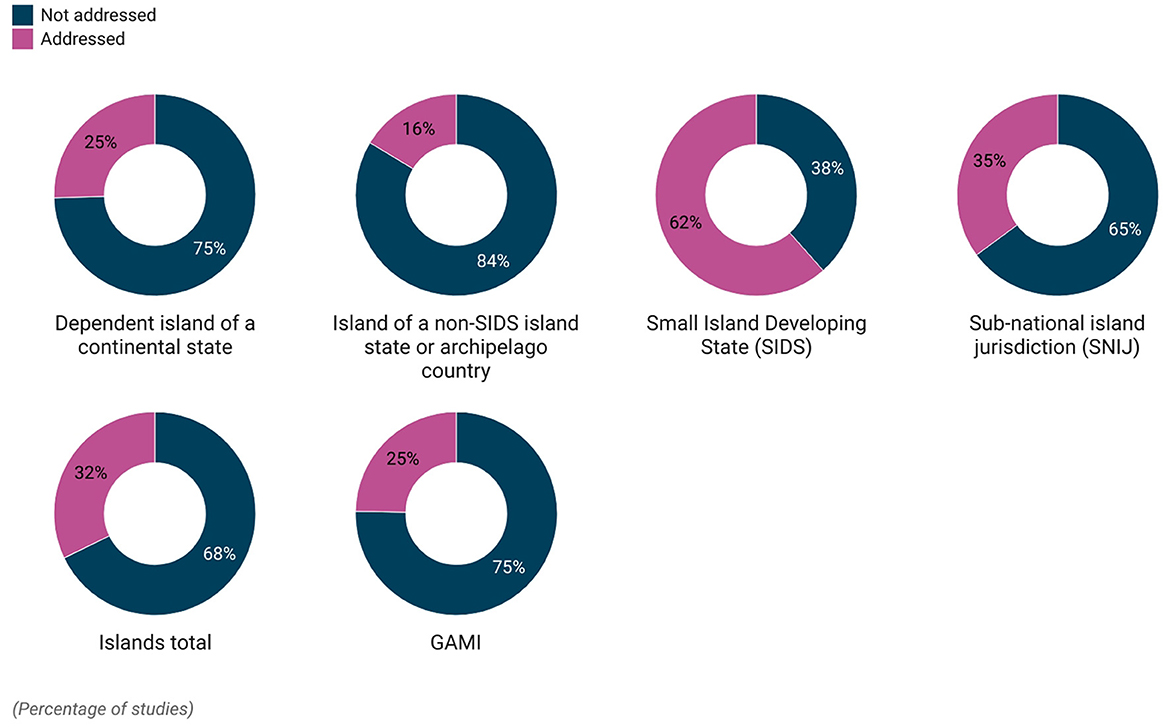
Figure 9. Percentage of island case studies including indigenous/traditional and local knowledge, compared to the whole GAMI database.
Across island types, between 38 and 59% of studies report low evidence of known adaptation limits being overcome, and between 3 and 15% report medium evidence (only in SNIJs do more than half of the studies report low evidence; Figure 10). In almost half of the island case studies (47%), there was no/uncertain evidence of whether adaptation limits had been exceeded. In the whole GAMI database there is only one island article with high evidence of adaptation limits being overcome, which is in a SIDS case study [see Otoara Ha'apio et al. (2018), described below].
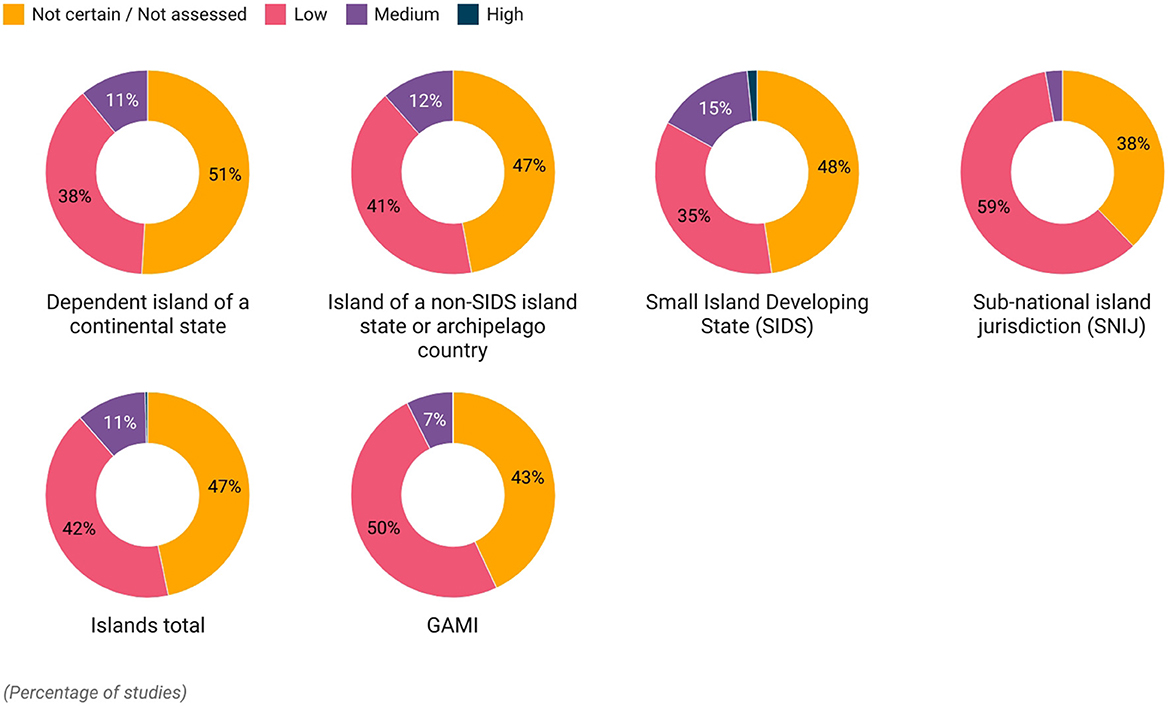
Figure 10. Evidence of challenging limits to adaptation reported in island case studies compared to the whole GAMI database.
3.3. Transformational adaptation in islands
Paradoxically, while island representatives usually describe climate change as an “existential threat” involving unprecedented challenges to development and historical socioeconomic patterns, the scientific literature remains sparse on discussing what transformational adaptation (could) look like in various island contexts (e.g., relocation of settlements and infrastructure or changes in livelihoods) (Nunn and McNamara, 2019).
The review of the GAMI database for evidence on transformational adaptation on islands resulted in six articles coded as adaptation with high “depth” and accordingly no significant patterns (see Supplementary Table SM1.1 and Supplementary Figure SM1.4). Yet three of those were excluded from further analysis since they deal with transformation unrelated to responses to climate change (Moulton and Popke, 2017), insufficient information on the transformational character of the responses (Jamero et al., 2018), and transformational responses on a continental mainland and not the overseas/continental island (Scholten et al., 2015). The three remaining articles include evidence on transformational adaptation in the form of relocation and all include studies on islands that are part of Pacific SIDS. Due to the limited results using the “depth” variable from GAMI for assessing potentially transformational adaptation on islands, we focus on the characteristics of the responses reported in the case studies with high depth in an explorative way. We use the case of relocation as a vehicle to highlight some transformational adaptation patterns in different island cases.
The communities on the peripheral Ranongga Island (Solomon Islands) in Otoara Ha'apio et al.'s (2018) study face rising sea level and precipitation variability. Yet the transformational response described in the study was triggered by an earthquake and is the proactive relocation of a village to a new location at higher altitude beyond the reach of tsunami waves. The relocation was driven by households, community chiefs, civil society organizations, and the local government. In addition, factors such as the collaboration of stakeholders, traditional land ownership and intergenerational exchanges, where the younger convinced the older generation to relocate, facilitated overcoming several limits to adaptation, including social, cultural, economic, financial and physical limits.
Similarly, the study by McMichael and Katonivualiku (2020) on three peripheral islands of Fiji, deals with responses to sea level rise. The study describes the planned relocation of several indigenous iTaukei villages and households, which in some cases have already been implemented, while in others they are underway or in planning. Besides the island communities, national government actors are involved in the planned relocations. Local knowledge on observed climate change was included in the study and villagers were informed about scientific scenarios and could relate how projected climate change impacts would aggravate their situation. The main limits to adaptation that needed to be overcome in this case study are of social/cultural nature due to the strong place attachment, which is also reflected in people returning to their former villages for fishing, farming, or visiting burial grounds.
Finally, Allgood and McNamara (2017) analyse how local communities on the central/core islands of South Tarawa atoll, Kiribati, respond to various hazards influenced by climate change, but especially the impacts of sea level rise. The communities respond through the construction of physical sea defenses as well as temporary and permanent relocation. While the hard measures were implemented mainly by households, national government also supported education and capacity-building campaigns. Temporary and permanent relocation is reported as a common livelihood strategy. Due to increasing environmental pressures, relocation is considered a “distressing but necessary aspect of their future” (Allgood and McNamara, 2017, p.12). The reported adaptation limits to overcome are socio-cultural—the loss of connection to the home country, traditions and culture—and economic due to uncertain livelihood/employment opportunities.
All three examples share some patterns of potentially transformational adaptation in that they build on multi-actor collaboration and local institutions. They are all examples of responses to sea level rise in the form of relocation. The most important actors involved are individuals or households and local or national governments. The private sector or international stakeholders are not described as playing an active role in these relocation processes. The two examples of planned relocation stress the importance of including local knowledge and traditional customs and institutions in overcoming social and cultural adaptation limits. Notably, the focus on relocation is not meant to suggest that migration is the only or preferred method of transformational adaptation but rather that it embodies the critical aspects of transformational adaptation and is currently reported as ongoing in various island contexts.
4. Discussion
Our findings show that climate change adaptation in island contexts remains comparatively under-documented. Most island-focused assessments miss a major subset of islands (e.g., high-latitude islands, dependent islands, and islands of non-SIDS island states). This occurs despite many initiatives that could and should feed into these analyses, also providing much-needed perspectives from beyond a narrow, disciplinary climate change focus. For high-latitude islands, the University of the Arctic has a Thematic Network on Northern and Arctic Island Studies Research. Many uninhabited islands in the Antarctic Treaty System zone (south of 60°S) are the subject of climate change adaptation discussions for research and action through the Scientific Committee for Antarctic Research's programme Integrated Science To Inform Antarctic And Southern Ocean Conservation (Ant-ICON). For islands of non-SIDS island states such as the Philippines and Indonesia, transformative approaches are being adopted to deal with the major changes through community consultations using Participatory Three-Dimension Mapping (P3DM) (Gaillard and Maceda, 2009; Cadag and Gaillard, 2012).
At the same time, there is a regional gap in the evidence base of scientific peer-reviewed literature with few studies of islands from South America, Africa, and the Mediterranean [examples of exceptions are Leon et al. (2022) for Sicily and Harvey et al. (2014) for Madagascar]. The literature includes case studies from various peripheral and central islands, but mostly case studies of single islands, as well as work aggregating findings from various islands at the archipelago level or from island and mainland study sites. The clear bias toward central islands in the research on non-SIDS island states (e.g., Java, Luzon, and Great Britain) stresses the need for further research on peripheral islands as well as archipelagic constellations. Such constellations become relevant, for example, with respect to avoiding conflict between relocating and hosting communities within archipelagos following relocation after disasters involving weather, or longer-term mobility patterns attributable to climate change (Campbell, 2010). Similarly, research on archipelagic constellations addresses aspects of core-periphery relationships, such as top-down vs. bottom-up governance (Nunn et al., 2014), autonomous coping vs. dependency (Nunn and Kumar, 2019; Korovulavula et al., 2020), and access to specific adaptation funding schemes between central vs. peripheral and rural vs. urban islands (Atteridge and Canales, 2017). Further work should seek ways of comparing case studies horizontally (across islands and island collectives) and vertically (across difference governance levels) through (i) aggregating case studies for comparative analysis and (ii) disaggregating scales to understand differences and similarities in a specific place (at any scale) of influences from global to highly local. For instance for the latter, how is household adaptation (which would typically be presumed to be more tinkering than transformational) in a specific island village influenced by the UNFCCC climate change meetings or how does a specific SIDS national government's climate change adaptation policy account for family needs across the archipelago?
There are few differences in reported patterns of response types across island types and they tend to stress behavioral/cultural adaptation. On the one hand, in most cases, behavioral adaptation would not be transformational although often is more substantive than mere tinkering. On the other hand, cultural aspects may be an important factor influencing the adoption of more transformational responses to climate change (Neef et al., 2018; Oakes, 2019). Similar to the global perspective by Berrang-Ford et al. (2021b), our findings also demonstrate the relative lack of research on institutional responses and partly also on ecosystem-based adaptation. Together with the comparative lack of research on local knowledge, especially on non-SIDS islands, this presents a significant shortcoming, especially given evidence of how important different knowledge and adaptation types are for islands across different geographic contexts (Mercer et al., 2012; Hills et al., 2013; Nalau et al., 2018; Pearson et al., 2020). Knowledges include local, Indigenous/traditional, vernacular, community, scientific, and external policy. Phrases for adaptation types include the IPCC categories, ecosystem-based, nature-based, and community-based (IPCC, 2022).
Actors and institutions involved in adaptation differ across island types. As also found in GAMI, adaptation by individuals and households is most common on islands, raising questions around responsibility for climate change-related action (Reckien and Petkova, 2019). It also raises questions about contrasting tinkering and transformation. A few individuals or households might relocate through their own choices or be relocated because their dwellings were disproportionately hazard-exposed (transformation), while the rest of the community stays, continuing short-term adaptation strategies (voluntary or involuntary tinkering); documented examples include the Fijian relocations at Denimanu (Yadua Island) and Navunievu (Vanua Levu Island) (Martin et al., 2018; Fink et al., 2021). The strategy can be considered both transformational and tinkering, depending who is being considered.
Meanwhile, the bigger role of international or multinational governance institutions in SIDS relates to differences in access to international funding for adaptation compared to non-SIDS islands (Robinson and Dornan, 2017). Especially on islands of non-SIDS island states and SNIJs, the roles of sub-national versus national governments are more evident, indicating similar to patterns and discussions around local responsibility for adaptation in continental areas (Nalau et al., 2015; Mees, 2017) and the lack of awareness of island matters in supranational governance systems (Moncada et al., 2010). Yet increasing attention should also be paid to civil society actors, and especially when they partner with government actors (Petzold and Ratter, 2015). So are any UNFCCC agreements actually transformational or merely tinkering with an inequitable system that inevitably downplays island matters, especially for non-SIDS islands?
A lack of local community involvement in adaptation projects on the one hand and the typical lack of public funding for community-driven initiatives on the other hand, and as reported by Jamero et al. (2018) in peripheral islands of the Philippines, confirm the need for multi-actor and cross-scale approaches on islands. Similarly, synthesizing evidence from rural communities in the Pacific, McNamara et al. (2020) found that adaptation is most effective when it is community-driven, involving non-governmental organizations, and with governmental and external stakeholders as facilitators. Research from Scotland shows the relevance of “third sector organisations,” for example regarding health services, to fill the gap of private sector and national government presence in rural islands, while at the same time building on local communities' sense of self-reliance (Macaulay, 2016). In contrast to SIDS contexts, where the real estate and insurance sectors, for example, do not play a critical role in residential building dynamics, the role of the private sector on islands of the global north requires further attention in research on climate change adaptation.
Although the literature identifies adaptation limits and the need for transformational adaptation (Robinson, 2018; Nunn and McNamara, 2019; Filho et al., 2022), there is little empirical evidence of transformational adaptation occurring on islands (also globally, see Berrang-Ford et al., 2021b), except early signs from relocation studies. This prevents conceptualizing features of transformational adaptation across various island contexts. Nevertheless, the above examples discussing relocation highlight the importance of addressing socio-cultural adaptation limits such as traditional land tenure patterns and place attachment, besides the technical and infrastructural limits (Thomas et al., 2021). Different forms of relocation in response to environmental changes have long been observed across islands, especially in the Pacific (Barnett and McMichael, 2018)—where the three identified case studies with potentially transformational adaptation included in GAMI are located. Moreover, while internal relocation within an archipelago is considered “feasible” in an example from French Polynesia (Duvat et al., 2022), other examples show the problems with such approaches for local communities (Perumal, 2018), often related to social, institutional and legal concerns (Piggott-McKellar and McMichael, 2021). Evidence from beyond SIDS and the Pacific confirms that socio-cultural as well as institutional concerns, including local leadership, are critical factors for managed retreat (Dannenberg et al., 2019).
While this review builds on the most comprehensive database of climate change adaptation literature, it is limited in terms of time span covered (2013–2019). It therefore misses potential evidence on island adaptation and transformation from past/historical experiences, as well as relevant evidence published in non-English languages. Many other languages do not have terms or phrases that directly mean “adaptation” or “transformation.” The database, therefore, suffers from and perpetuates “Anglophone squint” (Aalbers, 2004). One consequence is that cultural or world view lenses that are seen as requiring an adaptation- or transformation-related response would be excluded, not merely because they do not use these specific words, but also because the notion might be absent from their understandings of the world. Even in science in English, not all disciplines or authors adopt climate change jargon, such as adaptation and transformation, even though their work covers similar ideas and actions. The bias in GAMI including the “Anglophone squint” could explain the earlier mentioned result about the under-representation of different knowledges within the papers.
Coverage of further scientific databases, vocabulary, gray literature and non-English language literature may help fill the gaps in recent assessments and reviews (Haddaway and Bayliss, 2015; Chowdhury et al., 2022). By relying mainly on the GAMI evidence for identifying potentially transformational adaptation, we limit ourselves to the rather generalized coding of low-to-high depth, without further specifying the nature of climate change-related responses, especially in terms of transformation.
5. Conclusions
This review critically reflects on the research on island climate change adaptation by distinguishing different island geographies, going beyond the current focus on SIDS, and highlighting the opaque nature of generalizations about climate change concerns for islands of different political statuses and geographies globally. The work here highlights island-related research biases and gaps in global assessments such as the IPCC and reviews that draw on mainstream adaptation literature, relying on GAMI in our case. Despite the truism that not all islands are the same, so generalizing across islands is often not reflective of reality, concatenating islands into a single category dominates published work. Filling regional research gaps as well as broadening the scope of island-related climate change adaptation research beyond SIDS would provide an opportunity for experience sharing across island types. Key questions for further work and for sharing experiences are:
• Could the tinkering-transformation continuum be better articulated, notably to determine how to differentiate transformational from non-transformational and tinkering from non-tinkering? Are these exercises useful and is differentiating different types of adaptation helpful practically?
• Other than some relocation, what else could be transformational adaptation on islands? While land raising and reclamation might be environmentally transformational, are they necessarily socially transformational?
• How much would different forms of transformational adaptation really be desired?
• How useful is the term “transformational adaptation” for islands, given their long experience of adapting to and transforming with social and environmental changes?
• How could this long island history be applied now and in the future, for informing all islands and non-island locations?
• What current and future possible changes are not captured in island historical experience?
Hence, we offer a new lens for global assessments of island climate change adaptation research, including an evidence map for further research differentiating islands (SIDS, SNIJs, non-SIDS islands states, and dependent islands) against response types especially.
Given the diversity of island contexts, we also stress the need for more in-depth research on the roles and responsibilities of diverse actors and matters of agency concerning climate change adaptation. Key instances are the relative lack of drawing on Indigenous, traditional, vernacular, and local knowledges in non-SIDS contexts, the limited evidence base and explanatory power of global assessments, and the linguistic and regional publication biases. The latter stresses the need to draw on different knowledge sources and types for learning from islands, notably different types of islands, for different types of climate change adaptation. In particular, comparatively few island perspectives are present in the so-called transformational adaptation discussions. Instead, learning from past and recent island experiences of many forms of changes and adjustments to changes, of which tinkering forms an important component, can inform other geographies about potentially transformational adaptation and help avoid its degeneration into a buzzword and becoming an empty slogan.
Data availability statement
The original contributions presented in the study are included in the article/Supplementary material, further inquiries can be directed to the corresponding author.
Author contributions
All authors contributed to the conception and drafting of the manuscript.
Acknowledgments
A previous draft of this manuscript was presented at the ISISA 18th ‘Islands of the World' Conference in Zadar, Croatia, 13–17 June 2022. The authors would like to thank Pauline Metzinger and Eléonore Otto for their support in data collection and analysis.
Conflict of interest
The authors declare that the research was conducted in the absence of any commercial or financial relationships that could be construed as a potential conflict of interest.
Publisher's note
All claims expressed in this article are solely those of the authors and do not necessarily represent those of their affiliated organizations, or those of the publisher, the editors and the reviewers. Any product that may be evaluated in this article, or claim that may be made by its manufacturer, is not guaranteed or endorsed by the publisher.
Supplementary material
The Supplementary Material for this article can be found online at: https://www.frontiersin.org/articles/10.3389/fclim.2022.1072231/full#supplementary-material
Footnotes
1. ^See https://globaladaptation.github.io/ for the full documentation of the GAMI project.
2. ^Any area of land smaller than a continent and entirely surrounded by water (Encyclopedia Britannica, n.d.).
3. ^The additional screening of the GAMI database for island case studies was done through title and abstract screening, and, in case of doubt, a full text screening.
4. ^The “depth” of adaptation-related responses describes “the novelty of an action” (Berrang-Ford et al., 2021b, p. 993), besides its “scope” (geographical or sectoral breadth) and “speed” (the time taken to implement).
References
Aalbers, M. B. (2004). Creative destruction through the Anglo-American hegemony: a non-Anglo-American view on publications, referees and language. Area 36, 319–322. doi: 10.1111/j.0004-0894.2004.00229.x
Allgood, L., and McNamara, K. E. (2017). Climate-induced migration: exploring local perspectives in Kiribati: climate-induced migration. Singap. J. Trop. Geogr. 38, 370–385. doi: 10.1111/sjtg.12202
Atteridge, A., and Canales, N. (2017). Climate Finance in the Pacific: An Overview of Flows to the Region's Small Island Developing States (Stockholm Environment Institute, Working Paper 2017-04). Stockholm Environment Institute. Available online at: https://nab.vu/sites/default/files/documents/SEI-WP-2017-04-Pacific-climate-finance-flows.pdf (accessed December 29, 2022).
Baldacchino, G. (2018). Seizing history: development and non-climate change in small island developing states. Int. J. Clim. Change Strateg. Manag. 10, 217–228. doi: 10.1108/IJCCSM-02-2017-0037
Bamsey, M., Berinstain, A., Graham, T., Neron, P., Giroux, R., Braham, S., et al. (2009). Developing strategies for automated remote plant production systems: environmental control and monitoring of the Arthur Clarke Mars Greenhouse in the Canadian high arctic. Adv. Space Res. 44, 1367–1381. doi: 10.1016/j.asr.2009.08.012
Barnett, J., and McMichael, C. (2018). The effects of climate change on the geography and timing of human mobility. Popul. Environ. 39, 339–356. doi: 10.1007/s11111-018-0295-5
Berrang-Ford, L., Döbbe, F., Garside, R., Haddaway, N., Lamb, W. F., Minx, J. C., et al. (2020). Editorial: evidence synthesis for accelerated learning on climate solutions. Campbell Syst. Rev. 16, e1128. doi: 10.1002/cl2.1128
Berrang-Ford, L., Lesnikowski, A., Fischer, A. P., Siders, A. R., Mach, K. J., Thomas, A., et al. (2021a). The global adaptation mapping initiative (GAMI): part 1 – introduction and overview of methods. Protoc. Exch. doi: 10.21203/rs.3.pex-1240/v1. [Epub ahead of print].
Berrang-Ford, L., Pearce, T., and Ford, J. D. (2015). Systematic review approaches for climate change adaptation research. Reg. Environ. Change 15, 755–769. doi: 10.1007/s10113-014-0708-7
Berrang-Ford, L., Siders, A. R., Lesnikowski, A., Fischer, A. P., Callaghan, M. W., Haddaway, N. R., et al. (2021b). A systematic global stocktake of evidence on human adaptation to climate change. Nat. Clim. Change 11, 989–1000. doi: 10.1038/s41558-021-01170-y
Bozada, T., Borden, J., Workman, J., Del Cid, M., Malinowski, J., and Luechtefeld, T. (2021). Sysrev: a FAIR platform for data curation and systematic evidence review. Front. Artif. Intell. 4, 685298. doi: 10.3389/frai.2021.685298
Cadag, J. R. D., and Gaillard, J. (2012). Integrating knowledge and actions in disaster risk reduction: the contribution of participatory mapping: integrating knowledge and actions in disaster risk reduction. Area 44, 100–109. doi: 10.1111/j.1475-4762.2011.01065.x
Campbell, J. (2010). “Climate change and population movement in pacific island countries,” in Climate Change and Migration: South Pacific Perspectives, ed. B. Burson (Wellington, NZ: Institute of Policy Studies, Victora University of Wellington), 29–50.
Chowdhury, S., Gonzalez, K., Aytekin, M. Ç. K., Baek, S.-Y., Bełcik, M., Bertolino, S., et al. (2022). Growth of non-English-language literature on biodiversity conservation. Conserv. Biol. 36, e13883. doi: 10.1111/cobi.13883
Dannenberg, A. L., Frumkin, H., Hess, J. J., and Ebi, K. L. (2019). Managed retreat as a strategy for climate change adaptation in small communities: public health implications. Clim. Change 153, 1–14. doi: 10.1007/s10584-019-02382-0
Donner, S. D. (2015). The legacy of migration in response to climate stress: learning from the Gilbertese resettlement in the Solomon Islands. Nat. Resour. Forum 39, 191–201. doi: 10.1111/1477-8947.12082
Duvat, V. K. E., Anisimov, A., and Magnan, A. K. (2020). Assessment of coastal risk reduction and adaptation-labelled responses in Mauritius Island (Indian Ocean). Reg. Environ. Change 20, 110. doi: 10.1007/s10113-020-01699-2
Duvat, V. K. E., Magnan, A. K., Goeldner-Gianella, L., Grancher, D., Costa, S., Maquaire, O., et al. (2022). Internal relocation as a relevant and feasible adaptation strategy in Rangiroa Atoll, French Polynesia. Sci. Rep. 12, 14183. doi: 10.1038/s41598-022-18109-8
Encyclopedia Britannica (n.d.). Island. Available online at: https://www.britannica.com/science/island (accessed December 29, 2022)..,
Farbotko, C. (2010). Wishful sinking: disappearing islands, climate refugees and cosmopolitan experimentation. Asia Pac. Viewp. 51, 47–60. doi: 10.1111/j.1467-8373.2010.001413.x
Farbotko, C., Dun, O., Thornton, F., McNamara, K. E., and McMichael, C. (2020). Relocation planning must address voluntary immobility. Nat. Clim. Chang. 10, 702–704. doi: 10.1038/s41558-020-0829-6
Filho, W. L., Wolf, F., Moncada, S., Salvia, A. L., Balogun, A.-L. B., Skanavis, C., et al. (2022). Transformative adaptation as a sustainable response to climate change: insights from large-scale case studies. Mitig. Adapt. Strateg. Glob. Change 27, 20. doi: 10.1007/s11027-022-09997-2
Fink, M., Klöck, C., and Nunn, P. D. (2021). “Community participation, situated knowledge and climate change (mal-)adaptation in rural island communities: evidence from artificial shoreline-protection structures in Fiji,” in Small Island Developing States: Vulnerability and Resilience under Climate Change, eds S. Moncada, L. Briguglio, H. Bambrick, I. Kelman, C. Iorns, and L. Nurse (Berlin: Springer), 57–79. doi: 10.1007/978-3-030-82774-8_4
Gaillard, J. C., and Maceda, E. A. (2009). Participatory three-dimensional mapping for disaster risk reduction. Participat. Learn. Act. 60, 109–118. Available online at: https://www.iied.org/sites/default/files/pdfs/migrate/G02818.pdf
Grydehøj, A., Pinya, X. B., Cooke, G., Doratli, N., Elewa, A., Kelman, I., et al. (2015). Returning from the horizon: introducing urban island studies. Urban Island Stud. 1, 1–19. doi: 10.20958/uis.2015.1
Haddaway, N. R., and Bayliss, H. R. (2015). Shades of grey: two forms of grey literature important for reviews in conservation. Biol. Conserv. 191, 827–829. doi: 10.1016/j.biocon.2015.08.018
Haddaway, N. R., Macura, B., Whaley, P., and Pullin, A. S. (2018). ROSES RepOrting standards for systematic evidence syntheses: pro forma, flow-diagram and descriptive summary of the plan and conduct of environmental systematic reviews and systematic maps. Environ. Evid. 7, 7. doi: 10.1186/s13750-018-0121-7
Harvey, C. A., Rakotobe, Z. L., Rao, N. S., Dave, R., Razafimahatratra, H., Rabarijohn, R. H., et al. (2014). Extreme vulnerability of smallholder farmers to agricultural risks and climate change in Madagascar. Phil. Trans. R. Soc. B 369, 20130089. doi: 10.1098/rstb.2013.0089
Hay, J. E. (2013). Small island developing states: coastal systems, global change and sustainability. Sustain. Sci. 8, 309–326. doi: 10.1007/s11625-013-0214-8
Hills, T., Carruthers, T. J. B., Chape, S., and Donohoe, P. (2013). A social and ecological imperative for ecosystem-based adaptation to climate change in the Pacific Islands. Sustain. Sci. 8, 455–467. doi: 10.1007/s11625-013-0217-5
IPCC (2022). “Annex II: glossary,” in Climate Change 2022: Impacts, Adaptation, and Vulnerability. Contribution of Working Group II to the Sixth Assessment Report of the Intergovernmental Panel on Climate Change, eds. H. O. Pörtner, D. C. Roberts, M. Tignor, E. S. Poloczanska, K. Mintenbeck, A. Alegría, et al. (Cambridge: Cambridge University Press), 2897–2930.
Jamero, M. L., Onuki, M., Esteban, M., and Tan, N. (2018). Community-based adaptation in low-lying islands in the Philippines: challenges and lessons learned. Reg. Environ. Change 18, 2249–2260. doi: 10.1007/s10113-018-1332-8
Kelman, I. (2014). No change from climate change: vulnerability and small island developing states. Geogr. J. 180, 120–129. doi: 10.1111/geoj.12019
Kelman, I. (2018). Islandness within climate change narratives of small island developing states (SIDS). Island Stud. J. 13, 149–166. doi: 10.24043/isj.52
Klöck, C., and Nunn, P. D. (2019). Adaptation to climate change in small island developing states: a systematic literature review of academic research. J. Environ. Dev. 28, 107049651983589. doi: 10.1177/1070496519835895
Korovulavula, I., Nunn, P. D., Kumar, R., and Fong, T. (2020). Peripherality as key to understanding opportunities and needs for effective and sustainable climate-change adaptation: a case study from Viti Levu Island, Fiji. Clim. Dev. 12, 888–898. doi: 10.1080/17565529.2019.1701972
Leon, C. J., Lam González, Y. E., Ruggieri, G., and Calò, P. (2022). Assessing climate change adaptation and risk management programmes: stakeholder participation process and policy implications for transport, energy and tourism sectors on the island of sicily. Land 11, 1206. doi: 10.3390/land11081206
Lesnikowski, A., Berrang-Ford, L., Siders, A. R., Haddaway, N., Biesbroek, R., Harper, S., et al. (2021). The global adaptation mapping initiative (GAMI): part 3 – coding protocol. Protoc. Exch. doi: 10.21203/rs.3.pex-1242/v1. [Epub ahead of print].
Macaulay, B. (2016). Considering social enterprise involvement in the commissioning of health services in Shetland. Local Econ. 31, 650–659. doi: 10.1177/0269094216655405
Magnan, A. K., Garschagen, M., Gattuso, J.-P., Hay, J. E., Hilmi, N., Holland, E., et al. (2019). “Cross-chapter box 9: integrative cross-chapter box on low-lying islands and coasts,” in IPCC Special Report on the Ocean and Cryosphere in a Changing Climate, eds H.-O. Pörtner, D. C. Roberts, V. Masson-Delmotte, P. Zhai, M. Tignor, E. Poloczanska, et al. (Cambridge: Cambridge University Press), 657–674.
Magnan, A. K., Oppenheimer, M., Garschagen, M., Buchanan, M. K., Duvat, V. K. E., Forbes, D. L., et al. (2022). Sea level rise risks and societal adaptation benefits in low-lying coastal areas. Sci. Rep. 12, 10677. doi: 10.1038/s41598-022-14303-w
Martin, P. C. M., Nunn, P., Leon, J., and Tindale, N. (2018). Responding to multiple climate-linked stressors in a remote island context: the example of Yadua Island, Fiji. Clim. Risk Manag. 21, 7–15. doi: 10.1016/j.crm.2018.04.003
McMichael, C., and Katonivualiku, M. (2020). Thick temporalities of planned relocation in Fiji. Geoforum 108, 286–294. doi: 10.1016/j.geoforum.2019.06.012
McNamara, K. E., Clissold, R., Westoby, R., Piggott-McKellar, A. E., Kumar, R., Clarke, T., et al. (2020). An assessment of community-based adaptation initiatives in the Pacific Islands. Nat. Clim. Chang. 10, 628–639. doi: 10.1038/s41558-020-0813-1
Mees, H. (2017). Local governments in the driving seat? A comparative analysis of public and private responsibilities for adaptation to climate change in European and North-American cities. J. Environ. Policy Plann. 19, 374–390. doi: 10.1080/1523908X.2016.1223540
Mercer, J., Kelman, I., Alfthan, B., and Kurvits, T. (2012). Ecosystem-based adaptation to climate change in caribbean small island developing states: integrating local and external knowledge. Sustainability 4, 1908–1932. doi: 10.3390/su4081908
Mika, K. (2020). Disasters, Vulnerability, and Nattarives: Writing Haiti's Futures. London: Routledge.
Moncada, S., Briguglio, L., Bambrick, H., Kelman, I., Iorns, C., and Nurse, L., (eds). (2021). Small Island Developing States: Vulnerability and Resilience under Climate Change. Cham, Switzerland: Springer. doi: 10.1007/978-3-030-82774-8
Moncada, S., Camilleri, M., and Formosa, S. (2010). From incremental to comprehensive: towards island-friendly european union policymaking. Island Stud. J. 5, 61–88. doi: 10.24043/isj.240
Moulton, A. A., and Popke, J. (2017). Greenhouse governmentality: protected agriculture and the changing biopolitical management of agrarian life in Jamaica. Environ. Plan. D 35, 714–732. doi: 10.1177/0263775816679669
Mycoo, M., Wairiu, M., Campbell, D., Duvat, V., Golbuu, Y., Maharaj, S., et al. (2022). “Small islands,” in Climate Change 2022: Impacts, Adaptation, and Vulnerability. Contribution of Working Group II to the Sixth Assessment Report of the Intergovernmental Panel on Climate Change, eds. H. O. Pörtner, D. C. Roberts, M. Tignor, E. S. Poloczanska, K. Mintenbeck, A. Alegría, et al. (Cambridge: Cambridge University Press), 2043–2121.
Nalau, J., Becken, S., Schliephack, J., Parsons, M., Brown, C., and Mackey, B. (2018). The role of indigenous and traditional knowledge in ecosystem-based adaptation: a review of the literature and case studies from the pacific islands. Weather Clim. Soc. 10, 851–865. doi: 10.1175/WCAS-D-18-0032.1
Nalau, J., Preston, B. L., and Maloney, M. C. (2015). Is adaptation a local responsibility? Environ. Sci. Policy 48, 89–98. doi: 10.1016/j.envsci.2014.12.011
Neef, A., Benge, L., Boruff, B., Pauli, N., Weber, E., and Varea, R. (2018). Climate adaptation strategies in Fiji: the role of social norms and cultural values. World Dev. 107, 125–137. doi: 10.1016/j.worlddev.2018.02.029
Nunn, P., and Kumar, R. (2018). Understanding climate-human interactions in Small Island Developing States (SIDS): implications for future livelihood sustainability. Int. J. Clim. Change Strateg. Manag. 10, 245–271. doi: 10.1108/IJCCSM-01-2017-0012
Nunn, P., and Kumar, R. (2019). Measuring peripherality as a proxy for autonomous community coping capacity: a case study from bua province, Fiji islands, for improving climate change adaptation. Soc. Sci. 8, 225. doi: 10.3390/socsci8080225
Nunn, P. D., Aalbersberg, W., Lata, S., and Gwilliam, M. (2014). Beyond the core: community governance for climate-change adaptation in peripheral parts of Pacific Island countries. Reg. Environ. Change 14, 221–235. doi: 10.1007/s10113-013-0486-7
Nunn, P. D., Kumar, L., Eliot, I., and McLean, R. F. (2016). Classifying Pacific islands. Geosci. Lett. 3, 7. doi: 10.1186/s40562-016-0041-8
Nunn, P. D., and McNamara, K. E. (2019). “Failing adaptation in island contexts: the growing need for transformational change,” in Dealing with Climate Change On small Islands: Towards Effective and Sustainable Adaptation? eds C. Klöck, and M. Fink (Göttingen: Göttingen University Pres), 19–44. doi: 10.17875/gup2019-1210
Oakes, R. (2019). Culture, climate change and mobility decisions in Pacific small island developing states. Popul. Environ. 40, 480–503. doi: 10.1007/s11111-019-00321-w
Otoara Ha'apio, M., Wairiu, M., Gonzalez, R., and Morrison, K. (2018). Transformation of rural communities: lessons from a local self-initiative for building resilience in the Solomon Islands. Int. J. Justice Sustain. 23, 352–365. doi: 10.1080/13549839.2017.1420640
Pearson, J., McNamara, K. E., and Nunn, P. D. (2020). “iTaukei ways of knowing and managing mangroves for ecosystem-based adaptation,” in Managing Climate Change Adaptation in the Pacific Region Climate Change Management, ed. W. Leal Filho (Cham: Springer International Publishing), 105–127. doi: 10.1007/978-3-030-40552-6_6
Pelling, M., and Uitto, J. I. (2001). Small island developing states: natural disaster vulnerability and global change. Environ. Hazards 3, 49–62. doi: 10.3763/ehaz.2001.0306
Perumal, N. (2018). “The place where i live is where i belong”: the question of climate-related migration in Vanuatu. Island Stud. J. 13, 45–64. doi: 10.24043/isj.50
Petzold, J. (2016). Limitations and opportunities of social capital for adaptation to climate change: a case study on the Isles of Scilly. Geogr. J. 182, 123–134. doi: 10.1111/geoj.12154
Petzold, J., and Magnan, A. K. (2019). Climate change: thinking small islands beyond Small Island Developing States (SIDS). Clim. Change 152, 145–165. doi: 10.1007/s10584-018-2363-3
Petzold, J., and Ratter, B. (2019). More than just SIDS: local solutions for global problems on small islands. Island Stud. J. 14, 3–8. doi: 10.24043/isj.77
Petzold, J., and Ratter, B. M. W. (2015). Climate change adaptation under a social capital approach – an analytical framework for small islands. Ocean Coast. Manag. 112, 36–43. doi: 10.1016/j.ocecoaman.2015.05.003
Piggott-McKellar, A. E., and McMichael, C. (2021). The immobility-relocation continuum: diverse responses to coastal change in a small island state. Environ. Sci. Policy 125, 105–115. doi: 10.1016/j.envsci.2021.08.019
R Core Team. (2021). R: A Language and Environment for Statistical Computing. Available online at: https://www.R-project.org/ (accessed December 29, 2022).
Ratter, B. M. W. (2018). Geography of Small Islands. Outposts of Globalisation. Cham: Springer International Publishing. doi: 10.1007/978-3-319-63869-0
Reckien, D., and Petkova, E. P. (2019). Who is responsible for climate change adaptation? Environ. Res. Lett 14, 014010. doi: 10.1088/1748-9326/aaf07a
Robinson, S. (2018). “Climate change adaptation limits in small island developing states,” in Limits to Climate Change Adaptation, eds W. Leal Filho, and J. Nalau (Cham: Springer International Publishing), 263–281. doi: 10.1007/978-3-319-64599-5_15
Robinson, S. (2020). Climate change adaptation in SIDS: a systematic review of the literature pre and post the IPCC Fifth Assessment Report. WIREs Clim. Change 11, e653. doi: 10.1002/wcc.653
Robinson, S., and Dornan, M. (2017). International financing for climate change adaptation in small island developing states. Reg. Environ. Change 17, 1103–1115. doi: 10.1007/s10113-016-1085-1
Scholten, P., Keskitalo, E., and Meijerink, S. (2015). Bottom-up initiatives toward climate change adaptation in cases in the Netherlands and the UK: a complexity leadership perspective. Environ. Plann. C Gov. Policy 33, 1024–1038. doi: 10.1177/0263774X15605929
Stuart, K. (2008). “A global listing of sub-national island jurisdictions,” in Pulling Strings. Policy Insights for Prince Edward Island from other Sub-National Island Jurisdictions, eds G. Baldacchino, and K. Stuart (University of Prince Edward Island), 173–185.
Thomas, A., Baptiste, A., Martyr-Koller, R., Pringle, P., and Rhiney, K. (2020). Climate change and Small Island developing states. Annu. Rev. Environ. Resour. 45, 1–27. doi: 10.1146/annurev-environ-012320-083355
Thomas, A., Theokritoff, E., Lesnikowski, A., Reckien, D., Jagannathan, K., Cremades, R., et al. (2021). Global evidence of constraints and limits to human adaptation. Reg. Environ. Change 21, 85. doi: 10.1007/s10113-021-01808-9
UN-OHRLLS. (n.d.). About the Small Island Developing States. Available online at: https://www.un.org/ohrlls/content/about-small-island-developing-states (accessed December 29 2022)..
Keywords: global warming, small island developing states, subnational island jurisdictions, transformational adaptation, evidence synthesis
Citation: Petzold J, Joe ET, Kelman I, Magnan AK, Mirbach C, Nagle Alverio G, Nunn PD, Ratter BMW and The Global Adaptation Mapping Initiative Team (2023) Between tinkering and transformation: A contemporary appraisal of climate change adaptation research on the world's islands. Front. Clim. 4:1072231. doi: 10.3389/fclim.2022.1072231
Received: 17 October 2022; Accepted: 23 December 2022;
Published: 12 January 2023.
Edited by:
Ayyoob Sharifi, Hiroshima University, JapanReviewed by:
Paul Blaschke, Victoria University of Wellington, New ZealandCorrine Noel Knapp, University of Wyoming, United States
Copyright © 2023 Petzold, Joe, Kelman, Magnan, Mirbach, Nagle Alverio, Nunn, Ratter and The Global Adaptation Mapping Initiative Team. This is an open-access article distributed under the terms of the Creative Commons Attribution License (CC BY). The use, distribution or reproduction in other forums is permitted, provided the original author(s) and the copyright owner(s) are credited and that the original publication in this journal is cited, in accordance with accepted academic practice. No use, distribution or reproduction is permitted which does not comply with these terms.
*Correspondence: Jan Petzold,  amFuLnBldHpvbGRAbG11LmRl