 Ethan Chervonski
 Marisa A. Guerrero1
- 1New York University School of Global Public Health, New York, NY, United States
- 2New York University Grossman School of Medicine, New York, NY, United States
Anthropogenic climate change, while once regarded primarily as an environmental concern, has evolved into a global health crisis. As a victim of escalating climate-related phenomena, New York City (NYC) has positioned itself at the forefront of climate resilience and public health action. Local Law 97 (LL97) is the latest in NYC’s long trajectory of climate action initiatives, setting progressively stringent caps on greenhouse gas (GHG) emissions from large buildings greater than 25,000 square feet. LL97 represents one of the most ambitious—and divisive—climate action policies in the United States and if successful, is poised to make NYC carbon neutral by 2050. At the same time, the potential public health benefits of LL97 are broad, including improved local air quality, decreased cost barriers to residential cooling, and if in principle applied to city buildings worldwide, reduced global GHG emissions capable of stabilizing global warming for posterity. Nevertheless, LL97’s reliance on a carbon-intensive electricity grid, creation of complex financial incentives, and divisive reception by political groups threaten its impact. The following paper reviews the public health consequences of building emissions through the lens of NYC’s built environment. It explores the role of LL97 and other relevant local and state legislation in mitigating the public health impacts of building emissions. Finally, the law’s limitations are critically assessed. By analyzing LL97’s potential successes and obstacles, this paper aims to provide actionable insights for other cities seeking to design effective climate action plans that balance sustainability, public health, and equity.
1 Introduction
The International Panel on Climate Change’s Sixth Assessment Report found that humans had caused changes to Earth’s climate system at an unprecedented level (Intergovernmental Panel on Climate Change (IPCC), 2023; National Academy of Sciences, 2020). While natural variations in atmospheric greenhouse gas (GHG) abundance have periodically warmed Earth over the last million years, the current upward trajectory of global temperatures is extraordinary, attributable to mankind’s reliance on burning fossil fuels (Lüthi et al., 2008). In 2015, representatives from 195 nations signed the Paris Agreement, pledging to cap the global temperature rise to 1.5°C above pre-industrial levels (Intergovernmental Panel on Climate Change (IPCC), 2022). While once regarded as an environmental issue, climate change has evolved into a public health crisis.
New York City (NYC) is a microcosm of climate change’s global health consequences. Since 1970, New York State (NYS)’s average temperature has risen by approximately 0.3°C per decade (Rosenzweig et al., 2011). NYC’s dense urban environment exacerbates local temperatures through the urban heat island effect (Hsu et al., 2021). Heat-related mortality in NYC averages 350 deaths annually, disproportionately affecting minority communities due to socioeconomic disparities in access to healthcare, stable housing, and residential cooling (2024 NYC Heat-Related Mortality Report, 2024; Madrigano et al., 2015). Local pollution, especially fine particulate matter (PM2.5), is responsible for 3,000 deaths, 2,000 lung and heart-related hospital admissions, and 6,000 emergency department (ED) visits for asthma exacerbations per year (Kheirbek et al., 2024). Additionally, a rising sea level has created a nidus for coastal flood hazards in the setting of intensifying storm systems (National Oceanic and Atmospheric Administration: Tides and currents, 2024; Gornitz et al., 2019). Superstorm Sandy’s 14-foot storm surge in 2012 caused $60 billion in economic damages (Strauss et al., 2021). Global evidence of longer storm lifetimes and escalating storm intensities suggest that Hurricane Sandy may be a harbinger of what is to come as climate change continues (Emanuel, 2005).
As a bustling metropolitan center, NYC generates substantial GHG emissions. In 2022, NYC emitted 53.7 million tons of CO2 equivalent (CO2e) emissions, mostly from stationary energy (66.3%) and secondarily from transportation (29.8%). Half of stationary energy (i.e., building) emissions originate from onsite natural gas, and 39.6% derive from electricity use. 72.5% of energy supplied by NYC’s electricity grid comes from natural gas powerplants (NYC Mayor’s Office of Climate and Environmental Justice, 2024). Computational models based on the United States Environmental Protection Agency (EPA)’s 2017 National Emissions Inventory database estimate that air pollution from commercial and residential building fuel combustion results in approximately 1,700 to 3,400 premature deaths each year across NYC’s five boroughs. Roughly 60% of NYC’s total building emissions originate from just ~5% of building structures that are larger than 25,000 square feet (Salimifard et al., 2022). Consequently, pollutants from large infrastructure can be linked to at least 1,020 to 2,040 premature deaths annually. This figure likely underestimates the true health burden of large buildings, which typically depend on more carbon-intensive energy sources (The City of New York Mayor Eric Adams, 2023).
The Climate Mobilization Act of 2019 with Local Law 97 (LL97) at its center addresses the disproportionate climate and health impacts of NYC buildings exceeding 25,000 square feet by imposing strict limits on their annual emissions. LL97 will not only transform the energy efficiency of NYC’s built environment but also set a precedent for urban climate governance. NYC’s proactive measures could serve as a model for other cities aiming to integrate environmental sustainability into public health strategies, urban planning, and economic policies.
2 Legislative landscape governing New York building emissions
2.1 NYC building emissions laws
NYC’s climate legislation journey began in 2007 with PlaNYC, a strategic plan addressing environmental sustainability and climate change. PlaNYC pledged a 30% reduction in annual citywide GHG emissions by 2030 (PlaNYC, 2007). To this end, the 2009 Greener, Greater Buildings Plan (GGBP) focused on measuring and optimizing the energy efficiency of large buildings. Table 1 outlines the GGBP four-law policy package. Between 2005 and 2012, NYC’s building emissions dropped by 19.3%, largely due to the replacement of carbon-intensive fuel oils with natural gas. The GGBP itself achieved only modest emissions reductions; nevertheless, it gathered energy efficiency data which would inform future policies (City of New York, 2013).
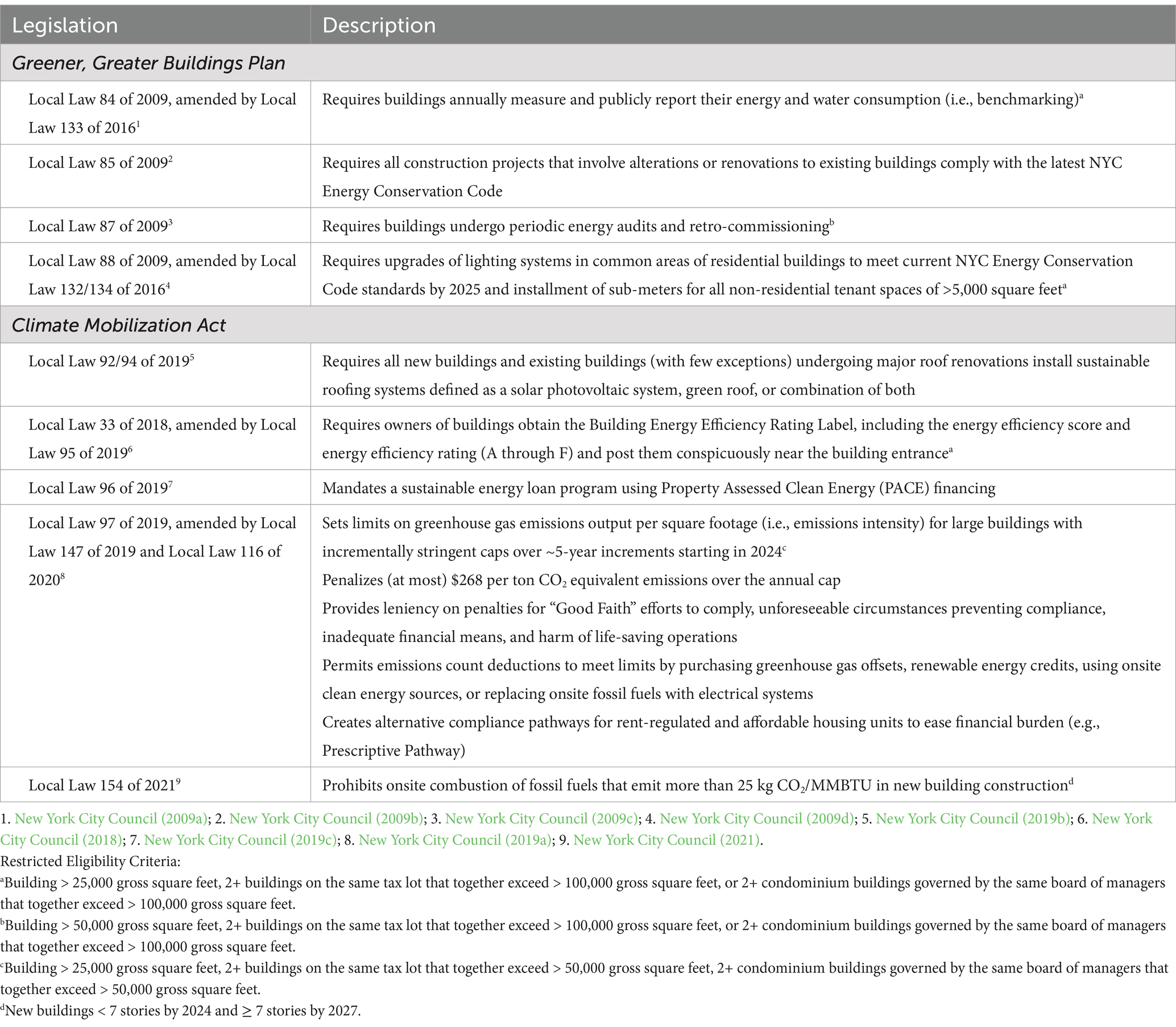
Table 1. Summary of notable New York City building emissions and energy efficiency legislation.
In 2019, under Mayor Bill de Blasio’s direction, NYC enacted the Climate Mobilization Act, colloquially termed NYC’s Green New Deal (Willdan, 2021). While its centerpiece was LL97, several other laws to curtail building emissions were included (Table 1). Between 2010 and 2022, GHG emissions from LL84-benchmarked buildings fell by 27% (Urban Green Council, 2024a).
2.2 Local Law 97
Beginning in 2024, LL97 set limits on GHG emissions from large buildings in NYC. Table 1 outlines covered building parameters, with exceptions including power-generating facilities; certain condominiums less than or equal to three stories with individual tenant heating, ventilation, and air conditioning (HVAC) systems; certain public housing; buildings with rent-regulated units; and dedicated places of worship. The annual emissions limit for each eligible building is calculated by multiplying its square footage by an emissions factor tied to its occupancy type. These annual limits will become increasingly stringent in 2030, 2035, and every 5 years thereafter. A building’s annual emissions output is determined by multiplying its annual energy usage by a “greenhouse gas coefficient” specific to the fuel type(s) utilized. GHG coefficients are subject to change over time: for instance, the electricity coefficient is expected to decrease as NYS’s power grid transitions to cleaner energy sources. Noncompliant buildings face penalties of up to $268 per ton of CO2e emissions exceeding the cap. However, leniency in the determination of penalties is available for buildings that exhibit “Good Faith” efforts to comply, suffer unforeseeable circumstances preventing compliance, or lack the financial means to comply, especially if civil penalties affect the operation of life-saving facilities. LL97 also permits deductions from annual reported emissions by (i) investing in climate change-mitigating projects (i.e., GHG offsets); (ii) purchasing renewable energy credits; (iii) using onsite clean energy resources (e.g., solar panels); and (iv) installing certain electric appliances that meet minimum efficiency standards prior to 2030 (i.e., building electrification credits) (New York City Council, 2019a).
NYC’s “Getting 97 Done” plan offers further assistance to ease compliance. The plan addresses four focus areas: (i) identifying government and utility-based financing and funding for upgrades; (ii) providing buildings with technical advice through the “NYC Accelerator” program; (iii) implementing flexible enforcement mechanisms (e.g., “Good Faith” provision); and (iv) decarbonizing electrical systems in partnership with NYS (New York City Office of the Mayor, 2023).
Ultimately, LL97 impacts 50,000 buildings spanning 3.15 billion square feet or roughly 60% of NYC’s building area. 59% of these buildings are residential, and 41% are commercial. The 2024–2029 limit is expected to affect the most carbon-intensive 20% of buildings in NYC. The 2030–2034 limit will cap the most burdensome 75%, yielding an anticipated 40% reduction in citywide emissions compared with a 2005 baseline (Urban Green Council, 2023a). As of 2022, benchmarking data demonstrate that 88% of all LL84-covered buildings comply with the 2024–2029 limit and 35% with the 2030–2034 limit (Urban Green Council, 2024b).
2.3 NYS building emissions laws
Table 2 highlights key NYS laws that work in tandem with LL97 to advance climate objectives. Most notably, the 2019 Climate Leadership and Community Protection Act (CLCPA) sets legally binding targets for carbon emissions over time. The CLCPA aims to achieve statewide net-zero GHG emissions by 2050 (New York’s Climate Leadership and Community Protection Act, 2024). To support this, the CLCPA commits NYS to 100% emissions-free electricity, with an interim target of sourcing 70% of electricity from renewable energy by 2030. The plan includes deploying six gigawatts of solar energy by 2025, three gigawatts of battery storage by 2030, and nine gigawatts of offshore wind power by 2035 (The State University of New York, 2024). Several environmental justice provisions are incorporated to ensure an equitable energy transition. At least 35% of the benefits from state climate programs are designated for disadvantaged communities (New York’s Climate Leadership and Community Protection Act, 2024).
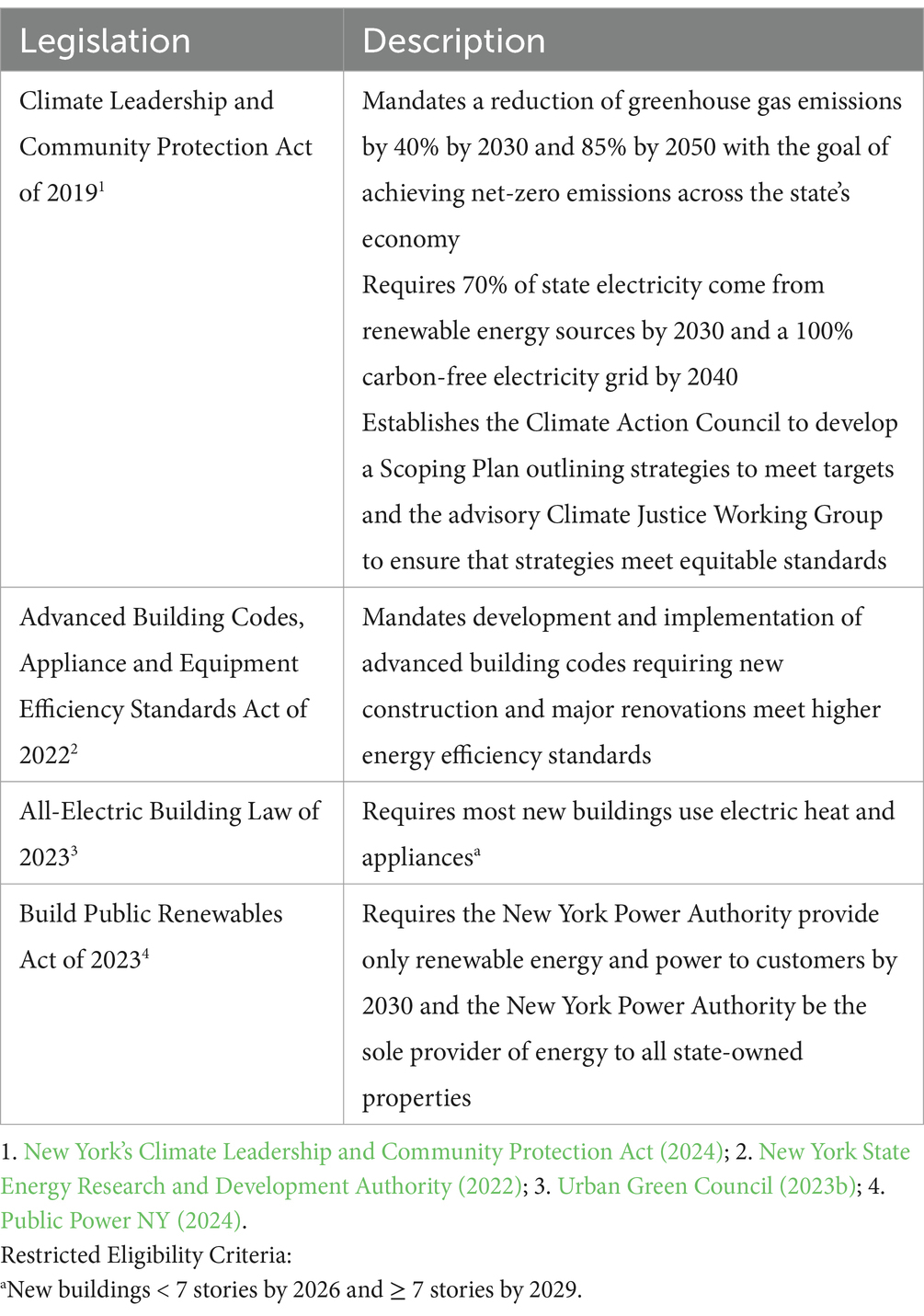
Table 2. Summary of Notable New York State Building Emissions and Energy Efficiency Legislation.
3 Discussion
3.1 Public health implications of LL97
The relationship between NYC building emissions policies and global health is complex. Even in an ideal scenario of global net carbon neutrality, Earth’s temperature is unlikely to stabilize for decades, underscoring the long-term nature of climate mitigation efforts (Inman, 2008). Therefore, understanding the global health implications of LL97 requires acknowledging that the impacts of modern-day investments against fossil fuel burning may only materialize in future generations—and only if similarly ambitious policies are embraced worldwide. The buildings and construction sector accounts for more than one-third of global energy consumption and GHG emissions. It represents a leading impediment to achieving climate resilience and advancing global health (Global Alliance for Buildings and Construction, International Energy Agency and the United Nations Environment Programme, 2019; Zhong et al., 2021). Efforts like the United Kingdom’s Minimum Energy Efficiency Standard, Germany’s Buildings Energy Act, Montreal’s Building Emissions Bylaw, and Dubai’s Green Building Regulations reflect a growing appreciation for the carbon footprint of our built environment. Compared with these, LL97’s aggressive targets, broad application to existing buildings, and innovative compliance options are notable. Nonetheless, critics question both its rigorousness and flexibility. The strengths and limitations of LL97 offer a compelling case study in how urban centers can implement building emissions legislation to optimize environmental and public health outcomes.
While LL97 has theoretical implications for global health, its local public health impact could be more immediate. Although scant literature has quantified LL97’s health impacts due to its only recent implementation, insights can be drawn from prior decarbonization efforts. For instance, NYC’s Climate Mobilization Act and NYS’s All-Electric Building Law aim to reduce onsite fossil fuel combustion in favor of electrification (Mananga et al., 2023). Gas infrastructure generates harmful air pollutants, such as nitrogen oxides (NOx), carbon monoxide (CO), and PM2.5, which are linked to the development of chronic obstructive pulmonary disease (COPD), asthma, and lung cancer (Perera, 2017; Kashtan et al., 2024). Cumulative improvements in NYC’s outdoor air quality over the past two decades illustrate the transformative impact of previous decarbonization efforts. Between 1998 and 2021, ambient PM2.5 and NO2 concentrations dropped by 37 and 31%, respectively (Lau et al., 2024). The Climate Mobilization Act also incentivizes the replacement of gas-powered heating systems and stoves with electrical alternatives, resulting in improved indoor air quality. A pilot program replacing gas stoves with induction stoves in NYC public housing found a 56% reduction in mean daily NO2 concentration exposure. During cooking periods, the median NO2 concentration in gas homes rose from a baseline 18 ppb to 197 ppb, while the change was negligible in induction homes (Daouda et al., 2024). Long-term exposure to gas stoves increases the odds of respiratory illness in children by 20% (Hasselblad et al., 1992). Likewise, an estimated 18.8% of childhood asthma cases in NYS are attributable to gas stove use (Gruenwald et al., 2022). Based on estimates of pediatric asthma prevalence in NYS, we may extrapolate that the eradication of gas-powered appliances would result in ~60,000 less pediatric asthma cases.
Furthermore, LL97 also incentivizes the adoption of more energy-efficient and reliable HVAC systems, which protect against heat-related morbidity and mortality. Between 2013 and 2022, nearly all heat-stress deaths in NYC occurred among decedents who did not have or use AC at home, in part due to financial constraints (2024 NYC Heat-Related Mortality Report, 2024). Extreme heat exposure poses direct risks such as heat stroke and exhaustion, while also exacerbating chronic health conditions and mental health disorders. Heat waves are linked to increased rates of acute coronary syndrome, myocardial infarction, stroke, congestive heart failure, asthma, COPD exacerbation, acute renal failure, and kidney stones (Bell et al., 2024). Additionally, ED visits for substance use disorders, anxiety, stress-related disorders, mood disorders, schizophrenia, and self-harm spike during periods of elevated ambient temperature (Nori-Sarma et al., 2022). Heat exposure has even been correlated with higher rates of violent crime in urban areas (Heo et al., 2024). Air conditioner use is a well-established safeguard against the harmful effects of extreme heat, including aggression (Sera et al., 2020). By promoting energy-efficient HVAC systems, LL97 will mitigate financial obstacles to AC use, especially during periods of high electrical demand in hot weather.
Lastly, LL97 promotes environmental justice by addressing the disproportionate impact of air pollution and climate change on marginalized communities (Picciano et al., 2023; Tessum et al., 2021; Khan et al., 2024). Over half of households in NYC still use piped gas for heating and cooking, and a disproportionate number are found in low-income public housing (Stack, 2023; Tan & Kresowik, 2021). These residences are often smaller in size and inadequately ventilated, resulting in even greater exposure to the same level of emissions (Daouda et al., 2024). A recent study revealed that communities of color in the NYC metropolitan area face 41% higher exposure to PM2.5 emissions from residential gas combustion compared to the general population (Tessum et al., 2021). These health inequities are further perpetuated by the fact that 70% of low-income residents in NYC are renters who have limited control over the energy source of home appliances. Under LL97, the NY Housing Authority, which provides homes to around 400,000 low-income residents, has committed to electrifying all of its buildings (Daouda et al., 2024). These mandated upgrades will improve indoor air quality for low-income and minority communities who may otherwise lack the resources to access such protective measures. Additionally, environmental inequities extend to heat-related mortality: black NYers have an age-adjusted heat stress mortality rate twice that of white NYers, and rates are higher in impoverished neighborhoods. Black and low-income NY residents are also less likely to own or use an air conditioner (2024 NYC Heat-Related Mortality Report, 2024). Upgraded energy-efficient HVAC systems can provide relief from these disparate financial and health burdens.
3.2 LL97 critiques and limitations
Policy gaps and resistance efforts threaten to undermine the effectiveness of LL97. First, building electrification is unlikely to yield net benefit without a transition to renewable energy sources. Currently, NYC’s carbon-intensive electricity grid contributes disproportionately to GHG emissions, with electricity accounting for 8.9% of building energy usage but 10.7% of emissions (The City of New York Mayor Eric Adams, 2023). Achieving the CLCPA’s goal of emissions-free electricity by 2030 would require installing 20 gigawatts of renewable energy capacity—a 200% increase (Office of the New York State Comptroller, 2023). Given that only 12.9 gigawatts of total electrical energy capacity has been added in the last two decades, this target appears ambitious. Building emissions cuts must be coupled with realistic renewable energy expansion goals to ensure that the burden of emissions is not transferred across sectors.
Financial incentives under LL97 also pose concerns. On the one hand, compliance caps might not be stringent enough with building owners opting to pay fines instead of investing in costly energy upgrades (Urban Green Council, 2019). The equitable implementation of LL97 raises questions, as retrofit or penalty costs could be passed to tenants. Advocates urge NYC to codify rules protecting building occupants from harboring these costs (Align NY, 2023). The Climate Mobilization Act most directly addresses equity concerns by establishing more lenient compliance pathways for buildings with rent-regulated or affordable housing units as well as a low-interest loan program to fund renovations. Still, federal funding may be unsustainable and unreliable in the years to come (Align NY, 2023). Conversely, loopholes intended to promote equity may be widely leveraged, significantly delaying progress (WE ACT for Environmental Justice, 2023).
Lastly, opposition efforts threaten LL97. The gas industry and conservative politicians have challenged the law’s constitutionality and raised concerns over higher utility costs (Stack, 2023; AP News, 2023). Glen Oaks Village Owner, Inc. vs. City of NY (2023) argued that LL97 penalties constitute improper taxes and violate due process rights (Glenn Oaks Village Owners Inc. v. City of New York, 2022). The case was reinstated in May 2024. At the same time, political efforts can undermine LL97. Intro 772 was introduced in the NYC Council. It would exempt thousands of buildings from LL97 changes by establishing loopholes in a building’s gross floor area calculation and adjusting limits based on prior efforts (New York City Council, 2024). These struggles highlight the politically polarizing effect of climate change initiatives and underscore the need for enforceable policies.
4 Conclusion
LL97 represents a pivotal step towards a sustainable and environmentally responsible future for cities. As NYC continues to grow and evolve, these regulations ensure that urban development aligns with global sustainability goals. While the policy’s limitations and resistance efforts threaten its impact, we may learn from these critiques, which illustrate the complexity of the environmental movement, the nuances of a just energy transition, and the difficulty of disseminating the importance of building emissions cuts for human longevity. Future research should quantify the public health benefits of LL97.
Data availability statement
The original contributions presented in the study are included in the article/supplementary material, further inquiries can be directed to the corresponding author.
Author contributions
EC: Conceptualization, Data curation, Formal analysis, Investigation, Methodology, Project administration, Validation, Visualization, Writing – original draft, Writing – review & editing. MG: Data curation, Formal analysis, Investigation, Methodology, Validation, Writing – original draft, Writing – review & editing. WR: Conceptualization, Data curation, Formal analysis, Investigation, Methodology, Project administration, Supervision, Validation, Visualization, Writing – original draft, Writing – review & editing.
Funding
The author(s) declare that no financial support was received for the research, authorship, and/or publication of this article.
Conflict of interest
The authors declare that the research was conducted in the absence of any commercial or financial relationships that could be construed as a potential conflict of interest.
Generative AI statement
The author(s) declare that no Gen AI was used in the creation of this manuscript.
Publisher’s note
All claims expressed in this article are solely those of the authors and do not necessarily represent those of their affiliated organizations, or those of the publisher, the editors and the reviewers. Any product that may be evaluated in this article, or claim that may be made by its manufacturer, is not guaranteed or endorsed by the publisher.
References
2024 NYC Heat-Related Mortality Report. (2024). New York City Health Department. Available at: https://a816-dohbesp.nyc.gov/IndicatorPublic/data-features/heat-report/#:~:text=Lack%20of%20access%20to%20home%20air%20conditioning,death%20was%20most%20often%20an%20un%2Dair%2Dconditioned%20home (accessed August 10, 2024).
Align NY. (2023) Climate Advocates to Mayor Adams: No Urgency or Transparency on Local Law 97. Available at: https://alignny.org/press/climate-advocates-to-mayor-adams-no-urgency-or-transparency-on-local-law-97/ (accessed 22 February 2024)
AP News. (2023). Lawsuit to block New York’s ban on gas stoves is filed by gas and construction groups. Available at: https://apnews.com/article/gas-stove-ban-new-york-lawsuit-climate-1cdb46211813bd0275b1d4a162817f3e
Bell, M. L., Gasparrini, A., and Benjamin, G. C. (2024). Climate change, extreme heat, and health. N. Engl. J. Med. 390, 1793–1801. doi: 10.1056/NEJMra2210769
City of New York. (2013) Inventory of New York City Greenhouse Gas Emissions. Available at: https://climate.cityofnewyork.us/wp-content/uploads/2022/10/NYC_GHG_Inventory_2013.pdf (accessed March 5, 2024).
Daouda, M., Carforo, A., Miller, H., Ventrella, J., Tan, Y. A., Feliciano, M., et al. (2024). Out of gas, in with justice: findings from a gas-to-induction pilot in low-income housing in NYC. Energy Res. Soc. Sci. 116:103662. doi: 10.1016/j.erss.2024.103662
Emanuel, K. (2005). Increasing destructiveness of tropical cyclones over the past 30 years. Nature 436, 686–688. doi: 10.1038/nature03906
Glenn Oaks Village Owners Inc. v. City of New York. (2022). Climate Change Litigation Databases. Available at: https://climatecasechart.com/case/glen-oaks-village-owners-inc-v-city-of-new-york/ (accessed January 22, 2025)
Global Alliance for Buildings and Construction, International Energy Agency and the United Nations Environment Programme. (2019). 2019 Global Status Report for Buildings and Construction: Towards a Zero-Emission, Efficient and Resilient Buildings and Construction Sector. International Energy Agency. Available at: https://www.iea.org/reports/global-status-report-for-buildings-and-construction-2019
Gornitz, V., Oppenheimer, M., Kopp, R., Orton, P., Buchanan, M., Lin, N., et al. (2019). New York City panel on climate change 2019 report chapter 3: sea level rise. Ann. N. Y. Acad. Sci. 1439, 71–94. doi: 10.1111/nyas.14006
Gruenwald, T., Seals, B. A., Knibbs, L. D., and Hosgood, H. D. 3rd. (2022). Population attributable fraction of gas stoves and childhood asthma in the United States. Int. J. Environ. Res. Public Health 20:75. doi: 10.3390/ijerph20010075
Hasselblad, V., Eddy, D. M., and Kotchmar, D. J. (1992). Synthesis of environmental evidence: nitrogen dioxide epidemiology studies. J. Air Waste Manage. Assoc. 42, 662–671. doi: 10.1080/10473289.1992.10467018
Heo, S., Choi, H. M., Berman, J. D., and Bell, M. L. (2024). Temperature, violent crime, climate change, and vulnerability factors in 44 United States cities. Environ. Int. 195:109246. doi: 10.1016/j.envint.2024.109246
Hsu, A., Sheriff, G., Chakraborty, T., and Manya, D. (2021). Disproportionate exposure to urban heat island intensity across major US cities [Published correction appears in Nat Commun. 2021. 12(1):4104]. Nat. Commun. 12:2721. doi: 10.1038/s41467-021-22799-5
Intergovernmental Panel on Climate Change (IPCC) (2022). “Summary for policymakers” in Global warming of 1.5°C: IPCC special report on impacts of global warming of 1.5°C above pre-industrial levels in context of strengthening response to climate change, sustainable development, and efforts to eradicate poverty (Cambridge: Cambridge University Press), 1–24.
Intergovernmental Panel on Climate Change (IPCC) (2023). Climate change 2022 – Impacts, adaptation and vulnerability: Working group II contribution to the sixth assessment report of the intergovernmental panel on climate change. Cambridge: Cambridge University Press.
Kashtan, Y., Nicholson, M., Finnegan, C. J., Ouyang, Z., Garg, A., Lebel, E. D., et al. (2024). Nitrogen dioxide exposure, health outcomes, and associated demographic disparities due to gas and propane combustion by U.S. stoves. Sci. Adv. 10:eadm8680. doi: 10.1126/sciadv.adm8680
Khan, R. N., Saporito, A. F., Zenon, J., Goodman, L., and Zelikoff, J. T. (2024). Traffic-related air pollution in marginalized neighborhoods: a community perspective. Inhal. Toxicol. 36, 343–354. doi: 10.1080/08958378.2024.2331259
Kheirbek, I., Wheeler, K., Walters, S., Pezeshki, G., and Kass, D. (2024) Air pollution and the health of new Yorkers: the impact of fine particles and ozone. NYC Health. Available at: https://www.nyc.gov/assets/doh/downloads/pdf/eode/eode-air-quality-impact.pdf (accessed March 3, 2024)
Lau, K., Guo, J., Miao, Y., Ross, Z., Riley, K. W., Wang, S., et al. (2024). Major air pollution and climate policies in NYC and trends in NYC air quality 1998-2021. Front. Public Health 12:1474534. doi: 10.3389/fpubh.2024.1474534
Lüthi, D., Le Floch, M., Bereiter, B., Blunier, T., Barnola, J., Siegenthaler, U., et al. (2008). High-resolution carbon dioxide concentration record 650,000-800,000 years before present. Nature 453, 379–382. doi: 10.1038/nature06949
Madrigano, J., Ito, K., Johnson, S., Kinney, P. L., and Matte, T. (2015). A case-only study of vulnerability to heat wave-related mortality in New York City (2000-2011). Environ. Health Perspect. 123, 672–678. doi: 10.1289/ehp.1408178
Mananga, E. S., Lopez, E., Diop, A., Dongomale, P. J., and Diane, F. (2023). The impact of the air pollution on health in New York City. J. Public Health Res. 12, 22799036231205870. doi: 10.1177/22799036231205870
National Academy of Sciences (2020). Climate change: evidence and causes: update 2020. Washington, DC: The National Academies Press, 5.
National Oceanic and Atmospheric Administration: Tides and currents. (2024) Relative sea level trend. 8518750 The Battery, New York. Accessed February 3, 2024.
New York City Council. (2009a). Local Laws of the City of New York for the Year 2009, No. 84. Available at: https://www.nyc.gov/assets/buildings/local_laws/ll84of2009.pdf (accessed March 9, 2024)
New York City Council. (2009b). Local Laws of the City of New York for the Year 2009, No. 85. Available at: https://www.nyc.gov/html/planyc2030/downloads/pdf/ll85of2009_energy_code.pdf (accessed June 9, 2024)
New York City Council. (2009c). Local Laws of the City of New York for the Year 2009, No. 87. Available at: https://www.nyc.gov/assets/buildings/local_laws/ll87of2009.pdf (accessed June 9, 2024)
New York City Council. (2009d). Local Laws of the City of New York for the Year 2009, No. 88. Available at: https://www.nyc.gov/assets/buildings/local_laws/ll88of2009.pdf (accessed June 9, 2024)
New York City Council. (2018). Local Laws of the City of New York for the Year 2018, No. 33. Available at: https://www.nyc.gov/assets/buildings/local_laws/ll33of2018.pdf (accessed February 17, 2024)
New York City Council. (2019a). Local Laws of the City of New York for the year 2021, no. 97. Available at: https://www.nyc.gov/assets/buildings/local_laws/ll97of2019.pdf (accessed June 14, 2024)
New York City Council. (2019b). Local Laws of the City of New York for the Year 2019, No. 92. Available at: https://www.nyc.gov/assets/buildings/local_laws/ll92of2019.pdf (accessed February 17, 2024)
New York City Council. (2019c). Local Laws of the City of New York for the Year 2021, No. 96. Available at: https://climate.law.columbia.edu/sites/default/files/content/LocalLaw96.pdf (accessed June 9, 2024)
New York City Council. (2021). Local Laws of the City of New York for the Year 2021, No. 154. Available at: https://www.nyc.gov/assets/buildings/local_laws/ll154of2021.pdf (accessed February 17, 2024)
New York City Council. (2024). Local Laws of the City of New York for the Year 2024, No. 0772. Available at: https://legistar.council.nyc.gov/LegislationDetail.aspx?ID=6632568&GUID=72D1068D-4BFD-4C20-9E82-C80DC1A11DE0&Options=ID%7CText%7C&Search=772 (accessed June 14, 2024)
New York City Office of the Mayor. (2023). Mayor Adams Launches “Getting 97 Done,” Comprehensive Mobilization Strategy to Reduce Building Emissions. NYC.gov. Available at: https://www.nyc.gov/office-of-the-mayor/news/656-23/mayor-adams-launches-getting-97-done-comprehensive-mobilization-strategy-reduce-building (accessed February 18, 2024)
New York State Energy Research and Development Authority. (2022) Appliance and Equipment Efficiency Standards. NY.gov. Available at: https://www.nyserda.ny.gov/All-Programs/New-York-State-Appliance-and-Equipment-Efficiency-Standards (accessed February 17, 2024)
New York’s Climate Leadership and Community Protection Act. (2024) New York State: Climate Act. Available at: https://climate.ny.gov/ (accessed February 18, 2024).
Nori-Sarma, A., Sun, S., Sun, Y., Spangler, K. R., Oblath, R., Galea, S., et al. (2022). Association between ambient heat and risk of emergency department visits for mental health among US adults, 2010 to 2019. JAMA Psychiatry 79, 341–349. doi: 10.1001/jamapsychiatry.2021.4369
NYC Mayor’s Office of Climate and Environmental Justice. (2024). NYC Greenhouse Gas Inventories: Inventory of New York City greenhouse gas emissions. Available at: https://climate.cityofnewyork.us/initiatives/nyc-greenhouse-gas-inventories/ (accessed March 3, 2024)
Office of the New York State Comptroller. (2023). Renewable Electricity in New York State: review and prospects. Available at: https://www.osc.ny.gov/files/reports/pdf/renewable-electricity-in-nys.pdf (accessed June 13, 2024)
Perera, F. (2017). Pollution from fossil-fuel combustion is the leading environmental threat to global pediatric health and equity: solutions exist. Int. J. Environ. Res. Public Health 15:16. doi: 10.3390/ijerph15010016
Picciano, P., Qiu, M., Eastham, S. D., Yuan, M., Reilly, J., and Selin, N. E. (2023). Air quality related equity implications of U.S. decarbonization policy. Nat. Commun. 14:5543. doi: 10.1038/s41467-023-41131-x
PlaNYC. (2007) A Greener, Greater New York. The City of New York. Available at: https://climate.cityofnewyork.us/wp-content/uploads/2022/10/PlaNYC-full_report_2007.pdf (accessed March 4, 2024)
Public Power NY. (2024) Build Public Renewables Act is the Biggest Climate Bill in the U.S. Available at: https://publicpowerny.org/legislation/ (accessed February 17, 2024)
Rosenzweig, C., Solecki, W., DeGaetano, A., O’Grady, M., Hassol, S., and Grabhorn, P. (2011). Responding to climate change in New York state: The ClimAID integrated assessment for effective climate change adaptation in New York state. Final Report. New York State Energy Research and Development Authority. Available at: https://www.nyserda.ny.gov/-/media/Project/Nyserda/Files/Publications/Research/Environmental/EMEP/climaid/ClimAID-Report.pdf
Salimifard, P., Buonocore, J. J., Konschnik, K., Azimi, P., VanRy, M., Laurent, J. G. C., et al. (2022). Climate policy impacts on building energy use, emissions, and health: New York City Local Law 97. Energy 238:121879. doi: 10.1016/j.energy.2021.121879
Sera, F., Hashizume, M., Honda, Y., Lavigne, E., Schwartz, J., Zanobetti, A., et al. (2020). Air conditioning and heat-related mortality: a multi-country longitudinal study. Epidemiology 31, 779–787. doi: 10.1097/EDE.0000000000001241
Stack, L. (2023). New York to ban natural gas, including stoves, in new buildings. The New York Times. Available at: https://www.nytimes.com/2023/04/28/nyregion/gas-stove-ban-ny.html
Strauss, B. H., Orton, P. M., Bittermann, K., Buchanan, M. K., Gilford, D. M., Kopp, R. E., et al. (2021). Economic damages from hurricane Sandy attributable to sea level rise caused by anthropogenic climate change. Nat. Commun. 12:2720. doi: 10.1038/s41467-021-22838-1
Tan, Y. A., and Kresowik, M. (2021). Investing in healthier low-income housing. RMI. Available at: https://rmi.org/investing-in-healthier-low-income-housing/
Tessum, C. W., Paolella, D. A., Chambliss, S. E., Apte, J. S., Hill, J. D., and Marshall, J. D. (2021). PM2.5 polluters disproportionately and systemically affect people of color in the United States. Sci. Adv. 7, eabf4491. doi: 10.1126/sciadv.abf4491
The City of New York Mayor Eric Adams. (2023) Getting 97 Done. A Plan to Mobilize New York City’s Large Buildings to Fight Climate Change. Available at: https://climate.cityofnewyork.us/wp-content/uploads/2023/09/Getting-_LL97Done.pdf (accessed January 22, 2025)
The State University of New York. (2024). Climate Leadership and Community Protection Act (CLCPA). Available at: https://www.suny.edu/sustainability/goals/clcpa/#:~:text=CLCPA-,Clean%20Energy%20&%20Sustainability%20Goals,to%209%2C00020megawatts20by%202035 (accessed June 12, 2024)
Urban Green Council. (2019). Retrofit market analysis. Available at: https://www.urbangreencouncil.org/wp-content/uploads/2022/11/2019.06.18-Urban-Green-Retrofit-Market-Analysis.pdf
Urban Green Council. (2023a) NYC building emissions law: Local Law 97. Available at: https://www.urbangreencouncil.org/wp-content/uploads/2023/02/LL97-Summary_2.8.2023.pdf (accessed February 8, 2023)
Urban Green Council. (2023b) Decoding New York State’s all-electric new buildings law. Available at: https://www.urbangreencouncil.org/decoding-new-york-states-all-electric-new-buildings-law/ (accessed February 17, 2024)
Urban Green Council. (2024a). What we do: explore our NYC building data hub. Available at: https://www.urbangreencouncil.org/what-we-do/explore-nyc-building-data-hub/ (accessed February 18, 2024)
Urban Green Council. (2024b) Local Law 97 progress. Available at: https://www.urbangreencouncil.org/what-we-do/explore-nyc-building-data-hub/local-law-97-progress/ (accessed February 28, 2024)
WE ACT for Environmental Justice. (2023). Issues Statement in Response to Proposed Changes to New York City’s Local Law 97 Implementation. Available at: https://www.weact.org/2023/09/we-act-for-environmental-justice-issues-statement-in-response-to-proposed-changes-to-new-york-citys-local-law-97-implementation/ (accessed 22 February 2024)
Willdan. (2021) Department of Citywide Administrative Services’ Division of Emergency Management, Local Law 97 implementation action plan. NYC Department of Citywide Administrative Services. Accessed February 17, 2024.
Keywords: Local Law 97, Climate Mobilization Act, buildings, greenhouse gas emissions, climate change, public health
Citation: Chervonski E, Guerrero MA and Rom WN (2025) From skyscrapers to sky savers: how New York City’s Local Law 97 advances climate resilience and public health. Front. Clim. 7:1537130. doi: 10.3389/fclim.2025.1537130
Edited by:
Marco Verweij, Constructor University, GermanyReviewed by:
Pouné Saberi, United States Department of Veterans Affairs, United StatesCopyright © 2025 Chervonski, Guerrero and Rom. This is an open-access article distributed under the terms of the Creative Commons Attribution License (CC BY). The use, distribution or reproduction in other forums is permitted, provided the original author(s) and the copyright owner(s) are credited and that the original publication in this journal is cited, in accordance with accepted academic practice. No use, distribution or reproduction is permitted which does not comply with these terms.
*Correspondence: Ethan Chervonski, ZXRoYW4uY2hlcnZvbnNraUBueXVsYW5nb25lLm9yZw==