 Astrid Sánchez-Jiménez
 Marie Fujitani3
 Achim Schlüter
- 1Resource Management, Theoretical Ecology and Modelling, Leibniz Centre for Tropical Marine Research (ZMT), Bremen, Germany
- 2Centro de Investigación en Ciencias del Mar y Limnología (CIMAR), Universidad de Costa Rica, San José, Costa Rica
- 3Institutional and Behavioural Economics, Social Sciences, Leibniz Centre for Tropical Marine Research (ZMT), Bremen, Germany
- 4Durrell Institute of Conservation and Ecology (DICE), School of Anthropology and Conservation, University of Kent, Canterbury, United Kingdom
Trophic models of the Ecopath with Ecosim (EwE) type and local ecological knowledge (LEK) have widely been applied to fisheries assessment and management. However, there are no specific methodologies describing how LEK from local fishers can be incorporated with the scientific data from the models in the context of ecosystem-based fisheries management. To our knowledge this is the first contribution exploring a systematic integration of LEK with EwE modeled output. An EwE food web model of the Nicoya Gulf ecosystem constructed 20 years ago and recently revisited by the authors and collaborators, was used in workshops to stimulate discussion among local stakeholders regarding changes in the marine ecosystem. For this study, 58 artisanal fishers were recruited to eight workshops. To assess the LEK, we documented the discussions, and the qualitative data were analyzed with quantitative frequency of responses to identify trends. Next, we systematically compared the changes in the fishery over time through an analysis of similar, complementary, and contradictory information across knowledge systems. In general, the analysis across systems reflected changes in species composition of the catches, paralleled by a harvest reduction in high-trophic-level species, as well as economic losses due to a shift in harvesting low-value species and due to an increase in operational costs. Particularly, we identified (1) similar pieces of information that delivered the same message, providing robust evidence of changes in the social–ecological system; (2) information complementary to each other, which together provided a broader picture (descriptors and attributes) of the changes of some fishing resources; and (3) conflicting pieces of information that indicated mismatches between sources of knowledge, which might suggest the cause of management problems. This study demonstrated how integrating knowledge systems can enhance our understanding of the state and changes in ecosystems, helping to improve fisheries management. We also found that an EwE model can be an effective communication tool to be used with fishers and to promote discussion and engagement. Our aspiration is to bring new and replicable tools to the policy interface in Latin-American fisheries, based on both stakeholder participation (including LEK) and the best scientific information available.
Introduction
In recent years, resource managers have increasingly focused on fishery-driven changes in ecosystem structures and trophic relations, since fishery-induced changes in biomass at one trophic level have been shown to affect the whole ecosystem (Pauly et al., 2000). Food web models of the Ecopath type have been used as efficient tools for presenting the interactions and changes in the food web as a result of fishing (Christensen and Pauly, 2004), and have also allowed managers to predict tentative changes in the future with the Ecosim tool (Pauly et al., 2000; Christensen and Walters, 2004). If one seeks to identify realistic measures for fisheries management, it is important to understand both the ecosystem context, in which the fishing activities take place, and the preferences or motivations underlying the fishers’ behavior (Bacalso et al., 2013). While modeling tools have widely been applied for ecosystem-based fisheries assessment (Christensen and Walters, 2005), there are as of yet very few examples in the literature of their application with fishers (Power et al., 2004), despite the fact that their participation and knowledge in the decision-making process have often been shown to enhance sustainable management (Paramor et al., 2005; Pita et al., 2010; Mackinson et al., 2011; Msomphora, 2015; Leite and Pita, 2016). There are quite a few studies that are using Ecopath with Ecosim (EwE) with local fishers and other stakeholders in surveys (Paramor et al., 2005; Bacalso et al., 2013) as well as in workshops (Power et al., 2004; Paramor et al., 2005; Armada et al., 2018). The need to create synergies across scientific and local knowledge systems is engrained in the objectives of the Sustainable Development Goals (SDGs) and other international initiatives but has been limited in the global science–policy interface (Mackinson, 2001; Tengö et al., 2014), including the Latin-American tropical context (Salas et al., 2007; Begossi, 2015; Saavedra-Díaz et al., 2015).
Understanding environmental problems and their impacts on the ecosystem and its services, is crucial for societal decisions and for the development of adaptation strategies (Dietz, 2013). However, assessment may be difficult and complex, and any decision can present uncertainties (Kenter et al., 2011). Scientific data, if communicated adequately, have the potential to inform people and to help individuals in the process of weighting alternatives (Dietz, 2013). It has been shown, however, that scientific knowledge and the perception of local stakeholders are often disconnected in public decision-making, which may eventually lead to management measures that are not supported by or complied by the local stakeholders (Mackinson et al., 2011; Dietz, 2013; Msomphora, 2015). As Mackinson et al. (2011) point out, the scientific findings and the perspectives of people need to be integrated in decision-making if the desired outcome is to utilize the best scientific information available and to harmonize it with the public’s beliefs about how the world works to improve the management of resources. The same principles should apply for the management of fisheries as well (Mackinson et al., 2011; Saavedra-Díaz et al., 2015; Fujitani et al., 2018).
Approximately 95% of catches in Costa Rica come from the Pacific Coast, and 8% of landings come from the artisanal fleet (Biomarcc-SINAC-GIZ, 2013). In particular, several important fishing grounds are within the Gulf of Nicoya (GoN; Wolff et al., 1998), a tropical estuary at the Pacific coast of the country (Figure 1). The GoN supports around 2,000 small-scale artisanal fishers, who mainly use nets to fish and fish to support their families (Pachecho-Urpí et al., 2013; Ross-Salazar, 2014). The gulf has exhibited different forms of fishery management, including spatial and temporal closures (Salas et al., 2007), such as a yearly fishing closure of 3–4 months, for the protection of small pelagic species’ reproductive peak events: Whiteleg shrimps (Litopenaeus spp.), small pelagic fish species (Cupleiformes), snapper (Lutjanus spp.), and corvinas (Cynoscion spp. and other species); and feeding grounds for barracudas (Sphyraena ensis; Proyecto Golfos, 2012). Other management tools used are licenses, fishing permits, and gear restrictions (Salas et al., 2007), especially in the so-called “marine responsible fishing areas” (AMPRs for its Spanish acronym). The latter were implemented in response to local initiatives of co-management (García Lozano and Heinen, 2016).
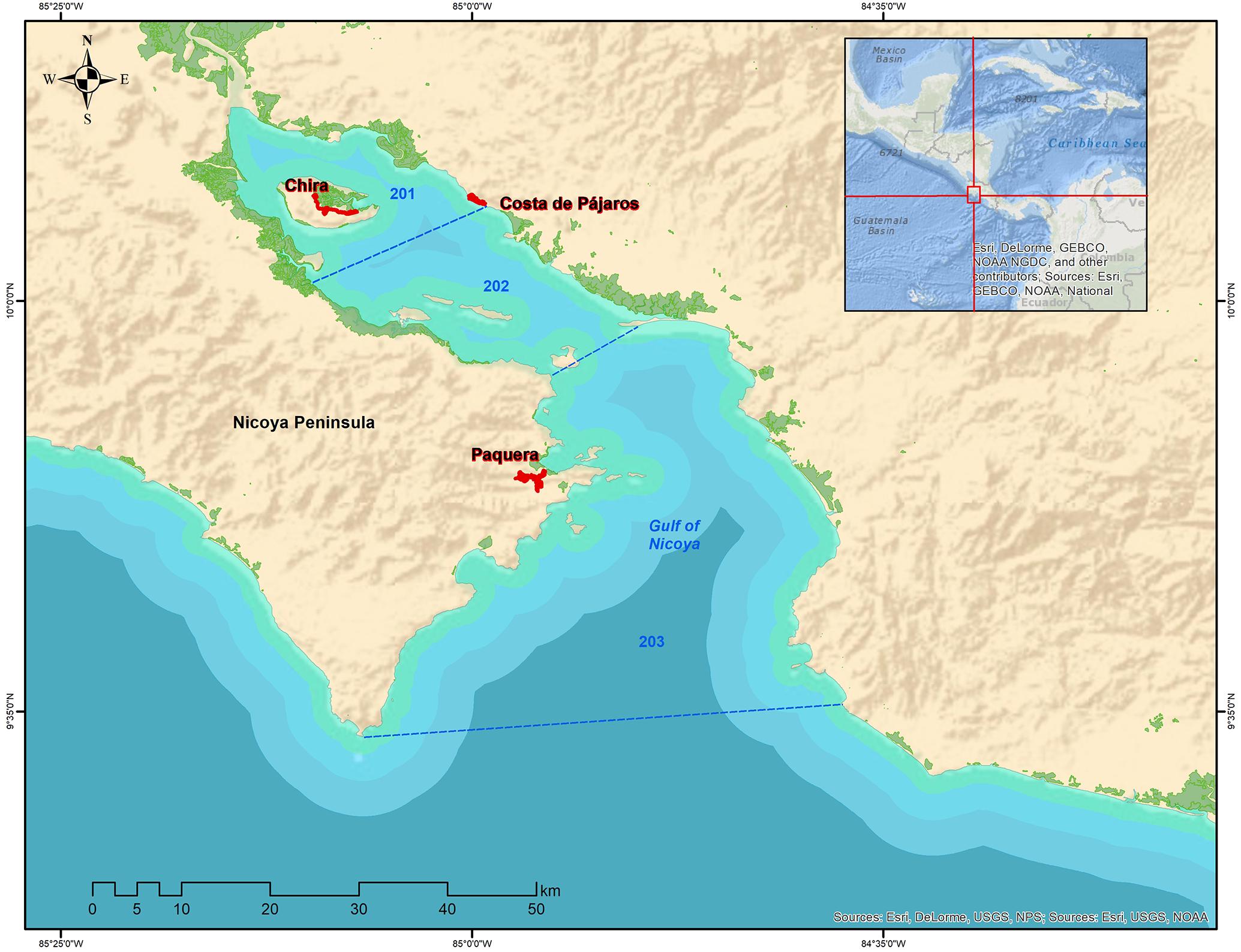
Figure 1. Gulf of Nicoya (GoN) located on the Pacific coast of Costa Rica. The Gulf is sectored by Incopesca into areas 201, 202, and 203 based on species composition and fishing gears used (Marín-Alpízar and Vásquez, 2014). The three focal points selected for this study along the gulf were Isla Chira (inner area), Costa de Pájaros (inner-intermediate area), and Paquera-Tambor (outer area).
Despite the management measures in place, challenges remain, such as fishing without a license, the use of prohibited mesh sizes by gillnet fishers (<3 inches; Ross-Salazar, 2014), the illegal use of “rastras” (a type of artisanal trawling), and the bycatch associated with both rastras and semi-industrial trawling. Fishing inside no-take areas or during closures is also a recurrent problem (Proyecto Golfos, 2012). The limited participation of governmental institutions in activities of surveillance and control of illegal fishing complicates the situation and contributes to an increasing number of fishers and fishing intensity on resources (Salas et al., 2007). The control of minimum catch sizes for target species has legally been implemented to protect juveniles. However, while this management measure can potentially be controlled at the market, it has been observed that the great variety of species caught has made enforcement difficult or compliance confusing to fishers (Purcell and Pomeroy, 2015).
For Costa Rica, there are ecological data and analyses (e.g., growth, catches, fishing gears, recruitment, reproduction, and diets analysis) that come from traditional fisheries stock assessments, and some of this information has been summarized in recent technical reports (Biomarcc-SINAC-GIZ, 2013; Marín-Alpízar and Vásquez, 2014). However, as Marín-Alpízar and Vásquez (2014) stated, over the years, few efforts have been made to develop a holistic description and understanding of the ecosystem (Wolff et al., 1998; Alms and Wolff, 2019). On the other hand, the lack of coordinated effort between fishery stakeholders, researchers, and authorities/decision makers aggravates the situation (Proyecto Golfos, 2012). Many management initiatives do not work because stakeholders are not (or do not feel) involved in the processes (Msomphora, 2015). Moreover, the dynamics of fishing efforts are driven either by ecological (catch composition, environmental changes, etc.) or social drivers (fishers’ behavior and cultural and economic aspects; Naranjo-Madrigal and Bystrom, 2019), which are not well understood. The disconnection between different social and ecological systems, scattered sources of knowledge, and the lack of inclusiveness is usually reflected in poor policy measures (Mackinson, 2001; Dietz, 2013). In general terms, overfishing is a major threat in the GoN engrained in the high fishing effort and great diversity of fishing gears employed (Pachecho-Urpí et al., 2013). The overexploitation of fishery resources is also a result of the poor coordination among different actors of society and the corresponding systematic integration of their knowledge (Mackinson, 2001; Salas et al., 2007).
A portrayal and modeling of the GoN ecosystem and its fisheries was described about 20 years ago by Wolff et al. (1998), who used a functional trophic modeling (EwE) approach to integrate ecological and fisheries data of the gulf. Recently, the gulf has been revisited by the authors and collaborators to update the model with current data (Alms and Wolff, 2019) and to contrast the state of the gulf ecosystem between these two decades. The basic input parameters gathered to create the model (Alms and Wolff, 2019) are from the Costa Rican monthly artisanal landing statistics (Incopesca), for the main target groups of fisheries, for each zone of the GoN. These statistics are considered the best scientific information available. When comparing the system models 20 years apart, some changes could clearly be distinguished: (1) species composition of the catches has changed significantly over the years, paralleled by a harvest reduction in high-trophic-level species; and (2) economic losses have increased due to a shift in harvesting low-value species and due to an increase in operational costs. The models have facilitated a connection between the available fisheries’ and ecological data (Wolff et al., 1998; Alms and Wolff, 2019).
While the EwE models are based on available ecological and fisheries information (Pauly et al., 2000) and thus appear as a promising starting point for taking management decisions in the GoN (Alms and Wolff, 2019), it is also important to evaluate and consider the state of the ecological knowledge of local stakeholders with regard to the fishing system in the Gulf, as a means to link and better understand the social and ecological drivers involved in the dynamics of fishing efforts and environmental decisions of artisanal fishers (Naranjo-Madrigal and Bystrom, 2019). The concept and applications of local ecological knowledge (LEK) seem important to be included in this context (Begossi, 2015). There are various cases in the literature that attempt to connect local and scientific knowledge, under the assumption that different knowledge systems can contribute to an enriched picture, which is useful for the sustainable management of ecosystems (Mackinson, 2001; Mackinson et al., 2011; Tengö et al., 2014). Synergies across knowledge systems can improve the understanding of environmental conditions, its changes, and possible adaptation strategies (Mackinson et al., 2011; Tengö et al., 2014).
The aim of this paper was to use scientific information of EwE in participatory workshops to integrate fisher’s LEK with modeled output for the GoN, with the premise that connecting these two knowledge systems can enhance our understanding of the state and changes in the ecosystem and help to improve fisheries management. For the purpose of this study on LEK, fishers were asked about how they perceive the state and use the local natural/fishing resources, which of the resources are important for their livelihoods, and how the ecosystem and target resources have changed over the course of time (1990s–2010s). Similar applications and definitions of LEK are found in other studies that manage fisheries in the Latin-American region (Begossi, 2015). Particularly, EwE results were used to stimulate discussion among local stakeholders regarding observed changes in the marine ecosystem. The discussions were documented and the qualitative data were analyzed and presented by frequency of responses to identify the predominant topics and trends while assessing LEK. Systematically and qualitatively, we compared the changes in the fishery over time through an analysis of similarities, complementarities, and contradictions across knowledge systems (Tengö et al., 2014). The outcomes of this study are expected to contribute to a new narrative of decision-making in fisheries management, based on both stakeholder participation and scientific evidence.
Materials and Methods
Study Site
The GoN (Figure 1), located on the Pacific coast of Costa Rica, has an area of 1,550 km2, a length of 80 km, and a width of 50 km. It is considered one of the largest tropical estuaries in Central America (Wolff et al., 1998). The Gulf contains several islands and important spots of biodiversity. Of the 214 species of fish (Proyecto Golfos, 2012), more than 50 are commercially important (Lobo-Calderón et al., 2012). Proyecto Golfos (2012) summarizes a list of coastal marine species reported in the GoN, including 200 species of polychaetes, 10 species of stomatopods, 95 species of decapods, 37 species of copepods, five species of cetaceans, and breeding areas for hammerhead sharks (Sphyrna lewini), among other species. The presence of well-developed mangrove areas, corals in the outer Gulf (Proyecto Golfos, 2012), nesting beaches for the Pacific ridley sea turtle (Lepidochelys olivacea), and feeding grounds for hawksbill turtles (Eretmochelys imbricata) and green turtles (Chelonia mydas) also brings conservation value to the Gulf (CREMA, 2014).
Because of the high productivity of the GoN, it is considered one of the most important estuaries in the region (Wolff et al., 1998; Alms and Wolff, 2019), and the fisheries are considered as the main economic activity (Wolff et al., 1998) on which more than 60% of the gulf’s population depend (Marín-Cabrera, 2012). Costa Rica’s artisanal fishers use mainly fishing nets, but also bottom and drifting longlines and handlines (Marín-Cabrera, 2012). An additional 10% of the gulf’s fishers generate their income from manual shellfish harvesting (Marín-Cabrera, 2012). Moreover, two semi-industrial fleets operate in the gulf (sardine purse seiners and shrimp trawlers; Ross-Salazar, 2014).
According to its bathymetry and oceanographic conditions, the GoN can be divided into three different sectors: the inner, the middle, and the outer Gulf (Marín-Alpízar and Vásquez, 2014; Figure 1), named zones 201, 202, and 203, respectively, by the Costa Rican institute of fisheries, Incopesca. The division is based on species composition and the fishing gears used. Some species have reproductive sites in the inner and middle areas of the GoN (e.g., croakers and shrimps) from where they migrate to external areas when maturing; there are movements in the opposite direction of certain species as well (Proyecto Golfos, 2012). The inner gulf is defined as an area of priority by Incopesca, because of its importance in the reproduction and nursery of commercially important fish species and shrimps (Marín-Cabrera, 2012; Proyecto Golfos, 2012).
Considering the diverse conditions within the gulf, for this study, three focal points were selected along the GoN (Figure 1): (1) Isla Chira (north internal region, 10°05′33,84″N–85°09′01,07″W); (2) Costa de Pájaros (north intermediate region, 10°06′02,66″N–84°59′42,68″W); and (3) Paquera-Tambor (southwest external region, 9°49′05,53″N–84°56′00,51″W). These three points were considered to geographically represent the diversity of extended artisanal fisher communities located along the GoN and at the same time to effectively embody common aspects among the sites, for example, similar target resources such as small pelagics (sardines, anchovies Centengraulis mysticetus, Ophistonema spp.), shrimps (white shrimp Litopenaeus spp., Pacific sea bob shrimps ∼titi Xiphopenaeus riveti), snapper (spotted rose snapper Lutjanus guttatus, Colorado snapper Lutjanus colorado), and corvinas/croakers (whitefin weakfish ∼queen Cynoscion albus, Tallfin croaker ∼agria Micropogonias altipinnis, weakfish ∼aguada Cynoscion squamipinnis, and various species; Alms and Wolff, 2019) and the generalized use of gillnet as a fishing gear.
Study Overview
First, we conducted a pre-workshop where a questionnaire was applied, and artisanal gillnet fishers were recruited to these workshops. Next, we conducted workshops using the information from the EwE model of the GoN as input for discussions on the changes in the fishing system over time, and for assessing LEK. Data from the workshops were analyzed by coding the most frequent words used by respondents into individual themes to identify trends and relevant topics. Finally, we qualitatively compared the state of the resources according to the EwE model output and LEK of the fishers. Evidence from the model and LEK was compared in terms of the interactions found across both sources of knowledge, as information that is similar, complementary, or contradictory to each other (Tengö et al., 2014).
The core of the study was conducted from May to July 2017, as this is a 3-month period of fishing closure in the inner and intermediate zones of the gulf, created for the protection of the reproductive peak events of target resources (small pelagic fish species, shrimps, snapper, and corvinas). Given that fishers from internal zones are usually not involved in any fishing activity during the closure, it was expected that fishers would have more availability to participate and engage. Before running the official survey, exploratory visits to the study sites were performed during January to March 2017 to establish contacts with community leaders and fishing association presidents.
In each community, we sought and obtained authorization from the presidents of the fishing associations for conducting the interviews and workshops. In the current research, we asked participants for prior informed consent and explained to them the project and the use of the data. Their responses were voluntary and confidential, and all people involved in the study had the possibility to drop out at any time. Data handling took place in an anonymized form, and it was made sure that it is impossible to identify particular individuals. The focus of the study was the small-scale artisanal fishers who used gillnet gears and owned a fishing license from Incopesca. Those fishers that worked for someone who had a license were also considered. We were interested in people who were living in the area for more than 5 years and who have about 5 years of experience as a fisher. A list of fishers’ names matching these criteria was provided by the presidents of the fishing associations, so it was possible to contact participants during the study in their houses or at the local fish market.
Pre-workshop Questionnaire Administration
The questionnaire was pretested with the fisher community leaders to measure the performance of the instrument. This allowed us to reformulate some sections for language, precision, and clarity. We avoided unfamiliar technical terms such as fishing effort, marine resource, and sustainable fishing and used instead clear expressions for the study population. During the questionnaire administration, a minimum of 10 people were interviewed per community in the expectation that at least 5 participants would be attending the workshops. The conversations were facilitated in small groups (Macmillan et al., 2002).
The general characteristics of the artisanal gillnet fishers who were interviewed and their availability to be part of a workshop were examined via the questionnaire (Supplementary Material). The first part of the questionnaire was designed to obtain information on the socioeconomic and demographic characteristics and fishing practices of the respondents. The second part of the questionnaire identified the willingness of the fishers to participate throughout the entire process. Each interview session lasted an average of 30 min (Leite and Gasalla, 2013) with 86 questionnaires performed; 34.5% of the fishers interviewed were from Costa de Pájaros, 32.8% from Isla Chira, and 32.8% from Paquera-Tambor. In this study, we presented results for the three sites and for the fishers who met our selection criteria and attended the workshops (N = 58). Most of the attendees were male (82.8%) with an average age of 41 years (Supplementary Material); the age of the majority (24.1%) range from 26 to 32 years.
An Ecopath With Ecosim Model as a Means to Assess the Local Ecological Knowledge
To assess the local fishers’ knowledge about changes in the fishing ecosystem over time, workshops were held in each focal area (Figure 1). Eight workshops were conducted, and 58 fishers participated.
In order to adequately communicate information to the fishers, the understanding of the EwE model output by the moderators was essential. Our interdisciplinary team (EwE modeling, behavioral economics, and fisheries ecology) met to address this aspect and to plan the sessions that would be presented in the workshops. The lectures and activities were pretested in a pilot workshop (Leite and Gasalla, 2013) with artisanal fishers in the gulf, and it was found that the simulations of the models needed to be translated into basic graphs and illustrations to facilitate participants’ interaction, as other authors have also pointed out (Armada et al., 2018). In the official workshops, the major findings of the study were explained by a facilitator and an assistant using visual aids (graphs and illustrations). Likewise, the names of the species were presented to the fishers using common names and images to confirm recognition (Leite and Gasalla, 2013). The lecture slides used in the workshops are provided in the Supplementary Material.
For the purpose of this paper, the following changes in the fishery over time (1990s–2010s; Alms and Wolff, 2019) were explained to the participants: (1) an overall increase of 20.9% in the total fishing catches, for both artisanal and semi-industrial catches; (2) a severe decrease in the catches of shrimps and corvinas (60 and 35%, respectively) in the 2010s; (3) changes from shrimp-dominated catches (1990s) to sardine-dominated catches and small demersal fish (e.g., small corvinas and small sharks, among others).
The reduction in catches of corvinas and shrimps led to additional changes (Alms and Wolff, 2019): (4) a decline in the commercial value of the catches (almost 50%) compared to that in the 1990s. Although shrimps still represent the largest contribution (39%) of the total value, an important percentage of the economic value (35%) is currently provided by species of lower commercial price, as in the case of small demersal (28%; e.g., small corvinas) and small pelagic species such as sardines and anchovies (7%). Other species of higher trophic levels only contribute small percentages, such as snappers (9%), large corvinas (9%), and catfish (5%). (5) Eighty percent of corvinas caught in the 2010s had not reached the size of maturity and were thus small individuals of lower market prices. (6) There are changes in corvinas and shrimps in terms of the species composition of the catches. While the capture of whitefin weakfish and tallfin croaker has increased, the catches of other corvina species have diminished by 35%. Likewise, there was a severe decrease in the catches of coastal shrimp species, including the white shrimp and the Pacific sea bob shrimp ∼titi.
An overview of the impact of different fishing fleets on the species was presented to the fishers. The artisanal gillnet fleet seems to have the strongest negative impact on different species in the ecosystem, together with predatory species, large drums, mackerel, barracuda, and catfish (Alms and Wolff, 2019). Also, the concepts of food webs, ecosystem, and trophic level (Christensen and Walters, 2004) were described to the participants, with specific examples of existent species in the GoN. This allowed our team to introduce the antecedents and logic of the trophic model of the GoN (Alms and Wolff, 2019), including the EwE 6.4.4 software used to create it (Christensen and Walters, 2004). Subsequently, we encouraged the participants to reflect on the information received and on the changes in the fishery system, to discuss it in groups (Power et al., 2004), and to make a presentation with an overview of their perceptions to the rest of the participants. Attendees were stimulated to participate equally during the activities. Their opinions and comments were registered through photographs, notes, recording relevant discussions, and collecting the materials used in the presentations (Saavedra-Díaz et al., 2015). Workshops were conducted at sites of easy access to participants, such as community centers, restaurants, and schools (Sánchez-Jiménez et al., 2014), and were based on previously published methodologies for consultation processes (Power et al., 2004; Paramor et al., 2005; Sánchez-Jiménez et al., 2014; Armada et al., 2018).
Analysis of Data From Workshops and Interactions Across Ecopath With Ecosim and Local Ecological Knowledge
The data of the questionnaires were used to create a respondent’s profile in terms of socioeconomic and demographic characteristics and fishing practices of the participants (Supplementary Material). Later, the qualitative data from the workshops were coded into individual themes according to the most frequent words used by respondents (Paramor et al., 2005) and presented with the percentage (%) of people referencing key subjects along with specific quotes (Ward et al., 2017). The most recurrent topics mentioned were catch, abundance of fishing resources (mainly shrimps, corvinas, and large predatory species), fishing effort, economic efficiency, and impact of fishing fleets on the marine resources.
Then, we used the key themes identified to explore interactions between the two sources of knowledge (scientific and local). We followed a modified version of the concepts described in Tengö et al. (2014) and focused on the state and changes over time of the resources of shrimps, corvinas, sardines, and large predators. Systematically and qualitatively, we compared (Gilchrist et al., 2005) the changes in the fishery over time through an analysis of similar, complementary, and contradictory information across knowledge systems. Similarity in information is understood here as two sources of knowledge that provide the same message with the exact same or very similar words. We defined complementary as different pieces of information that are unique to each knowledge system, but when combined can better describe a situation or enrich a message. Information that is contradictory to another piece of information presents opposite messages on the same topic.
For the analysis of similarities, complementarities, and contradictions across knowledge systems, descriptors and attributes (information derived from the LEK and the model) were used to describe the state and changes of resources (Mackinson et al., 2011). Attributes such as biomass, catch per unit of effort (CPUE), and abundance were used to create a descriptor for the state of the marine resources. CPUE, an index of the amount of fish caught per unit time spent fishing using a particular gear, was calculated from data reported in workshops, using the kilograms of catch per day with one gillnet (Supplementary Material). Economic descriptions were elicited using attributes like profits, commercial importance, and prices. Other descriptors such as fishing effort and the impact of fishing gears on species were included.
Results
The respondents’ profiles are summarized in tables (Supplementary Material), revealing that the income for most of the interviewees lays between  200,000 and 300,000 Costa Rican colones (1 EUR: 611 Costa Rican colones as of survey year); 36.8% said they earn 200,000. This amount oscillates around the minimum monthly salary for Costa Rica in 2017 (256,000: EUR 419.10). Importantly, most respondents (81%) depend solely on fishing, while the remaining (17.5%) combine fishing with other activities, specifically tourism, which suggests that there is a vast number of fishers with monthly salaries below the minimum. In the range of 80,000 to 110,000 falls the basic expenses (monthly bills and food) of 23.6% interviewees, but it is noteworthy that the expenses varied among fishers, and, for example, 18.2% require a minimum of 200,000 to 300,000 to cover their basic needs. The balance between income and expenses seems to be influenced by the number of family dependents (between 0 and 7 with an average of 3.3 dependents) and other expenditures beyond the basics (e.g., formal or informal loans to buy a fishing boat).
Gillnet is the primary fishing activity for 66.7% of the respondents, while 26.3% interlaces gillnet with hook fishing and 7% interchanges it with line fishing. Corvina fishing is the main activity for most of the respondents and usually is combined with other activities such as fishing for shrimps (20%) and snappers (15%). Additionally, the results of the interviews indicated that 40.4% of the people are fishing 6–9 h per day almost daily (56.9%).
Discussions in workshops concerning changes in the fishing ecosystem over time were used to understand the LEK. The qualitative data helped to identify dominant topics and trends in relation to abundance of fishery resources (shrimps, corvinas, and large predatory species), fishing effort, profitability, and impact of fishing fleets on the marine resources. Then, the key themes identified in the workshops were used to examine the interactions across LEK and the food web EwE model. We focused on the state and changes over time of the resources of shrimps, corvinas, sardines, and large predators, and we compared the information of both systems of knowledge considering the similarities, complementarities, and contradictions.
Trends With Shrimps and Corvinas (Local Ecological Knowledge)
The resources of shrimps and corvinas were indicated as highly abundant in the past, while their abundance has decreased over the course of time (Figure 2A). This is nicely summarized by the following statements from a fisher: “In old times, there were more croakers, you could hear them everywhere” (Isla Chira-workshop, 17th June 2017). A participant in the same workshop specified that at around 1993, “a shrimp fever took place all over the island” because of its great abundance and the high fishing activity. In the case of corvinas, data for the 2010s show that certain species of this family were not present any longer, while others had recovered. A significant reduction in catches of corvinas was reported, ranging from 70–90 kg in the 1990s to only 20–30 kg in the 2010s, for a single day of fishing. A reduction was also reported for shrimps, from 30–39 kg in the past to only 5–9 kg today per day of fishing.
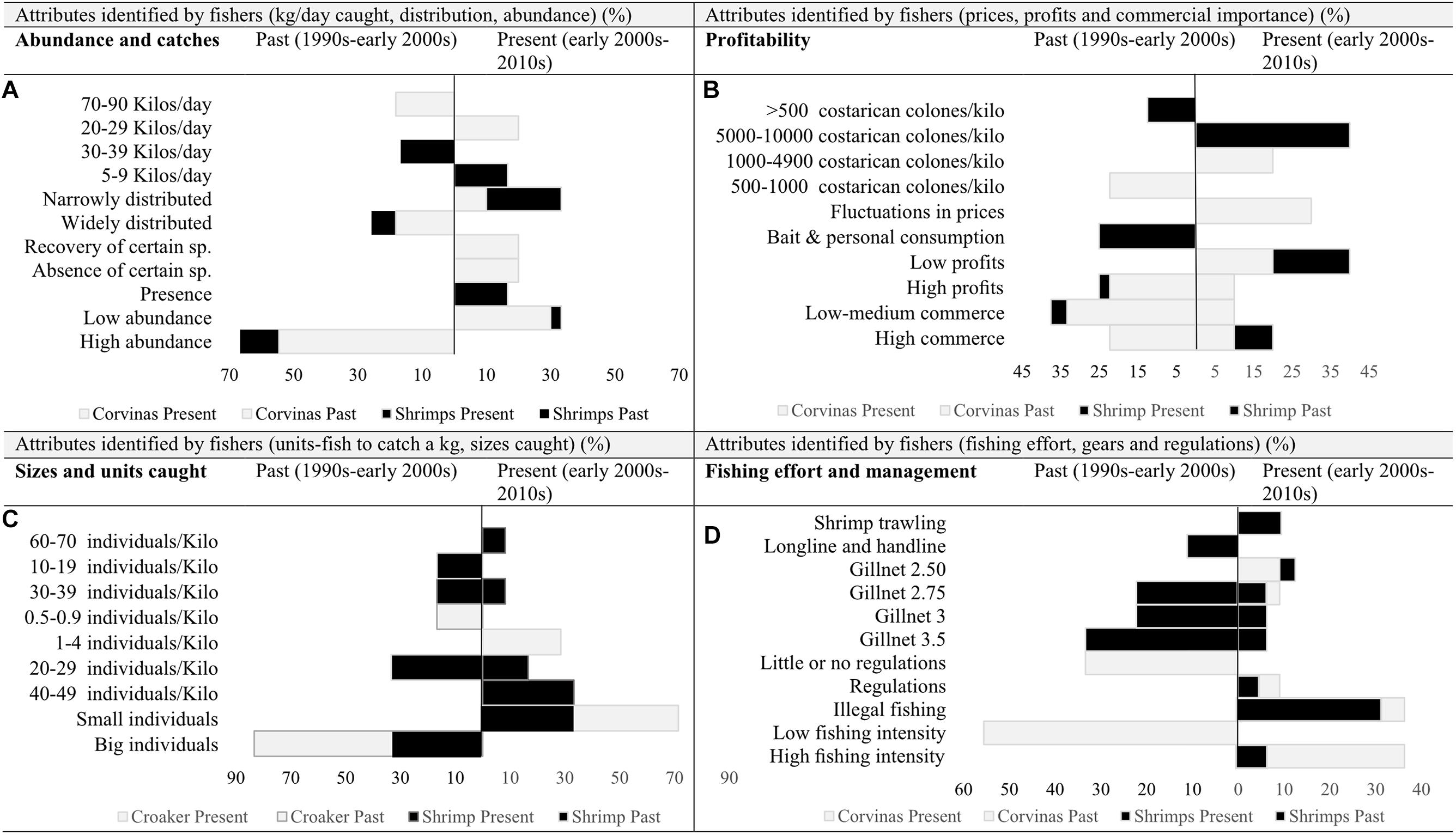
Figure 2. Predominant topics and attributes identified in the focus groups related to the state of shrimps and corvinas [1990s and (or) 2000s]. Percentage of responses (%). Topics: (A) abundance/catches, (B) profitability, (C) sizes, and (D) fishing effort/management.
Participants indicated that shrimps and corvinas were geographically widely distributed in the past, contrasting with the restricted distribution reported for present times (Figure 2A): “In the past you could fish shrimps and corvinas everywhere, now you have to go to deeper waters and different places to find them” (Isla Chira-workshop, 8th June 2017). With respect to shrimps, their current distribution is restricted. Low abundance for certain species of shrimps was also mentioned.
In terms of commercial aspects, the answers of the participants reflect a medium use intensity of commercial species and low to medium prices of corvinas/shrimps in the earlier 1990s, and a greater commercial use and higher prices for both groups at the end of the 1990s and during the 2010s (Figure 2B). Fishers reported that at the beginning of the 1990s, and in earlier times, shrimps were so abundant that they were also used as bait. The valuable corvinas were directly sold or were exchanged for plantains, a crop grown in other distant areas, and particularly difficult to find on the islands. In the 2010s, despite the increased commercial use and higher prices for both species, the profits were reported as relatively low. If one considers the reported size reductions of corvinas and shrimps caught (Figure 2C), low incomes can be more easily explained, since small specimens do not receive as high prices in the market as large ones. In line with their perceptions, only 20–29 individual shrimps were needed in the 1990s to make a kilogram, while 40–49 individual shrimps are needed in currently. Corvinas were commonly around 2 kg in size in the 1990s, while currently, one to four individuals are necessary to obtain a kilogram of corvina.
In the 1990s, the most commonly used gillnets mentioned by fishers had mesh sizes of 3.5 and 3.0 inches (Figure 2D). During the 2000s, 2.75 and 2.5 inches were the most commonly used gillnet mesh sizes (especially after 2005), even though they are illegal. In general, illegal fishing, through the use of gillnets with mesh sizes of 2.5 inches and “rastras” (a type of artisanal trawling), was widely reported in the early 2010s up to now. Another widely used fishing gear reported during the 2010s is the semi-industrial trawl, labeled as a non-selective method with high levels of bycatch.
As stated by fishers, in the 1990s, there were almost no fishing regulations compared to the 2000s (Figure 2D), when Marine Areas of Responsible Fishing (AMPRs) and minimum landing sizes (larger than the size at first maturity) were created with the aim of sustaining the fishing resources and ecosystems. However, the fishers still expressed that there are high levels of illegal fishing and confusion with regard to the legal size limits of species, since there are multiple species being caught, each with different size regulations.
Trends With Other Commercial Species and Large Predatory Species (Local Ecological Knowledge)
For several large predators, the fishers’ reports point to a great decrease or absence in the waters of the gulf (Figure 3). This is also the case for the sierra fish (ray, Pristis spp.) and hammerhead sharks (Sphyrna lewini); however, some fishers still indicate the presence of sierra fish in coastal waters. Barracuda (Sphyraena ensis) was mentioned as a highly abundant species in the 1990s and a low-abundant species in the 2010s. In the case of jacks (Caranx sp.), the reports went from high to low abundance. In the case of groupers, the picture is diffused, with the presence and recovery of the cabrilla species (Epinephelus spp.) barely mentioned. Also, one non-commercial species for which information was provided is the bottlenose dolphin (Tursiops truncatus), reported as practically absent at present. As indicated by the fishers consulted, mackerel (Scomberomorus sierra) was classified as almost absent in the areas where they fished in the 2010s. Participants mentioned that the gillnet fishing sector generates less profits out of the harvest of this species. For the 1990s, it was suggested that there was a high abundance but low commercial importance of mackerel for gillnet fisheries as well (Figure 4D).
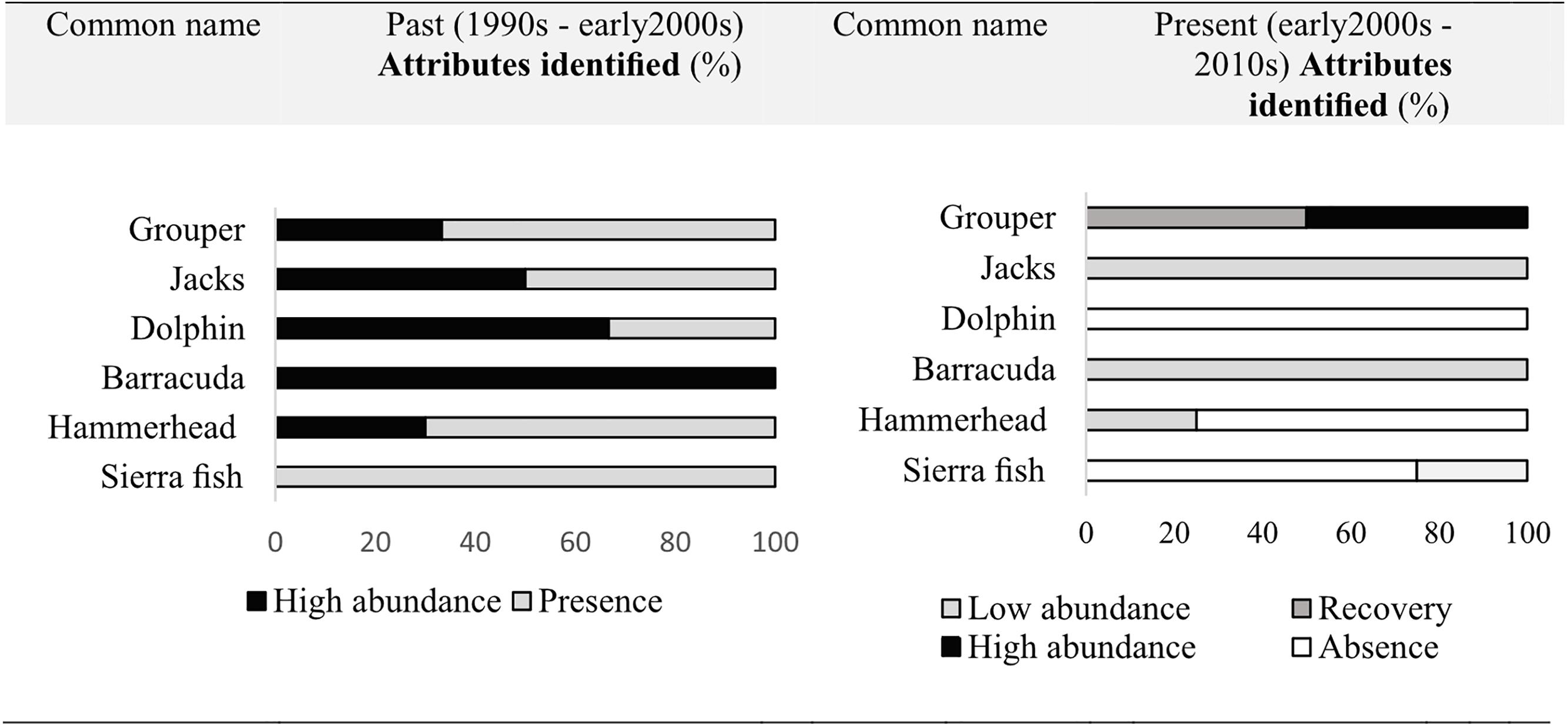
Figure 3. Local ecological knowledge (LEK) about temporal changes in the state of large predatory species according to artisanal fishers consulted in the GoN (% of responses).
Species of catfish (Bagre panamensis) were reported as present in the 1990s and of high commercial importance, while they were almost absent and slightly commercially important in the 2010s (Figure 4A). Snappers (Lutjanus spp.) were identified as highly abundant and profitable in the past. However, catch went down from 20 to 29 kg in the early 1990s to 5–9 kg per day in the 2010s (Figure 4B). Moreover, fluctuations in the market have been influencing low profits associated with the commercial importance of snappers, according to the majority of fishers consulted.
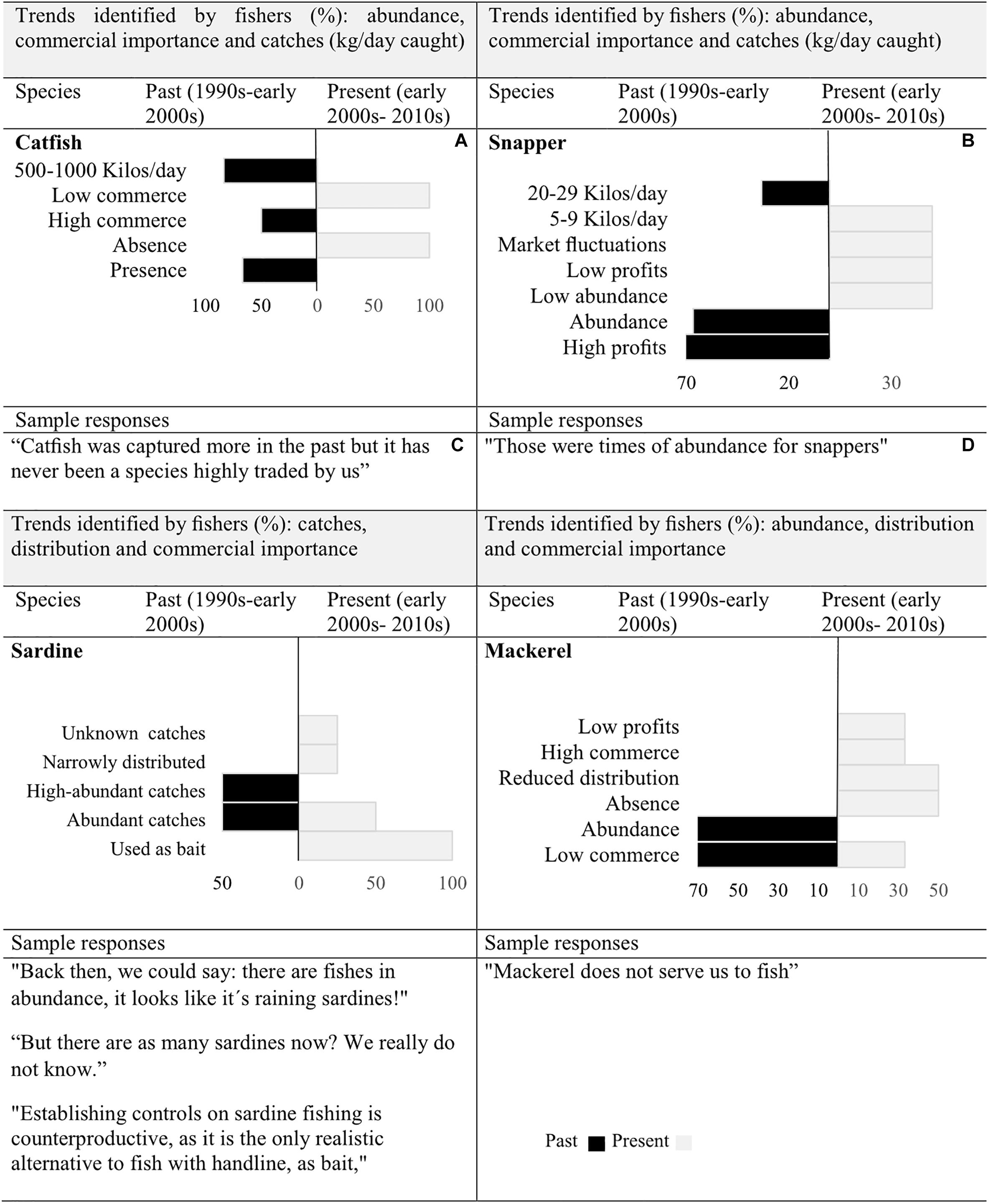
Figure 4. Summary trends of four important commercial species in GoN as reported in the focus groups by participants: (A) catfish, (B) snapper, (C) sardine, and (D) mackerel (% of responses).
We found an interesting case with sardines (Opisthonema spp.), since according to the fishers, its catches were abundant in the past (1990s), but the current state, in the 2010s, is unknown for participants (Figure 4C). Fishers mentioned that Incopesca authorities suggested to significantly reduce sardine fishing. Some people assumed that the management measure was proposed due to a decrease in the catches of the species; however, there was no agreement and certainty among participants regarding this affirmation. Currently, sardines are widely used as bait by fishers; therefore, some other fishers consider that catches of sardines remain as abundant as in the past.
Similarities Across Systems of Knowledge
Similar information (Table 1) is reflected in the reports that indicate peaks in the catches of shrimps and corvinas in the 1990s with a severe decrease (60 and 35%, respectively) in the 2010s. The catches of shrimp and corvinas were widely distributed in the 1990s along the gulf, predominantly in the inner area (Zone 201). A restricted distribution of catches is suggested for both species in the 2010s, with most of the catch originating in the outer part of the gulf (Zone 203). In the case of corvinas, the current dependence on only two species (compared to seven species in the 1990s) and smaller specimens reveals changes in the species composition of the catches and a decrease from large to small demersal individuals. For both sources of knowledge in the 2010s, fishing effort of corvinas increased mainly in the intermediate area, while the fishing effort for shrimps decreased.
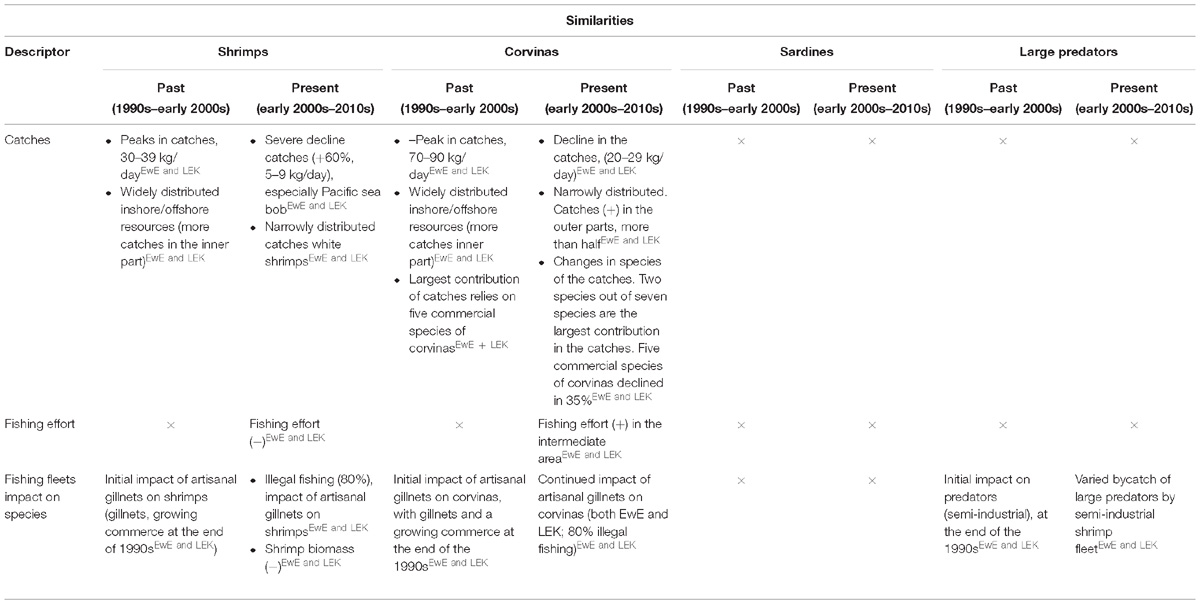
Table 1. Similarities across two systems, local ecological Knowledge (LEK; this study) and scientific knowledge (EwE; Alms and Wolff, 2019).
The model and LEK agreed that the first signals of stock reductions of large drums and shrimps were observed in the 1990s, associated to a growing commercial importance of the species at the end of the decade. At the same time, the increasing pressure of gillnet fishing on the resources, explained by the expanding illegal fishery (80% of gillnet fleets), negatively impacted the resources in the 2010s. The impact of semi-industrial trawling on shrimps and corvinas due to bycatch was identified in both knowledge systems.
Complementarities Across Systems of Knowledge
It was possible to identify descriptors of abundance by integrating different attributes from the two systems of knowledge (from LEK and EwE), such as biomass (from EwE), CPUE (from LEK), and subjective abundance (from LEK). Attributes such as profits, commercial importance, and prices were used as descriptors of profitability (the Supplementary Material contains details of the attributes and descriptors used). The combination of data thus provides evidence of changes in the abundance of shrimps and corvinas from a high (1990s) to a low abundance (2010s), and economic changes from high (1990s) to low profitability (2010s) of its fishing activity (Table 2).
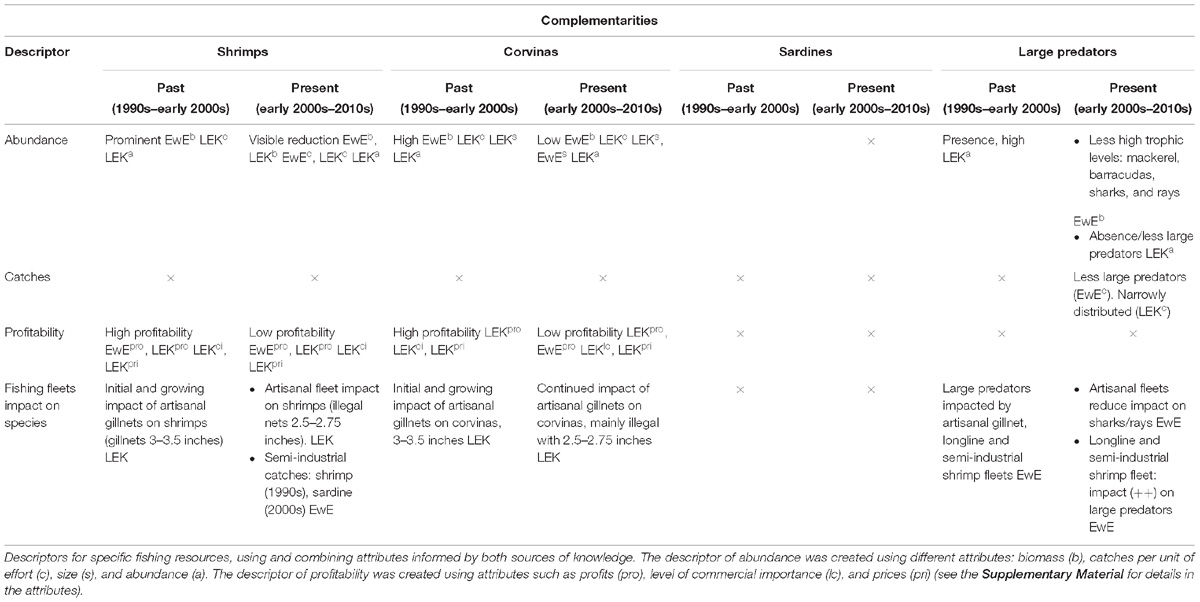
Table 2. Complementarities across two systems, LEK (this study) and scientific knowledge (EwE; Alms and Wolff, 2019).
The two sources of information combined also suggest significant reductions in the harvest of high-trophic-level species (mackerel, barracudas, sharks, and rays). Specifically, in the 2010s, local fishers report a decrease in the catches of large predators including the absence of certain groups such as sharks and sierra fishes. Similarly, for the description of the profitability of shrimp and corvina fisheries, there is an accordance between both knowledge systems, which point to the economic losses in the 2010s paralleled by a shift in the harvest from high- to low-value species (Table 2).
According to the EwE model, shrimps accounted for the vast majority of the total value of artisanal and semi-industrial fleets in the 1990s and still represented the largest contribution to the artisanal fleets in the 2000s but experienced a strong decline in the total catch and value. The two systems of knowledge integrated suggest that the inshore resources have been decreasing, greatly affecting the artisanal fishers, since this fleet is not able to compete with the semi-industrial fishing fleet, which has larger vessels and capacities to go fishing further out to sea. For the artisanal fishery, small corvinas represent the largest contribution in the catch, and currently, just two species are sold as a high-quality product: the whitefin weakfish (Cynoscion albus) and the Stolzmann weakfish (Cynoscion stolzmanni). The rest of the species are small and sold in low-value classes.
Finally, it was also found that the temporal impact (1990s vs. 2010s) of different fishing fleets on some fishing resources is better explained when the two knowledge systems are complementary, as it presents an overall picture. That is the case of information about the impact of the semi-industrial fleet on shrimps. The data for the 1990s were obtained by combining LEK and the EwE knowledge. For the 1990s, the model alone shows the impact of different fishing fleets on large predators, as well as a negative impact by artisanal gillnet, longline, and semi-industrial shrimp fleets. The details of the gillnet fleets’ impact on shrimps and corvinas were provided by the fishers since the model does not differentiate at that level. Fishers identified a growing commercial importance at the end of the 1990s with the extensive use of gillnets with mesh sizes of 3 and 3.5 inches, and a continued increase in gillnet impact on the resources in the 2010s, especially illegal fishing with mesh sizes of 2.5and 2.75 inches.
Contradictions Across Systems of Knowledge
There are also contradictory pieces of information between the EwE and LEK (Table 3). For example, despite the significant increase in the commercial importance of corvinas reported at the end of the 1990s by local fishers, they indicated that the fishing effort on this resource was low during that time. This is counter to the model, which indicates a high fishing effort since the 1990s.
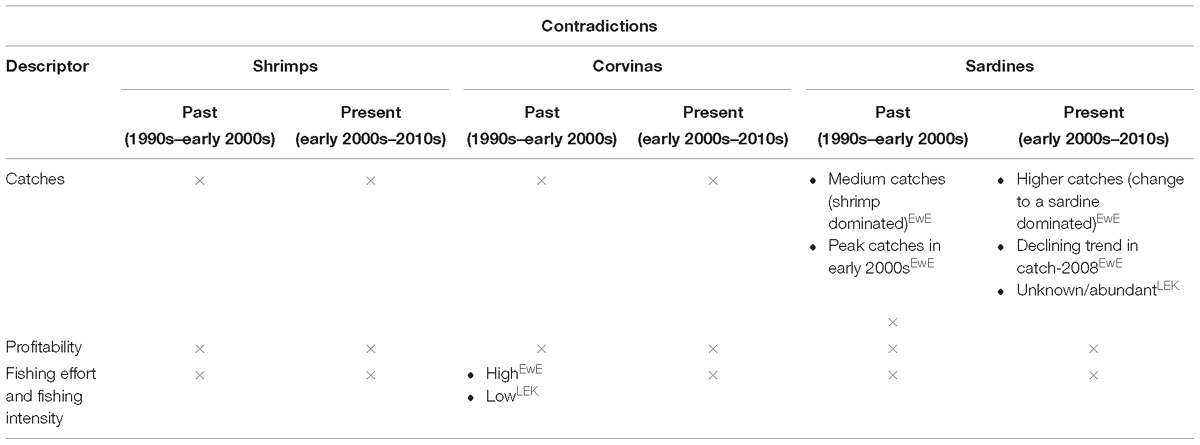
Table 3. Contradictions across two systems, LEK (this study) and scientific knowledge (EwE; Alms and Wolff, 2019).
The model shows considerably higher catches of sardines in the 2010s than in the 1990s, with a change from shrimp-dominated catches in the 1990s to sardine dominated catches, and a peak of catches in the early 2000s. The model also detects a declining trend in the catch of sardines since 2008. In this regard, the LEK is unclear about the current state of the sardine catches, with some fishers believing that its catches are abundant as it is commonly seen and used as a bait to fish corvinas.
Discussion
There are few efforts attempting to address the lack of systematic integrated information on small-scale fisheries (Salas et al., 2007). This also applies to the fisheries of the GoN, Costa Rica, where a dissociation between sources of knowledge, mainly from local stakeholders, scientists, and decision makers, has been identified. The approach followed in this case study, examined the potential of using the scientific findings of an EwE model to stimulate discussion among fishers regarding observed changes in the marine ecosystem, and from this, obtain insight on the LEK. The two knowledge systems (the scientific and the local) were later compared systematically and qualitatively to identify similarities, complementarities, and contradictions across information. The aim was to integrate the two sources of information to enhance our understanding of the state and changes in the ecosystem and to help improve fisheries management. Additionally, we identified other advantages resulting from this systematization related with the engagement of the fishery participants.
Connecting Systems of Knowledge
Multiple examples in the academic literature show how synergies across knowledge systems have allowed for a better understanding of ecosystem and natural resource management (Mackinson, 2001; Gilchrist et al., 2005; Leite and Gasalla, 2013; Beaudreau and Levin, 2014; Danielsen et al., 2014; Fujitani et al., 2018). As a first step, the scientific findings of the EwE model of the GoN were presented and discussed among local fishers, illustrating a process of integration of knowledge through validation, whereby one knowledge system is incorporated into another (Tengö et al., 2014; Msomphora, 2015). Since it has been demonstrated that both types of knowledge can augment each other, the next step taken was to assess interactions across systems (Mackinson et al., 2011), as an example of cross-fertilization of knowledge (Tengö et al., 2014).
The analysis of the interactions across systems of knowledge demonstrates that the fishers’ perceptions on the past and current state of the fisheries–ecosystem presented strong similarities with the core findings of the EwE model, especially in relation to the following aspects: (1) there was a severe decrease in the catch of shrimps and corvinas in the 2000s, paralleled by (2) significant changes in the species composition of the catches of corvinas over the years and a reduction in their sizes. (3) The first signs of reduction in the catches of large drums and shrimps were visible especially at the end of the 1990s, due to growing commerce and use of gillnets. (4) The usage of gillnets increased in the 2010s, and illegal fishing was indicated as a predominant activity. (5) In the 2010s, fishing efforts toward corvinas increased in area 202, and fishing efforts toward shrimps decreased.
In general, a growth in the use of gillnets was widely reported from the early 2000s up to now by both sources of information. This trend may be related to the greater intensity of fishing that has most probably led to a depletion of larger specimens in the population, resulting in the predominance of smaller individuals in the catches, a process described as fishing down the web (Pauly et al., 1998; Alms and Wolff, 2019). Like the example above, we found similar pieces of information that delivered the same message, helping to foster stronger confidence in the conclusions and providing robust evidence of changes in the social–ecological system of the Gulf.
There is information identified as complementary to each other, because together they provide a broader picture (descriptors and attributes) of the changes of certain fishing resources. The examination across the model and the LEK revealed that it was possible to generate descriptors of abundance and profitability for specific fishing resources using and combining attributes informed by both sources of knowledge (Mackinson, 2001). When combined, the following changes in the fishing system were highlighted: (1) changes over time in the abundance of shrimps and corvinas from high to low abundance; (2) significant reductions in the harvest of high-trophic-level species (mackerel, barracudas, sharks, and rays); (3) economic losses due to a shift to harvesting low-value species (predominance of small individuals and changes from shrimp- to sardine-dominated catches); and (4) revenues decreased due to higher operational costs to catch offshore resources—the inshore resources diminished, and the artisanal fishers were not able to compete for the more distant resources with the semi-industrial fishing fleet because of limitations in vessels and transportation capacities (Alms and Wolff, 2019).
Characteristics such as abundance, biomass, catch per unit effort and profits, commercial importance, and prices seem to be adequate attributes when comparing changes in a fishery system, according to both the local fishers and the scientific perspectives. With respect to the temporal changes (1990s–early 2000s vs. early 2000s–2010s) caused by different fishing fleets on some fishing resources, most of the information was provided by the model, suggesting that there are elements of information more suited to a specific knowledge system. However, when systematic scientific knowledge is complemented with available LEK, it is possible to see an overall and enriched image (Tengö et al., 2014).
Contradictory pieces of information, on the other hand, were detected among the EwE model and the fishers’ perceptions: (1) reduction in the catches of sardines since the late 2000s was identified by the model but not by the fishers. (2) Despite the reduction in catches, the high prices in the market for large pelagic fish make the activity profitable for the semi-industrial fleet, as discussed above. However, this does not apply for the artisanal fleet that operates with smaller vessels with restricted ranges and lower fishing capacities. (3) Increase in the fishing effort toward corvinas was not detected by local stakeholders but was shown by the model data. The latter result suggests that fishers possibly perceive a decrease in fishing efforts as an explanation of the reduction in the catches of corvinas over time.
Some authors raise the point that it is important not to ignore the disagreements between different sources of knowledge provided by diverse systems and stakeholders, since doing so could lead to an artificial consensus (Leite and Gasalla, 2013). The conflicting information between LEK and the EwE model found in this case study has generated new insights with the potential to be acknowledged at the decision-making level. We suggest that the mismatches between LEK and scientific knowledge could indicate the source of management and enforcement problems. For instance, in the case of the sardine, local stakeholders perceive abundant catches from the early 2000s up to now, while the model shows a declining trend in the catches since 2008. During the focal groups’ activities, it was often stated that sardines are the only realistic alternative to fishing corvinas with handlines (the second most common activity in the artisanal fishing sector besides gillnet fishing). As a result, a conflict arises since reducing or avoiding fishing sardines, as authorities recommend, is difficult to enforce, and artisanal fishers do not see a need to reduce sardine fishing.
As Tengö et al. (2014) identified, and in light of the interactions between the EwE model and the LEK described so far, it is possible to note how using multiple evidence types can generate different valid and useful knowledge, but together improve our understanding of the state and changes in the fisheries systems, as well as the implications for the well-being of humans. Another area where connecting systems of knowledge would potentially be fruitful is in relation to the control of minimum catch sizes for target species. This regulation has been implemented in the GoN as an output control measure to protect juveniles with possibilities to enforce it at the market. Fishers mentioned this topic during the group discussions and expressed confusion concerning the legal-size limits of some species of corvinas, due to the large number of other species caught and the different size regulations in place for each one. The control of catch sizes is possibly creating a regulatory environment where the burden of compliance is high, yet the reason for complex regulations is unclear for some fishers. Thus, there seems to be a need for better communication with local fishing stakeholders about the reasoning behind ecosystem-based management alternatives.
General Conclusion and Management
Implications for the Gulf of Nicoya
It has been broadly recommended that scientists engage more directly with fishery management (Mackinson et al., 2011; Purcell and Pomeroy, 2015), combined with the use of LEK as a source of information (Fischer et al., 2015). However, the integration of systems of knowledge is complex and requires specific strategies of communication and methods (Leite and Gasalla, 2013). Despite the abundant literature on the importance of LEK in fisheries (Fischer et al., 2015) and the multiple examples using food web models in management schemes (Pauly et al., 2000; Christensen and Walters, 2004, 2005), there are no specific methodologies describing how LEK can be systematically incorporated with scientific data in the context of ecosystem-based fisheries management (Leite and Gasalla, 2013). The method we propose is, to our knowledge, the first contribution exploring a systematic integration of a food web model of the EwE type with the assessment of fishers’ LEK. As we have demonstrated, using multiple types of evidence together, can expand our understanding (Tengö et al., 2014) of the state and changes in ecosystems, helping to improve fisheries management.
As Armada et al. (2018) stated, we also found that an EwE trophic model can be an interactive and effective communication tool to use with artisanal fishers to promote initial discussions on changes in the fishing ecosystem over time and, from there, to gather their perceptions about these multifaceted and sensitive topics. After the workshops, our team learned that information of this kind should be presented using basic images and graphics, moving gradually from the most basic to the most intricate information.
The primary purpose of this study was the systematic connection of the two systems of knowledge, to improve fisheries management. The added advantage from integrating the information was the engagement from those using the resources and who participated in the workshops. As of yet, there are only very few practical applications of a food web model to engage stakeholders for fisheries management with EwE modeled output (Power et al., 2004; Paramor et al., 2005; Bacalso et al., 2013; Armada et al., 2018), and to our knowledge, there are no reports of this kind in the Latin American region or in the GoN. Most participants stressed the importance of the current participatory process regarding the information received and how they relate to it, and they also mentioned the need for considering their opinions and perceptions. This could include making regulations more transparent and potentially more streamlined. The representation of local stakeholders in the management process can potentially help contribute to levels of trust, two-way knowledge exchange, and legitimacy in developing sustainable fishing options (Power et al., 2004; Pita et al., 2010; Mackinson et al., 2011; Msomphora, 2015; Leite and Pita, 2016; Fujitani et al., 2017).
Fishery management in the GoN has rarely followed an ecosystem approach, and the interaction between species and the effect of the different fishing fleets (and fishing effort) on the ecosystem has not been adequately considered (Alms and Wolff, 2019). We note that the authorities’ suggestions of reducing or avoiding sardine fishing are related to the type of gillnets used during the activity (non-selective and small mesh sizes) rather than because of worries about the state of the sardine stock. However, sardines are an important source of food for various predators, including sharks and rays (Alms and Wolff, 2019), functioning as a link in the food web (Wolff et al., 1998; Alms and Wolff, 2019). In this respect, the adequate management of sardines should be a topic of further discussion and clarification with local fishers. Catches of shrimps (same trophic level as sardines; Baum and Worm, 2009) have decreased significantly over the past two decades, causing a severe reduction in the total value of the catches as well as effecting the Gulfs’ ecosystem (Alms and Wolff, 2019). Since the different life stages of shrimps are key food items for a great variety of species, their progressive decline in abundance over time will definitely cause a great system impact and therefore requires further research and management.
It is important to emphasize that the reduction in the inshore resources mentioned by the fishers and described in Alms and Wolff (2019) has resulted in a decrease in the revenues of artisanal fishers, who are unable to compete with the semi-industrial fishing fleet for offshore resources because of vessel size, travel distance, and storage capacity. The same holds true for those (alternative) species that migrate to cooler and deeper waters (Biomarcc-SINAC-GIZ, 2013).
The management problems of the gillnet fisheries in the GoN are complex. Most of the interviewed fishermen are only engaged in fisheries, lacking alternative income sources (Fernández-Carvajal, 2013). The use of prohibited nets (pores less than 3 inches) and the increase in the size and number of nets are common features of this type of fishery, and even illegal fishing gears such as rastras and artisanal fences are being employed (Marín-Alpízar and Vásquez, 2014). The development of economic alternatives to fishing in the Gulf thus seems imperative (Biomarcc-SINAC-GIZ, 2013). However, fishing is a deeply rooted activity among fishers, and a transition to other jobs is often difficult, especially for older fishers (Fernández-Carvajal, 2013), which is the case of many of our workshop participants with more than 10 years of fishery experience. As a result, one important challenge is to choose those alternatives that deliver the best trade-offs to the gillnet fishing sector while maintaining the health of the ecosystem (Biomarcc-SINAC-GIZ, 2013), and ensuring that these alternatives are accepted by a critical number of fishers (searching for consensus).
As revealed by our study, the model and its features as a holistic tool for ecosystem description and scenario simulation, were useful to both fishers and fishery managers, to address some of the multiple challenges in the GoN. We are confident that this exercise contributed to identifying and filling gaps in the knowledge on the fisheries system of the GoN (Mackinson et al., 2011). We hope that this study will also stimulate future collaborations of fishers (Power et al., 2004), as part of a cumulative and iterative learning process (Tengö et al., 2014).
Our study suggests that the workshop-mediated integration of LEK and scientific data reduced conflicts between stakeholders and may help to foster the compliance of fishers (Leite and Gasalla, 2013; Msomphora, 2015). Management proposals that local resource users do not agree or comply with will be hard-pressed to meet management goals (Fujitani et al., 2012). We hope that the outcomes of this study can contribute to new narratives of decision-making in the GoN based on stakeholder participation (including the LEK) and the best scientific evidence available.
Data Availability
The datasets generated for this study are available on request to the corresponding author.
Ethics Statement
This study follows the standards of good scientific practice outlined by the German Science Foundation. The protocol was assessed for ethical human research by the Ombudsperson, who is the point of contact for good scientific practice at the ZMT, the institute for which authors conducted the research.
Author Contributions
AS-J, MF, DM, AS, and MW conceived the research. AS-J conducted the field work, accompanied in some opportunities by MF, AS, and MW. AS-J analyzed the data in collaboration with MW and MF. AS-J wrote the draft of the paper. All authors participated in the improvement and revision of the document.
Funding
This study was funded by the Leibniz Centre for Tropical Marine Research (ZMT) through the project 3601, Leibniz Chair of Environment, ZMT, Bremen.
Conflict of Interest Statement
The authors declare that the research was conducted in the absence of any commercial or financial relationships that could be construed as a potential conflict of interest.
Acknowledgments
We deeply thank all the fishing communities for their participation. We are grateful to E. Ledezma, E. Alvarez, D. Ledezma, S. Cruz, L. Marín, G. Pérez, D. Pérez, O. Quesada, A. Pérez, and A. Montiel for their help with the logistics for the workshops and interviews, as well as to K. Quirós for her valued assistance with data collection and entry. Support was also provided by the ECMAR, Universidad Nacional (Costa Rica), through G. Ulate and O. Pacheco, who offered guidance during the research. We thank L. Artavia for his collaboration with the SIG/maps component of this study and to the reviewers for their valuable feedback.
Supplementary Material
The Supplementary Material for this article can be found online at: https://www.frontiersin.org/articles/10.3389/fmars.2019.00126/full#supplementary-material
References
Alms, V., and Wolff, M. (2019). The gulf of nicoya (Costa Rica) fisheries system: two decades of change. Mar. Coast. Fish. (in press). doi: 10.1002/mcf2.10050
Armada, N. B., Bacalso, R. T. M., Rosales, R. M. P., and Lazarte, A. T. (2018). Right-sizing as a strategy for allocating fishing effort in a defined marine ecosystem: a Philippines case study. Ocean Coast. Manage. 165, 167–184. doi: 10.1016/j.ocecoaman.2018.08.018
Bacalso, R. T. M., Juario, J. V., and Armada, N. B. (2013). Fishers’ choice of alternative management scenarios: a case study in the Danajon Bank, Central Philippines. Ocean Coast. Manage. 84, 40–53. doi: 10.1016/j.ocecoaman.2013.07.008
Baum, J. K., and Worm, B. (2009). Cascading top-down effects of changing oceanic predator abundances. J. Anim. Ecol. 78, 699–714. doi: 10.1111/j.1365-2656.2009.01531.x
Beaudreau, A. H., and Levin, P. S. (2014). Advancing the use of local ecological knowledge for assessing data-poor species in coastal ecosystems. Ecol. Appl. 24, 244–256. doi: 10.1890/13-0817.1
Begossi, A. (2015). “Local ecological knowledge (LEK): understanding and managing fisheries,” in Fishers’ Knowledge and the Ecosystem Approach to Fisheries. Applications, Experiences and Lessons in Latin America, eds J. Fischer, J. Jorgensen, H. Josupeit, D. Kalikoski, and C. M. Lucas (Rome: Food and Agriculture Organization of the United Nations), 7–18.
Biomarcc-SINAC-GIZ. (2013). Evaluación De Las Pesquerías En La Zona Media y Externa Del Golfo De NICOYA En Costa Rica. Available at: http://www.sinac.go.cr/ES/docu/ASP/Estudio%20Cient%C3%ADfico%20ST10%20Pesquerias%20Golfo%20Nicoya%20BIOMARCC%202013.pdf
Christensen, V., and Pauly, D. (2004). Placing fisheries in their ecosystem context, an introduction. Ecol. Model. 172, 103–107. doi: 10.1016/j.ecolmodel.2003.09.002
Christensen, V., and Walters, C. J. (2004). Ecopath with Ecosim: methods, capabilities and limitations. Ecol. Model. 172, 109–139. doi: 10.1016/j.ecolmodel.2003.09.003
Christensen, V., and Walters, C. J. (2005). “Using ecosystem modeling for fisheries management: where are we,” in Proceedings of the ICES Annual Science Conference, Aberdeen.
CREMA (2014). Pacific Hawksbill Turtle Connectivity Confirmed Between Nicaragua and Costa Rica. Available at: https://www.cremacr.org/en/pacific-hawksbill-turtle-connectivity-confirmed-between-nicaragua-and-costa-rica/
Danielsen, F., Jensen, P. M., Burgess, N. D., Coronado, I., Holt, S., Poulsen, M. K., et al. (2014). Testing focus groups as a tool for connecting indigenous and local knowledge on abundance of natural resources with science-based land management systems. Conserv. Lett. 7, 380–389. doi: 10.1111/conl.12100
Dietz, T. (2013). Bringing values and deliberation to science communication. Proc. Natl. Acad. Sci. U.S.A. 110, 14081–14087. doi: 10.1073/pnas.1212740110
Fernández-Carvajal, D. (2013). Pesca Artesanal y pobreza en comunidades aledanas al Golfo de Nicoya. Rev. Ciencias Soc. 140, 137–152. doi: 10.15517/rcs.v0i140.12319
Fischer, J. J., Josupeit, J., Kalikoski, H., and Lucas, D. (2015). Fishers’ Knowledge and the Ecosystem Approach to Fisheries: Applications, Experiences and Lessons in Latin America. FAO Fisheries and Aquaculture Technical Paper. 591. Rome: Food and Agriculture Organization of the United Nations, 278.
Fujitani, M., McFall, A., Randler, C., and Arlinghaus, R. (2017). Participatory adaptive management leads to environmental learning outcomes extending beyond the sphere of science. Sci. Adv. 3:e1602516. doi: 10.1126/sciadv.1602516
Fujitani, M. L., Fenichel, E. P., Torre, J., and Gerber, L. R. (2012). Implementation of a marine reserve has a rapid but short-lived effect on recreational angler use. Ecol. Appl. 22, 597–605. doi: 10.1890/11-0603.1
Fujitani, M. L., Fenichel, E. P., Torre, J., and Gerber, L. R. (2018). Synthesizing ecological and human use information to understand and manage coastal change. Ocean Coast. Manage. 162, 100–109. doi: 10.1016/j.ocecoaman.2017.10.001
García Lozano, A. J., and Heinen, J. T. (2016). Identifying drivers of collective action for the co-management of coastal marine fisheries in the Gulf of Nicoya, Costa Rica. Environ. Manage. 57, 759–769. doi: 10.1007/s00267-015-0646-2
Gilchrist, G., Mallory, M., and Merkel, F. (2005). Can local ecological knowledge contribute to wildlife management? Case studies of migratory birds. Ecol. Soc. 10:20. doi: 10.5751/ES-01275-100120
Kenter, J. O., Hyde, T., Christie, M., and Fazey, I. (2011). The importance of deliberation in valuing ecosystem services in developing countries—evidence from the Solomon Islands. Glob. Environ. Chang. 21, 505–521. doi: 10.1016/j.gloenvcha.2011.01.001
Leite, L., and Pita, C. (2016). Review of participatory fisheries management arrangements in the European Union. Mar. Policy 74, 268–278. doi: 10.1016/j.marpol.2016.08.003
Leite, M. C. F., and Gasalla, M. A. (2013). A method for assessing fishers’ ecological knowledge as a practical tool for ecosystem-based fisheries management: seeking consensus in Southeastern Brazil. Fish. Res. 145, 43–53. doi: 10.1016/j.fishres.2013.02.013
Lobo-Calderón, A. M., Gutiérrez-Delgado, V., and Ross-Salazar, E. (eds) (2012). Guía De Identificación De Filetes De Pescado y Mariscos. San José: Fundación MarViva, 61.
Mackinson, S. (2001). Integrating local and scientific knowledge: an example in fisheries science. Environ. Manage. 27, 533–545. doi: 10.1007/s0026702366
Mackinson, S., Wilson, D. C., Galiay, P., and Deas, B. (2011). Engaging stakeholders in fisheries and marine research. Mar. Policy 35, 18–24. doi: 10.1016/j.marpol.2010.07.003
Macmillan, D. C., Philip, L., Hanley, N., and Alvarez-Farizo, B. (2002). Valuing the non-market benefits of wild goose conservation: a comparison of interview and group based approaches. Ecol. Econ. 43, 49–59. doi: 10.1016/S0921-8009(02)00182-9
Marín-Alpízar, B., and Vásquez, A. R. (2014). Informe Especial Acerca Del Resultado De Los Muestreos Biológicos Realizados En 7 Comunidades Del Interior Del Golfo De Nicoya Durante Los Meses De Octubre 2013 a Marzo 2014. Available at: https://cdn.crhoy.net/imagenes/2018/06/Mar%C3%ADn-Vasquez-2014-Informe-Golfo-Interno.pdf.
Marín-Cabrera, M. (2012). Identificación y Caracterización De Actores Institucionales Y De La Sociedad Civil Claves En La Gestión De Las AMUM Golfo De Nicoya y Pacífico Sur. Available at: http://www.sinac.go.cr/ES/docu/ASP/Identificaci%C3%B3n%20caracterizaci%C3%B3n%20actores%20institucionales%20y%20sociedad%20civil%20claves%20en%20gesti%C3%B3n%20AMUM%20Golfo%20Nicoya%20y%20Pac%C3%ADfico%20Sur.pdf
Msomphora, M. R. (2015). Stakeholder participation and satisfaction in the process of developing management plans: the case of scottish inshore fisheries groups. Ocean Coast. Manage. 116, 491–503. doi: 10.1016/j.ocecoaman.2015.09.015
Naranjo-Madrigal, H., and Bystrom, A. (2019). “Analyzing fishing effort dynamics in a multispecies artisanal fishery in Costa Rica: social and ecological system linkages,” in Viability and Sustainability of Small-Scale Fisheries in Latin America and the Caribbean, eds S. Salas, M. Barragán-Paladines, and R. Chuenpagdee (Cham: Springer), doi: 10.1007/978-3-319-76078-0_16
Pachecho-Urpí, O. P., Salas, S., and Sierra, L. (2013). Modelo de gestión para la sostenibilidad de los recursos pesqueros del Golfo de Nicoya, Costa Rica. Rev. Geográfica América Cent. 1, 165–193.
Paramor, O. A. L., Hatchard, J. L., Mikalsen, K. H., Gray, T. S., Scott, C. L., and Frid, C. L. J. (2005). “Involving fishers in the development of a fisheries ecosystem plan,” in Proceedings of the International Council for the Exploration of the Sea (ICES) Annual Science Conferenc, Aberdeen, 32.
Pauly, D., Christensen, V., Dalsgaard, J., Froese, R., and Torres, F. (1998). Fishing down marine food webs. Science 279, 860–863. doi: 10.1126/science.279.5352.860
Pauly, D., Christensen, V., and Walters, C. (2000). Ecopath, Ecosim, and Ecospace as tools for evaluating ecosystem impact of fisheries. ICES J. Mar. Sci. 57, 697–706. doi: 10.1006/jmsc.2000.0726
Pita, C., Pierce, G. J., and Theodossiou, I. (2010). Stakeholders’ participation in the fisheries management decision-making process: fishers’ perceptions of participation. Mar. Policy 34, 1093–1102. doi: 10.1016/j.marpol.2010.03.009
Power, M. D., Haggan, N., and Pitcher, T. J. (2004). The community workshop: how we did it, and what we learned from the results. Fish. Cent. Res. Rep. 12:126.
Proyecto Golfos (2012). Estado del Área Marina de Uso Múltiple Golfo de Nicoya. Available at: file:///C:/Users/cps276/Downloads/Folleto%205%20Marviva.pdf.
Purcell, S. W., and Pomeroy, R. S. (2015). Driving small-scale fisheries in developing countries. Front. Mar. Sci. 2:44. doi: 10.3389/fmars.2015.00044
Ross-Salazar, E. (2014). Artes, Métodos e Implementos De Pesca (Fundación Marviva). Available at: http://www.marviva.net/Publicaciones/guia.pdf
Saavedra-Díaz, L. M., Rosenberg, A. A., and Pomeroy, R. (2015). “Why Colombian marine fishers’ knowledge is a fundamental tool for marine resource management and assessment,” in Fishers’ Knowledge and the Ecosystem Approach to Fisheries: Applications, Experiences and Lessons in Latin America, eds J. Fischer, J. Jorgensen, H. Josupeit, D. Kalikoski, and C. M. Lucas (Rome: FAO), 89–106.
Salas, S., Chuenpagdee, R., Seijo, J. C., and Charles, A. (2007). Challenges in the assessment and management of small-scale fisheries in Latin America and the Caribbean. Fish. Res. 87, 5–16. doi: 10.1016/j.fishres.2007.06.015
Sánchez-Jiménez, A., Morales-Ramírez, Á., Samper-Villarreal, J., and Sánchez-Noguera, C. (2014). Percepción comunitaria y procesos de Gestión Integrada de Zonas Costeras en el Pacífico Norte de Costa Rica. Rev. Biol. Trop. 62:139. doi: 10.15517/rbt.v62i4.20040
Tengö, M., Brondizio, E. S., Elmqvist, T., Malmer, P., and Spierenburg, M. (2014). Connecting diverse knowledge systems for enhanced ecosystem governance: the multiple evidence base approach. AMBIO J. Hum. Environ. 43, 579–591. doi: 10.1007/s13280-014-0501-3
Ward, B. M., Doney, E. D., Vodden, K., and Bath, A. J. (2017). The importance of beliefs in predicting support for a South coast national marine conservation area in Newfoundland and Labrador, Canada. Ocean Coast. Manage. 162, 6–12. doi: 10.1016/j.ocecoaman.2017.12.021
Keywords: small-scale fisheries, ecosystem-based approach for fisheries management, Ecopath with Ecosim, trophic model, local ecological knowledge, connecting knowledge systems, Gulf of Nicoya, science–policy interface tools
Citation: Sánchez-Jiménez A, Fujitani M, MacMillan D, Schlüter A and Wolff M (2019) Connecting a Trophic Model and Local Ecological Knowledge to Improve Fisheries Management: The Case of Gulf of Nicoya, Costa Rica. Front. Mar. Sci. 6:126. doi: 10.3389/fmars.2019.00126
Received: 04 November 2018; Accepted: 01 March 2019;
Published: 22 March 2019.
Edited by:
Beatrice Irene Crona, The Royal Swedish Academy of Sciences, SwedenReviewed by:
Sanja Matic-Skoko, Institute of Oceanography and Fisheries, CroatiaOscar Sosa-Nishizaki, Ensenada Center for Scientific Research and Higher Education (CICESE), Mexico
Copyright © 2019 Sánchez-Jiménez, Fujitani, MacMillan, Schlüter and Wolff. This is an open-access article distributed under the terms of the Creative Commons Attribution License (CC BY). The use, distribution or reproduction in other forums is permitted, provided the original author(s) and the copyright owner(s) are credited and that the original publication in this journal is cited, in accordance with accepted academic practice. No use, distribution or reproduction is permitted which does not comply with these terms.
*Correspondence: Astrid Sánchez-Jiménez, YXN0cmlkLnNhbmNoZXpAbGVpYm5pei16bXQuZGU=; YXNhbmppbUBnbWFpbC5jb20= Matthias Wolff, bWF0dGhpYXMud29sZmZAbGVpYm5pei16bXQuZGU=