 Haïfa Ben-Romdhane1*
 Rima W. Jabado2,3
 Edwin Mark Grandcourt2
 Richard John Obrien Perry4Ayesha Yousef Al Blooshi2,5
 Prashanth Reddy Marpu6Taha B. M. J. Ouarda7
 Hosni Ghedira1
- 1Department of Civil Infrastructure and Environmental Engineering, Khalifa University, Abu Dhabi, United Arab Emirates
- 2Terrestrial and Marine Biodiversity, Environment Agency, Abu Dhabi, United Arab Emirates
- 3Gulf Elasmo Project, Dubai, United Arab Emirates
- 4Management Support Office, Environment Agency, Abu Dhabi, United Arab Emirates
- 5Chairman’s Office, Department of Education and Knowledge, Abu Dhabi, United Arab Emirates
- 6Department of Electrical Engineering and Computer Science, Khalifa University, Abu Dhabi, United Arab Emirates
- 7Research Centre on Water, Earth, and the Environment, National Institute of Scientific Research, Quebec City, QC, Canada
The coasts and islands that flank Abu Dhabi, the United Arab Emirates (UAE)’s largest emirate, host the country’s most significant coastal and marine habitats including coral reefs. These reefs, although subject to a variety of pressures from urban and industrial encroachment and climate change, exhibit the highest thresholds for coral bleaching and mortality in the world. By reviewing and benchmarking global, regional and local coral reef conservation efforts, this study highlights the ecological importance and economic uniqueness of the UAE corals in light of the changing climate. The analysis provides a set of recommendations for coral reef management that includes an adapted institutional framework bringing together stakeholders, scientists, and managers. These recommendations are provided to guide coral reef conservation efforts regionally and in jurisdictions with comparable environmental challenges.
Introduction
Coral reefs rank among the most productive and biologically diverse ecosystems on the planet, supporting a quarter of all known marine species (Reaka-Kudla et al., 1996; van Oppen and Lough, 2018; Woodhead et al., 2019). Occurring in over 100 countries and territories, including more than 80 developing countries (Spalding et al., 2001, 2017), coral reefs are also among the most economically valuable ecosystems (Barton, 1994; Pascal et al., 2016; Spalding et al., 2017; Spurgeon, 2019). They contribute social, economic and environmental benefits to millions of people through a range of services, such as the provision of livelihoods and food security through fisheries, revenue from tourism, as well as shoreline erosion prevention and protection from extreme weather events (Moberg and Folke, 1999).
However, due to numerous localized and global pressures, coral reefs are facing a rapid decline (Bellwood et al., 2004). Direct anthropogenic threats include over-exploitation, urban development and pollution; while indirect and acute threats include bleaching events, storms, predatory outbreaks and epizootics (Guinotte and Buddemeier, 2008; Maina et al., 2008; Anthony et al., 2015). The pressures are exacerbated (e.g., ocean warming) or caused (e.g., ocean acidification) by increasing greenhouse gas concentrations resulting from the human combustion of fossil fuels (Nyström et al., 2000). Recurring coral bleaching in consonance with El Niño events in 1982–1983 (Glynn, 1984; Glynn and De Weerdt, 1991), 1997–1998 (Bruno et al., 2001; McClanahan, 2008), 2002–2003 (Liu et al., 2003), 2005 (Wilkinson and Souter, 2008; Eakin et al., 2010), and 2010 (Kim et al., 2011) has resulted in widespread mortality of the world’s corals. The latest 2015–2016 El Niño was the strongest on record (NOAA-CRW, 2016) and caused, in line with continued human-driven climate change, massive coral bleaching in many regions around the world (Normile, 2016). Some studies measuring the extent of coral bleaching in Australia’s iconic Great Barrier Reef (GBR) branded the reef’s problem as “extreme” claiming as much as 81% bleaching of its northern sector (Baird and Hughes, 2016). The GBR is managed through extensive conservation practices that are comprehensive and adaptive (McCook et al., 2010). Despite the existence of sound management actions, GBR corals were not exempt from being affected by extreme climatic events. Therefore, conservation plans should include strong and timely actions to reduce global greenhouse gas emissions such as carbon dioxide (CO2) from the burning of fossil fuels (coal, oil and natural gas), agriculture and land clearing. Conservation plans should, also, integrate early-warning systems and rapid assessments from the scientific community to reef managers as part of a holistic approach on both local and regional scales. This holistic approach should explore the key factors contributing to any extreme event and highlight the ensuing effects and response operations in all the concerned and affected countries.
Only recently have a few local-regional management initiatives approached the topic of climatic disaster risk reduction to facilitate the sharing by countries of their experiences and lessons identified and learned (Glantz, 2017). Scientists and managers, jointly, need to define a set of priorities for reef conservation and restoration, since coping with the impacts of extreme events, such as El Niños, is not the same as vulnerability reduction, though actions on either could inform the other (Glantz, 2017). However, bringing scientists and managers together through an integrated ecosystem assessment process is often a complicated procedure (Rose and Parsons, 2015).
This study considers the example of coral in the United Arab Emirates (UAE) and emphasizes their ecological and economic uniqueness and importance in relation to rapid climate change. It also highlights the importance of coral reef monitoring, management and protection at the local and global scales. Moreover, it reviews management approaches for the protection and sustainability of UAE corals in light of international practices; and makes recommendations to each of the parties involved in the institutional framework for UAE coral reefs. These recommendations may also guide coral reef conservation efforts regionally and in jurisdictions with comparable environmental challenges.
Importance and Uniqueness of UAE Corals in Light of the Changing Climate
The coasts and islands that flank Abu Dhabi, the UAE’s largest emirate, host the nation’s most significant coastal and marine habitats including coral reefs (Abed and Hellyer, 2001; Al-Cibahy et al., 2012). The UAE has coastlines along the Gulf of Oman and the Arabian Gulf and ranks 38th in the world in terms of coral reef size (Spalding et al., 2001). It hosts large areas of coral reef assemblages of approximately 1,190 km2, the majority of which are located within Abu Dhabi waters (Spalding et al., 2001). The UAE’s local coral species diversity is among the richest in the Arabian Gulf, counting around 34 hard coral species (Riegl, 1999; Riegl and Purkis, 2012), although very low in comparison to the Indian Ocean (ca. 300 species) (Gischler, 2011) and the Indo-Pacific (ca. 670 species) (Veron, 2000). These UAE reefs are subject to pressures from urban and industrial encroachment such as dredging and oil exploration activities, as well as climate change (Rezai et al., 2004). However, they also possess, along with a few other reefs such as the corals in adjacent back reef pools in Ofu Island, Samoa (Palumbi et al., 2014), the highest thresholds of bleaching and mortality in the world (Riegl et al., 2012; Hume et al., 2015).
Recently, corals that host Symbiodinium thermophilum, a thermo-tolerant microalgae, were found to be prevalent among UAE coral reefs and were reported to be resistant to extremes in salinity and sea-surface temperatures (SST) (Hume et al., 2013, 2015, 2016; Shuail et al., 2016; Ben-Romdhane et al., 2018, 2020). These studies highlight the potential of Abu Dhabi coral reefs to thrive at molecular, physiological, and ecological levels, even in these extreme conditions. Such findings about tolerance to environmental extremes and, given the high frequency of disturbances, about adaptability, imply that the UAE, and Abu Dhabi corals in particular, are of considerable interest to scientists and managers concerned with the status and sustainability of coral in other regions of the world (Riegl and Purkis, 2012; Coles and Riegl, 2013; D’angelo et al., 2015), especially in the face of growing anthropogenic pressure (Hoegh-Guldberg, 2011) and rapid climate change (Hoegh-Guldberg et al., 2007).
Coral Reef Protection and Conservation: Globally and Regionally
While looking at the local setting, the global and regional practices are reviewed. Due to the biological and economic significance of the reefs, it is important to address their protection and conservation through efficient management practices. Globally and regionally, several coordinated international actions have taken place such as environmental agreements and programs, as well as international partnerships and networks (Salvat et al., 2002). Global initiatives have been aimed at the conservation and sustainability of the global coral reefs among other important habitats (e.g., seagrass beds) (Figure 1). Examples of this include the Ramsar Convention signed in 1971 (Matthews, 1993); the Convention on International Trade in Endangered Species of Wild Fauna and Flora (CITES) which was enforced in 1975 (Cites-Secretariat, 1995); and the Convention on Biological Diversity (CBD) finalized in 1992 (Bell, 1992). Also in 1992, the United Nations Commission on Sustainable Development (CSD) was established to ensure effective follow-up of the United Nations Conference on Environment and Development (UNCED), also known as the Earth Summit, which took place in Rio de Janeiro in 1992 (Summit, 1992). In 2000, a significant global initiative, the International Coral Reef Action Network (ICRAN) was launched to respond to the challenges faced by the world’s coral reefs; the United Nations Environment Programme (UNEP) and the UNEP World Conservation Monitoring Centre joined with other partners to take actions to reverse the decline in coral reefs (UNEP, 2004). Some activities conducted by specialized agencies such as the United Nations Educational, Scientific and Cultural Organization (UNESCO) targeted the marine and coastal environment and covered coral reefs (Singh, 2010). Gjerden (2008) identified regulatory and governance gaps for most of these initiatives in the international regime for the conservation and sustainable use of marine biodiversity. Identified regulatory gaps are substantive, and include the lack of effective compliance and enforcement mechanisms for human activities and measures.
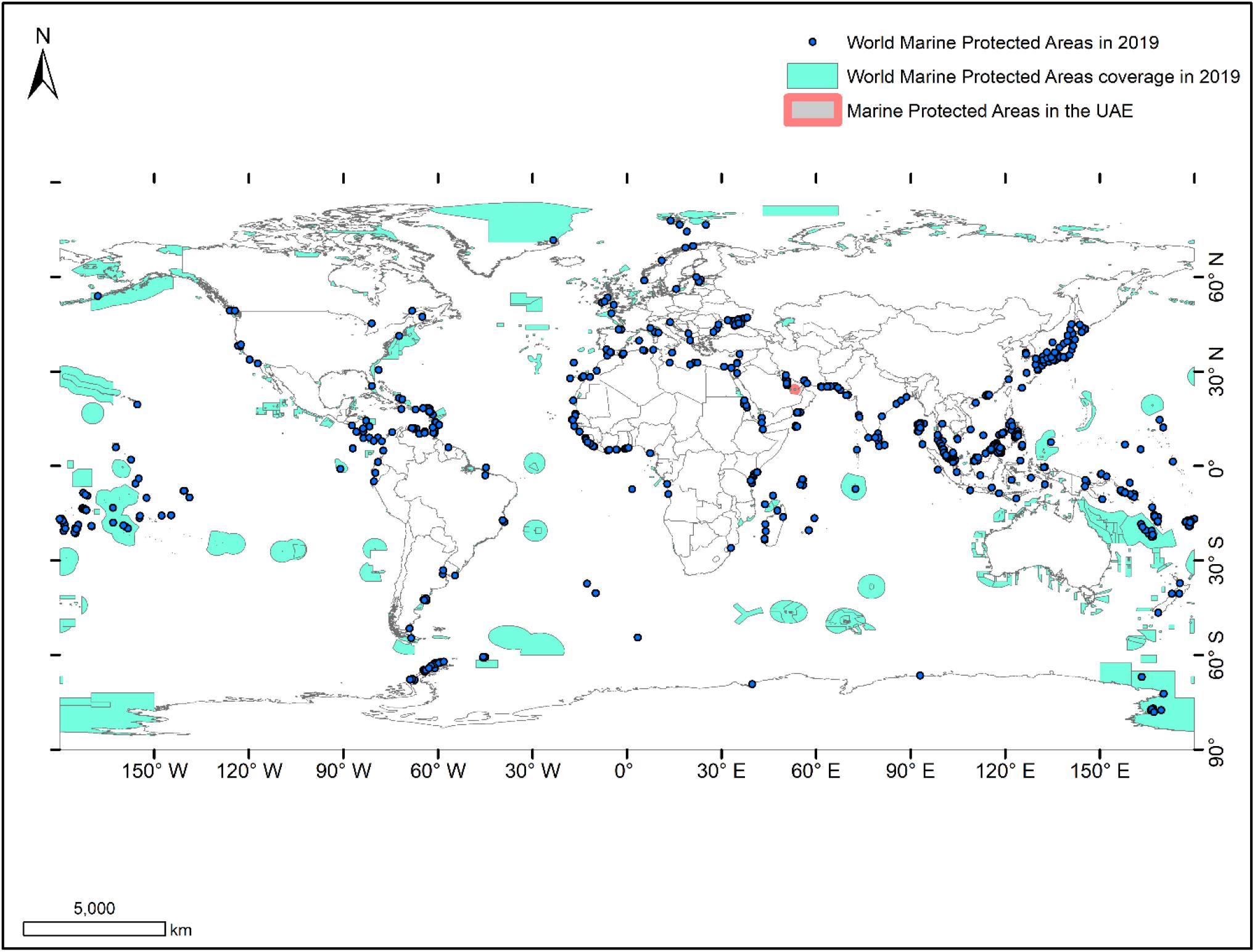
Figure 1. The global coverage of marine protected areas in 2019. GIS data credit: UNEP-WCMC and IUCN (2019). Protected Planet: The World Database on Protected Areas (WDPA) [On-Line], May 2019, Cambridge, United Kingdom: UNEP-WCMC. GIS data are available at www.protectedplanet.net. In 2000, the area covered by MPAs was approximately 2 million km2 (or 0.7% of the Ocean), since then there has been over a 10-fold increase in MPA coverage with 23 million km2 (or 7.59%) of the ocean being covered by MPAs (UNEP-WCMC and IUCN, 2019).
Despite all these international efforts, there are still improvements to management that can take place, such as close governance gaps. Identified governance gaps in the international institutional framework include the absence of mechanisms to ensure coordination and cooperation within and across sectors, states and institutions. In 2005, the World Heritage Centre’s Marine Programme was launched as part of the UNESCO’s activities specifically to address the special needs and importance of marine areas (Singh, 2010). Forty-seven World Heritage sites were inscribed on the World Heritage list, with coral reefs being well represented among them (Abdulla et al., 2013). In 2010, as part of the International Coral Reef Initiative (ICRI)’s resolutions, the UNGA adopted resolution 65/150 on the “Protection of coral reefs for sustainable livelihoods and development” at its 65th session (UNGA, 2011). The resolution urged states to take all practical steps at various levels to protect coral reefs and related ecosystems to ensure sustainable livelihoods and development. Its main recommendations included immediate and concerted global, regional and local actions to respond to the challenges faced by coral reefs, such as climate change and ocean acidification. In addition, the General Assembly appealed to states to formulate, adopt and implement integrated and comprehensive approaches for the management of coral reefs and related ecosystems (UNGA, 2011). Moreover, 2010 was declared the International Year of Biodiversity by the CBD Secretariat. In addition, a protocol was adopted by countries meeting during the CBD 10th Conference of Parties (COP-10) in 2010 to represent a supplementary agreement. COP-10 came up with two sets of resolutions; the Nagoya Protocol on Genetic Resources and the Aichi Targets for biodiversity. During COP-10, parties agreed that previous biodiversity protection targets had not been achieved, and new plans and targets were set. A short-term plan, officially known as the “Strategic Plan for Biodiversity 2011–2020,” represented a 10-year framework for action by all countries to save biodiversity and provided a set of twenty ambitious yet achievable targets, collectively known as the Aichi Targets. Aichi biodiversity target 10 was for coral reefs and closely associated ecosystems. To achieve Aichi target 10, the concerned parties should develop national coral reef action strategies, or similar policies, strategies, plans or programs, to consolidate existing national initiatives as platforms to mobilize inter-agency and cross-sectoral partnerships. They were also advised to develop close coordination among national and subnational governments and indigenous and local communities, with national strategies complemented by regional strategies to address common stressors. Leadley et al. (2014) provided a mid-term assessment of progress toward the implementation of the Strategic Plan for Biodiversity 2011–2020 and the Aichi Biodiversity Targets. Their technical study concluded that there are many uncertainties in projecting the future biodiversity and functioning of coral reefs under this plan. The uncertainties described were at many levels in regard to the level of stress experienced by reefs and the response of reefs and organisms to a changing environment. Uncertainties arose due to the long-term nature of the forecast window of many physiological studies of climate change response use treatments that simulate environments (far into the future), rendering the response of animals and plants to conditions expected in 2020 and 2050 difficult to evaluate. Uncertainties also arose due to habitat complexity and unpredictable shifts in coral species composition.
To enhance those actions taken and to ensure the long term sustainability of such actions, the need for education and capacity building has been recognized. In 2016, Resolution 2/12 on sustainable coral reefs management (EA/2/12) was adopted at the second session of the United Nations Environment Assembly (UNEA-2). The resolution provides direction for coral reef policy and management in the context of the 2030 development agenda and has implications for UNEP’s coral reef work (UNEP, 2016). Amongst others, the resolution recognizes the role of education, capacity building and knowledge transfer toward the conservation and sustainable management of coral reefs. It also encourages integrated, ecosystem-based and comprehensive approaches including partnerships with industry.
Regionally, the UAE is a member state of the Regional Organization for the Protection of the Marine Environment (ROPME), and also acts as the Secretariat for the Kuwait Convention for the Protection and Development of the Marine Environment and Coastal Areas, the underlying legal instrument binding each member state to coordinate activities toward the protection of their shared marine environment within the Arabian Gulf (Linden et al., 1990; Van Lavieren and Klaus, 2013) (Figure 2). While ROPME provides essential regional framework legislation, local enforcement capacity and strategic environmental planning are required within member nations. Conservation and management of coral reefs at the country level are crucial even with the existence of regional or global initiatives. In fact, the absence of protective measures, ranging from conventional wisdom and practices to policies and laws, has had dramatic repercussions on coral reefs in several places around the world, such as the South China Sea, where land reclamation for construction of artificial islands by dredging reefs for materials to make concrete and dredging to collect giant clam shells for carving, have led to the disappearance of the coral reef ecosystem (Madin, 2015; Watkins, 2015; Mora et al., 2016; Lyons et al., 2018). Well-designed conservation and management plans of coastal and marine environments require efficient monitoring systems that include mapping the extent and location of significant habitats. These plans also require a nuanced understanding of the status of these habitats and their trends over time (Garza-Pérez et al., 2004; Green et al., 2005; Hayes et al., 2019). However, even when plans and systems are implemented to assess and monitor the understanding and knowledge about these environments, the challenges quite often are poor inter-institutional coordination and lack of political will to make difficult and unpopular decisions (Gerhardinger et al., 2011; Sanders et al., 2013; Beyer et al., 2018; Williams et al., 2019). Often, government policies and expenditures rely on public support. Public support requires public awareness of the problems, public trust (co-existing with the lack of corruption), and public realizations of the effectiveness of environmental policy instruments (Wingqvist et al., 2012; Kulin and Johansson Sevä, 2019).
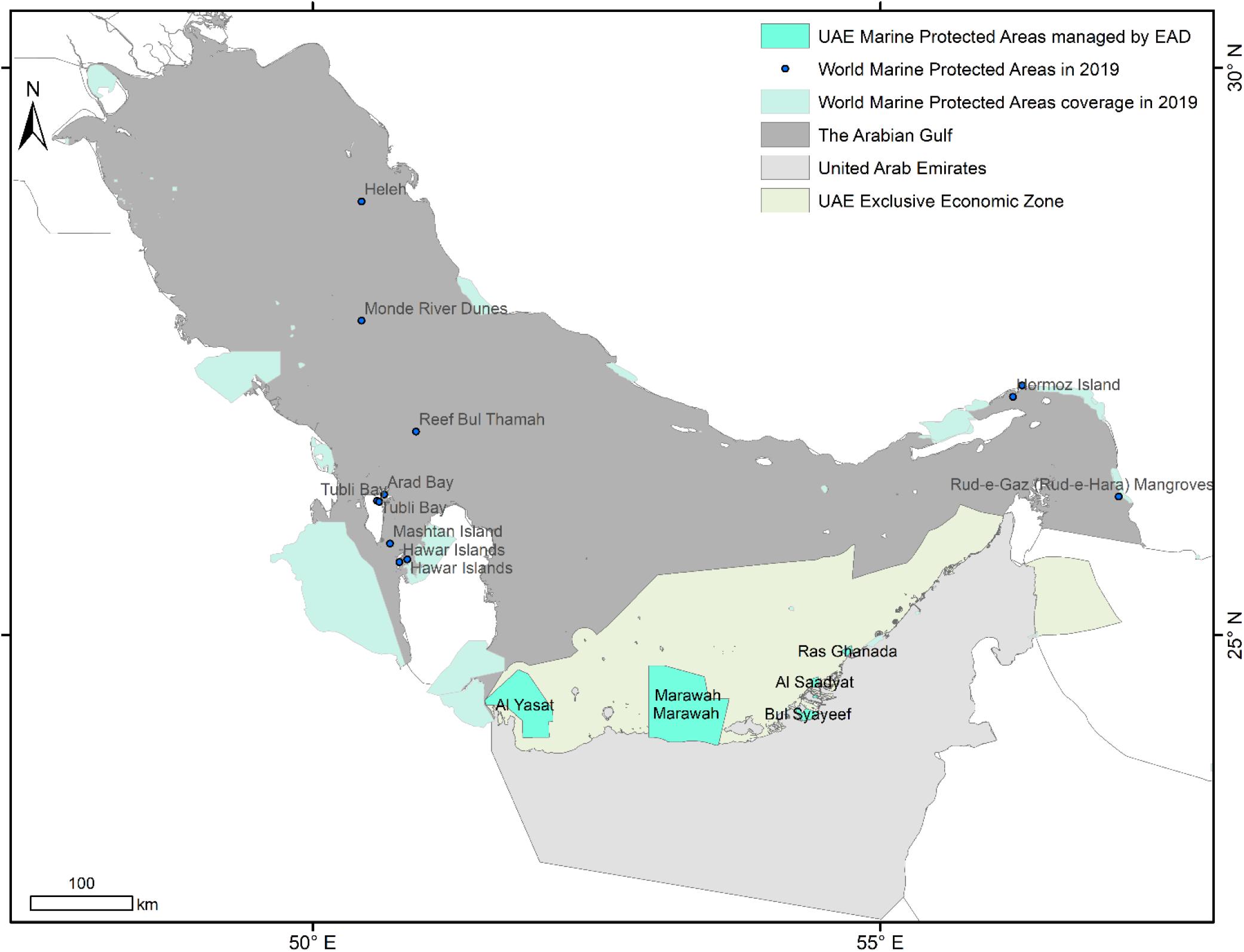
Figure 2. The regional coverage of marine protected areas in 2019. GIS data credit: UNEP-WCMC and IUCN (2019). Protected Planet: The World Database on Protected Areas (WDPA) [On-Line], May 2019, Cambridge, United Kingdom: UNEP-WCMC. GIS data are available at www.protectedplanet.net. The region is known to be under exponential stress due to the high concentration of fossil fuel-related activities; large numbers of offshore installations; tanker loading terminals and exceptionally high oil tanker traffic. Additional over-arching issues facing the region: the introduction of pollutants, physical alteration and destruction of habitats, invasive species and over-exploitation of marine resources (Habib-Mintz, 2009).
These political, economic, social and environmental challenges, often, have substantial implications for climatic change (Hedberg, 2018). The scientific evidence for climate change is intelligible (Zheng et al., 2019). The correlation between high SSTs and global bleaching is well supported by evidence (Hoegh-Guldberg et al., 2007; Thompson and Van Woesik, 2009; Pandolfi et al., 2011; IPCC, 2013; Hughes et al., 2018; Sully et al., 2019) and the correlation between climate change and SSTs is well established (Sabin and Pisias, 1996; Nurhati et al., 2011; Dutheil et al., 2019; Lee and Park, 2019; Hand et al., 2020). The control variable that precedes the climate change and rises in SSTs in a causal sequence is the global emissions and the rise of CO2. Global emitters need to reduce and stop the growth of greenhouse gas emissions, mainly from burning fossil fuels. Political will, initially, and then enforcement capabilities are key once plans are developed and Marine Protected Areas (MPA)s are established.
Review of Initiatives and Policies on UAE Corals
The history of initiatives and policies, such as surveys around the reefs of UAE, helped providing an excellent understanding and basis for detecting and monitoring change, e.g., bleaching events as well as preparation of management plans, e.g., protected areas, regulations, etc. Prior to the 1960s in the UAE, before oil exploration and related activities (Butt, 2001), it is believed that the impact of local communities activities on coral reefs (primarily traditional fishing and pearling) was, relatively, not acute due to limited population and low consumption. Information on activities related to coral reefs during the period between the first oil exploration and the 1990s are few, such as the use of corals in vernacular architecture and masonry mix along with limestone, sea stone, mud and mortar derived from seashells stone (Hawker, 2008; Rashdan and Mhatre, 2019). The earliest initiatives on record to monitor, assumably to ultimately protect and restore, reefs date to the early 1990s. The Dubai Municipality has maintained a coral reef monitoring program in the Jebel Ali Marine Sanctuary (24°55′22′′N, 54°55′1′′) since 1995 (Riegl, 2002). Study sites were situated between Jebel Ali port and Ras Hasyan and were studied annually between 1995 and 2002; however, not all sites were repeatedly visited. These surveys enabled the assessment of the two major bleaching events described above (1996 and 1998 episodes) in addition to the 2002 bleaching episodes (Riegl, 2002). Maps have been produced for management and monitoring purposes, and mortality patterns were mainly attributed to oceanographic conditions: temperature extremes, wind, water column mixing and depth (Riegl, 2003). Three very large land reclamation projects had begun in UAE in 2001: Palm Island; Palm II; and the World Island. Rezai et al. (2004) described the impact of the Palm II, being built over the Jebal Ali Marine Sanctuary, the Palm and the World Island to have been particularly destructive to the coastal environment in the presence of minimal environmental management attempted to mitigate the negative impacts. Rezai et al. (2004) also reported the release of large volumes of suspended sediments into the coastal environment following the maintenance dredging and expansion of Jebal Ali Port. Management of the sanctuary has, then, been provided to the Palm Island Development Corporation (Rezai et al., 2004). Burt et al. (2008), later, stated that these projects had the effect of creating artificial reefs that should not, however, be considered as substitutes for natural hard-bottom habitats in Dubai. In 1996, the Natural History Museum (NHM) in London, United Kingdom, carried out a marine biotope monitoring program in select areas of Abu Dhabi sponsored by the Abu Dhabi National Oil Company Onshore (ADNOC Onshore) (George and John, 1999). The 5-year survey studied the intertidal and subtidal biotopes and covered the two major bleaching events of 1996 and 1998 which were associated with prolonged positive seawater temperature anomalies (George and John, 1999; Riegl, 2002). The early 2000s witnessed more research initiatives and conservation action plans, especially after the establishment of the Environment Agency – Abu Dhabi (EAD) as an independent juridical entity (Soorae, 2010). The Marine Biodiversity Division of EAD conducted a survey of the marine area between the islands of Abu Al Abyad and Bu Tinah off the coast of Abu Dhabi in 2000 (EAD, 2013). The objectives of the synoptic field survey were to identify critical habitats of high conservation value. The survey was not specifically dedicated to coral monitoring; rather, it recorded habitat types and provided additional data of relevance to reef monitoring that included pollution and overexploitation pressures on habitats. Another significant initiative was the declaration of the Marawah MPA in 2001 (Van Lavieren and Klaus, 2013), and its management by EAD (Rezai et al., 2004). Subsequently, a significant project was the synoptic survey of the Marawah MPA that revealed the characterization of corals, in terms of distribution and species composition, over a larger area off the coast of Abu Dhabi. The survey was implemented to ascertain areas of high conservation value as part of the initial effort to designate the MPA (Al-Cibahy et al., 2009).
More recently, in 2005, the Coral Reef Investigation in the Emirate of Abu Dhabi and the Eastern Coast of Qatar project was completed. The project, sponsored by Dolphin Energy and managed by EAD and Emirates Nature in association with the World Wildlife Fund (Emirates Nature-WWF), formerly Emirates Wildlife Society (EWS-WWF), aimed to promote the conservation, management and sustainable use of coral reefs and associated habitats in Abu Dhabi and Qatar waters. The project objectives were more specific and aimed to determine adapted monitoring and assessment approaches to the environment and coral reef habitats of Abu Dhabi through the provision of accurate biological, ecological and socio-economic information (Al Kendi, 2008; Grandcourt et al., 2008). At the completion of this project, Grandcourt et al. (2008) highlighted two significant impacts of the repetitive temperature anomalies: (1) the massive reduction in live coral cover and (2) a modification to the species composition with dramatic reductions in the abundance of the framework building but less resilient branching corals (Family: Acroporidae). The common conclusion among all of these initiatives targeting the conservation, management and sustainability of coral ecosystems is that despite the marked thermal anomalies of 1996, 1998, 2002, and 2010; and the associated coral mass mortality and overall depressed coral biodiversity; the reefs were not entirely dead and showed active signs of regeneration. Accordingly, appropriate and effective action plans are required.
Moreover, as part of Abu Dhabi’s national commitment to the conservation of natural resources, ecosystems, wildlife and habitats; specific locations and habitats have, as of 2012, been designated by EAD as MPAs and account for an area of over 6,500 km2. Six main protected areas support some of the most important marine habitats and significant species populations in Abu Dhabi. These include: the Marawah UNESCO Marine Biosphere Reserve, Al Yasat MPA, Bul Syayeef MPA, Saadiyat Marine National Park, Ras Ghanada MPA and Mangrove Marine National Park (Al-Dhaheri et al., 2017). The Eastern Mangrove Lagoon National Park is the first of five national parks identified for establishment in Abu Dhabi Plan 2030 (DPM, 2007). These protected areas recognize, and balance, the needs of local communities with the requirements of conservation (Hornby, 2012; Figure 3).
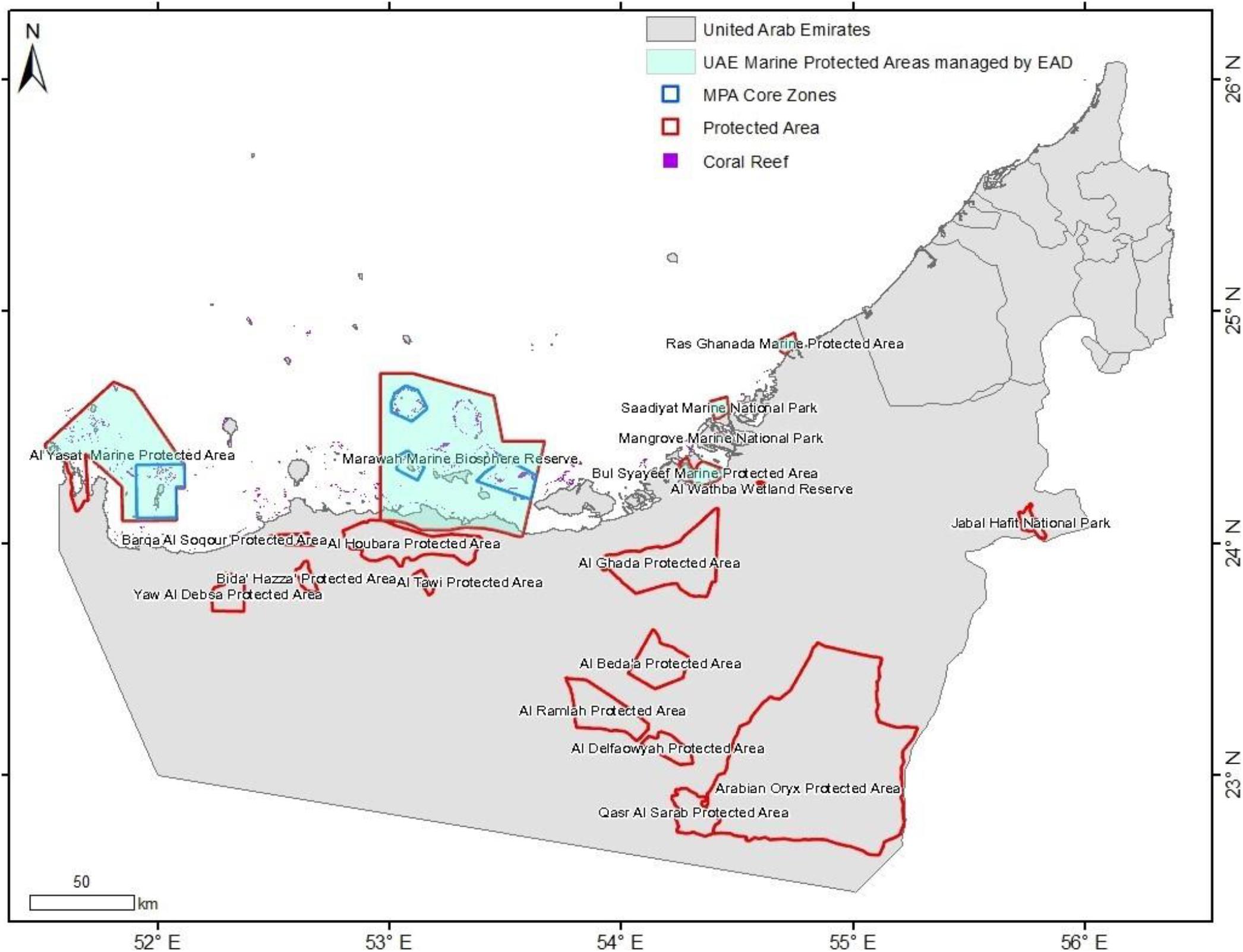
Figure 3. The local coverage of marine protected areas in 2019. GIS data credit: Ead-EnviroPortal (2019). EAD Enviroportal [On-Line], May 2019, Abu Dhabi, UAE. GIS data are available at https://enviroportal.ead.ae/geoportal/. The emirate of Abu Dhabi hosts six main protected areas including the largest marine biosphere reserve in the region; Marawah Marine Biosphere Reserve (4,255 km2) constituting a significant amount of marine protected areas in the UAE (Al-Dhaheri et al., 2017). The site includes seagrass beds (3 species), coral reef communities (more than 18 species), macro-algae outcrops (more than 15 species) and mangrove vegetation (mono-stands of Avicennia marina) (Al-Dhaheri et al., 2017). Marawah Biosphere reserve is also of global importance as a shelter and feeding ground for the Vulnerable dugongs (Dugong dugon) (Al-Dhaheri et al., 2017).
The above initiatives were launched in the UAE by institutions that have mandates for coral reef conservation. These include federal governmental institutions such as the Ministry of Climate Change and Environment (MOCCAE); local authorities such as EAD, Abu Dhabi Municipality and Dubai Municipality; non-governmental organizations such as Emirates Nature-WWF; oil and gas companies such as Abu Dhabi National Oil Company (ADNOC); and universities such as Khalifa University of Science and Technology, New York University - Abu Dhabi, and United Arab Emirates University. Finally, this institutional framework also includes regional institutions such as ROPME and the Gulf Cooperation Council.
The initiatives launched by these institutions were supported and enforced by conservation and management policies, federal laws, local laws, Emiri decrees, and international conventions. Table 1 summaries these policies. Policies and legislations can be downloaded from the MOCCAE’s website at https://www.moccae.gov.ae/en/open-data.aspx.
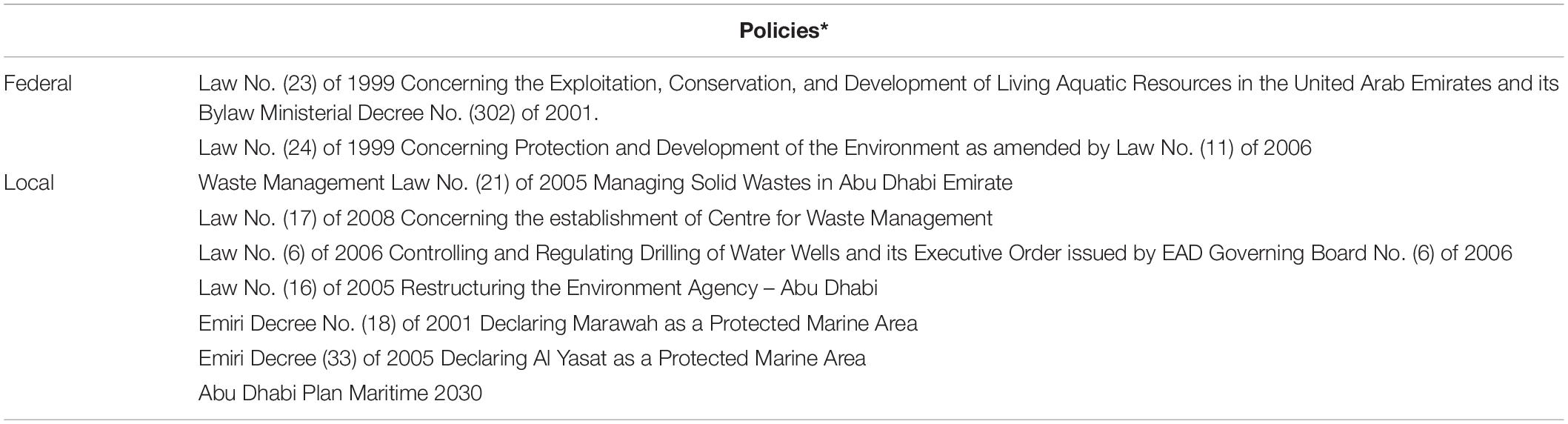
Table 1. Summary of conservation and management policies in the UAE.
Despite the existence and variety of these initiatives, there exists two major deficiencies. Firstly, it seems that the reviewed initiatives were sporadic and did not represent comprehensive and long-term monitoring programs. Most initiatives were independent of each other and were short to mid-term programs (1–3 years), possibly due to challenges related to human capital, budget or their time-restricted nature, as is the case with any environmental impact assessment. This deficit might have prevented decision-makers from defining the level of stresses that exist now and in the future, as well as the trends in those levels. Secondly, there is a lack of integration of planning, research and management in the coastal zone. The coupled roles of managers and scientists are not clearly defined as part of all the reviewed initiatives.
Without a coordinated (focusing on activity and process) and integrated (refocusing on outcome and results) approach, there is little probability that a nation can gain the capability to take effective action, on both land and sea, that will be necessary to prevent the threatening degradation of their marine environments, including coral reefs.
Fortunately, this situation is gradually changing. A good example of a coordinated and integrated approach is the Marine Spatial Plan for Abu Dhabi 2030 of the Department of Urban Planning and Municipalities (DPM) [formerly Urban Planning Council (UPC) and Department of Municipal Affairs (DMA)]. The Marine Spatial Plan for Abu Dhabi 2030 targets an integrated approach to marine spatial planning which considers multiple resource users in the context of biodiversity conservation. A project coordination team was established comprising the Office of the Deputy Supreme Commander – Maritime Security Executive Committee (ODSC), formerly Maritime Security Executive Committee (MSEC), EAD and DPM to develop Plan Maritime 2030. Following a far-reaching stakeholder engagement process, involving over 115 stakeholder organizations from all relevant sectors, both the Framework Spatial Plan and the Plan Maritime 2030: the Abu Dhabi Coastal and Marine Implementation Plan were completed. The Maritime Strategy was signed in November 2009. The Plan Maritime 2030: Abu Dhabi Coastal and Marine Implementation Plan was finalized in August 2015. The Implementation Plan is cross-sectoral and includes 298 management actions, which are planned to be implemented by 22 government entities, and prioritized at the short-term (to 2020), medium-term (2021–2025) and long-term (2026–2030) (DPM, 2016; EAD, 2018).
The implementation of the Plan, and Abu Dhabi-wide committee for Integrated Coastal Zone Management (ICZM), with oversight over wider strategic coastal permitting are some of the initiatives EAD and DPM are currently working on. The policy aim is to pursue ICZM in the maritime domain, to facilitate the achievement of the over-arching maritime policy vision: ‘a safe, secure, and environmentally sustainable maritime domain’ for Abu Dhabi emirate (DPM, 2016; EAD, 2018). Furthermore, MOCCAE has initiated a comprehensive baseline across the UAE that would help to consolidate efforts and also bring cohesion and consistency to monitoring efforts going forward.
Local Legislative Framework in the UAE
The potential challenges faced by UAE coral reefs and the policies/initiatives which address these challenges were covered in section “Review of Initiatives and Policies on UAE Corals.” These comprise direct anthropogenic (Lokier and Fiorini, 2016) and climatic stressors (Hoey et al., 2016), as well as management issues (Grizzle et al., 2016). Similar to corals worldwide, UAE corals are witnessing a decline induced by environmental and climatic extreme events, and ongoing industrial and human activities (Bento et al., 2016; Bento et al., 2017). Increasing challenges and environmental threats related to the country’s rapid economic development, e.g., waste generation and land reclamation (Alzaylaie and Abdelaziz, 2016), have created pressures on the environment resulting in action by the government in the form of policies and enforcement of mitigation plans to reduce potential negative environment impacts. For instance, the potential environmental impact as a result of the construction of Khalifa Port close to one of the most extensive coral reef in the Arabian Gulf, the Ras Ghanadah reef (194 km2), resulted in extensive monitoring of the reef and extensive mitigation efforts put in place to minimize potential impacts to the coral reef (Cole and Broderick, 2007; Vizcaíno et al., 2014). Overfishing and indirect alterations of the structure and function of the reef habitat are increasing in the UAE waters. The UAE has been reliant on fisheries as a key source of dietary protein, but the stress on the marine habitat is increasing as overfishing has been reported to cause macroalgal overgrowths and predatory outbreaks among coral reefs (Rezai et al., 2004; Valentine and Heck, 2005). Red tide, temperature extrema, bleaching events and disease outbreaks have caused extensive coral reef damage in the past (Berktay, 2011; Burt et al., 2019). Oil spills and illegal discharges (e.g., ballast waters) place additional stress on the UAE corals and are mainly linked to the heavy marine traffic in the Strait of Hormuz. In 2011, the latter witnessed traffic of about 17 million barrels of oil per day – about 35% of the entire world’s sea-borne oil trade (Mokhtari et al., 2015). Moreover, there are currently 21 offshore operational oil rigs in the UAE. Many small-scale incidents, including accidental discharges from oil refineries are detected each year. These incidents have major impacts on the coral reef ecosystems. Desalination activities pose another issue. UAE has a 14% share in the global desalinated water capacity and it is ranked second in the world just after the Kingdom of Saudi Arabia, with Abu Dhabi being the major desalination user in the UAE (Mezher et al., 2011). Discharges from desalination facilities have been shown to significantly impact coral reef ecosystems (Petersen et al., 2018).
However, these corals, enduring high salinity levels and summer temperatures of up to 36°C, have been reported recently to be more tolerant than most other corals being faced with recent extreme events (Hume et al., 2013, 2015). Such particularity is highlighted by scientists and should be considered by managers seeking to reshape and adapt management and conservation plans. Federal and local environmental laws (Table 1) were put in place to mitigate these effects, such as the Federal Law No. (23) of 1999 that concerns the exploitation, conservation, and development of living aquatic resources in the United Arab Emirates and its by-law issued as Ministerial Decree No. (302) of 2001; the Federal Law No. (24) of 1999 that concerns protection and development of the environment as amended by Law No. (11) of 2006; the Emiri Decree No. (18) of 2001 declaring Marawah as a protected marine area; the Emiri Decree (33) of 2005 declaring Al Yasat as a protected marine area; CITES; and CBD.
The UAE’s management approaches, through legislation, evolved gradually over time given the impacts of all these initiatives. Studying them in light of global model practices would allow a proper assessment of this evolution.
UAE Reef Management Approaches in Light of Model International Practices
UAE’s efforts have been comparable to global efforts. Bowdery et al. (2014) reviewed and gathered seven examples of effective regulatory best practices from around the world: Australia (the GBR: the world’s largest coral reef ecosystem, UNESCO World Heritage Site since 1981 (reef area of 48,960 km2), Belize (1,688 km2 reef system), Bermuda (672 km2 of coral reefs), the Cayman Islands (coral coverage of 231 km2), Cuba (reef size equaling 3,020 km2), Tanzania (complex barrier and island reef systems of 3,580 km2), and the United States (abundant reefs, Florida Keys Reef Tract of 360 km2, Hawaiian islands including NW islands sanctuary, and, US Pacific islands territories and protectorates) (Spalding et al., 2001). The current situation of UAE coral reefs, as described above, is here discussed and analyzed in light of the model regulatory tools set by these seven jurisdictions. The selection of these models is based on the important coral reef resources contained within these territories and on the variety of approaches used to protect and conserve them.
Protecting the Marine Environment
Protecting the marine environment is crucial to the protection of coral reefs even if the latter are not mentioned explicitly (Bowdery et al., 2014). Bowdery et al. (2014) reviewed examples of jurisdictions whose specific laws designed to protect the marine environment benefited reef conservation. Among the reviewed jurisdictions, many have opted for the creation of discrete MPAs as an additional tool for reef conservation within their territorial waters. The legal definition and features of these protected areas differ from country to country, but the general trend is that they are particularly delineated areas of the ocean and adjacent coastal areas subject to stricter regulations and other protective measures, mainly against overfishing, pollution, oil, and gas extraction activities. This includes individualized management plans customized according to the specific characteristics of the protected area (Bowdery et al., 2014). In Australia, the iconic GBR represents a massive MPA, created by the government to protect the world’s largest coral reef system. Between 1999 and 2004, the GBR Marine Park Authority developed a new zoning for the Marine Park after realization, in the mid-1990s, of the inadequacy of the previous zoning for biodiversity protection. A systematic and comprehensive planning and consultative program of scientific input, community involvement and innovation was undertaken by the Marine Park Authority to increase the extent of no-take areas (Hand, 2003; Jago et al., 2004). The GBR is protected under several laws; state and federal, and is also a UNESCO World Heritage site (Mulhall, 2008).
As an example of good practice for leveraging the power of legislation to strengthen protected status, Bermuda is considered. Bermuda established a law in 1966 for the creation of two coral reef preserves. Since then, 29 protected areas have been selected, under Bermuda’s 2000 Protected Areas Order. This designation was mainly to conserve coral reefs and associated habitats. A large MPA was authorized by the Minister of Environment and Planning, including almost its entire Exclusive Economic Zone (EEZ), in order to protect the Sargasso Sea’s reefs (Bowdery et al., 2014).
In Tanzania, three marine parks protecting coral reefs and fifteen marine reserves, which also contain corals, were created under the Marine Parks and Reserves Act of 1994 (Bowdery et al., 2014). In the United States, jurisdictions have designated fourteen MPAs under the National Marine Sanctuaries Act (on the federal level) to protect coral reefs and associated communities. On the state level, certain states in the United States have also established MPAs (Bowdery et al., 2014). In this regard, the UAE is on the right path; since the declaration of its first MPA in 2001, a total of 12.21% of marine and coastal areas of the UAE are declared no-take zones; protected areas (Wendling et al., 2018). The number of MPAs declared and proposed in Abu Dhabi has increased to reach a total area of 6,570 km2 distributed as shown in Table 2. Combined with other strong initiatives related to fisheries management and waste management, this is indicative that the UAE has been proactive in the last decade and a half and is a regional leader in this area of conservation. For instance, EAD has been undertaking stock assessments since 2001, as well as fisheries resources assessment surveys for commercially important fish stocks. Results from these have informed management and policy development, which have led to a number of direct fisheries controls in terms of minimum size limits, species, fishing gear bans, and seasonal fishing closures. In addition, the UAE has pledged to take action to fight climate change and has also developed a National Climate Change Action Plan 2017–2050 (MOCCAE, 2017) after a lengthy stakeholder process. Several studies have been conducted to increase scientific understanding of the impact of climate change in the UAE and in the region, in order to assist with better policy-making. In this context, Abu Dhabi Global Environmental Data Initiative (AGEDI) conducted a number of studies and research which looked at the impact of climate change at the local, national and regional levels, including marine ecosystems and coastal zones (Campbell et al., 2015; Abu Dhabi Global Environmental Data Initiative [ADGEDI], 2016). Moreover, all construction work, which includes dredging and reclamation now, requires Environmental Impact Assessments (EIA) before permits are issued and many companies are required to set up funds and/or remediation projects, which have focused on coral restoration, mangrove reforestation, etc.
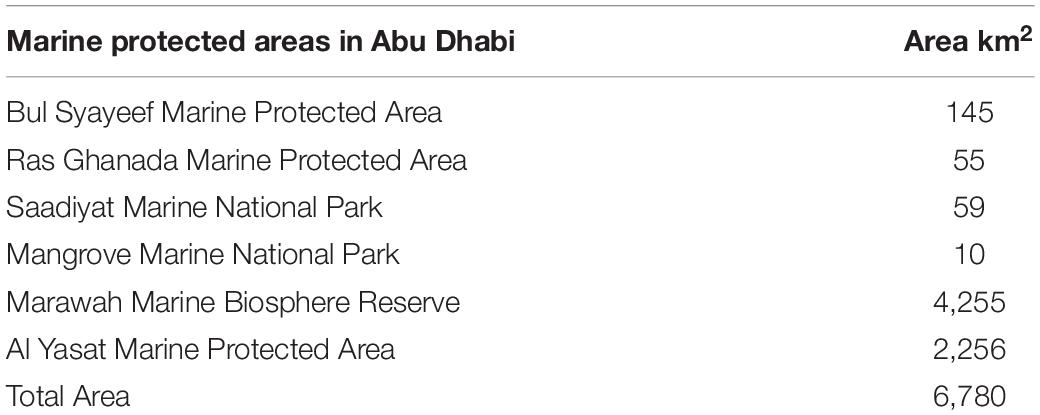
Table 2. Coverage of MPAs in Abu Dhabi.
Many of these regulations are relatively new and were a response to the documented impacts on the marine environment rather than being preventative – and while there is increasing action and work on enforcement, there has not been enough time to determine the impact of these actions on corals although some fish stock trends are on the increase.
Measuring success requires long-term monitoring and effective enforcement. In fact, effective protection of coral reef ecosystems requires more than just lines on a map, although this is often the first step. The mitigation and/or removal of threatening processes is vitally important, without which the state of corals will continue to decline regardless of how well delineated the protected area is on a map.
Reducing Impacts of Land-Based and Coastal Activities on Coral Reefs
Land-based activities and unsustainable development practices such as sediment and nutrient overloading threaten UAE coral reefs (Bento et al., 2016, 2017; Hoey et al., 2016; Lokier and Fiorini, 2016). The reduction of pressures from land-based activity necessitates enhanced coastal planning and EIA studies; improved and continuous coordination between authorities for the land and the sea governance, such as the example of the ongoing collaboration between EAD and DPM; and enforcement of regulations that protect such fragile ecosystems. As an example, the Belizean model mentioned by Bowdery et al. (2014) is renowned for its establishment of an independent public agency by the Coastal Zone Management Authority and an institute established subsequent to the Coastal Zone Management Act of 1998. EAD and DPM are to assist the government in the development of policies, programs and projects on the coastal zone, nurture regional and international collaboration, as well as national programs for coral reef and water quality monitoring. EAD is currently working with the Critical Infrastructure and Coastal Protection Authority (CICPA) to enforce regulations such as fishing regulations. However, EAD and DPM are currently building up further understanding on what are the mechanisms and pressures that are affecting the coral reefs. EAD and DPM could, therefore, respond to these mechanisms and pressures more effectively.
Moreover, it is crucial for the sustainable management of natural resources to inform baseline analyses and long-term development plans toward future developments in sensitive zones. This can be done through EIA studies (Sheaves et al., 2016). In Bermuda, for instance, the Development and Planning Act requires that all proposed coastal developments must be approved by the Application Board as appointed by the Minister of Environment and Planning, with the advice of the Marine Resources Board. In considering submissions and requests, the Application Board is responsible for the protection of the coastal and marine environment, as well as for the reduction of the impact of all development on the coastline (Meggs, 1997). In this regard, Heaton and Burns (2014) gave evidence that while EIA requirements have been in place for less than 20 years in Abu Dhabi, they are a strong and comprehensive practice that were assessed as successful based on criteria by Wood (1999). Heaton and Burns (2014), however, recommended that this practice needs greater integration into the final decision-making, monitoring of the overall process, public consultation and ongoing impact monitoring. Following these recommendations, EAD and DPM have conducted a successful consultation during the formulation of Abu Dhabi Plan Maritime 2030 (DPM, 2016).
Sand removal, dredging and land reclamation also pose a threat to nearby coral reefs in the UAE. On occasion, development projects in UAE coastal areas have sometimes covered coral reefs with sand, rock or concrete (Rezai et al., 2004). A ban on sand removal and damage exerted on coral reefs is therefore mandatory to achieve sustainable development of UAE coastal areas. In fact, in the UAE, regulations that prohibit sand removal, dynamite fishing, and direct damage to coral reefs are in place [Law No. (23), Table 1], however, it is monitoring and enforcement that require more effort and improvement.
The Cayman Islands, Cuba and the United States provide examples of environmental protection through the prohibition of sand removal and land reclamation in areas bordering corals and fragile marine habitats (Bowdery et al., 2014). The Cayman Islands prohibit the removal of natural materials such as sand and reef rubble from any area between the mean high water mark and 152.4 m inland thereof through the Development and Planning Law of 2008 (Bowdery et al., 2014). In Cuba, the Joint Resolution of 1997 bans dredging and detonations of coral reefs (Bowdery et al., 2014). In the United States, the National Marine Sanctuary Act prohibits any damage to the bottom formations within protected areas (Bowdery et al., 2014). However, inspecting and enforcing laws are as important as creating and passing them for proper environmental management. Unfortunately, some studies have reported that despite dramatic growth in laws to protect environment, weak enforcement was found to be a global trend (Fang et al., 1994; Kuehn, 1995).
Implementation, Monitoring and Enforcement: Scientific and Public Involvement and Participation
Scientific Participation
From the Australian comprehensive management of the GBR model, two main characteristics can be depicted as crucial to the management plans (Vanderzee, 1996). First, scientific data should serve as basic support for management decisions. The Australian authority managing the GBR Marine Park is a federal agency and heavily relies on scientific data and findings to monitor management resolutions such as zoning plans, to ensure the coral reef sustainability. Secondly, periodic review and feedback loops are there to consider the reef dynamism and change such as ecological changes, hydro-climatic variables, etc. in order to remain up-to-date. Periodic reviews of the health of the reef are required under Australia’s law for the creation of management plans for the GBR Marine Park. The GBR Marine Park Authority issues an Outlook Report every 5 years. Such reports evaluate the overall condition of the reef in addition to its response to the threats and the conservation actions. Periodic reports improve the effectiveness of policies and management plans. As a result, management plans are updated and revised (Bowdery et al., 2014). And, in the case of the GBR Marine Park, the Queensland Government also recently (19/09/2019) issued new regulations aimed at controlling runoff from agricultural land (DEE, 2019). Among others, these regulations control agricultural activities in order to reduce fertilizer application, and to actively manage erosion risks in reef catchments (DEE, 2019). However, the effectiveness of these recent regulations is yet to be determined.
Public Involvement and Participation
In managing coral reef environments, it is crucial to preserve the appropriate activities of the local communities while targeting reef protection. The Tanzanian model stands out for balancing and linking reef preservation with local occupations. The three marine parks in Tanzania contain three types of zones with different regulations and protection measures. The Core Zone is the most regulated and most protective type. It is allocated to areas with high biodiversity levels and/or large areas of critical habitat. In Core Zones, fishing is prohibited. The Specified Use Zone is the second type assigned to areas with high conservation value that are also of key importance to the local population. In Specified Use Zones, activities are not carried out by non-resident users. The General Use Zones is the third type where local residents may undertake sustainable resource use. This could relieve pressure on the other two zones with higher levels of protection. In General Use Zones, non-residents may be involved in certain activities, provided they have obtained a proper permit. These three zones are furthermore isolated from external environmental threats by delineated Buffer Zones (Nyigulila Mwaipopo, 2008). In this regard, UAE’s local communities are special. UAE local people and nearby communities do not directly depend on the reefs for their livelihood. However, the local community may include fishermen. In fact, there is a large fishing fleet that is currently overfishing key commercial fish stock. There are a few local families with a strong fishing tradition, which should be protected, but this may entail radical measures to reduce the fishing pressures on already limited stocks. The local community also includes scientific researchers, recreational users and tourists who could enjoy and benefit from the reef in a more sustainable manner provided higher awareness levels. Tourists’ involvement is important, as the tourism sector is witnessing a significant increase of over 150% in guest arrivals from 2006 to 2014 in Abu Dhabi Emirate (ADTCA, 2015). These stakeholders should become active participants in efforts to conserve and safeguard the marine environment through, for example, tour and dive operators sharing information on the number and location of visits, chartered trips, and stronger awareness campaigns about anchor damage, etc.
Implications, Recommendations, and Concluding Notes
Implications
In terms of protecting its marine environment, the UAE has declared and proposed several MPAs. It is certain that MPAs provide important opportunities for reef conservation; however, they are a complement to, rather than a substitute for, effective environmental laws. Effective MPAs aiming to achieve conservation goals should not merely give an area a legal designation, rather they ought to feature key characteristics that are science-based management approaches in order to identify and address the relevant and actual threats (Bowdery et al., 2014).
However, one of the lessons to be drawn from around the world, e.g., from the overfished reefs of Hawaii and the Virgin Islands (Pandolfi et al., 2005; Guest et al., 2018) to the overfished Florida reefs that have lost most of their corals to disease (Precht et al., 2016; Sharp et al., 2019), is that despite well-intentioned environmental plans and actions, coral reef health and status continue to decline and, authorities and governments are not always able to stem the degradation. The reasons for the ineffectiveness of these plans and actions are several and complex. Lack of enforcement may be one reason. Reluctance to fully engage with the scientific community, make proper use of emerging technologies and, raise awareness about the implications of reef degradation are other reasons.
A clear and systematic roadmap that links scientists and researchers to managers and policymakers needs to be established. The lack of this clear roadmap is not particular to the UAE. In fact, Rose and Parsons (2015) illustrate the divergence and difference between scientists and policymakers and explain that the main difference is due to the reliability of the former on impartiality and objectivity in describing reality, and the need of the latter to include values, ideologies, economics, and emotions, thus partiality, in decision-making. They highlight that debates can be beneficial in policy development and conclude by recommending that science should be better communicated and should better address real-world issues.
Here, it can be concluded that efforts need to be made from both sides. On the one hand, managers and policy-makers must liaise with scientists and researchers to keep the action plans up-to-date, applicable, data- and evidence-based, and efficient. On the other hand, scientists and researchers are to communicate their knowledge and findings in ways that are adapted to the situation and addresses a nation’s needs and interests. A closed loop system should consequently be established, centered around the conservation of the coral reefs to achieve sustainability.
Recommendations and Concluding Notes
• The issue of scientific capacity in the UAE needs to be addressed. Each of the seven emirates and the federal ministry have different capacities for coral reef conservation and management. This might pose a challenge for the country to adopt a national coral reef monitoring and management plan and effectively implement the approach recommended here.
• A revision to the existing adapted institutional framework for coral reef management and conservation is required to achieve coral reef sustainability in the UAE (Figure 4).
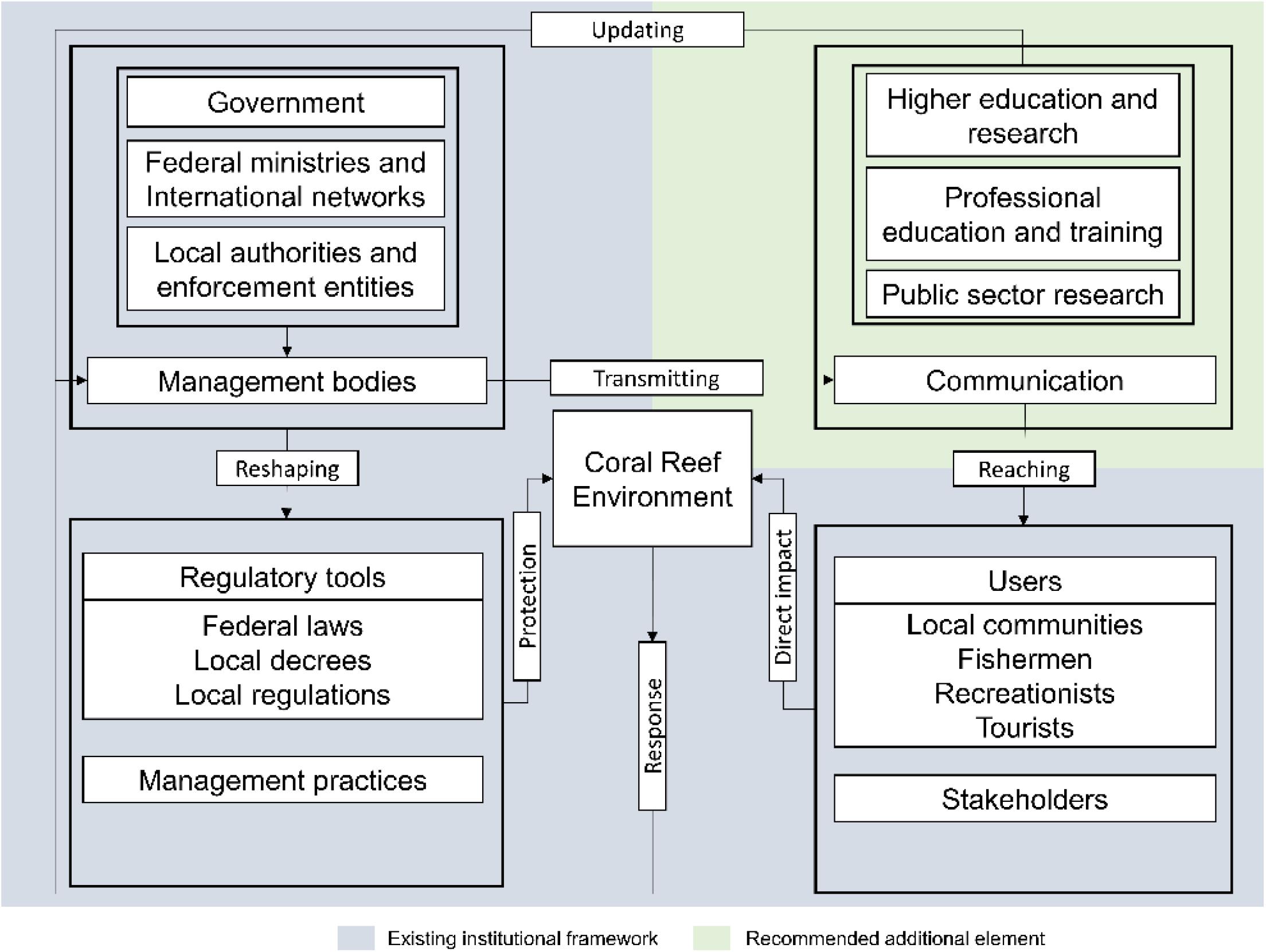
Figure 4. The UAE’s existing institutional framework adapted for coral reef management could benefit from bringing scientists and managers together through an integrated ecosystem assessment process to achieve sustainability.
• Emphasizing the role of science and research in support of reef-based management and conservation is critical to effective management (Figure 5). Furthermore, bringing stakeholders, scientists, and managers together through an integrated ecosystem assessment process is essential.
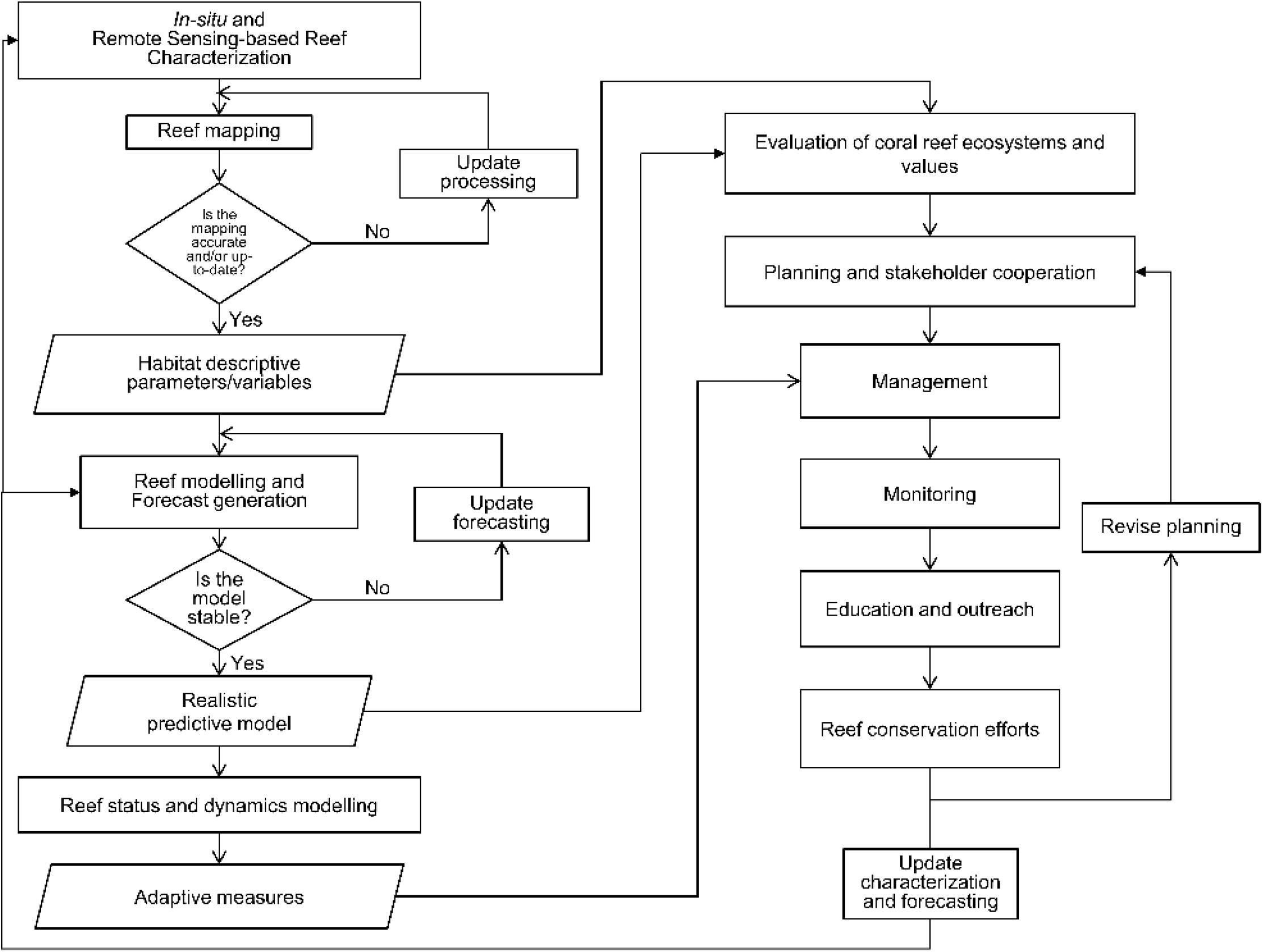
Figure 5. Proposed reef management practice emphasizing the role of science in support of reef-based management and sustainability.
• Integrated management programs encompass complete ecosystems. They run for the needs of the present while ensuring that the ecological processes on which the reefs depend are protected for future generations; thus ensuring sustainability. Reef-based management should take into account the interconnectedness and interdependent nature of ecosystem components: habitat, local and nearby communities. It also ought to emphasize the importance of ecosystem structures and functions that provide a range of services.
• When challenged with limited resources, it is crucial to focus implementation and enforcement monitoring of areas with the highest vulnerability to major disturbances, e.g., bleaching hotspots, coastal areas neighboring direct anthropogenic stressors, desalination and nuclear plants, etc.
• There is much room for capitalizing on socio-ecological and citizen science to complement and enhance marine and coral reef conservation in the UAE.
• Coral reef managers in the UAE should continue to engage local communities in the establishment and operation of managed areas, and in the assessment and valuation of the economic and social benefits of their natural resources.
• Management options should also take into account where relevant, the micro-level dynamics of a given reef as positive management intervention in one system may result in a negative outcome for another.
• A strategic and systematic approach to conservation planning is crucial. Designing and implementing a system identifying and detecting the major threats, as well as their preventive and curative measures are critical components. Such a system should be frequently reviewed based on a regular and continuous assessment of biodiversity and socio-economic values. This assessment is important to evaluate the effectiveness of the set conservation and management goals, and to refine and/or rectify them.
• Significant gains can be realized when experiences and lessons are shared among coral reef hosting countries. These countries need to cooperate in areas where deemed necessary and build upon each other’s experience in order to achieve coral reef sustainability globally. Areas of cooperation should address the lack of sustainability in the world’s carbon emissions; an intervening variable to the rapid loss of coral reefs. Burning of fossil fuels like coal, oil and gas add greenhouse gases to the atmosphere and the ocean. Major emitters need to stop the growth of greenhouse gas emissions. The COP21 meeting is an example of initiative that has given the go ahead for this to become a reality. Finally, it is essential that the feedback loop to the international community be activated to inform and help to update the existing international initiatives for the general benefit of all concerned parties.
Author Contributions
HB-R conceived the work and acquired, analyzed, and interpreted the data for the work, and drafted the work. RJ, EG, RP, and AA have contributed to the acquisition and interpretation of the data. RJ, EG, RP, AA, PM, TO, and HG have revised the work for important intellectual content. HB-R, RJ, EG, RP, AA, PM, TO, and HG have given their final approval to the version to be published. All authors contributed to the article and approved the submitted version.
Conflict of Interest
The authors declare that the research was conducted in the absence of any commercial or financial relationships that could be construed as a potential conflict of interest.
Acknowledgments
The authors express their gratitude to Mr. Anil Kumar, Ms. Anuja Puthuppallil Vijayan, Mr. Sai Ravi Krishna Tubati, and Mr. Yasser Ramadan Othman, Environmental Information, Science & Outreach Management Department, Environment Agency – Abu Dhabi, for their support with the geospatial data and information about the Marine Protected Areas. The authors are thankful to Mr. Winston James Cowie, Section Manager – Marine Policy-Regulations and Planning Terrestrial & Marine Biodiversity Department, Environment Agency – Abu Dhabi, for having provided the recent reports and updates on the status of the Abu Dhabi Emirate ICZM Policy. The authors are grateful to Dr. Mark Jonathan Beech, currently Head of Archaeology: Al Dhafra and Abu Dhabi, in the Historic Environment Department at the Department of Culture and Tourism (DCT) for having provided insightful information about historical use of corals in the UAE. Moreover, the authors also would like to express their gratitude to the Editor, Dr. HK, and two reviewers whose comments helped to improve the quality of the manuscript.
References
Abdulla, A. B., Obura, D. O., and Shi, Y. (2013). Marine Natural Heritage and the World Heritage List: Interpretation of World Heritage Criteria in Marine Systems, Analysis of Biogeographic Representation of Sites, and a Roadmap for a Addressing Gaps. Gland: IUCN.
Abed, I., and Hellyer, P. (2001). United Arab Emirates: A New Perspective. Cape Town: Trident Press Ltd.
Abu Dhabi Global Environmental Data Initiative (2016). Marine and Coastal Environment-of Abu Dhabi Emirate. Abu Dhabi: Abu Dhabi Global Environmental Data Initiative (AGEDI).
ADTCA (2015). Hotel Establishment Statistics-June 2013. Reports and Statistics. Abu Dhabi: Department of Culture and Tourism.
Al Kendi, M. (2008). “A successful stakeholder partnership-the dolphin energy experience coral reef habitats of the Arabian gulf,” in Proceedings of the 9th SPE International Conference on Health, Safety, and Environment in Oil and Gas Exploration and Production. Nice: Society of Petroleum Engineers.
Al-Cibahy, A., Grandcourt, E., and Bugla, I. (2009). Report on Evaluation of Eco-Reefs Installed in Marawah Marine Biosphere Reserve. Abu Dhabi: Environment Agency-Abu Dhabi.
Al-Cibahy, A. S., Al-Khalifa, K., Böer, B., and Samimi-Namin, K. (2012). “Conservation of marine ecosystems with a special view to coral reefs in the gulf,” in Coral Reefs of the Gulf, Coral Reefs of the World, Vol. 3, eds B. Riegl and S. Purkis (Dordrecht: Springer), 337–348. doi: 10.1007/978-94-007-3008-3_15
Al-Dhaheri, S., Al-Cibahy, A., Javed, S., Grandcourt, E., Bin-Kulaib, R., and Al-Mazrouei, S. (2017). Abu Dhabi State of Environment Report 2017 - Biodiversity. Abu Dhabi: Environment Agency Abu Dhabi, 18.
Alzaylaie, M., and Abdelaziz, A. (2016). Pearl Jumeira project: a case study of land reclamation in Dubai, UAE. Jpn. Geotech. Soc. Spec. Publ. 2, 1778–1783. doi: 10.3208/jgssp.tc217-03
Anthony, K. R., Marshall, P. A., Abdulla, A., Beeden, R., Bergh, C., Black, R., et al. (2015). Operationalizing resilience for adaptive coral reef management under global environmental change. Glob. Change Biol. 21, 48–61. doi: 10.1111/gcb.12700
Baird, A., and Hughes, T. P. (2016). Only 7% of the Great Barrier Reef has Avoided Coral Bleaching. Queensland: ARC Centre of Excellence for Coral Reef Studies.
Barton, D. N. (1994). Economic Factors and Valuation of Tropical Coastal Resources. Bergen: University of Bergen.
Bell, D. E. (1992). 1992 Convention on Biological Diversity: the continuing significance of US objections at the Earth Summit. Geo. Wash. J. Int. L. Econ. 26, 479–537.
Bellwood, D. R., Hughes, T. P., Folke, C., and Nyström, M. (2004). Confronting the coral reef crisis. Nature 429, 827–833. doi: 10.1038/nature02691
Ben-Romdhane, H., Al-Musallami, M., Marpu, P. R., Ouarda, T. B., and Ghedira, H. (2018). Change detection using remote sensing in a reef environment of the UAE during the extreme event of El Niño 2015–2016. Int. J. Remote Sens. 39, 6358–6382.
Ben-Romdhane, H., Ouarda, T. B., Marpu, P., Rajan, A., Bugla, I., Perry, R. J., et al. (2020). Studying coral reef patterns in UAE waters using panel data analysis and multinomial logit and probit models. Ecol. Indic. 112106050. doi: 10.1016/j.ecolind.2019.106050
Bento, R., Feary, D. A., Hoey, A. S., and Burt, J. A. (2017). Settlement patterns of corals and other benthos on reefs with divergent environments and disturbances histories around the northeastern Arabian peninsula. Front. Mar. Sci. 4:305.
Bento, R., Hoey, A. S., Bauman, A. G., Feary, D. A., and Burt, J. A. (2016). The implications of recurrent disturbances within the world’s hottest coral reef. Mar. Pollut. Bull. 105, 466–472. doi: 10.1016/j.marpolbul.2015.10.006
Berktay, A. (2011). Environmental approach and influence of red tide to desalination process in the Middle East region. Int. J. Chem. Environ. Eng. 2, 183–188.
Beyer, H. L., Kennedy, E. V., Beger, M., Chen, C. A., Cinner, J. E., Darling, E. S., et al. (2018). Risk-sensitive planning for conserving coral reefs under rapid climate change. Conserv. Lett. 11:e12587. doi: 10.1111/conl.12587
Bowdery, C., Rodríguez, H., Speights, E., Xu, A., and Yeh, S. (2014). International Regulatory Best Practices for Coral Reef Protection. San Francisco, CA: Interamerican Association for Environmental Defense (AIDA).
Bruno, J., Siddon, C., Witman, J., Colin, P., and Toscano, M. (2001). El Nino related coral bleaching in Palau, western Caroline Islands. Coral Reefs 20, 127–136. doi: 10.1007/s003380100151
Burt, J., Bartholomew, A., Usseglio, P., Burt, J., Bartholomew, A., and Usseglio, P. (2008). Recovery of corals a decade after a bleaching event in Dubai, United Arab Emirates. Mar. Biol. 154, 27–36. doi: 10.1007/s00227-007-0892-9
Burt, J. A., Paparella, F., Al-Mansoori, N., Al-Mansoori, A., and Al-Jailani, H. (2019). Causes and consequences of the 2017 coral bleaching event in the southern Persian/Arabian Gulf. Coral Reefs 38, 567–589. doi: 10.1007/s00338-019-01767-y
Butt, G. (2001). “Oil and Gas in the UAE,” in United Arab Emirates: A New Perspective, eds I. Al Abed and P. Hellyer (London: Trident Press), 231–248.
Campbell, J., Lacey, E., Decker, R., Crooks, S., and Fourqurean, J. (2015). Carbon storage in seagrass beds of Abu Dhabi, United Arab Emirates. Estuaries Coasts 38, 242–251.
Cites-Secretariat. (1995). “Convention on International Trade in Endangered Species of Wild Fauna and Flora (CITES),” in Proceedings of the Ninth Meeting of the Conference of the Parties, Fort Lauderdale (United States of America), Fort Lauderdale, FL, 4–8.
Cole, P., and Broderick, M. (2007). Environmental Impact Assessment (EIA) and Strategic Environmental Assessment (SEA): an exploration of synergies through development of a Strategic Environmental Framework (SEF). WIT Trans. Ecol. Environ. 102, 313–321.
Coles, S. L., and Riegl, B. M. (2013). Thermal tolerances of reef corals in the Gulf: a review of the potential for increasing coral survival and adaptation to climate change through assisted translocation. Mar. Pollut. Bull. 72, 323–332. doi: 10.1016/j.marpolbul.2012.09.006
D’angelo, C., Hume, B. C., Burt, J., Smith, E. G., Achterberg, E. P., and Wiedenmann, J. (2015). Local adaptation constrains the distribution potential of heat-tolerant Symbiodinium from the Persian/Arabian Gulf. ISME J 9, 2551–2560. doi: 10.1038/ismej.2015.80
DEE (2019). State Party Report on the state of conservation of the Great Barrier Reef World Heritage Area (Australia). Canberra: Department of the Environment and Energy.
DPM (2007). Plan Abu Dhabi 2030-Urban Structure Framework Plan. Abu Dhabi: Abu Dhabi Urban Planning Council.
Dutheil, C., Bador, M., Lengaigne, M., Lefèvre, J., Jourdain, N. C., Vialard, J., et al. (2019). Impact of surface temperature biases on climate change projections of the South Pacific Convergence Zone. Clim. Dyn. 53, 3197–3219. doi: 10.1007/s00382-019-04692-6
Eakin, C. M., Morgan, J. A., Heron, S. F., Smith, T. B., Liu, G., Alvarez-Filip, L., et al. (2010). Caribbean corals in crisis: record thermal stress, bleaching, and mortality in 2005. PLoS One 5:e13969. doi: 10.1371/journal.pone.0013969
Fang, L., Hipel, K. W., and Kilgour, D. M. (1994). “Enforcement of environmental laws and regulations: a literature review,” in Stochastic and Statistical Methods in Hydrology and Environmental Engineering, eds K. W. Hipel and L. Fang (Dordrecht: Springer).
Garza-Pérez, J., Lehmann, A., and Arias-González, J. (2004). Spatial prediction of coral reef habitats: integrating ecology with spatial modeling and remote sensing. Mar. Ecol. Prog. Ser. 269, 141–152. doi: 10.3354/meps269141
George, J., and John, D. (1999). High sea temperatures along the coast of Abu Dhabi (UAE), Arabian Gulf—their impact upon corals and macroalgae. Reef Encounter 25, 21–23.
Gerhardinger, L. C., Godoy, E. A., Jones, P. J., Sales, G., and Ferreira, B. P. (2011). Marine protected dramas: the flaws of the Brazilian national system of marine protected areas. Environ. Manage. 47, 630–643. doi: 10.1007/s00267-010-9554-7
Gischler, E. (2011). “Indian ocean reefs,” in Encyclopedia of Modern Coral Reefs: Structure, Form and Process, ed. D. Hopley (Dordrecht: Springer), 586–594. doi: 10.1007/978-90-481-2639-2_96
Gjerden, K. M. (2008). Regulatory and Governance Gaps in the International Regime for the Conservation and Sustainable Use of Marine Biodiversity in Areas Beyond National Jurisdiction. Gland: IUCN.
Glantz, M. (2017). El Niño Ready Nations and Disaster Risk Reduction (DRR). Boulder, CO: Consortium for Capacity Building, 1–111.
Glynn, P., and De Weerdt, W. (1991). Elimination of two reef-building hydrocorals following the 1982-83 El Nino warming event. Science 253, 69–71. doi: 10.1126/science.253.5015.69
Glynn, P. W. (1984). Widespread coral mortality and the 1982–83 El Niño warming event. Environ. Conserv. 11, 133–146. doi: 10.1017/s0376892900013825
Grandcourt, E., Loughland, R., Siddiqui, K., Al-Cibahy, A., Das, H., Brown, G., et al. (2008). The Abu Dhabi Global Environmental Data Initiative (AGEDI) Program. Abu Dhabi: Environment Agency, 1–87.
Green, E. P., Mumby, P. J., Edwards, A. J., and Clark, C. D. (2005). Remote Sensing Handbook for Tropical Coastal Management. Paris: UNESCO Publishing, 1–328.
Grizzle, R. E., Ward, K. M., AlShihi, R. M., and Burt, J. A. (2016). Current status of coral reefs in the United Arab Emirates: distribution, extent, and community structure with implications for management. Mar. Pollut. Bull. 105, 515–523. doi: 10.1016/j.marpolbul.2015.10.005
Guest, J. R., Edmunds, P. J., Gates, Ruth, D., Kuffner, I. B., Brown, E. K., et al. (2018). Time-Series Coral-Cover Data from Hawaii, Florida, Mo’orea, and the Virgin Islands: U.S. Geological Survey Data Release. St. Petersburg, FL: U.S. Geological Survey. doi: 10.5066/F78W3C7W
Guinotte, J. M., and Buddemeier, R. W. (2008). Comment on “Modelling susceptibility of coral reefs to environmental stress-using remote sensing data and GIS models”, authors Maina, Venus, McClanahan, and Ateweberhan. Ecol. Model. 218, 400–402. doi: 10.1016/j.ecolmodel.2008.06.016
Habib-Mintz, N. (2009). Mapping Climate Change Issues, Initiatives, and Actors in the Arab region, This Report was Produced as a part of Policy Research Initiative Undertaken by the Regional Bureau of Arab Region of UNDP for the UNFCCC’s Copenhagen Meeting on Climate Change in 2009. New York, NY: UNDP.
Hand, D. T. (2003). An economic and social evaluation of implementing the representative areas program by rezoning the Great Barrier Reef Marine Park: report on the revised zoning plan. P. D. P. Australia Pty. Ltd. & Great Barrier Reef Marine Park Authority.
Hand, R., Bader, J., Matei, D., Ghosh, R., and Jungclaus, J. H. (2020). Changes of Decadal SST Variations in the Subpolar North Atlantic under Strong CO2 Forcing as an Indicator for the Ocean Circulation’s Contribution to Atlantic Multidecadal Variability. J. Clim. 33, 3213–3228. doi: 10.1175/jcli-d-18-0739.1
Hawker, R. (2008). Traditional Architecture of the Arabian Gulf: Building on Desert Tides. Southampton: WIT Press.
Hayes, K. R., Hosack, G. R., Lawrence, E., Hedge, P., Barrett, N. S., Przeslawski, R., et al. (2019). Designing monitoring programmes for Marine Protected Areas within an Evidence Based Decision Making paradigm. Front. Mar. Sci. 6:746. doi: 10.3389/fmars.2019.00746
Heaton, C., and Burns, S. (2014). An evaluation of environmental impact assessment in Abu Dhabi, United Arab Emirates. Impact Assess. Project Appraisal 32, 246–251. doi: 10.1080/14615517.2014.908004
Hedberg, T. (2018). Climate change, moral integrity, and obligations to reduce individual greenhouse gas emissions. Ethic, Policy Environ. 21, 64–80. doi: 10.1080/21550085.2018.1448039
Hoegh-Guldberg, O. (2011). Coral reef ecosystems and anthropogenic climate change. Reg. Environ. Change 11, 215–227. doi: 10.1007/s10113-010-0189-2
Hoegh-Guldberg, O., Mumby, P. J., Hooten, A. J., Steneck, R. S., Greenfield, P., Gomez, E., et al. (2007). Coral reefs under rapid climate change and ocean acidification. Science 318, 1737–1742.
Hoey, A. S., Howells, E., Johansen, J. L., Hobbs, J. P. A., Messmer, V., McCowan, D. M., et al. (2016). Recent advances in understanding the effects of climate change on coral reefs. Diversity 8:12. doi: 10.3390/d8020012
Hughes, T. P., Anderson, K. D., Connolly, S. R., Heron, S. F., Kerry, J. T., Lough, J. M., et al. (2018). Spatial and temporal patterns of mass bleaching of corals in the Anthropocene. Science 359, 80–83. doi: 10.1126/science.aan8048
Hume, B., D’angelo, C., Burt, J., Baker, A., Riegl, B., and Wiedenmann, J. (2013). Corals from the Persian/Arabian Gulf as models for thermotolerant reef-builders: prevalence of clade C3 Symbiodinium, host fluorescence and ex situ temperature tolerance. Mar. Pollut. Bull. 72, 313–322. doi: 10.1016/j.marpolbul.2012.11.032
Hume, B. C., D’Angelo, C., Smith, E. G., Stevens, J. R., Burt, J., and Wiedenmann, J. (2015). Symbiodinium thermophilum sp. nov., a thermotolerant symbiotic alga prevalent in corals of the world’s hottest sea, the Persian/Arabian Gulf. Sci. Rep. 5:8562.
Hume, B. C., Voolstra, C. R., Arif, C., D’Angelo, C., Burt, J. A., Eyal, G., et al. (2016). Ancestral genetic diversity associated with the rapid spread of stress-tolerant coral symbionts in response to Holocene climate change. Proc. Natl. Acad. Sci. U.S.A. 113, 4416–4421. 201601910. doi: 10.1073/pnas.1601910113
IPCC (2013). Climate Change 2013: The Physical Science Basis. Contribution of Working Group I to the Fifth Assessment Report of the Intergovernmental Panel on Climate Change, eds T. F. Stocker, D. Qin, G.-K. Plattner, M. Tignor, S. K. Allen, J. Boschung, et al. (Cambridge: Cambridge University Press), 1535.
Jago, B., Day, J., Fernandes, L., Thompson, L., Hall, J., and Sampson, K. (2004). “Bringing the Great Barrier Reef Marine Park zoning into the 21st century: an overview of the representative areas program,” in Proceedings of the Coast-to-Coast Symposium, Hobart.
Kim, W., Yeh, S. W., Kim, J. H., Kug, J. S., and Kwon, M. (2011). The unique 2009–2010 El Niño event: a fast phase transition of warm pool El Niño to La Niña. Geophys. Res. Lett. 38:L15809.
Kuehn, R. R. (1995). Limits of devolving enforcement of federal environmental laws. Tulane L. Rev. 70:2373.
Kulin, J., and Johansson Sevä, I. (2019). The role of government in protecting the environment: quality of government and the translation of normative views about government responsibility into spending preferences. Int. J. Sociol. 49, 110–129. doi: 10.1080/00207659.2019.1582964
Leadley, P. W., Krug, C. B., Alkemade, R., Pereira, H. M., Sumaila, U. R., Walpole, M., et al. (2014). Progress Towards the Aichi Biodiversity Targets: An Assessment of Biodiversity Trends, Policy Scenarios and Key Actions. Secretariat of the Convention on Biological Diversity CBD Technical Series 78. Nairobi: United Nations Environment Programme.
Lee, E. Y., and Park, K. (2019). Change in the Recent Warming Trend of Sea Surface Temperature in the East Sea (Sea of Japan) over Decades (1982–2018). Remote Sens. 11:2613. doi: 10.3390/rs11222613
Linden, O., Abdulraheem, M., Gerges, M., Alam, I., Behbehani, M., Borhan, M., et al. (1990). State of the marine environment in the ROPME Sea Area. UNEP Regional Seas Reports and Studies No. 112. Nairobi: United Nations Environment Programme.
Liu, G., Strong, A. E., and Skirving, W. (2003). Remote sensing of sea surface temperatures during 2002 Barrier Reef coral bleaching. Eos, Trans. Am. Geophys. Union 84, 137–141. doi: 10.1029/2003eo150001
Lokier, S. W., and Fiorini, F. (2016). Temporal evolution of a carbonate coastal system, Abu Dhabi, United Arab Emirates. Mar. Geol. 381, 102–113. doi: 10.1016/j.margeo.2016.09.001
Lyons, Y., Cheong, D., Neo, M. L., and Wong, H. F. (2018). Managing giant clams in the South China Sea. Int. J. Mar. Coast. Law 33, 467–494. doi: 10.1163/15718085-13301048
Madin, E. M. (2015). Halt reef destruction in South China Sea. Nature 524, 291–291. doi: 10.1038/524291a
Maina, J., Venus, V., McClanahan, T. R., and Ateweberhan, M. (2008). Modelling susceptibility of coral reefs to environmental stress using remote sensing data and GIS models. Ecol. Model. 212, 180–199. doi: 10.1016/j.ecolmodel.2007.10.033
Matthews, G. V. T. (1993). The Ramsar Convention on Wetlands: Its History and Development. Gland: Ramsar Convention Bureau.
McClanahan, T. (2008). Response of the coral reef benthos and herbivory to fishery closure management and the 1998 ENSO disturbance. Oecologia 155, 169–177. doi: 10.1007/s00442-007-0890-0
McCook, L. J., Ayling, T., Cappo, M., Choat, J. H., Evans, R. D., De Freitas, D. M., et al. (2010). Adaptive management of the Great Barrier Reef: a globally significant demonstration of the benefits of networks of marine reserves. Proc. Natl. Acad. Sci. U.S.A. 107, 18278–18285. doi: 10.1073/pnas.0909335107
Meggs, M. (1997). “Developing a small island GIS-the bermuda experience,” in Proceedings of the Seventeenth Annual ESRI User Conference, Vieques.
Mezher, T., Fath, H., Abbas, Z., and Khaled, A. (2011). Techno-economic assessment and environmental impacts of desalination technologies. Desalination 266, 263–273. doi: 10.1016/j.desal.2010.08.035
Moberg, F., and Folke, C. (1999). Ecological goods and services of coral reef ecosystems. Ecol. Econ. 29, 215–233. doi: 10.1016/s0921-8009(99)00009-9
Mokhtari, S., Hosseini, S. M., Danehkar, A., Azad, M. T., Kadlec, J., Jolma, A., et al. (2015). Inferring spatial distribution of oil spill risks from proxies: case study in the north of the Persian Gulf. Ocean Coast. Manage. 116, 504–511. doi: 10.1016/j.ocecoaman.2015.08.017
Mora, C., Caldwell, I. R., Birkeland, C., and McManus, J. W. (2016). Dredging in the spratly islands: gaining land but losing reefs. PLoS Biol. 14:e1002422. doi: 10.1371/journal.pbio.1002422
Mulhall, M. (2008). Saving the rainforest of the sea: an analysis of international efforts to conserve coral reefs. Duke Environ. Law Policy Forum 19:321.
NOAA-CRW (2016). NOAA Coral Reef Watch Daily 5-km Monitoring Raw Data (netCDF) SST Anomaly (SSTA), Sep. 01, 2013- Dec. 31, 2016. Silver Spring, MD: NOAA.
Nurhati, I. S., Cobb, K. M., and Di Lorenzo, E. (2011). Decadal-scale SST and salinity variations in the central tropical Pacific: signatures of natural and anthropogenic climate change. J. Clim. 24, 3294–3308. doi: 10.1175/2011jcli3852.1
Nyigulila Mwaipopo, R. (2008). “The social dimensions of marine protected areas: a case study of the Mafia Island Marine Park in Tanzania,” in Proceedings of the International Collective in Support of Fishworkers, Chennai.
Nyström, M., Folke, C., and Moberg, F. (2000). Coral reef disturbance and resilience in a human-dominated environment. Trends Ecol. Evol. 15, 413–417. doi: 10.1016/s0169-5347(00)01948-0
Palumbi, S. R., Barshis, D. J., Traylor-Knowles, N., and Bay, R. A. (2014). Mechanisms of reef coral resistance to future climate change. Science 344, 895–898. doi: 10.1126/science.1251336
Pandolfi, J. M., Connolly, S. R., Marshall, D. J., and Cohen, A. L. (2011). Projecting coral reef futures under global warming and ocean acidification. Science 333, 418–422. doi: 10.1126/science.1204794
Pandolfi, J. M., Jackson, J. B., Baron, N., Bradbury, R. H., Guzman, H. M., Hughes, T. P., et al. (2005). Are U.S. coral reefs on the slippery slope to slime? Science 307, 1725–1726. doi: 10.1126/science.1104258
Pascal, N., Allenbach, M., Brathwaite, A., Burke, L., Le Port, G., and Clua, E. (2016). Economic valuation of coral reef ecosystem service of coastal protection: a pragmatic approach. Ecosyst. Serv. 21, 72–80. doi: 10.1016/j.ecoser.2016.07.005
Petersen, K. L., Paytan, A., Rahav, E., Levy, O., Silverman, J., Barzel, O., et al. (2018). Impact of brine and antiscalants on reef-building corals in the Gulf of Aqaba–Potential effects from desalination plants. Water Res. 144, 183–191. doi: 10.1016/j.watres.2018.07.009
Precht, W. F., Gintert, B. E., Robbart, M. L., Fura, R., and Van Woesik, R. (2016). Unprecedented disease-related coral mortality in Southeastern Florida. Sci. Rep. 6:31374.
Rashdan, W., and Mhatre, V. (2019). Impact of heritage on contemporary sustainable interior design solutions. WIT Trans. Ecol. Environ. 238, 47–58.
Reaka-Kudla, M. L., Wilson, D. E., and Wilson, E. O. (1996). Biodiversity II: Understanding and Protecting our Biological Resources. Washington, DC: Joseph Henry Press.
Rezai, H., Wilson, S., Claereboudt, M., and Riegl, B. (2004). Coral reef status in the ROPME sea area: Arabian/Persian Gulf, Gulf of Oman and Arabian Sea. Status Coral Reefs world 1, 155–170.
Riegl, B. (1999). Corals in a non-reef setting in the southern Arabian Gulf (Dubai, UAE): fauna and community structure in response to recurring mass mortality. Coral Reefs 18, 63–73. doi: 10.1007/s003380050156
Riegl, B. (2002). Effects of the 1996 and 1998 positive sea-surface temperature anomalies on corals, coral diseases and fish in the Arabian Gulf (Dubai, UAE). Mar. Biol. 140, 29–40. doi: 10.1007/s002270100676
Riegl, B. (2003). Climate change and coral reefs: different effects in two high-latitude areas (Arabian Gulf, South Africa). Coral Reefs 22, 433–446. doi: 10.1007/s00338-003-0335-0
Riegl, B. M., and Purkis, S. J. (2012). “Coral reefs of the Gulf: adaptation to climatic extremes in the world’s hottest sea,” in Coral Reefs of the Gulf, eds B. M. Riegl and S. J. Purkis (Dordrecht: Springer), 1–4. doi: 10.1007/978-94-007-3008-3_1
Riegl, B. M., Purkis, S. J., Al-Cibahy, A. S., Al-Harthi, S., Grandcourt, E., Al-Sulaiti, K., et al. (2012). “Coral bleaching and mortality thresholds in the SE Gulf: highest in the world,” in Coral Reefs of the Gulf, eds B. M. Riegl and S. J. Purkis (Dordrecht: Springer).
Rose, N. A., and Parsons, E. (2015). “Back off, man, I’m a scientist!” When marine conservation science meets policy. Ocean Coast. Manage. 115, 71–76. doi: 10.1016/j.ocecoaman.2015.04.016
Sabin, A. L., and Pisias, N. G. (1996). Sea surface temperature changes in the northeastern Pacific Ocean during the past 20,000 years and their relationship to climate change in northwestern North America. Quat. Res. 46, 48–61. doi: 10.1006/qres.1996.0043
Salvat, B., Haapkylä, J., and Schrimm, M. (2002). Coral Reef Protected Areas in International Instruments: World Heritage Convention, World Network of Biosphere Reserves, Ramsar Convention. Moorea: CRIOBE-EPHE.
Sanders, J. S., Gréboval, D., and Hjort, A. (2013). Marine Protected Areas: Country Case Studies on Policy, Governance and Institutional Issues: Japan-Mauritania-Philippines-Samoa. FAO Fisheries and Aquaculture Technical Paper No. 556/2. Rome: FAO, 114.
Sharp, W., Maxwell, K., and Hunt, J. (2019). Investigating the Ongoing Coral Disease Outbreak in the Florida Keys: Evaluating its Small-Scale Epidemiology and Mitigation Techniques. Final Report. Tallahassee, FL: Florida Department of Environmental Protection, 1–34.
Sheaves, M., Coles, R., Dale, P., Grech, A., Pressey, R. L., and Waltham, N. J. (2016). Enhancing the value and validity of EIA: serious science to protect Australia’s Great Barrier Reef. Conserv. Lett. 9, 377–383. doi: 10.1111/conl.12219
Shuail, D., Wiedenmann, J., D’angelo, C., Baird, A. H., Pratchett, M. S., Riegl, B., et al. (2016). Local bleaching thresholds established by remote sensing techniques vary among reefs with deviating bleaching patterns during the 2012 event in the Arabian/Persian Gulf. Mar. Pollut. Bull. 105, 654–659. doi: 10.1016/j.marpolbul.2016.03.001
Singh, J. P. (2010). United Nations Educational, Scientific, and Cultural Organization (UNESCO): Creating Norms for a Complex World. New York, NY: Routledge.
Soorae, P. S. (ed.) (2010). Global Re-Introduction Perspectives: Additional Case Studies from Around the Globe. Gland: IUCN.
Spalding, M., Burke, L., Wood, S. A., Ashpole, J., Hutchison, J., and Zu Ermgassen, P. (2017). Mapping the global value and distribution of coral reef tourism. Mar. Policy 82, 104–113. doi: 10.1016/j.marpol.2017.05.014
Spalding, M., Ravilious, C., and Green, E. P. (2001). World Atlas of Coral Reefs. Berkeley, CA: University of California Press.
Sully, S., Burkepile, D. E., Donovan, M. K., Hodgson, G., and Van Woesik, R. (2019). A global analysis of coral bleaching over the past two decades. Nat. Commun. 10:1264.
Summit, E. (1992). Agenda 21: The United Nations programme of action from Rio. New York, NY: Unite Nations, 294.
Thompson, D. M., and Van Woesik, R. (2009). Corals escape bleaching in regions that recently and historically experienced frequent thermal stress. Proc. R. Soc. B Biol. Sci. 276, 2893–2901. doi: 10.1098/rspb.2009.0591
UNEP (2004). People and Reefs: Successes and Challenges in the Management of Coral Reef Marine Protected Areas. Nairobi: United Nations Environment Programme.
UNEP (2016). United Nations Environment Assembly of the United Nations Environment Programme Second Session on Sustainable Coral Reefs Management. ICRI Forum. Nairobi: United Nations Environment Programme.
UNGA (2011). Resolution Adopted by the General Assembly on 20 December 2010 [on the report of the Second Committee (A/65/436 and Corr.1)]: 65/150. Protection of Coral Reefs for Sustainable Livelihoods and Development. New York, NY: UNGA.
Valentine, J. F., and Heck, K. L. (2005). Perspective review of the impacts of overfishing on coral reef food web linkages. Coral Reefs 24, 209–213. doi: 10.1007/s00338-004-0468-9
Van Lavieren, H., and Klaus, R. (2013). An effective regional Marine Protected Area network for the ROPME Sea Area: Unrealistic vision or realistic possibility? Mar. Pollut. Bull. 72, 389–405. doi: 10.1016/j.marpolbul.2012.09.004
van Oppen, M. J., and Lough, J. M. (2018). “Synthesis: coral bleaching: Patterns, processes, causes and consequences,” in Coral Bleaching, eds M. J. H. van Oppen and J. M. Lough (Cham: Springer), 343–348. doi: 10.1007/978-3-319-75393-5_14
Vanderzee, M. (1996). “Managing for ecologically sustainable tourism use of the Great Barrier Reef World Heritage Area,” in Proceedings of the Coastal and Marine Tourism Congress, Honolulu, HI.
Veron, J. E. N. (2000). Corals of the World, Vol. 1-3. Townsville, MC: Australian Institute of Marine Science, 1410.
Vizcaíno, J. R. G., Rijks, D., Vellinga, T., and Lescinski, J. (2014). Sustainable Approach to Port Development Construction. Available online at: https://www.researchgate.net/publication/283894272 (accessed 08 May 2020).
Watkins, D. (2015). What China has been building in the South China Sea. New York Times, 27 October. Available online at: http://www.nytimes.com/interactive/2015/07/30/world/asia/what-china-has-been-building-in-the-south-china-sea.html?_r=0 (accessed 15 December 2016)Google Scholar
Wendling, Z. A., Emerson, J. W., Esty, D. C., Levy, M. A., de Sherbinin, A., et al. (2018). 2018 Environmental Performance Index. New Haven, CT: Yale Center for Environmental Law & Policy.
Wilkinson, C., and Souter, D. (2008). Status of Caribbean Coral Reefs After Bleaching and Hurricanes in 2005. Global Coral Reef Monitoring Network. Townsville: Reef and Rainforest Research Centre, 152 p. Available online at: https://reefcheck.org/PDFs/scr_2008full.pdf
Williams, I. D., Kindinger, T. L., Couch, C. S., Walsh, W. J., Minton, D., and Oliver, T. A. (2019). Can herbivore management increase the persistence of Indo-Pacific coral reefs? Front. Mar. Sci. 6:557. doi: 10.3389/fmars.2019.00557
Wingqvist, G. Ö., Drakenberg, O., Slunge, D., Sjöstedt, M., and Ekbom, A. (2012). The Role of Governance for Improved Environmental Outcomes. Technical Report No. 6514. Stockholm: Swedish Environmental Protection Agency.
Wood, C. (1999). Comparative Evaluation of Environmental Impact Assessment Systems. Handbook of Environmental Impact Assessment, Volume 2: Environmental Impact Assessment in Practice: Impact and Limitations. Oxford: Blackwell Science Ltd.
Woodhead, A. J., Hicks, C. C., Norström, A. V., Williams, G. J., and Graham, N. A. (2019). Coral reef ecosystem services in the Anthropocene. Funct. Ecol. 33, 1023–1034.
Keywords: coral reefs, United Arab Emirates (UAE), Abu Dhabi, practices, management
Citation: Ben-Romdhane H, Jabado RW, Grandcourt EM, Perry RJO, Al Blooshi AY, Marpu PR, Ouarda TBMJ and Ghedira H (2020) Coral Reefs of Abu Dhabi, United Arab Emirates: Analysis of Management Approaches in Light of International Best Practices and a Changing Climate. Front. Mar. Sci. 7:541. doi: 10.3389/fmars.2020.00541
Received: 08 May 2019; Accepted: 15 June 2020;
Published: 08 July 2020.
Edited by:
Hajime Kayanne, The University of Tokyo, JapanReviewed by:
Douglas Fenner, Independent Researcher, Pago Pago, American SamoaDavid Andrew Feary, MRAG Ltd., United Kingdom
Copyright © 2020 Ben-Romdhane, Jabado, Grandcourt, Perry, Al Blooshi, Marpu, Ouarda and Ghedira. This is an open-access article distributed under the terms of the Creative Commons Attribution License (CC BY). The use, distribution or reproduction in other forums is permitted, provided the original author(s) and the copyright owner(s) are credited and that the original publication in this journal is cited, in accordance with accepted academic practice. No use, distribution or reproduction is permitted which does not comply with these terms.
*Correspondence: Haïfa Ben-Romdhane, SGFpZmEuQmVucm9tZGhhbmVAa3UuYWMuYWU=