 Susana Cárdenas1*
 María Virginia Gabela-Flores1
 Arielle Amrein2
 Katie Surrey2
 Leah R. Gerber2
 Hector M. Guzmán3
- 1Instituto de Ecología Aplicada, Colegio de Ciencias Biológicas y Ambientales, Universidad San Francisco de Quito, Quito, Ecuador
- 2School of Life Sciences, Center for Biodiversity Outcomes, Arizona State University, Tempe, AZ, United States
- 3Smithsonian Tropical Research Institute (Panama), Panama City, Panama
Whale watching has become an important economic activity for many coastal areas where whales aggregate at certain times of year. Las Perlas Archipelago in Panama is a breeding ground for humpback whales, where the numbers of both visitors and tour operators have increased in recent years with little compliance and enforcement of regulations. Nevertheless, there is potential to improve whale-watching management at this site and its use as a tool for education and conservation awareness. Our objective was to assess tourist knowledge, perceptions and pro-conservation attitudes related to whale watching and how this activity is managed in Las Perlas. One hundred and eleven tourists were surveyed in the summer of 2019 after they participated in whale−watching tours. Overall, respondents had little knowledge about whales and their conservation before a whale-watching trip. However, after the excursion, tourists felt they had learned more about whale biology and the regulations for whale-watching. Trip satisfaction after whale-watching activities was higher when whale behaviors, including breaching and tail slaps, were observed. Respondents expressed low satisfaction when there was an excessive number of boats around a whale-sighting. Concern for lack of compliance seemed to be associated with whale-watching operations that onboard tour guides. This study highlights the importance of whale watching as a tool for promoting whale conservation through education and the need to improve the enforcement of existing regulations and visitor monitoring to reduce potential negative impacts of whale-watching.
Introduction
Whale watching has become a significant sector of the nature-based tourism industry (Higginbottom, 2004). Commercial whale watching started in the 1980s and is categorized as an ecotourism activity because it can be ecologically sustainable while simultaneously fostering cultural and environmental appreciation for the marine environment (O’Connor et al., 2009; Wearing et al., 2014). Whale watching is considered a viable alternative to whaling (Einarsson, 2009; Cunningham et al., 2012), as it also supports coastal communities and offers them a sense of identity and pride (Hoyt, 2001; Rossing, 2006; Hoyt and Iñíguez, 2008; Peake et al., 2009; Cisneros-Montemayor et al., 2010; Schwoerer et al., 2016; Guidino et al., 2020).
However, there are growing concerns about the negative impacts the whale-watching industry may exert on cetacean populations (Orams, 2004; Parsons, 2012; Cressey, 2014; Sitar et al., 2016; Kassamali-Fox et al., 2020). Direct impacts, such as vessel collisions can injure whales (Nielson et al., 2012; Guzman et al., 2013). Vessel presence and overcrowding can induce short-term behavioral changes, including movement and speed changes (Morete et al., 2007; Scarpaci and Parsons, 2015; García-Cegarra et al., 2019), path changes to avoid vessels (Williams et al., 2002; Stamation et al., 2010; Schaffar et al., 2013; Fiori et al., 2019; Amrein et al., 2020) and changes in activity budget like resting less (Senigaglia et al., 2016). Additionally, noise pollution from whale watching boats can induce changes in call duration and impair cetacean communication (Foote et al., 2004; Rossi-Santos, 2016). Therefore, effective whale-watching management is pivotal to ensure the sustainability of this activity and protect the cetacean populations on which the industry depends (Gleason and Parsons, 2019).
Furthermore, the whale-watching experience can influence tourists’ positive attitudes and encourage them to appreciate and protect cetaceans (Finkler and Higham, 2004; Wearing et al., 2014; Hoberg et al., 2020). Marine wildlife tours have the potential of providing educational benefits as many of them include on-site environmental interpretation (Orams, 1995a,b; Schanzel, 2004; Zeppel and Muloin, 2008). Environmental interpretation is defined as an on-site educational activity that typically takes place during visitors’ leisure time, and consists of information being provided by a tour guide to a voluntary audience (Orams, 1995b; Ham and Weiler, 2002; Lück, 2003). In the context of whale watching, tourists can learn about whale and dolphin biology, ecology, and conservation (Birtles et al., 2002; Lück, 2003; Stamation et al., 2007; Lopez and Pearson, 2017), which can potentially shape their beliefs and attitudes toward cetacean conservation. This could then influence pro-conservation intentions and behaviors in the future, such as intention to join responsible tours, and donations to environmental organizations or volunteer work, respectively (Mayes et al., 2004; Andersen and Miller, 2006; Filby et al., 2015; Cheng et al., 2018; Clark et al., 2019). Although conservation intentions do not necessarily transform into behavior, they could influence behavior over time if there are strong motivations, facilitating conditions, opportunities and guidance to perform the behavior (Ajzen et al., 2009; Jacobs and Harms, 2014).
While previous studies have emphasized the importance of environmental interpretation and how it influences tourist satisfaction and pro-conservation intentions, Latin American countries have been largely overlooked, with one exception in Peru, where García-Cegarra and Pacheco (2017) found a significant improvement in tourists’ knowledge on whale ecology, conservation and the impacts of whale watching by testing their responses before and after whale-watching tours.
Whale-watching activities were established in Panama in the late 1990s (Sitar and Parsons, 2019). Since then, the whale-watching industry in Panama has grown and it is especially developed in Bocas del Toro, where dolphin watching is the main activity (Hoyt and Iñíguez, 2008). In 2017, the Panamanian government issued whale-watching regulations that included vessel speed limits, maximum observation times and the maximum number of vessels observing a group of cetaceans at the same time (Ministry of the Environment, Republic of Panama, 2017). However, the International Whaling Commission (IWC) has recently raised concerns over the sustainability of dolphin-watching tours in Bocas del Toro [International Whaling Commission (IWC), 2019], where the levels of non-compliance to the national whale-watching regulations are consistently high (Sitar et al., 2016; Sitar and Parsons, 2019). These frequent violations have influenced tourists’ negative attitudes and low satisfaction with the dolphin-watching operations (Sitar et al., 2017). Similarly, whale-watching regulations are not being strictly followed in the Marine Protected Area of Las Perlas Archipelago (Amrein et al., 2020), which is an important breeding and calving area for humpback whales in Panama (Guzman et al., 2014). Although the whale-watching industry in Las Perlas developed later than in Bocas del Toro (Hoyt and Iñíguez, 2008), currently, at least four private tour operators and an unknown number of informal tours operating without licenses offer whale-watching trips. This increasing tourism activity, together with the lack of regulation enforcement and visitor monitoring, is causing changes in the behavior of humpback whales related to increased vessel presence (Amrein et al., 2020).
In this paper we present a preliminary assessment of tourist knowledge, perceptions, motivation, satisfaction, and pro-conservation attitudes related to whale watching and how this activity is managed in Las Perlas. This study aims to gain knowledge of the tourists’ perspectives of the type of outcomes resulting after a whale-watching experience. We expect that tourism opinions and perspectives will help to refine the current management actions of the activity.
Materials and Methods
Study Area
Las Perlas Archipelago includes over 200 islands and islets 60 km southeast of Panama City in the Gulf of Panama, Pacific Ocean (8°25′N, 7°91′W; see map in Figure 1). The archipelago encompasses an area of 168,771 ha, of which 135,618 ha are waters surrounding the islands, and it was declared a Marine Protected Area in 2007. The entire area is shallow, averaging 15 m depth and not exceeding 50 m. Here, the population of humpback whales is identified as Breeding Stock G [International Whaling Commission (IWC), 1998], which is one of the seven “stocks” inhabiting oceans in the southern hemisphere. The humpback whale population of this archipelago is estimated to be around 1,000 individuals, with about 25–50 calves born annually (Guzman et al., 2015). Breeding lasts from June to December, with peaks in August and September. The largest island within the archipelago is Contadora, with an estimated population of 300 inhabitants. Our study focused on this island because it is the main growing tourist destination in the area, and it is known for its remote location and secluded beaches. At the time of the study, two main tour boats offered whale watching from this island, each with a capacity for 20 passengers and often included a tour guide. Local fishermen also provide informal whale-watching tours, operating without licenses from the main beaches located in the island. Whale−watching trips last for 3 h on average, and they can be organized for any time during the day.
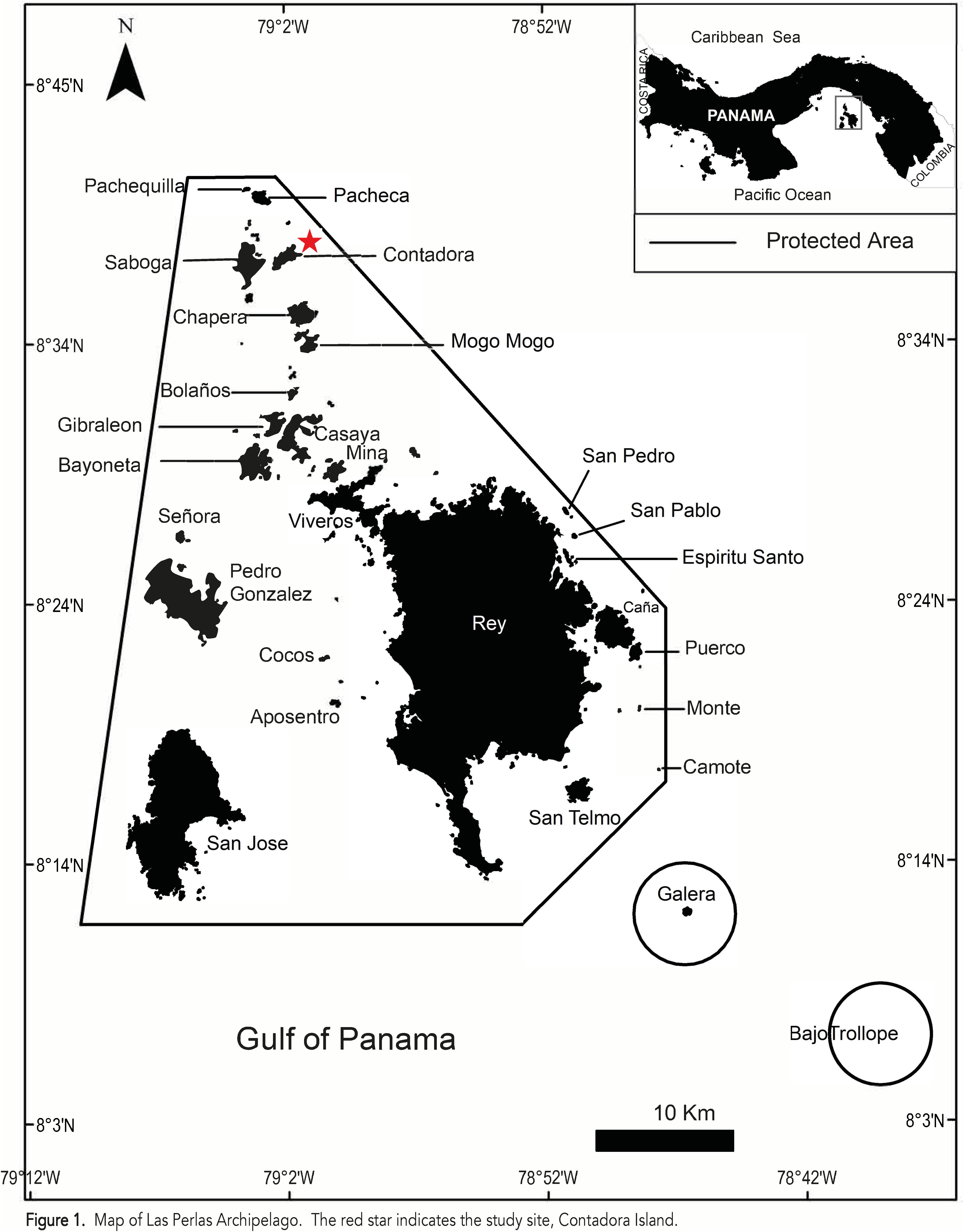
Figure 1. Map of Las Perlas Archipelago. The red star indicates the study site, Contadora Island.
Survey
Data for the analysis were obtained from a survey of tourists visiting Contadora Island. In the first section of the survey, respondents were asked about their knowledge about whale behavior, threats and conservation, before and after their whale-watching experience. The second section addressed their motivations and expectations, including the importance they placed on observing different whale behaviors. Finally, they were asked to rate their satisfaction with the experience, observations, and trip conditions (number of boats present, distance to the whales and boat speed). The survey also collected personal information from respondents about their attitudes, perceptions and beliefs toward whale conservation and socio-economic and demographic variables.
Surveys were implemented during August 2019 and were distributed to tourists who either took a formal whale-watching tour or an informal tour with a local fisherman. Based on the best available data1 on tourists visiting Contadora, an estimate of at least 1000 tourists arrived to this island in summer 2019, of which 150 tourists were invited to participate in this study and 111 of them completed the survey2 (response rate 74%). The survey was a self-administered intercept survey, where every third tourist leaving Contadora Island was intercepted and asked to fill out the survey on their own and return it to the interceptor upon completion. Tourists were approached at the waiting area in Contadora’s main dock prior to boarding the boat to leave the island, and at the main beaches. The questionnaires were available both in English and Spanish for the purpose of covering both foreign and local tourists. The survey was conducted under approval from the Arizona State University Institutional Review Board.
Analytical Approach
Among socio demographic aspects, gender was recorded, nationality and residency status grouped into three main regions: North America, Latin America, and Europe & Asia. Age groups were classified according to human development stages (Erikson, 1968): teenagers (13 to 19 years), young adults (20 to 40 years), middle−age adult (41 to 64 years), older−adults (65 years and older). Contingency tables were used for descriptions of socio−demographic aspects. We used 5-point Likert−scales to score the following: knowledge gains after the trip, motivation, satisfaction, and agreement with whale conservation statements. To assess how much respondents knew about whales and their conservation, they were asked to rate on a 5-point Likert scale their knowledge before and after the trip. Four knowledge categories were considered: whale behavior, threats to whales, whale conservation and whale-watching regulations. We used a non-parametric Mann-Whitney test to evaluate differences between knowledge prior to and after the experience.
Satisfaction was analyzed from two different angles. An importance- performance (IP) analysis was performed to assess satisfaction compared to expectations (Martilla and James, 1977; Sever, 2015). In the survey, participants were asked to indicate “how important was seeing X behaviors” as a motivation for the trip, using a 5-point Likert-scale from 1 = not at all important to 5 = extremely important. Whale behaviors include breaching, blow, tail slap, head slap, pectoral fin slap, fins exposure, fluke dive, and spy hop. The importance per respondent (I) was then compared to the satisfaction rating of seeing these behaviors (P). The difference between I and P indicates whether expectations were met (negative values) or if they were not (positive values). In addition to the IP analysis, we used regression analysis to determine which factors related to whale observations and trip conditions influenced visitor satisfaction. All statistical analyses and tests were performed using the software Stata 16.
Results
Socio−Demographic Characteristics
Of the 111 respondents who completed the survey, 51% were women. The average age of respondents was 43 years (see Table 1). Approximately 95% were foreigners and 5% from Panama. Respondents from Europe and Asia, particularly the Netherlands and Spain, accounted for 53% of all respondents. Latin American respondents accounted for another 27%, while the other 20% were tourists from the United States. Eighty six percent of the respondents had at least a 4-year university degree or higher, and more than 75% indicated having full-time employment. A mean of $91,000 USD with a standard deviation of $72,300 USD of household income was estimated from all respondents.
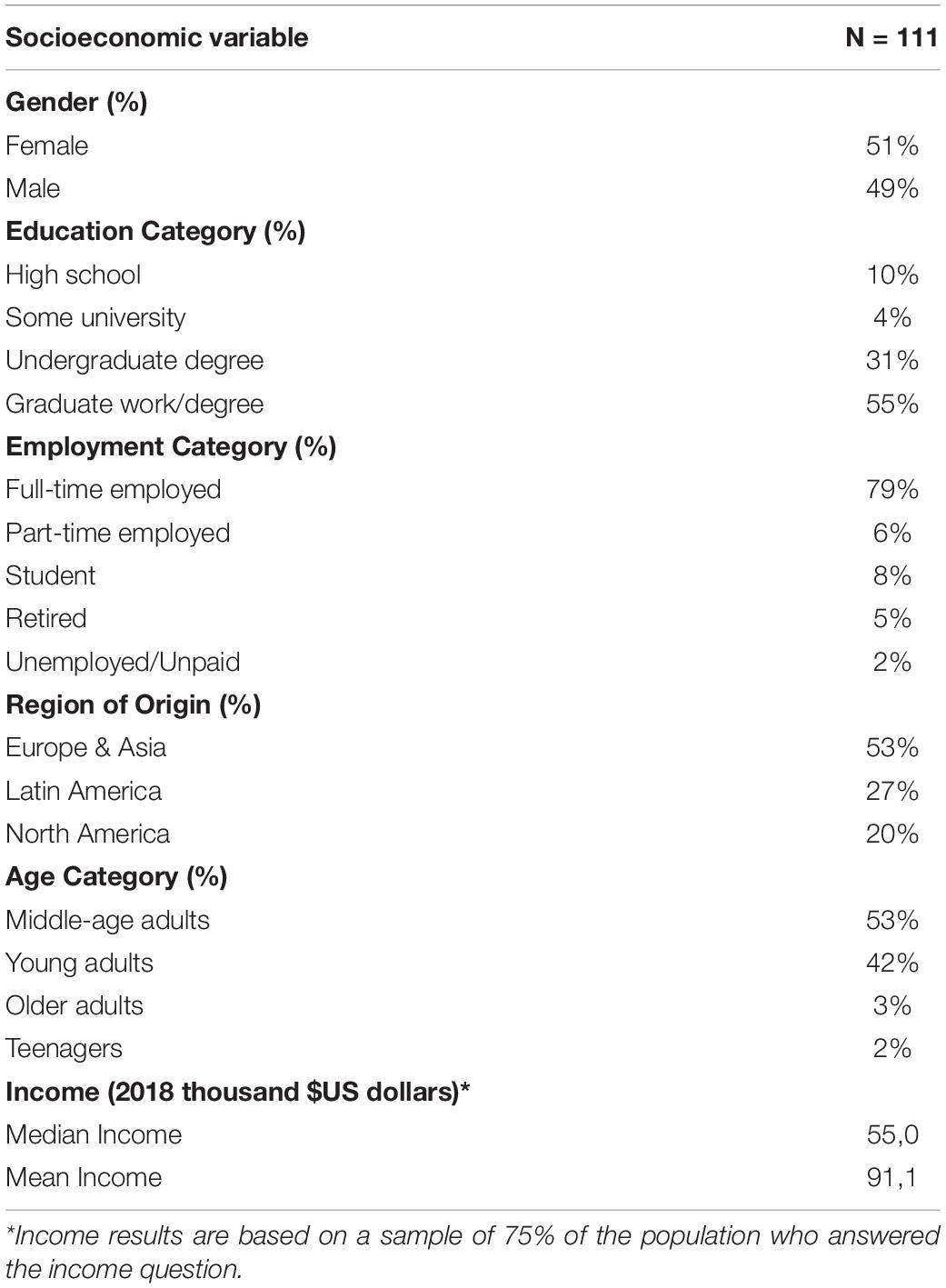
Table 1. Socio-demographic variables.
Knowledge Gains From the Whale-Watching Experience
Before taking a whale-watching tour, only 14.3% of survey respondents had a good or excellent knowledge about whale behavior, threats affecting whales and their conservation measures. After the whale-watching experience, respondents reported a significant 1-point median increase in knowledge about whales after their trip (see Table 2, P < 0.01). When comparing knowledge gains from the two type of whale-watching operations, we found significant differences between tour operators (mean = 0.81, median = 0.75, n = 39) and local fishermen (mean = 0.36, median = 0.25, n = 34, P < 0.05).
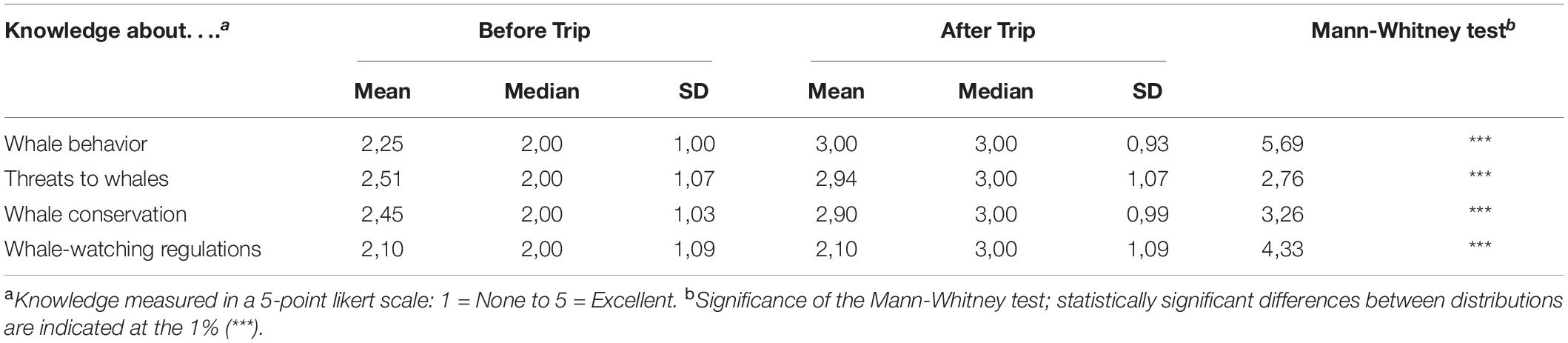
Table 2. Differences in knowledge about whales before and after the whale-watching experience.
When asked about the new topics learned during the whale-watching tour, respondents emphasized whale behavior, including parental care, breeding, and communication behaviors, and migration patterns in the region. Most respondents were also aware of the threats affecting whales and indicated that ocean pollution, climate change and improperly managed tourism are currently the most pressing threats requiring immediate action.
Motivations, Observations, and Satisfaction
Table 3 summarizes the main motivations and key observations of respondents. The results indicate that whale-watching is one of the main motivations to visit Contadora Island. Almost half of the respondents have seen whales in the past. During the study period, 99% of tourists surveyed saw whales exhibiting at least one behavior, with a median of four individual whales and five whale behaviors seen across the sample. Both the median motivation to see whale behaviors and the satisfaction to see these behaviors was “very important.”
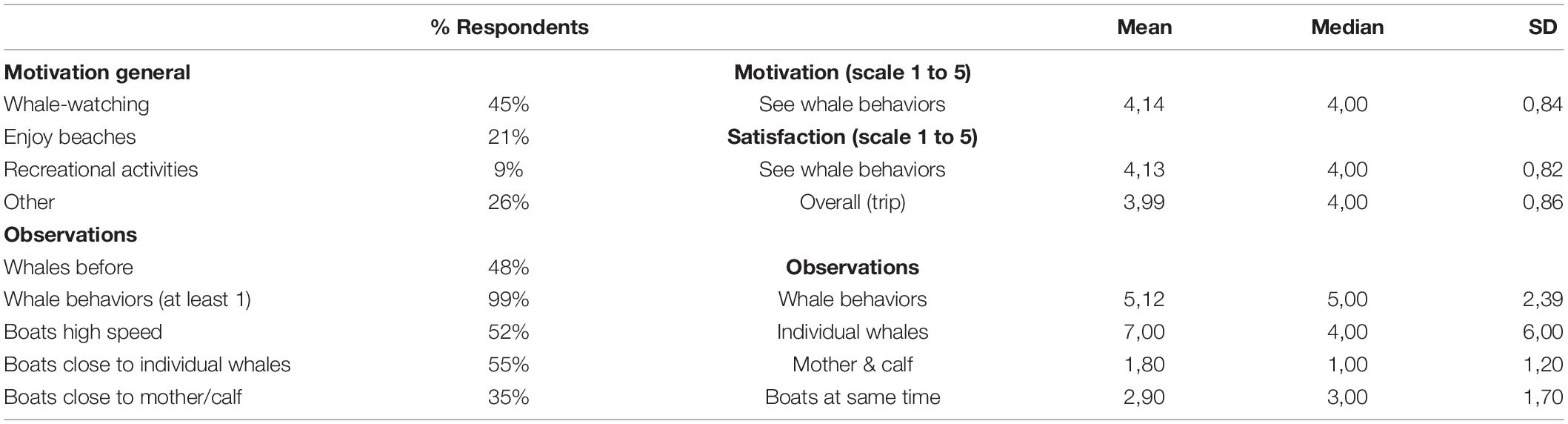
Table 3. Summary of motivations, observations, and satisfaction related to the whale-watching experience.
The IP analysis showed that most of the whale-watching experiences, 68%, meet or exceeded respondents expectations (Figure 2). In all these cases, the satisfaction of seeing whale behavior as part of the tour was the same or higher compared to initial motivation to see them. For 30 respondents, however, satisfaction levels were low. The main reasons indicated by respondents include not being able to see whales breaching, whales being too far away, not having enough time, lack of explanations, or desire for more interpretation, and bad weather conditions.
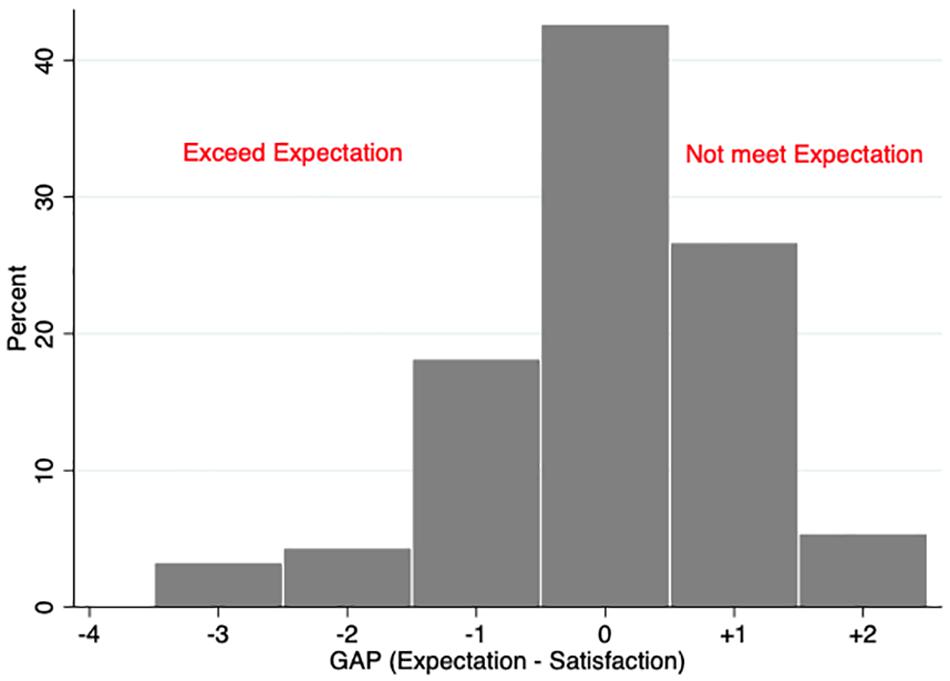
Figure 2. Results of the Expectation-Satisfaction Gap Analysis.
Results indicated that the median overall satisfaction for the whale-watching experience was rated high (4 out of 5, see Table 3). Regression results showed that this outcome is mostly driven by four variables: satisfaction of seeing whale behaviors (t = 15.55, p < 0.001); number of whale behaviors observed (t = 1.69, p < 0.10); proximity to the whales (t = 2.30, p < 0.05); and age (t = 3.20, p < 0.01). Other variables including: boats at high speed; whether respondents had observed whales prior to the trip; and gender did not have a significant effect on overall satisfaction (Table 4).
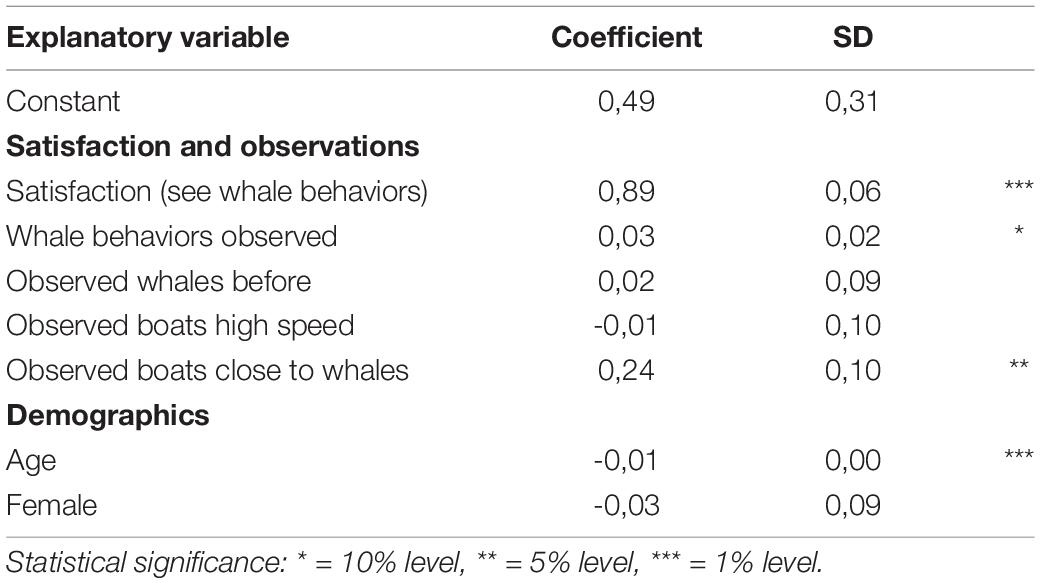
Table 4. Regression results: Factors influencing tourist satisfaction.
Respondent Reactions to Potential Impacts of Whale-Watching
Half of respondents did observe boats in close proximity to whales (55%) and boats going at high speed (52%) around the areas were whales are observed in Las Perlas Archipelago (Table 3). The vast majority of respondents, 87%, felt comfortable and excited to be close to the whales. A small number had safety concerns about being too close or about the potential impacts to whales. Our results showed a median of three additional boats at the same time in places where respondents watch whales, and in some cases up to six additional boats. Respondents were asked to indicate how comfortable they felt with the number of boats present at each place where they observed whales. Although comfort levels (as a satisfaction indicator) varied across the sample, median satisfaction represented in Figure 3 with red diamonds showed a decrease with increasing boats at a same place. In fact, with six boats at the same time, most respondents under this circumstance felt a little comfortable (mean = 1.77, median = 2). On average, the maximum number of boats that respondents found acceptable at one location for a whale-watching experience was three.
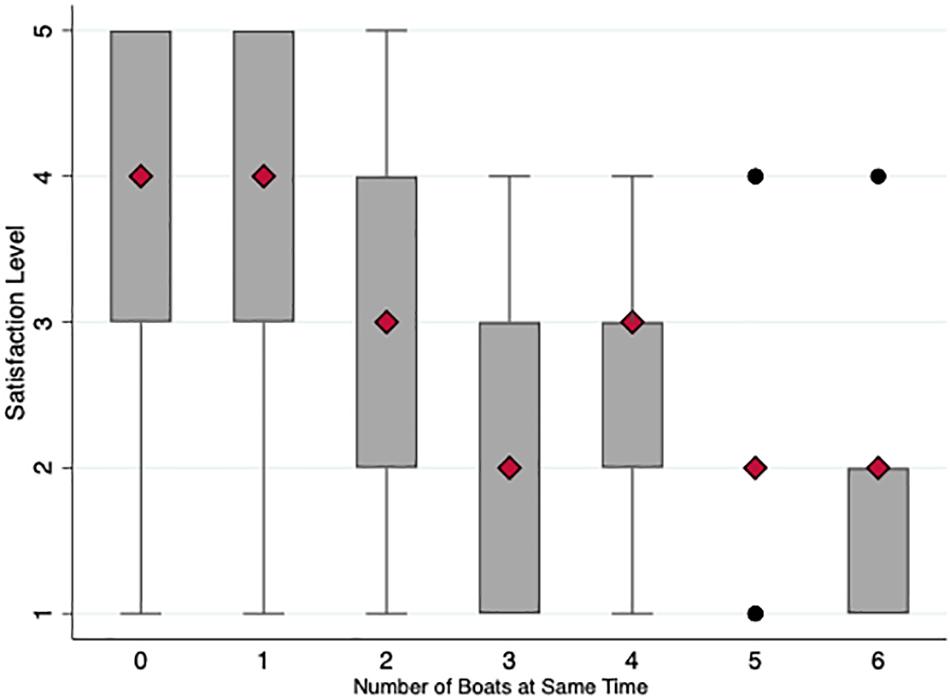
Figure 3. Changes in respondents’ satisfaction level with number of whale-watching boats present at a same time and location.
Attitudes, Perceptions, and Intentions Toward Whale Conservation
Respondents showed strong positive attitudes and beliefs toward whale conservation (Figure 4). Approximately 75% of respondents agreed that whale conservation is important for society, that actions to protect whales should be implemented globally and that more education is required to reduce threats on whales. However, at least 53% of respondents were not sure that whale watching is an activity that promotes whale conservation. This may be explained by concerns expressed about tourism impacts or by negative tour experiences. Almost 80% of respondents felt a strong responsibility toward protecting whales. In addition, most respondents (72%) indicated a potential intention to not participate in whale-watching activities that would cause stress on whales. In addition to these attitude and belief statements, respondents were asked whether they would be willing to pay a fee to implement additional actions to conserve whales in this area. Although the sample size was too small for a comprehensive and statistically significant analysis of willingness to pay, the results gave some indication as to the potential for this initiative. Eighty percent (80%) of respondents stated that would be willing to pay a fee for this purpose with an average amount of 26.50 USD.
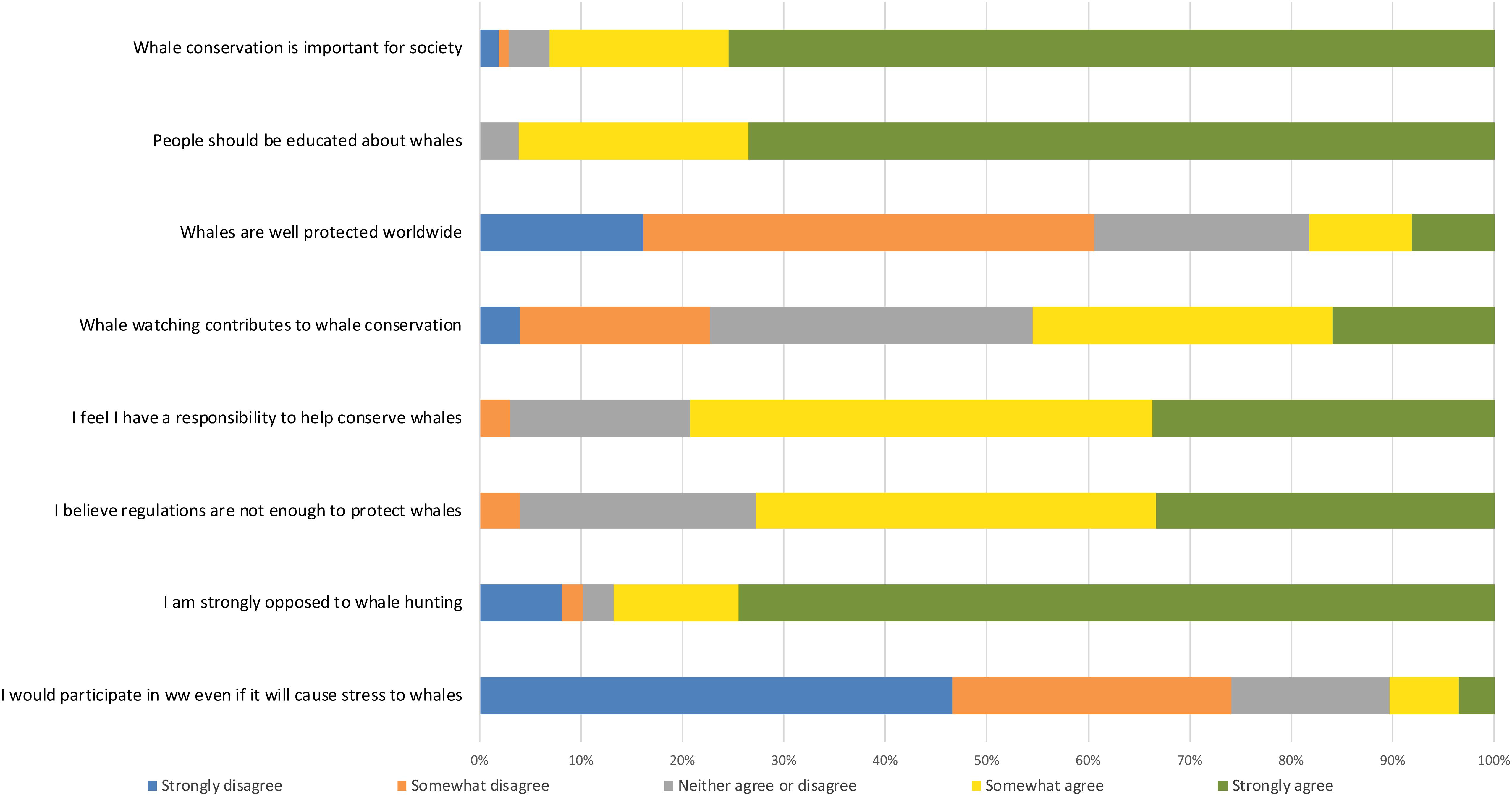
Figure 4. Level of agreement with statements about whale conservation.
Discussion
Here, we provide the first qualitative analysis of some of the social aspects regarding a growing whale-watching activity in Las Perlas Archipelago in Panama. Our results suggest that during whale watching visitors gained new knowledge and awareness about whales and their conservation. In addition, we found overall high satisfaction levels after the nature-based experience, largely influenced by the positive impact of observing whale behaviors. Both outcomes highlight the role of whale-watching as a potential tool for enhancing knowledge about whales and connection with wildlife; for increasing awareness of whale conservation; and potentially for fostering pro-conservation attitudes and intentions. However, we also identified areas for improvement where these positive aspects can be further enhanced, and where whale-watching activities in this region can be better managed and enforced.
Enhancing the Learning Experience From Whale-Watching
Of the respondents who participated in a whale-watching tour during the study, 63% gained new knowledge about whales. This shows that 37% of the respondents did not learn something new after the trip. This may be partly explained by the large percentage of respondents with either undergraduate (31%) or graduate (55%) university degrees, who likely have a higher baseline knowledge than the general population. This high-level of education among whale-watchers has been found in other studies (Lück, 2003; Parsons et al., 2003; García-Cegarra and Pacheco, 2017). However, even well-educated tourists may lack specific knowledge about wildlife and conservation issues at this site. Therefore, there is room to increase the level of interpretation and knowledge-based activities during whale-watching experiences.
The involvement of all the agents offering whale-watching activities is also key to increasing the educational benefits from this activity. In Las Perlas, whale-watching tours are carried out by tour operators and by local fishermen from different islands within the archipelago. Our results suggest that knowledge gains are significantly higher for the more formal tour operations that have operated for longer time in the area. The interpretation role of the tour guide in these tours is crucial for the learning experience of participants (Stronza and Durham, 2008; Zeppel and Muloin, 2008). However, trips organized by local fishermen, which have increased in recent years, do not have a tour guide nor do they include interpretation material, and there is frequently a language barrier. This emphasizes the need to complement and increase training efforts oriented to local stakeholders who are joining this venture. Under current Panamanian regulations, there are specific articles that mandate actions that, if implemented, will promote a better overall educational experience. These include: (a) that all operators must have a certified tour guide or captain specialized in cetaceans and the current regulations; (b) the guide or the captain must pass a training course validated by the Ministry of Environment that includes learning about whale biology, behavior, identification, but also group management techniques, safety standards, first-aid, and emergency protocols; (c) all certified guides and captains should update their record every 2 years (Ministry of the Environment, Republic of Panama, 2017).
Linking Satisfaction and Whale Conservation
Satisfaction is a key social indicator for evaluating psychological benefits from tourism and recreational activities. In the case of wildlife tourism, one of the main goals is to balance potential impacts or disturbances to the target species with a high level of satisfaction and enjoyment from the tourist (Orams, 1995b, 2000). Generally, tourists are attracted to seeing cetaceans in the wild, and their satisfaction with whale-watching operations is largely related to the presence of whales and being able to observe their behaviors (e.g., Orams, 2000; Lopez and Pearson, 2017). Whales exhibit fascinating behaviors, including breaching, fin exposure and tail slaps, which motivate people to participate in whale encounters. This study showed that respondent satisfaction after a whale-watching experience is high on average and significantly correlated with the number and frequency of whales and behaviors observed.
In order to allow tourists to better appreciate whale behaviors, tour operators may be inclined to get as close as possible to the whales (Orams, 2000; Shapiro, 2006; Whitt and Read, 2006; Kessler et al., 2014). Our results suggest that tourist satisfaction is also positively correlated with proximity to whales. Only 10 respondents (9.17% of the sample) commented that they did not feel comfortable with proximity and expressed safety concerns. Tourists tend to be highly satisfied when operators follow best practices and guidelines to reduce potential impacts to whales (Lück, 2003; Draheim et al., 2010; Kessler et al., 2014). In the case of whale watching at Las Perlas, more work may be required to educate visitors on best practices for whale watching, with a special emphasis on the importance of complying with speed levels and minimum acceptable distances to guarantee both whales’ and tourists’ safety.
Unsustainable whale-watching practices can also have negative impacts on the tourism industry itself. Some studies have shown that tourist satisfaction and intention to return go beyond whale-watching observations, and are also influenced by perceptions of their own safety and the sustainability of whale-watching practices (e.g., García-Cegarra and Pacheco, 2017). For example, low levels of satisfaction have been recorded in tours with vessel overcrowding and failure to maintain a prudent distance between the boats and the whales (Ávila-Foucat et al., 2013; Bentz et al., 2016). This does not seem to be the case at present in Las Perlas. Nevertheless, enforcement of sustainable and lower-impact measures should be implemented so as not to jeopardize the long-term benefits to both the community and the visitors.
Opportunities to Improve Compliance of Whale-Watching Regulations
Countries where whale-watching tourism has been growing in recent years have been developing regulations and following guidelines for best practices to minimize impacts on whales. In 2017, the Government of Panama passed Regulation Number 0530-2017 on rules and management measures for dolphin and whale-watching activities in Panamanian waters. The regulation defines a detailed set of rules referring to both administrative, interpretation and technical procedures. Among technical mandates the most important are (a) vessels must keep a minimal distance of 250 meters from the whales, (b) there is a maximum speed of 4 knots or 7 kilometers per hour in the whale-watching area, (c) an maximum observation time of 30 min in a single location, and (d) a maximum of 2 boats (keeping a parallel distance of at least 200 m between them) are permitted at the same time with the same group of whales (Ministry of the Environment, Republic of Panama, 2017). Our results suggest a low compliance of all these regulations in Las Perlas Archipelago. Approximately 50% of respondents expressed a perception of boats navigating at high speed, boats at close proximity to whales and even calves, and observed on average three additional boats at the same time in one specific location, with some sites reaching as many as seven boats in total. Regarding the latter, median satisfaction levels showed a decrease with additional number of boats (Figure 3). This is an important argument to improve the quality of the experience in the area by complying with the rule of maximum two boats at the same time. In addition, when evaluating attitudes and beliefs toward whale conservation, the majority of respondents indicated a high level of agreement with actions to protect whales. Managers and tour operators can consider these positive attitudes together with a strong interpretation about regulations and conservation measures on-board to ensure that tourists are active promoters of best practices on-site. It is clear that despite a comprehensive set of regulations that includes fines for non-compliance, there is an urgent need to improve their enforcement, and to implement a well-defined visitor monitoring program to guarantee the long-term benefits of whale watching in Panama.
Data Availability Statement
The raw data supporting the conclusions of this article will be made available by the authors, without undue reservation.
Ethics Statement
The studies involving human participants were reviewed and approved by the Arizona State University Office of Research Integrity and Assurance. Written informed consent for participation was not required for this study in accordance with the national legislation and the institutional requirements.
Author Contributions
SC, KS, HG, and LG conceptualized the idea for research. KS and AA implemented the research in the field. SC and MG-F analyzed the data and wrote the manuscript. All co-authors provided valuable input during the drafting of the manuscript.
Funding
This research would not have been possible without the generous funding from the Smithsonian Tropical Research Institute (STRI)-Arizona State University (ASU) Collaborative Initiative.
Conflict of Interest
The authors declare that the research was conducted in the absence of any commercial or financial relationships that could be construed as a potential conflict of interest.
Supplementary Material
The Supplementary Material for this article can be found online at: https://www.frontiersin.org/articles/10.3389/fmars.2021.627348/full#supplementary-material
Footnotes
- ^ Records of passengers transported from Panama City to Las Perlas Archipelago from main maritime and air transportation companies, information, however, is incomplete.
- ^ This sample size is small and it corresponds to 8.77% margin of error; however, results are still informative considering that it is a preliminary assessment.
References
Ajzen, I., Czasch, C., and Flood, M. G. (2009). From intentions to behavior: implementation intention, commitment and conscientiousness. J. Appl. Soc. Psychol. 39, 1356–1372. doi: 10.1111/j.1559-1816.2009.00485.x
Amrein, A. M., Guzman, H. M., Surrey, K. C., Polidoro, B., and Gerber, L. R. (2020). Impacts of whale watching on the behavior of humpback whales (Megaptera novaeangliae) in the Coast of Panama. Front. Mar. Sci. 7:601277. doi: 10.3389/fmars.2020.601277
Andersen, M. S., and Miller, M. L. (2006). Onboard marine environmental education: whale watching in the San Juan Islands, Washington. Tour. Mar. Environ. 2, 111–118. doi: 10.3727/154427306779436327
Ávila-Foucat, V. S., Vargas, A. S., Jordan, A. F., and Flores, O. R. (2013). The impact of vessel crowding on the probability of tourists returning to whale watching in Banderas Bay. Mexico. Ocean Coast. Manag. 78, 12–17. doi: 10.1016/j.ocecoaman.2013.03.002
Bentz, J., Lopes, F., Calado, H., and Dearden, P. (2016). Enhancing satisfaction and sustainable management: whale watching in the Azores. Tour. Manag. 54, 465–476. doi: 10.1016/j.tourman.2015.11.016
Birtles, A., Valentine, P., Curnock, M., Arnold, P., and Dunstan, A. (2002). Incorporating visitor experiences into ecologically sustainable dwarf minke whale tourism in the northern Great Barrier Reef. CRC Reef Res. Centre Techn. Rep. 42, 1–65.
Cheng, I. N., Cheung, L. T., Chow, A. S., Fok, L., and Cheang, C. C. (2018). The roles interpretative programmes in supporting the sustainable operation of the nature-based activities. J. Clean. Prod. 200, 380–389. doi: 10.1016/j.jclepro.2018.07.293
Cisneros-Montemayor, A. M., Sumaila, U. R., Kaschner, K., and Pauly, D. (2010). The global potential for whale watching. Mar. Policy 34, 1273–1278. doi: 10.1016/j.marpol.2010.05.005
Clark, E., Mulgrew, K., Kannis-Dymand, L., Schaffer, V., and Hoberg, R. (2019). Theory of planned behaviour: predicting tourists’ pro-environmental intentions after a humpback whale encounter. J. Sustain. Tour. 27, 649–667. doi: 10.1080/09669582.2019.1603237
Cunningham, P. A., Huijbens, E. H., and Wearing, S. L. (2012). From whaling to whale watching: examining sustainability and cultural rhetoric. J. Sustain. Tour. 20, 143–161. doi: 10.1080/09669582.2011.632091
Draheim, M., Bonnelly, I., Bloom, T., Rose, N., and Parsons, E. C. M. (2010). Tourist attitudes towards marine mammal tourism: an example from the dominican republic. Tour. Mar. Environ. 6, 175–183. doi: 10.3727/154427310X12764412619046
Einarsson, N. (2009). From good to eat to good to watch: whale watching, adaptation and change in Icelandic fishing communities. Polar Res. 28, 129–138. doi: 10.1111/j.1751-8369.2008.00092.x
Filby, N. E., Stockin, K. A., and Scarpaci, C. (2015). Social science as a vehicle to improve dolphin-swim tour operation compliance? Mar. Policy 51, 40–47. doi: 10.1016/j.marpol.2014.07.010
Finkler, W., and Higham, J. (2004). The human dimensions of whale watching: an analysis based on viewing platforms. Hum. Dimens. Wildl 9, 103–117. doi: 10.1080/10871200490441757
Fiori, L., Martinez, E., Orams, M. B., and Bollard, B. (2019). Effects of whale-based tourism in Vava’u, Kingdom of tonga: behavioural responses of humpback whales to vessel and swimming tourism activities. PLoS One 14:e0219364. doi: 10.1371/journal.pone.0219364
Foote, A. D., Osborne, R. W., and Hoelzel, A. R. (2004). Environment: whale-call response to masking boat noise. Nature 428:910. doi: 10.1038/428910a
García-Cegarra, A. M., and Pacheco, A. S. (2017). Whale-watching trips in Peru lead to increases in tourist knowledge, pro-conservation intentions and tourist concern for the impacts of whale-watching on humpback whales. Aquat. Conserv. 27, 1011–1020. doi: 10.1002/aqc.2754
García-Cegarra, A. M., Villagra, D., Gallardo, D. I., and Pacheco, A. S. (2019). Statistical dependence for detecting whale-watching effects on humpback whales. J. Wildl. Manag. 83, 467–477. doi: 10.1002/jwmg.21602
Gleason, C., and Parsons, E. C. M. (2019). Recent advances in whale-watching research: 2018–2019. Tour. Mar. Environ. 14, 199–210. doi: 10.3727/154427319X15645796379985
Guidino, C., Campbell, E., Alcorta, B., Gonzalez, V., Mangel, J. C., Pacheco, A. S., et al. (2020). Whale watching in northern Peru: an economic boom? Tour. Mar. Environ. 15, 1–10. doi: 10.3727/154427320x15819596320544
Guzman, H. M., Condit, R., Perez, B., Capella, J., and Stevick, P. (2015). Population size and migratory connectivity of humpback whales wintering in Las Perlas Archipelago. Panama. Mar. Mam. Sci. 31, 90–105.
Guzman, H. M., Condit, R., Pérez-Ortega, B., Capella, J. J., and Stevick, P. T. (2014). Population size and migratory connectivity of humpback whales wintering in Las Perlas Archipelago, Panama. Mar. Mam. Sci. 31, 90–105. doi: 10.1111/mms.12136
Guzman, H. M., Gomez, C. G., Guevara, C. A., and Kleivane, L. (2013). Potential vessel collisions with southern hemisphere humpback whales wintering off Pacific Panama. Mar. Mamm. Sci. 29, 629–642. doi: 10.1111/j.1748-7692.2012.00605.x
Guzman, H. M., Hinojosa, N., and Kaiser, S. (2020). Ship’s compliance with a traffic separation scheme and speed limit in the Gulf of Panama and implications for the risk to humpback whales. Mar. Policy 120, 104–113. doi: 10.1016/j.marpol.2020.104113
Ham, S. H., and Weiler, B. (2002). “Interpretation as the centrepiece of sustainable wildlife tourism,” in Sustainable Tourism: A Global Perspective, eds R. Harris, T. Griffin, and P. Williams (London: Butterworth-Heinneman), 35–44.
Higginbottom, K. (2004). Wildlife Tourism: Impacts, Management and Planning. Altona, VIC: Common Ground Publishing for CRC for Sustainable Tourism.
Hoberg, R., Kannis-Dymand, L., Mulgrew, K., Schaffer, V., and Clark, E. (2020). Humpback whale encounters: encouraging pro-environmental behaviours. Curr. Issues Tour. 1–12. doi: 10.1080/13683500.2020.180859
Hoyt, E. (2001). Whale Watching 2001: Worldwide Tourism Numbers, Expenditures, and Expanding Socioeconomic Benefits. Yarmouth Port, MA: International Fund for Animal Welfare.
International Whaling Commission (IWC) (1998). Report of the scientific committee, annex G. Report of the sub-committee on the comprehensive assessment of southern hemisphere humpback whales. Rep. Int. Whaling Commun. 48, 170–182.
International Whaling Commission (IWC) (2019). Report of the IWC Scientific Committee. PDF. Cambridge: IWC.
Jacobs, M. H., and Harms, M. (2014). Influence of interpretation on conservation intentions of whale tourists. Tour. Manag. 42, 123–131. doi: 10.1016/j.tourman.2013.11.009
Kassamali-Fox, A., Christiansen, F., May-Collado, L., Ramos, E. A., and Kaplin, B. (2020). Tour boats affect the activity patterns of bottlenose dolphins (Tursiops truncatus) in Bocas del Toro, Panama. PeerJ 8:e8804. doi: 10.7717/peerj.8804
Kessler, M., Harcourt, R., and Bradford, W. (2014). Will whale watchers sacrifice personal experience to minimize harm to whales? Tour. Mar. Environ. 10, 21–30. doi: 10.3727/154427314X14056884441662
Lopez, G., and Pearson, H. C. (2017). Can whale watching be a conduit for spreading educational and conservation messages? A case study in Juneau, Alaska. Tour. Mar. Environ. 12, 95–104. doi: 10.3727/154427316x14779456049821
Lück, M. (2003). Education on marine mammal tours as agent for conservation—but do tourists want to be educated? Ocean. Coast Manag. 46, 9–10. doi: 10.1016/s0964-5691(03)00071-1
Martilla, J. A., and James, J. C. (1977). Importance-performance analysis. J. Mark. 41, 77–79. doi: 10.1177/002224297704100112
Mayes, G., Dyer, P., and Richins, H. (2004). Dolphin-human interaction: pro-environmental attitudes, beliefs and intended behaviors and actions of participants in interpretation programs: a pilot study. Ann. Leis. Res. 7, 34–53. doi: 10.1080/11745398.2004.10600938
Ministry of the Environment, Republic of Panama (2017). Resolución No. DM-0530-2017. Gaceta Oficial Digital N 28389-B, Panamá, República de Panamá Gaceta Oficial Digital N 28389-B, Panamá, República de Panamá. Available online at: https://www.gacetaoficial.gob.pa/pdfTemp/28389_B/GacetaNo_28389b_20171018.pdf (accessed June 20, 2020).
Morete, M. E., Bisi, T. L., and Rosso, S. (2007). Mother and calf humpback whale responses to vessels around the Abrolhos Archipelago. Bahia, Brazil. J. Cetacean Res. Manag. 9, 241–248.
Nielson, J. L., Gabriele, C. M., Jensen, A. S., Jackson, K., and Straley, J. M. (2012). Summary of reported whale-vessel collisions in Alaskan waters. J. Mar. Biol. 2012, 1–18.
O’Connor, S., Campbell, R., Cortez, H., and Knowles, T. (2009). Whale watching worldwide: tourism numbers, expenditures and expanding economic benefits. Int. Fund. Anim. Welfare 21, 38–46.
Orams, M. (2004). Why dolphins may get ulcers: considering the impacts of cetacean-based tourism in New Zealand. Tour. Mar. Environ. 1, 17–28. doi: 10.3727/154427304774865878
Orams, M. B. (1995a). A conceptual model of tourist wildlife interaction: the case for education as a management strategy. Austr. Geogr. 27, 39–51. doi: 10.1080/00049189608703156
Orams, M. B. (1995b). Towards a more desirable form of ecotourism. Tour. Manag. 16, 3–8. doi: 10.1016/0261-5177(94)00001-Q
Orams, M. B. (1997). The effectiveness of environmental education: can we turn tourists into ‘greenies’? Prog. Tour. Hosp. Res. 3, 295–306.
Orams, M. B. (2000). Tourists getting close to whales, is it what whale-watching is all about? Tour. Manag. 21, 561–569. doi: 10.1016/s0261-5177(00)00006-6
Parsons, E. C. M. (2012). The negative impacts of whale-watching. J. Mar. Biol. 2012, 1–9. doi: 10.1155/2012/807294
Parsons, E. C. M., Warburton, C. A., Woods-Ballard, A., Hughes, A., Johnston, P., Bates, H., et al. (2003). Whale-watching tourists in West Scotland. J. Ecotourism. 2, 93–113. doi: 10.1080/14724040308668137
Peake, S., Innes, P., and Dyer, P. (2009). Ecotourism and conservation: factors influencing effective conservation messages. J. Sustain. Tour. 17, 107–127. doi: 10.1080/09669580802276000
Rossing, P. A. (2006). Evaluating Ecotourism in Mexico’s Biosphere Reserves—Whale Watching Activities in the World Heritage Site of Laguna San Ignacio, Baja California Sur, Mexico 1994–2002. Master’s Thesis, University of British Columbia, Vancouver, BC.
Rossi-Santos, M. (2016). Whale-watching noise effects on the behavior of humpback whales (Megaptera novaeangliae) in the Brazilian breeding ground. Proc. Meet. Acoust. 27:040003. doi: 10.1121/2.0000271
Scarpaci, C., and Parsons, E. C. M. (2015). Recent advances in whale-watching research: 2013–2014. Tour. Mar. Environ. 11, 79–86. doi: 10.3727/154427315x14398263718556
Schaffar, A., Madon, B., Garrigue, C., and Constantine, R. (2013). Behavioural effects of whale-watching activities on an endangered population of humpback whales wintering in New Caledonia. Endanger. Species Res. 19, 245–254. doi: 10.3354/esr00466
Schanzel, H. (2004). “Educational entertainment: the emotive and personal context of environmental interpretation,” in Proceedings of the New Zealand Tourism and Hospitality Research Conference, eds K. A. Smith and C. Scott (Wellington: Victoria University of Wellington), 348–356.
Schwoerer, T., Knowler, D., and Garcia-Martinez, S. (2016). The value of whale watching to local communities in Baja, Mexico: a case study using applied economic rent theory. Ecol. Econom. 127, 90–101. doi: 10.1016/j.ecolecon.2016.03.004
Senigaglia, V., Christiansen, F., Bejder, L., Gendron, D., Lundquist, D., Noren, D. P., et al. (2016). Meta-analyses of whale-watching impact studies: comparisons of cetacean responses to disturbance. Mar. Ecol. Prog. Ser. 542, 251–263. doi: 10.3354/meps11497
Sever, I. (2015). Importance-performance analysis: a valid tool? Tour. Manag. 48, 43–53. doi: 10.1016/j.tourman.2014.10.022
Shapiro, K. R. (2006). Whale Watch Passengers’ Preferences for Tour Attributes and Marine Management in Maui, Hawaii. PhD Dissertation, Simon Fraser University, Burnaby, BC.
Sitar, A., May-Collado, L. J., Wright, A., Peters-Burton, E., Rockwood, L., and Parsons, E. C. M. (2017). Tourists’ perspectives on dolphin watching in Bocas Del Toro. Panama. Tour. Mar. Environ. 12, 79–94. doi: 10.3727/154427316x14820977775343
Sitar, A., May-Collado, L. J., Wright, A. J., Peters-Burton, E., Rockwood, L., and Parsons, E. C. M. (2016). Boat operators in Bocas del Toro, Panama display low levels of compliance with national whale-watching regulations. Mar. Policy 68, 221–228. doi: 10.1016/j.marpol.2016.03.011
Sitar, A., and Parsons, E. C. M. (2019). More evidence of unsustainable dolphin-watching practices in Bocas del Toro. Panama. Hum. Dimens. Wildl. 24, 293–295. doi: 10.1080/10871209.2019.1605007
Stamation, K. A., Croft, D. B., Shaughnessy, P. D., Waples, K. A., and Briggs, S. V. (2007). Educational and conservation value of whale watching. Tour. Mar. Environ. 4, 41–55. doi: 10.3727/154427307784835660
Stamation, K. A., Croft, D. B., Shaughnessy, P. D., Waples, K. A., and Briggs, S. V. (2010). Behavioral responses of humpback whales (Megaptera novaeangliae) to whale-watching vessels on the southeastern coast of Australia. Mar. Mam. Sci. 26, 98–122. doi: 10.1111/j.1748-7692.2009.00320.x
Stronza, A., and Durham, W. H. (2008). Ecotourism and Conservation in the Americas. Oxfordshire: CABI Publishing.
Wearing, S. L., Cunningham, P. A., Schweinsberg, S., and Jobberns, C. (2014). Whale watching as ecotourism: how sustainable is it? Cosmop. Civ. Soc. 6, 38–55. doi: 10.5130/ccs.v6i1.3714
Whitt, A. D., and Read, A. J. (2006). Assessing compliance to guidelines by dolphin-watching operations in Clearwater, Florida, USA. Tour. Mar. Environ. 3, 117–130. doi: 10.3727/154427306779435265
Williams, R., Bain, D., Ford, J., and Trites, A. (2002). Behavioural responses of killer whales to a ‘leapfrogging’ vessel. J. Cetacean Res. Manag. 4, 305–310.
Zeppel, H., and Muloin, S. (2008). Conservation benefits of interpretation on marine wildlife tours. Hum. Dimens. Wildl. 13, 280–294. doi: 10.1080/1087120080218710
Keywords: whale-watching, tourist knowledge, satisfaction, management measures, conservation attitudes and behaviors
Citation: Cárdenas S, Gabela-Flores MV, Amrein A, Surrey K, Gerber LR, Guzmán HM (2021) Tourist Knowledge, Pro-Conservation Intentions, and Tourist Concern for the Impacts of Whale-Watching in Las Perlas Archipelago, Panama. Front. Mar. Sci. 8:627348. doi: 10.3389/fmars.2021.627348
Received: 09 November 2020; Accepted: 16 March 2021;
Published: 13 April 2021.
Edited by:
Aldo S. Pacheco, National University of San Marcos, PeruReviewed by:
Ana Garcia, University of Santo Tomas, ChileE. Christien Michael Parsons, National Science Foundation (NSF), United States
Copyright © 2021 Cárdenas, Gabela-Flores, Amrein, Surrey, Gerber and Guzmán. This is an open-access article distributed under the terms of the Creative Commons Attribution License (CC BY). The use, distribution or reproduction in other forums is permitted, provided the original author(s) and the copyright owner(s) are credited and that the original publication in this journal is cited, in accordance with accepted academic practice. No use, distribution or reproduction is permitted which does not comply with these terms.
*Correspondence: Susana Cárdenas, c2FjYXJkZW5hc0B1c2ZxLmVkdS5lYw==