SN
subhashree nayak
National Institute of Arthritis and Musculoskeletal and Skin Diseases (NIH)
Bethesda, United States
5,672
Total downloads
22k
Total views and downloads
Complex diseases demand a diversified approach to address the challenges faced owing to their multifactorial nature. Recently epigenetic gene regulation has gained significant traction in understanding the nuances of transcriptional networks and in turn the gene-environment crosstalk. This holds even greater significance where complex diseases are involved, due to their inherent genre of multifaceted effects in addition to genetic predisposition. Epigenetic effects are dynamic and often reversible, unlike their genetic counterparts, but have a substantial effect on transcripts and proteins. Latest reports establish the importance of exploration of the epigenetic machinery for a better understanding of the molecular basis of complex disorders.
Precise temporospatial gene expression is central to maintaining tissue homeostasis, and changes to this vital process unhinges the equilibrium, causing a cascade of mis-signaling leading to a disease state. The epigenetic machinery is affected by processes including in utero development, childhood exposure, environmental chemicals, drugs, pharmaceuticals, aging, stress, and diet. All these factors affect the epigenome of an individual and has implication in disequilibrium brought about in a complex disease. The pathophysiology of complex disorders could be better explained by combining various methodologies to gain insights into the risk factors, symptoms, and etiology, even help develop novel drug targets. Recent technological advancements have broadened the horizons of gene regulation, including single-cell technologies, systems biology, epitranscriptomics, non-coding RNAs, etc. Another evolving area is social epigenomics, primarily in cancer research, studying the epigenomic changes brought about by exposure to various environmental and social stressors contributed by socio-economic status. Epigenome research needs to be further explored in the context of these emerging technologies and avenues, which would not only promote better knowledge of the disease biology, but also identify and conceive new therapeutics.
This research topic aims to gather inspiring, and recent trends in epigenomic regulation in the field of complex disorders. We encourage high-quality, original research and review articles pertaining to complex disorders in the context of epigenetic regulation of gene expression, centering on enlightening current literature and introducing novel cellular mechanisms, biomarkers, and advanced applications in clinical subgroups. The most relevant themes may include, but are not limited to:
1. New epigenetic modulators in complex disorders (chromatin accessibility, occupancy, and conformation, non-coding RNAs, and epitranscriptomics)
2. Novel insights into the gene-environment interplay and its impact on gene regulation in complex diseases
3. Meta-analyses utilizing public datasets to gain new insights into the molecular mechanism of a particular complex disease and clinical subgroups
4. New technological advancements in epigenomic research of complex disorders
5. Translational research focused on rare diseases utilizing single cell technologies to integrate epigenetic molecular signatures with clinical outcomes
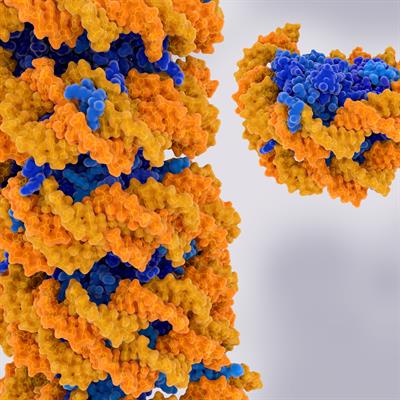
Keywords: Complex Disease, Epigenomics, RNA, Chromatin Dynamics, Meta-Analyses, Histone Modification, Methylation, Gene-Environment Crosstalk, Single-Cell Technology
Important note: All contributions to this Research Topic must be within the scope of the section and journal to which they are submitted, as defined in their mission statements. Frontiers reserves the right to guide an out-of-scope manuscript to a more suitable section or journal at any stage of peer review.
