GJ
george jackson
Loma Linda University
Loma Linda, United States
5,888
Total downloads
26k
Total views and downloads
New technology is now providing a window into many areas of the ocean environment that was previously opaque. These techniques have been especially useful for discerning diet, food chains, trophic links and even the presence of specific species in a region or ecosystem. Such techniques can now routinely detect important features of marine ecosystems which in the past would have been difficult, if not, impossible to discern or observe. These techniques are providing new and exciting discoveries which can help to sharpen our understanding of important processes in marine ecosystems from the intertidal to the deep sea.
Current issues in marine ecology require us to obtain critical information in a timely and cost-effective way along with minimally invasive techniques. In this Research Topic we would like to explore how new technology and methodologies are being used to answer pressing ecosystem questions. These new techniques can provide information that may have been difficult and, in some cases, almost impossible to obtain in the past. Such techniques have the potential to profoundly change our understanding of habitat use, species interactions and discerning the trophic ecology of marine systems in greater detail. This is especially relevant in ocean environments that have been traditionally hard to investigate such as the deep sea or other extreme and remote environments.
We are interested in the application of new methodologies and cutting-edge techniques to answer pressing questions in marine ecology and trophic studies. We therefore invite original research, reviews, perspectives or commentaries on the following topics
• How stable isotope analysis is answering questions and providing insights into marine ecology and food chains
• New applications for compound-specific stable isotopes
• The use of fatty acid and lipid analysis in predator-prey studies
• Application of heavy metal analysis to discern trophic linkages
• Using DNA barcoding to discern diet composition
• Application of environmental DNA for understanding the presence of species in ecosystems
• How new methodologies and techniques are answering critical ecological questions in deep sea, remote or other extreme marine environments
• How the application of new technology is revealing new, surprising and previously unrecognized features in marine environments and food chains
• Using some of these above techniques to discern movement and migration patterns
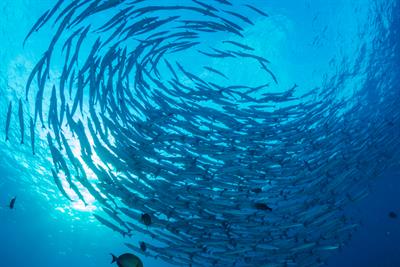
Keywords: lipid, fatty acids, barcoding, stable isotopes, heavy metals, environmental DNA
Important note: All contributions to this Research Topic must be within the scope of the section and journal to which they are submitted, as defined in their mission statements. Frontiers reserves the right to guide an out-of-scope manuscript to a more suitable section or journal at any stage of peer review.
