LM
lukas meyer
University Medical Center Hamburg-Eppendorf
Hamburg, Germany
2,118
Total downloads
13k
Total views and downloads
Submit your idea
Select the journal/section where you want your idea to be submitted:
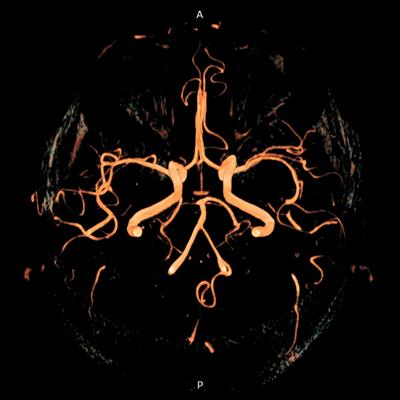
Endovascular stroke treatment has become the first-line therapy for large vessel occlusion stroke in the past years. With advances in catheter technology and the development of smaller thrombectomy devices, distal occlusions of medium-sized vessel (DMVO) have become endovascularly accessible and with a growing body of evidence as well as multiple ongoing randomized trials this subgroup is considered a potential next target of stroke thrombectomy. Currently, two types of DMVOs are being considered as relevant: 1) primary DMVO caused de novo by isolated occlusions on baseline imaging, 2) secondary DMVO occurring spontaneously or therapy-associated (i.e., endovascular stroke treatment or intravenous thrombolysis) possibly due to thrombus fragmentation and subsequent migration of proximal large vessel occlusion resulting in incomplete reperfusion of the initially affected vascular territory. Both types of DMVOs differ substantially in terms of indication, procedural details, and outcome. However, due to the lower expected effect size and frequency of DMVOs, higher sample sizes than in previous trials will be needed to prove a substantial treatment effect in this subgroup. Meanwhile, numerous questions regarding epidemiology, diagnostics, procedural details, and outcome prediction following thrombectomy for DMVO remain unanswered.
This Research Topic aims to present recent advances in epidemiology, diagnostics, treatment options, and outcome prediction of DMVO stroke. Data on DMVO epidemiology are of interest to estimate the upcoming stroke burden of DMVO that potentially needs endovascular treatment. Research data, novel details of diagnosing and treating DMVO strokes as well as outcome prediction tools are welcome. Furthermore, research on patient selection and treatment decision-making will play an important role in consideration for publication.
Authors are welcome to submit any type of article supported by the journal, including Original Research, Case Reports, Brief Research Reports, Perspective, Systematic or Mini-Reviews, and Meta-Analyses.
Articles accepted after peer review will be published and appear online as soon as accepted for publication.
Dr. Panagiotis Papanagiotou is a Founding Member of WIST (World Federation for Interventional Stroke Treatment), Consultant and Proctor of various medical companies (Medtronic, Johnson&Johnson, Penumbra, Balt, Phenox). Dr. Leonard Yeo holds shares in Ceroflo, and is a medical advisor for See-Mode, Cortirio, and Sunbird Bio. Dr. Eytan Raz is a Consultant at Balt, Cerenovus, Imperative Care, Medtronic, Phenox, Qapel, and Vasorum, and a Proctor at Microvention (for Web). No other competing interests are declared with regard to the Research Topic subject.
This Research Topic accepts the following article types, unless otherwise specified in the Research Topic description:
Articles that are accepted for publication by our external editors following rigorous peer review incur a publishing fee charged to Authors, institutions, or funders.
Keywords: Distal Medium Vessel Occlusion, stroke, treatment, epidemiology, diagnostics, outcome
Important note: All contributions to this Research Topic must be within the scope of the section and journal to which they are submitted, as defined in their mission statements. Frontiers reserves the right to guide an out-of-scope manuscript to a more suitable section or journal at any stage of peer review.
University Medical Center Hamburg-Eppendorf
Hamburg, Germany
Bremen-Mitte Clinic
Bremen, Germany
Medical School Hamburg
Hamburg, Germany
National University Health System (Singapore)
Singapore, Singapore
National University of Singapore
Singapore, Singapore
New York University
New York City, United States

Manuscripts can be submitted to this Research Topic via the main journal or any other participating journal.
Submit your idea
Select the journal/section where you want your idea to be submitted: