TM
teresa matamá
Center for Biological Engineering, School of Engineering, University of Minho
Braga, Portugal
4,341
Total downloads
17k
Total views and downloads
This article collection provides a comprehensive overview of the pivotal role molecular recognition and immune regulation play in health and disease. At the molecular level, the specificity of noncovalent interactions among biomolecules forms the foundation of cellular signaling, gene regulation, and immune responses, with disruptions often underlying pathological conditions. Two studies explored gene signatures and immune microenvironments in complex diseases: one identified novel biomarkers linked to immune cell infiltration in heart failure, while another delineated immune cell characteristics and regulatory genes across different types of chronic liver disease and hepatocellular carcinoma. The underlying mechanisms of protein-protein interactions, particularly specificity in SH3 domain–SLiM recognition, were further elucidated through experimental and computational approaches, shedding light on structural determinants of molecular binding. Additionally, a cutting-edge investigation into Alzheimer’s disease revealed the impact of cuproptosis-related genes and immune signatures on disease clustering, highlighting new potential targets for therapy. Collectively, these articles advance our understanding of molecular and immune interactions in disease pathogenesis and biomarker discovery, leveraging an array of bioinformatic, biochemical, and translational methods.
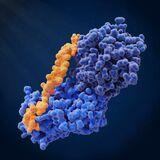
Molecular recognition encompasses the precise way molecules interact with each other through non-bonded interactions. Understanding molecular recognition is essential for unravelling the intricate mechanisms governing life at the cellular and molecular level, which is why this ubiquitous field continuously attracts researchers due to its profound implications for understanding biological processes and developing innovative solutions in various areas.
We aim to serve as a platform for showcasing the most recent developments and challenges in elucidating molecular recognition. The works presented here could employ both in silico techniques and hands-on experimentation, focusing on applications that hold the potential for improving human health. These include, for instance, drug discovery through the identification of novel ligands and targets, deciphering protein-protein interactions, and leveraging structural biology insights. Through fostering collaboration and facilitating knowledge sharing, we strive to shed light on the diverse and innovative research within this field, particularly addressing pressing health challenges.
We welcome original research articles, reviews, mini-reviews, and perspectives on themes including, but not limited to:
• Ligand-Receptor Interactions
• Antibody-antigen interactions
• Cell adhesion and communication
• Signal transduction
• Viral infection
• Neuronal signaling
• Hormone action
• Protein dynamics
• Protein-protein interactions
• Biological targets
• Biomaterials and bioinspired molecules
• AI in molecular recognition
• Molecular Modelling in molecular recognition
Dr. Tarsila G. Castro collaborates with the company Solfarcos. All other Topic Editors declare no competing interests.
Keywords: cell adhesion, signal transduction, viral infection, neuronal signalling, protein dynamics, molecular recognition, protein-protein interaction, Immune microenvironment, biomarker, SH3 domain, Alzheimer’s disease, bioinformatics, molecular clustering, translational medicine
Important note: All contributions to this Research Topic must be within the scope of the section and journal to which they are submitted, as defined in their mission statements. Frontiers reserves the right to guide an out-of-scope manuscript to a more suitable section or journal at any stage of peer review.
