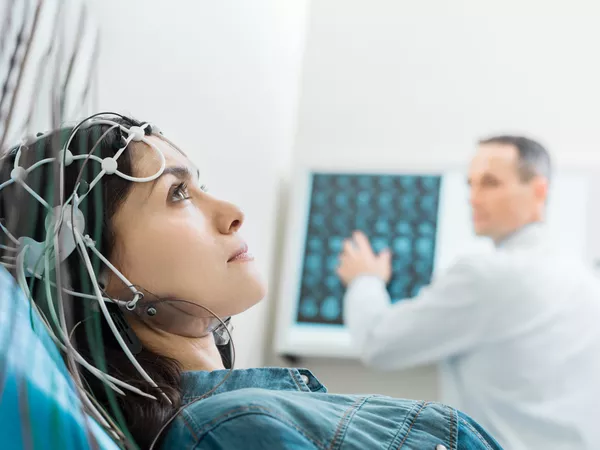
Brain and CNS tumors represent some of the most complex conditions in neurology and oncology, despite significant progress in recent years. Although these neoplasms are relatively rare compared to other cancers, their high mortality and morbidity rates across all age groups, coupled with low survival rates, make them a critical public health concern globally. The initial stages of these tumors often lack apparent signs, and their frequent resistance to chemotherapy presents substantial challenges for diagnosis and treatment. The discovery of new effective compounds has proven difficult due to issues related to efficacy, selectivity, and physicochemical properties. Consequently, clinical practice has yet to achieve satisfactory results in managing these pathologies. The current paradigm needs a shift, especially for difficult-to-treat tumors, as cancer is increasingly viewed as a series of systemic diseases with significant potential for tailored approaches. The unique biochemical and molecular profiles of brain and CNS tumors, characterized by high intra-tumoral heterogeneity, make them ideal candidates for personalized treatment strategies. The integration of artificial intelligence (AI) and -omics sciences into diagnosis, treatment, and care could revolutionize neuro-oncology, offering new biomarkers, repurposed drugs, and innovative medical algorithms.
This Research Topic aims to explore the application of artificial intelligence and -omics sciences in the diagnosis, treatment, and care of brain and CNS tumors. The primary objectives include identifying new biomarkers, discovering or repurposing drugs, and developing innovative medical algorithms based on evidence. Specific questions to be addressed include how AI and -omics can enhance the precision and effectiveness of current treatment modalities and what new insights can be gained from these advanced technologies to improve patient outcomes.
To gather further insights into the application of AI and -omics sciences in neuro-oncology, we welcome articles addressing, but not limited to, the following themes: - Identification and validation of new biomarkers for brain and CNS tumors - Development and repurposing of drugs using AI and -omics approaches - Innovative medical algorithms for diagnosis and treatment - Personalized treatment strategies based on molecular and biochemical profiles - Integration of AI and -omics in clinical practice - Lessons from the COVID-19 pandemic applied to neuro-oncology - Enhancing the immune system's precision against brain and CNS tumors through AI and -omics tools
Article types and fees
This Research Topic accepts the following article types, unless otherwise specified in the Research Topic description:
Brief Research Report
Clinical Trial
Editorial
FAIR² Data
FAIR² DATA Direct Submission
General Commentary
Hypothesis and Theory
Methods
Mini Review
Articles that are accepted for publication by our external editors following rigorous peer review incur a publishing fee charged to Authors, institutions, or funders.
Article types
This Research Topic accepts the following article types, unless otherwise specified in the Research Topic description:
Important note: All contributions to this Research Topic must be within the scope of the section and journal to which they are submitted, as defined in their mission statements. Frontiers reserves the right to guide an out-of-scope manuscript to a more suitable section or journal at any stage of peer review.