CZ
candela zorzo
Department of Psychology, Faculty of Psychology, University of Oviedo, Spain
Oviedo, Spain
1,191
Total downloads
9,669
Total views and downloads
Submit your idea
You will be redirected to our submission process.
Manuscript Submission Deadline 30 December 2025
This Research Topic is currently accepting articles.
Photobiomodulation (PBM) is a non-invasive light method that targets the encephalon using wavelengths around red to near-infrared light (NIR) (600-1000 nm) at a relatively low power density. PBM has been known for almost 50 years and has been used as a technique to stimulate or modulate a variety of cellular and biological processes, becoming an innovative modality for stimulating neural activity to improve brain function.
Recent evidence has shown the potential role of PBM on spatial learning and memory modulation. Evidence suggests that PBM effects involve stimulating mitochondrial activity, increased ATP production, reduction of oxidative stress, suppression of neuroinflammation, and promotion of BDNF expression.
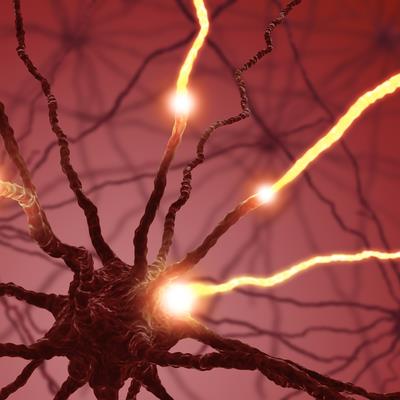
Additionally, targeted photostimulation is also used to precisely activate specific groups of neurons using focused light, allowing researchers to map neural circuits with unprecedented precision and characterize their functional connectivity, thereby investigating how specific neurons influence neural circuit activity in memory processes.
Finely tuning network activity via photostimulation, can elicit cell-specific responses allowing for modulations in vivo with single-cell resolution. This provides the tools to look into neural dynamics and organization by tweaking characterized neural populations and eliciting group responses in activity, tied to processes underlying memory.
Research efforts have evaluated the effectiveness of photostimulation in induced learning and memory impairments using different behavioral and biological approaches including targeted photostimulation as a new valuable tool for investigating memory mechanisms through dedicated sequences and responses generated in a selected population of neurons, allowing to reconstruct circuit maps to define the organization and function of brain circuits
Despite substantial progress in the field, there is still a lack of consensus on the precise effects and brain/neuron changes on spatial function following PBM.
This Research Topic aims to highlight the precise role of PBM in spatial cognition, gain further insights into the underlying mechanisms , and its potential applications in the treatment of spatial impairments.
The main objectives are:
1)The evaluation of PBM on spatial information encoding in the hippocampus and brain modifications and its effects on spatial navigation and episodic learning.
2)Report experimental data and investigate accurately the effects of advanced stimulation techniques on neuronal populations to interrogate brain circuitry and well-known neuronal populations involved in learning and memory processes. Techniques include targeted photostimulation, two-photon calcium imaging, two-photon optogenetics, computer-generated holography, etc.,
We welcome articles addressing, but not limited to, the following themes in rodent, simian, and human research:
• Mechanisms of transcranial PBM on spatial function.
• Neuronal circuit investigation through advanced targeted photostimulation techniques (targeted photostimulation, two-photon calcium imaging, two-photon optogenetics, computer-generated holography, etc.).
• Dynamics and organization of learning and memory networks through photostimulation
• Functional significance of PBM for spatial learning and memory.
• Transcranial PBM and the information encoding in the hippocampus
• PBM role in spatial navigation and episodic learning
• Cellular and molecular mechanisms of spatial learning and memory influenced by PBM.
• Interneuronal contributions to spatial learning and memory influenced by PBM.
• PBM’s mitigation of learning and memory impairments
• Therapeutic applications of PBM on spatial disorders
By bringing together research on these interconnected technical applications, this Research Topic aims to advance our understanding of PBM and targeted photostimulation in the context of memory mechanisms and to foster innovative therapeutic strategies for spatial cognitive impairments.
This Research Topic accepts the following article types, unless otherwise specified in the Research Topic description:
Articles that are accepted for publication by our external editors following rigorous peer review incur a publishing fee charged to Authors, institutions, or funders.
Keywords: photobiomodulation, spatial navigation, episodic learning, brain circuits, two-photon calcium imaging, two-photon optogenetics, Transcranial PBM, interneurons, targeted photostimulation, spatial disorders, computer-generated holography, PBM
Important note: All contributions to this Research Topic must be within the scope of the section and journal to which they are submitted, as defined in their mission statements. Frontiers reserves the right to guide an out-of-scope manuscript to a more suitable section or journal at any stage of peer review.
Manuscripts can be submitted to this Research Topic via the main journal or any other participating journal.
Submit your idea
You will be redirected to our submission process.
