BA
baharudin abdullah
Universiti Sains Malaysia Health Campus
Kota Bharu, Malaysia
513
Total downloads
4,771
Total views and downloads
Submit your idea
Select the journal/section where you want your idea to be submitted:
Allergic rhinitis (AR), impacting millions globally, is treated primarily through allergen avoidance, pharmacotherapy, and allergen immunotherapy (AIT). However, severe and treatment-resistant cases often challenge the efficacy of these standard modalities, prompting an exploration into biologic therapies as a potential adjunct to enhance treatment outcomes.
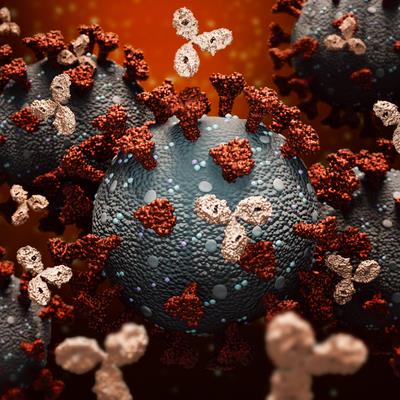
Biologics, specifically monoclonal antibodies targeting key elements of the immune response such as omalizumab (anti-IgE), mepolizumab (anti-IL-5), and dupilumab (anti-IL-4Rα), have shown promising results in modifying allergic responses and improving AIT efficacy. For instance, omalizumab has been noted to hasten and amplify the safety and efficacy of AIT in clinical trials, notably improving patient outcomes in ragweed and house dust mite-induced AR. Meanwhile, mepolizumab and dupilumab are under investigation for their roles in AR, expanding the therapeutic arsenal against complex immune pathways involved in allergy.
The goal of integrating biologic therapies with AIT is to tailor treatments to individual patient profiles, especially for those unresponsive to conventional methods. This approach aims to achieve better control over AR symptoms, reducing the burden of disease while addressing safety concerns related to broad-spectrum immunosuppression.
To refine and optimize the integration of biologics with AIT, several aspects remain under intense scrutiny:
• Determining the cost-effectiveness of biologics against existing therapies.
• Establishing precise administration protocols to maximize therapeutic outcomes.
• Continuous safety evaluations to preclude adverse effects from long-term use.
In light of these considerations, we invite comprehensive research that delves into:
• Longitudinal studies comparing biologic therapies with traditional treatments.
• Innovative biologic developments tailored specifically for AR.
• Real-world data on the efficacy and safety of combined treatments.
• Pharmacoeconomic analyses to elucidate the value propositions of biologics in AR management.
As research continues to evolve, staying abreast of the latest studies and clinical trials will remain imperative for healthcare providers and researchers involved in the complex treatment landscape of allergic rhinitis.
This Research Topic accepts the following article types, unless otherwise specified in the Research Topic description:
Articles that are accepted for publication by our external editors following rigorous peer review incur a publishing fee charged to Authors, institutions, or funders.
Keywords: Allergic rhinitis, Biologic therapies, Allergen immunotherapy, Monoclonal antibodies, Pharmacoeconomic analysis, Basic Research, Clinical Trials
Important note: All contributions to this Research Topic must be within the scope of the section and journal to which they are submitted, as defined in their mission statements. Frontiers reserves the right to guide an out-of-scope manuscript to a more suitable section or journal at any stage of peer review.
Manuscripts can be submitted to this Research Topic via the main journal or any other participating journal.
Submit your idea
Select the journal/section where you want your idea to be submitted:
