ML
marie louise anna schuttelaar
University Medical Center Groningen
Groningen, Netherlands
1,756
Total views and downloads
Submit your idea
You will be redirected to our submission process.
Manuscript Submission Deadline 28 February 2026
This Research Topic is currently accepting articles.
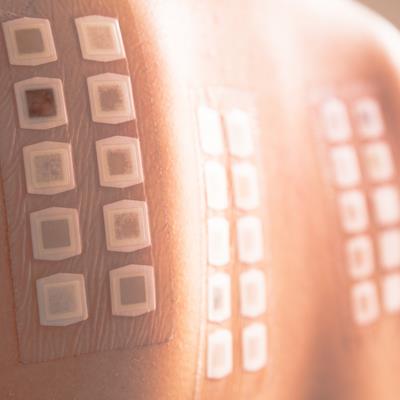
Allergic contact dermatitis (ACD) is a chronic inflammatory skin condition caused by an allergic response to contact with external allergens, which are often present in everyday products or occupational environments. The condition occurs when the immune system becomes sensitized to certain substances, leading to an exaggerated inflammatory response upon future exposure. ACD is commonly diagnosed through patch testing (PT), a procedure that identifies specific allergens by applying small amounts of potential irritants to the skin. Although PT is the gold standard for diagnosing ACD, its accessibility is unevenly distributed, creating disparities in healthcare and leading to underdiagnosis or delayed diagnosis for many patients.
Occupational allergic contact dermatitis (OACD) is a particularly significant subset of ACD, affecting individuals exposed to allergens in their work environments, such as healthcare workers, construction workers, and cosmetologists. In some industries, exposure to allergens is virtually unavoidable, increasing the risk of ACD in these populations. Common occupational allergens include metals, fragrances, preservatives, rubber accelerators, and solvents, which are frequently encountered in industrial settings, cosmetics, and personal care products.
In addition to occupational exposures, socioeconomic factors such as race, ethnicity, and financial limitations play a critical role in access to PT and subsequent management of ACD. Studies have demonstrated that racial and ethnic minorities may face a higher prevalence of ACD due to differences in exposure to certain products or environmental allergens, compounded by reduced access to dermatological care. Furthermore, the affordability of hypoallergenic products and specialized care is another key barrier to appropriate diagnosis and treatment, exacerbating health disparities in ACD management.
The primary goal of this research topic is to provide a comprehensive understanding of sensitization patterns in patients undergoing patch testing, with an emphasis on occupational exposures and healthcare access disparities. By identifying common allergens and exploring the demographic and occupational characteristics of affected individuals, this research aims to advance knowledge on both the diagnosis and prevention of ACD.
We welcome submissions that provide insight into the following themes:
- Patch Testing Sensitization Patterns: Identifying the most common allergens responsible for ACD in different populations, particularly those undergoing patch testing in specialized dermatology clinics.
- Occupational Risk Factors: Investigating the prevalence of ACD in various high-risk occupations, such as healthcare, construction, and cosmetology, and characterizing the specific allergens these workers are exposed to.
- Healthcare Disparities: Exploring how socioeconomic factors, including race, ethnicity, and financial status, influence access to PT, diagnosis, and treatment, contributing to disparities in ACD management.
- Supplemental Patch Testing: Evaluating the relevance and interpretation of patch test reactions, particularly in cases requiring supplemental testing for complex or less common allergens.
- Occupational Health Policies and Protection: Assessing the effectiveness of workplace regulations, protective equipment, and hygiene practices in reducing the incidence of OACD and improving worker health outcomes.
- Affordability of Hypoallergenic Products: Analyzing the accessibility and affordability of hypoallergenic alternatives for individuals diagnosed with ACD, with attention to socioeconomic disparities that limit access to such products.
This research topic aims to stimulate discussion and research on the interplay between sensitization patterns, occupational risk, and healthcare disparities in the management of ACD. By fostering collaboration between dermatologists, occupational health experts, and public health researchers, we hope to contribute to better diagnostic, preventive, and treatment strategies for this common and often debilitating condition.
M.L.A. Schuttelaar received financial support (consultant, advisory board member, investigator, and/or speaker) from Amgen, Galderma, Incyte, LEO Pharma, Pfizer, Sanofi from 2023-2025.
Sonja Molin has received honoraria as consultant/advisor or speaker and/or grants from or been an investigator in trial with Abbvie, Almirall, Alumis, Aralez, Arcutis, Basilea, Bausch and Lomb, Bristol Myer Squibb, Boehringer-Ingelheim, Evidera, Galderma, GSK, Incyte, Janssen, LEO Pharma A/S, Lilly, Moonlake, Novartis, Pfizer, Sanofi, Sun Pharma, and UCB. She is member of the Board of Directors of the American Contact Dermatitis Society and the German Society for Occupational Dermatology.
The other Topic Editors report no competing interests related to this Research Topic.
This Research Topic accepts the following article types, unless otherwise specified in the Research Topic description:
Articles that are accepted for publication by our external editors following rigorous peer review incur a publishing fee charged to Authors, institutions, or funders.
Keywords: Allergic Contact Dermatitis (ACD), Patch Testing (PT), Occupational Allergic Contact Dermatitis (OACD), Sensitization Patterns, Hand Eczema, Epidemiology, Environmental Allergens, Healthcare Disparities, Socioeconomic Factors, Workplace Regulations, Occupational Risk Factors, Dermatological Care, Hypoallergenic Products, Occupational Health, High-Risk Occupations, Race and Ethnicity in Healthcare Access, Preventative Dermatology
Important note: All contributions to this Research Topic must be within the scope of the section and journal to which they are submitted, as defined in their mission statements. Frontiers reserves the right to guide an out-of-scope manuscript to a more suitable section or journal at any stage of peer review.
Manuscripts can be submitted to this Research Topic via the main journal or any other participating journal.
Submit your idea
You will be redirected to our submission process.
