RR
rafael r. robaina
University of Las Palmas de Gran Canaria
Las Palmas de Gran Canaria, Spain
577
Total downloads
6,863
Total views and downloads
Submit your idea
You will be redirected to our submission process.
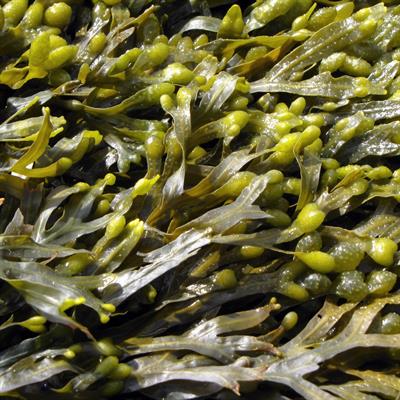
Seaweeds, or marine macroalgae, have emerged as a crucial component in the global economy, fuelling various industries such as food, pharmaceuticals, biofuels, cosmetics, and bioplastics. Owing to their unique properties, minimal environmental footprint, and sustainability, seaweeds play an essential role in tackling global challenges like food security, resource scarcity, and climate change. From providing nutrient-rich food options to supplying eco-friendly materials, seaweeds are reshaping numerous sectors through their diverse applications. Accelerated by technological and scientific progress, our deeper understanding of seaweeds is advancing their cultivation, biological research, and resource management. This progress is refining production processes, enhancing efficiencies, and broadening their possible uses. However, there are significant gaps in our understanding of their genetic diversity, adaptive mechanisms, and interactions with the environment, which present vast opportunities for discovery and innovation. In this context, seaweeds represent a significant opportunity for the future, with the potential to drive sustainable industries and contribute to addressing some of the most pressing global challenges. This special issue aims to explore these opportunities, fostering multidisciplinary research that could open new frontiers and redefine the role of seaweeds in science, technology, and global industry.
The goal of this research topic is to assemble a comprehensive collection of articles that explore innovative and emerging themes relevant to seaweeds, covering both fundamental biology and practical applications. By integrating cutting-edge research and interdisciplinary viewpoints, this collection seeks to reveal the latest developments and advancements in seaweed science, examine their potential in new industrial uses, and highlight promising and novel research avenues for the future.
This collection aims to highlight the potential of recent advancements that could transform our understanding of seaweeds and spur innovation across multiple fields. Potential topics may include topics such as omics-based approaches to seaweed biology, offering insights into their complex molecular networks; technological innovations in seaweed aquaculture, including digitalization and precision farming; breakthroughs in hatchery practices, enhancing cultivation methods; and studies on the genetic structure of seaweeds, revealing evolutionary and adaptive mechanisms.
By integrating these perspectives, this issue aspires to open and inspire new fields of research in this century, fostering a deeper exploration of the dynamic interplay between science, technology, and the future of seaweed studies and applications.
This Research Topic accepts the following article types, unless otherwise specified in the Research Topic description:
Articles that are accepted for publication by our external editors following rigorous peer review incur a publishing fee charged to Authors, institutions, or funders.
Keywords: Seaweed Science, Sustainable Applications, Omics Technology, Aquaculture Innovations, Environmental Sustainability, Frontedge research
Important note: All contributions to this Research Topic must be within the scope of the section and journal to which they are submitted, as defined in their mission statements. Frontiers reserves the right to guide an out-of-scope manuscript to a more suitable section or journal at any stage of peer review.
Manuscripts can be submitted to this Research Topic via the main journal or any other participating journal.
Submit your idea
You will be redirected to our submission process.
