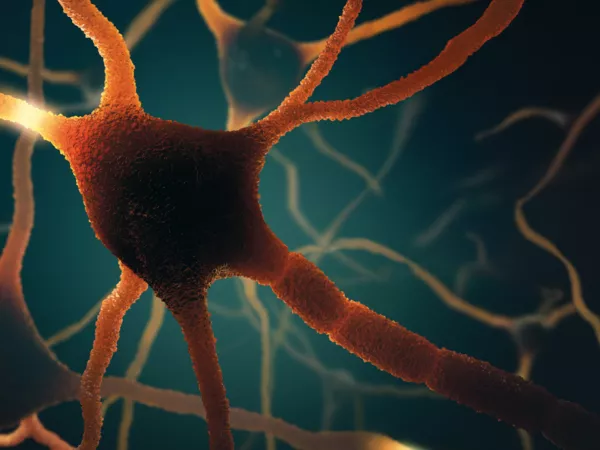
Parkinson’s disease (PD) is a progressive neurodegenerative disorder, that severely impacts motor and non-motor functions. Early detection and effective disease monitoring remain critical challenges due to the lack of specific biomarkers and the symptom overlap with other neurological disorders. Emerging insights, such as the involvement of ApoE ε4 in Lewy body formation, suggest that Parkinson’s may be better understood as a spectrum disorder with both idiopathic and genetic forms. The growing recognition of Parkinson's Disorder heterogeneity has significant implications for biomarker discovery and validation, as it highlights the need to identify markers that can reliably distinguish between different disease subtypes. Exploring this complexity will improve our understanding of biomarkers that enable earlier and more personalized diagnosis, optimize disease monitoring, and inform targeted treatment strategies. This Research Topic focuses on advancing our understanding of biomarkers across multiple disciplines to facilitate earlier diagnosis and track disease progression.
Recent advancements in genomics, proteomics, and neuroimaging have provided promising insights into the molecular mechanisms and structural underpinnings of PD. Genomic studies have identified genetic risk factors that may inform early detection, while proteomic analysis has uncovered biomarkers associated with neuroinflammation, cellular stress, and protein aggregation. Neuroimaging technologies, including MRI, PET, and SPECT, allow for the in vivo assessment of brain structural and functional changes that are pivotal for monitoring disease progression. This Research Topic aims to synthesize these diverse approaches to facilitate a paradigm shift in PD diagnostics and patient management.
We invite contributions that explore novel biomarker discovery, validation, and clinical translation in Parkinson’s disease. Potential topics include, but are not limited to:
• Genomic and epigenomic insights: Identification of genetic risk factors
• Proteomic and metabolomic biomarkers: Characterization of protein aggregates, inflammatory markers, and metabolic dysregulations as potential diagnostic tools.
• Neuroimaging innovations: Advances in MRI, PET, and functional connectivity analyses to track disease evolution.
• Multi-modal biomarker integration: Strategies for combining genomic, imaging, and clinical data to improve diagnostic accuracy.
By fostering interdisciplinary collaboration, this Research Topic aims to accelerate progress in biomarker research, bringing us closer to early, non-invasive, and precise diagnostic solutions for Parkinson’s disease.
Article types and fees
This Research Topic accepts the following article types, unless otherwise specified in the Research Topic description:
Brief Research Report
Data Report
Editorial
FAIR² Data
FAIR² DATA Direct Submission
General Commentary
Hypothesis and Theory
Methods
Mini Review
Articles that are accepted for publication by our external editors following rigorous peer review incur a publishing fee charged to Authors, institutions, or funders.
Article types
This Research Topic accepts the following article types, unless otherwise specified in the Research Topic description:
Brief Research Report
Data Report
Editorial
FAIR² Data
FAIR² DATA Direct Submission
General Commentary
Hypothesis and Theory
Methods
Mini Review
Opinion
Original Research
Perspective
Review
Study Protocol
Systematic Review
Technology and Code
Keywords: Parkinson’s Disease Biomarkers, Neuroimaging in Parkinson’s, Genomic and Proteomic Insights, Early Diagnosis of Parkinson’s, Multi-Omics in Neurodegeneration, Precision Medicine for Parkinson’s
Important note: All contributions to this Research Topic must be within the scope of the section and journal to which they are submitted, as defined in their mission statements. Frontiers reserves the right to guide an out-of-scope manuscript to a more suitable section or journal at any stage of peer review.