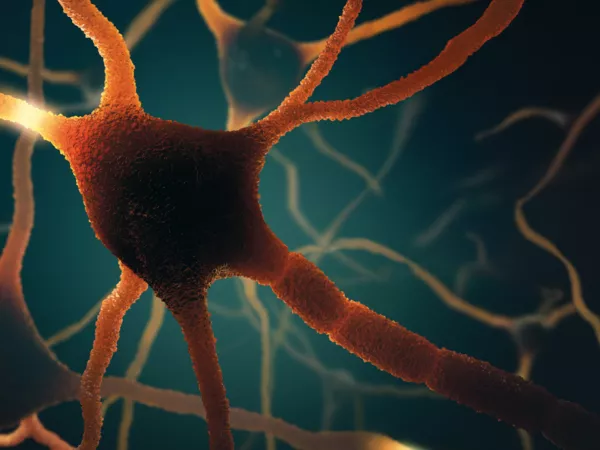
The field of movement disorders, which comprises conditions such as Parkinson's disease, Spinocerebellar ataxia, Amyotrophic Lateral Sclerosis, and Huntington's disease, presents diagnostic challenges due the overlap and heterogeneity of symptoms. Traditional diagnostic methods often rely heavily on clinical expertise and subjective assessments, which can lead to delays in accurate diagnosis and appropriate treatment intervention. The advent of machine learning offers a transformative approach to overcome these challenges, by utilizing data-driven algorithms to identify patterns and anomalies that are often not perceived by traditional assessment methods.
This Research Topic aims to explore the innovative application of machine learning techniques in the diagnosis and management of aging-related movement disorders. The presence of motor symptoms is a hallmark of the disease. The diagnosis is fundamentally predicated on clinical observation and qualitative assessments of postural, locomotor, and reaching movements, among others. We invite contributions that highlight the development and implementation of artificial intelligence (AI) and machine learning algorithms capable of identifying diagnostic biomarkers, predicting disease progression, and tailoring personalized treatment strategies.
Key areas of interest include, but are not limited to:
• The use of deep learning models for analyzing captured-motion, neuroimaging, and electrophysiological data to enhance diagnostic accuracy in Aging-Related Movement Disorders.
• Development of wearable technologies and mobile applications that leverage machine learning for real-time monitoring and early detection of movement disorders.
• Integration of machine learning with genomic and proteomic data to uncover new insights into the etiology of Aging-Related Movement Disorders.
• Studies showcasing successful clinical applications of AI tools in improving diagnosis and patient outcomes.
This Research Topic will explore the utilization of machine learning to revolutionize the landscape of Aging-related Movement Disorders diagnostics. Through these contributions, we aim to pave the way for more accurate, timely, and personalized approaches to managing these complex conditions.
Topic Editor Dr. Lloyd LY Chan has contributed to the development of the Watch Walk platform for digital gait biomarkers, which is currently available as a non-profit initiative. The other Topic Editors declare no competing interests with regard to the Research Topic subject.
Article types and fees
This Research Topic accepts the following article types, unless otherwise specified in the Research Topic description:
Brief Research Report
Data Report
Editorial
FAIR² Data
FAIR² DATA Direct Submission
General Commentary
Hypothesis and Theory
Methods
Mini Review
Articles that are accepted for publication by our external editors following rigorous peer review incur a publishing fee charged to Authors, institutions, or funders.
Article types
This Research Topic accepts the following article types, unless otherwise specified in the Research Topic description:
Brief Research Report
Data Report
Editorial
FAIR² Data
FAIR² DATA Direct Submission
General Commentary
Hypothesis and Theory
Methods
Mini Review
Opinion
Original Research
Perspective
Review
Study Protocol
Systematic Review
Technology and Code
Keywords: age-related movement disorders; machine learning; diagnostics
Important note: All contributions to this Research Topic must be within the scope of the section and journal to which they are submitted, as defined in their mission statements. Frontiers reserves the right to guide an out-of-scope manuscript to a more suitable section or journal at any stage of peer review.