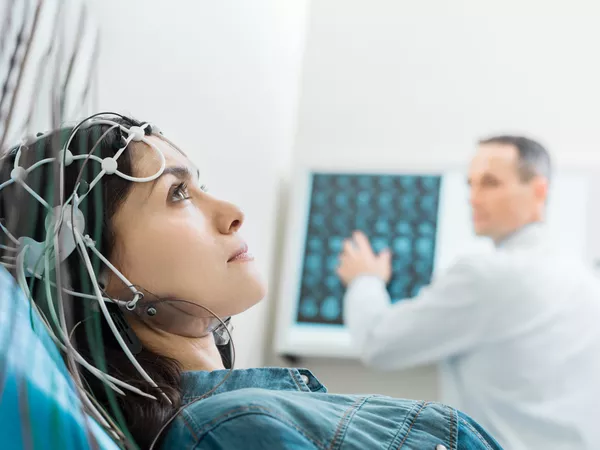
Posttraumatic hydrocephalus (PTH) is a significant yet often underrecognized complication of traumatic brain injury (TBI), affecting patients across all age groups, including the paediatric population, and contributing to long-term morbidity and impaired recovery. In children, PTH presents unique diagnostic and management challenges due to developmental considerations and age-specific risk factors. The condition may develop acutely or emerge weeks to months post-injury, making diagnosis and timely intervention challenging. With increasing survival rates after TBI, understanding and managing PTH has become a critical area of focus in neurotrauma care.
Despite its clinical importance, many questions remain unanswered regarding the pathophysiology, risk factors, and optimal diagnostic and therapeutic approaches for PTH, particularly in paediatric patients. In children, risk factors such as age under one year, severe injury, abusive head trauma, and craniectomy with delayed cranioplasty are associated with higher PTH rates. Disruption of cerebrospinal fluid (CSF) dynamics, inflammation, subarachnoid fibrosis, and impaired clearance pathways are believed to contribute, but the precise biological mechanisms remain poorly defined. Moreover, standardized diagnostic criteria are lacking, and treatment decisions often rely on variable imaging findings and clinical judgment.
This Research Topic aims to bring together cutting-edge research and expert perspectives to advance our understanding of PTH across the entire age spectrum, encompassing both adult and paediatric populations, and to promote the development of effective, age-appropriate management strategies for all patients and improve clinical outcomes. We invite submissions from basic scientists, clinicians, and translational researchers that address the full spectrum of issues related to PTH, including:
• Cellular and molecular mechanisms involved in PTH pathogenesis
• Role of neuroinflammation, fibrosis, and CSF outflow obstruction
• Biomarkers for early diagnosis and progressive follow-up
• Imaging modalities for accurate diagnosis across different ages
• Treatment approaches including advances in shunt technology, endoscopic techniques, and non-invasive monitoring
• Predictors of PTH development and progression
• Diagnosis and management of PTH in complex clinical course: Decompressed Patients, Cranioplasty, Unresponsive patients
• Predictors of PTH development and progression in children; impact of early vs. delayed cranioplasty
• Impact of PTH on cognitive and functional outcomes after TBI
• Long-term follow-up and management of shunt-dependent patients
• Comparative studies with other forms of acquired hydrocephalus (e.g., SAH-associated, NPH)
• Impact of PTH on cognitive, behavioural, and functional outcomes in paediatric TBI survivors
This Topic welcomes original research articles, reviews, meta-analyses, and clinical trial results. Our goal is to create a comprehensive platform that facilitates interdisciplinary exchange, fosters collaboration, and ultimately supports the development of evidence-based strategies to improve the care of patients with posttraumatic hydrocephalus.
Corrado Iaccarino received educational grants from Integra Lifesciences one year ago. The other Topic Editors declare no competing interests with regard to the Research Topic subject.
Article types and fees
This Research Topic accepts the following article types, unless otherwise specified in the Research Topic description:
Brief Research Report
Clinical Trial
Editorial
FAIR² Data
FAIR² DATA Direct Submission
General Commentary
Hypothesis and Theory
Methods
Mini Review
Articles that are accepted for publication by our external editors following rigorous peer review incur a publishing fee charged to Authors, institutions, or funders.
Article types
This Research Topic accepts the following article types, unless otherwise specified in the Research Topic description:
Important note: All contributions to this Research Topic must be within the scope of the section and journal to which they are submitted, as defined in their mission statements. Frontiers reserves the right to guide an out-of-scope manuscript to a more suitable section or journal at any stage of peer review.