VS
vishwadeep shelke
Tulane University
New Orleans, United States
530
Total views and downloads
Submit your idea
Select the journal/section where you want your idea to be submitted:
Manuscript Summary Submission Deadline 16 April 2026 | Manuscript Submission Deadline 16 August 2026
This Research Topic is currently accepting articles.
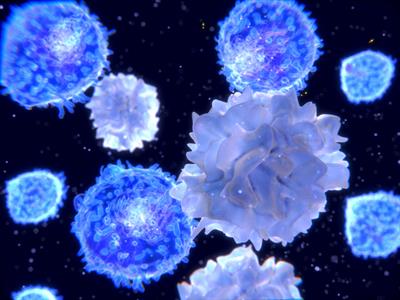
Immune cells - including macrophages, dendritic cells, T cells, B cells, and NK cells - express a wide variety of ion channels and transporters that govern their activation, metabolism, survival, and migration. By sensing changes in electrolytes, glucose, and other solutes, immune cells modulate the activity of tubular epithelial cells to help restore homeostasis. Through this signalling, immune cells influence sodium handling, vascular tone, and blood pressure regulation within the kidney. Under conditions of metabolic stress, high salt intake, or ischemic injury, dysregulation of these ion channels and transporters can lead to maladaptive inflammatory responses. Pro-inflammatory signals then contribute to vascular and renal injury, further disrupting electrochemical balance and positioning immune cell channels as key instigators of salt-sensitive hypertension.
By redefining the kidney as an electro-immunological hub, this collection aims to deepen our understanding of how ion channels and transporters on immune cells contribute to renal physiology and pathology, with a particular focus on hypertension and both acute and chronic kidney disorders, including (but not limited to) AKI, CKD, DKD, LN, RCC, and FSGS.
To gather new insights in this field, we welcome articles exploring the following:
- Transporter expression profiles in immune cells (e.g., Na⁺, K⁺, Ca²⁺, Cl⁻ channels; NHE; ENaC; Na⁺/K⁺ ATPase; glucose transporters).
- Mechanistic insights into transporter regulation of immune cell activation, antigen presentation, and cytokine release.
- Specific roles of individual channels and transporters in physiology and disease: vascular inflammation, maladaptive repair, salt handling, and blood pressure regulation.
- Glucose transporters and metabolic reprogramming of immune cells in hypertensive kidney disease.
- Crosstalk between immune cell transporters and tubular epithelial transporters in sodium retention and blood pressure elevation.
- Sex differences in immune cell transporter expression and implications for hypertension.
- Targeting immune cell transporters (e.g., ion channel inhibitors, metabolic modulators, nanomedicine approaches).
We welcome submissions of Brief Reports, Case Reports, Conceptual Analyses, Clinical and Preclinical Original Research, Descriptive and Hypothetical Reviews, Systematic Reviews, Mini Reviews, and Opinion Articles.
This Research Topic accepts the following article types, unless otherwise specified in the Research Topic description:
Articles that are accepted for publication by our external editors following rigorous peer review incur a publishing fee charged to Authors, institutions, or funders.
Keywords: salt sensitivity, kidney immune cells, ion channels, blood pressure, inflammation, maladaptive, pro-inflammatory, immunology, kidney, renal physiology, pathophysiology, AKI, CDK, DKD, LN, RCC, FSGS, hypertension, acute, cronic, disorders, salt, electrolytes, metabolism, survival, b cell, t cell, nk cell, metabolic modulation, ion channel inhibitos, nanomedicine, tubular epithelia
Important note: All contributions to this Research Topic must be within the scope of the section and journal to which they are submitted, as defined in their mission statements. Frontiers reserves the right to guide an out-of-scope manuscript to a more suitable section or journal at any stage of peer review.

Manuscripts can be submitted to this Research Topic via the main journal or any other participating journal.
Submit your idea
Select the journal/section where you want your idea to be submitted: