Abstract
Introduction:
As emotions are strong predictors of climate policy support, we examined multiple discrete emotions that people experience in reaction to various types of information about climate change: its causes, the scientific consensus, its impacts, and solutions. Specifically, we assessed the relationships between four types of messages and five discrete emotions (guilt, anger, hope, fear, and sadness), testing whether these emotions mediate the impacts of information on support for climate policy.
Methods:
An online experiment exposed participants (N = 3,023) to one of four informational messages, assessing participants' emotional reactions to the message and their support for climate change mitigation policies as compared to a no-message control group.
Results:
Each message, except the consensus message, enhanced the feeling of one or more emotions, and all of the emotions, except guilt, were positively associated with policy support. Two of the messages had positive indirect effects on policy support: the impacts message increased sadness, which in turn increased policy support, and the solutions message increased hope, which increased policy support. However, the solutions message also reduced every emotion except hope, while the impacts, causes, and consensus messages each suppressed hope.
Discussion:
These findings indicate that climate information influences multiple emotions simultaneously and that the aroused emotions may conflict with one another in terms of fostering support for climate change mitigation policies. To avoid simultaneously arousing a positive motivator while depressing another, message designers should focus on developing content that engages audiences across multiple emotional fronts.
1. Introduction
The discussion of climate change is fraught with emotions. People who are convinced of the necessity for climate action, as well as those who are skeptical, tend to experience anger and fear when the topic arises, which is one reason that climate change is often avoided as a topic of conversation (Norgaard, 2006). The optimal emotional tone for climate communication has been debated in both the scholarly and popular press, with some advocating for strong emotive language and others arguing for dispassionate discourse (Markowitz and Shariff, 2012; Huntley, 2020).
In this study, we examined multiple discrete emotions that people experience in reaction to four types of information about climate change: its causes, scientific consensus on the issue, its impacts, and solutions. Specifically, we have reported the results of a climate message experiment where we randomly assigned participants to one of five video conditions (a no-video control group and then one of four whiteboard-style videos, each focused on one aspect of climate change: causes, consensus, impacts, or solutions) and then asked participants to report the emotions they feel about climate change and their support for a range of climate policies. While previous studies have explored similar research questions (Feldman and Hart, 2018; Nabi et al., 2018), our research contributes to a deeper understanding of individuals' emotional reactions to climate information by assessing the relationships between these four types of messages and five discrete emotions (guilt, anger, hope, fear, and sadness), testing whether (a) these types of climate information influence people's emotional reactions to climate change and (b) these discrete emotions mediate the impacts of these types of climate information on support for climate change policy.
1.1. Relationships between types of climate information and discrete emotions
News reporting about climate change often emphasizes people's emotions, including fear, hope, guilt, compassion, and even nostalgia (Höijer, 2010). Similarly, thinking about climate change evokes an array of emotional responses in people (Smith and Leiserowitz, 2014), even though, as a scientific topic, climate change “possesses few features that generate rapid, emotional, visceral reactions” (Weber, 2006; Markowitz and Shariff, 2012).
In this article, we are particularly interested in finding out how frequently used types of climate information influence an individual's emotional reactions (similar to Nabi et al., 2018 “classic” climate messages). A core of four messages are repeatedly used by media outlets, advocates, or scientists and/or suggested as useful for climate communication: consensus messaging that emphasizes scientific agreement about the causes and consequences of climate change (“consensus message”; Van der Linden et al., 2015, 2019; Cook et al., 2016); causal scientific process messaging that explains the mechanisms by which climate change occurs (“causes message,” Denning, 2020); impacts messaging that discusses the numerous and disparate impacts of the changing climate (“impacts message,” Hart and Feldman, 2014; Nabi et al., 2018); and solutions messaging that demonstrates methods of progress and highlights the action currently being taken (“solutions message,” similar to efficacy messages; Feldman and Hart, 2016, 2018; Nabi et al., 2018).
Although there has been some research that links these types of climate information with various specific emotional reactions, in this study, we expanded on this research and investigated how each of these four messages is linked to five different discrete emotions that are important in the climate context—guilt, anger, hope, sadness, and fear—and, in turn, how each of these emotions is linked to climate policy support. We defined the emotions as follows: Guilt is the experience of distress associated with believing oneself (or one's ingroup) to have contributed negatively to an outcome (Ferguson and Branscombe, 2010); anger is emotional arousal associated with a goal or plan being thwarted (Bandura, 1973); hope is a future-oriented positive assessment of an uncertain outcome (Lazarus, 1991); sadness arises when an irreparable loss is thought to have occurred (Bandura, 1973; Nabi, 1999); and fear arises when a threat is perceived (Lazarus, 1991). In the following sections, we examined each of the four types of climate information (consensus, causes, impacts, and solutions; see the Methods section for the operationalization in this study) and assessed the evidence—or lack thereof—of the types of emotional responses to those messages.
While there is a large body of research on cognitive reactions in response to consensus messaging (i.e., the Gateway Belief Model, Van der Linden et al., 2015, 2019), there has been relatively less research on emotional mechanisms. However, people report experiencing anger when exposed to information about the political and corporate barriers to U.S. climate action, a common feature of consensus messaging (Bieniek-Tobasco et al., 2019), indicating that consensus messaging may generate an important emotional response. Furthermore, for those concerned about climate change, learning about the scientific consensus on the issue may evoke either fear or hope. Fear may arise through realizing the inevitability of the consequences of continuing to burn fossil fuels. Conversely, hope may arise by fostering optimism that the scientific consensus will move attention toward implementing solutions, and away from debating the scientific validity of climate science claims.
A second commonly used message strategy is to provide scientific causal process information. To our knowledge, no study has examined emotional reactions to climate messages focusing on climate change's causes. However, Weber (2006) argues that scientifically focused messages about climate change per se are unlikely to generate emotions, so it may be that a message focused on understanding the causal mechanisms of climate change does not result in an emotional response. It is plausible, however, that learning how one's own actions are causing climate change could elicit emotions such as guilt and sadness.
A third common climate message is to provide information about climate change impacts. In some cases, climate impacts messaging has been shown to produce fear; for example, after viewing the images of mass extinction and drought stories in the documentary Years of Living Dangerously, participants reported feeling fearful of the consequences of climate change (Bieniek-Tobasco et al., 2019). Similarly, loss-framed climate information (communication that emphasizes what is lost through inaction rather than what is gained through action) has also been shown to increase fear (Nabi et al., 2018), indicating that an impacts message that focuses on what might be lost as a result of climate change may produce fear.
Finally, solutions messaging has been shown to produce hope in some research (Chadwick, 2015; Feldman and Hart, 2018; Nabi et al., 2018). Similarly, information about the human health benefits of addressing climate change has been shown to produce feelings of hope (Myers et al., 2012), as have depictions of “young” and “everyday” people (vs. elites) participating in addressing climate change (Bieniek-Tobasco et al., 2019). Additionally, solutions messaging is posited to decrease fear (Extended Parallel Process Model, Witte, 1992) and has been shown to do so (Hornsey and Fielding, 2016). However, in other research, solutions and/or efficacy messaging have not produced an emotional response (Feldman and Hart, 2016). Solutions messages have also been linked to both increased (Valentino et al., 2009) and decreased anger (Tausch et al., 2011), indicating an unclear expectation of how a solutions message might be related to anger.
Given the lack of research on the emotional impacts of some messages and mixed findings for others, we asked the following question:
RQ1: What are peoples' emotional responses (guilt, anger, hope, fear, and sadness) to the various types of climate change information?
1.2. Relationship between discrete emotions and climate policy support
Emotions surrounding climate change have been theorized and found to be among the most important predictors of such climate change responses as policy support and individual action (Roeser, 2012; Smith and Leiserowitz, 2014; Stevenson et al., 2015; Brosch, 2021). As individual action has a limited capacity to generate the wholesale societal changes necessary to effectively confront climate change (Gillard et al., 2016), policy support is a particularly important consideration in this context. In this study, we focused on five discrete emotions: guilt, anger, hope, sadness, and fear. In the following section, we reviewed the evidence that each of these emotions may be linked to climate policy support.
Guilt has been shown to lead to a behavior that seeks to repair the harm caused (Lewis, 1971; Dearing et al., 2005). In the environmental context, guilt has been positively associated with attitudes, intentions, and behaviors (Mallett, 2012; Harrison and Mallett, 2013; Rees et al., 2015; Moore and Yang, 2020), including willingness to engage in personally costly practices such as conserving energy and paying green taxes (Ferguson and Branscombe, 2010). Therefore, we tested whether guilt is positively associated with climate change policy support.
Anger arising from perceiving injustice that resulted in unfair outcomes has been associated with participation in collective action (Van Zomeren et al., 2008) and a desire for retribution (Nabi, 2003). Anger is often centered on a concrete and identifiable culprit as the cause of a negative situation (Smith and Ellsworth, 1985; Lazarus, 1991). In the context of climate policy options, we anticipated that anger would be associated with a preference to regulate emissions from carbon producers to address the perceived wrongs that they have perpetuated (Roseman et al., 1994; Harth et al., 2013). Therefore, we tested whether anger is positively associated with climate change policy support.
Hope has been theorized to be a motivator for action (Snyder, 2002; Chadwick, 2015). In the context of climate change, hope has been highlighted as a missing component in the climate action chain (Hulme, 2009; Roser-Renouf and Maibach, 2010; Ojala, 2012; Nabi et al., 2018), as it has been linked to a movement toward a goal outcome (Lazarus, 1991). Hope has been found to be a strong predictor of climate policy support (Marlon et al., 2019), and positive emotions generally are “linked…to people's engagement with climate change, largely in a productive manner” (Schneider et al., 2021). Therefore, we tested whether hope is positively related to climate change policy support.
Sadness can lead to an effort to reestablish what has been lost (Nabi, 1999). As most Americans perceive climate losses as being experienced by others who are far away in time and space rather than themselves (Leiserowitz, 2006; Weber, 2016) and as certain communities are especially vulnerable to climate impacts (Harrington et al., 2018), we tested whether sadness is positively related to climate change policy support.
Fear often leads to a desire for self-preservation (Lazarus, 1991; Nabi, 2003). However, the relationship between fear and action is unclear (Bieniek-Tobasco et al., 2019), with some studies finding a link between fear and action outcomes (Witte and Allen, 2000; Meijnders et al., 2001a,b; Swim and Bloodhart, 2015), while others do not, perhaps due to differences in self-or response efficacy or the level of fear experienced (O'Neill and Nicholson-Cole, 2009). The relationship between fear and policy support is also murky, as the desire for self-protection can lead to support for more strict policy regulation (Comartin et al., 2009) and/or for new policy options (Goodall et al., 2013). Therefore, we tested whether fear is positively related to climate change policy support.
RQ2: Are emotions about climate change (guilt, anger, hope, sadness, and fear) related to climate change policy support?
Given these tested links between climate messages and emotions and between emotions and climate policy support, we also tested whether there are indirect effects of climate messages on policy support through emotions.
RQ3: Are there indirect effects of types of climate information (consensus, causes, impacts, and solutions) on climate policy support through the discrete emotions of guilt, anger, hope, sadness, and fear?
2. Methods
2.1. Study design and procedures
In an online study, participants were randomly assigned to one of the four video conditions (consensus, causes, impacts, and solutions) or a no-video control group.1 Participants were first asked a set of five screening questions to determine their partisanship and issue segment. If the quota for their group had not been met, they were asked to read and sign the consent form, which included a pledge to watch the videos to their conclusion. They were then randomly assigned to watch one of the four videos (or the no-video control). Then, they completed a posttest questionnaire, which included measures of the emotions they felt while watching the video (or when considering climate change, if in the control group); the target of their anger, asked of those who said they felt angry; their climate change attitudes and policy preferences; and demographics. The protocol was approved by the George Mason University Institutional Research Board.
2.2. Sample and recruitment
Quota sampling by the online sample vendor, Qualtrics, was implemented between August and October 2021 to recruit participants based on self-identified partisanship and their climate change issue public audience segment.2 Recruitment of the smaller segments was challenging, and the balance of Republicans and Democrats within segments was skewed in the initial data collection, requiring additional sampling, which was conducted by Climate Nexus.3
For the five conditions included in this study, the final sample (N = 3,023) was 36% men and 59% women, with 5% missing or other. The median age was between 45 and 54 years, with an average level of education of “some college”. Concerning race, 84% of participants identified as white, 10% as Black, 3% as Asian or Pacific Islander, 2% as Native American, and 7% as Hispanic or Latino.
2.3. Experimental conditions: types of climate information
Four whiteboard videos focusing on the scientific consensus on climate change, the causal process of climate change, climate change impacts, and solutions to address climate change were created for this study (Table 1) and were modeled after NASA's Earth Minutes.4 The videos are of similar length (78–105 s), have a narrator with a similar voice, and were created by the same company, Truscribe. Most of the text and imagery for the science and impacts videos were taken directly from Earth Minutes. Content in the impacts video was also informed by the Fourth National Climate Assessment; the text of the consensus video was largely based on the message used by Van der Linden et al. (2015); and the text of the solutions video was based on content from Hawken (2017). The video scripts are included in the Supplementary material.5
Table 1
| Condition | Textual excerpt | Visual example of video |
|---|---|---|
| Consensus | Well, the fact is, climate scientists do know what's going on. Nearly all of them −97%—say that climate change is happening and we're causing it. | 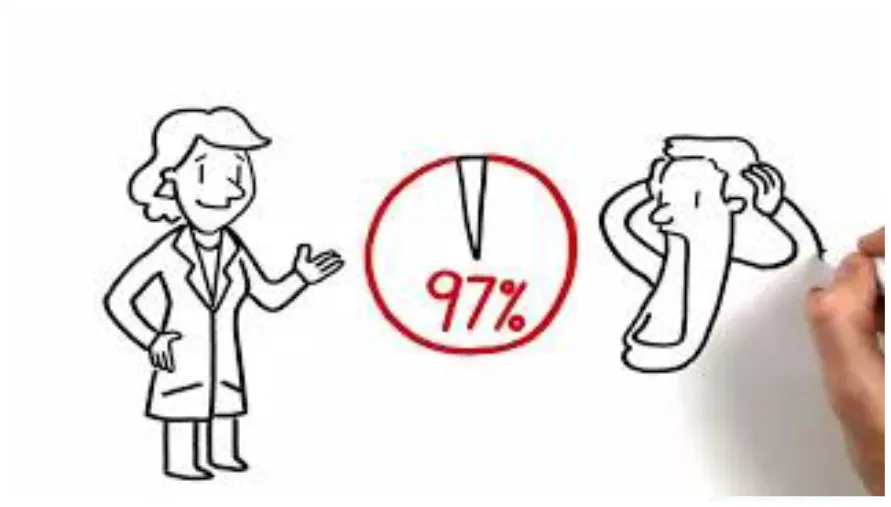 |
| Causes | What's causing these changes? It's how we live. And work. Our industrial societies have changed more than the landscape. We've been burning fossil fuels. Burning these fossil fuels releases lots of greenhouse gases into the atmosphere. The more greenhouse gases get released into the atmosphere, the more heat is trapped. And the warmer it gets. | 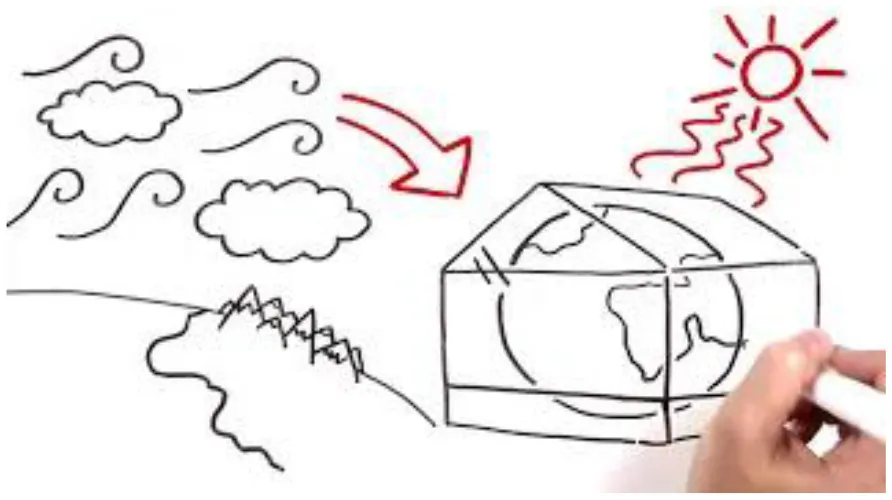 |
| Impacts | A child born today can expect the ocean to rise between one and four feet in their lifetime …It's not only the coasts that are affected by warming temperatures… people's health is being harmed by climate change in every region of our country. |  |
| Solutions | Let's look at some solutions. Wind power has been around for a thousand years but was sidelined during the 20th century by fossil fuels. But it's coming back fast. Solar farms are another way to slow climate change. They're now found in deserts, on military bases, on top of landfills, and even floating in reservoirs. |  |
Excerpts of message text and examples of visuals for each video message condition.
Each of the message conditions used whiteboard-style videos; the full text of the videos is available in the Supplementary material.
2.3.1. Manipulation checks
To assess whether the message conditions effectively communicated the relevant climate information, we conducted a series of manipulation checks, comparing relevant knowledge outcomes between each condition and the control group. Those in the consensus condition reported higher estimates of scientific consensus than those in the control condition [mean of consensus condition = 69% of climate scientists agree global warming is human-caused; mean of control condition = 63%; t(670.57) = 7.35, p < 0.001]. Those in the causes condition were more likely than those in the control condition to indicate that humans are more responsible for climate change than natural events [t(717) = 2.07, p < 0.05] and to respond correctly to the true/false item: “Climate change is caused by the hole in the ozone layer, which lets too much heat from the sun into the atmosphere” (Correct response: false; control condition proportion correct = 0.24; causes condition proportion correct: 0.39; Wald Z = 3.34, p < 0.001). Those in the impacts condition were more likely than those in the control condition to respond correctly to these two true-false items: “Sea level may rise up to four feet this century, threatening the homes of five million Americans” (Correct response: true; control condition proportion correct = 0.78; impacts condition proportion correct: 0.88; Wald Z = 2.66, p < 0.01) and “Earth's temperature has risen over five degrees Fahrenheit over the last century” (Correct response: false; control condition proportion correct = 0.22; impacts condition proportion correct: 0.53; Wald Z = 7.69, p < 0.001). Finally, participants in the solutions condition were more likely to correctly respond to the true/false item: “Leaders of a total of 50 countries have agreed to phase out the use of a powerful greenhouse gas” (Correct response: false; control condition proportion correct = 0.30; solutions condition proportion correct: 0.41; Wald Z = 2.39; p < 0.05), although, between those in the control and those in the solutions condition group, there was no difference in the proportion correct for the question on the item: “Wind power from Texas alone could supply all the energy needs in the U.S.” (Correct response: false; control condition proportion correct = 0.62; solutions condition proportion correct: 0.61; Wald Z = 0.19, p = 0.852). Overall, participants learned relevant information from each of the climate message conditions.
2.4. Measures
2.4.1. Emotions
Participants were asked: “When you think about the issue of climate change, how strongly do you feel each of the following emotions” (control group) or “How strongly did you feel each of the following emotions during the video you just watched?” (treatment “groups”; items combined to form the relevant emotion measure). Using a slider bar with a 0 to 100 scale (and then rescaled to 0 to 10), the participants reported their guilt (M = 2.932, SD = 3.083); hope (M = 4.626, SD = 3.371); sadness (M = 4.091, SD = 3.454); and fear (M = 3.697, SD = 3.374).
Participants who reported anger greater than zero were asked a follow-up question: “How angry would you say you were at each of these groups while watching the video?” Using 100-point slider-bar scales, the participants rated their anger toward those who argue that climate change is caused by humans; those who argue that we should not take action to address climate change; or others. For the purposes of this study, the anger score was calculated using the item “Those who argue that we should not take action to address climate change” (M = 4.327, SD = 3.818; those who indicated “0” on the general anger measure were also coded 0 for this item). The anger felt toward “those who argue the climate change is caused by humans” or toward “others” was not analyzed.
2.4.2. Climate change policy support
The participants were asked, “How much do you support or oppose each of these proposed federal policies?” and responded on a 7-point scale from strongly oppose = 1 to strongly support = 7 to each of the following nine items: a 5% fee added to your monthly utility bill to generate electricity from renewable energy sources, such as solar or wind (M = 3.68; SD = 1.89); a 10-cent fee added to each gallon of gasoline you buy to fund improved public transportation (M = 3.56; SD = 2.11); requiring fossil fuel companies to pay a carbon tax (M = 4.47; SD = 2.04); regulating carbon dioxide as a pollutant (M = 4.63; SD = 1.89); providing federal funding to help homeowners make energy-efficiency improvements to their homes (M = 4.84; SD = 1.86); requiring electric utilities to produce 100% of their electricity from wind, solar, or other renewable energy sources by the year 2035 (M = 4.39; SD = 2.06); increasing federal funding to protect communities from the harmful impacts of climate change (M = 4.42; SD = 1.96); increasing federal funding to protect low-income communities and communities of color who are disproportionately harmed by climate change (M = 4.27; SD = 2.02); and reestablishing the Civilian Conservation Corps to employ workers to protect ecosystems from the harms of climate change (M = 4.58; SD = 1.85). Items were averaged to create a single scale of climate change policy support (α = 0.95; M = 4.29; SD = 1.69).
2.4.3. Political affiliation
Participants were asked, “Generally speaking, do you think of yourself as Republican, Democrat, Independent, Other, or No party; not interested in politics.” Responses were coded as Republican (25%), Democrat (36%), or Politically Unaffiliated (39%; combining the other three categories) and treated as a categorical variable in the analyses predicting policy support.
3. Results
3.1. Emotions by condition (RQ1)
To assess whether the emotions differed by a condition in comparison to the control, five regressions were run, predicting each emotion from the experimental conditions (with the control condition as the referent dummy-coded condition).
The conditions elicited different emotional reactions (Figure 1). In comparison to the control condition, the causes condition increased guilt (bguilt.causes = 0.601, p < 0.05), the impacts condition increased sadness (bsadness.impacts = 0.560, p < 0.05), and the solutions condition increased hope (bhope.solutions = 0.540, p < 0.05). Conversely, the consensus, causes, and impacts conditions each decreased hope in comparison to the control condition (bhope.consensus = −0.553, p < 0.05; bhope.causes = −0.688, p < 0.01; bhope.impacts = −0.880, p < 0.001); while the solutions condition decreased anger, sadness, and fear in comparison to the control condition (banger.solutions = −1.110, p < 0.001; bsadness.solutions = −1.226, p < 0.001; bfear.solutions = −1.116, p < 0.001).
Figure 1
3.2. Relationships between emotions and policy support (RQ2)
Next, we tested whether each emotion was independently related to support for climate change policy. Using regression, we predicted climate change policy support from guilt, anger, hope, sadness, and fear, controlling for condition and political affiliation.6 Each emotion, except for guilt (b = 0.004, p = 0.775), was uniquely and positively related to climate policy support (bpolicysupport.anger = 0.129, p < 0.001; bpolicysupport.hope = 0.065, p < 0.001; bpolicysupport.sadness = 0.049, p < 0.001; bpolicysupport.fear = 0.058, p < 0.001).
3.3. Indirect effect of condition on policy support through emotions (RQ3)
Hayes' (2017) PROCESS model 4 was used to test whether the conditions had significant indirect effects on climate policy support through emotion (see Table 2 and Figures 2–5 for all indirect effects), controlling for political affiliation. The consensus and causes conditions both had significantly negative indirect effects on policy support through hope, while no other indirect effect was significant for either of these conditions [see Figures 2, 3; abpolicysupport.hope.consensus = −0.035, Bootstrapped CI = (−0.072, −0.002); abpolicysupport.hope.causes = −0.044, Bootstrapped CI = (−0.083, −0.011)].
Table 2
| Guilt | Anger | Hope | Sadness | Fear | |
|---|---|---|---|---|---|
| Consensus | 0.001 | 0.026 | −0.035* | 0.005 | −0.007 |
| Causes | 0.002 | −0.032 | −0.044* | 0.009 | −0.007 |
| Impacts | 0.001 | −0.034 | −0.056* | 0.028* | 0.012 |
| Solutions | 0.000 | −0.141* | 0.036* | −0.059* | −0.063* |
Indirect effects of condition (vs. control) on climate policy support through each emotion.
Entries are the indirect effects obtained through Hayes' (2018) PROCESS, model 4, including each emotion as a parallel mediator. The *notation shows that p < 0.05 (indicating that the bootstrapped confidence interval provided by the PROCESS output did not contain zero). Political affiliation was included as a control in the model.
Figure 2
Figure 3
Figure 4
Figure 5
The impacts condition also had a significant negative indirect effect through hope [abpolicysupport.hope.impacts = −0.056, Bootstrapped CI = (−0.096, −0.022)] but had a significantly positive indirect effect through sadness [Figure 4; no other indirect effects were significant for the impacts condition; abpolicysupport.sadness.impacts = 0.028, bootstrapped CI = (0.002, 0.063)].
Finally, the solution message produced significant and negative indirect effects through anger, sadness, and fear, along with a significant and positive indirect effect through hope [Figure 5; the indirect effect through guilt was not significant; abpolicysupport.anger.solutions = −0.141, Bootstrapped CI = (−0.218, −0.070); abpolicysupport.sadness.solutions = −0.059, Bootstrapped CI = (−0.106, −0.021); abpolicysupport.fear.solutions = −0.063, Bootstrapped CI = (−0.112, −0.025); abpolicysupport.hope.solutions = 0.036, Bootstrapped CI = (0.026, 0.074)].
4. Discussion
The four conditions, each focused on a different type of common climate information (consensus, causes, impacts, and solutions), had different effects on emotions (guilt, anger, hope, sadness, and fear). Overall, each condition, except the consensus condition, increased one emotion compared to the control condition: guilt for the causes condition, sadness for the impacts condition, and hope for the solutions condition. However, each of the conditions also suppressed at least one emotion in comparison to the control condition: participants in the consensus, causes, and impacts conditions all reported less hope than those in the control condition, while the solutions condition participants reported less anger, sadness and fear, in comparison to the control group.
Each emotion was positively associated with climate policy support, except guilt. Anger toward those who deny climate change was most strongly associated with increased support, followed by hope, fear, and sadness. These findings corroborate past research that has shown that a variety of discrete emotions are, both separately and conjointly, strong predictors of climate policy support (Roeser, 2012; Smith and Leiserowitz, 2014; Stevenson et al., 2015; Brosch, 2021).
The finding that guilt was not significantly related to climate policy support was surprising, given that other research (Ferguson and Branscombe, 2010; Mallett, 2012; Harrison and Mallett, 2013; Rees et al., 2015; Moore and Yang, 2020) has found a relationship between guilt and pro-environmental outcomes. Additionally, a recent study (Ng and Eom, 2023) has found that guilt acts as a mediating pathway between religiosity and pro-environmental policy support. Future research could examine whether guilt is a motivating emotion for some subsets of the population but not for others (i.e., Republicans vs. Democrats; religious vs. non-religious; older vs. younger people).
When investigating these paths in combination—condition to emotion and emotion to policy support—the findings show that most of the specific indirect effects of the condition on policy support through emotion were negative, resulting in negative total indirect effects through emotions that countered the remaining positive direct effects of the condition on policy support, resulting in null total effects (Figures 2–5). The consensus, causes, and impacts conditions each reduced hope, which then translated into reduced policy support in comparison to the control condition. Similarly, the solutions message suppressed feelings of anger, sadness, and fear in comparison to the control condition, which resulted in reduced policy support through those mechanisms. However, the study revealed two positive indirect effects: in the impacts condition, an increase in sadness was linked to a subsequent increase in policy support, and in the solutions condition, an increase in hope was associated with a subsequent increase in policy support. The takeaway from these indirect effects is that, when messages fail to emotionally engage audiences, they can suppress policy support. Furthermore, even when a climate message arouses one type of emotion and thus increases policy support via that mechanism, it may simultaneously suppress the expression of other emotions, which, in some cases, cancels or suppresses the total effectiveness of the message for garnering climate policy support.
These results indicate that messages have multiple nuanced effects across different discrete emotions, including the suppression of emotions that are linked to support for climate policies. These findings indicate that, while these climate messages increased relevant knowledge (see the manipulation check description above), they did not engage emotions effectively. Those seeking to increase climate policy support would benefit from engaging audiences emotionally in addition to cognitively.
Message designers should be particularly cognizant of the multiple ways that messages may affect audiences. In particular, the solutions message, which has been highlighted as a promising way for climate messengers to engage audiences and has indeed increased the hope reported by participants, suppressed anger, sadness, and fear. In comparison to the control group who viewed no message, this suppression of “negative” emotions outweighed the positive effects of hope on policy support (see Hornsey and Fielding, 2016, for a similar finding). Therefore, the effects of messages across a range of discrete emotions should be considered during message design, especially how a message might be designed to elicit one type of emotion (say, hope) without decreasing other motivating emotions (such as anger). It may be especially important to communicate these messages in combination, communicating not only the hope we have for moving forward on climate change but also the reasons such actions are imperative, or conversely, which are not only reasons for concern but also paths for action. A meta-analysis of fear appeals by Peters et al. (2013), in fact, demonstrated that threat communication only had an effect when there was also high efficacy and that efficacy was only effective when there was a simultaneous high threat.
4.1. Limitations
Several limitations of this research should be noted and considered. Of primary interest, the messages were not designed to evoke an emotional response, and research has shown that emotionally charged messages result in a more significant behavioral change (and, presumably, policy support change) than informational messages (Dickerson et al., 1992; Aitken et al., 1994). While this is a limitation of this study, it is also a strength in that the current study offers an examination of emotional responses to the “baseline” climate messages and demonstrates that these informational messages, in fact, have effects on emotions (especially the suppression of some emotions). Future research should compare how emotionally loaded versions of these messages perform.
Furthermore, the experimental design assessed the effects of a single message at one time point with no counter or additional messages, an approach that is not strong in ecological validity. The design also did not manipulate the emotional mediators, making it impossible to claim causality in the indirect effects (although causal claims are warranted for the messages to emotions and messages to policy support links). Future research could address this limitation by manipulating both the independent variables and the mediators.
Additionally, perceptions of climate change are closely tied to an individual's political affiliation (Weber, 2010, 2016), and messages have been received differently across the political spectrum (e.g., Feldman and Hart, 2016). For the sake of parsimony, we did not investigate the moderating role of political affiliation; however, future research should examine how political affiliation affects the relationships between messages and emotions and between emotions and policy support.
Finally, there was an intercorrelation between some of the emotions (Supplementary Table 1), indicating that those who react emotionally to a message experience a range of emotions. This high intercorrelation does indicate that “a rising tide will lift all boats”—or that high emotionality about climate is likely associated with high support for the policy. Additionally, in an effort to reduce respondent burden while simultaneously assessing a range of emotions, emotions were measured with only a single self-reported measure. Future research would benefit from assessing emotions in a more robust way with multiple indicators. Additionally, future studies would benefit from including more positive emotions, such as pride, responsibility, care, compassion, and solidarity.
4.2. Conclusion
These results point to some notes of caution for climate messengers: specifically, the climate messages had negative indirect effects on policy support through all of the emotions simultaneously (the total indirect effect) due to the suppression (in comparison to the control condition) of hope for the consensus, science, and impacts conditions and the suppression of anger, sadness, and fear for the solutions condition. This finding indicates the power that emotions have; these overall negative indirect effects through emotion completely offset the direct positive effect of the messages on policy support.
We have demonstrated that emotions are important for understanding how people react to climate messages and whether those messages influence support for climate policies. Our results also suggest that these types of climate information are perhaps better utilized in combination rather than isolation, that is, by linking multiple types of message content together (consensus, impacts, and solutions, for example). Furthermore, practitioners and researchers should consider how to develop messages that engage people on multiple emotional fronts, accentuating positive emotions (e.g., hope, compassion) without sacrificing other types of emotional engagement (e.g., guilt, anger, sadness, or fear).
In sum, climate messages that are intended to activate policy support should (1) seek to engage the audience emotionally (because emotions about climate change are strongly related to climate policy support), (2) simultaneously elicit multiple emotions, and (3) avoid decreasing some emotions while increasing others (i.e., not trading off sadness and hope).
Statements
Data availability statement
The raw data supporting the conclusions of this article will be made available by the authors, without undue reservation.
Ethics statement
The studies involving human participants were reviewed and approved by George Mason University Institutional Research Board. The participants provided their written informed consent to participate in this study.
Author contributions
Study conceptualization, formal analysis, methodology, software, and original draft preparation: TM. Experimental design and review and editing: TM, CR-R, and EM. Data curation: TM and CR-R. Funding acquisition: TM and EM. All authors contributed to the article and approved the submitted version.
Funding
This work was funded by NASA, grant #: NNX17AC80G.
Acknowledgments
The authors thank Dr. Kate T. Luong for her contributions during the experimental design and data collection phases of this project, including a description of the methodology in the Supplementary material.
Conflict of interest
The authors declare that the research was conducted in the absence of any commercial or financial relationships that could be construed as a potential conflict of interest.
Publisher’s note
All claims expressed in this article are solely those of the authors and do not necessarily represent those of their affiliated organizations, or those of the publisher, the editors and the reviewers. Any product that may be evaluated in this article, or claim that may be made by its manufacturer, is not guaranteed or endorsed by the publisher.
Supplementary material
The Supplementary Material for this article can be found online at: https://www.frontiersin.org/articles/10.3389/fclim.2023.1135450/full#supplementary-material
Footnotes
1.^This experiment was embedded in a larger, more complex experiment that included a total of 12 message conditions in which participants viewed up to three messages. Participants who viewed more than one message were not included in this study. Furthermore, within the single message conditions, half contained source information and the other half did not. These were categorized into four conditions, one for each message (science, consensus, impacts, and solutions), as the source manipulation had no significant impact on the relevant outcomes and was not relevant to this study's hypotheses. Full details on the study design are given in the Supplementary material.
2.^Audience segments were defined using Global Warming's Six Americas, which segments the American public based on their beliefs and attitudes about climate change, and was determined using a four-item questionnaire (Chryst et al., 2018).
3.^86% of the sample were recruited by Qualtrics and the remainder by Climate Nexus.
4.^NASA is sponsoring this research.
5.^Videos made be viewed at these links: Consensus condition: https://youtu.be/n2sHEfcvy04; Causes condition: https://youtu.be/Oe_FvW4UP9g; Impacts condition: https://youtu.be/J8kOIb4xpmU; Solutions condition: https://youtu.be/LKlHmFVXWZ4.
6.^As participants were randomly assigned to the type of climate information, but emotions were not experimentally manipulated, we controlled for political affiliation when predicting policy support from emotion but not when predicting emotion from condition.
References
1
AitkenC. K.McMahonT. A.WearingA. J.FinlaysonB. L. (1994). Residential water use: predicting and reducing consumption. J. Appl. Soc. Psychol. 24, 136–158. 10.1111/j.1559-1816.1994.tb00562.x
2
BanduraA. (1973). Aggression: A Social Learning Analysis. New Jersey: Prentice Hall.
3
Bieniek-TobascoA.McCormickS.RimalR. N.HarringtonC. B.ShaferM.ShaikhH. (2019). Communicating climate change through documentary film: Imagery, emotion, and efficacy. Clim. Change154, 1–18. 10.1007/s10584-019-02408-7
4
BroschT. (2021). Affect and emotions as drivers of climate change perception and action: a review. Curr Opin Behav Sci. 42, 15–21. 10.1016/j.cobeha.2021.02.001
5
ChadwickA. E. (2015). Toward a theory of persuasive hope: effects of cognitive appraisals, hope appeals, and hope in the context of climate change. Health Commun.30, 598–611. 10.1080/10410236.2014.916777
6
ChrystB.MarlonJ.Van Der LindenS.LeiserowitzA.MaibachE.Roser-RenoufC. (2018). Global warming's “six Americas short survey”: Audience segmentation of climate change views using a four question instrument. Environ. Commun.12, 1109–1122. 10.1080/17524032.2018.1508047
7
ComartinE. B.KernsmithP. D.KernsmithR. M. (2009). Sanctions for sex offenders: Fear and public policy. J. Offender Rehabil. 48, 605–619. 10.1080/10509670903196066
8
CookJ.OreskesN.DoranP. T.AndereggW. R.VerheggenB.MaibachE. W.et al. (2016). Consensus on consensus: a synthesis of consensus estimates on human-caused global warming. Environ. Res. Lett. 11, 048002. 10.1088/1748-9326/11/4/048002
9
DearingR. L.StuewigJ.TangneyJ. P. (2005). On the importance of distinguishing shame from guilt: relations to problematic alcohol and drug use. Addict. Behav.30, 1392–1404. 10.1016/j.addbeh.2005.02.002
10
DenningS. (2020). Climate Change is Simple, Serious, and Solvable. Available online at: https://www.youtube.com/watch?v=ipzjfhQcVW0 (accessed August 7, 2023).
11
DickersonC. A.ThibodeauR.AronsonE.MillerD. (1992). Using cognitive dissonance to encourage water conservation. J. Appl. Soc. Psychol. 22, 841–854. 10.1111/j.1559-1816.1992.tb00928.x
12
FeldmanL.HartP. S. (2016). Using political efficacy messages to increase climate activism: the mediating role of emotions. Sci. Commun.38, 99–127. 10.1177/1075547015617941
13
FeldmanL.HartP. S. (2018). Is there any hope? How climate change news imagery and text influence audience emotions and support for climate mitigation policies. Risk Anal.38, 585–602. 10.1111/risa.12868
14
FergusonM. A.BranscombeN. R. (2010). Collective guilt mediates the effect of beliefs about global warming on willingness to engage in mitigation behavior. J. Environ. Psychol.30, 135–142. 10.1016/j.jenvp.2009.11.010
15
GillardR.GouldsonA.PaavolaJ.Van AlstineJ. (2016). Transformational responses to climate change: beyond a systems perspective of social change in mitigation and adaptation. Wiley Interdiscip. Rev. Clim. Change7, 251–265. 10.1002/wcc.384
16
GoodallC. E.SlaterM. D.MyersT. A. (2013). Fear and anger responses to local news coverage of alcohol-related crimes, accidents, and injuries: explaining news effects on policy support using a representative sample of messages and people. J. Commun. 63, 373–392. 10.1111/jcom.12020
17
HarringtonL. J.FrameD.KingA. D.OttoF. E. (2018). How uneven are changes to impact-relevant climate hazards in a 1.5°C world and beyond?Geophys. Res. Lett.45, 6672–6680. 10.1029/2018GL078888
18
HarrisonP. R.MallettR. K. (2013). Mortality salience motivates the defense of environmental values and increases collective ecoguilt. Ecopsychology5, 36–43. 10.1089/eco.2012.0070
19
HartP. S.FeldmanL. (2014). Threat without efficacy? Climate change on US network news. Sci. Commun.36, 325–351. 10.1177/1075547013520239
20
HarthN. S.LeachC. W.KesslerT. (2013). Guilt, anger, and pride about ingroup environmental behaviour: different emotions predict distinct intentions. J. Environ. Psychol.34, 18–26. 10.1016/j.jenvp.2012.12.005
21
HawkenP. (2017). Drawdown: The Most Comprehensive Plan Ever Proposed to Reverse Global Warming. Penguin.
22
HayesA. (2018). Introduction to Mediation, Moderation, and Conditional Process Analysis: A Regression-Based Approach. New York, NY: Guilford Press.
23
HayesA. F. (2017). Introduction to Mediation, Moderation, and Conditional Process Analysis: A Regression-Based Approach. New York City: Guilford Publications.
24
HöijerB. (2010). Emotional anchoring and objectification in the media reporting on climate change. Public Underst. Sci. 19, 717–731. 10.1177/0963662509348863
25
HornseyM. J.FieldingK. S. (2016). A cautionary note about messages of hope: focusing on progress in reducing carbon emissions weakens mitigation motivation. Glob. Environ. Change39, 26–34. 10.1016/j.gloenvcha.2016.04.003
26
HulmeM. (2009). Why We Disagree about Climate Change: Understanding Controversy, Inaction and Opportunity. Cambridge: Cambridge University Press. 10.1017/CBO9780511841200
27
HuntleyR. (2020). How to Talk About Climate Change in a Way that Makes a Difference. Sydney: Murdoch Books.
28
LazarusR. S. (1991). Cognition and motivation in emotion. Am. Psychol. 46, 352–367. 10.1037/0003-066X.46.4.352
29
LeiserowitzA. (2006). Climate change risk perception and policy preferences: the role of affect imagery, and values. Clim. Change. 77, 45–72. 10.1007/s10584-006-9059-9
30
LewisH. B. (1971). Shame and guilt in neurosis. Psychoanal. Rev.58, 419–438.
31
MallettR. K. (2012). Eco-guilt motivates eco-friendly behavior. Ecopsychology4, 1–9. 10.1089/eco.2012.0031
32
MarkowitzE.ShariffA. (2012). Climate change and moral judgement. Nature Clim. Chang.2, 243–247. 10.1038/nclimate1378
33
MarlonJ. R.BloodhartB.BallewM. T.Rolfe-ReddingJ.Roser-RenoufC.LeiserowitzA.et al. (2019). How hope and doubt affect climate change mobilization. Front. Commun. 4, 20. 10.3389/fcomm.2019.00020
34
MeijndersA. L.MiddenC. J.WilkeH. A. (2001a). Communications about environmental risks and risk-reducing behavior: the impact of fear on information processing. J. Appl. Soc. Psychol.31, 754–777. 10.1111/j.1559-1816.2001.tb01412.x
35
MeijndersA. L.MiddenC. J.WilkeH. A. (2001b). Role of negative emotion in communication about CO2 risks. Risk Anal.21, 955–955. 10.1111/0272-4332.215164
36
MooreM. M.YangJ. Z. (2020). Using eco-guilt to motivate environmental behavior change. Env. Comm.14, 522–536. 10.1080/17524032.2019.1692889
37
MyersT. A.NisbetM. C.MaibachE. W.LeiserowitzA. A. (2012). A public health frame arouses hopeful emotions about climate change. Clim. Change113, 1105–1112. 10.1007/s10584-012-0513-6
38
NabiR. L. (1999). A cognitive-functional model for the effects of discrete negative emotions on information processing, attitude change, and recall. Commun. Theory9, 292–320. 10.1111/j.1468-2885.1999.tb00172.x
39
NabiR. L. (2003). Exploring the framing effects of emotion: Do discrete emotions differentially influence information accessibility, information seeking, and policy preference?Comm. Res. 30, 224–247. 10.1177/0093650202250881
40
NabiR. L.GustafsonA.JensenR. (2018). Framing climate change: exploring the role of emotion in generating advocacy behavior. Sci. Commun. 40, 442–468. 10.1177/1075547018776019
41
NgS. T.EomK. (2023). Religious stewardship and pro-environmental action: The mediating roles of environmental guilt and anger. Psychol. Relig. Spiritual. 10.1037/rel0000499
42
NorgaardK. M. (2006). “We don't really want to know”: environmental justice and socially organized denial of global warming in Norway. Organ. Environ.19, 347–370. 10.1177/1086026606292571
43
OjalaM. (2012). Hope and climate change: the importance of hope for environmental engagement among young people. Environ. Educ. Res.18, 625–642. 10.1080/13504622.2011.637157
44
O'NeillS.Nicholson-ColeS. (2009). “Fear won't do it” promoting positive engagement with climate change through visual and iconic representations. Sci. Commun.30, 355–379. 10.1177/1075547008329201
45
PetersG. Y.RuiterR. A. C.KokG. (2013). Threatening communication: a critical re-analysis and a revised meta-analytic test of fear appeal theory. Health Psychol. Rev. 7, S8–S31. 10.1080/17437199.2012.703527
46
ReesJ. H.KlugS.BambergS. (2015). Guilty conscience: motivating pro-environmental behavior by inducing negative moral emotions. Clim. Change130, 439–452. 10.1007/s10584-014-1278-x
47
RoeserS. (2012). Risk communication, public engagement, and climate change: a role for emotions. Risk Anal.32, 1033–1040. 10.1111/j.1539-6924.2012.01812.x
48
RosemanI. J.WiestC.SwartzT. S. (1994). Phenomenology, behavior, and goals differentiate discrete emotions. J. Pers. Soc. Psych.67, 206–221. 10.1037/0022-3514.67.2.206
49
Roser-RenoufC.MaibachE. (2010). “Communicating climate change,” in Encyclopedia of Science and Technology Communication, Priest, S. (ed.). (Thousand Oaks, CA: Sage), 141–147.
50
SchneiderC. R.ZavalL.MarkowitzE. M. (2021). Positive emotions and climate change. Curr. Opin. Behav. Sci. 42, 114–120. 10.1016/j.cobeha.2021.04.009
51
SmithC. A.EllsworthP. C. (1985). Patterns of cognitive appraisal in emotion. J. Pers. Soc. Psychol.48, 813–838. 10.1037/0022-3514.48.4.813
52
SmithN.LeiserowitzA. (2014). The role of emotion in global warming policy support and opposition. Risk Anal. 34, 932–948. 10.1111/risa.12140
53
SnyderC. R. (2002). Hope theory: Rainbows in the mind. Psychol. Inq.13, 249–275. 10.1207/S15327965PLI1304_01
54
StevensonK. T.LashleyM. A.ChitwoodM. C.PetersonM. N.MoormanC. E. (2015). How emotion trumps logic in climate change risk perception: exploring the affective heuristic among wildlife science students. Hum Dimens Wildl.20, 501–513. 10.1080/10871209.2015.1077538
55
SwimJ. K.BloodhartB. (2015). Portraying the perils to polar bears: The role of empathic and objective perspective-taking toward animals in climate change communication. Environ. Commun.9, 446–468. 10.1080/17524032.2014.987304
56
TauschN.BeckerJ. C.SpearsR.ChristO.SaabR.SinghP.et al. (2011). Explaining radical group behavior: developing emotion and efficacy routes to normative and nonnormative collective action. J. Pers. Soc. Psychol.101, 129–148. 10.1037/a0022728
57
ValentinoN. A.GregorowiczK.GroenendykE. W. (2009). Efficacy, emotions and the habit of participation. Polit. Behav.31, 307–330. 10.1007/s11109-008-9076-7
58
Van der LindenS.LeiserowitzA.MaibachE. (2019). The gateway belief model: a large-scale replication. J. Environ. Psychol.62, 49–58. 10.1016/j.jenvp.2019.01.009
59
Van der LindenS. L.LeiserowitzA. A.FeinbergG. D.MaibachE. W. (2015). The scientific consensus on climate change as a gateway belief: experimental evidence. PLoS ONE10, e0118489. 10.1371/journal.pone.0118489
60
Van ZomerenM.SpearsR.LeachC. W. (2008). Exploring psychological mechanisms of collective action: does relevance of group identity influence how people cope with collective disadvantage?Br. J. Soc. Psychol.47, 353–372. 10.1348/014466607X231091
61
WeberE. U. (2006). Experience-based and description-based perceptions of long-term risk: why global warming does not scare us (yet). Clim. Change77, 103–120. 10.1007/s10584-006-9060-3
62
WeberE. U. (2010). What shapes perceptions of climate change?Wiley Interdiscip. Rev. Clim. Change1, 332–342. 10.1002/wcc.41
63
WeberE. U. (2016). What shapes perceptions of climate change? New research since 2010. Wiley Interdiscip. Rev. Clim. Change7, 125–134. 10.1002/wcc.377
64
WitteK. (1992). Putting the fear back into fear appeals: the extended parallel process model. Commun. Monogr.59, 329–349. 10.1080/03637759209376276
65
WitteK.AllenM. (2000). A meta-analysis of fear appeals: implications for effective public health campaigns. Health Educ. Behav.27, 591–615. 10.1177/109019810002700506
Summary
Keywords
discrete emotions, climate change messaging, climate change policy support, climate change communication, environmental communication
Citation
Myers TA, Roser-Renouf C and Maibach E (2023) Emotional responses to climate change information and their effects on policy support. Front. Clim. 5:1135450. doi: 10.3389/fclim.2023.1135450
Received
31 December 2022
Accepted
19 July 2023
Published
23 August 2023
Volume
5 - 2023
Edited by
Katharine Howie, University of Southern Mississippi, United States
Reviewed by
Vivian Pontes, The University of Queensland, Australia; Joya Kemper, University of Canterbury, New Zealand
Updates
Copyright
© 2023 Myers, Roser-Renouf and Maibach.
This is an open-access article distributed under the terms of the Creative Commons Attribution License (CC BY). The use, distribution or reproduction in other forums is permitted, provided the original author(s) and the copyright owner(s) are credited and that the original publication in this journal is cited, in accordance with accepted academic practice. No use, distribution or reproduction is permitted which does not comply with these terms.
*Correspondence: Teresa A. Myers tmyers6@gmu.edu
Disclaimer
All claims expressed in this article are solely those of the authors and do not necessarily represent those of their affiliated organizations, or those of the publisher, the editors and the reviewers. Any product that may be evaluated in this article or claim that may be made by its manufacturer is not guaranteed or endorsed by the publisher.