Abstract
Different types of fermented foods such as chongkukjang, doenjang, ganjang, gochujang, and kimchi are plentifully available and widely consumed in north eastern Asian countries including Korea. Among them, kimchi is one of the most popular Korean traditional food. It is prepared by fermenting the baechu cabbage together with other vegetables and lactic acid bacteria (LAB) with functional potential. Many types of ingredients are added to kimchi to enhance its taste, flavor, nutritional value, texture etc. A number of bacteria are involved in the fermentation of kimchi, but LAB are the dominant species in the fermentation process. The addition of other sub ingredients and formation of different by-products during fermentation eventually leads to eradication of putrefactive and pathogenic bacteria, and also increase the functionalities, nutritional and nutraceutical potential of kimchi. Kimchi possesses anti-inflammatory, antibacterial, antioxidant, anticancer, antiobesity, probiotic properties, cholesterol reduction, and antiaging properties. In the present review an attempt has been made to review the different types of fermented foods found in the Korean peninsula with detailed scientific research regarding preparation, processing, structure of the microecosystem, and health benefits of kimchi.
Introduction
The unique geographical location of Korea and the isolation from neighboring countries imposed by rugged mountains from the north and rocky ocean from the east, south, and west, largely contributed to the development of a distinct ethnic group with unique culture. Through time, simplicity has become a basic notion of the Korean philosophy. This simplicity is also reflected in the food habits. A fundamental aspect of this culture has been the preservation of fish, meat, pulses, and vegetables from times of abundance to times of scarcity through lactic acid fermentation; a process applied for more than 1500 years (Han et al., 1998; Surh et al., 2008; Oh et al., 2014).
Intake of a specific dose of fruits and vegetables in the daily food to prevent different types of chronic pathologies and diseases such as coronary heart problems, hypertension, and risk of strokes has been recommended by the Food and Agriculture Organization (FAO) and the World Health Organization (WHO) (Swain et al., 2014). Consumers are always concerned about the safety of the types of food they consumed along with their nutritional and beneficial effect to the health (Endrizzi et al., 2009). Keeping this concept in mind, the preservation and storage of various food materials in order to increase their nutritional content and protect their shelf-life has been practiced since time immemorial and this process has been most commonly known as fermentation in most scientific terminology. This process has been developed in order to preserve different types of fruits and vegetables by organic acid and alcohols during their harvesting season and use them at the time of scarcity. Fermented foods and beverages, whether of plant or animal origin, play a vital role in the diet of people in many parts of the world including the Asian and the Western countries. Fermented foods not only provide important sources of nutrients but have also great potential in maintaining health and preventing diseases along with the addition of desirable flavor, texture, reduction of toxicity, and decrease in cooking time (Rolle and Satin, 2002; Kabak and Dobson, 2011).
Generally, the fermentation process is the slow breakdown of organic substances that is prompted by a group of microorganisms or enzymes and results in the alteration of carbohydrates to organic acids or alcohols (FAO, 1998). The fermentation products vary considerably due to the use of various raw materials and preparation techniques (Surh et al., 2008). Customarily the lactic acid (LA) fermentation of vegetables and fruits is a common practice for improvement of nutritional and sensory features of food products (Demir et al., 2006; Di Cagno et al., 2013). A number of lactic acid bacteria (LAB) including Lactobacillus brevis, Lb. fermentum, Lb. plantarum, Leuconostoc mesenteroides, Weissella confusa and Pediococcus pentosaceus are regularly retrieved and have been widely used in the fermentation process (Jung et al., 2014). A number of fermented food products including cereal-based fermented food and non-alcoholic beverages, fermented milks, fermented fruits and vegetables and fermented meat products etc. have been consumed in most parts of the world (Kabak and Dobson, 2011). However, there are some differences in the preparation of traditional foods and beverages from region to region. The process of fermentation of fruits and vegetables has been passed down to subsequent generations as a family tradition and techniques and thus there is no strict procedure of fermentation (Swain et al., 2014). However, drying and salting are the most common practices that are applied in the old food preservation procedure. A number of fermented foods available in the Korean cuisine have been studied to some extend (Jang et al., 2011; Dharaneedharan and Heo, 2016; Koo et al., 2016; Tamang et al., 2016). Among them, kimchi, chongkukjang, doenjang, ganjang, and gochujang may be regarded as characteristic ones. Moreover, kimchi has met worldwide recognition and commercial significance. In the present review, all available literature on the afore mentioned Korean fermented foods with particular focus on scientific research regarding preparation, processing, structure of the microecosystem and health benefits of kimchi are integrated and critically reviewed.
Fermented food of Korea
There are numerous fermented foods and beverages, which are the essential element of the Korean cuisine and are consumed by the Koreans as well as many people around the world throughout the year. These fermented food products have also become popular in the western countries and are well appreciated by the people around the world. The major fermented food items, except the alcoholic beverages that are consumed nowadays in Korea, are basically divided into three broad categories (Table 1) (Surh et al., 2008).
Table 1
| Category | Name | Preparation process | Photo | Medicinal value | References |
|---|---|---|---|---|---|
| First category | Chongkukjang | Short term fermentation of boiled soybean seeds using Bacillus subtilis and rice straw | 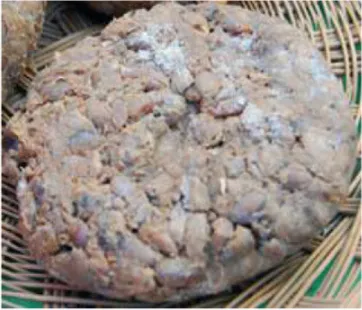 | Rich in proteins, vitamins and minerals. Immunostimulant, antimicrobial, anti-inflammatory, antioxidant, neuro-protective etc. | Kang et al., 1998; Cho et al., 2000; Yang et al., 2003; Kim et al., 2004 |
| Doenjang | Fermentation of cooked soybean seeds with natural occurring bacteria | 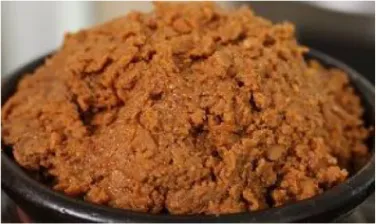 | Anticancer, antimutagenicity, antioxidative, and fibrinolytic activity | Lim et al., 1999, 2004; Ra et al., 2004 | |
| Ganjang | Soybean sauce prepared from fermented soybean | 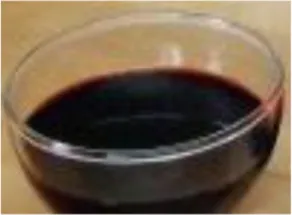 | Antioxidant potential | Choi et al., 1990 | |
| Gochujang | Fermented paste of red chili powder | 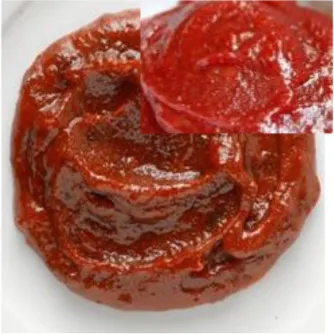 | Antioxidant | Choi, 2012 | |
| Second category | Fish and Shellfish products | Fermented fresh fish and shellfish | 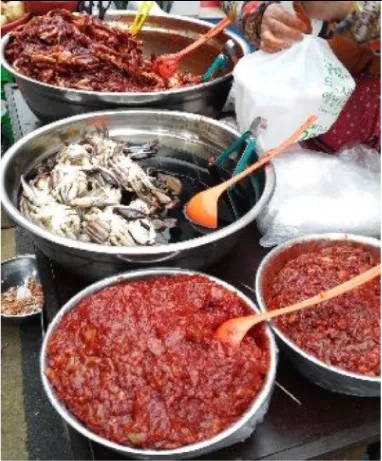 | Essential source of vitamins, proteins, and minerals | Prester, 2011 |
| Third category | Kimchi | Short fermentation of napa cabbage together with other ingredients | 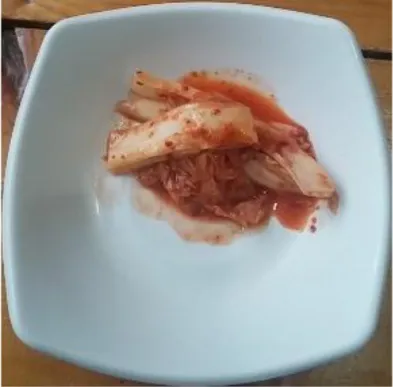 | Antioxidant, anti-obesity, anticancer, antibacterial, cholesterol lowering, immune potential, source of functional foods | Kim et al., 1997; Wu et al., 2000; Yoon et al., 2004; Han et al., 2011; Park et al., 2014 |
Different types of fermented food available in the Korean peninsula and their medicinal values.
First category
The first category consists of the soy-based products, that includes chongkukjang (quick fermented soybean paste), doenjang (soybean paste), ganjang (soy sauce), and gochujang (hot pepper-soybean paste) (Surh et al., 2008). Traditionally, these types of fermented products are prepared once in a year, stored in large clay pots and consumed throughout the year.
Chongkukjang
Chongkukjang is a fermented product manufactured by short term fermentation of boiled soybean seeds using Bacillus subtilis in rice straw. It is one of the favorite traditional foods in Korea (Su et al., 2007; Kwon et al., 2011; Shin and Jeong, 2015). It contains a number of useful microorganisms and bioactive compounds that are absent from unfermented soybean products. Chongkukjang has the shortest fermentation period of 2–4 days and is fermented at a high temperature (40–43°C). The soybean proteins are degraded during fermentation process by the protein degrading enzymes of B. subtilis, and flavonoid glycosides are converted into aglycones by hydrolysis during fermentation, resulting in production of free amino acids along with related peptides (Nakajima et al., 2005; Kim N. Y. et al., 2008; Wei et al., 2015). The Koreans have been consuming Chongkukjang for hundreds of years. Significant amount of data suggests that Chongkukjang contains a number of proteins and minerals that can stimulate the generation and growth of human cells and strengthen the immune system (Choi et al., 2014; Shin and Jeong, 2015). Moreover, there are several reports on the bioactive potential of Chongkukjang such as antidiabetic, antiinflammatory, antimicrobial, antioxidant, blood pressure lowering activities, and neuroprotective effects (Kang et al., 1998; Cho et al., 2000; Yang et al., 2003; Kim et al., 2004; Kim N. Y. et al., 2008; Wei et al., 2015). Compounds like isoflavones (daidzein and genistein) are found at high concentrations in Chongkukjang and they were reported to possess the protective effect against oxidative damage related with atherosclerosis and cancer (Barnes et al., 1996; Anthony et al., 1998).
Doenjang
Doenjang is traditionally used in Korea as a basic seasoning (Kim et al., 2009; Nam et al., 2015). It is produced by the fermentation of cooked and crushed soybean seeds or blocks, Meju, by naturally occurring bacteria and fungi with brine in a container such as a porcelain pot and has been consumed for centuries as a source of protein and flavoring ingredient in Korea (Kim et al., 2009; Kwon et al., 2010). During recent times, the doenjang has been prepared commercially by various local firms around the Korean peninsula using a slightly modified procedure that varies in the quality as affected by the fermentation process, microbiota involved, and by the basic ingredients used, such as soybeans or a combination of soybeans and grains (Yoo et al., 2000; Park et al., 2002). Doenjang has attracted much attention due to its health-related beneficial properties such as anticancer, anti-mutagenicity, antioxidative, and fibrinolytic activity (Lim et al., 1999, 2004; Ra et al., 2004). Various types of microorganisms are involved in the fermentation of doenjang; the unique flavors and tastes are due to the decomposed products of soybean proteins from the soybean seed by the action of microorganisms during the fermentation process. A number of reports have stated that B. subtilis and B. licheniformis are the dominant microorganisms in doenjang along with Aspergillus, Mucor, and Rhizopus species (Kang et al., 2000; Nam et al., 2015). During the fermentation process, cleavage of β-glycosyl bond of isoflavone glucoside increases the content of isoflavone aglycones, including daidzein and genistein due to the rapid microbial growth (Nam et al., 2015). Daily intake of doenjang has been reported to suppress the body weight gain, cytokine levels, and serum oxidative stress in high-fat-fed mice (Nam et al., 2015). Similarly, the anti-inflammatory and anti-oxidative stress effects of doenjang have also been reported in the adipose tissue (Nam et al., 2015).
Ganjang
Ganjang is a kind of Korean soybean sauce made from fermented soybeans (Hong-beum, 2004). It contains approximately 15–20% salt, 50–70% water, free sugars, isoflavones, peptides, and organic acids that are produced from the soybeans during the fermentation process (Jeon et al., 2002; Shim et al., 2008). The sauce has a characteristic black color due to the presence of melanoidins, which are formed when carbonyl compounds and amino compounds combine together (Kim et al., 2011). The melanoidins present in soybean sauce are responsible for its antioxidant potential (Choi et al., 1990). Ganjang is prepared from the soybeans blocks, meju, which is dried for about 1 week and then tied with straw and dried for another 40 days. After the meju have dried, they are then fermented in a specially made clay pot mixed with salt and water. When the fermentation is complete, dark liquid separates, which is called ganjang (soy sauce or soya sauce) (Hong-beum, 2004).
Gochujang
Gochujang is a fermented paste made of red chili powder, glutinous rice powder, pureed soybeens and salt, seasonings like garlic and onion, sweetened with a little sugar syrup and fermented for long period in specially designed earthen vessels (Choi, 2012). It is an essential part of the Korean cuisine and is used in almost all the Korean foods like bibimbap, noodles etc. It is a basic ingredient for other sauses and pastes, it is mixed with the doenjang to make samjang, it is used to prepare the chogochujang, salad dressing etc. (Choi, 2012).
Second category
The second type of fermented food that is popularly consumed in Korea is prepared from fish and shellfish. These products are consumed as such or are combined with kimchi (Surh et al., 2008). Fish, shellfish and their products provide a healthy source of essential vitamins, high quality proteins, minerals, and polyunsaturated fatty acids (Prester, 2011).
Third category
The third category is the kimchi, which is most widely and popularly consumed not only in Korean peninsula but around the world. It is a major Korean traditional fermented food. Kimchi is prepared from the Chinese cabbage (Brassica rapa L. spp. pekinensis [Lour.] Han) and/or radish as its main ingredient, along with different kind of vegetables (Surh et al., 2008). The fermentation process is completed within short period of time. A detailed study on the preparation, processing, and microecosystem is discussed subsequently in the present review.
“Kimchi” Korean well known fermented food
Kimchi is the most important traditional fermented food in Korea and one of the most widely consumed in other East Asian countries like Japan and China. Information about kimchi can be retrieved from the ancient Korean book “Samkuksaki,” published in 1145 A.D., as well as in many other documents such as the subsequent “Naehun,” “Hunmongjahoe,” “Sinjeung-yuhap,” and “Kanibuckonbang” (Cheigh and Park, 1994; Jang et al., 2015; Yang H. J. et al., 2015). According to them, kimchi was considered as the outcome of a simple vegetable in brine fermentation prepared in a stone jar (Cheigh and Park, 1994). Since then, several kimchi types have been recorded according to variations in their composition or preparation method (Surh et al., 2008). In that sense, kimchi prepared with the use of leaf mustard, sweet potato, radish or young radish with leaves (Dongchimi, Chonggak, Beeneul), dropwort, various wild grasses, lettuce (Gotchorri), cucumber (Sobagi, Ggagduki), eggplant, pumpkin, burdock, sliced vegetables (Nabak), leek, scallion, garlic, chicken, pheasant, ear shell, green laver as well as seafood are available in local markets of the Korean peninsula (Figure 1).
Figure 1
Kimchi ingredients and preparation
The wide variety of raw materials used for kimchi preparation makes it unique among the products for the production of which lactic acid fermentation is employed. This variety generates an array of products with escalating organoleptic intensity, which makes it suitable for every age and taste.
Basic ingredients
The raw materials are divided into four classes (Cheigh and Park, 1994): (a) major raw materials, (b) spices, (c) seasonings, and (d) other additional materials. Although Chinese cabbage is more often reported as the major ingredient, as many as 30 different types of vegetables, including radish, young Oriental radish, ponytail radish, and cucumber may be used as well (Kim et al., 2012). The spices regularly used include red and black pepper, cinnamon, garlic, ginger, onion, and mustard. The seasonings most frequently used include salt and salt-pickled seafood, corn syrup, sesame seed, and soybean sauce. Finally, mushrooms as well as vegetables such as carrot, leek, and water cress, seafood like oyster and shrimp, cereals like barley and rice, fruits like apple and pear, meats like pork and beef and many more depending upon availability, geographical region and desired taste fall into the last class of ingredients. Qualitative and quantitative variation in the aforementioned ingredients is reflected in the sensorial properties of the final product; in that sense, adjustment of the taste is feasible. The Chinese cabbage kimchi, locally referred to as “Baechu,” is the most popular type of kimchi in Korea. For the preparation of this product the average composition of the different raw materials is as follows: Chinese cabbage 74–90%, radish 2.8–13.5%, garlic 1.4–2.0%, ginger 0.5–1.0%, onion 1.5–2.0%, green onion 1.0–3.5%, red pepper 1.8–3.0%, and a wealth of optional ingredients such as leek, shrimp and anchovy paste etc. each added below 2.0%; the final salt level is calculated at 2.5% (Park et al., 1994; Cho, 1999; Park and Cheigh, 2003; Lee et al., 2005; Cho et al., 2006).
Preparation procedure
Homemade kimchi
In Figure 2, the basic preparation method is described. Initially, all raw materials are collected. Their selection depends upon taste preferences, availability of raw materials, family tradition, social status etc. Chinese cabbage, the major ingredient, is trimmed to small pieces and thoroughly washed. The excess water is drained and brining takes place. During brining, a small amount of table salt is added and left for 2–3 h. During this time, washing, grading, cutting and mixing of the remaining raw materials takes place. When brining is completed, the excess amount of water is drained again and all the raw materials are mixed (Cheigh and Park, 1994; Park et al., 2014). Fermentation conditions depend upon consumption and storage needs; short-term consumption requires fermentation at room temperature whereas longer storage times requires fermentation at low temperature (5°C). The product can be called as kimchi only after the completion of the fermentation process (Kim et al., 2012; Oh et al., 2014).
Figure 2
Commercial production of kimchi
Kimchi has become one of the most important globally popular food products, because of its taste and health claims; therefore its market has increased worldwide (Jung et al., 2014). The major challenge regarding industrial kimchi production is obtaining uniform quality. This task may be achieved by careful standardization of the whole production procedure, i.e., use of high quality raw materials, starter cultures and suitable fermentation conditions. Due to the large number of health claims, a large proportion of which is attributed to the microbiota itself (see paragraph “health benefits”), the criteria for the selection of starter cultures include the evaluation of the medicinal potential. In that sense, LAB such as Ln. mesenteroides, Ln. citreum, and Lb. plantarum have been successfully applied as starter cultures for kimchi preparation (Kim et al., 2012; Ryu et al., 2012). However, the adaptability to the kimchi microenvironment that may be assessed through persistence, as well as technological properties, such as production of organic acids, mannitol, compounds that may affect the product organoleptically, biogenic amines, vitamins, and bacteriocins should also be considered (Lee et al., 2011, 2015; Jung et al., 2014).
Storage and preservation
The Korean made kimchi requires less quantity of salt due to the use of red pepper powder (Oh et al., 2014). As a result, kimchi can be stored for long periods of time facilitating commercialization that has increased sharply in countries like Korea, China, Japan, and the United States due to their popularity among the people (Kim et al., 2012). Kimchi is usually stored in two ways, either for 3 weeks at 4°C, which is considered as well ripened or for only 3–4 d at room temperature. The raw kimchi is eaten in various ways as salad mixed with sesame seeds, sesame seed oil and sugar, while the over-ripened kimchi is usually boiled with meat (jigae). It has been reported that the average consumption of kimchi for the Korean population on daily basis is 124.3 g, with maximum of 154.5 g consumed in the age group 30–49 years old (Surh et al., 2008). The most important problem in the commercialization of packaged kimchi is the continuous fermentation process by LAB during distribution and storage that eventually decreases significantly the quality of the product. Over-fermentation of kimchi results in excessive acidification (sour taste) due to the production of acid by LAB with softening of its texture and diffusion of color (Cheigh and Park, 1994; Lim et al., 2001). Thus, the extension of kimchi shelf life and maintaining of its quality by minimizing LAB growth, is a major concern for the kimchi industry (Swain et al., 2014).
Biological changes during kimchi fermentation
Physicochemical changes
Kimchi fermentation may be divided into four stages on the basis of the acidity produced (Codex, 2001): (1) initial stage with acidity <0.2%, (2) immature stage with acidity between 0.2 and 0.4%, (3) optimum-ripening stage with acidity between 0.4 and 0.9%, and (4) over-ripening or rancid stage with acidity >0.9%. The dominating LAB are responsible for the production of the acidity, through fermentation of the available carbohydrates. Type and quality of the raw materials, as well as fermentation conditions decisively affect the course of fermentation. Given the extended variety of the former and the variations observed in the latter, generalizations regarding microbial succession and dominance at species level may be at least uncertain, as will be discussed in the next paragraph.
Microbial community structure
The involvement of different types of microorganisms in kimchi fermentation process was studied for the first time in Korea in 1939, and since then many LAB have been isolated and thoroughly characterized (Lee et al., 1997). Apart from this, many other traditional fermented foods were also studied for their microbiota composition (Jang et al., 2011; Dharaneedharan and Heo, 2016; Koo et al., 2016; Tamang et al., 2016). However, in the present study, emphasis was given on the kimchi microbiota because it is the most consumed fermented food in Asia and other continents of the world. Assessment of the kimchi microecosystem was initially performed by culture-dependent methods. However, due to the inherent limitations, the number of studies using culture-independent approaches, such as Denaturing Gradient Gel Electrophoresis (DGGE) and pyro-sequencing has been increased over the last decade (Jung et al., 2013; Jeong et al., 2013a; Park et al., 2014). Although application of these techniques has not improved our knowledge regarding the composition of the microecosystem, both qualitatively and quantitatively, an enhancement of speed as well as in some cases reliability has been observed.
In Table 2 the LAB species that participate in the microbial consortium during kimchi fermentation is presented. Several species, such as Ln. carnosum, Ln. mesenteroides, Ln. gelidum, Ln. lactis, W. confusa, Lb. plantarum, and Lb. sakei seem to be stable elements of the microecosystem whereas species such as Ln. citreum, Ln. gasicomitatum, Ln. kimchi, W. koreensis, W. cibaria, Lb. spicheri, Lb. parabrevis, Lb. brevis, and Lb. curvatus may be sporadically present (Kim and Chun, 2005; Lee D. et al., 2008). The factors affecting the course of fermentation as well as the dominating LAB population have been extensively studied. Incubation temperature has been recognized as the most important factor. Lee et al. (2005) applied PCR-DGGE to assess the composition of the LAB microbiota during fermentation at 10 and 20°C for 30 and 20 d, respectively. W. confusa, Ln. citreum, Lb. sakei, and Lb. curvatus formed the LAB consortium that prevailed from the beginning of the fermentation in both temperatures. In the case of 20°C this consortium was enriched with Lb. brevis and Lc. lactis subsp lactis. Cho et al. (2006) studied the effect of a preliminary incubation at 10 and 15°C for 4 and 2 d, respectively, before the main incubation that took place at −1°C for 90 days, on the composition of the microecosystem. W. koreensis was reported as predominant in both cases. Moreover, when pre-incubation took place at 10°C, W. koreensis dominated the fermentation from the beginning. On the contrary, Ln. citreum and Ln. gasicomitatum prevailed during preliminary incubation at 15°C. The latter species remained detectable until the end of fermentation. PCR-DGGE was also used by Hong et al. (2013) to compare the bacterial community changes during kimchi fermentation at 4 and 10°C. In the former case, W. confusa, Lb. sakei, Lb. curvatus, Ln. gelidum, and Ln. carnosus were reported to dominate the whole fermentation whereas in the latter case a consortium consisting of W. confusa and Lb. curvatus as stable elements throughout fermentation and occasionally by Ln. citreum, Lb. parabrevis, Lb. sakei, W. koreensis, and Ln. mesenteroides was reported.
Table 2
| Kimchi composition—fermentation conditions | Microbiota | Method | References |
|---|---|---|---|
| Chinese cabbage (74.5%), radish (13.5%), garlic (2.0%), ginger (0.5%), onion (2.0%), green onion (1.0%), red pepper powder (3.0%), leek (0.5%), shrimp paste (1.5%), anchovy paste (0.5%), sucrose (1.0%). a. 10°C for 4 d, then reduction to −1°C over 12 h b. 15°C for 2 d, then reduction to −1°C over 24 h | Ln. carnosum, Ln. citreum, Ln. gasicomitatum, Ln. gelidum, Ln. kimchii, Ln. lactis, Ln. mesenteroides, Ln. inhaea, W. cibaria, W. confusaa, W. koreensis, Lb. curvatusa, Lb. pentosus, Lb. plantarum, Lb. sakei | 16S-rRNA gene restriction analysis, 16S-rRNA gene sequencing, specific PCR, DNA-DNA hybridization | Cho et al., 2006 |
| Salted cabbage and kimchi ingredient mix a. 4°C for 30 d b. 10°C for 30 d | W. confusa, W. koreensisc, Ln. citreum, Ln. mesenteroides, Ln. gelidum, Ln. lactisb, Ln. carnosum, Lb. parabrevisc, Lb. plantarumc, Lb. spicheric, Ln. lactisc, S. salivarius, B. subtilis | PCR-DGGE | Hong et al., 2013 |
| Chinese cabbage 100 g, sugar 1 g, green onion 4 g, garlic 2 g, ginger 1 g, red pepper powder 2 g, and fermented anchovy sauce 1.4 g. a. 20°C for 20 d b. 10°C for 30 d | W. confusa, Ln. citreum, Lb. brevisd, Lb. sakei, Lb. curvatus, Ln. lactis, Ln gelidumc, Se. marcescensc | PCR-DGGE, 16S rRNA gene sequencing | Lee et al., 2005 |
| Dongchimi Radish (3 kg), seasoning mixture (150 g) containing Korean leek, garlic, and ginger (6:3:1, w/w/w) and 4.5 l of 4.0% (w/v) solar salt water. Fermentation at 4°C for 100 days | W. koreensis, Lb. plantarum, Lc. raffinolactis, Lc. piscium, Lc. lactis, Lb. pentosus, Lb. graminis, Ln. carnosum, Ln. kimchii, Ln. mesenteroides, Ln. inhae, W. soli, W. cibaria, Lb. sakei, Ln. gelidum, Ln. holzapfelii, Ln. lactis, Ln. gasicomitatum, Ln. citreum | 16S rRNA gene barcoded pyrosequencing | Jeong et al., 2013a |
Effect of composition and fermentation conditions on the structure of the lactic acid bacteria micro-community developed during spontaneous kimchi fermentation.
Only at 15°C.
Only at 4°C.
Only at 10°C.
Only at 20°C.
B., Bacillus; Lb., Lactobacillus; Lc., Lactococcus; Ln., Leuconostoc; W., Weissella; Se., Serratia; S., Streptococcus.
Sodium chloride is a basic ingredient of kimchi preparation. Reduction of sodium chloride generally in fermented products has been extensively studied due to the correlation with elevated blood pressure and increasing occurrence of cardiovascular diseases (Lee S. M. et al., 2012). In the case of kimchi, Song and Lee (2014) reported that its consumption could not be correlated to hypertension prevalence. The latter results from both sodium excess and potassium deficiency in the body; since vegetables are a major source of potassium, the high intake may neutralize the negative effects of sodium intake. Ahmadsah et al. (2015) reported that salt concentrations ranging from 1.0 to 2.1% had no effect on pH value, total titratable acidity, viable cell and coliform counts as well as the composition of the LAB microecosystem. The latter was reported to consist of Lb. sakei, Ln. gelidum, Ln. lactis, Ln. mesenteroides, W. confusa, and W. soli in all cases.
Occurrence of LAB in the raw materials used for kimchi preparation was also studied to some extent. Green onion was reported to contain Weissella spp. Leuconostoc spp. and Lactococcus spp. (Jung et al., 2012). Moreover, Kim et al. (2004) reported that green onion was the main source of W. kimchi. Lactobacillus spp., Leuconostoc spp., and Weissella spp. were reported as present in garlic samples (Jung et al., 2012). Interestingly, addition of garlic resulted in suppression of aerobic bacteria populations and enhancement of LAB population (Lee J. Y. et al., 2008). Finally, a significant delay of the fermentation process, especially the early period, upon addition of red pepper powder was reported by Jeong et al. (2013b) together with a higher proportion of Weissella spp. and a lower proportion of Leuconostoc spp. and Lactobacillus spp.
Safety concerns
Selection of more suitable microorganisms for fermentation process
Kimchi has been in the epicenter of extensive criticism regarding both microbiological and chemical safety. This criticism has been intensified due to the recent outbreaks linked with Kimchi consumption; the first one took place in 2012 and was caused by enterotoxigenic Escherichia coli O169 while the second occurred in 2013 and was caused by norovirus GI.4 (Cho et al., 2014; Park et al., 2015). From a microbiological point of view, it has been widely accepted that lactic acid fermented foods are not a common vehicle of foodborne pathogens due to the antagonistic effect of the LAB; however, several studies as well as these outbreaks, have highlighted that such generalizations may be uncertain for reasons referring to both the raw materials and the adaptability of the pathogens (Burnett et al., 2000; Takeuchi and Frank, 2000, 2001; Beuchat, 2002; Klerks et al., 2007; Kroupitski et al., 2009, 2011; Mitra et al., 2009; Critzer and Doyle, 2010; Warriner and Namvar, 2010). Therefore, the ability of pathogenic bacteria to survive and proliferate during kimchi fermentation or storage has been studied to some extent.
Inatsu et al. (2004) assessed the survival of E. coli O157:H7, Salmonella Enteritidis, Staphylococcus aureus, and Listeria monocytogenes in both commercial and laboratory-prepared kimchi. Both types were inoculated with 5–6 log CFU/g of the pathogens and incubated at 10°C for 7 d. It was reported that all pathogens were able to survive. Moreover, only upon prolongation of the incubation did the population of the pathogens decreased to the enumeration limit. More accurately, S. aureus reached enumeration limit after 12 d, whereas S. Enteritidis and L. monocytogenes after 16 d. On the contrary, E. coli O157:H7 population remained at high levels throughout the 24 days of the experiment. These results were taken into consideration by Kim Y. S. et al. (2008) who applied heat treatment (85°C for 15 min) or a neutralization treatment (pH 7) at days 0 or 3 of kimchi fermentation in order to study the effect on Bacillus cereus, L. monocytogenes and S. aureus inoculated at 4–5 log CFU/g. Heat treatment at day 0 was more effective against L. monocytogenes, whereas at day 3 resulted in the complete inactivation of L. monocytogenes, significant population reduction of B. cereus but only marginal of S. aureus.
On the other hand, neutralization treatment at day 0 resulted in complete inactivation of S. aureus and significant decrease of L. monocytogenes population. However, upon neutralization treatment on day 3, complete inactivation of L. monocytogenes and significant decrease of S. aureus counts were observed. This issue was also assessed by Cho et al. (2011). In that study, the initial mixture of soongchimchae, i.e., a type of kimchi that combines fermented vegetables and meat, was spiked with 3–5 log CFU/g E. coli O157:H7 and L. monocytogenes and allowed to ferment at 4°C for 15 d. Both E. coli O157:H7 and L. monocytogenes counts gradually decreased during fermentation and were below detection limit after 14 and 15—post fermentation days, respectively.
Suitability of raw materials used in kimchi preparation
The high incidence of stomach cancer among Koreans raised some concerns regarding dietary habits. This high incidence was linked to the consumption of soybean paste due to aflatoxin content (Crane et al., 1970). This triggered a huge debate whether soybean paste as an ingredient and kimchi itself may be regarded as risk or protective factors (Kim et al., 1985; Messina et al., 1994; Lee et al., 1995; Kim H. J. et al., 2002; Kim J. H. et al., 2002; Nan et al., 2005; Wang et al., 2015).
From a food hygiene perspective, aflatoxin accumulation should be avoided by any possible means. Additionally, studies like the one by Park et al. (2003) that reported aflatoxin B1 and G1 gradual degradation to 80–90% after 2 months of Doenjang fermentation and 100% after 3 months of fermentation, as well as the potential of LAB to bind aflatoxins (Haskard et al., 2001; Peltonen et al., 2001; Lahtinen et al., 2004; Bueno et al., 2007; Hernandez-Mendoza et al., 2009) and concomitantly remove them from the medium, should be further exploited. Similarly, controversial debates related to the nitrates, nitrites, ethyl carbamate, secondary, and biogenic amines content of Kimchi are currently ongoing (Kim et al., 2000; Haskard et al., 2001; Peltonen et al., 2001; Lahtinen et al., 2004; Mah et al., 2004; Bueno et al., 2007; Hernandez-Mendoza et al., 2009).
Health benefits of kimchi
Enhanced nutritional value
Kimchi is recognized worldwide for the number of health claims that have been made (Figure 3). It was presented in Health Magazine in 2006 as one of the world's five healthiest foods (Lee G. I. et al., 2012; Park et al., 2014; Dharaneedharan and Heo, 2016; Tamang et al., 2016). These health benefits result from the utilization of raw materials of high nutritive value and the microbiota prevailing the fermentation. Brassicaceae vegetables have been reported to contain a number of compounds with health-promoting potential, including dietary fibers, minerals, amino acids, vitamins, carotenoids, glucosinolates, and polyphenols.
Figure 3
The nutritive content of Chinese cabbage [Brassica rapa L. pekinensis (Lour.) Olsson] in particular has been extensively studied; presence of vitamins A and C, 34 amino acids with threonine, arginine, γ-aminobutyric acid, alanine, asparagine, serine and glutamic acid being quantitatively the most important, 10 mineral elements among which Ca, Mg, K, Na in higher relative abundance, lutein and β-carotene as the major carotenoids has been reported with the variations in the presented values being assigned to genetic diversity, agricultural practices, harvesting stage, tissue as well as determination method (Wills and Rangga, 1996; Singh et al., 2007; Watanabe et al., 2011; Kim et al., 2014; Bhandari et al., 2015).
Therefore, the raw materials used in the preparation of kimchi result in the increased nutritional value, i.e., the high levels of vitamins such as vitamin C, b-carotene, vitamin B complex, etc., minerals such as Na, Ca, K, Fe, and P, dietary fiber, and other various functional components such as allyl compounds, gingerol, capsaicin, isothiocyanate, and chlorophyll.
Rich in a number of bioactive compounds
The phytochemicals such as indole compounds, b-sitosterol, benzyl isothiocyanate, and thiocyanate are the important active compounds found in kimchi, which have been reported to possess various medicinal potentials such as antiobesity, anticancer, antioxidant, and anti-atherosclerotic properties (Park and Rhee, 2005; Ahn, 2007; Park et al., 2014). In recent years, research has been focused on the polyphenolic and glucosinolate content due to the accompanying health claims that include protective effects against various types of cancer, cardiovascular and neurodegenerative diseases (van Poppel et al., 1999; Cohen et al., 2000; Kil, 2004; Stoclet et al., 2004; Scalbert et al., 2005; Kim et al., 2007; Singh et al., 2008; Han et al., 2011; Albarracin et al., 2012; Del Rio et al., 2013; Rodríguez-Mateos et al., 2014).
In Tables 3, 4 the polyphenolic and glucosinolate content of Chinese cabbage are presented, respectively. Regarding the former, sinapic acid has been reported as the major phenolic compound whereas gluconapin, progoitrin and glucobrassicin have been reported as the major glucosinolate (Mattila and Hellstrom, 2007; Chen et al., 2008; Kim et al., 2010; Cartea et al., 2011; Hong et al., 2011; Lee et al., 2014; Seong et al., 2016). In both cases the fluctuation presented is due to the analysis of different edible parts, varieties, or cultivars.
Table 3
| Polyphenols | Seong et al., 2016 | Mattila and Hellstrom, 2007 |
|---|---|---|
| Caffeic acid | nd-1.39 (0.06) | 0.54 (0.046) |
| Sinapic acid | 6.01 (0.43)–8.00 (0.08) | 5.2 (0.44) |
| p-Coumaric acid | 2.20 (0.07)–2.89 (0.17) | 0.42 (0.035) |
| Ferulic acid | nd-0.47 (0.05) | 1.4 (0.12) |
| Myricetin | 0.80 (0.00)–0.83 (0.01) | |
| Vanillic acid | 0.13 (0.015) |
Minimum and maximum amount (mg/100 g dry weight) of polyphenolics present in Chinese cabbage.
Standard deviation is given in parenthesis; nd: not detected.
Table 4
| (Chen et al., 2008) (mg/100 g FW) | (Kim et al., 2010) (umol/g DW) | (Lee et al., 2014) (umol/g DW) | (Hong et al., 2011) (umol/g DW) | |
|---|---|---|---|---|
| ALIPHATIC GSs | ||||
| Glucoalyssin | 0.19 (0.02)–1.16 (0.34) | 0.27 (0.00)–3.66 (0.65) | 0.14–0.57 | nd-0.45 (0.05) |
| Glucobrassicanapin | 0.55 (0.15)–0.76 (0.13) | 0.49 (0.34)–8.08 (6.89) | 0.16–24.78 | 3.09 (0.15)–8.18 (0.39) |
| Glucoerucin | 0.33 (0.08)–1.35 (0.21) | 0.04 (0.02)–0.94 (0.88) | nd | |
| Gluconapin | 0.07 (0.02)–6.57 (1.52) | 0.40 (0.06)–8.99 (0.52) | 0.09–26.02 | nd-1.53 (0.08) |
| Gluconapoleiferin | 0.06 (0.02)–2.34 (2.75) | |||
| Glucoraphanin | nd-0.40 (0.13) | 0.03 (0.00)–0.49 (0.48) | nd | |
| Progoitrin | 1.44 (0.51)–4.93 (1.49) | 0.23 (0.06)–3.97 (2.06) | 0.55–4.33 | 2.49 (0.00)–5.31 (0.40) |
| Sinigrin | nd-0.44 (0.16) | 0.04 (0.01)–0.15 (0.03) | 0.09–1.96 | |
| Total | 2.79 (0.72)–15.42 (3.80) | 1.94 (0.80)–19.71 (13.07) | ||
| INDOLIC GSs | ||||
| 4-hydroxyglucobrassicin | 0.02 (0.00)–0.05 (0.01) | 0.02 (0.00)–1.47 (0.84) | nd-0.32 | 0.40 (0.07)–1.48 (0.13) |
| 4-methoxyglucobrassicin | 0.78 (0.20)–2.62 (0.41) | 2.07 (0.77)–4.83 (0.62) | 0.21–4.35 | 4.94 (0.16)–6.08 (0.30) |
| Glucobrassicin | 4.05 (1.18)–10.31 (1.72) | 0.13 (0.04)–6.81 (1.72) | 0.10–1.66 | 1.05 (0.09)–3.80 (0.08) |
| Neoglucobrassicin | 0.53 (0.10)–5.49 (1.19) | 0.01 (0.01)–0.55 (0.71) | nd-0.47 | |
| Total | 11.67 (2.02)–12.18 (2.66) | 2.22 (0.59)–10.04 (2.16) | ||
| AROMATIC GSs | ||||
| Gluconasturtiin | 1.37 (0.34)–4.41 (0.99) | nd-2.61 | ||
| Glucoberteroin + aromatic GSs | 0.31 (0.12)–3.31 (0.51) | |||
Mimimum and maximum amounts of glucosinolates present in Chinese cabbage.
Standard deviation is given in parenthesis. FW, Fresh Weight; DW, Dry Weight; nd, not detected.
Apart from Chinese cabbage, radish, and onion are very often added to the mix, both of which are very important sources of dietary phytochemicals such as polyphenols, thiosulfates, and anthocyanins (Manach et al., 2004; Mattila and Hellstrom, 2007; Slimestad et al., 2007; Tedesco et al., 2015). Onion is a major source of flavonoids, particularly quercetin glucosides (Srinivasan, 2014) with reported anti-inflammatory (Gerates et al., 2007; Bureau et al., 2008; Lee et al., 2010; Endale et al., 2013; Yang D. et al., 2015) and anti-carcinogenic (Djuric et al., 2012) action.
Capsaicin and piperine are the major ingredients of red and black pepper, respectively. The antioxidant activity of both substances has been well documented (Pramanik et al., 2011; Arcaro et al., 2014). Garlic is rich in organosulfur compounds known for their antiinflammatory (Kumar et al., 2013; Schäfer and Kaschula, 2014) anticarcinogenic (Wang et al., 2012; Borkowska et al., 2013; Capasso, 2013) and cardioprotective potential (Stabler et al., 2012; Ried et al., 2013). Finally, a wide range of biological activities including anticancer (Ishiguro et al., 2007; Karna et al., 2012; Yang et al., 2012; Brahmbhatt et al., 2013) and antioxidant ones (Stoilova et al., 2007) have been assigned to ginger.
A good source of pharmaceutical perspectives
The potential for weight control in both mice and humans has been adequately documented. In the first case the antiobesity action that was accompanied by several other effects such as reduction of adipose tissue weights, adipocyte size, and inflammatory response in epididymal fat tissues, regulation of serum lipid profiles, insulin, eptin, and adiponectin levels, hepatic lipogenesis were assigned to the use of Ln. mesenteroides strain DRC 0211 (Cui et al., 2015) and W. koreensis strain OK1-6 (Park et al., 2012). The potential of Ln. kimchi strain GJ2 was described by Jo et al. (2015). In that study, a high-fat and high-cholesterol diet supplemented with kimchi made with the use of the aforementioned strain was fed to rats. A significant reduction of serum total cholesterol, triglyceride, low-density lipoprotein cholesterol levels, the atherogenic index, cardiac risk factor and triglyceride and total cholesterol levels in liver and epididymal adipose tissue were observed. Similar effects were observed by Kim E. K. et al. (2011).
Various researchers have indicated that consumption of kimchi on regular basis helps to decrease the level of cholesterol in the body (Kim and Lee, 1997; Kil et al., 2004). In the latter study, ingestion of fermented kimchi exhibited a series of positive effects on a variety of factors associated with metabolic syndrome, including systolic and diastolic blood pressures, percent body fat, fasting glucose, and total cholesterol, compared with the fresh kimchi suggesting that fermentation provides additional favorable effects for improving metabolic parameters. The red pepper powder used in kimchi is rich in capsaicin, which can cause loss of body fat by stimulating spinal nerves and activates the release of catecholamines in the adrenal glands of the body (Park et al., 2014). This compound increases the body metabolism and thus decreases the fat content (Yoon et al., 2004). Moreover, Kim E. K. et al. (2011) suggested that the consumption of fermented kimchi may affect obesity, lipid metabolism and inflammatory processes in human as well.
Furthermore, there are a number of health benefits with consumption of Kimchi as a part of the daily diet (Choi et al., 2015; Tamang et al., 2016). The antiaging potential of kimchi in the brain of senescence-accelerated mouse was reported by Kim J. H. et al. (2002) and using stress induced premature senescence of WI-38 human fibroblasts challenged with hydrogen peroxide was reported by Kim B. K. et al. (2011). Kimchi may have important role in delaying aging through the reduction of free radical production and increase in anti-oxidative enzyme activities. Similarly, kimchi also possess antibacterial potential that has been attributed to the presence of sulfur containing compounds and various LAB (Kil et al., 2004). The kimchi supplemented with Korean mistletoe extract had greater anticancer potential (80% inhibition ratio) than the kimchi without Korean mistletoe extract (62%) against the HT-29 human colon carcinoma cells (Kil, 2004). Likewise, different kinds of salt, natural sea salt (NS) without bittern or baked salt used to increase the taste of kimchi have been reported to increase the anticancer potential of kimchi as well (Han et al., 2009). Consumption of kimchi on a regular basis helps to increase the immune cell development and growth (Kim et al., 1997; Wu et al., 2000).
Conclusions
A number of fermented food are being eaten by the people around Korean peninsula since time immemorial. These foods have become an essential part of the Korean food culture and tradition and are enriched with a number of nutritional and medicinal values. Among the fermented foods, kimchi is most widely eaten and adored throughout the world. Its main ingredient is the napa cabbage and red chili powder together with a number of vegetables and spices enriched with functional LAB. It has various nutritional and nutraceutical potential and its quality is enhanced by manipulating the different kinds and amounts of ingredients and fermentation conditions. Although there are a number of challenges in the kimchi processing and production, however this fermented food could play a major vital role in the global food industry. Thus, kimchi can serve as one of the best healthy foods available in the world and the information on its nutraceutical and nutritional potential could increase its use.
Statements
Author contributions
JP and GD collected literature and wrote the review manuscript. JP, SP, and HS edited the manuscript. All the authors read and approved the manuscript.
Acknowledgments
We are grateful to the local people of Republic of Korea for allowing us to take the photograph of different types of kimchi sold in the local markets. This study was supported by the Agricultural Research Center, Ministry of Food, Forestry, and Fisheries, Republic of Korea.
Conflict of interest
The authors declare that the research was conducted in the absence of any commercial or financial relationships that could be construed as a potential conflict of interest.
References
1
AhmadsahL. S. F.MinS. G.HanS. K.HongY.KimH. Y. (2015). Effect of low salt concentrations on microbial changes during kimchi fermentation monitored by PCR-DGGE and their sensory acceptance. J. Microbiol. Biotechnol.25, 2049–2057. 10.4014/jmb.1506.06058
2
AhnS. J. (2007). The Effect of Kimchi Powder Supplement on the Body Weight Reduction of Obese Adult Women. MS thesis, Pusan National University, Busan.
3
AlbarracinS. L.StabB.CasasZ.SutachanJ. J.SamudioI.GonzalezJ.et al. (2012). Effects of natural antioxidants in neurodegenerative disease. Nutr. Neurosci.15, 1–9. 10.1179/1476830511Y.0000000028
4
AnthonyM. S.ClarksonT. B.WilliamsJ. K. (1998). Effects of soy isoflavones on atherosclerosis: potential mechanisms. Am. J. Clin. Nutr.68, 1390S–1393S.
5
ArcaroC. A.GutierresV. O.AssisR. P.MoreiraT. F.CostaP. I.BavieraA. M.et al. (2014). Piperine, a natural bioenhancer, nullifies the antidiabetic and antioxidant activities of curcumin in streptozotocin-diabetic rats. PLoS ONE9:e113993. 10.1371/journal.pone.0113993
6
BarnesS.SfakianosJ.CowardL.KirkM. (1996). Soy isoflavonoids and cancer prevention. Underlying biochemical and pharmacological issues. Adv. Exp. Med. Biol.401, 87–100. 10.1007/978-1-4613-0399-2_7
7
BeuchatL. R. (2002). Ecological factors infl uencing survival and growth of human pathogens on raw fruits and vegetables. Microbes Infect.4, 413–423. 10.1016/S1286-4579(02)01555-1
8
BhandariS. R.JoJ. S.LeeJ. G. (2015). Comparison of glucosinolate profiles in different tissues of nine Brassica crops. Molecules20, 15827–15841. 10.3390/molecules200915827
9
BorkowskaA.KnapN.AntosiewiczJ. (2013). Diallyl trisulfide is more cytotoxic to prostate cancer cells pc-3 than to noncancerous epithelial cell line PNT1A: A possible role of p66shc signaling axis. Nutr. Cancer.65, 711–717. 10.1080/01635581.2013.789115
10
BrahmbhattM.GundalaS. R.AsifG.ShamsiS. A.AnejaR. (2013). Ginger phytochemicals exhibit synergy to inhibit prostate cancer cell proliferation. Nutr. Cancer.65, 263–272. 10.1080/01635581.2013.749925
11
BuenoD.CasaleC.PizzolittoR.SalvanoM.OliverG. (2007). Physical adsorption of aflatoxin B1 by lactic acid bacteria and Saccharomyces cerevisiae: a theoretical model. J. Food Prot.70, 2148–2154.
12
BureauG.LongpréF.MartinoliM. G. (2008). Resveratrol and quercetin, two natural polyphenols, reduce apoptotic neuronal cell death induced by neuroinflammation. J. Neurosci. Res.86, 403–410. 10.1002/jnr.21503
13
BurnettS. L.ChenJ.BeuchatL. R. (2000). Attachment of Escherichia coli O157:H7 to the surfaces and internal structures of apples as detected by confocal scanning laser microscopy. Appl. Environ. Microbiol.66, 4679–4687. 10.1128/AEM.66.11.4679-4687.2000
14
CapassoA. (2013). Antioxidant action and therapeutic efficacy of Allium sativum L. Molecules18, 690–700. 10.3390/molecules18010690
15
CarteaM. E.FranciscoM.SoengasP.VelascoP. (2011). Phenolic compounds in Brassica vegetables. Molecules16, 251–280. 10.3390/molecules16010251
16
CheighH. S.ParkK. Y. (1994). Biochemical, microbiological, and nutritional aspects of kimchi (Korean fermented vegetable products). Crit. Rev. Food Sci.34, 175–203. 10.1080/10408399409527656
17
ChenX.ZhuZ.GerendaJ.ZimmermannN. (2008). Glucosinolates in Chinese Brassica campestris vegetables: Chinese cabbage, purple cai-tai, choysum, pakchoi, and turnip. Hortscience43, 571–574.
18
ChoE. J. (1999). Standardization and Cancer Chemopreventive Activities of Chinese Cabbage Kimchi. Ph.D. thesis, Pusan National University, Busan, Korea.
19
ChoG. Y.LeeM. H.ChoiC. (2011). Survival of Escherichia coli O157:H7 and Listeria monocytogenes during kimchi fermentation supplemented with raw pork meat. Food Control22, 1253–1260. 10.1016/j.foodcont.2011.01.026
20
ChoJ. H.LeeD. Y.YangC. N.JeonJ. I.KimJ. H.HanH. U. (2006). Microbial population dynamics of kimchi, a fermented cabbage product. FEMS Microbiol. Lett.257, 262–267. 10.1111/j.1574-6968.2006.00186.x
21
ChoS. H.KimJ.OhK. H.HuJ. K.SeoJ.OhS. S.et al. (2014). Outbreak of enterotoxigenic Escherichia coli O169 enteritis in schoolchildren associated with consumption of kimchi, Republic of Korea, 2012. Epidemiol. Infect.142, 616–623. 10.1017/S0950268813001477
22
ChoY. J.ChW. S.BokS. K.KimM. U.ChunC. S.ChoiU. K. (2000). Production and separation of anti-hypertensive peptide during Chungkookjang fermentation with Paramithiotis CH-1023. J. Korean Soc. Appl. Biol. Chem.43, 247–253.
23
ChoiB. (2012). Gochujang: Korean Go-to, All-In-One Magic Chile Sauce. Available online at: http://www.theawl.com/2012/01/gochujang-korean-go-to-all-in-one-magic-chile-sauce (Accessed March 17, 2016).
24
ChoiH.LeeN.PaikH. (2015). Health benefits of lactic acid bacteria isolated from kimchi, with respect to immunomodulatory effects. Food Sci. Biotechnol.24, 783. 10.1007/s10068-015-0102-3
25
ChoiH. S.LeeJ. S.MoonG. S.ParkG. Y. (1990). Antioxidative characteristics of fermented soybean sauce on the oxidation of fatty acid mixture. Korean J. Food Sci. Technol.22, 332–336.
26
ChoiJ. H.ChungM. J.JeongD. Y.OhD. H. (2014). Immunostimulatory activity of isoflavone-glycosides and ethanol extract from a fermented soybean product in human primary immune cells. J. Med. Food17, 1113–1121. 10.1089/jmf.2013.3040
27
CohenJ. H.KristalA. R.StanfordJ. L. (2000). Fruit and vegetable intakes and prostate cancer risk. J. Nat. Cancer Inst.92, 61–68. 10.1093/jnci/92.1.61
28
Codex Alimentarius Commission (Codex) (2001). Codex Standard for Kimchi. Codex Standard 223. Rome: Food and Agriculture Organization of the United Nations.
29
CraneP. S.RheeS. U.SeelD. J. (1970). Experience with 1079 cases of cancer of the stomach seen in Korea from 1962 to 1968. Am. J. Surg.120, 747–751. 10.1016/S0002-9610(70)80041-1
30
CritzerF. J.DoyleM. P. (2010). Microbial ecology of foodborne pathogens associated with produce. Curr. Opin. Biotechnol.21, 125–130. 10.1016/j.copbio.2010.01.006
31
CuiM.KimH. Y.LeeK. H.JeongJ. K.HwangJ. H.YeoK. Y.et al. (2015). Antiobesity effects of kimchi in diet-induced obese mice. J. Ethnic Foods2, 137–144. 10.1016/j.jef.2015.08.001
32
Del RioD.Rodriguez-MateosA.SpencerJ. P. E.TognoliniM.BorgesG.CrozierA. (2013). Dietary (poly)phenolics in human health: structures, bioavailability, and evidence of protective effects against chronic diseases. Antioxid. Redox Signal.18, 1818–1892. 10.1089/ars.2012.4581
33
DemirN.BahceciK. S.AcarJ. (2006). The effects of different initial Lactobacillus plantarum concentrations on some properties of fermented carrot juice. J. Food Process. Preserv.30, 352–363. 10.1111/j.1745-4549.2006.00070.x
34
DharaneedharanS.HeoM. S. (2016). Korean Traditional fermented foods - a potential resource of beneficial microorganisms and their applications. J. Life Sci.26, 496–502. 10.5352/JLS.2016.26.4.496
35
Di CagnoR.CodaR.AngelisM. D.GobbettiM. (2013). Exploitation of vegetables and fruits through lactic acid fermentation. Food Microbiol.33, 1–10. 10.1016/j.fm.2012.09.003
36
DjuricZ.SeversonR. K.KatoI. (2012). Association of dietary quercetin with reduced risk of proximal colon cancer. Nutr. Cancer64, 351–360. 10.1080/01635581.2012.658950
37
EndaleM.ParkS. C.KimS.KimS. H.YangY.ChoJ. Y.et al. (2013). Quercetin disrupts tyrosine-phosphorylated phosphatidylinositol 3-kinase and myeloid differentiation factor-88 association, and inhibits MAPK/AP-1 and IKK/NF-κB-induced inflammatory mediators production in RAW 264.7 cells. Immunobiology218, 1452–1467. 10.1016/j.imbio.2013.04.019
38
EndrizziI.PirrettiG.CaloD. G.GasperiF. (2009). A consumer study of fresh juices containing berry fruits. J. Sci. Food Agric.89, 1227–1235. 10.1002/jsfa.3580
39
FAO (1998). Fermented Fruits and Vegetables-A Global Perspective, Vol. 134. Rome: FAO Agricultural Services Bulletin.
40
GeratesL.MoonenH. J. J.BrauersK.WoutersE. F. M.BastA.HagemanG. J. (2007). Dietary flavones and flavonols are inhibitor of poly (ADP-ribose) polymerase-1 in pulmonary epithelial cells. J. Nutr.137, 2190–2195.
41
HanB. J.HanB. R.WhangH. S. (1998). Kanjang and Doenjang, in One Hundred Korean Foods That Koreans Must Know. Seoul: Hyun Am Sa.
42
HanG. J.SonA. R.LeeS. M.JungJ. K.KimS. H.ParkK. Y. (2009). Improved quality and increased in vitro anticancer effect of kimchi by using natural sea salt without bittern and baked (Guwun) salt. J. Korean Soc. Food Sci. Nutr.38, 996–1002. 10.3746/jkfn.2009.38.8.996
43
HanW.HuW.LeeY. M. (2011). Anti-cancer activity of human colon cancer (HT-29) cell line from different fraction of Zanthoxylum schnifolium fruits. Korean J. Pharmacogn.42, 282–287.
44
HaskardC.El-NezamiH.KankaanpääP.SalminenS.AhokasJ. (2001). Surface binding of aflatoxin B1 by lactic acid bacteria. Appl. Environ. Microbiol.67, 3086–3091. 10.1128/AEM.67.7.3086-3091.2001
45
Hernandez-MendozaA.GarciaH. S.SteeleJ. L. (2009). Screening of Lactobacillus casei strains for their ability to bind aflatoxin B1. Food Chem. Toxicol.47, 1064–1068. 10.1016/j.fct.2009.01.042
46
HongE.KimS. J.KimG. H. (2011). Identification and quantitative determination of glucosinolates in seeds and edible parts of Korean Chinese cabbage. Food Chem.128, 1115–1120. 10.1016/j.foodchem.2010.11.102
47
HongY.YangH. S.ChangH. C.KimH. Y. (2013). Comparison of bacterial community changes in fermenting kimchi at two different temperatures using a denaturing gradient gel electrophoresis analysis. J. Microbiol. Biotechnol.23, 76–84. 10.4014/jmb.1210.10002
48
Hong-beumA. (2004). Ganjang and Doenjang: Traditional Fermented Seasonings,Vol. 18. Koreana 62–67. Available online at: http://koreana.kf.or.kr/view.asp?article_id=5423 (Accessed March 17, 2016).
49
InatsuY.BariM. L.KawasakiS.IsshikiK. (2004). Survival of Escherichia coli O157:H7, Salmonella enteritidis, Staphylococcus aureus, and Listeria monocytogenes in Kimchi. J. Food Prot.67, 1497–1500.
50
IshiguroK.AndoT.MaedaO.OhmiyaN.NiwaY.KadomatsuK.et al. (2007). Ginger ingredients reduce viability of gastric cancer cells via distinct mechanisms. Biochem. Biophy. Res. Commun.362, 218–223. 10.1016/j.bbrc.2007.08.012
51
JangD. J.ChungK. R.YangH. J.KimK. S.KwonD. Y. (2015). Discussion on the origin of kimchi, representative of Korean unique fermented vegetables. J. Ethnic Foods2, 126–136. 10.1016/j.jef.2015.08.005
52
JangS. J.KimY. J.ParkJ. M.ParkY. S. (2011). Analysis of microflora in gochujang, Korean traditional fermented food. Food Sci. Biotechnol.20, 1435–1440. 10.1007/s10068-011-0197-0
53
JeonM. S.SohnK. H.ChaeS. H.ParkH. K.JeonH. J. (2002). Color characteristics of Korean traditional soy sauces prepared under different processing conditions. J. Korean Soc. Food Sci. Nutr.31, 32–38. 10.3746/jkfn.2002.31.1.032
54
JeongS. H.JungJ. Y.LeeS. H.JinH. M.JeonC. O. (2013a). Microbial succession and metabolite changes during fermentation of dongchimi, traditional Korean watery kimchi. Int. J. Food Microbiol.164, 46–53. 10.1016/j.ijfoodmicro.2013.03.016
55
JeongS. H.LeeH. J.JungJ. Y.LeeS. H.SeoH. Y.ParkW. S.et al. (2013b). Effects of red pepper powder on microbial communities and metabolites during kimchi fermentation. Int. J. Food Microbiol.160, 252–259. 10.1016/j.ijfoodmicro.2012.10.015
56
JoS. Y.ChoiE. A.LeeJ. J.ChangH. C. (2015). Characterization of starter kimchi fermented with Leuconostoc kimchii GJ2 and its cholesterol-lowering effects in rats fed a high-fat and high-cholesterol diet. J. Sci. Food Agric.95, 2750–2756. 10.1002/jsfa.7018
57
JungJ. Y.LeeS. H.JeonC. O. (2014). Kimchi microflora: history, current status, and perspectives for industrial kimchi production. Appl. Microbiol. Biotechnol.98, 2385–2393. 10.1007/s00253-014-5513-1
58
JungJ. Y.LeeS. H.JinH. M.HahnY.MadsenE. L.JeonC. O. (2013). Metatranscriptomic analysis of lactic acid bacterial gene expression during kimchi fermentation. Int. J. Food Microbiol.163, 171–179. 10.1016/j.ijfoodmicro.2013.02.022
59
JungJ. Y.LeeS. H.LeeS. H.JeonC. O. (2012). Complete genome sequence of Leuconostoc mesenteroides subsp. mesenteroides strain J18, isolated from kimchi. J. Bacteriol.194, 730. 10.1128/JB.06498-11
60
KabakB.DobsonA. D. (2011). An introduction to the traditional fermented foods and beverages of Turkey. Crit. Rev. Food Sci. Nutr.51, 248–260. 10.1080/10408390903569640
61
KangM. J.KimS. H.JooH. K.LeeG. S.YimM. H. (2000). Isolation and identification of microorganisms producing the soy protein-hydrolyzing enzyme from traditional mejus. J. Korean Soc. Agric. Chem. Biotechnol.43, 86–94.
62
KangS. M.LeeC. S.YooC. K.SeoW. S. (1998). Purification and characterization of fibrinolytic enzyme excreted by Bacillus subtilis K-54 isolated from Chung Guk Jang. Korean J. Appl. Microbiol. Biotechnol.26, 507–515.
63
KarnaP.ChaganiS.GundalaS. R.RidaP. C.AsifG.SharmaV.et al. (2012). Benefits of whole ginger extract in prostate cancer. Br. J. Nutr.107, 473–484. 10.1017/S0007114511003308
64
KilJ. H. (2004). Studies on Development of Cancer Preventive and Anticancer Kimchi and Its Anticancer Mechanism. Ph.D. thesis, Pusan National University, Busan.
65
KilJ. H.JungK. O.LeeH. S.HwangI. K.KimY. J.ParkK. Y. (2004). Effects of kimchi on stomach and colon health of Helicobacter pylori-infected volunteers. J. Food Sci. Nutri.9, 161–166. 10.3746/jfn.2004.9.2.161
66
KimB. K.ParkK. Y.KimH. Y.AhnS. C.ChoE. J. (2011). Anti-aging effects and mechanisms of kimchi during fermentation under stress-induced premature senescence cellular system. Food Sci. Biotechnol.20, 643–649. 10.1007/s10068-011-0091-9
67
KimE. K.AnS. Y.LeeM. S.KimT. H.LeeH. K.HwangW. S.et al. (2011). Fermented kimchi reduces body weight and improves metabolic parameters in overweight and obese patients. Nutr. Res.31, 436–443. 10.1016/j.nutres.2011.05.011
68
KimH. J.ChangW. K.KimM. K.LeeS. S.ChoiB. Y. (2002). Dietary factors and gastric cancer in Korea: a case-control study. Int. J. Cancer97, 531–535. 10.1002/ijc.10111
69
KimH. W.ChoiJ. H.ChoiY. S.HanD. J.KimH. Y.LeeM. A.et al. (2011). Effects of soybean sauce and pre-rigor muscle on physicochemical properties of frozen Hanwoo patties. Korean J. Food Sci. Ani. Resour.31, 19–26. 10.5851/kosfa.2011.31.1.019
70
KimJ.BangJ.BeuchatL. R.KimH.RyuJ. H. (2012). Controlled fermentation of kimchi using naturally occurring antimicrobial agents. Food Microbiol.32, 20–31. 10.1016/j.fm.2012.05.007
71
KimJ. H.RyuJ. D.LeeH. G.ParkJ. H. (2002). The effect of kimchi on production of free radicals and antioxidative enzyme activities in the brain of SAM. J. Korean Soc. Food Sci. Nutr.31, 117–123. 10.3746/jkfn.2002.31.1.117
72
KimJ. J.Maria-JohnK. M.MoonH. K.JinK.EnkhtaivanG.KimD. H. (2014). Morphological and biochemical variation of Chinese cabbage (Brassica rapa spp. pekinensis) cultivated using different agricultural practices. J. Food Comp. Anal.36, 12–23. 10.1016/j.jfca.2014.06.009
73
KimJ. K.ChuS. M.KimS. J.LeeD. J.LeeS. Y.LimS. H.et al. (2010). Variation of glucosinolates in vegetable crops of Brassica rapa L. ssp. pekinensis. Food Chem.119, 423–428. 10.1016/j.foodchem.2009.08.051
74
KimJ. P.ParkJ. G.LeeM. D.HanM. D.ParkS. T.LeeB. H.et al. (1985). Co-carcinogenic effects of several Korean foods on gastric cancer induced by N-Methyl- N'-Nitro-N-Nitrosoguanidine in rats. Jpn. J. Surg.15, 427–437. 10.1007/BF02470087
75
KimJ. Y.LeeY. S. (1997). The effects of kimchi intake on lipid contents of body and mitogen response of spleen lymphocytes in rats. J. Korean Soc. Food Sci. Nutr.26, 1200–1207.
76
KimM.ChunJ. (2005). Bacterial community structure in kimchi, a Korean fermented vegetable food, as revealed by 16S rRNA gene analysis. Int. J. Food Microbiol.103, 91–96. 10.1016/j.ijfoodmicro.2004.11.030
77
KimM. J.KwonM. J.SongY. O.LeeE. K.YoonH. J.SongY. S. (1997). The effects of kimchi on hematological and immunological parameters in vivo and in vitro. J. Korean Soc. Food Sci. Nutr.26, 1208–1214.
78
KimN. Y.SongE. J.KwonD. Y.KimH. P.HeoM. Y. (2008). Antioxidant and antigenotoxic activities of Korean fermented soybean. Food Chem. Toxicol.46, 1184–1189. 10.1016/j.fct.2007.12.003
79
KimT. W.LeeJ. H.KimS. E.ParkM. H.ChangH. C.KimH. Y. (2009). Analysis of microbial communities in doenjang, a Korean fermented soybean paste, using nested PCR-denaturing gradient gel electrophoresis. Int. J. Food Microbiol.131, 265–271. 10.1016/j.ijfoodmicro.2009.03.001
80
KimY.ChoJ. Y.KukJ. H.MoonJ. H.ChoJ. I.KimY. C.et al. (2004). Identification and antimicrobial activity of phenylacetic acid produced by Bacillus licheniformis isolated from fermented soybean, Chungkook-Jang. Curr. Microbiol.48, 312–317. 10.1007/s00284-003-4193-3
81
KimY. K. L.KohE.ChungH. J.KwonH. (2000). Determination of ethyl carbamate in some fermented Korean foods and beverage. Food Addit. Contam.17, 469–475. 10.1080/02652030050034055
82
KimY. S.ZhengZ. B.ShinD. H. (2008). Growth inhibitory effects of kimchi (Korean traditional fermented vegetable product) against Bacillus cereus, Listeria monocytogenes, and Staphylococcus aureus. J. Food Prot.71, 325–332.
83
KimY. T.KimB. K.ParkK. Y. (2007). Antimutagenic and anticancer effects of leaf mustard and leaf mustard kimchi. J. Food Sci. Nutr.12, 84–88. 10.3746/jfn.2007.12.2.084
84
KlerksM. M.FranzE.van Gent-PelzerM.ZijlstraC.van BruggenA. H. C. (2007). Differential interaction of Salmonella enterica serovars with lettuce cultivars and plant-microbe factors influencing the colonization efficiency. ISME J.1, 620–631. 10.1038/ismej.2007.82
85
KooO. K.LeeS. J.ChungK. R.JangD. J.YangH. J.KwonD. Y. (2016). Korean traditional fermented fish products: jeotgal. J. Ethnic Food3, 107–116. 10.1016/j.jef.2016.06.004
86
KroupitskiY.GolbergD.BelausovE.PintoR.SwartzbergD.GranotD.et al. (2009). Internalization of Salmonella enterica in leaves is induced by light and involves chemotaxis and penetration through open stomata. Appl. Environ. Microbiol.75, 6076–6086. 10.1128/AEM.01084-09
87
KroupitskiY.PintoR.BelausovE.SelaS. (2011). Distribution of Salmonella Typhimurium in romaine lettuce leaves. Food Microbiol.28, 990–997. 10.1016/j.fm.2011.01.007
88
KumarR.ChhatwalS.AroraS.SharmaS.SinghJ.SinghN.et al. (2013). Antihyperglycemic, antihyperlipidemic, anti-inflammatory and adenosine deaminase–lowering effects of garlic in patients with type 2 diabetes mellitus with obesity. Diabetes Metab. Syndr. Obes.6, 49–56. 10.2147/DMSO.S38888
89
KwonD. Y.DailyJ. W.IIIKimH. J.ParkS. (2010). Antidiabetic effects of fermented soybean products on type 2 diabetes. Nutr. Res.30, 1–13. 10.1016/j.nutres.2009.11.004
90
KwonD. Y.HongS. M.AhnI. S.KimM. J.YangH. J.ParkS. (2011). Isoflavonoids and peptides from meju, long-term fermented soybeans, increase insulin sensitivity and exert insulinotropic effects in vitro. Nutrition27, 244–252. 10.1016/j.nut.2010.02.004
91
LahtinenS. J.HaskardC. A.OuwehandA. C.SalminenS. J.AhokasJ. T. (2004). Binding of aflatoxin B1 to cell wall components of Lactobacillus rhamnosus strain GG. Food Addit. Contam.21, 158–164. 10.1080/02652030310001639521
92
LeeD.KimS.ChoJ.KimJ. (2008). Microbial population dynamics and temperature changes during fermentation of kimjang kimchi. J. Microbiol.46, 590–593. 10.1007/s12275-008-0156-5
93
LeeG. I.LeeH. M.LeeC. H. (2012). Food safety issues in industrialization of traditional Korean foods. Food Control24, 1–5. 10.1016/j.foodcont.2011.09.014
94
LeeH.YoonH.JiY.KimH.ParkH.LeeJ.et al. (2011). Functional properties of Lactobacillus strains isolated from kimchi. Int. J. Food Microbiol.145, 155–161. 10.1016/j.ijfoodmicro.2010.12.003
95
LeeJ. K.ParkB. J.YooK. Y.AhnY. O. (1995). Dietary factors and stomach cancer: a case-control study in Korea. Int. J. Epidemiol.24, 33–41. 10.1093/ije/24.1.33
96
LeeJ. S.ChunC. O.JungM. C.KimW. S.KimH. J.HectorM.et al. (1997). Classification of isolates originating from kimchi using carbon-source utilization patterns. J. Microbiol. Biotechnol.7, 68–74.
97
LeeJ. S.HeoG. Y.LeeJ. W.OhY. J.ParkJ. A.ParkY. H.et al. (2005). Analysis of kimchi microflora using denaturing gradient gel electrophoresis. Int. J. Food Microbiol.102, 143–150. 10.1016/j.ijfoodmicro.2004.12.010
98
LeeJ. Y.ChoiM. K.KyungK. H. (2008). Reappraisal of stimulatory effect of garlic on kimchi fermentation. Korean J. Food Sci. Technol.40, 479–484.
99
LeeK. M.HwangM. K.LeeD. E.LeeK. W.LeeH. J. (2010). Protective effect of quercetin against arsenite-induced COX-2 expression by targeting PI3K in rat liver epithelial cells. J. Agric. Food Chem.58, 5815–5820. 10.1021/jf903698s
100
LeeM. E.JangJ. Y.LeeJ. H.ParkH. W.ChoiH. J.KimT. W. (2015). Starter cultures for kimchi fermentation. J. Microbiol. Biotechnol.25, 559–568. 10.4014/jmb.1501.01019
101
LeeM. K.ChunJ. H.ByeonD. H.ChungS. O.ParkS. U.ParkS.et al. (2014). Variation of glucosinolates in 62 varieties of Chinese cabbage (Brassica rapa L. spp. pekinensis) and their antioxidant activity. LWT Food Sci. Technol.58, 93–101. 10.1016/j.lwt.2014.03.001
102
LeeS. M.ChoY.ChungH. K.ShinD. H.HaW. K.LeeS. C.et al. (2012). Effects of kimchi supplementation on blood pressure and cardiac hypertrophy with varying sodium content in spontaneously hypertensive rats. Nutr. Res. Pract.6, 315–321. 10.4162/nrp.2012.6.4.315
103
LimS. Y.ParkK. Y.RheeS. H. (1999). Anticancer effect of doenjang in in vitro sulforhodamine B (SRB) assay. J. Korean Soc. Food Sci. Nutr.28, 240–245.
104
LimS. Y.RheeS. H.ParkK. Y.YunH. S.LeeW. H. (2004). Inhibitory effect of methanol extracts and solvent fractions from doenjang on mutagenicity using in vitro SOS chromotest and in vivo Drosophila mutagenic system. J. Korean Soc. Food Sci. Nutr.33, 1432–1438. 10.3746/jkfn.2004.33.9.1432
105
LimY. S.ParkK. N.BaeM. J.LeeS. H. (2001). Antimicrobial effects of ethanol extracts of Pinus densiflora Sieb. et Zucc on lactic acid bacteria. J. Korean Soc. Food. Sci. Nutr.30, 1158–1163.
106
MahJ. H.KimY. J.NoH. K.HwangH. J. (2004). Determination of biogenic amines in Kimchi, Korean traditional fermented vegetable products. Food Sci. Biotechnol.13, 826–829.
107
ManachC.ScalbertA.MorandC.RémésyC.JimenezL. (2004). Polyphenols: food sources and bioavailability. Am. J. Clin. Nutr.79, 727–747.
108
MattilaP.HellstromJ. (2007). Phenolic acids in potatoes, vegetables, and some of their products. J. Food Comp. Anal.20, 152–160. 10.1016/j.jfca.2006.05.007
109
MessinaM. J.PerskyV.SetchellK. D.BarnesS. (1994). Soy intake and cancer risk: a review of the in vitro and in vivo data. Nutr. Cancer21, 113–131. 10.1080/01635589409514310
110
MitraR.Cuesta-AlonsoE.WayadandeA.TalleyJ.GillilandS.FletcherJ. (2009). Effect of route of introduction and host cultivar on the colonization, internalization, and movement of the human pathogen Escherichia coli O157:H7 in spinach. J. Food Prot.72, 1521–1530.
111
NakajimaN.NozakiN.IshiharaK.IshikawaA.TsujiH. (2005). Analysis of isoflavone content in tempeh, a fermented soybean, and preparation of a new isoflavone-enriched tempeh. J. Biosci. Bioeng.100, 685–687. 10.1263/jbb.100.685
112
NamY. R.WonS. B.ChungY. S.KwakC. S.KwonY. H. (2015). Inhibitory effects of Doenjang, Korean traditional fermented soybean paste, on oxidative stress and inflammation in adipose tissue of mice fed a high-fat diet. Nutr. Res. Pract.9, 235–241. 10.4162/nrp.2015.9.3.235
113
NanH. M.ParkJ. W.SongY. J.YunH. Y.ParkJ. S.HyunT.et al. (2005). Kimchi and soybean pastes are risk factors of gastric cancer. World J. Gastroenterol.11, 3175–3181. 10.3748/wjg.v11.i21.3175
114
OhS. H.ParkK. W.DailyJ. W.LeeY. E. (2014). Preserving the legacy of healthy Korean food. J. Med. Food17, 1–5. 10.1089/jmf.2014.1701.ed
115
ParkH. K.GilB.KimJ. K. (2002). Characteristics of taste components of commercial soybean paste. Food Sci. Biotechnol.11, 376–379.
116
ParkJ. A.Tirupathi PichiahP. B.YuJ. J.OhS. H.DailyJ. W.IIIChaY. S. (2012). Antiobesity effect of kimchi fermented with Weissella koreensis OK1-6 as starter in high-fat diet-induced obese C57BL/6J mice. J. Appl. Microbiol.113, 1507–1516. 10.1111/jam.12017
117
ParkJ. H.JungS.ShinJ.LeeJ. S.JooI. S.LeeD. Y. (2015). Three gastroenteritis outbreaks in South Korea caused by the consumption of kimchi tainted by norovirus GI.4. Foodborne Pathog. Dis.12, 221–227. 10.1089/fpd.2014.1879
118
ParkK. Y.CheighH. S. (2003). Kimchi, in Handbook of Vegetable Preservation and Processing, eds HuiY. H.GhazalaS.GrahamD. M.MurrellK. D.NipW. K. (Broken Sound Parkway NW: CRC Press), 189–222.
119
ParkK. Y.JeongJ. K.LeeY. E.DailyJ. W. (2014). Health benefits of kimchi (Korean fermented vegetables) as a probiotic food. J. Med. Food17, 6–20. 10.1089/jmf.2013.3083
120
ParkK. Y.JungK. O.RheeS. H.ChoiY. H. (2003). Antimutagenic effects of doenjang (Korean fermented soypaste) and its active compounds. Mutat. Res.523–524, 43–53. 10.1016/S0027-5107(02)00320-2
121
ParkK. Y.RheeS. H. (2005). Functional foods from fermented vegetable products: kimchi (Korean fermented vegetables) and functionality, in Asian Functional Foods, eds ShiJ.HoC. T.ShahidiF. (Boca Raton, FL: CRC Press, Inc.), 341–380.
122
ParkW. S.KooY. C.AhnB. H.ChoiS. (1994). Process Standardization of Kimchi Manufacturing.Seoul: Korea Food Research Institute.
123
PeltonenK.El-NezamiH.HaskardC.AhokasJ.SalminenS. (2001). Aflatoxin B1 binding by dairy strains of lactic acid bacteria and bifidobacteria. J. Dairy Sci.84, 2152–2156. 10.3168/jds.S0022-0302(01)74660-7
124
PramanikK. C.BoreddyS. R.SrivastavaS. K. (2011). Role of mitochondrial electron transport chain complexes in capsaicin mediated oxidative stress leading to apoptosis in pancreatic cancer cells. PLoS ONE6:e20151. 10.1371/journal.pone.0020151
125
PresterL. (2011). Biogenic amines in fish, fish products and shellfish: a review. Food Addit. Contam. Part A Chem. Anal. Control Expo. Risk. Assess.28, 1547–1560. 10.1080/19440049.2011.600728
126
RaK. S.OhS. H.KimJ. M.SuhH. J. (2004). Isolation of fibrinolytic enzyme and β-glucosidase producing strains from doenjang and optimum conditions of enzyme production. J. Korean Soc. Food Sci. Nutr.33, 439–442. 10.3746/jkfn.2004.33.2.439
127
RiedK.TobenC.FaklerP. (2013). Effect of garlic on serum lipids: an updated metaanalysis. Nutr. Rev.71, 282–299. 10.1111/nure.12012
128
Rodríguez-MateosA.VauzourD.KruegerC. G.ShanmuganayagamD.ReedJ.CalaniL.et al. (2014). Bioavailability, bioactivity and impact on health of dietary flavonoids and related compounds: an update. Arch. Toxicol.88, 1803–1853. 10.1007/s00204-014-1330-7
129
RolleR.SatinM. (2002). Basic requirements for the transfer of fermentation technologies to developing countries. Int. J. Food Microbiol.75, 181–187. 10.1016/S0168-1605(01)00705-X
130
RyuB. H.SimG. S.LeeJ. H.HaW. K. (2012). Plant Originated Lactobacillus plantarum DSR CK10, DSR M2 to Keep Freshness and Use Thereof. Korean patent. 10–1124056.
131
ScalbertA.ManachC.MorandC.RémésyC.JiménezL. (2005). Dietary polyphenols and the prevention of diseases. Crit. Rev. Food Sci. Nutr.45, 287–306. 10.1080/1040869059096
132
SchäferG.KaschulaC. H. (2014). The immunomodulation and anti-inflammatory effects of garlic organosulfur compounds in cancer chemoprevention. Anticancer Agents. Med. Chem.14, 233–240. 10.2174/18715206113136660370
133
SeongG. U.HwangI. W.ChungS. K. (2016). Antioxidant capacities and polyphenolics of Chinese cabbage (Brassica rapa L. ssp. Pekinensis) leaves. Food Chem.199, 612–618. 10.1016/j.foodchem.2015.12.066
134
ShimS. L.RyoK. Y.KimW.JunS. N.SeoH. Y.HanK. J.et al. (2008). Physicochemical characteristics of medicinal herbs Ganjang. Korean J. Food Preserv.15, 243–252.
135
ShinD.JeongD. Y. (2015). Korean traditional fermented soybean products (Jang). J. Ethnic Foods2, 1–6. 10.1016/j.jef.2015.02.002
136
SinghJ.UpadhyayA. K.PrasadK.BahadurA.RaiM. (2007). Variability of carotenes, vitamin C, E and phenolics in Brassica vegetables. J. Food Comp. Anal.20, 106–112. 10.1016/j.jfca.2006.08.002
137
SinghM.ArseneaultM.SandersonT.MurthyV.RamassamyC. (2008). Challenges for research on polyphenols from foods in Alzheimer's disease: bioavailability, metabolism, and cellular and molecular mechanisms. J. Agric. Food Chem.56, 4855–4873. 10.1021/jf0735073
138
SlimestadR.FossenT.VagenI. M. (2007). Onions: a source of unique dietary flavonoids. J. Agric. Food Chem.55, 10067–10080. 10.1021/jf0712503
139
SongH. J.LeeH. J. (2014). Consumption of kimchi, a salt fermented vegetable, is not associated with hypertension prevalenceJ. Ethnic Foods1, 8–12. 10.1016/j.jef.2014.11.004
140
SrinivasanK. (2014). Antioxidant potential of spices and their active constituents. Crit. Rev. Food Sci.54, 352–372. 10.1080/10408398.2011.585525
141
StablerS. N.TejaniA. M.HuynhF.FowkesC. (2012). Garlic for the prevention of cardiovascular morbidity and mortality in hypertensive patients. Cochrane Database Syst. Rev.8:CD007653. 10.1002/14651858.cd007653.pub2
142
StocletJ. C.ChataigneauT.NdiayeM.OakM. H.El BedouiJ.ChataigneauM.et al. (2004). Vascular protection by dietary polyphenols. Eur. J. Pharmacol.500, 299–313. 10.1016/j.ejphar.2004.07.034
143
StoilovaI.KrastanovA.StoyanovaA.DenevP.GargovaaS. (2007). Antioxidant activity of a ginger extract (Zingiber officinale). Food Chem.102, 764–770. 10.1016/j.foodchem.2006.06.023
144
SuC. L.WuC. J.ChenF. N.WangB. J.SheuS. R.WonS. J. (2007). Supernatant of bacterial fermented soybean induces apoptosis of human hepatocellular carcinoma Hep 3B cells via activation of caspase 8 and mitochondria. Food Chem. Toxicol.45, 303–314. 10.1016/j.fct.2006.07.031
145
SurhJ.KimY. H. L.KwonH. (2008). Korean fermented foods, Kimchi and Doenjang, in Handbook of Fermented Functional Foods, ed FarnworthE. R. (Boca Raton, FL; London: CRC press), 333–351.
146
SwainM. R.AnandharajM.RayR. C.RaniR. P. (2014). Fermented fruits and vegetables of Asia: a potential source of probiotics. Biotechnol. Res. Int.2014:250424. 10.1155/2014/250424
147
TakeuchiK.FrankJ. F. (2000). Penetration of Escherichia coli O157:H7 into lettuce tissues as affected by inoculum size and temperature and the effect of chlorine treatment on cell viability. J. Food. Prot.63, 434–440.
148
TakeuchiK.FrankJ. F. (2001). Quantitative determination of the role of lettuce leaf structures in protecting Escherichia coli O157:H7 from chlorine disinfection. J. Food Prot.64, 147–151.
149
TamangJ. P.WatanabeK.HolzapfelW. H. (2016). Review: diversity of microorganisms in global fermented foods and beverages. Front. Microbiol.7:377. 10.3389/fmicb.2016.00377
150
TedescoI.CarboneV.SpagnuoloC.MinasiP.RussoG. L. (2015). Identification and quantification of flavonoids from two southern italian cultivars of Allium cepa L., Tropea (Red Onion) and Montoro (Copper Onion), and their capacity to protect human erythrocytes from oxidative stress. J. Agric. Food Chem.63, 5229–5238. 10.1021/acs.jafc.5b01206
151
van PoppelG.VerhoevenD. T. H.VerhagenH.GoldbohmR. A. (1999). Brassica vegetables and cancer prevention. Epidemiol. Mech. Adv. Exp. Med. Biol.472, 159–168. 10.1007/978-1-4757-3230-6_14
152
WangH. C.PaoJ.LinS. Y.SheenL. Y. (2012). Molecular mechanisms of garlic-derived allyl sulfides in the inhibition of skin cancer progression. Ann. N.Y. Acad. Sci.1271, 44–52. 10.1111/j.1749-6632.2012.06743.x
153
WangT.LiC.LiuY.LiT.ZhangJ.SunY. (2015). Inhibition effects of Chinese cabbage powder on aflatoxin B1-induced liver cancer. Food Chem.186, 13–19. 10.1016/j.foodchem.2015.02.138
154
WarrinerK.NamvarA. (2010). The tricks learnt by human enteric pathogens from phytopathogens to persist within the plant environment. Curr. Opin. Biotechnol.21, 131–136. 10.1016/j.copbio.2010.01.004
155
WatanabeM.MusumiK.AyugaseJ. (2011). Carotenoid pigment composition, polyphenol content, and antioxidant activities of extracts from orange-colored Chinese cabbage. LWT Food Sci. Technol.44, 1971–1975. 10.1016/j.lwt.2011.04.010
156
WeiB.ChaS. Y.KangM.KimY. J.ChoC. W.RheeY. K.et al. (2015). Antiviral activity of Chongkukjang extracts against influenza A virus in vitro and in vivo. J. Ethnic Foods2, 47–51. 10.1016/j.jef.2015.04.001
157
WillsR. B. H.RanggaA. (1996). Determination of carotenoids in Chinese vegetables. Food Chem.56, 451–455. 10.1016/0308-8146(95)00226-X
158
WuA. H.YangD.PikeM. C. (2000). A meta-analysis of soyfoods and risk of stomach cancer: the problem of potential confounder. Cancer Epidemiol. Biomarkers. Prev.9, 1051–1058.
159
YangD.LiuX.LiuM.ChiH.LiuJ.HanH. (2015). Protective effects of quercetin and taraxasterol against H2O2 -induced human umbilical vein endothelial cell injury in vitro. Exp. Ther. Med.10, 1253–1260. 10.3892/etm.2015.2713
160
YangG.WangS.ZhongL.DongX.ZhangW.JiangL.et al. (2012). 6-gingerol induces apoptosis through lysosomal-mitochondrial axis in human hepatoma G2 cells. Phytother. Res.26, 1667–1673. 10.1002/ptr.4632
161
YangH. J.JangD. J.ChungK. R.KimK. S.KwonD. Y. (2015). Origin names of gochu, kimchi, and bibimbap. J. Ethnic Foods2, 162–172. 10.1016/j.jef.2015.11.006
162
YangJ. L.LeeS. H.SongY. S. (2003). Improving effect of powders of cooked soybean and chongkukjang on blood pressure and lipid metabolism in spontaneously hypertensive rats. Korean J. Food Nutr.32, 899–906. 10.3746/jkfn.2003.32.6.899
163
YooS. K.KangS. M.NohY. S. (2000). Quality properties on soy bean pastes made with microorganisms isolated from traditional soybean pastes. Korean J. Food. Sci. Technol.32, 1266–1270.
164
YoonJ. Y.JungK. O.KimS. H.ParkK. Y. (2004). Antiobesity effect of baek-kimchi (whitish baechu kimchi) in rats fed high fat diet. J. Food Sci. Nutr.9, 259–264. 10.3746/jfn.2004.9.3.259
Summary
Keywords
chongkukjang, doenjang, ganjang, gochujang, kimchi, fermentation, lactobacillus
Citation
Patra JK, Das G, Paramithiotis S and Shin H-S (2016) Kimchi and Other Widely Consumed Traditional Fermented Foods of Korea: A Review. Front. Microbiol. 7:1493. doi: 10.3389/fmicb.2016.01493
Received
04 August 2016
Accepted
07 September 2016
Published
28 September 2016
Volume
7 - 2016
Edited by
Giovanna Suzzi, University of Teramo, Italy
Reviewed by
Giuseppe Spano, University of Foggia, Italy; Amit K. Tyagi, The University of Texas MD Anderson Cancer Center, USA
Updates
Copyright
© 2016 Patra, Das, Paramithiotis and Shin.
This is an open-access article distributed under the terms of the Creative Commons Attribution License (CC BY). The use, distribution or reproduction in other forums is permitted, provided the original author(s) or licensor are credited and that the original publication in this journal is cited, in accordance with accepted academic practice. No use, distribution or reproduction is permitted which does not comply with these terms.
*Correspondence: Han-Seung Shin spartan@dongguk.edu
This article was submitted to Food Microbiology, a section of the journal Frontiers in Microbiology
Disclaimer
All claims expressed in this article are solely those of the authors and do not necessarily represent those of their affiliated organizations, or those of the publisher, the editors and the reviewers. Any product that may be evaluated in this article or claim that may be made by its manufacturer is not guaranteed or endorsed by the publisher.