 Ayleen Bertini
 Rodrigo Salas
 Steren Chabert3,4,5
 Luis Sobrevia
 Fabián Pardo
- 1Metabolic Diseases Research Laboratory (MDRL), Interdisciplinary Center for Research in Territorial Health of the Aconcagua Valley (CIISTe Aconcagua), Center for Biomedical Research (CIB), Universidad de Valparaíso, Valparaiso, Chile
- 2PhD Program Doctorado en Ciencias e Ingeniería para La Salud, Faculty of Medicine, Universidad de Valparaíso, Valparaiso, Chile
- 3School of Biomedical Engineering, Faculty of Engineering, Universidad de Valparaíso, Valparaiso, Chile
- 4Centro de Investigación y Desarrollo en INGeniería en Salud – CINGS, Universidad de Valparaíso, Valparaiso, Chile
- 5Instituto Milenio Intelligent Healthcare Engineering, Valparaíso, Chile
- 6Cellular and Molecular Physiology Laboratory (CMPL), Division of Obstetrics and Gynaecology, School of Medicine, Faculty of Medicine, Pontificia Universidad Católica de Chile, Santiago, Chile
- 7Department of Physiology, Faculty of Pharmacy, Universidad de Sevilla, Seville, Spain
- 8University of Queensland Centre for Clinical Research (UQCCR), Faculty of Medicine and Biomedical Sciences, University of Queensland, Herston, QLD, Australia
- 9Department of Pathology and Medical Biology, University of Groningen, University Medical Center Groningen, Groningen, Netherlands
- 10Medical School (Faculty of Medicine), São Paulo State University (UNESP), São Paulo, Brazil
- 11Tecnologico de Monterrey, Eutra, The Institute for Obesity Research, School of Medicine and Health Sciences, Monterrey, Mexico
- 12School of Medicine, Campus San Felipe, Faculty of Medicine, Universidad de Valparaíso, San Felipe, Chile
Introduction: Artificial intelligence is widely used in medical field, and machine learning has been increasingly used in health care, prediction, and diagnosis and as a method of determining priority. Machine learning methods have been features of several tools in the fields of obstetrics and childcare. This present review aims to summarize the machine learning techniques to predict perinatal complications.
Objective: To identify the applicability and performance of machine learning methods used to identify pregnancy complications.
Methods: A total of 98 articles were obtained with the keywords “machine learning,” “deep learning,” “artificial intelligence,” and accordingly as they related to perinatal complications (“complications in pregnancy,” “pregnancy complications”) from three scientific databases: PubMed, Scopus, and Web of Science. These were managed on the Mendeley platform and classified using the PRISMA method.
Results: A total of 31 articles were selected after elimination according to inclusion and exclusion criteria. The features used to predict perinatal complications were primarily electronic medical records (48%), medical images (29%), and biological markers (19%), while 4% were based on other types of features, such as sensors and fetal heart rate. The main perinatal complications considered in the application of machine learning thus far are pre-eclampsia and prematurity. In the 31 studies, a total of sixteen complications were predicted. The main precision metric used is the AUC. The machine learning methods with the best results were the prediction of prematurity from medical images using the support vector machine technique, with an accuracy of 95.7%, and the prediction of neonatal mortality with the XGBoost technique, with 99.7% accuracy.
Conclusion: It is important to continue promoting this area of research and promote solutions with multicenter clinical applicability through machine learning to reduce perinatal complications. This systematic review contributes significantly to the specialized literature on artificial intelligence and women’s health.
Introduction
While most pregnancies and births are uneventful, all pregnancies are at risk. About 15% of all pregnant women will develop a life-threatening complication that requires specialized care, and some will require major obstetric intervention to survive (WHO, 2019). According to the World Health Organization (WHO), around 800 women die every day around the world from preventable causes related to the inherent risks of pregnancy. About 295,000 women died during and following pregnancy and childbirth in 2017. The vast majority of these deaths (94%) occurred in low-resource settings, and most could have been prevented (WHO, 2019).
Several maternal factors influence the appearance of perinatal complications. It is recognized that the first trimester of pregnancy is the best stage to predict and prevent perinatal complications. For example, it is known that increasing obesity in women of childbearing age leads to increased risk of perinatal complications such as gestational diabetes, large for gestational age (LGA), fetal macrosomia, and hypertensive syndromes in pregnancy (Denison et al., 2010; Mariona, 2016; Edwards and Wright, 2020). On the other hand, developed countries tend to see decreased birth rates over the years, leading to advanced gestational ages, predisposing women to adverse pregnancy outcomes (Laopaiboon et al., 2014).
Artificial intelligence (AI) technologies have been developed to analyze a wide range of health data, including patient data from multibiotic approaches, as well as clinical, behavioral, environmental, and drug data, and from various data included in the biomedical literature (Hinton, 2018). AI can help professionals in making decisions, reducing medical errors, improving accuracy in the interpretation of various diagnoses, and thereby reducing the workload to which they are exposed (Makary and Daniel, 2016). Machine learning (ML) is the subfield of computer science and a branch of AI. These techniques provide the ability to infer meaningful connections between data items from various data sets that would otherwise be difficult to correlate (Darcy et al., 2016; Obermeyer and Emanuel, 2016). Due to the large quantity and complex nature of medical information, ML is recognized as a promising method for supporting diagnosis or predicting clinical outcomes (Bottaci et al., 1997; Frizzell et al., 2017).
There are different types of data used for health learning models, including electronic medical records, medical images, biochemical parameters, and biological markers (Ahmed et al., 2020). The type of data that is used depends on what one tries to diagnose through ML.
Most of these decision support systems remain complex black boxes, which means that their internal logic is hidden from the clinical team who cannot fully understand the rationale behind their predictions. Interpretability is important before any health-care team can increase reliance on ML systems (Carvalho et al., 2019). Therefore, the research community has focused on developing both interpretable models and explanatory methods in recent years.
In general, the ML models are validated using the train–test split or the cross-validation schemes. Models are usually initially fitted to a training data set (Sohil et al., 2021), a set of examples used to fit the model parameters. Model fitting may include both variable selection and parameter estimation (Ripley, 1996). The test data set is a data set that is used to provide an unbiased evaluation of a final model fit on the training data set (Brownlee, 2017). Cross-validation is a statistical method for evaluating and comparing learning algorithms by dividing the data into k-folds, where each fold is separated into two segments: one used to learn or train a model and one used to validate the model. In typical cross-validation, the training and validation sets must be crossed in successive rounds so that each data point has a chance to be validated (Refaeilzadeh et al., 2009). Deciding the sizes and strategies for partitioning data sets into training, test, and validation sets depend mainly on the problem and available data. The performance metrics of the ML model are related to the ability of a test to determine if a health diagnosis is effective. Some of the commonly used metrics are accuracy (number of correctly classified assessments over the total number of assessments), precision, sensitivity and specificity, predictive values, probability ratios, and the area under the ROC curve (Šimundić, 2009). To evaluate the success of an ML system when predicting a medical diagnosis, these must be taken into account. It is relevant to note that the area under the curve (AUC) is one of the main performance metrics used in prediction systems; however, metrics such as precision are recommended to complement the results.
Recent studies have described how AI has been involved in areas like gynecology and obstetrics (Iftikhar et al., 2020; Cecula, 2021); however, the effect of all ML techniques on the prediction of perinatal complications has not been reviewed. Thus, we decided to carry out this review to present and synthesize different ML-based models, highlighting the main input characteristics used for training, output results, performance metrics in prediction, and contribution to decision-making related to perinatal complications associated with non-congenital risk factors in pregnant women.
Methods
This systematic review was carried out following the guidelines for systematic reviews and meta-analysis (PRISMA) (Urrútia and Bonfill, 2010) (Supplementary Table S1).
Information Sources and Search Strategy
Full and original articles related to ML techniques on complications during pregnancy published in English from 2015 to 2020 were searched on PubMed, Web of Science, and Scopus databases. Search terms were chosen and searches performed in an iterative process, initially using word headings associated with ML, such as “machine learning,” “deep learning,” “artificial intelligence,” and related to perinatal complications, such as “complications in pregnancy” and “pregnancy complications,” and excluding articles related to postpartum and congenital complications. For PubMed, the MESH terms were used to include associated synonyms in the search, and for Scopus and Web of Science, the terms of interest mentioned before with Boolean operators were used (Table 1). The search and final collection of articles were 98 articles, of which 20 were excluded by duplication.

TABLE 1. Search expressions used in the systematic review.
Eligibility Criteria
The included criteria for the articles searched were 1) English original articles, 2) access to full text, 3) studies based on humans, 4) studies using machine learning methods to predict complications in pregnancy, and 5) complications during pregnancy and at term in the mother and the newborn. The exclusion criteria applied were 1) systematic reviews, meta-analysis, and bibliographic reviews; 2) articles that included postpartum complications; 3) maternal congenital disease that increases the risk of perinatal complications; and 4) fetal congenital diseases. Articles were added manually according to the aforementioned criteria.
Article Screening
All articles found were uploaded to the Mendeley desktop platform, where they were saved in a dedicated folder for the present systematic review. After eliminating the duplicate articles, a total of 78 articles remained. Then 16 articles were excluded by title, 18 were excluded by criteria, and 19 were excluded after reading. Finally, 31 articles for the review were selected. The selected articles were classified by the ML model used, type of features used, outputs, and performance metrics, in order to estimate which methods are the most accurate in the context of predicting perinatal complications.
Risk of Bias
The 31 articles were subjected to the CASP checklist, which contains 11 questions to help evaluate a clinical prediction rule (CASP, 2017). Study quality was scored according to the CASP critical score: if the criterion was met entirely = 2 points; criterion partially met = 1 point; and criterion not applicable/not met/not mentioned = 0. Finally, study quality was ranked: a total score of 22 = high quality; 16–21 = moderate quality; and ≤15 = low quality.
Data Synthesis and Visualization
To optimize the visualization of the results obtained in the systematic review, several tables were made according to the terms addressed in the search, showing complications that the models seek to predict, input characteristics for the training of the ML model, the type of ML used, and its validation and performance metrics.
Results
Study Characteristics
To apply the PRISMA method, the articles have been classified according to the criteria mentioned before: title, abstract, and the full article. A total of 84 articles were found, of which 52 were excluded because they did not meet the search criteria of interest. Of these, 16 were eliminated by title, 18 after reading the abstract, and 19 after reading the entire article, leaving 31 articles to analyze (Figure 1 and Supplementary Table S2). The type of studies in the manuscripts analyzed were mainly cohort (87.2%) and retrospective (96.8%). The populations studied were primarily from Asia and Europe (both 32.3%), followed by North and South America (22.5 and 6.5%, respectively). An increased rate of studies was observed during 2019 (35.5%) (Table 2). The features mainly used to predict perinatal complications are electronic medical records (48%) and then medical images (29%), biological markers (19%), and 4% are based on another type of feature, in this case, sensors (Moreira et al., 2016a) and fetal heart rate (Zhao et al., 2019). Two studies contemplate two features: electronic medical records and medical images (Nair, 2018; Lipschuetz et al., 2020).
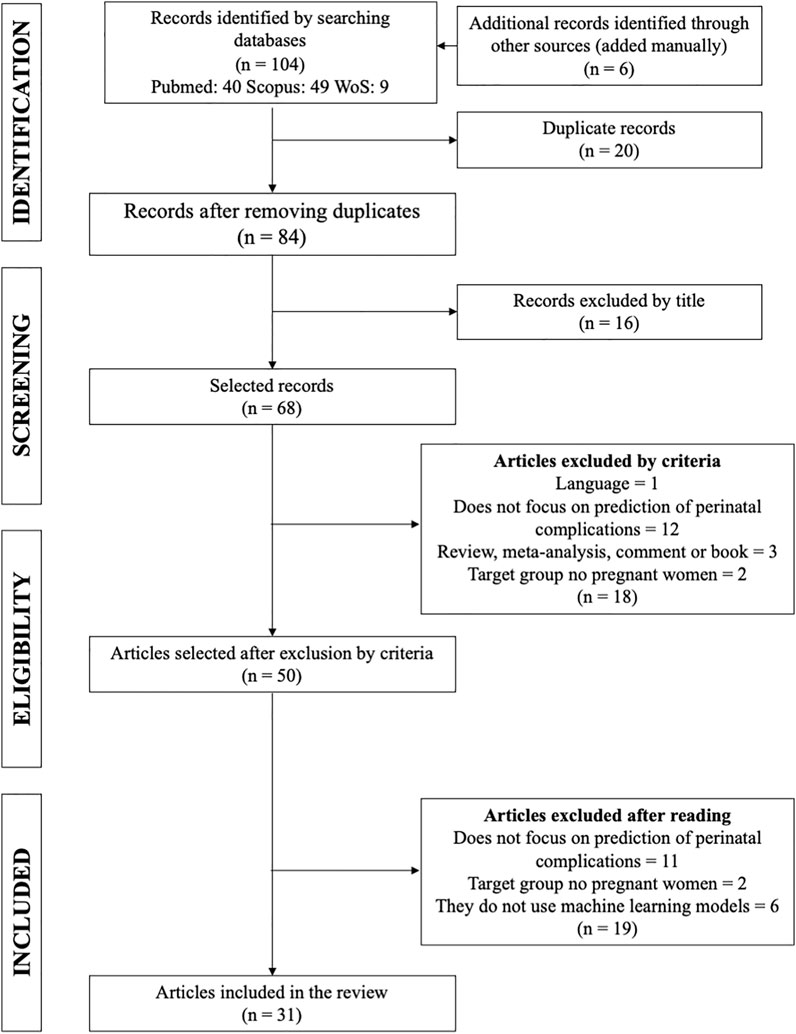
FIGURE 1. Process for selecting articles for the systematic review (PRISMA). One hundred four articles were found. Sixteen articles were excluded by title, 18 were excluded by criteria, and 19 were excluded after reading. Finally, 31 articles for the review were selected.

TABLE 2. Main characteristics of selected articles.
According to the CASP checklist, one article met the total score and was classified as a high-quality article (Gao et al., 2019). The rest of the items were classified as moderate quality and none as low quality according to the evaluation criteria (average total score = 18–19). It is essential to mention that the “non-compliance” items were not being mentioned or not applicable to the study. The item asking whether the sample was randomized in 15 articles does not apply since analyzed retrospective electronic health records or images. Regarding using a comparison group, 12 reports do not apply due to retrospective data and data management for the prediction model (Supplementary Figure S1).
Features Studied
The choice of informative, discriminatory, and independent characteristics is crucial to achieving effective algorithms for recognizing, classifying, and regression patterns. Thus, the four types of features analyzed in the articles were electronic medical records (EMRs) (Table 3), medical images (recordings, ecotomographs, ultrasound, resonance, etc.) (Table 4), biological markers (Table 5), and others (sensors and fetal heart rate) (Table 6).
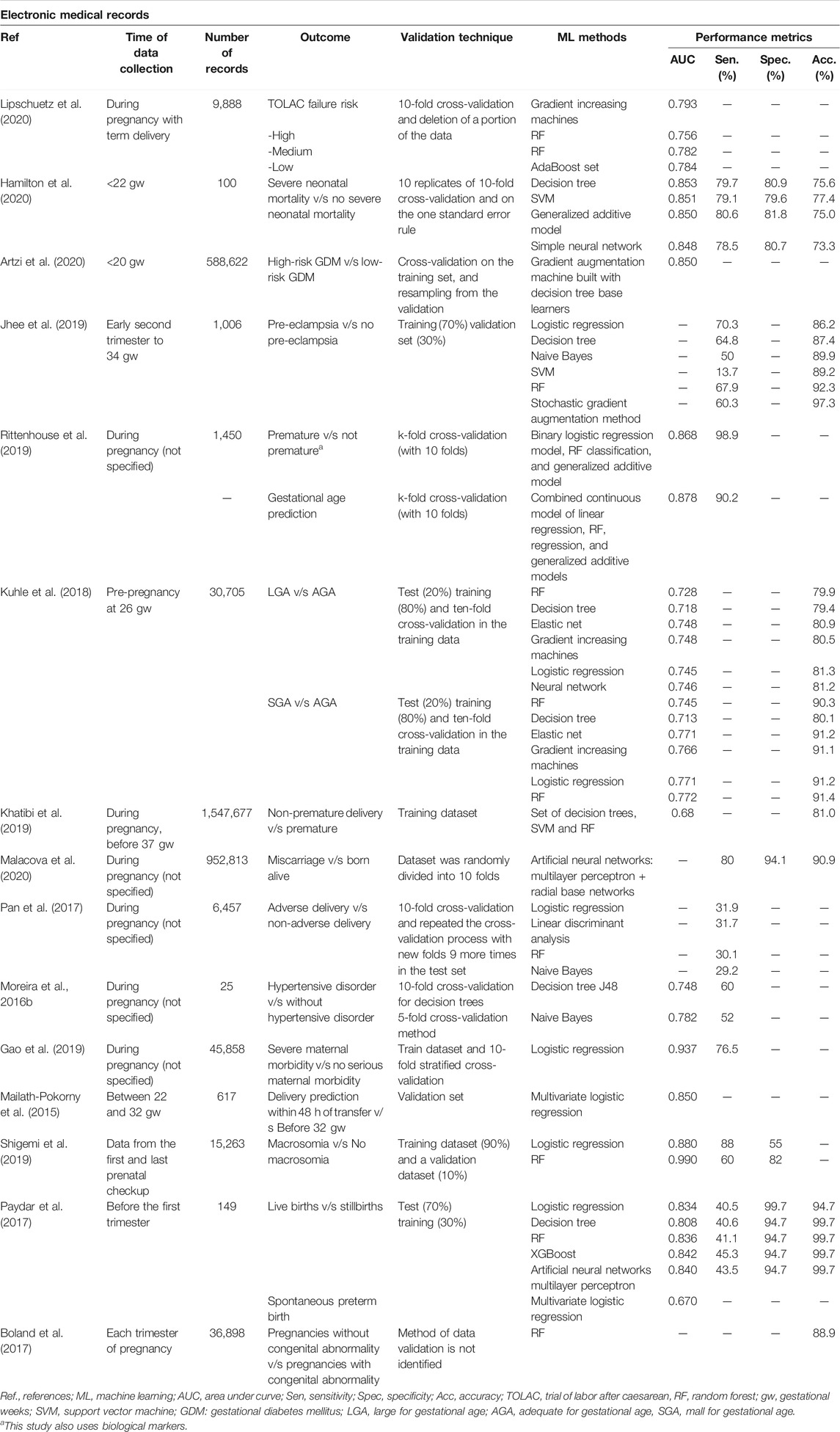
TABLE 3. Perinatal complications predicted through ML models using electronic medical records.
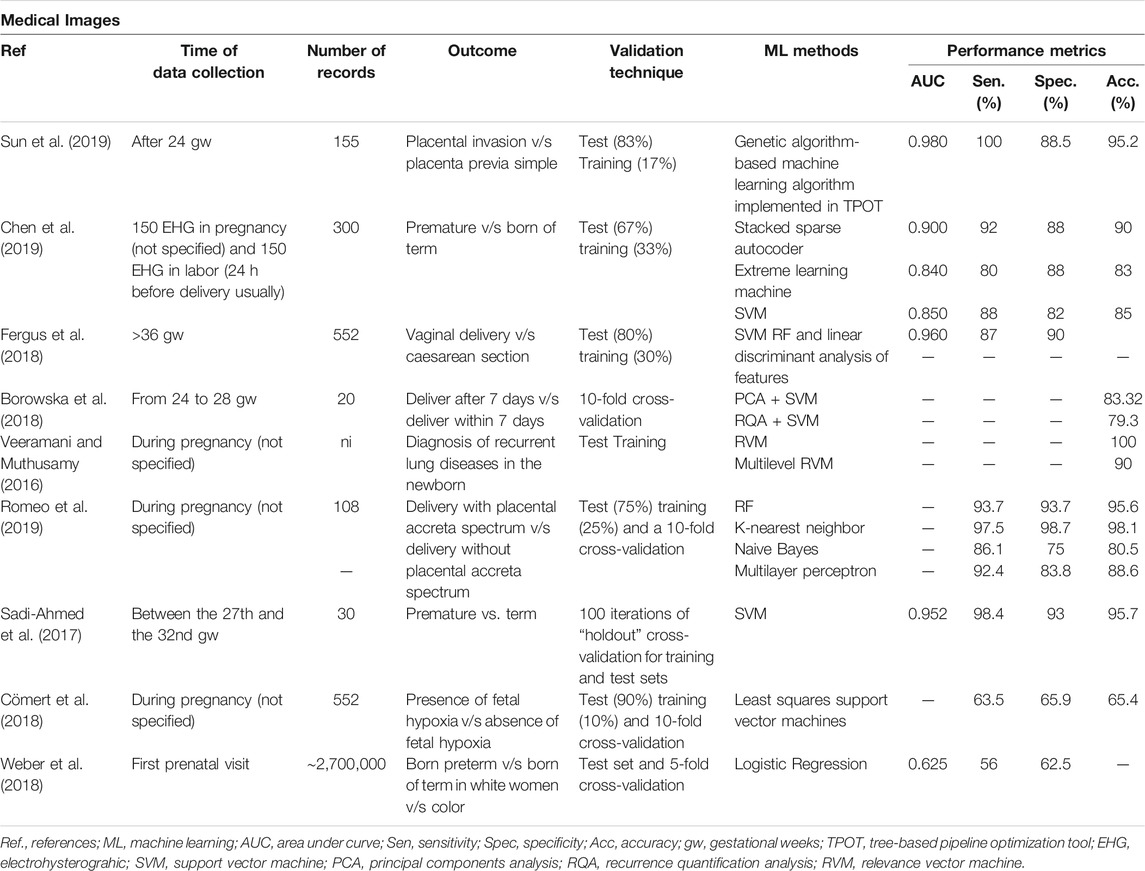
TABLE 4. Perinatal complications predicted through ML models using medical images.
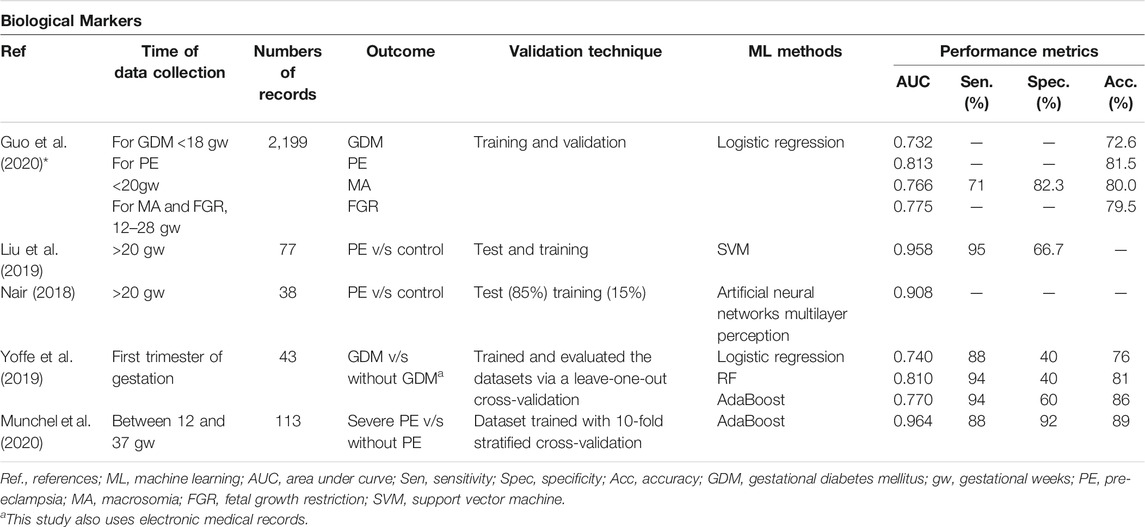
TABLE 5. Perinatal complications predicted through ML models using biological markers.
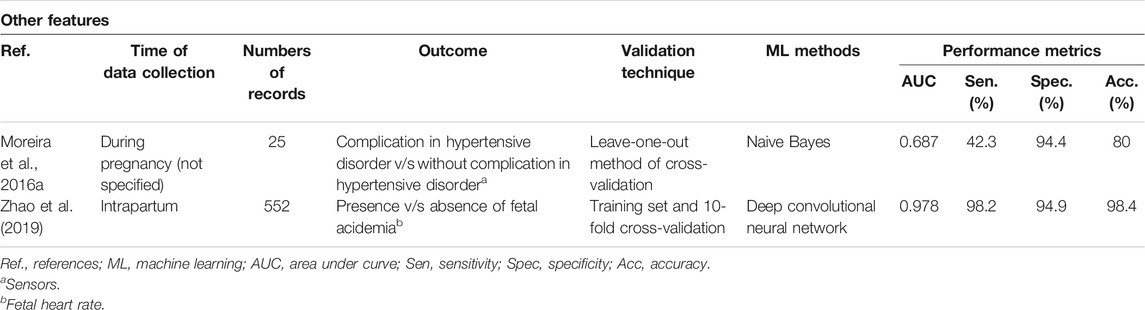
TABLE 6. Perinatal complications predicted through ML models using sensors and fetal heart rate.
Perinatal Complications to Predict
These have been divided into 16 main prediction outputs: prematurity, pre-eclampsia, adverse delivery, size for gestational age, gestational diabetes mellitus, neonatal mortality, fetal acidemia, fetal hypoxia, placental accreta, pulmonary diseases, cesarean section, placental invasion, congenital anomaly, severe maternal morbidity, spontaneous abortion, and trial of labor after cesarean (TOLAC) failure (Figure 2). The main perinatal complications considered in the application of ML are prematurity (7 studies) and pre-eclampsia (6 studies).
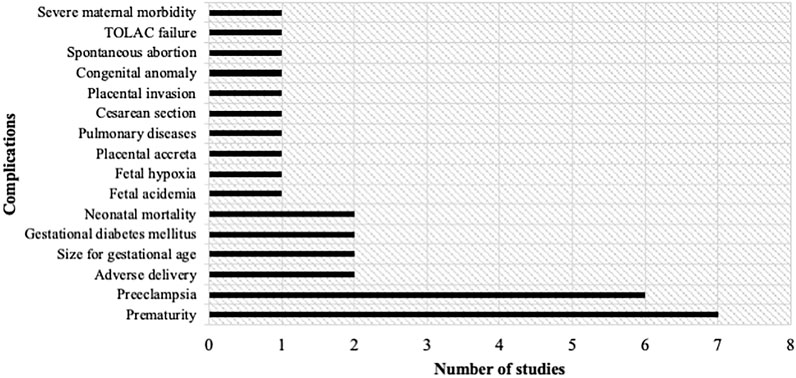
FIGURE 2. Number of studies according to the complication to be predicted. Sixteen complications were identified: Prematurity, pre-eclampsia, adverse delivery, size for gestational age, gestational diabetes mellitus, neonatal mortality, fetal acidemia, fetal hypoxia, placental accreta, pulmonary diseases, cesarean section, placental invasion, congenital anomaly, spontaneous abortion and trial of labor after cesarean (TOLAC) failure, and severe maternal morbidity.
Validation Methods
Validation methods are strategies that allow the estimation of the predictive capacity of ML models. Fifty-five percent use training tests and the cross-validation method as a validation method with greater reliability in results, while 41.8% use a single validation method and 3.2% do not use any validation method (neither training tests nor cross-validation).
ML Models and Performance Metrics
In the present review, 67.7% of the articles used AUC and 61.3% used the accuracy metric. Sensitivity was only evaluated in 61.3% of the studies. While all studies assess results with at least one performance metric, reports of predictive accuracy were often incomplete, with a total of 38.7% of studies reviewing at most two performance methods. According to the studies, none had a clinical application, they only functioned to establish precise prediction systems in the diagnosis of the different perinatal complications presented.
Twenty-one different ML methods were used to predict these 16 perinatal complications. Placental invasion is referred to as placental adhesive disorders observed in women with placenta previa or prior cesarean section that lead to complications such as perinatal hemorrhage and visceral injuries, where an early diagnosis is necessary for appropriate treatment (Sun et al., 2019). Excellent performance of placental invasion can be observed with an AUC and an accuracy of 0.980 and 95.2%, respectively, using the Tree-based Pipeline Optimization Tool (TPOT) (Sun et al., 2019). To predict fetal acidemia, using convolutional neural networks, an AUC and accuracy of 0.978 and 98.4% are achieved, respectively (Zhao et al., 2019). Only one study of the six attempting to diagnose pre-eclampsia had a performance considered as good, using the AdaBoost model, with an AUC of 0.964 and an accuracy of 89% (Munchel et al., 2020). The prediction of prematurity has excellent results in two studies; the one that uses SVM achieves an AUC of 0.952 and an accuracy of 95.7% (Sadi–Ahmed et al., 2017), and the study that uses stacked sparse autoencoder achieves an AUC of 0.900 and an accuracy of 90% (Chen et al., 2019). For the prediction of neonatal mortality, through sociodemographic records using XGBoost, an AUC of 0.842 and an accuracy of 99.7% were obtained (Hamilton et al., 2020). Regarding the performance of the predictions included in the greatest number of studies, prematurity outperformed pre-eclampsia according to the AUC (Table 7).

TABLE 7. Models with best performance according to AUC and accuracy.
It was decided to corroborate the performance of the methods based on deep learning. Only four studies used deep learning methods. They all had an excellent performance. For the prediction of fetal acidemia, a deep convolutional network was used with an AUC of 0.978 and an accuracy of 98.4% (Zhao et al., 2019). For the prediction of spontaneous abortion, multilayer perceptron and radial-based networks were used, with an accuracy of 90.9% (Paydar et al., 2017). And as mentioned above, for the prediction of pre-eclampsia, using biological markers and multilayer perceptron, an AUC of 0.908 was obtained (Nair, 2018). For the prediction of neonatal mortality, through sociodemographic records using XGBoost, an AUC of 0.842 and an accuracy of 99.7% were obtained (Hamilton et al., 2020) (Table 8).
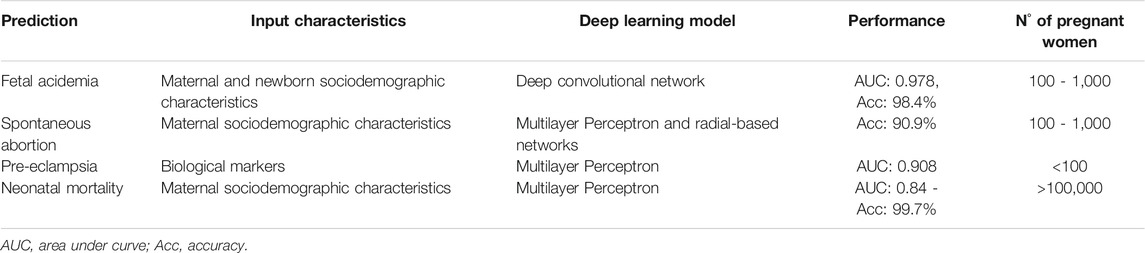
TABLE 8. Models and precision based on deep learning.
Interpretable ML Models
The interpretability of ML models refers to the degree to which a human being can consistently predict the outcome of the model (Kim et al., 2016), which has been well accepted by the clinical team. In this systematic review, we found that 24% of the studies use AI-interpretable ML models. The ML methods that were the most used in the prediction of perinatal complications were the random forest, logistic regression, neural networks, and support vector machine (SVM).
Predictive Variables
Forty-eight percent of the studies explain the main characteristics of pregnant women that could be relevant to predict some conditions. Characteristics and antecedents such as gestational diabetes, cardiovascular disease, underlying diseases, and the age of the mother, as well as the presence of chronic arterial hypertension, are considered high-ranking features for the prediction of premature births; and the father’s nationality is very important to differentiate the provider-initiated spontaneous preterm births (Khatibi et al., 2019).
On the other hand, important predictors to determine the likelihood of a newborn to be small for gestational age (SGA) were smoking, a particular amount of gestational weight gain, and low–birth weight newborn. The body mass index (BMI) before pregnancy, gestational weight gain, and a macrosomic newborn in a previous delivery were the strongest predictors to determine large for gestational age (LGA) newborns (Kuhle et al., 2018). To predict fetal macrosomia, the determining variables were age ≥30, multiparity, 12 kg of total weight gain during pregnancy, abdominal circumference >95 cm (at the last perinatal checkup), and a gestation period over 39 weeks (Shigemi et al., 2019).
In order to predict pre-eclampsia, the most influential variables were systolic blood pressure, serum levels of ureic nitrogen and creatinine, platelet count, serum potassium level, leukocyte count, blood glucose level, serum calcium, and proteinuria levels in the early second trimester (Jhee et al., 2019). Interestingly, high pre-pregnancy BMI and previous preterm births (Pan et al., 2017) were able to predict whether pregnant women will have an adverse pregnancy outcome (preterm, low birth weight, neonatal/infant death, stay in the neonatal intensive care unit) and indicate the main risk characteristics.
Furthermore, in order to predict TOLAC, the determining factors in the prediction model were parity, age, vaginal birth with cesarean section in the past, gestational weeks, minimum gestation week in previous deliveries, the weight of the newborn from the previous delivery, dilation, and head position (Lipschuetz et al., 2020). To predict pregnancy complications associated with placental alterations (pre-eclampsia, GDM, fetal growth restriction, macrosomia), maternal age, BMI, newborn weight, and the results of adverse events in previous pregnancies were the most influential characteristics in the study (Guo et al., 2020).
To predict gestational age at delivery (if the newborn will be preterm) variables such as the date of the mother’s last menstruation, birth weight, delivery of twins, maternal height, hypertension during labor and HIV serological status were decisive in the ML model (Rittenhouse et al., 2019). To determine preterm birth, the presence of premature rupture of membranes and/or vaginal bleeding, ultrasound cervical length, gestation week, fetal fibronectin, and serum C-reactive protein were the determining variables (Mailath-Pokorny et al., 2015). In another study, prediction of preterm birth considered the most relevant variables to be maternal age, whether the mother was black, Hispanic, Asian, born in the United States, delivered by herself or assisted by a physician, presence of diabetes mellitus, chronic arterial hypertension, thyroid dysfunction, asthma, previous stillbirth, fetal weight loss, in vitro fertilization, nulliparity, being a smoker during the first trimester, and BMI (Weber et al., 2018).
Stillbirth can potentially be identified prenatally considering the combination of current pregnancy complications, congenital anomalies, maternal characteristics, and medical history (Malacova et al., 2020). Determining factors for the prediction of fetal acidemia were maternal age, gestational age, pH, extracellular fluid deficit, pCO2, base excess, APGAR 1 and 5 min, parity, gestational diabetes, birth weight, child sex, and the type of delivery (Zhao et al., 2019).
In the case of the prediction of severe maternal morbidity, the following characteristics were determining factors: ventilator dependence, intubation, critical care, acute respiratory failure, ventilation, trauma and postoperative pulmonary failure, fluid and electrolyte disorder, systemic inflammatory response syndrome, acidosis, and septicemia (Gao et al., 2019).
Clinical Applicability of ML Systems
According to the studies, none had clinical application; they only served to establish precise prediction systems to diagnose the perinatal complications presented.
Discussion
Input Variables on Machine Learning
Machine learning plays a vital role and offers solutions with many applications, for example, image detection, data mining, natural language processing, and disease diagnosis (Maity and Das, 2017). This systematic review provides a study of different ML techniques for the diagnosis of different perinatal complications and frames a contribution to women’s health. A total of sixteen perinatal complications predicted by various ML models were detected, among which the most studied were prematurity and pre-eclampsia.
ML can significantly improve health care; however, it is necessary to consider the disadvantages of AI in health. Ethical dilemmas need to be addressed and the potential for human biases when creating computer algorithms (Ho et al., 2019). Health-care predictions can vary based on race, genetics, gender, and other characteristics, which could lead to the overestimation or underestimation of patient risk factors if not considered. When it comes to AI analysis in health care, it will be the physician’s responsibility to ensure that AI algorithms are developed and applied appropriately (Jordan and Mitchell, 2015).
In the present systematic review, the main data collection method was the use of electronic medical records. ML techniques can establish patterns from a data set based on electronic medical records (EMRs). Pattern recognition from these records supports in predicting and making decisions for diagnosis and treatment planning (Johnson et al., 2016). The application of EMR-based ML methods can be combined with other sources of large medical data, such as genomics, and medical imaging, which through predictive algorithms could improve clinical diagnosis and treatment systems, when used as complementary information (Barak-Corren et al., 2017). EMR data usually include demographics data, diagnoses, biochemical markers, vital signs, clinical notes, prescriptions, and procedures, which are generally easy to obtain and reduce transfer errors when handling large amounts of information. Previously, several studies have described medical diagnosis prediction tools mediated EMRs (McCoy et al., 2015; Osborn et al., 2015; Nguyen et al., 2017; Rajkomar et al., 2018); furthermore, in the present systematic review, 48% of the features for the diagnosis prediction model to perinatal complications came from EMRs, of which the most used features were sociodemographic maternal characteristics. Thus, this tool can predict perinatal complications common in a given population, contributing to the overall improvement of perinatal public health.
Perinatal complications as Output Variables
Output variables were usually binary outputs (with complication or without complication). However, some studies quantified the risk, for example, the risk of TOLAC was classified as high, medium, or low (Lipschuetz et al., 2020), and in studies of gestational diabetes, one article quantified it as high risk or low risk (Cömert et al., 2018). The most frequently predicted perinatal complications in ML models were prematurity and pre-eclampsia. According to the literature, the high rate of preterm birth is a public health problem, since these newborns suffer substantial morbidity and mortality in the neonatal period, which translates to high medical costs (McCormick et al., 2011). Pre-eclampsia is a pregnancy disorder characterized by the new onset of hypertension after 20 weeks gestation and organ damage with underlying causes being endothelial dysfunction (ACOG (American College of Obstetricians and Gynecologists), 2020; Carrasco-Wong et al., 2021; Roberts, 1998). It is the leading cause of maternal and neonatal mortality and morbidity (Salsoso et al., 2017; Fondjo et al., 2019). Thus, prediction of the risk for developing pre-eclampsia can be performed in the first half of pregnancy.
Performance of the Machine Learning Methods
Diagnostic accuracy is the ability of a test to discriminate between the target condition and health. This discriminative potential can be quantified by several performance tools, such as sensitivity and specificity, AUC, accuracy metric, and other measurements (Šimundić, 2009). While all studies assess results with at least one performance metric and just 38.7% assess at least two performance methods, reports of predictive accuracy were often incomplete. With this observation, it is imperative to show the same performance tools on the different prediction models to evaluate accuracy compared between them.
In this systematic review, several ML methods were used. One of the better performances was obtained by the Tree-based Pipeline Optimization Tool (TPOT) to predict placental invasion (Sun et al., 2019), which was previously used in the investigation of novel characteristics in data science, providing optimization of the studied parameters (Le et al., 2020). Another excellent performance observed was the convolutional neural network (CNN) to predict fetal acidemia (Zhao et al., 2019). The CNN has gained much attention from attempts made at harnessing its power to automatically learn intrinsic patterns from data, which can avoid time-consuming manual functions engineering, and capture hidden intrinsic patterns more effectively (Oquab et al., 2014). Moreover, in the health-care field, CNN has been shown to capture more hidden data patterns and learn high-level abstraction in problem-solving (Zhang et al., 2017).
It is essential to mention that it is difficult to reach a consensus on the best method for predicting perinatal complications, since not all of them had the same input variables, type of records, and a number of samples. However, the best performance metrics observed were the prediction model of prematurity from medical images using the SVM technique with an accuracy of 95.7% and the prediction of neonatal mortality using the XGBoost technique with an accuracy of 99.7%. SVM has shown simplicity and flexibility to address several classification problems and also offers balanced predictive performance even in studies where sample sizes may be limited (Alkhaleefah and Wu, 2018). The XGBoost technique is a very effective and widely used ML method that data scientists use to achieve state-of-the-art results in many ML challenges (Wang et al., 2020).
Interpretability of Machine Learning
Despite the recognition of the value of ML in medical care, impediments persist for its greater acceptance within medical teams (Holzinger et al., 2019). A fundamental impediment relates to the nature of the black box, or “opacity,” of many ML algorithms. The term refers to a system in which only the inputs and outputs are observable, while the question of what is transforming the inputs into the outputs cannot be fully understood (Molnar, 2019). Therefore, new techniques have been developed to facilitate the understanding of the internal functioning of the model, granting interpretability, which seeks to provide transparency to the black box (Freitas, 2014; Doshi-Velez et al., 2017; Lipton, 2018), so that the end-user can understand the model and may even improve the ML system (Freitas, 2014). The improvement in the precision of the prediction will depend on the interpretability of the model to be used. This means that with ML interpretability, clinical staff could know which variables are involved in the prediction of a diagnosis.
Regarding the predictive variables, while most of them agreed with current knowledge, it was also shown that ML models contributed new variables of relevance, which would be interesting to observe in controlled clinical studies (Table 9). For example, pre-eclampsia was found to be predictable based on systemic blood pressure, platelet count, and urinary protein levels as influential variables, with lesser influence found from glucose levels, leukocytes count, serum calcium, and potassium levels (Jhee et al., 2019). Other innovative variables of interest found using ML in the prediction of perinatal complications were newborn sex for the prediction of fetal acidemia (Liu et al., 2019), and father’s nationality and mother’s age for the prediction of provider-initiated spontaneous preterm delivery (Malacova et al., 2020). Nevertheless, some prediction models lack variable measurements, making them impossible to apply in a clinical setting. For example, “weight gain” is mentioned as a predictor for SGA and LGA, but the article does not specify whether it was inadequate or excessive (Kuhle et al., 2018). It is also stated that the underlying disease of the mother influences the delivery initiated by the provider; however, it is not detailed which underlying disease is considered in this association (Khatibi et al., 2019). Also, some studies describe obvious associations, such as low birth weight is associated with SGA, or fetal macrosomia is associated with LGA (Kuhle et al., 2018). pH was also a predictor of fetal acidemia, which is logical since this condition is associated with pH changes (Zhao et al., 2019). Since the engineering team behind these investigations emphasizes these characteristics in the results, without taking this obviousness into account, it is imperative to include clinical experts on women’s health into AI and data science teams.
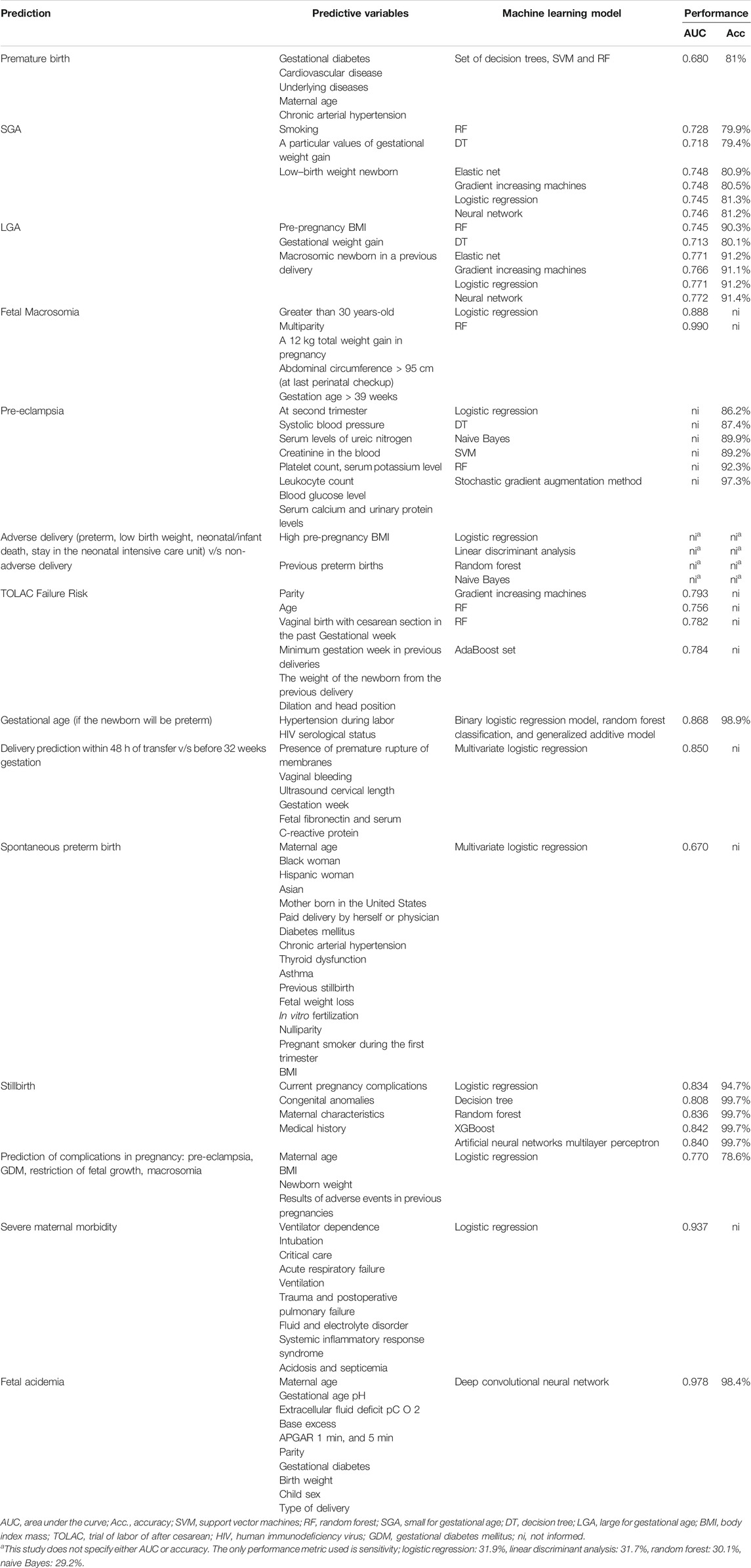
TABLE 9. Main predictive variables for predicting perinatal complications
Only 6.4% of the studies were case–control studies, while the vast majority were cohort studies. This may limit the use of these results in clinical practice (Salazar et al., 2019). Only one study was multicenter for predicting neonatal morbidity (Khatibi et al., 2019), representing higher quality evidence. Among the best performing studies, it is noteworthy that most had less than 1,000 patients, and only one based on XGBoost to predict neonatal mortality had over 10,000 patients. This may be risky since the sample size may not be representative for a given geographic group, representing one of the limitations of ML in health (Vayena et al., 2018). Also, another significant limitation of the present systematic review is that all studies included have different baselines, variable inputs, and separate complications (endpoints) assessed in their prediction, making it difficult to compare them.
It is essential to mention that all the studies reviewed have not been applied in a clinical phase; however, the majority mention that to optimize the results obtained, and the models should be used in hospitals or health services that care for pregnant women. Future prospective studies and additional population studies are needed to assess the clinical utility of the model for the real world (Liu et al., 2019; Malacova et al., 2020).
Few systematic reviews have addressed the use of AI in pregnancy. The first one describes how AI has been applied to evaluate maternal health during the entire pregnancy process and helped to understand the effects of pharmacological treatments during this stage (Davidson & Boland, 2020). The second systematic review concluded that using ML algorithms is better than using multivariable logistic regression for prognostic prediction studies in pregnancy care, focusing mainly on decision-making for the medical team (Sufriyana et al., 2020). Furthermore, the third one performed exclusively on neonatal mortality reported that ML models can accurately predict neonatal death (Mangold et al., 2021). Last, the use of modern bioinformatics methods analyzing ML models as non-invasive measures of heart rate variability to monitor newborns and infants was reported (Chiera et al., 2020). Although this body of evidence does not focus on predicting pregnancy complications, it encourages the clinical use of IA to support women’s health during pregnancy.
Conclusion
In conclusion, the main advantage of interpretable ML applications is that the output is not subjective, due to the fact that it is based on real-world data and results and identifies the most critical variables for clinicians. It is important to continue promoting this field of research in ML in order to obtain solutions with multicenter clinical applicability reduce perinatal complications. AI has the overall potential to revolutionize women’s health care by providing more accurate diagnosis, easing the workload of physicians, lowering health-care costs, and providing benchmark analysis for tests with substantial interpretation differences between specialists. This systematic review contributes significantly to the specialized literature on AI and women’s health.
Data Availability Statement
The original contributions presented in the study are included in the article/Supplementary Material, further inquiries can be directed to the corresponding author.
Author Contributions
AB provided the principal idea, searched for information, and wrote the manuscript. RS provided the full support of the machine learning approach (search and discussion). SC provided the support on PRISMA technique and for machine learning applied on health. LS provided the support on the discussion on clinical approach on pregnancy complications. FP was the organizer of the manuscript and provided support on the discussion on machine learning, clinical approach, and pregnancy complications.
Funding
Supported by project PUENTE, UVA20993, Universidad de Valparaiso, Chile, the Fondo Nacional de Desarrollo Científico y Tecnológico (FONDECYT) (grant number 1190316), Chile, and International Sabbaticals (LS) (University Medical Centre Groningen, University of Groningen, The Netherlands) from the Vicerectorate of Academic Affairs, Academic Development Office of the Pontificia Universidad Católica de Chile. The work of RS and SC was partially funded by ANID, Chile–Millennium Science Initiative Program—ICN2021_004. LS is part of The Diamater Study Group, Sao Paulo Research Foundation-FAPESP, São Paulo (grant number FAPESP 2016/01743–5), Brazil. AB holds a fellowship from “Beca de Doctorado FIB—UV 2021” from Universidad de Valparaíso.
Conflict of Interest
The authors declare that the research was conducted in the absence of any commercial or financial relationships that could be construed as a potential conflict of interest.
Publisher’s Note
All claims expressed in this article are solely those of the authors and do not necessarily represent those of their affiliated organizations, or those of the publisher, the editors, and the reviewers. Any product that may be evaluated in this article, or claim that may be made by its manufacturer, is not guaranteed or endorsed by the publisher.
Supplementary Material
The Supplementary Material for this article can be found online at: https://www.frontiersin.org/articles/10.3389/fbioe.2021.780389/full#supplementary-material
Supplementary Figure S1 | CASP prediction rule score of each article for bias review.The score for every study included in the systematic review. The maximum score is 22.
Supplementary Table S1 | Checklist for compliance with the review based on the PRISMA.
Supplementary Table S2 | List of selected items.
References
ACOG (American College of Obstetricians and Gynecologists) (2020). Gestational Hypertension and Preeclampsia: ACOG Practice Bulletin, Number 222. Obstet. Gynecol. 135, e237–e260. doi:10.1097/AOG.0000000000003891
Ahmed, Z., Mohamed, K., Zeeshan, S., and Dong, X. (2020). Artificial Intelligence with Multi-Functional Machine Learning Platform Development for Better Healthcare and Precision Medicine. Database (Oxford) 2020, baaa010. doi:10.1093/database/baaa010
Alkhaleefah, M., and Wu, C.-C. (2018). “A Hybrid CNN and RBF-Based SVM Approach for Breast Cancer Classification in Mammograms,”in 2018 IEEE International Conference on Systems, Man, and Cybernetics (SMC), Miyazaki, Japan, 7-10 Oct. 2018, 894–899. doi:10.1109/SMC.2018.00159
Artzi, N. S., Shilo, S., Hadar, E., Rossman, H., Barbash-Hazan, S., Ben-Haroush, A., et al. (2020). Prediction of Gestational Diabetes Based on Nationwide Electronic Health Records. Nat. Med. 26, 71–76. doi:10.1038/s41591-019-0724-8
Barak-Corren, Y., Castro, V. M., Javitt, S., Hoffnagle, A. G., Dai, Y., Perlis, R. H., et al. (2017). Predicting Suicidal Behavior from Longitudinal Electronic Health Records. Ajp 174, 154–162. doi:10.1176/appi.ajp.2016.16010077
Boland, M. R., Polubriaginof, F., and Tatonetti, N. P. (2017). Development of A Machine Learning Algorithm to Classify Drugs of Unknown Fetal Effect. Sci. Rep. 7, 12839. doi:10.1038/s41598-017-12943-x
Borowska, M., Brzozowska, E., Kuć, P., Oczeretko, E., Mosdorf, R., and Laudański, P. (2018). Identification of Preterm Birth Based on RQA Analysis of Electrohysterograms. Comp. Methods Programs Biomed. 153, 227–236. doi:10.1016/j.cmpb.2017.10.018
Bottaci, L., Drew, P. J., Hartley, J. E., Hadfield, M. B., Farouk, R., Lee, P. W., et al. (1997). Artificial Neural Networks Applied to Outcome Prediction for Colorectal Cancer Patients in Separate Institutions. The Lancet 350, 469–472. doi:10.1016/S0140-6736(96)11196-X
Brownlee, J. (2017). What Is the Difference between Test and Validation Datasets. Available at: https://www.machinelearningmastery.com/difference-test-validation-datasets/(Accessed November 20, 2021).
Carrasco-Wong, I., Aguilera-Olguín, M., Escalona-Rivano, R., Chiarello, D. I., Barragán-Zúñiga, L. J., Sosa-Macías, M., et al. (2021). Syncytiotrophoblast Stress in Early Onset Preeclampsia: The Issues Perpetuating the Syndrome. Placenta 113, 57–66. doi:10.1016/j.placenta.2021.05.002
Carvalho, D. V., Pereira, E. M., and Cardoso, J. S. (2019). Machine Learning Interpretability: A Survey on Methods and Metrics. Electronics 8, 832. doi:10.3390/electronics8080832
CASP Clinical Prediction Rule Checklist (2017). Critical Appraisal Skills Programme. Oxford, UK: Oxford Centre for Triple Value Healthcare. Available at: https://casp-uk.net/wp-content/uploads/2018/01/CASP-Clinical-Prediction-Rule-Checklist_2018.pdf (Accessed November 12, 2021).
Cecula, P. (2021). Artificial Intelligence: The Current State of Affairs for AI in Pregnancy and Labour. J. Gynecol. Obstet. Hum. Reprod. 50, 102048. doi:10.1016/j.jogoh.2020.102048
Chen, L., Hao, Y., and Hu, X. (2019). Detection of Preterm Birth in Electrohysterogram Signals Based on Wavelet Transform and Stacked Sparse Autoencoder. PLoS One 14, e0214712. doi:10.1371/journal.pone.0214712
Chiera, M., Cerritelli, F., Casini, A., Barsotti, N., Boschiero, D., Cavigioli, F., et al. (2020). Heart Rate Variability in the Perinatal Period: A Critical and Conceptual Review. Front. Neurosci. 14, 561186. doi:10.3389/fnins.2020.561186
Cömert, Z., Kocamaz, A. F., and Subha, V. (2018). Prognostic Model Based on Image-Based Time-Frequency Features and Genetic Algorithm for Fetal Hypoxia Assessment. Comput. Biol. Med. 99, 85–97. doi:10.1016/j.compbiomed.2018.06.003
Darcy, A. M., Louie, A. K., and Roberts, L. W. (2016). Machine Learning and the Profession of Medicine. JAMA 315, 551–552. doi:10.1001/jama.2015.18421
Davidson, L., and Boland, M. R. (2020). Enabling Pregnant Women and Their Physicians to Make Informed Medication Decisions Using Artificial Intelligence. J. Pharmacokinet. Pharmacodyn. 47, 305–318. doi:10.1007/s10928-020-09685-1
Denison, F. C., Roberts, K. A., Barr, S. M., and Norman, J. E. (2010). Obesity, Pregnancy, Inflammation, and Vascular Function. Reproduction 140, 373–385. doi:10.1530/REP-10-0074
Doshi-Velez, F., Kortz, M., Budish, R., Bavitz, C., Gershman, S. J., O'Brien, D., et al. (2017). Accountability of AI under the Law: The Role of Explanation. SSRN J. arXiv. doi:10.2139/ssrn.3064761
Edwards, P., and Wright, G. (2020). Obesity in Pregnancy. Obstet. Gynaecol. Reprod. Med. 30, 315–320. doi:10.1016/j.ogrm.2020.07.003
Fergus, P., Selvaraj, M., and Chalmers, C. (2018). Machine Learning Ensemble Modelling to Classify Caesarean Section and Vaginal Delivery Types Using Cardiotocography Traces. Comput. Biol. Med. 93, 7–16. doi:10.1016/j.compbiomed.2017.12.002
Fondjo, L. A., Boamah, V. E., Fierti, A., Gyesi, D., and Owiredu, E.-W. (2019). Knowledge of Preeclampsia and its Associated Factors Among Pregnant Women: A Possible Link to Reduce Related Adverse Outcomes. BMC Pregnancy Childbirth 19, 456. doi:10.1186/s12884-019-2623-x
Freitas, A. A. (2014). Comprehensible Classification Models. SIGKDD Explor. Newsl. 15, 1–10. doi:10.1145/2594473.2594475
Frizzell, J. D., Liang, L., Schulte, P. J., Yancy, C. W., Heidenreich, P. A., Hernandez, A. F., et al. (2017). Prediction of 30-Day All-Cause Readmissions in Patients Hospitalized for Heart Failure. JAMA Cardiol. 2, 204–209. doi:10.1001/jamacardio.2016.3956
Gao, C., Osmundson, S., Yan, X., Edwards, D. V., Malin, B. A., and Chen, Y. (2019). Learning to Identify Severe Maternal Morbidity from Electronic Health Records. Stud. Health Technol. Inform. 264, 143–147. doi:10.3233/SHTI190200
Guo, Z., Yang, F., Zhang, J., Zhang, Z., Li, K., Tian, Q., et al. (2020). Whole‐Genome Promoter Profiling of Plasma DNA Exhibits Diagnostic Value for Placenta‐Origin Pregnancy Complications. Adv. Sci. 7, 1901819. doi:10.1002/advs.201901819
Hamilton, E. F., Dyachenko, A., Ciampi, A., Maurel, K., Warrick, P. A., and Garite, T. J. (2020). Estimating Risk of Severe Neonatal Morbidity in Preterm Births under 32 Weeks of Gestation. J. Maternal-Fetal Neonatal Med. 33, 73–80. doi:10.1080/14767058.2018.1487395
Hinton, G. (2018). Deep Learning-A Technology with the Potential to Transform Health Care. JAMA 320, 1101–1102. doi:10.1001/jama.2018.11100
Ho, C. W. L., Soon, D., Caals, K., and Kapur, J. (2019). Governance of Automated Image Analysis and Artificial Intelligence Analytics in Healthcare. Clin. Radiol. 74, 329–337. doi:10.1016/j.crad.2019.02.005
Holzinger, A., Langs, G., Denk, H., Zatloukal, K., and Müller, H. (2019). Causability and Explainability of Artificial Intelligence in Medicine. Wires Data Mining Knowl Discov. 9, e1312. doi:10.1002/widm.1312
Iftikhar, P. M., Kuijpers, M. V., Khayyat, A., Iftikhar, A., and DeGouvia De Sa, M. (2020). Artificial Intelligence: A New Paradigm in Obstetrics and Gynecology Research and Clinical Practice. Cureus 12, e7124. doi:10.7759/cureus.7124
Jhee, J. H., Lee, S., Park, Y., Lee, S. E., Kim, Y. A., Kang, S.-W., et al. (2019). Prediction Model Development of Late-Onset Preeclampsia Using Machine Learning-Based Methods. PLoS ONE 14, e0221202. doi:10.1371/journal.pone.0221202
Johnson, A. E. W., Ghassemi, M. M., Nemati, S., Niehaus, K. E., Clifton, D., and Clifford, G. D. (2016). Machine Learning and Decision Support in Critical Care. Proc. IEEE 104, 444–466. doi:10.1109/JPROC.2015.2501978
Jordan, M. I., and Mitchell, T. M. (2015). Machine Learning: Trends, Perspectives, and Prospects. Science 349, 255–260. doi:10.1126/science.aaa8415
Khatibi, T., Kheyrikoochaksarayee, N., and Sepehri, M. M. (2019). Analysis of Big Data for Prediction of Provider-Initiated Preterm Birth and Spontaneous Premature Deliveries and Ranking the Predictive Features. Arch. Gynecol. Obstet. 300, 1565–1582. doi:10.1007/s00404-019-05325-3
Kim, B., Khanna, R., and Koyejo, O. (2016). “Examples Are Not Enough, Learn to Criticize! Criticism for Interpretability,” in Proceedings of the 30th International Conference on Neural Information Processing Systems, 2288–2296.
Kuhle, S., Maguire, B., Zhang, H., Hamilton, D., Allen, A. C., Joseph, K. S., et al. (2018). Comparison of Logistic Regression with Machine Learning Methods for the Prediction of Fetal Growth Abnormalities: a Retrospective Cohort Study. BMC Pregnancy Childbirth 18, 333. doi:10.1186/s12884-018-1971-2
Laopaiboon, M., Lumbiganon, P., Intarut, N., Mori, R., Ganchimeg, T., Vogel, J., et al. (2014). Advanced Maternal Age and Pregnancy Outcomes: a Multicountry Assessment. Bjog: Int. J. Obstet. Gy 121, 49–56. doi:10.1111/1471-0528.12659
Le, T. T., Fu, W., and Moore, J. H. (2020). Scaling Tree-Based Automated Machine Learning to Biomedical Big Data with a Feature Set Selector. Bioinformatics 36, 250–256. doi:10.1093/bioinformatics/btz470
Lipschuetz, M., Guedalia, J., Rottenstreich, A., Novoselsky Persky, M., Cohen, S. M., Kabiri, D., et al. (2020). Prediction of Vaginal Birth after Cesarean Deliveries Using Machine Learning. Am. J. Obstet. Gynecol. 222, e1–613.e12. doi:10.1016/j.ajog.2019.12.267
Lipton, Z. C. (2018). The Mythos of Model Interpretability. Commun. ACM 61, 36–43. doi:10.1145/3233231
Liu, K., Fu, Q., Liu, Y., and Wang, C. (2019). An Integrative Bioinformatics Analysis of Microarray Data for Identifying Hub Genes as Diagnostic Biomarkers of Preeclampsia. Biosci. Rep. 39, BSR20190187. doi:10.1042/BSR20190187
Mailath-Pokorny, M., Polterauer, S., Kohl, M., Kueronyai, V., Worda, K., Heinze, G., et al. (2015). Individualized Assessment of Preterm Birth Risk Using Two Modified Prediction Models. Eur. J. Obstet. Gynecol. Reprod. Biol. 186, 42–48. doi:10.1016/j.ejogrb.2014.12.010
Maity, N. G., and Das, S. (2017). “Machine Learning for Improved Diagnosis and Prognosis in Healthcare,” in 2017 IEEE Aerospace Conference, Big Sky, MT, USA, 4-11 March 2017, 1–9. doi:10.1109/AERO.2017.7943950
Makary, M. A., and Daniel, M. (2016). Medical Error-The Third Leading Cause of Death in the US. BMJ 353, i2139. doi:10.1136/bmj.i2139
Malacova, E., Tippaya, S., Bailey, H. D., Chai, K., Farrant, B. M., Gebremedhin, A. T., et al. (2020). Stillbirth Risk Prediction Using Machine Learning for a Large Cohort of Births from Western Australia, 1980-2015. Sci. Rep. 10, 5354. doi:10.1038/s41598-020-62210-9
Mangold, C., Zoretic, S., Thallapureddy, K., Moreira, A., Chorath, K., and Moreira, A. (2021). Machine Learning Models for Predicting Neonatal Mortality: A Systematic Review. Neonatology 118, 394–405. doi:10.1159/000516891
Mariona, F. G. (2016). Perspectives in Obesity and Pregnancy. Womens Health (Lond Engl. 12, 523–532. doi:10.1177/1745505716686101
McCormick, M. C., Litt, J. S., Smith, V. C., and Zupancic, J. A. F. (2011). Prematurity: An Overview and Public Health Implications. Annu. Rev. Public Health 32, 367–379. doi:10.1146/annurev-publhealth-090810-182459
McCoy, T. H., Castro, V. M., Rosenfield, H. R., Cagan, A., Kohane, I. S., and Perlis, R. H. (2015). A Clinical Perspective on the Relevance of Research Domain Criteria in Electronic Health Records. Ajp 172, 316–320. doi:10.1176/appi.ajp.2014.14091177
Molnar, C. (2019). Interpretable Machine Learning. A Guide for Making Black Box Models Explainable. Konstanz, Alemania: Leanpub.
Moreira, M. W. L., Rodrigues, J. J. P. C., Oliveira, A. M. B., Saleem, K., and Neto, A. (2016b). “Performance Evaluation of Predictive Classifiers for Pregnancy Care,” in 2016 IEEE Global Communications Conference (GLOBECOM), Washington, DC, USA, 4-8 Dec. 2016. doi:10.1109/GLOCOM.2016.7842136
Moreira, M. W. L., Rodrigues, J. J. P. C., Oliveira, A. M. B., and Saleem, K. (2016a). “Smart mobile System for Pregnancy Care Using Body Sensors,” in 2016 International Conference on Selected Topics in Mobile & Wireless Networking (MoWNeT), Cairo, Egypt, 11-13 April 2016. doi:10.1109/MoWNet.2016.7496609
Munchel, S., Rohrback, S., Randise-Hinchliff, C., Kinnings, S., Deshmukh, S., Alla, N., et al. (2020). Circulating Transcripts in Maternal Blood Reflect a Molecular Signature of Early-Onset Preeclampsia. Sci. Transl. Med. 12, eaaz0131. doi:10.1126/scitranslmed.aaz0131
Nair, T. M. (2018). Statistical and Artificial Neural Network-Based Analysis to Understand Complexity and Heterogeneity in Preeclampsia. Comput. Biol. Chem. 75, 222–230. doi:10.1016/j.compbiolchem.2018.05.011
Nguyen, P., Tran, T., Wickramasinghe, N., and Venkatesh, S. (2017). $\mathtt {Deepr}$: A Convolutional Net for Medical Records. IEEE J. Biomed. Health Inform. 21, 22–30. doi:10.1109/JBHI.2016.2633963
Obermeyer, Z., and Emanuel, E. J. (2016). Predicting the Future - Big Data, Machine Learning, and Clinical Medicine. N. Engl. J. Med. 375, 1216–1219. doi:10.1056/NEJMp1606181
Oquab, M., Bottou, L., Laptev, I., and Sivic, J. (2014). “Learning and Transferring Mid-level Image Representations Using Convolutional Neural Networks,” in Proceedings of the IEEE Computer Society Conference on Computer Vision and Pattern Recognition. doi:10.1109/CVPR.2014.222
Osborn, D. P. J., Hardoon, S., Omar, R. Z., Holt, R. I. G., King, M., Larsen, J., et al. (2015). Cardiovascular Risk Prediction Models for People with Severe Mental Illness. JAMA Psychiatry 72, 143–151. doi:10.1001/jamapsychiatry.2014.2133
Pan, I., Nolan, L. B., Brown, R. R., Khan, R., Van Der Boor, P., Harris, D. G., et al. (2017). Machine Learning for Social Services: A Study of Prenatal Case Management in Illinois. Am. J. Public Health 107, 938–944. doi:10.2105/AJPH.2017.303711
Paydar, K., Niakan Kalhori, S. R., Akbarian, M., and Sheikhtaheri, A. (2017). A Clinical Decision Support System for Prediction of Pregnancy Outcome in Pregnant Women with Systemic Lupus Erythematosus. Int. J. Med. Inform. 97, 239–246. doi:10.1016/j.ijmedinf.2016.10.018
Rajkomar, A., Oren, E., Chen, K., Dai, A. M., Hajaj, N., Hardt, M., et al. (2018). Scalable and Accurate Deep Learning with Electronic Health Records. Npj Digital Med. 1, 18. doi:10.1038/s41746-018-0029-1
Refaeilzadeh, P., Tang, L., and Liu, H. (2009). “Cross-Validation,” in Encyclopedia of Database Systems. Arizona: Springer Science Business Media, LLC. 532–538. doi:10.1007/978-0-387-39940-9_565
Ripley, B. D. (1996). Pattern Recognition and Neural Networks. Cambridge, UK: Cambridge University Press.
Rittenhouse, K. J., Vwalika, B., Keil, A., Winston, J., Stoner, M., Price, J. T., et al. (2019). Improving Preterm Newborn Identification in Low-Resource Settings with Machine Learning. PLoS One 14, e0198919. doi:10.1371/journal.pone.0198919
Roberts, J. (1998). Endothelial Dysfunction in Preeclampsia. Semin. Reprod. Med. 16, 5–15. doi:10.1055/s-2007-1016248
Romeo, V., Ricciardi, C., Cuocolo, R., Stanzione, A., Verde, F., Sarno, L., et al. (2019). Machine Learning Analysis of MRI-Derived Texture Features to Predict Placenta Accreta Spectrum in Patients with Placenta Previa. Magn. Reson. Imaging 64, 71–76. doi:10.1016/j.mri.2019.05.017
Sadi-Ahmed, N., Kacha, B., Taleb, H., and Kedir-Talha, M. (2017). Relevant Features Selection for Automatic Prediction of Preterm Deliveries from Pregnancy ElectroHysterograhic (EHG) Records. J. Med. Syst. 41, 204. doi:10.1007/s10916-017-0847-8
Salazar, F. P., Manterola, C., Quiroz, S. G., García, M. N., Otzen, H. T., Mora, V. M., et al. (2019). Estudios de Cohortes. 1a Parte. Descripción, Metodología y Aplicaciones. Rev. Cirugia 71, 482–493. doi:10.35687/s2452-45492019005431
Salsoso, R., Farías, M., Gutiérrez, J., Pardo, F., Chiarello, D. I., Toledo, F., et al. (2017). Adenosine and Preeclampsia. Mol. Aspects Med. 55, 126–139. doi:10.1016/j.mam.2016.12.003
Shigemi, D., Yamaguchi, S., Aso, S., and Yasunaga, H. (2019). Predictive Model for Macrosomia Using Maternal Parameters without Sonography Information. J. Maternal-Fetal Neonatal Med. 32, 3859–3863. doi:10.1080/14767058.2018.1484090
Sohil, F., Sohali, M. U., and Shabbir, J. (2021). An Introduction to Statistical Learning with Applications in R. Statistical Theory and Related Fields. New York, NY: Taylor and Francis Group. doi:10.1080/24754269.2021.1980261
Sufriyana, H., Husnayain, A., Chen, Y.-L., Kuo, C.-Y., Singh, O., Yeh, T.-Y., et al. (2020). Comparison of Multivariable Logistic Regression and Other Machine Learning Algorithms for Prognostic Prediction Studies in Pregnancy Care: Systematic Review and Meta-Analysis. JMIR Med. Inform. 8, e16503. doi:10.2196/16503
Sun, H., Qu, H., Chen, L., Wang, W., Liao, Y., Zou, L., et al. (2019). Identification of Suspicious Invasive Placentation Based on Clinical MRI Data Using Textural Features and Automated Machine Learning. Eur. Radiol. 29, 6152–6162. doi:10.1007/s00330-019-06372-9
Urrútia, G., and Bonfill, X. (2010). Declaración PRISMA: una propuesta para mejorar la publicación de revisiones sistemáticas y metaanálisis. Medicina Clínica 135, 507–511. doi:10.1016/j.medcli.2010.01.015
Vayena, E., Blasimme, A., and Cohen, I. G. (2018). Machine Learning in Medicine: Addressing Ethical Challenges. Plos Med. 15, e1002689. doi:10.1371/journal.pmed.1002689
Veeramani, S. K., and Muthusamy, E. (2016). Detection of Abnormalities in Ultrasound Lung Image Using Multi-Level RVM Classification. J. Maternal-Fetal Neonatal Med. 29, 1–9. doi:10.3109/14767058.2015.1064888
Wang, C., Deng, C., and Wang, S. (2020). Imbalance-XGBoost: Leveraging Weighted and Focal Losses for Binary Label-Imbalanced Classification with XGBoost. Pattern Recognition Lett. 136, 190–197. doi:10.1016/j.patrec.2020.05.035
Weber, A., Darmstadt, G. L., Gruber, S., Foeller, M. E., Carmichael, S. L., Stevenson, D. K., et al. (2018). Application of Machine-Learning to Predict Early Spontaneous Preterm Birth Among Nulliparous Non-hispanic Black and white Women. Ann. Epidemiol. 28, 783–789. doi:10.1016/j.annepidem.2018.08.008
WHO (2019). Trends in Maternal Mortality: 2000 to 2017: Estimates by WHO, UNICEF, UNFPA, World Bank Group and the United Nations Population Division. Geneva: World Health Organization. WHO, UNICEF, UNFPA, World Bank Group and the United Nations Population Division.
Yoffe, L., Polsky, A., Gilam, A., Raff, C., Mecacci, F., Ognibene, A., et al. (2019). Early Diagnosis of Gestational Diabetes Mellitus Using Circulating microRNAs. Eur. Jour. Endocrinol. 181, 565–577. doi:10.1530/EJE-19-0206
Zhang, Q., Zhou, D., and Zeng, X. (2017). HeartID: A Multiresolution Convolutional Neural Network for ECG-Based Biometric Human Identification in Smart Health Applications. IEEE Access 5, 11805–11816. doi:10.1109/ACCESS.2017.2707460
Keywords: perinatal complications, machine learning, pregnancy, artificial intelligence, predictive tool, prediction model
Citation: Bertini A, Salas R, Chabert S, Sobrevia L and Pardo F (2022) Using Machine Learning to Predict Complications in Pregnancy: A Systematic Review. Front. Bioeng. Biotechnol. 9:780389. doi: 10.3389/fbioe.2021.780389
Received: 21 September 2021; Accepted: 10 December 2021;
Published: 19 January 2022.
Edited by:
Lana McClements, University of Technology Sydney, AustraliaReviewed by:
Mugdha V. Joglekar, Western Sydney University, AustraliaAnandwardhan Hardikar, Western Sydney University, Australia
Copyright © 2022 Bertini, Salas, Chabert, Sobrevia and Pardo. This is an open-access article distributed under the terms of the Creative Commons Attribution License (CC BY). The use, distribution or reproduction in other forums is permitted, provided the original author(s) and the copyright owner(s) are credited and that the original publication in this journal is cited, in accordance with accepted academic practice. No use, distribution or reproduction is permitted which does not comply with these terms.
*Correspondence: Fabián Pardo, ZmFiaWFuLnBhcmRvQHV2LmNs