 Hongyu Xue
 Chaoran Han
 Dinghuang Zhu3*
- 1School of Physical Education, Shanghai University of Sport, Shanghai, China
- 2Faculty of Health Sciences and Sports, Macao Polytechnic University, Macao, China
- 3School of Athletic Performance, Shanghai University of Sport, Shanghai, China
The application of wearable sensor technology in combat sports has created unprecedented opportunities for the objective, in-field analysis of limb biomechanics. This review synthesizes the current state of academic research on the use of wearable sensors for analyzing combat sports. We provide a comprehensive overview of the research landscape, identifying key sub-domains, including performance analysis, injury risk assessment, and training load monitoring. The primary sensor technologies employed are inertial measurement units (IMUs), surface electromyography (sEMG), and pressure sensors, which are increasingly used to quantify kinematic and kinetic variables of punches, kicks, and other combat-specific movements. The review details representative research findings within each sub-domain, highlighting how wearable sensors have been used to differentiate skill levels, classify techniques, estimate impact forces, and monitor fatigue. We critically examine the main challenges and controversies in the field, including the crucial issues of sensor validation against gold-standard laboratory equipment, the lack of standardized testing protocols, and the practical challenges of translating complex data into actionable insights for coaches and athletes. Finally, we offer a forward-looking perspective on the future of this interdisciplinary field, emphasizing the potential of multi-sensor fusion, advanced machine learning algorithms, and the development of smart textiles to further enhance our understanding of combat sports biomechanics. This review aims to provide a structured overview for researchers, practitioners, and technologists, while also outlining a roadmap for future investigations to overcome existing limitations and unlock the potential of wearable technology in combat sports.
1 Introduction
1.1 The convergence of combat sports science and wearable technology
The science and practice of combat sports are undergoing a profound transformation, driven by the convergence of biomechanics and wearable sensor technology (Blanco Ortega et al., 2022). Historically, the analysis of athletic performance in disciplines such as boxing, karate, Taekwondo, and mixed martial arts (MMA) has been dominated by traditional, often subjective, coaching methodologies (Saponara, 2017). The “coach’s eye,” while invaluable, is inherently qualitative and limited in its ability to discern the subtle, high-velocity biomechanical variables that determine the difference between a successful technique and a failed one. Combat sports present a unique set of measurement challenges due to their high-impact, dynamic, and unpredictable nature, which involves complex, multi-planar movements executed at maximal speeds (Ross, 2022). This environment makes traditional laboratory-based biomechanical assessment, long considered the gold standard, problematic (Nitschke, 2025; Afzal et al., 2025). This lack of ecological validity fails to capture performance under realistic conditions of physical fatigue, opponent interaction, and psychological stress, which are integral components of combat (Krabben et al., 2019).
The proliferation of wearable sensor technology represents more than a mere technological upgrade; it signifies a fundamental paradigm shift in training philosophy (Ometov et al., 2021; Pearl et al., 2025). Figure 1 illustrated several potential directions for transforming combat sports with wearable technology. This evolution marks a transition from a “master-apprentice” model, reliant on qualitative observation and experience, to a more collaborative “scientist-athlete” model grounded in objective, quantifiable data. Wearable sensors are the key enablers of this shift, facilitating the migration of biomechanical analysis from the constrained laboratory to the ecologically valid environments of the training camp, sparring ring, and competition tatami (Apte, 2022). By providing objective metrics such as punch force in Newtons or limb velocity in meters per second, these technologies remove subjectivity and empower athletes and coaches to make evidence-based decisions regarding technique modification, training load management, and recovery strategies. This democratization of elite-level analysis, previously accessible only in specialized labs, is reshaping the coach-athlete dynamic into a data-informed partnership. The research landscape in this domain is propelled by a powerful, dual-pronged demand: the relentless pursuit of a competitive edge through performance enhancement and the growing concern for athlete health and career longevity, particularly regarding injury mitigation (Liu, 2024; Mosewich et al., 2014). These two drivers are not mutually exclusive but are deeply intertwined, reflecting the core priorities of modern professional sports. Improving technique to increase strike force, for instance, can concurrently lead to more efficient movement patterns that reduce chronic stress on joints, thus enhancing both performance and durability.
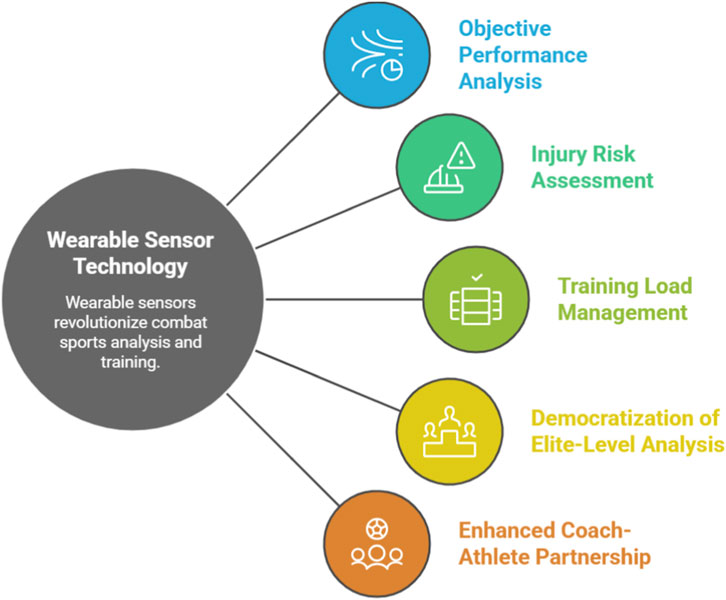
Figure 1. Transforming combat sports with wearable technology.
1.2 From laboratory to the field: the role of inertial measurement units (IMUs) and other wearables
The technological foundation of this revolution is the microelectromechanical system (MEMS), a chip-level innovation that has enabled the manufacturing of small, lightweight, unobtrusive, and increasingly cost-effective sensors (Bao and Wang, 1996; Chircov and Grumezescu, 2022). Among these, the Inertial Measurement Unit (IMU) has emerged as the most prevalent and versatile tool for field-based kinematic analysis in combat sports (Marković, 2022; da Costa, 2020). A typical IMU integrates a triaxial accelerometer, a triaxial gyroscope, and often a triaxial magnetometer (Faisal et al., 2019). The accelerometer measures linear acceleration, the gyroscope measures angular velocity, and the magnetometer provides orientation relative to the Earth’s magnetic field, which helps correct for gyroscopic drift (Chow et al., 2018). Together, these components allow for the calculation of a segment’s orientation, velocity, and position in three-dimensional space.
Beyond IMUs, a suite of other wearable sensors contributes to a more holistic biomechanical and physiological understanding of the combat athlete. Surface electromyography (sEMG) sensors, which measure the electrical activity of muscles from the skin’s surface, provide critical insights into muscle activation timing, intensity, and fatigue (Alcan and Zinnuroğlu, 2023; Rampichini et al., 2020). Piezoresistive and piezoelectric force and pressure sensors, which can be embedded in gloves, striking pads, or insoles, allow for the direct measurement of kinetic variables like impact force and center of pressure (Peng et al., 2024; Xu et al., 2023). Furthermore, the emerging field of smart textiles, which involves weaving conductive fibers and electronic components directly into garments, promises a future of seamless, full-body monitoring without the encumbrance of discrete sensor pods (Stoppa and Chiolerio, 2014; Mokhtari et al., 2020; Fernández-Caramés and Fraga-Lamas, 2018). A central theme throughout this review is the relationship between these field-based wearable technologies and the laboratory-based “gold standards” they seek to complement or, in some cases, replace. The validation of wearable sensor data against systems like Vicon optical motion capture and Kistler force plates is a critical and ongoing area of research that underpins the scientific legitimacy of this entire field.
1.3 Overview of key biomechanical parameters
To systematically analyze the contributions of wearable sensors, it is essential to define the key biomechanical parameters that are the focus of measurement. These parameters can be broadly categorized into kinetics (the study of forces causing motion) and kinematics (the description of motion itself).
1.3.1 Kinetics
• Impact Force: The peak force generated during a strike, typically measured in Newtons (N). It is a primary determinant of a strike’s potential to cause damage and is a key performance indicator. Studies have shown that combat athletes can generate great forces in certain kicks (Corcoran et al., 2024).
• Impulse: Defined as force integrated over the time of impact (J = ∫Fdt), impulse reflects the total momentum change delivered to a target. A higher impulse can be more indicative of effective force transfer than peak force alone.
• Power: The rate at which work is done (P=F⋅v), representing the combination of force and velocity. It is a critical measure of explosiveness in combat sports.
• Effective Mass: A more advanced biomechanical concept representing the portion of the athlete’s body mass that is effectively transferred into the impact (Kacprzak et al., 2025). It is calculated as the ratio of peak impact force to the acceleration of the striking limb at the moment of contact and provides insight into the efficiency of the entire kinetic chain.
1.3.2 Kinematics
• Linear and Angular Velocity: The speed and direction of a limb segment (e.g., hand or foot) and the rate of rotation of a joint, respectively. Maximum velocity is a crucial factor in bypassing an opponent’s defense and contributing to impact force.
• Acceleration: The rate of change of velocity. Peak acceleration of the striking limb is a key component in generating high impact forces.
• Joint Angles and Range of Motion (ROM): The measurement of joint flexion, extension, and rotation during a technique. Proper joint angles and ROM are fundamental to efficient technique, power generation, and injury prevention.
• Movement Trajectory: The three-dimensional path of a limb during a strike. Analyzing the trajectory can reveal inefficiencies or deviations from an optimal movement pattern.
Understanding these parameters is fundamental, as their quantification allows for the objective evaluation of technique, the optimization of performance, and the identification of movement patterns that may increase the risk of both acute and chronic injury (Figure 2).
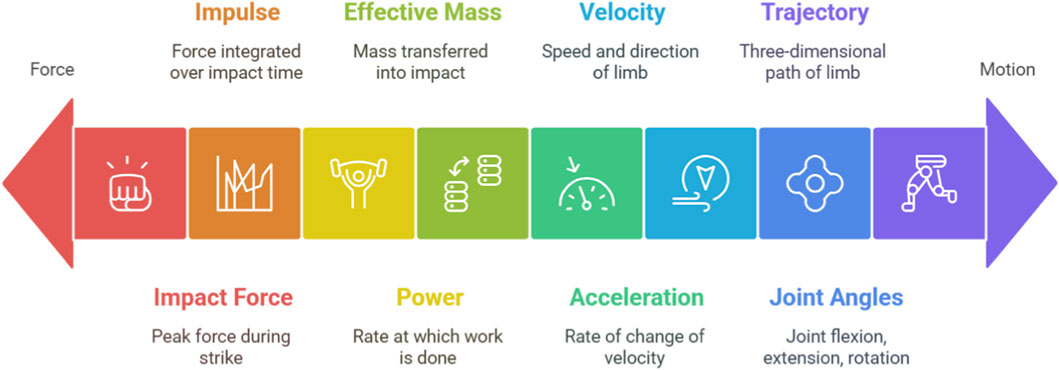
Figure 2. Biomechanical parameters range from force to motion description.
1.4 Purpose and structure of the present review
The purpose of this review is to systematically synthesize and critically analyze the current body of literature on the application of wearable sensor technology for the analysis of limb biomechanics in combat sports. By examining research across a diverse range of disciplines—including boxing, karate, Taekwondo, MMA, Judo, and Kendo—this paper aims to provide a comprehensive overview of the state of the art. The following sections will first delineate the major research foci that have emerged in this interdisciplinary field. Subsequently, a detailed synthesis of key findings will be presented, organized thematically and by sporting discipline, to highlight both common principles and sport-specific nuances. This will be followed by a critical discussion of the most significant challenges, limitations, and controversies currently facing the field, including issues of validation, standardization, and data interpretation. The review conclude with an outlook on future perspectives, exploring emerging technologies and research directions that are poised to shape the next-generation of combat sports science. This structured approach provides a potential roadmap for researchers, practitioners, and students to navigate this rapidly evolving and impactful field.
2 Major research foci in wearable biomechanics for combat sports
The application of wearable sensors in combat sports has coalesced into four primary research domains, each addressing a distinct aspect of athletic performance, health, and training optimization. These sub-fields, while often overlapping, provide a useful framework for categorizing the current body of scientific inquiry (Figure 3).
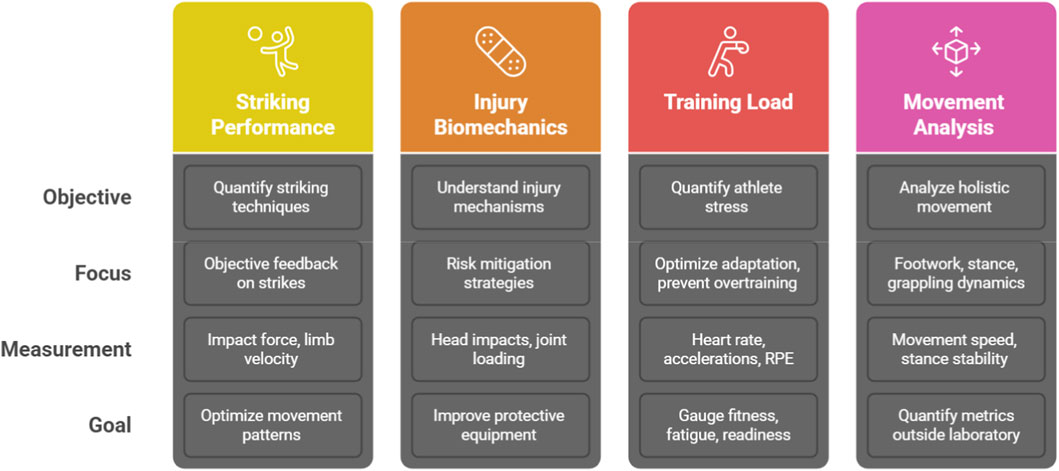
Figure 3. Research foci in wearable biomechanics for combat sports.
2.1 Striking performance and technique quantification
This is the most established and heavily researched domain within the field.3 The primary objective is to move beyond subjective coaching assessments and provide objective, quantitative feedback on striking techniques. Research in this area uses wearables to measure the quality and enable the classification of punches and kicks (Walters et al., 2025). Key performance indicators (KPIs) such as impact force, impulse, power, limb velocity, and acceleration are quantified to create biomechanical profiles of different strikes (Lenetsky et al., 2022; Muggenthaler et al., 2018). This data allows coaches and athletes to identify technical flaws, track improvements over time, and optimize movement patterns for maximum efficiency and effectiveness. A significant component of this sub-field is the use of machine learning algorithms to automatically classify different strike types (e.g., distinguishing a jab from a hook or a front kick from a roundhouse kick) based on the unique signatures present in the sensor data, thereby automating a laborious aspect of performance analysis (García et al., 2009; Cust et al., 2019).
2.2 Injury biomechanics and risk mitigation
This sub-field leverages wearable technology to understand the mechanisms of injury and develop strategies for risk mitigation (Rebelo et al., 2023). The research is bifurcated into two main areas of concern, reflecting the most common and severe injuries in combat sports.
The first, and more prominent, area is the study of Traumatic Brain Injury (TBI). This research employs instrumented devices such as mouthguards, headgear sensors, and skin patches to quantify the frequency, magnitude, location, and direction of head impacts sustained during sparring and competition (Wu, 2017; Schmid et al., 2021). The goal is to build a comprehensive database of head impact exposure to better understand the biomechanics of concussion, identify high-risk scenarios, and inform the development of improved protective equipment and safety regulations.
The second area focuses on Musculoskeletal Injury (MSI). This research analyzes limb and trunk biomechanics to identify risk factors for both acute and chronic injuries, such as ligament tears, tendinopathies, and stress fractures (Lee, 2016; Whiting and Zernicke, 2008). By using IMUs and pressure insoles to monitor parameters like gait, foot strike patterns, landing mechanics from jumps or throws, and joint loading during repetitive movements, researchers aim to detect aberrant or inefficient movement patterns that may predispose an athlete to overuse injuries (Meinert, 2016). This domain is closely linked to training load monitoring, as injury risk is often a function of both movement quality and accumulated physical stress.
2.3 Training load and fatigue monitoring
This research focus uses wearables to quantify the total stress—both physiological and biomechanical—placed on an athlete during training and competition (Halson, 2014; Adão Martins et al., 2021). The objective is to manage this stress to optimize adaptation, prevent overtraining, and ensure the athlete reaches peak condition at the appropriate time (Halson, 2014). This is typically conceptualized through the monitoring of two distinct types of load.
Internal load refers to the physiological and psychological response of the athlete to the training stimulus and is commonly measured using heart rate (HR) monitors, heart rate variability (HRV) trackers (e.g., WHOOP, Oura Ring), and subjective measures like Ratings of Perceived Exertion (RPE) (Impellizzeri et al., 2019; Ide et al., 2023).
External load refers to the physical work performed by the athlete and is quantified using biomechanical data from IMUs, such as the total number of strikes, cumulative accelerations (often expressed as “Player Load”), and distances covered (Impellizzeri et al., 2019; Ide et al., 2023). By analyzing the relationship between external and internal load, coaches can gauge an athlete’s fitness, fatigue level, and readiness to perform.
2.4 Movement analysis: footwork, stance, and grappling dynamics
This emerging sub-field expands the analytical focus from isolated limb movements to more holistic and foundational aspects of combat. One area of growing interest is the analysis of footwork and stance, which are fundamental to effective offense, defense, and positioning in all combat sports (Gentili, 2019). Wearable sensors, particularly IMUs placed on the feet or lower back, are beginning to be used to quantify metrics like movement speed, stance stability, and specific footwork patterns (e.g., pivots, lateral shuffles), which have historically been difficult to measure outside of a laboratory (Lopez-Nava and Munoz-Melendez, 2016).
A second, and significantly more challenging, area is the biomechanical analysis of grappling (Blanco Ortega et al., 2022). This includes the study of throws and takedowns in sports like Judo, Wrestling, and MMA, as well as ground control and submission techniques (Dal Bello et al., 2019). This domain remains severely under-researched with wearable sensors due to the immense methodological difficulties. The close, dynamic interaction between two bodies makes it challenging to place sensors in locations where they will not be dislodged or interfere with the athletes’ movements. Sensor displacement can introduce artifacts in the data and pose a risk of discomfort or injury unrelated to the athletic activity Furthermore, defining and interpreting meaningful biomechanical metrics for complex, continuous grappling exchanges is far more difficult than for discrete striking actions.15 This represents a significant frontier for future research.
To provide a consolidated overview of the technologies underpinning these research foci, Table 1 summarizes the primary wearable sensor types, the biomechanical parameters they measure, and their typical applications in combat sports.
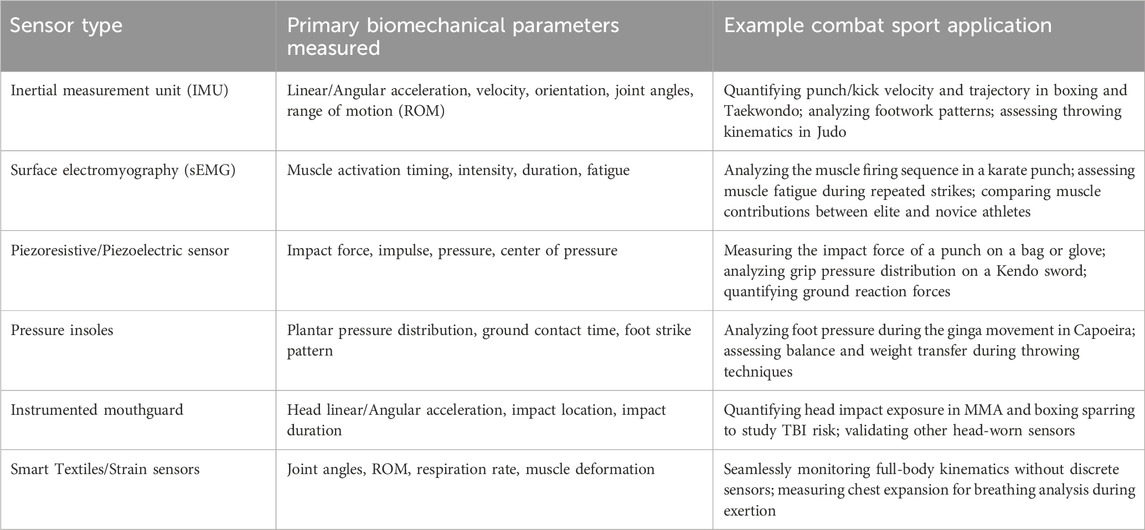
Table 1. Summary of wearable sensor technologies and their application in combat sports biomechanics.
3 State of the art: a discipline-specific and thematic synthesis
This section synthesizes the specific findings reported in the literature, organized according to the major research foci and contextualized within specific combat disciplines. This approach illuminates both the universal biomechanical principles and the sport-specific nuances revealed by wearable sensor technology. Figure 4 shows the different scenarios of research on wearable sensors from simple to complex analyses.
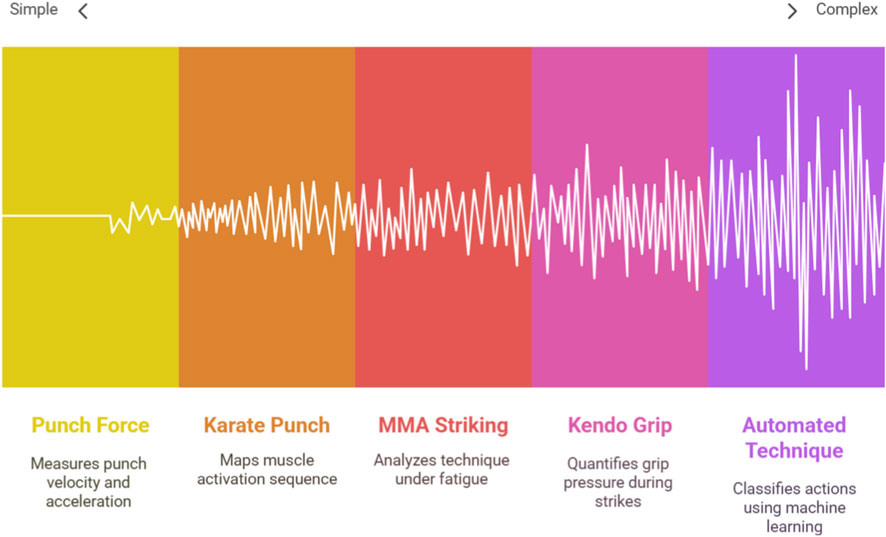
Figure 4. Wearable sensor research ranges from simple to complex analysis.
3.1 The biomechanics of striking: insights from boxing, karate, and Taekwondo
Striking-dominant sports have been the most fertile ground for wearable sensor research, primarily because strikes are discrete, ballistic events that are relatively straightforward to instrument and analyze compared to the continuous, multi-body interactions of grappling (Gavagan and Sayers, 2017).
3.1.1 Upper limb dynamics: Punch force, velocity, and the kinetic chain
The quantification of punching performance has progressed from rudimentary dynamometers to sophisticated, validated wearable systems (Haralabidis et al., 2020). Modern research extensively uses IMUs, often integrated directly into gloves or worn on the wrist, to measure kinematic variables like punch velocity, acceleration, and trajectory (Connolly et al., 2017). Validation studies comparing these wearable systems against gold-standard laboratory equipment, such as Kistler force plates and Vicon optical motion capture, have demonstrated remarkably high accuracy (Harrison et al., 2024). This high fidelity allows researchers and practitioners to confidently use these tools in the field to establish performance benchmarks, with studies identifying typical velocity ranges for different punches (e.g., jab, cross, hook) across various skill levels (Haralabidis et al., 2020; Worsey et al., 2020; Ye et al., 2022).
More advanced research has moved beyond simply measuring the motion of the fist to investigating how the entire body contributes to the impact—a concept embodied by the kinetic chain (Chu et al., 2016). A pivotal parameter in this context is “effective mass,” defined as the ratio of peak impact force to the fist’s acceleration at contact. It quantifies how efficiently an athlete integrates their body mass into the strike. A recent, detailed study on trained boxers revealed a crucial insight: straight punches (jab and cross) exhibit significantly higher effective mass than hook punches (Kacprzak et al., 2025). This indicates that straight punches, which rely on a more linear force transmission pathway, are more biomechanically efficient at transferring mass into the target, even though hooks may sometimes generate higher peak forces. This finding underscores that superior technique, which optimizes the coordination of the kinetic chain, is more critical for effective force transfer than an athlete’s absolute body mass or muscularity (Kacprzak et al., 2025).
Complementing kinetic and kinematic analyses, surface electromyography (sEMG) provides a window into the neuromuscular control underpinning these movements (Scano et al., 2024). Studies on the karate punch (choku-zuki) have used sEMG to map the precise sequence of muscle activation. This research confirms a proximal-to-distal firing pattern, where the larger muscles of the shoulder and torso (e.g., pectoralis major, deltoid) activate before the muscles of the forearm (VencesBrito et al., 2011). Critically, comparisons between experienced karateka and novices reveal significant differences in neuromuscular strategy; experts exhibit more refined activation timings and shorter muscle contraction periods, indicative of greater neuromuscular efficiency and coordination honed through years of practice (Grangeiro, 2019).
3.1.2 Lower limb dynamics: Kick velocity, impact force, and segmental contributions
Kicking strikes, the cornerstone of sports like Taekwondo, Karate, and Muay Thai, generate some of the most powerful forces in human movement (Gavagan and Sayers, 2017). A comprehensive systematic review reported that kicking foot velocities can range from 5.2 m/s to a staggering 18.3 m/s, with mean impact forces documented from 122.6 N to over 9015 N—a force sufficient to cause bone fractures (Corcoran et al., 2024; Marques Junior, 2020).31 Among the various techniques, the roundhouse kick (dollyo chagi in Taekwondo, mawashi geri in Karate) typically exhibits the highest peak velocity, while the linear side kick (yeop chagi or yoko geri) often produces the greatest impact force, highlighting a trade-off between speed and power depending on the technique’s mechanics (Diniz et al., 2021).
Wearable sensors have been instrumental in dissecting the intricate biomechanics of these powerful movements. In Taekwondo, for example, analysis of the “sine-wave” motion has revealed how practitioners utilize the lowering and raising of their center of mass to convert gravitational potential energy into kinetic energy, thereby optimizing the final impact force of a punch (Qureshi, 2020; Ma et al., 2021). Comparative studies between elite and sub-elite Taekwondo athletes consistently show that the elite group produces faster kick execution times, greater linear and angular velocities of the leg segments, and higher ground reaction forces, providing objective markers of expertise (Chen et al., 2015).
A critical methodological consideration highlighted by wearable sensor research is the influence of the target. A study on Kyokushin karate practitioners using a combination of IMUs and sEMG found that the presence of a target fundamentally altered the movement’s kinematics (Mosler et al., 2025). Striking a physical pad nearly doubled the peak acceleration of the foot segment compared to performing the same kick in the air. Interestingly, the underlying muscle activation patterns (EMG) remained largely consistent, suggesting that the central motor program was similar, but its execution was modulated by the anticipation of impact. This finding has profound implications for research design, suggesting that studies conducted in a “shadow boxing” or non-contact context may not accurately reflect the biomechanics of a true impact strike.
The application of wearables has also allowed for the objective quantification of stylistic differences within a single martial art (Pang et al., 2024). In karate, athletes specialize in either kata (pre-arranged forms) or kumite (sparring). Research using inertial sensors has substantiated long-held coaching wisdom by showing that kumite specialists exhibit greater mobility in the shoulder and hip joints, which is necessary for reactive, high-velocity striking. In contrast, kata specialists display superior ankle mobility and better static balance, particularly with their eyes closed, reflecting the discipline’s emphasis on deep stances, precise control, and proprioceptive awareness (Molinaro et al., 2020).
3.2 The complex demands of mixed martial arts (MMA)
MMA presents a uniquely challenging yet “ecologically valid” environment for biomechanical analysis because it involves a chaotic and unpredictable interplay of striking, grappling, and transitions between the two, all performed under extreme fatigue (Skalski et al., 2025).
3.2.1 Striking under duress: Influence of fatigue and balance disruption
The ability to maintain technique and power output under fatigue is a hallmark of elite MMA fighters. A pivotal study investigated this by comparing striking biomechanics in elite fighters under three conditions: normal, fatigue-induced, and with vestibular (balance) disruption (Skalski et al., 2025). Using both 2D video and 3D motion capture, the study found that fatigue had a significant detrimental effect, decreasing both punch velocity and impact force while markedly increasing the variability of joint angles at the shoulder and elbow. This increased variability is a clear indicator of degraded neuromuscular control. However, a key finding for field-based practitioners was that even under these disruptive conditions, 2D video analysis provided reliable and valid measurements of sagittal-plane joint angles, showing excellent agreement with the 3D gold standard (Intraclass Correlation Coefficient, ICC = 0.81–0.99). This validates the use of accessible tools like smartphone cameras for practical, in-the-field assessment of striking mechanics by coaches (Skalski et al., 2025).
3.2.2 The under-researched domain: Biomechanics of grappling and transitions
While striking biomechanics in MMA is a growing area of research, the analysis of grappling with wearable sensors remains a significant gap in the literature (Blanco Ortega et al., 2022). The fluid transitions from striking to takedowns and ground control, which are the signature of dominant MMA grapplers like Khabib Nurmagomedov and Cain Velasquez, are exceptionally difficult to quantify. The primary challenges are methodological: placing sensors in a way that can withstand the intense friction and pressure of grappling exchanges without being dislodged or hindering movement, and developing algorithms capable of interpreting the complex, continuous, multi-body data to extract meaningful biomechanical parameters (Worsey et al., 2019). Preliminary work using laboratory-based motion capture and force sensors to model a range of martial arts movements, including grappling, has suggested that grappling techniques are characterized by high muscle force and movement efficiency but relatively low impact forces, highlighting their emphasis on control over ballistic impact (Suo et al., 2024; Hons and Tiernan, 2020). This domain represents a major frontier for wearable sensor innovation.
3.3 Quantifying performance in grappling and weapon-based arts
While grappling research is challenging, some progress has been made in pure grappling arts like Judo, and innovative applications have emerged in weapon-based arts like Kendo.
3.3.1 Judo: Throwing mechanics and training load
The application of wearable sensors in Judo is still in its early stages but shows significant promise (Mañas-Paris et al., 2022). Researchers have used IMUs to develop and propose objective indices for quantifying the motor abilities involved in throwing techniques, creating metrics for both force expression and coordination capabilities (Frassinelli et al., 2019). In a practical application, a study combined IMUs with physiological sensors (heart rate monitors) to evaluate a training intervention in young judokas. The results objectively demonstrated that a 3-week program of high-intensity interval training (HIIT) and plyometrics led to significant improvements in performance on the Special Judo Fitness Test (SJFT) and an increase in the peak angular velocity of their throws, as measured by the IMUs (Mañas-Paris et al., 2022). Despite these advances, much of the foundational biomechanical research on specific phases of Judo throws, such as kuzushi (the act of unbalancing the opponent), still relies on traditional laboratory setups with force plates and optical motion capture. This highlights a clear opportunity for the development and application of robust wearable sensor systems to bring this analysis into the dojo. The current literature also reveals a scarcity of studies on adult judoka, indicating another area ripe for investigation (Mañas-Paris et al., 2022).
3.3.2 Kendo: Grip pressure dynamics during strikes
A stellar example of targeted and innovative sensor application comes from the study of Kendo, the Japanese art of fencing. By instrumenting the shinai (bamboo sword) with custom-built pressure sensors, researchers were able to investigate the nuanced dynamics of grip pressure during an attack (Jeong et al., 2023; Jeong et al., 2015). This research provided the first objective, quantitative evidence for the existence of the five distinct phases of a Kendo attack as taught in traditional pedagogy: Kamae (stance), Seme (initiation/pressure), Toraeru (opportunity capture), Datotsu (strike), and Zanshin (follow-through). The sensors revealed a unique and consistent pressure profile for each phase, such as a significant pressure drop during the Toraeru phase before the final strike (Jeong et al., 2023). Furthermore, the study scientifically validated the common coaching tenet that the left hand should be the dominant hand, generating higher pressure for most strikes. However, it also uncovered a crucial and surprising exception: for the thrusting attack to the throat (Tsuki-bu), the right hand generated significantly more pressure during the strike phase (Jeong et al., 2023). This work exemplifies the power of wearable technology to not only confirm traditional knowledge but also to reveal subtle, data-driven insights that can refine coaching and technique.
3.4 Automated technique recognition via machine learning
A major thrust in the application of wearable sensors is the automation of performance analysis, particularly technique classification. This approach uses the power of machine learning (ML) to bypass the need for laborious and time-consuming manual video analysis or data labeling (Worsey et al., 2020; Manoharan et al., 2025).
3.4.1 From raw data to classified actions
The process involves capturing raw, time-series data from IMUs—typically triaxial acceleration and triaxial angular velocity—during a series of movements. This data stream contains unique signatures or “fingerprints” for each distinct technique. By training an ML model on a labeled dataset (where an expert has identified which segments of data correspond to which technique), the model learns to recognize these patterns (Chawla and Karakoulas, 2005; Ng et al., 2023). Once trained, the model can automatically classify new, unlabeled data streams, providing a real-time or post-session count and classification of every technique performed (Kaur and Kumar, 2021).
3.4.2 Classification models and performance
A variety of ML models have been successfully employed for this task. In Taekwondo, Support Vector Machines (SVMs) have proven remarkably effective, with one study achieving over 96% accuracy in classifying four distinct kick types (front, roundhouse, side, back) using data from just a single accelerometer worn on the athlete’s waist (Liu et al., 2024). This demonstrates the potential for highly accurate classification with a minimally intrusive sensor setup. In boxing, both SVMs with a Gaussian radial basis function (rbf) kernel and multi-layered perceptron neural networks (MLP-NN) have achieved high accuracy of strike classification using data from two wrist-worn IMUs (Worsey et al., 2020; Manoharan et al., 2025).
As the field matures, more complex deep learning architectures are being deployed. Models such as Convolutional Neural Networks (CNNs), which are adept at learning from spatial patterns in data, and Long Short-Term Memory (LSTM) networks, which excel at interpreting time-series sequences, are showing great promise. One study that used a full-body suit of 17 IMUs to capture Taekwondo Poomsae (forms) movements achieved a classification accuracy of 97.8% with a CNN-based model (Jaya et al., 2022). Another study used a CNN-Bidirectional LSTM (CNN-BiLSTM) model to detect abnormal kicking techniques, achieving 95.67% accuracy (Jaya et al., 2022). The increasing sophistication of these models is enabling more nuanced and accurate automated analysis.
3.4.3 Multimodal approaches
The most advanced systems move beyond a single data type and fuse information from multiple sources to improve robustness and efficiency. A novel framework, dubbed the “Smart Boxer” system, provides a compelling example (Menzel and Potthast, 2021a). This system integrates data from wrist-worn IMUs with synchronized video footage. Critically, it employs an active learning strategy known as “Query by Committee” to dramatically reduce the amount of manual data labeling required. The system identifies data points where its committee of ML models is most uncertain and prompts a human expert to label only those points. Using this method, the system achieved over 91% accuracy for punch recognition and over 92% for punch classification while requiring only 15% of the dataset to be manually labeled, a significant improvement in efficiency over traditional supervised learning. Other research lines are exploring whether feeding ML models derived biomechanical data, such as calculated body joint angles, can yield higher classification accuracy than using raw sensor data directly (Ashour et al., 2024). These multimodal and intelligent learning approaches represent the cutting edge of automated combat sports analysis.
4 Critical challenges and current controversies
Despite the rapid advancements and promising results, the application of wearable sensors in combat sports biomechanics is fraught with significant challenges and ongoing debates (Figure 5). A critical evaluation of these issues is essential for guiding future research and ensuring the responsible implementation of these technologies.
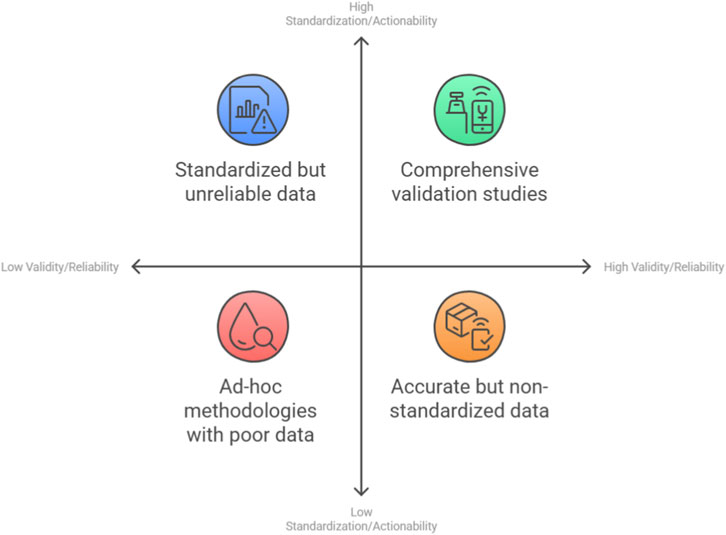
Figure 5. Challenges and controversies in wearable sensor application.
4.1 The validity and reliability hurdle: Bridging the gap between wearables and gold standards
The foundational challenge for the entire field is the question of data integrity: are the measurements provided by wearable sensors accurate and reliable? Despite the proliferation of both commercial and research-grade devices, a substantial portion of research utilizes them without rigorous validation against established laboratory gold standards, such as 3D optical motion capture systems (e.g., Vicon) and force plates (e.g., Kistler) (Menzel and Potthast, 2021b). This practice undermines the scientific credibility of the findings and raises questions about the interchangeability of data from different systems (Pezenka and Wirth, 2025).
Numerous validation studies have been conducted, with mixed results that highlight the complexity of this issue. On the one hand, some highly specialized, custom-developed systems have shown excellent agreement with gold standards. For instance, Menzel and Potthast (2021a) conducted a comprehensive validation of their novel boxing sensor system, reporting very high correlations for punch force (R2 = 0.97–0.99) when compared directly against a Kistler force plate and Vicon motion capture setup (Menzel and Potthast, 2021a). On the other hand, many studies, particularly those using lower-cost or general-purpose devices, report more moderate or even poor reliability. A study developing a low-cost punch and kick velocity measurement system using a smartphone’s accelerometer reported only moderate reliability (ICC = 0.746–0.786) and, crucially, was not validated against a gold-standard reference, limiting its findings to reliability rather than absolute accuracy (Pezenka and Wirth, 2025).
This discrepancy in validation outcomes stems from numerous sources of error inherent to wearable technology. Soft-tissue artifact—the movement of the sensor on the skin relative to the underlying bone—is a primary concern, as it introduces noise that is not representative of true skeletal motion (Rong and Kuo, 2024).
Sensor drift, particularly the integration error that accumulates in accelerometers and gyroscopes over time, can lead to significant inaccuracies in position and orientation estimates without proper correction algorithms (e.g., sensor fusion with magnetometers) (Rong and Kuo, 2024; Kumar et al., 2013). Furthermore, the high-velocity, high-impact nature of combat sports demands very high
Sampling rates to avoid under-sampling and accurately capture the peak characteristics of an impact; low sampling rates can miss these crucial data points entirely (Hasanin et al., 2019) Finally, the process of calculating kinematic variables like velocity and displacement requires numerical integration of acceleration data, a process that notoriously amplifies any noise present in the original signal, leading to compounding errors (Pezenka and Wirth, 2025). These technical hurdles mean that validity is not a property of a sensor itself, but of the entire measurement system—sensor, attachment method, and processing algorithm—applied to a specific task.
4.2 Methodological standardization: the need for coherent protocols and reporting
A pervasive criticism leveled against this field is the widespread use of ad-hoc methodologies, which severely limits the comparability, reproducibility, and generalizability of findings (Worsey et al., 2019). There is a pressing need for the community to develop and adopt standardized guidelines for several key aspects of research design and reporting.
Many studies fail to provide adequate technical specifications of the wearable devices used, omitting critical details such as the sensor’s measurement range, resolution, sampling frequency, and the specifics of the filtering and processing algorithms applied. Furthermore, the method of sensor attachment—a crucial factor influencing data quality due to soft-tissue artifacts—is often poorly described. This lack of detailed reporting makes it nearly impossible for other researchers to replicate a study or to accurately compare findings across different investigations.
Even seemingly minor variations in experimental protocol can have a profound impact on results. For example, some studies on striking mechanics explicitly forbid the use of footwork or significant trunk rotation to standardize the movement and isolate the action of the limb (Pezenka and Wirth, 2025). While this improves intra-subject reliability, it drastically reduces the ecological validity, as elite fighters rely on the entire kinetic chain, beginning from the ground up, to generate power. Similarly, in head impact research, the choice of the g-force threshold for recording an event (e.g., a 10 g vs. a 15 g trigger) can fundamentally alter the resulting dataset, with lower thresholds capturing a higher frequency of impacts but yielding a lower average magnitude (O'Connor et al., 2017). Without standardized protocols, it becomes difficult to determine whether differences observed between studies are due to true biomechanical phenomena or are merely artifacts of disparate methodologies.
4.3 From data to actionable insight: the challenge of data processing, interpretation, and real-time feedback
The advent of wearable sensors has solved one problem—data collection in the field—but has created another: the “data deluge.” These devices can generate enormous, high-dimensional datasets that are often noisy and complex (Anikwe et al., 2022; Williamson et al., 2015). The critical challenge is no longer just acquiring data, but transforming it into information that is meaningful, interpretable, and, most importantly, actionable for a coach or athlete who may not have a background in signal processing or data science.
This challenge is compounded by the “black box” problem associated with advanced machine learning models (Rudin, 2019). While a deep learning model may classify a punch as a “hook” with high accuracy, it often cannot explain why it made that classification in biomechanical terms (Worsey et al., 2020). This lack of explainability can be a significant barrier to adoption, as coaches need to understand the underlying technical reasons for a performance outcome to provide effective feedback.
Despite numerous challenges, several elite training institutions have successfully integrated wearable data into daily practice. For instance, a national boxing team has deployed an accelerometer-based wearable smart punching analysis system to capture metrics such as punch count, speed, force, and power. Furthermore, the device supports exchange unit statistics, providing real-time feedback on the number of engagements, duration, intervals, and punch volume between athletes during each match, thereby offering a comprehensive overview of the overall training load.
Furthermore, a key promise of wearable technology is the provision of real-time biofeedback to guide motor learning and technique correction during a training session (Umek et al., 2015). However, the engineering and human-computer interaction challenges involved are substantial. These challenges make it difficult for traditional computer architectures and interaction methods to fully leverage the potential of new sensor algorithms in combat sports analysis, necessitating further optimization of hardware architectures and interaction designs to align with technological advancements. A practical real-time system must be computationally efficient enough to process sensor data, run a predictive or classification model, and deliver feedback—whether auditory, visual, or haptic—all within milliseconds. Crucially, this feedback must be intuitive and simple enough that it enhances, rather than disrupts, the athlete’s focus and cognitive load (Umek et al., 2015; Bowman et al., 2021).
4.4 Head impact monitoring: the controversy of clinical utility vs. exposure tracking
Perhaps the most contentious and widely debated topic in this field is the use of wearable sensors for head impact monitoring. The central controversy revolves around their clinical utility. A strong and consistent consensus has emerged in the scientific literature: current wearable sensors cannot and should not be used to diagnose a concussion (Le Flao et al., 2024). This conclusion is based on several factors.
First, the accuracy and validity of these devices are highly variable. A comparative study of three different sensor types (instrumented mouthguard, skin patch, headgear patch) against video-verified impacts in boxing found wildly different performance profiles (Le Flao et al., 2024). While the positive predictive value (the probability that a sensor-recorded event was a true impact) was high for all devices (>96%), their sensitivity (the ability to detect a true impact) varied dramatically, from a low of 35% for the mouthguard to 86% for a skin patch. Specificity (the ability to correctly identify non-impact events) also varied. Some commercially available systems, such as the X-Patch, have been shown in independent validation studies to suffer from extremely high false-positive rates, recording many non-impact events (like jumping or falling) as head impacts, rendering their data clinically unreliable (O'Connor et al., 2017).
Second, concussion is a complex neurophysiological event, and the risk is influenced by a multitude of factors beyond the simple biomechanics of a single impact. These include an individual’s concussion history, age, sex, genetic predispositions, and even the rotational components of the impact, which are particularly difficult to measure accurately (O'Connor et al., 2017). No single kinematic measure (e.g., peak linear acceleration) has been shown to have sufficient sensitivity and specificity to serve as a reliable diagnostic threshold.
This has led to a critical shift in how the role of these sensors is understood. The scientific community has moved away from the idea of a “concussion detector” and toward the concept of an exposure monitoring tool. The accepted utility of these sensors lies in their ability to quantify an athlete’s cumulative head impact burden over a practice, a game, a season, or an entire career (Le Flao et al., 2022). This epidemiological data is invaluable for research into the long-term consequences of repetitive head trauma (including sub-concussive impacts) and for informing evidence-based rule changes and modifications to training practices, such as limiting the amount of full-contact sparring (O'Connor et al., 2017). This distinction is not merely academic; it has profound real-world safety implications. The marketing of these devices to consumers, teams, and parents often creates the perception of a diagnostic safety net. This creates a dangerous potential for misuse, where a coach might wrongly clear an athlete to return to play because a sensor did not trigger an alarm (a false negative), or unnecessarily remove a healthy athlete due to a false positive. This tension between the cautious, evidence-based position of the research community and the commercial market’s demand for a simple “concussion alarm” remains a significant challenge requiring better science communication and potentially regulatory oversight.
5 Future perspectives and conclusion
The field of wearable sensor technology in combat sports biomechanics is on a trajectory of rapid evolution. While significant challenges remain, emerging technological advancements and novel research paradigms are poised to overcome current limitations and unlock new frontiers of understanding in human performance and safety (Figure 6).
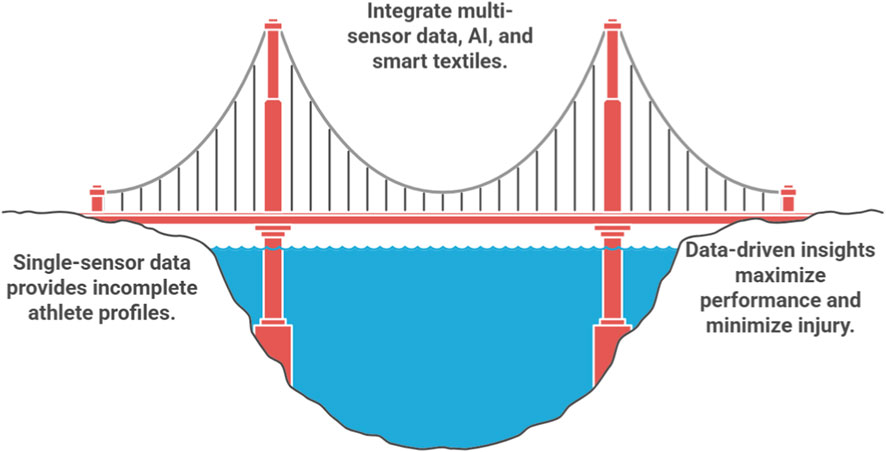
Figure 6. Wearable sensors evolve combat sports: From basic tracking to personalized, predictive analysis.
5.1 The next frontier: multi-sensor fusion and AI-driven predictive models
The future of biomechanical analysis lies not in isolated measurements from single sensors, but in the intelligent fusion of data from multiple, heterogeneous sources (Mendes et al., 2016; Bijalwan et al., 2021) and the synergistic development of the two interconnected paradigms of explainable and predictive artificial intelligence. Multi-sensor fusion is a methodology that combines data from different sensor types—for example, integrating kinematic data from IMUs, muscle activation data from sEMG, and kinetic data from pressure sensors—to construct a more complete and robust biomechanical profile of the athlete (Gravina et al., 2017; Yin et al., 2025; Gharibo, 2021). This approach holds the potential to overcome the inherent limitations of any single sensor type. For instance, fusing IMU data with biomechanical constraints and advanced algorithms can improve the accuracy of joint angle estimation and mitigate sensor drift (Xie and Zhang, 2024). This holistic approach is particularly critical for tackling the field’s most complex challenges, such as analyzing the dynamic, multi-body interactions of grappling or the fluid transitions in MMA, where a single sensor’s data is insufficient.
Concurrently, the role of artificial intelligence (AI) and machine learning (ML) is set to evolve from descriptive and classificatory functions to predictive and prescriptive analytics (K et al., 2022). Current ML models excel at classifying a strike that has already occurred (Moore et al., 2020). The next-generation of models will leverage vast longitudinal datasets to forecast future events. For example, an AI system might analyze subtle degradations in a boxer’s punching kinematics and footwork over several rounds to predict their decreasing capacity to defend, or it might identify minute changes in a fighter’s gait and landing mechanics over a training camp to generate a probabilistic forecast of their risk for a specific musculoskeletal injury (Khasanshin, 2021). This shift from reactive analysis to proactive prediction will enable coaches and medical staff to intervene before performance significantly drops or an injury occurs, personalizing training loads and recovery protocols based on predictive, data-driven insights (Dudek et al., 2025). This evolution will require a new kind of expertise, blending traditional sports science with data science and machine learning engineering, fundamentally changing the skillset required of practitioners in the field.
5.2 The rise of smart textiles and novel sensing modalities
The ultimate vision for a wearable sensor is a device that is entirely imperceptible to the user. The field of smart textiles is bringing this vision closer to reality. Research into weaving conductive yarns, fiber-optic sensors, and even complete computing systems directly into the fabric of clothing represents a paradigm shift in wearable design (Cherenack and Van Pieterson, 2012; Libanori et al., 2022). These sensorized garments promise the ability to conduct continuous, full-body kinematic and physiological monitoring without the encumbrance and attachment issues of the discrete sensor pods used today (Xu et al., 2025). For combat sports, this technology is a potential game-changer, especially for grappling arts like Judo, BJJ, and wrestling, where traditional wearables are impractical due to the intense, full-body contact (Xu et al., 2025). A “smart gi” or “smart rashguard” could provide unprecedented data on the complex biomechanics of throws, pins, and submissions.
Alongside the evolution of form factors, novel sensing modalities are emerging that will provide new layers of data. While IMUs and sEMG are currently dominant, technologies like optical myography (OMG), which uses near-infrared light to measure muscle deformation and activity non-electrically, offer an alternative that may be less susceptible to sweat and electrical artifacts (Nissler et al., 2015; Muhammed and Raghavendra, 2015). Furthermore, the development of wearable biosensors capable of real-time chemical analysis of sweat could provide direct insight into an athlete’s metabolic state, hydration levels, and electrolyte balance (Qiao et al., 2020; Brothers et al., 2019). Fusing this biochemical data with biomechanical and physiological metrics would create a truly comprehensive picture of an athlete’s condition.
5.3 Towards personalized biomechanical profiling and injury prevention
The convergence of these advancements—multi-sensor fusion, predictive AI, and seamless smart textiles—points toward a future of highly personalized biomechanical profiling (Dudek et al., 2025). The current approach often relies on comparing an athlete to group averages or idealized models. The future lies in creating a unique “biomechanical passport” for each individual athlete. By continuously monitoring an athlete with integrated wearable systems throughout their training and career, it will be possible to build a longitudinal database of their unique movement signatures, their physiological responses to different training stimuli, and their specific biomechanical risk factors for injury.
This personalized approach will enable training and medical interventions of unprecedented precision. Instead of generic strength and conditioning programs, athletes will receive regimens tailored to address their specific biomechanical inefficiencies or muscular imbalances. Technique coaching will be guided by objective data showing how small adjustments affect an individual’s power output and joint loading. Return-to-play protocols after an injury will be based not on timelines, but on the athlete’s ability to demonstrate that their biomechanical function has returned to their pre-injury baseline. This data-driven, individualized paradigm holds the ultimate promise of maximizing each athlete’s performance potential while simultaneously extending their career longevity.
Despite the promising prospects of personalized biomechanical analysis, the ethical dilemmas it triggers demand urgent and proactive engagement from the sports world. The current ambiguity surrounding data ownership—particularly the urgent need to clarify ownership of the continuous biomechanical data that constitutes an athlete’s “digital twin”—requires resolution; we advocate for an athlete-centric model based on specific, time-limited, and revocable informed consent, safeguarded by data anonymization and encryption to ensure privacy. Predictive analytics could lead to biomechanical discrimination, such as using genetically linked injury-risk data in contract negotiations, while unequal access to technology may foster “technological doping” and undermine competitive fairness, necessitating collective agreements to prohibit data misuse and regulate in-competition real-time feedback. Confronting a regulatory vacuum, we call for a mandatory framework that includes algorithm transparency and auditability, guidelines for head-impact sensor usage (restricted to exposure monitoring, not concussion diagnosis), and independent ethics committees. Importantly, this data-intensive future raises deeper ethical concerns—disputes over the ownership of an athlete’s “biomechanical passport,” de facto penalties based on biometric data, and competitive inequities exacerbated by the technological divide—all of which transcend technical issues and require leagues, player associations, and researchers to collaboratively build a robust governance framework. This ensures technology application consistently adheres to fairness and accountability principles: the sustainable development of wearable technology depends not only on innovation but, crucially, on forward-looking governance to establish trust, ensuring performance gains do not come at the cost of athlete wellbeing, privacy, and fair competition.
5.4 Concluding synthesis: the transformative potential of wearable sensors in combat sports
The integration of wearable sensor technology has initiated an irreversible shift in combat sports science, moving the field from a reliance on subjective intuition toward a paradigm of objective, data-driven analysis. This review has charted the landscape of this transformation, highlighting the significant progress made in quantifying the biomechanics of striking, where validated systems now provide reliable, in-field measurement of performance metrics such as force, velocity, and technique efficiency. The application of machine learning has further accelerated this progress, enabling the automation of technique classification with high accuracy and paving the way for more efficient performance analysis.
Despite these achievements, formidable challenges persist. The critical hurdles of sensor validation and methodological standardization must be systematically addressed to ensure the scientific rigor and comparability of research across the field. The complex, multi-body dynamics of grappling remain a largely unsolved problem, representing a major frontier for technological and algorithmic innovation. Furthermore, the controversy surrounding head impact sensors underscores the crucial need for responsible science communication to distinguish between their validated use for exposure monitoring and their unproven utility for clinical diagnosis.
Looking forward, the field is poised for another leap, driven by the convergence of multi-sensor fusion, predictive artificial intelligence, and the advent of smart textiles. These technologies promise a future of holistic, seamless, and personalized athlete monitoring. The ultimate goal is to move beyond descriptive analysis and toward a prescriptive and predictive science that can optimize training, prevent injury, and deepen our fundamental understanding of the remarkable biomechanics of human combat. While the path forward is complex and laden with both technical and ethical challenges, the transformative potential of wearable sensor technology to enhance the performance, safety, and longevity of combat athletes is undeniable.
5.5 Addressing the grappling gap: sensor design and metric innovation
To address the critical research gap in grappling sports like Judo and BJJ, future efforts must pivot towards purpose-built sensor solutions and novel analytical frameworks. The development of flexible, ruggedized sensors and their integration into smart textiles (e.g., sensor-embedded gis or rash guards) is essential to withstand high-contact environments and prevent dislodgement. Concurrently, research should define and validate new metrics such as “takedown efficiency”—quantifying the relationship between an attacker’s kinetic output and opponent displacement—and “control pressure distribution” across the body during ground engagements. Furthermore, overcoming the complexity of continuous, multi-body interactions requires advanced machine learning approaches, including spatio-temporal models like Graph Neural Networks to analyze dyadic interactions and multi-agent sensing systems to fuse data from both athletes. By focusing on these targeted innovations, the field can transition from acknowledging the gap to actively quantifying the intricate biomechanics of grappling.
Author contributions
HX: Conceptualization, Data curation, Formal Analysis, Funding acquisition, Investigation, Methodology, Supervision, Visualization, Writing – original draft, Writing – review and editing. CH: Conceptualization, Data curation, Methodology, Software, Validation, Writing – original draft, Writing – review and editing. DZ: Data curation, Software, Validation, Writing – original draft, Writing – review and editing.
Funding
The authors declare that financial support was received for the research and/or publication of this article. The study was supported by Shanghai Program for Cultivating and Funding Young Teachers in Universities (Project No. A1-0202-25-0099-14).
Acknowledgements
The authors would like to acknowledge the valuable contribution of all the study participants.
Conflict of interest
The authors declare that the research was conducted in the absence of any commercial or financial relationships that could be construed as a potential conflict of interest.
Generative AI statement
The authors declare that no Generative AI was used in the creation of this manuscript.
Any alternative text (alt text) provided alongside figures in this article has been generated by Frontiers with the support of artificial intelligence and reasonable efforts have been made to ensure accuracy, including review by the authors wherever possible. If you identify any issues, please contact us.
Publisher’s note
All claims expressed in this article are solely those of the authors and do not necessarily represent those of their affiliated organizations, or those of the publisher, the editors and the reviewers. Any product that may be evaluated in this article, or claim that may be made by its manufacturer, is not guaranteed or endorsed by the publisher.
References
Adão Martins, N. R., Annaheim, S., Spengler, C. M., and Rossi, R. M. (2021). Fatigue monitoring through wearables: a state-of-the-art review. Front. Physiology 12, 790292. doi:10.3389/fphys.2021.790292
Afzal, H. R., Louhichi, B., and Alrasheedi, N. H. (2025). Challenges in combining EMG, joint moments, and GRF from marker-less video-based motion capture systems. Bioengineering 12 (5), 461. doi:10.3390/bioengineering12050461
Alcan, V., and Zinnuroğlu, M. (2023). Current developments in surface electromyography. Turkish Journal Medical Sciences 53 (5), 1019–1031. doi:10.55730/1300-0144.5667
Anikwe, C. V., Nweke, H. F., Ikegwu, A. C., Egwuonwu, C. A., Onu, F. U., Alo, U. R., et al. (2022). Mobile and wearable sensors for data-driven health monitoring system: state-of-the-art and future prospect. Expert Syst. Appl. 202, 117362. doi:10.1016/j.eswa.2022.117362
Apte, S. (2022). Towards real-world biomechanical analysis of performance and functional capacity using wearable sensors. EPFL. doi:10.5075/epfl-thesis-9755
Ashour, H., Salah, A., Fathalla, A., Eldesouky, E., and Hassan, A. S. (2024). Comparative analysis of human activity recognition for karate skills using IMU raw data and derived body joint angles.
Bao, M., and Wang, W. (1996). Future of microelectromechanical systems (MEMS). Sensors Actuators A Phys. 56 (1-2), 135–141. doi:10.1016/0924-4247(96)01274-5
Bijalwan, V., Semwal, V. B., and Mandal, T. (2021). Fusion of multi-sensor-based biomechanical gait analysis using vision and wearable sensor. IEEE Sensors J. 21 (13), 14213–14220. doi:10.1109/jsen.2021.3066473
Blanco Ortega, A., Isidro Godoy, J., Szwedowicz Wasik, D. S., Martínez Rayón, E., Cortés García, C., Ramón Azcaray Rivera, H., et al. (2022). Biomechanics of the upper limbs: a review in the sports combat ambit highlighting wearable sensors. Sensors 22 (13), 4905. doi:10.3390/s22134905
Bowman, T., Gervasoni, E., Arienti, C., Lazzarini, S. G., Negrini, S., Crea, S., et al. (2021). Wearable devices for biofeedback rehabilitation: a systematic review and meta-analysis to design application rules and estimate the effectiveness on balance and gait outcomes in neurological diseases. Sensors 21 (10), 3444. doi:10.3390/s21103444
Brothers, M. C., DeBrosse, M., Grigsby, C. C., Naik, R. R., Hussain, S. M., Heikenfeld, J., et al. (2019). Achievements and challenges for real-time sensing of analytes in sweat within wearable platforms. Accounts Chemical Research 52 (2), 297–306. doi:10.1021/acs.accounts.8b00555
Chawla, N. V., and Karakoulas, G. (2005). Learning from labeled and unlabeled data: an empirical study across techniques and domains. J. Artif. Intell. Res. 23, 331–366. doi:10.1613/jair.1509
Chen, C.-Y., Dai, J., Chen, I.-F., Chou, K.-M., and Chang, C.-K. (2015). Reliability and validity of a dual-task test for skill proficiency in roundhouse kicks in elite taekwondo athletes. Open Access Journal Sports Medicine 6, 181–189. doi:10.2147/oajsm.s84671
Cherenack, K., and Van Pieterson, L. (2012). Smart textiles: challenges and opportunities. J. Appl. Phys. 112 (9), 091301. doi:10.1063/1.4742728
Chircov, C., and Grumezescu, A. M. (2022). Microelectromechanical systems (MEMS) for biomedical applications. Micromachines 13 (2), 164. doi:10.3390/mi13020164
Chow, J. C., Hol, J. D., and Luinge, H. (2018). Tightly-coupled joint user self-calibration of accelerometers, gyroscopes, and magnetometers. Drones 2 (1), 6. doi:10.3390/drones2010006
Chu, S. K., Jayabalan, P., Kibler, W. B., and Press, J. (2016). The kinetic chain revisited: new concepts on throwing mechanics and injury. Pm&r 8 (3), S69–S77. doi:10.1016/j.pmrj.2015.11.015
Connolly, J., Condell, J., O’Flynn, B., Sanchez, J. T., and Gardiner, P. (2017). IMU sensor-based electronic goniometric glove for clinical finger movement analysis. IEEE Sensors J. 18 (3), 1273–1281. doi:10.1109/JSEN.2017.2776262
Corcoran, D., Climstein, M., Whitting, J., and Del Vecchio, L. (2024). Impact force and velocities for kicking strikes in combat sports: a literature review. Sports 12 (3), 74. doi:10.3390/sports12030074
Cust, E. E., Sweeting, A. J., Ball, K., and Robertson, S. (2019). Machine and deep learning for sport-specific movement recognition: a systematic review of model development and performance. J. Sports Sciences 37 (5), 568–600. doi:10.1080/02640414.2018.1521769
da Costa, F. R. (2020). “The importance of IMU devices as a kinematic analysis complement in javelin throw,” in Universidade de Tras-os-Montes e Alto Douro (Portugal).
Dal Bello, F., Brito, C. J., Amtmann, J., and Miarka, B. (2019). Ending MMA combat, specific grappling techniques according to the type of the outcome. J. Human Kinetics 67, 271–280. doi:10.2478/hukin-2018-0081
Diniz, R., Del Vecchio, F. B., Schaun, G. Z., Oliveira, H. B., Portella, E. G., Da Silva, E. S., et al. (2021). Kinematic comparison of the roundhouse kick between taekwondo, karate, and muaythai. J. Strength & Cond. Res. 35 (1), 198–204. doi:10.1519/jsc.0000000000002657
Dudek, S., Koziak, W., Makieła, M., Bętkowska, A., Kornacka, A., Dudek, W., et al. (2025). Revolutionizing sports: the role of wearable technology and AI in training and performance analysis. Qual. Sport 39, 58456. doi:10.12775/qs.2025.39.58456
Faisal, I. A., Purboyo, T. W., and Siswo Raharjo Ansori, A. (2019). A review of accelerometer sensor and gyroscope sensor in IMU sensors on motion capture. J. Eng. Appl. Sci. 15 (3), 826–829. doi:10.36478/jeasci.2020.826.829
Fernández-Caramés, T. M., and Fraga-Lamas, P. (2018). Towards the internet of smart clothing: a review on IoT wearables and garments for creating intelligent connected e-textiles. Electronics 7 (12), 405. doi:10.3390/electronics7120405
Frassinelli, S., Niccolai, A., Zich, R. E., Rosso, V., and Gastaldi, L. (2019). Quantification of motor abilities during the execution of judo techniques. Acta Bioengineering Biomechanics 21 (3), 3–12. doi:10.5277/ABB-01346-2019-01
García, S., Fernández, A., Luengo, J., and Herrera, F. (2009). A study of statistical techniques and performance measures for genetics-based machine learning: accuracy and interpretability. Soft Comput. 13, 959–977. doi:10.1007/s00500-008-0392-y
Gavagan, C. J., and Sayers, M. G. (2017). A biomechanical analysis of the roundhouse kicking technique of expert practitioners: a comparison between the martial arts disciplines of Muay Thai, Karate, and Taekwondo. PloS One 12 (8), e0182645. doi:10.1371/journal.pone.0182645
Gentili, G. (2019). Time Motion Analysis During Fights in Mixed Martial Arts Matches. universidade de Coimbra. (Portugal).
Gharibo, J. S. (2021). Data and sensor fusion using FMG, sEMG and IMU sensors for upper limb prosthesis control. Canada: The University of Western Ontario.
Grangeiro, L. C. (2019). Kinematic analysis of a Karate punch in experienced and non-experienced practitioners. Universidade Federal do Rio Grande do Norte.
Gravina, R., Alinia, P., Ghasemzadeh, H., and Fortino, G. (2017). Multi-sensor fusion in body sensor networks: State-of-the-art and research challenges. Inf. Fusion 35, 68–80. doi:10.1016/j.inffus.2016.09.005
Halson, S. L. (2014). Monitoring training load to understand fatigue in athletes. Sports Medicine 44 (Suppl. 2), 139–147. doi:10.1007/s40279-014-0253-z
Haralabidis, N., Saxby, D. J., Pizzolato, C., Needham, L., Cazzola, D., and Minahan, C. (2020). Fusing accelerometry with videography to monitor the effect of fatigue on punching performance in elite boxers. Sensors 20 (20), 5749. doi:10.3390/s20205749
Harrison, A., Jester, A., Mouli, S., Fratini, A., and Jabran, A. (2024). Systematic evaluation of IMU sensors for application in smart glove System for remote monitoring of hand differences. Sensors 25 (1), 2. doi:10.3390/s25010002
Hasanin, T., Khoshgoftaar, T. M., Leevy, J. L., and Bauder, R. A. (2019). Severely imbalanced big data challenges: investigating data sampling approaches. J. Big Data 6 (1), 1–25. doi:10.1186/s40537-019-0274-4
Hons, A., and Tiernan, M. S. (2020). Measurement and simulation of head impacts in mixed martial arts. Measurement, 08–11.
Ide, B., Silvatti, A., Staunton, C., Marocolo, M., Oranchuk, D., and Mota, G. (2023). External and internal loads in sports science: time to rethink? Int. Journal Strength Conditioning 3 (1). doi:10.47206/ijsc.v3i1.234
Impellizzeri, F. M., Marcora, S. M., and Coutts, A. J. (2019). Internal and external training load: 15 years on. Int. J. Sports Physiol. Perform. 14 (2), 270–273. doi:10.1123/ijspp.2018-0935
I. G. P. Jaya, R. A. Dharmmesta, and A. Rizal (2022). “Application foot kick classification in Taekwondo with inertia sensor and machine learning,” 2022 IEEE Asia Pacific conference on wireless and Mobile (APWiMob) (IEEE).
Jeong, K., Fuss, F. K., Fuernschuss, B., and Weizman, Y. (2015). Development of a smart kendo sword and assessment of grip pressure of kamai stance and kote cut. Procedia Eng. 112, 231–236. doi:10.1016/j.proeng.2015.07.205
Jeong, K., Tan, A. M., Asai, T., Koda, K., and Fuss, F. K. (2023). Pressure sensors for measuring the grip pressure during Kendo attacks: assessment of laterality and evidence of the five phases of attack. Sensors 23 (3), 1189. doi:10.3390/s23031189
Kühl, N., Schemmer, M., Goutier, M., and Satzger, G. (2022). Artificial intelligence and machine learning. Electron. Mark. 32 (4), 2235–2244. doi:10.1007/s12525-022-00598-0
Kacprzak, J., Mosler, D., Tsos, A., and Wąsik, J. (2025). Biomechanics of punching—The impact of effective mass and force transfer on strike performance. Appl. Sci. 15 (7), 4008. doi:10.3390/app15074008
Kaur, S., and Kumar, J. D. (2021). “Human activity recognition using tri-axial angular velocity,” in Proceedings of international conference on artificial intelligence and applications: ICAIA 2020. Springer.
Khasanshin, I. (2021). Application of an artificial neural network to automate the measurement of kinematic characteristics of punches in boxing. Appl. Sci. 11 (3), 1223. doi:10.3390/app11031223
Krabben, K., Orth, D., and van der Kamp, J. (2019). Combat as an interpersonal synergy: an ecological dynamics approach to combat sports. Sports Med. 49 (12), 1825–1836. doi:10.1007/s40279-019-01173-y
D. Kumar, S. Rajasegarar, and M. Palaniswami (2013). “Automatic sensor drift detection and correction using spatial kriging and kalman filtering,” 2013 IEEE international conference on distributed computing in sensor systems (IEEE).
Le Flao, E., Siegmund, G. P., and Borotkanics, R. (2022). Head impact research using inertial sensors in sport: a systematic review of methods, demographics, and factors contributing to exposure. Sports Med. 52, 1–24. doi:10.1007/s40279-021-01574-y
Le Flao, E., Lenetsky, S., Siegmund, G. P., and Borotkanics, R. (2024). Capturing head impacts in boxing: a video-based comparison of three wearable sensors. Ann. Biomedical Engineering 52 (2), 270–281. doi:10.1007/s10439-023-03369-w
Lee, S. W. (2016). Musculoskeletal injuries and conditions: assessment and management. Springer Publishing Company.
Lenetsky, S., Uthoff, A., Coyne, J., and Cronin, J. (2022). A review of striking force in full-contact combat sport athletes: methods of assessment. Strength & Cond. J. 44 (1), 71–83. doi:10.1519/ssc.0000000000000643
Libanori, A., Chen, G., Zhao, X., Zhou, Y., and Chen, J. (2022). Smart textiles for personalized healthcare. Nat. Electron. 5 (3), 142–156. doi:10.1038/s41928-022-00723-z
Liu, S. (2024). Injury prevention and talent retention: a coach’s role in sustaining athletic potential in young athletes. Stud. Sports Sci. Phys. Educ. 2 (1), 24–31. doi:10.56397/ssspe.2024.03.03
Liu, Z., Yang, M., Li, K., and Qin, X. (2024). Recognition of TaeKwonDo kicking techniques based on accelerometer sensors. Heliyon 10 (12), e32475. doi:10.1016/j.heliyon.2024.e32475
Lopez-Nava, I. H., and Munoz-Melendez, A. (2016). Wearable inertial sensors for human motion analysis: a review. IEEE Sensors J. 16 (22), 7821–7834. doi:10.1109/jsen.2016.2609392
Ma, Y., Ouyang, J., Raza, T., Li, P., Jian, A., Li, Z., et al. (2021). Flexible all-textile dual tactile-tension sensors for monitoring athletic motion during taekwondo. Nano Energy. 85, 105941. doi:10.1016/j.nanoen.2021.105941
Mañas-Paris, A., Muyor, J. M., and Oliva-Lozano, J. M. (2022). Using inertial and physiological sensors to investigate the effects of a high-intensity interval training and plyometric program on the performance of young judokas. Sensors 22 (22), 8759. doi:10.3390/s22228759
Manoharan, S., Warburton, J., Hegde, R. S., Srinivasan, R., and Srinivasan, B. (2025). An active machine learning framework for automatic boxing punch recognition and classification using upper limb kinematics. Plos One 20 (5), e0322490. doi:10.1371/journal.pone.0322490
Marković, S. N. (2022). Sports performance measurement using kinematic sensors. University of Belgrade Serbia.
Marques Junior, N. K. (2020). Punch and kick impact in combat sports: a systematic review. Pensar Mov. Rev. Ciencias del Ejerc. La Salud. 18 (2), 139–167.
Meinert, I. K. (2016). Biomechanical evaluation of overuse risk factors during running: illustrated by the example of Achilles tendon injuries: dissertation. Stuttgart: Universität Stuttgart.
Mendes, J. J. J. A., Vieira, M. E. M., Pires, M. B., and Stevan, Jr S. L. (2016). Sensor fusion and smart sensor in sports and biomedical applications. Sensors 16 (10), 1569. doi:10.3390/s16101569
Menzel, T., and Potthast, W. (2021a). Validation of a novel boxing monitoring system to detect and analyse the centre of pressure movement on the boxer’s fist. Sensors 21 (24), 8394. doi:10.3390/s21248394
Menzel, T., and Potthast, W. (2021b). Application of a validated innovative smart wearable for performance analysis by experienced and non-experienced athletes in boxing. Sensors 21 (23), 7882. doi:10.3390/s21237882
Mokhtari, F., Cheng, Z., Raad, R., Xi, J., and Foroughi, J. (2020). Piezofibers to smart textiles: a review on recent advances and future outlook for wearable technology. J. Mater. Chem. A 8 (19), 9496–9522. doi:10.1039/d0ta00227e
Molinaro, L., Taborri, J., Montecchiani, M., and Rossi, S. (2020). Assessing the effects of kata and kumite techniques on physical performance in elite karatekas. Sensors 20 (11), 3186. doi:10.3390/s20113186
Moore, S. R., Kranzinger, C., Fritz, J., Stӧggl, T., Krӧll, J., and Schwameder, H. (2020). Foot strike angle prediction and pattern classification using LoadsolTM wearable sensors: a comparison of machine learning techniques. Sensors 20 (23), 6737. doi:10.3390/s20236737
Mosewich, A. D., Crocker, P. R., and Kowalski, K. C. (2014). Managing injury and other setbacks in sport: experiences of (and resources for) high-performance women athletes. Qual. Res. Sport, Exerc. Health 6 (2), 182–204. doi:10.1080/2159676x.2013.766810
Mosler, D., Góra, T., Kaczmarski, J., Błaszczyszyn, M., Chociaj, M., and Borysiuk, Z. (2025). Target kinematic effect in kyokushin karate front kicks: an analysis of velocity, acceleration, and muscle activation patterns. Phys. Act. Rev. 13 (1), 156–166. doi:10.16926/par.2025.13.14
Muggenthaler, H., Trinh, T., Heinke, S., Rode, C., Schenkl, S., Hubig, M., et al. (2018). Influence of striking technique on maximum striking velocities—experimental and statistical investigation. Int. J. Leg. Med. 132, 1341–1347. doi:10.1007/s00414-018-1825-5
Muhammed, H. H., and Raghavendra, J. (2015). Optomyography (OMG): a novel technique for the detection of muscle surface displacement using photoelectric sensors. Measurements 10, 13.
Ng, M. Y., Youssef, A., Miner, A. S., Sarellano, D., Long, J., Larson, D. B., et al. (2023). Perceptions of data set experts on important characteristics of health data sets ready for machine learning: a qualitative study. JAMA Netw. Open 6 (12), e2345892–e. doi:10.1001/jamanetworkopen.2023.45892
C. Nissler, N. Mouriki, C. Castellini, V. Belagiannis, and N. Navab (2015). “OMG: introducing optical myography as a new human machine interface for hand amputees,” 2015 IEEE International Conference on Rehabilitation Robotics (ICORR) (IEEE).
Nitschke, M. (2025). Turning a corner in optimal control simulations for running: predicting and reconstructing 3D full-body biomechanics from optical and inertial motion capture: Friedrich-Alexander-Universitaet Erlangen-Nuernberg (Germany).
O'Connor, K. L., Rowson, S., Duma, S. M., and Broglio, S. P. (2017). Head-impact–measurement devices: a systematic review. J. Athletic Training 52 (3), 206–227. doi:10.4085/1062-6050.52.2.05
Ometov, A., Shubina, V., Klus, L., Skibińska, J., Saafi, S., Pascacio, P., et al. (2021). A survey on wearable technology: history, state-of-the-art and current challenges. Comput. Netw. 193, 108074. doi:10.1016/j.comnet.2021.108074
Pang, Y., Wang, Y., Wang, Q., Li, F., Zhang, C., and Ding, C. (2024). “Applications of AI in martial arts: a survey,” in Proceedings of the institution of mechanical engineers, part P. Journal of Sports Engineering and Technology.
Pearl, D., Intriligator, J., and Liu, W. (2025). Seamless integration: the evolution, design and future impact of wearable technology. arXiv Preprint Arxiv250205797.
Peng, S., Hassan, H., Rosseel, S., Matricali, G. A., Deschamps, K., Vandeginste, V., et al. (2024). Recent advances in 3D-Printed, wearable pressure sensors for plantar pressure monitoring: a review. IEEE Sensors J. 24, 33903–33921. doi:10.1109/jsen.2024.3457040
Pezenka, L., and Wirth, K. (2025). Reliability of a low-cost Inertial measurement unit (IMU) to measure punch and kick velocity. Sensors 25 (2), 307. doi:10.3390/s25020307
Qiao, L., Benzigar, M. R., Subramony, J. A., Lovell, N. H., and Liu, G. (2020). Advances in sweat wearables: sample extraction, real-time biosensing, and flexible platforms. Acs Appl. Mater Inter 12 (30), 34337–34361. doi:10.1021/acsami.0c07614
Qureshi, F. (2020). Design and analysis of electronic wearables for Taekwondo sports. Toronto Metropolitan University.
Rampichini, S., Vieira, T. M., Castiglioni, P., and Merati, G. (2020). Complexity analysis of surface electromyography for assessing the myoelectric manifestation of muscle fatigue: a review. Entropy 22 (5), 529. doi:10.3390/e22050529
Rebelo, A., Martinho, D. V., Valente-dos-Santos, J., Coelho-e-Silva, M. J., and Teixeira, D. S. (2023). From data to action: a scoping review of wearable technologies and biomechanical assessments informing injury prevention strategies in sport. BMC Sports Science, Medicine Rehabilitation 15 (1), 169. doi:10.1186/s13102-023-00783-4
Rong, R., and Kuo, C. (2024). Dynamic soft tissue artifacts during impulsive loads: measurement errors vary with wearable inertial measurement unit sensor design. IEEE Trans. Biomed. Eng. 71, 3275–3282. doi:10.1109/tbme.2024.3416378
Ross, G. B. (2022). The objective assessment of movement quality using motion capture and machine learning: Université d. Ottawa/University of Ottawa.
Rudin, C. (2019). Stop explaining black box machine learning models for high stakes decisions and use interpretable models instead. Nat. Machine Intelligence 1 (5), 206–215. doi:10.1038/s42256-019-0048-x
Saponara, S. (2017). Wearable biometric performance measurement system for combat sports. IEEE Trans. Instrum. Meas. 66 (10), 2545–2555. doi:10.1109/tim.2017.2677679
Scano, A., Lanzani, V., and Brambilla, C. (2024). How Recent findings in electromyographic analysis and synergistic control can impact on new directions for muscle synergy assessment in sports. Appl. Sci. 14 (23), 11360. doi:10.3390/app142311360
Schmid, W., Fan, Y., Chi, T., Golanov, E., Regnier-Golanov, A. S., Austerman, R. J., et al. (2021). Review of wearable technologies and machine learning methodologies for systematic detection of mild traumatic brain injuries. J. Neural Engineering 18 (4), 041006. doi:10.1088/1741-2552/ac1982
Skalski, D., Prończuk, M., Stastny, P., Łosińska, K., Drozd, M., Toborek, M., et al. (2025). Evaluation of the impact of external conditions on arm positioning during punches in MMA fighters: a comparative analysis of 2D and 3D methods. Sensors 25 (11), 3270. doi:10.3390/s25113270
Stoppa, M., and Chiolerio, A. (2014). Wearable electronics and smart textiles: a critical review. Sensors 14 (7), 11957–11992. doi:10.3390/s140711957
Suo, X., Tang, W., and Li, Z. (2024). Motion capture technology in sports scenarios: a survey. Sensors 24 (9), 2947. doi:10.3390/s24092947
Umek, A., Tomažič, S., and Kos, A. (2015). Wearable training system with real-time biofeedback and gesture user interface. Personal Ubiquitous Comput. 19, 989–998. doi:10.1007/s00779-015-0886-4
VencesBrito, A. M., Ferreira, M. A. R., Cortes, N., Fernandes, O., and Pezarat-Correia, P. (2011). Kinematic and electromyographic analyses of a karate punch. J. Electromyogr. Kinesiol. 21 (6), 1023–1029. doi:10.1016/j.jelekin.2011.09.007
Walters, S., Walters, L., Hoffman, B., Coltman, C. E., and Mills, D. E. (2025). Validity and reliability of a novel impulse-based method to analyse human striking performance. J. Sports Sci. 43 (9), 842–851. doi:10.1080/02640414.2025.2477855
J. Williamson, Q. Liu, F. Lu, W. Mohrman, K. Li, and R. Dick (2015). Data sensing and analysis: challenges for wearables. The 20th Asia and South Pacific design automation conference (IEEE).
Worsey, M. T., Espinosa, H. G., Shepherd, J. B., and Thiel, D. V. (2019). Inertial sensors for performance analysis in combat sports: a systematic review. Sports 7 (1), 28. doi:10.3390/sports7010028
Worsey, M. T., Espinosa, H. G., Shepherd, J. B., and Thiel, D. V. (2020). An evaluation of wearable inertial sensor configuration and supervised machine learning models for automatic punch classification in boxing. IoT 1 (2), 360–381. doi:10.3390/iot1020021
Wu, L. C. (2017). Developing an instrumented mouthguard to study human mild traumatic brain injury. Stanford University.
Xie, B., and Zhang, J. (2024). “Multi-sensor fusion for biomechanical analysis: evaluation of dynamic interactions between self-contained breathing apparatus and firefighter using computational methods,” in Computer methods in biomechanics and biomedical engineering, 1–11.
Xu, S., Xu, Z., Li, D., Cui, T., Li, X., Yang, Y., et al. (2023). Recent advances in flexible piezoresistive arrays: materials, design, and applications. Polymers 15 (12), 2699. doi:10.3390/polym15122699
Xu, Z., Zhang, C., Wang, F., Yu, J., Yang, G., Surmenev, R. A., et al. (2025). Smart textiles for personalized sports and healthcare. Nano-Micro Lett. 17 (1), 1–39. doi:10.1007/s40820-025-01749-6
Ye, X., Shi, B., Li, M., Fan, Q., Qi, X., Liu, X., et al. (2022). All-textile sensors for boxing punch force and velocity detection. Nano Energy 97, 107114. doi:10.1016/j.nanoen.2022.107114
Keywords: wearable sensors, biomechanics, combat sports, performance analysis, injury prevention
Citation: Xue H, Han C and Zhu D (2025) Limb biomechanics in combat sports: insights from wearable sensor technology. Front. Bioeng. Biotechnol. 13:1663592. doi: 10.3389/fbioe.2025.1663592
Received: 10 July 2025; Accepted: 24 November 2025;
Published: 05 December 2025.
Edited by:
Wencai Liu, Shanghai Jiao Tong University, ChinaReviewed by:
Zheng Zhang, China Pharmaceutical University, ChinaYanqing Su, Shandong University of Traditional Chinese Medicine, China
Ang Li, Shanghai Jiao Tong University, China
Copyright © 2025 Xue, Han and Zhu. This is an open-access article distributed under the terms of the Creative Commons Attribution License (CC BY). The use, distribution or reproduction in other forums is permitted, provided the original author(s) and the copyright owner(s) are credited and that the original publication in this journal is cited, in accordance with accepted academic practice. No use, distribution or reproduction is permitted which does not comply with these terms.
*Correspondence: Dinghuang Zhu, emh1ZGluZ2h1YW5nQHN1cy5lZHUuY24=