 Abdillah Abdillah
 Ida Widianingsih1*
- 1Center for Decentralization and Participatory Development Research, Faculty of Social and Political Sciences, Universitas Padjadjaran, Bandung, Indonesia
- 2Universitas Muhammadiyah Makassar, Makassar, Indonesia
Climate change issues pose complex social and ecological challenges to rural communities in East Luwu Regency, Indonesia. This can be overcome through a collaborative, sustainable, and distributed innovation process for regional resilience and independence in each innovation sector. This study examines the concept of rural living as an inter-organizational interaction design and the process of developing sustainable rural innovation, where multi-stakeholder interaction forms the Quintuple Helix innovation model through a multidimensional case study design that focuses on the concept of innovation participation, knowledge production, innovation ecosystem as a social subsystem system, and socioecological transition toward developing independent rural areas, sustainability of rural innovation programs, and disaster preparedness in East Luwu Regency. This research method is qualitative-explorative with a case study approach exploring the social and ecological systems of rural communities in East Luwu Regency, Indonesia to provide a deeper understanding of the rural innovation process to address socio-ecological challenges through the importance of government-public-private-university synergy and its context in the Magani and Sorowako Villages, East Luwu Regency. The results of this study indicate that the strength of the innovation driver resulting from the cooperation between the East Luwu Government and PT Vale Tbk is the key to the sustainability of village innovations that encourage village innovation and village community participation in the village innovation process so that it has an impact on village community independence and environmental sustainability in East Luwu Regency. However, village innovation in East Luwu Regency still needs to be improved in terms of communication and coordination between actors and sectors.
Introduction
The world is increasingly facing complex and tricky challenges due to the threat of climate change, financial and economic crises, political upheaval, terrorism, and war, as well as the recent COVID-19 pandemic disruption (Barth, 2011; Smith et al., 2018; Klenert et al., 2020; McIntyre-Mills, 2020; Seddon et al., 2020). It is difficult for a single community actor to devise the right solution, given that knowledge and resources are distributed among a wide network of stakeholders (Bogers and West, 2012; Susanti et al., 2019). Thus, innovation actors must have access to external resources to achieve their goals. Among the most pressing and interesting challenges are public value and market failure. As the challenges stemming from climate change, financial crises, and economic crises continue to increase at an alarming speed, socioecological systems are under heavy pressure, causing ecological problems such as global warming, declining air quality, increased harmful emissions, geological instability, and public servants who tend to be slow workers but are supposed to shape people's lives in rural areas. Despite the need for urgent solutions, society is still struggling to find adequate, sustainable, and agile ways to react. However, these challenges need to be addressed by a diverse ecosystem of private actors, universities, civil society, and politics while remaining attentive to the environment (Baccarne et al., 2016; Klenert et al., 2020; Seddon et al., 2020; McIntyre-Mills et al., 2022).
Baccarne et al. (2016) discussed the innovation management theory; the question is not why but how these challenges can be overcome. In collaborative knowledge production and innovation management literature, one of the frameworks that tries to take into account the natural environment and partnership of each deposit in rural life is the “Quintuple Helix Model” for innovation (Carayannis and Campbell, 2010, 2019; Carayannis et al., 2012). Although this rather new analytical framework is promising, little empirical evidence explores its possibilities and limitations. In addition, this model is mainly applied to assess larger innovation ecosystems, such as innovation systems at the national or regional level and at the rural level, for the innovation process.
Figure 1 explains the identification and analysis of the Quintuple Helix Model and Rural Innovation using the VosViewer analytical tool. In addition to establishing the novelty of this research, the analyses were carried out to evaluate the broader innovation ecosystem, thereby reflecting the pattern of rural innovation that will be recognized in this study. The dataset was retrieved from Google Scholar's publications published between 2011 and 2022. The authors found 500 articles that were divided into eight Research Topic clusters. To determine where this research fits into global research on rural innovation studies, we studied this dataset in terms of trends and views over the past decade. The first cluster described the circular academic relationship of the economy with civil society, entrepreneurship, and the environment in the fifth helix model. It filled the gaps and explored ideas and the relationships between government, higher education, industry, and the rural environment within the social innovation system.
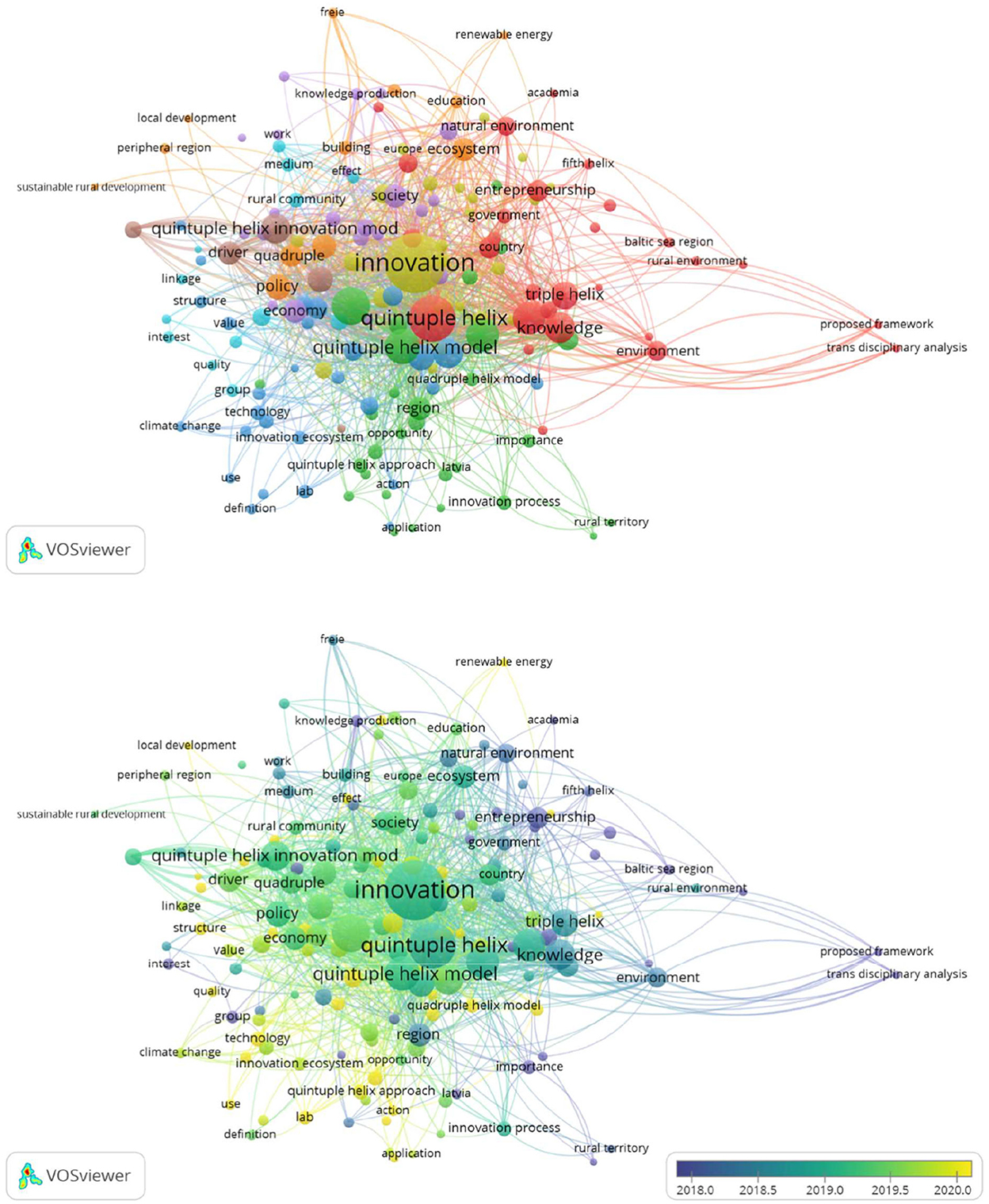
Figure 1. Identification and analysis of research issues related to the Quintuple Helix Models and rural innovation programs. Source: Processed from VosViewer (2022).
The second cluster explained the Quintuple Helix Model and approach, from agricultural analysis, community, tourism, village development, forests, regions, and countries, to the importance of rural innovation processes. The third cluster explained the challenges of climate change, collaborative action, governance, innovation ecosystems, social innovation, and regional innovation systems to technological structures and urban transition areas. The fourth cluster addressed the necessity of innovation models to address innovation issues in Indonesia and the impact that capacity and business have on economic growth and development. The fifth cluster showed innovation activities and knowledge production through the creation of corporate dimensions, sustainable development, and interaction between the three-helix sectors, namely the government, universities, and industry, in creating sustainable innovation patterns and networks. The sixth cluster explained cultural adaptation and the importance of handling rural communities. The seventh cluster explained the link between development, education, and policies in regional development for the sustainability of rural areas. The eighth cluster explained how to answer the challenges in innovation, especially global threats. This process of identification reveals the complex and multifaceted dynamics at play in rural innovations while criticizing a method that views innovation solely as the result of collaborative actions that are conceptual and mechanized but do not contribute to the long-term viability of the innovations they produce.
Sorowako Village, Nuha District, East Luwu is one of the most innovative villages in South Sulawesi Province, Indonesia. The development concerns in Soroako village focus on the fields of village government, village development, and community services. Based on our observation, Sorowako village was identified as innovative in creating innovative public services, such as night shift service, service at the hamlet level, and accountable service provision. The innovations were mainly related to the collaborative model by encouraging community participation and partnering with industries such as PT. Vale Tbk (Ismar, 2019; Pemda Luwu Timur, 2020). Tourist attractions such as Bukit Triangle Park and Lake Matano, Sorowako Village are also well-known as a tourist destination village. The inauguration of the tourist destination was formally launched by the Regent of East Luwu and the management of Lake Matano in 2020. Both of the areas have been developing their tourist destinations in partnership with PT Vale Tbk. To foster self-sufficiency among rural residents and boost revenue for the local government, Sorowako village is pushing for a technological and creative breakthrough in the tourism industry (Pendapatan Asli Desa, PAD). The tourist destinations are legally managed by the Sorowako village-owned enterprises (Badan Usaha Milik Desa, or BUMDes); they comply with Government Regulation No. 11/2021 on developing village-owned enterprises in Indonesia. The assignment for Sorowako village-owned enterprise is also a good example of the implementation of the Ministry of Village, Development of Disadvantaged Regions Regulation No. 7/2021, concerning the priority of village fund allocation.
The development of Triangle Hill Park is also a vivid example of BumDes Sorowako's contribution to village development. As BUMDes manage the park, it has allowed for the creation of more opportunities for the local community to earn a better income. Previously, the Sorowako BUMDes only managed water tourism, convection printing, and coffee shops (Warkop) in Sorowako Village. Interestingly, the BUMDes apparently have a positive concern for environmental issues through their waste management program. The production of pallet wood from waste is conducted in collaboration with PT. Vale Tbk (Ismar, 2020; Pemda Luwu Timur, 2020).
Similarly, a collaboration model can also be seen in Magani village, labeled as a family tourism village. Among others, innovation is recognized through the establishment of Magani Park, East Luwu Regency, as a good example of a village government that shares a positive attitude toward environmental issues. In the Indonesian context, “green open space” (Ruang Terbuka Hijau, RTH) is part of the urban spatial design strategy to ensure the balanced use of the land that ensures sustainability. According to Law No. 26/2007 on Spatial Design, an area of at least 30% of its total land is designated for the RTH. Unfortunately, implementing the spatial design law remains challenging (Ariyaningsih et al., 2022). This is why village government initiatives to provide green open space are highly appreciated. To this end, the mayor of East Luwu Regency set up a formal inauguration of Magani Park. He signed four inscriptions, including “Green Open Space Magani Park Independent Rural Area Program (Program Pengembangan Kawasan Mandiri, PKPM) as part of Nuha Tourism Development Area”; the other three inscriptions were located at the 247 Sorowako Public Primary School, the Christian Religious Study Room Building, the School Health Unit (Unit Kesehatan Sekolah, UKS), and the Nurul Ilmi Mosque (Ismar, 2019; Pemda Luwu Timur, 2020; Kominfo, 2022). The phenomenon of village innovation in encouraging regional development in East Luwu Regency explains that innovation does not run linearly and mechanically. It is growing and dynamic and requires competent leaders (Barth, 2011; Provenzano et al., 2016). The authors have an optimistic view that most Indonesian villages could achieve at least 30% of the green open space because it has long been discussed that, traditionally, Indonesian rural communities share a good understanding of sustainable living practices, as shown in the Ciptagelar Indigenous Community and Naga Hamlet in West Java Province (Pamungkas et al., 2013; Widianingsih et al., 2022).
Barth (2011) highlighted that, to increase the progress of development and the success of scientific innovation models in an area, we must focus on the search for knowledge, sustainability, and green development that can encourage more productive community participation in developing regions and countries. Provenzano et al. (2016), who researched rural innovation, stated that regional development needs to pay attention to the multidimensional aspects of suburban or rural areas, where rural areas are a productive system that can reflect a strong relationship between various deposits and explain an ecosystem that can ensure the sustainability of the innovations that have been pursued and at the same time develop them (Zarkasi and Rahardian, 2022). In research Prasetyanti and Kusuma (2020), they proposed applying an innovative village model based on a top-down and bottom-up approach, focusing on developing an innovative village as a “lesson” from the success of innovation in Panggungharjo Village, Yogyakarta. The figure of the village head plays an important role, especially in initiating innovation programs and optimizing the village bureaucracy. The village government must be able to compile a village development planning road map following the direction of village priority policies/programs within the national scope. As a follow-up, innovation development must be based on coordinating and strengthening inter-helical cooperation networks to impact the equitable distribution of community welfare.
Therefore, this article focuses on specific governance mechanisms that can facilitate Quintuple Helix innovation at the level of the village development innovation process in East Luwu Regency with rural self-reliance development programs. More specifically, the concept of a “rural living lab” is explored as an inter-organizational R&D design and multi-stakeholder innovation process to set up a Quintuple Helix innovation model. Therefore, this study contributes to a deeper understanding of the local collaborative innovation process designed to address socioecological challenges through government-public-private-university interactions and the special context of the East Luwu Regency government and PT Vale Tbk, which encourages village innovation, community independence, and environmental sustainability in East Luwu Regency, South Sulawesi, Indonesia (Abdillah and Ahmadi, 2022). In other words, how can Quintuple Helix innovations be used in a rural life laboratory?
This study is divided into three sections: the process of rural innovation in encouraging community involvement and their understanding of the process and context of innovation, including the challenges. Secondly, we analyzed this evolution of rural innovation using literature on collaborative innovation and outlined the concept of a living (rural) laboratory to put it into practice. Finally, we developed an analytical framework of rural innovation, structured based on innovation participation, knowledge production, the innovation ecosystem as a social subsystem system, and socioecological transitions facing disaster preparedness in East Luwu Regency. This article concludes that the theoretical propositions of the Quintuple Helix Model and the concept of a rural life laboratory based on sector coordination are reflected in East Luwu Regency.
Materials and methods
This study used a qualitative-exploratory method with a case study approach as an in-depth assessment (Creswell and Poth, 2016) of specific governance mechanisms that can facilitate Quintuple Helix innovation at the level of the village innovation process in East Luwu Regency. The study was conducted within the context of the rural self-reliance development program that has been implemented for more than a decade in our research area. More specifically, the concept of a “rural living laboratory” is explored as an inter-organizational R&D design and a multi-stakeholder innovation process to set up a Quintuple Helix innovation model. This study uses the Quintuple Helix innovation theory (Carayannis et al., 2012) by exploring the process of developing village development innovations in East Luwu Regency using a village self-reliance development program. At the same time, it also criticizes the collaborative governance approach (Ansell and Gash, 2008), which is often highly conceptual with little focus on the actual governance mechanisms that facilitate it. The data and facts were obtained through library research by studying and reading books, journals, official documents, and other relevant data sources to produce quality research. Once obtained, the data were then analyzed and interpreted as described by Miles et al. (2018) with the stages of data collection, data reduction, data presentation, and data verification. Then, conclusions were drawn in the form of new findings that are useful for readers. Then, the assistance of qualitative research tools Nvivo 12 Pro (Woolf and Silver, 2017) and VosViewer was taken to dig deeper into the problems that occurred and identify the best conclusions. Analysis through Nvivo 12 Pro was carried out in the following stages (Figure 2):
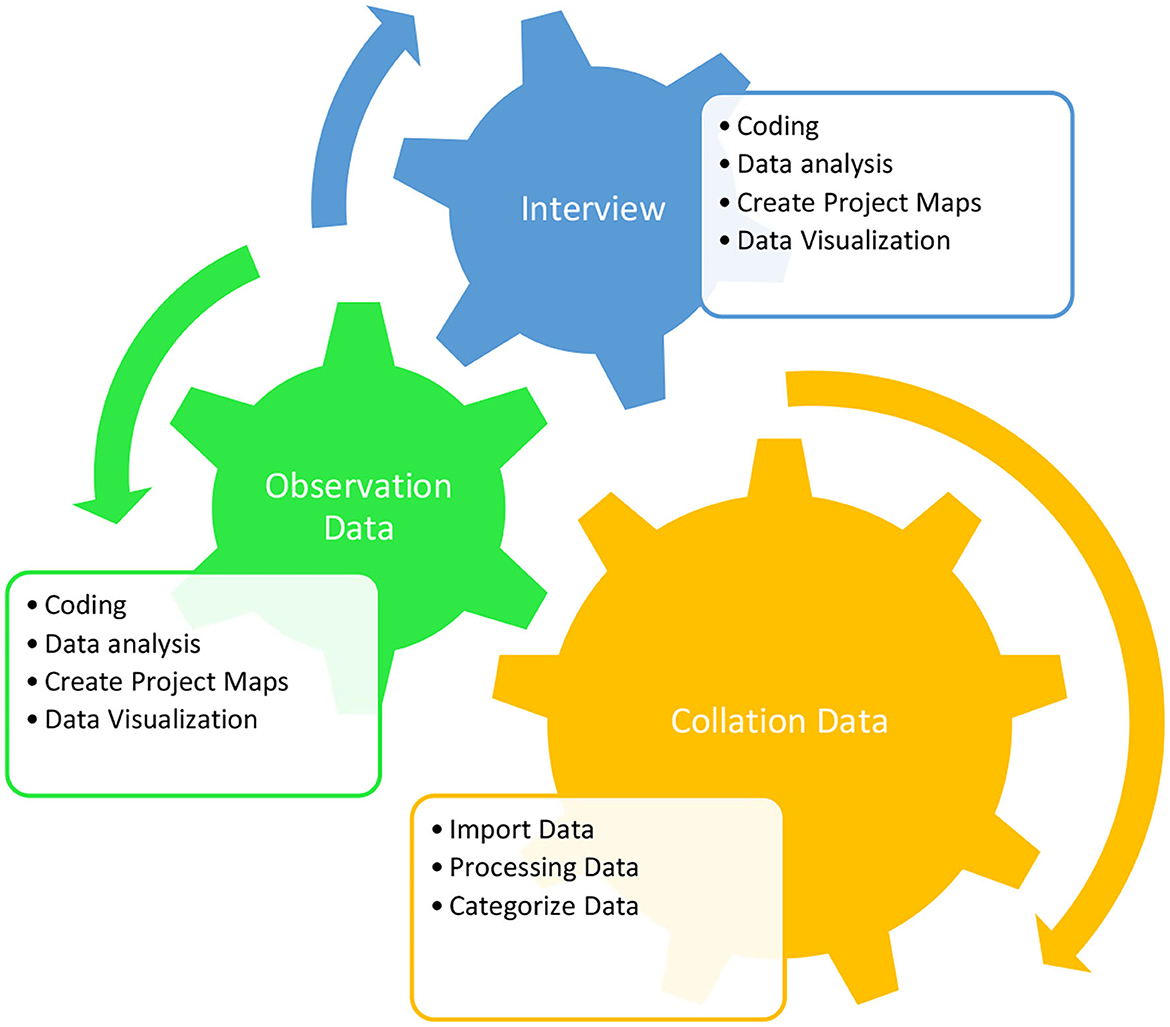
Figure 2. Data collection and analysis techniques with NVivo 12 Pro. Source: Processed from Woolf and Silver (2017), 2022.
The analysis of this research through Nvivo 12 Pro was carried out in the following stages: (1) collecting data, (a) importing them, (b) processing them, and (c) categorizing them. Then (2) interview data analysis was carried out with the following steps: (a) coding data, (b) data analysis; (c) project map creation; (d) data visualization. and (3) observation data with (a) coding data, (b) data analysis, (c) project map creation, and (d) data visualization.
This research relied so heavily on the researcher's interpretation of the meaning implied in the interview that the bias tendency remained. A triangulation process is carried out to reduce bias, namely source and method triangulation. Triangulation of sources was carried out by cross-examining data with facts from the observations of different researchers and the results of other studies. Meanwhile, the triangulation of limited methods was carried out using several methods of data collection, namely the literature study method through the collection and reduction of several related research articles, official documents of the East Luwu Regency Government, the East Luwu Regency Government Website, and coupled with utilizing data finders such as Nvivo 12 Pro.
Results and discussions
Quintuple Helix innovation model for rural innovation: Institutional structure and process
Rural life laboratories follow a structured process in which central problems, ideas, concepts, or prototypes are at the heart of rural innovation collaboration (Braczyk et al., 2003; Schaffers et al., 2009; Gascó, 2017) in East Luwu Regency. This innovation process applies a combination of different methodologies (such as interviews, focus groups, surveys, co-creation workshops, online crowd-sourcing, and field trials) to engage various stakeholders (such as various local government divisions, citizens, civil society organizations, research organizations large and small, universities, and startups) (Schaffers et al., 2009; Gascó, 2017). Formal living laboratory processes structure innovation development and regulate stakeholder interaction, knowledge production, and knowledge transfer (Schaffers et al., 2009; Gascó, 2017) in encouraging innovation in Sorowako and Magani Villages, East Luwu Regency, South Sulawesi. These processes make it easier to form steering committees, ensure that the project's overall planning and resources are protected, make use of social capital in various subsystems, provide coaching and implementation resources, and translate information between various ecosystem stakeholders involved in the innovations pursued in rural areas (Schaffers et al., 2009; Gascó, 2017). The rural innovation program by the Regional Government of East Luwu Regency in the Independent Rural Area (PKPM) development program encourages Sorowako and Magani Villages as tourism villages in East Luwu Regency to encourage local community independence, economic growth, and environmental sustainability, as described below (Table 1).
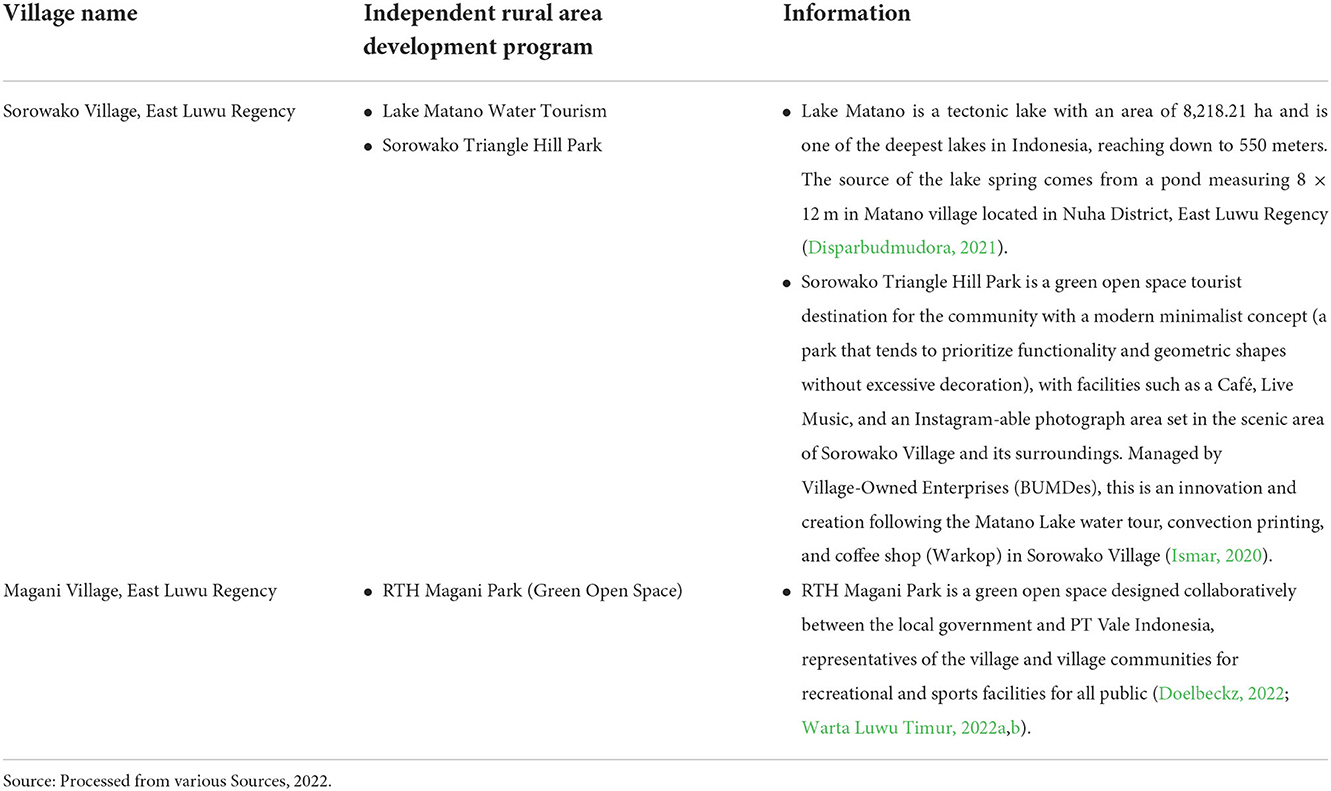
Table 1. Collaborative rural innovation program in Sorowako and Magani Villages.
In Sorowako Village, East Luwu Regency, Lake Matano has a beautiful natural panorama as a natural tourist attraction. This is why the village government is engaged in managing Lake Matano as a tourist destination with the support of the East Luwu Regency Regional Government and cooperation with PT Vale Tbk. Anyone can visit here, and there is no entrance fee to visit the lake. In Matano Lake, there is also a pier that can be used as a shelter or one of the photo spots as an attraction for people to visit. In addition, this lake can be used for diving by people who like beautiful underwater panoramas. Some lake banks are now used as recreational locations, such as Ide Beach, Butterfly Beach, and Salonsa Beach. Lake Matano offers exotic panoramas, cool water, and neatly arranged lakeside landscaping filled with large, lush trees, making the atmosphere shady. For the lovers of water sports, recreational facilities in Lake Matano are equipped with various facilities such as kayaks, banana boats, jet skis, and cruise ships and are supported by the placement of gazebos, bungalows, restaurants, playgrounds for children, and other facilities (Pemda Luwu Timur, 2020; Disparbudmudora, 2021). In addition, one of Sorowako's major attractions is Triangle Hill Park, whose mission is to give local youth a voice and help them improve their living standards. The park managed by village-owned enterprises (BUMDes) is an innovation and creation following in the footsteps of the Matano Lake water tour, convection printing, and coffee shop (Warkop) in Sorowako Village (2021; Ismar, 2020; Pemda Luwu Timur, 2020). In Magani Village, there is a village innovation program supporting the development program of independent rural areas (PKPM) called RTH (green open space) Magani Park, which is a green open space designed collaboratively between local governments, PT Vale Indonesia, and representatives of the village and village communities for recreational and sports facilities open to all the public (Dewi et al., 2022; Doelbeckz, 2022; Warta Luwu Timur, 2022a,b).
It can be seen in Table 2 that actors are involved in rural innovations in the Sorowako and Magani tourist villages in the development program of independent rural areas in the East Luwu Regency. In both cases, actor relationships, interaction patterns, commitments, and strategies for rural innovation in Sorowako and Magani tourism villages can be explored, as can the cultivation of an understanding of the rural innovation process, which can develop through a Quintuple Helix innovation model at the level of the village development innovation process in East Luwu Regency, with a rural independence development program that is only fixated on the mechanical process of actor interactions so that the sustainability and growth of rural innovation programs in East Luwu Regency are still in question later. An important note in rural innovation carried out in Sorowako and Magani Tourism villages in East Luwu Regency is that the production of rural innovation knowledge does not contribute to the sustainability of rural innovation programs. Existing university actors usually conduct observations and research concerning Sorowako and Magani tourism with the themes of maintaining environmental resilience and local economic growth. There still needs to be more actors to fulfill the role of knowledge and innovation producers. In other words, university actors have not been concerned with the knowledge production cycle.
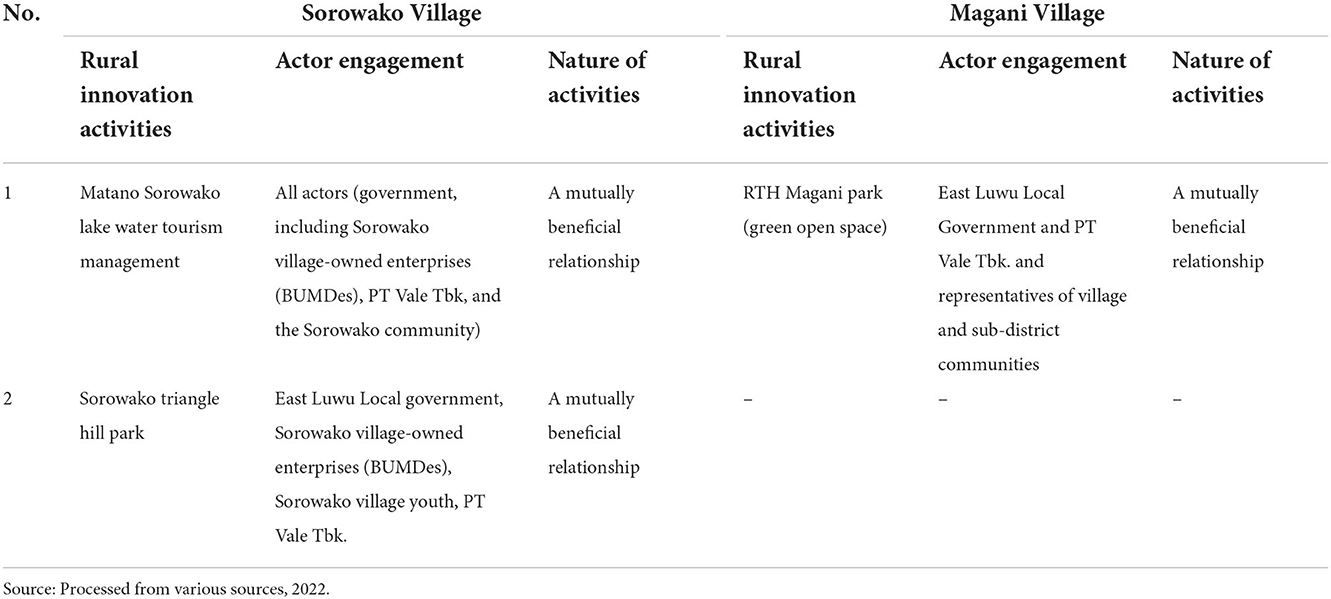
Table 2. Involvement of actors in rural innovation activities of Sorowako and Magani tourism villages in East Luwu Regency.
Formal commitments in both rural innovation cases in Sorowako and Magani Villages, East Luwu Regency, are limited to the production of innovation knowledge and the organization of semi-public living laboratory management through the initiatives of rural communities and universities. However, the two villages also have semi-formal commitments from the local government (for example, Nuha District, East Luwu Regency) and PT Vale Tbk. in encouraging innovation programs in Sorowako and Magani Villages, East Luwu Regency. The two tourism village programs (Sorowako and Magani Villages) need help convincing other key actors (such as the university sector as a producer of innovation knowledge and the environment as a place for people to live) in the rural innovation ecosystem. These other actors must be fully involved in rural innovation programs, making innovation transient (Ismar, 2019; Pemda Luwu Timur, 2020; Kominfo, 2022; Warta Luwu Timur, 2022a,b). Innovation programs in rural areas of Sorowako and Magani Villages are gaining momentum, and collaboration is still possible in an ad hoc manner (Ismar, 2019; Pemda Luwu Timur, 2020; Kominfo, 2022). Not only key stakeholders (such as the local government and PT Vale) ended up being interested in the rural innovation ecosystem (the innovation programs of Sorowako and Magani Villages), but also some unexpected small institutions (i.e., research institutes, companies, and community organizations), who are willing to contribute to the sustainability of rural innovation in Sorowako and Magani Villages, East Luwu Regency (Ismar, 2019; Pemda Luwu Timur, 2020; Kominfo, 2022). This open, semi-formal, innovative sustainability design of temporal collaboration networks serves as a risk reduction characteristic and helps overcome barriers to collaboration (Nof et al., 2006; Baccarne et al., 2016; Baccarne, 2019). Thus, the collaborative innovation design of the rural living laboratory stakeholder ecosystem acts as a centripetal force in the rural environment and as a perfect chance to gather innovation sustainability actors in rural areas with equal importance (Samalavičius, 2017; Baccarne, 2019). Although each collaborator has their own agenda (e.g., leveraging their own business, connecting with local governments, or encouraging local change), this does not interfere with the overall objectives of the sustainable rural innovation program (Baccarne et al., 2016; Samalavičius, 2017). The structural process of rural innovation in the East Luwu Regency tends to be initiated by rural leaders who utilize village funds (APBDes). It is strongly supported by the East Luwu government and the private sector, in this case, PT. Vale Tbk. This can be observed in the village innovations in Sorowako and Magani Villages (Ismar, 2019, 2020; Disparbudmudora, 2021; Doelbeckz, 2022; Kominfo, 2022; Warta Luwu Timur, 2022a,b).
Ecosystem and knowledge circulation in rural innovation programs
In both cases of rural innovation programs in Sorowako and Magani Villages, East Luwu Regency, various exchanges between different knowledge domains took place. Some examples include the transfer of knowledge from the political system to the economic system (i.e., knowledge regarding policies, internal procedures, value networks, and business model opportunities) and from civil society to both the educational system (for example, the interpretation of complex data by rural communities and their relationship to their daily behavior) and the economic system (i.e., regarding the needs and potential for adoption) being key to the implementation of rural innovation programs in East Luwu Regency East (but still a record for the sustainability of innovation) (Asheim and Isaksen, 2002; Asheim and Coenen, 2005; Chaminade and Vang, 2008). In addition, for local governments, the independent rural area development program (PKPM) also bridges various divisions and individuals within the organization (for example, different divisions work on open data and air quality for some time, but the program takes time to connect them and uncover the overlaps between their efforts) (Pemda Luwu Timur, 2020; Disparbudmudora, 2021; Doelbeckz, 2022). This bridge can be conceptualized as an intra-organizational centripetal force between the East Luwu Regency government and PT Vale, which is the mobilization effect of the rural living laboratories in Sorowako and Magani Villages to connect like-minded individuals outside the main organizational structure. Thus, the program facilitates horizontal and agile collaboration and ad-hoc exchange of knowledge, largely bypassing traditional structures and processes such as socialization and Forum Discussion Groups (FDG) with other related communities and groups (Pemda Luwu Timur, 2020; Disparbudmudora, 2021; Doelbeckz, 2022).
Since 2015, the development of independent Villages and the rural innovation movement in East Luwu Regency, which were originally called the activities of empowering independent village communities (PMDM) and were a collaboration between the government, the private sector, and the community, have become independent rural area development activities (PKPM). It is currently more encouraging to involve the community in participation, starting from holding village deliberation activities to further deliberations regarding rural independent development programs that want to be implemented in East Luwu Regency (Abdillah and Ahmadi, 2022). Rural innovation activities in Sorowako and Madani Villages are conducted through the PKPM program, which the Luwu Timu Regency Government fully supports. However, the PT Vale Tbk began with socialization activities to accommodate the proposals and aspirations of village heads in Nuha District and the local community related to activities that could be carried out in the Villages concerned. Afterward, it continued to the inter-village deliberations or district-level deliberations, and then a proposal was determined and verified by PT Vale about the funding of the activities.
Planning an independent village development program as a rural innovation program in Sorowako and Magani Tourism Villages involves encouraging a three-pillar partnership pattern in program implementation through the formation of a community development program coordination team of the community, government, and company (Fatmawati et al., 2022). The company is obliged to facilitate technical assistance in each region's commodity, creative, and tourism industries, which will later be united in the PKPM (development of independent rural areas) program. Then, Figure 3 explains the planning stages carried out in the independent village development activities in collaboration with PT Vale Indonesia and the local government of East Luwu Regency.
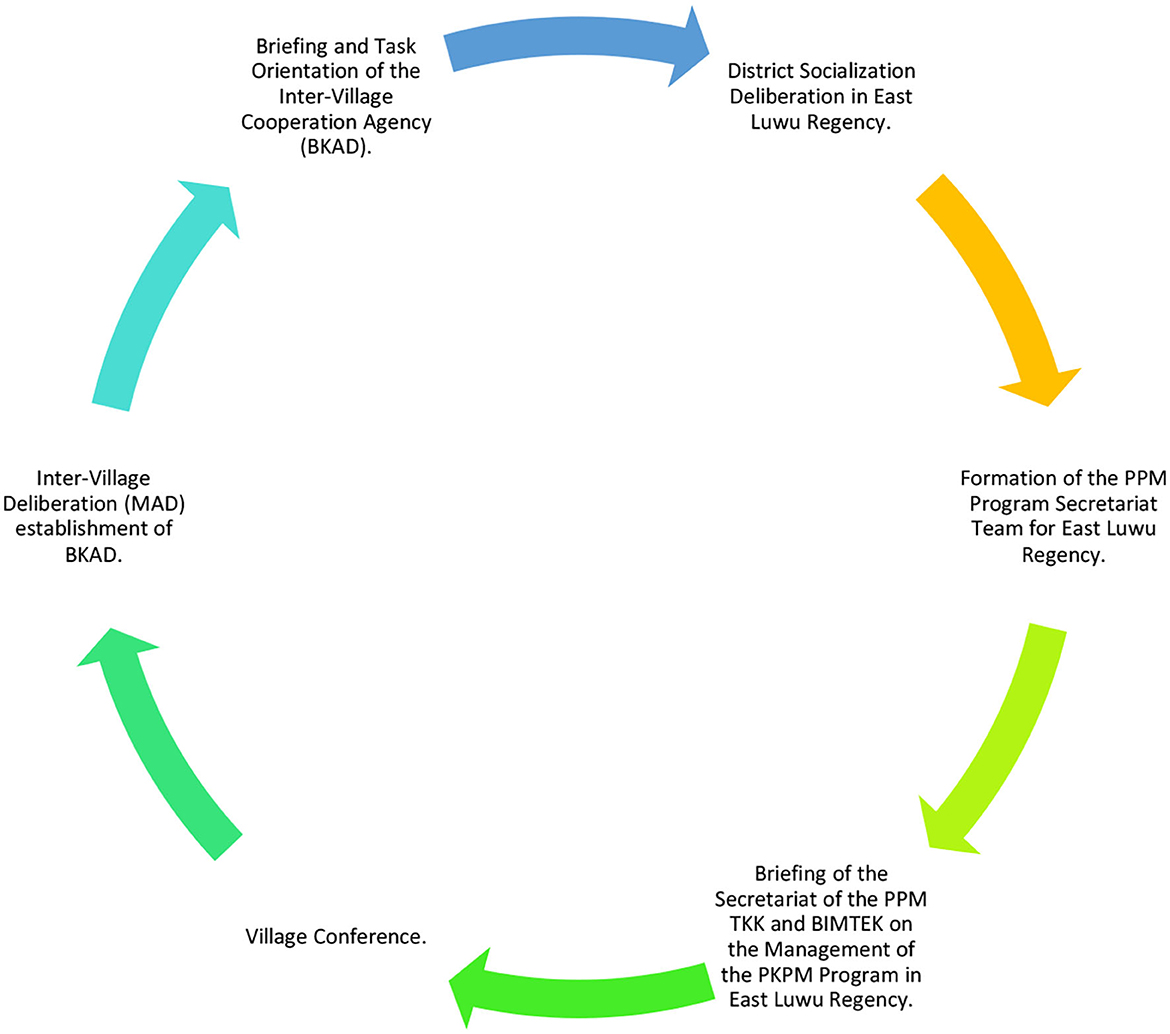
Figure 3. Stages of the development process of independent Villages in East Luwu Regency. Source: Processed from various sources, 2022.
In terms of local government involvement, the process facilitates access and interaction with different levels of government. The deployment of temporal experimental windows, which are considered “neutral” and “external” to existing organizations, allows individuals to break away from holding organizational structures and collaborate in a more agile environment and stretch the boundaries of what is generally possible (for example, temporarily sharing data sources, speaking freely outside government organizations, and providing favorable exceptions to the use of public spaces).
Through an alternative multi-method research approach, knowledge (gathered discreetly) from all stakeholders can be captured, exchanged, recombined, mixed, and shaped. By distributing and translating chunks of fundamental knowledge to actors outside the domain of original knowledge, unexpected but valuable interpretations and interactions occur (Asheim and Isaksen, 2002; Asheim and Coenen, 2005; Chaminade and Vang, 2008). However, such “sparks” and often capricious knowledge must be adequately captured and managed to contribute to the goals of rural innovation programs and the independence of rural areas in promoting regional economic growth and environmental sustainability. For the Sorowako Village program, this knowledge capture process resulted in the development of a conceptual model for socioecological change, which served as the basis for the design requirements and prototype development of a sustainable rural innovation program, although it still needs to be evaluated today (Pemda Luwu Timur, 2020; Disparbudmudora, 2021; Doelbeckz, 2022). The rural innovation program in the Luwu area should focus on understanding the needs and frustrations of end users about the evolution of technology and the needs and knowledge of other stakeholders, especially to prepare field trial experiments that fit the context of use. These insights are needed for practical and substantial reasons to test pattern-sharing systems, including the commitment of actors and sectors and the interaction of actors and multidimensional networks for the sustainability of economically and environmentally friendly rural innovation programs (Rolffs et al., 2015; Turnheim et al., 2015; Sovacool et al., 2020). We must not be dogmatic about the dominance of the role of local and private governments in ensuring the sustainability of rural innovation and success in village community welfare programs. Support from other sectors, such as universities in the study of innovation and the environment as objects of sustainable innovation, also needs to be considered by rural innovation actors to increase the sustainability of the innovations carried out.
Socioecological transition and the Quintuple Helix Model for rural innovation
The innovation program in the rural areas of Sorowako and Magani Villages in East Luwu Regency, Indonesia, aims to interact with the socioecological environment through the goals of environmental sustainability, community justice, and rural development. Against this backdrop, the authors tried to conceptually model the innovation ecosystem using the Quintuple Helix Model (Barth, 2011; Carayannis et al., 2012). Using this framework, it is clear that innovation related to issues regarding the socioecological context is very closely related to the rural community and the development of the socio-technological future in rural areas of Sorowako and Magani Villages, East Luwu Regency because, as mentioned by Carayannis et al. (2012) and Baccarne et al. (2016), ignoring this dimension is a failure to contextualize the development of innovation in the wider environment so that the benefits of innovation do not have a longer impact on the development of rural areas. This includes the local government's failure to implement innovative programs in rural areas because innovations are not maintained in terms of the knowledge of innovations produced in the innovation-knowing ecosystem in the Quintuple Helix Model. Although this model follows the theoretical understanding of rural life laboratories, the Quintuple Helix Model approach in this study offers an implementation approach for the Quintuple Helix Model in the sustainability of rural innovations in Sorowako and Magani Villages, East Luwu Regency through exploratory studies on rural innovation programs in Sorowako and Magani Villages in East Luwu Regency, Indonesia.
Regarding sustainability, the two rural innovation programs in East Luwu Regency revealed the difficulty of designing a viable innovation model in the domain of “socioecological transition” in the local government-private-university-civil society and environmental sector interactions. Both civil society and the economic system consider it the duty of the local government as a regional political system to be responsible for the sustainability of innovation and the innovation knowledge ecosystem that supports innovative programs in Sorowako and Magani Villages in East Luwu Regency. However, the political system struggles with the issue of dwindling resources, making it difficult to develop a sustainable innovation model. These challenges resulted in the formation of village youth organizations, a rural creative economy, and new markets with limited responsibility. Various actors previously involved in rural life laboratories became members of Sorowako and Magani village community organizations. Thus, some of the social capital generated in the laboratory of rural life in East Luwu Regency is utilized to help maintain innovation.
The PKPM (Development of Independent Rural Areas) program involves three pillars: community, local government, and PT Vale Tbk. Each stage involves all PKPM actors, including the Coordination Team for Community Development and Empowerment Districts (TKK PPM), Sub-district and District Heads, Inter-Village Cooperation Agencies (BKAD), Village Delegations, and technical assistance and capacity building from PT Vale Tbk. In its implementation, PKPM activities are carried out in three stages. This stage certainly involves the community and the local village government, following the details of the work contained in the SPK (employment agreement letter). Then, if, during the implementation of PKPM CSR activities, there are obstacles or problems, both funding-related problems, and problems in the implementation of these activities, the Sub-district is obliged and should always be willing to facilitate mediation and deliberation with all relevant parties by requiring all those involved to have accountability to avoid misunderstandings and unwanted issues (Ismar, 2019, 2020; Pemda Luwu Timur, 2020; Disparbudmudora, 2021; Doelbeckz, 2022; Kominfo, 2022).
The activity carried out in the PKPM program is the cultivation of Trigona honey bees. The cultivation of Trigona honey bees began to receive attention from PT Vale Tbk in early 2021 through training on the development of Trigona honey bees and providing assistance in the form of goods to manage the Trigona honey bees. The Trigona honey bee management area has been functional since June 2021, but it has yet to be time for harvest. Meanwhile, the management and marketing of Trigona honey bees are assisted by BUMDESMA (Joint Village-Owned Enterprises). Then, from this PKPM activity, a tourism area centered on Magani Village was also constructed, namely the RTH Magani Park (Green Open Space), and the community's role as planners and managers was established. In implementing its CSR program, PT Vale Indonesia Tbk formed and carried out this activity through the implementation stage, including the determination of activity implementation, funding, and activity accountability reports. With this, some officials or team members carry out their duties based on the SPK (Work Agreement Letter) assigned to the implementation of the PKPM CSR program by PT. Vale Indonesia Tbk. PT Vale Indonesia Tbk does this to understand all the activities that the implementation team will carry out to avoid fraud that groups of irresponsible people could carry out (Ismar, 2019, 2020; Pemda Luwu Timur, 2020; Disparbudmudora, 2021; Doelbeckz, 2022; Kominfo, 2022).
PT Vale Tbk has a supervisory committee whose task is to supervise the implementation of CSR activities in sub-districts and Villages. This supervision is carried out to avoid errors or fraud in implementing activities and prioritize positive impacts on the recipient community. This supervision is also conducted by considering the assessment indicators from PT Vale Tbk, which will be used for evaluating the programs. The District PKPM team and the District and Village Governments are scheduled in an evaluation monitoring activity for spaciousness visits to monitor the progress of the construction of facilities or infrastructure from the implementation of PKPM activities. Furthermore, currently, there is also a District Coordination Team (TKK) that specifically supervises the issue of funds for PKPM activities. Because of the implementation activities, a team was formed, namely the BKAD (Inter-Village Cooperation Agency). Therefore, village heads, sub-district heads, TSK-PPM, and TKK-PPM each should report their activities and make progress reports to BKAD. Later, the Inter-Village Cooperation Agency will review and take the necessary steps after receiving the report. Thus, it is safe to say that all parties are involved in the supervision of PKPM activities. Then, in terms of supervision, the community has the right to supervise every PKPM activity so that if there are violations or irregularities in the process of the implementation of activities or if there are problems with the disbursement of funds, actions can be taken. Therefore, it is desirable to be careful and open when managing PKPM activities that involve many communities. The supervision was carried out by PT Vale Tbk., which always involved the government and its people. To ensure the continued involvement of the community c in this implementation stage, several projects were conducted by PT Vale Tbk, including supervision to get results and evaluation of the success of this PKPM that can later increase institutional participation and build facilities/infrastructure that would be constructed in each area, whether it has had a good impact or not. In addition, it can be concluded that PT Vale Tbk is meticulous in team formation, planning, implementation, and supervision. The evaluation of the Community Development and Empowerment (PPM) program, at the subdistrict level as the secretariat of the PPM program district coordination team, to the village level as the Inter-Village Cooperation Agency (BKAD) of the PKPM program to the implementation of activities, namely the Village Community Institution 94 and activity managers (UPT/BUMDES) (Ismar, 2019, 2020; Pemda Luwu Timur, 2020; Disparbudmudora, 2021; Doelbeckz, 2022; Kominfo, 2022). To better understand this case, we can see Figure 4 below, which is as follows.
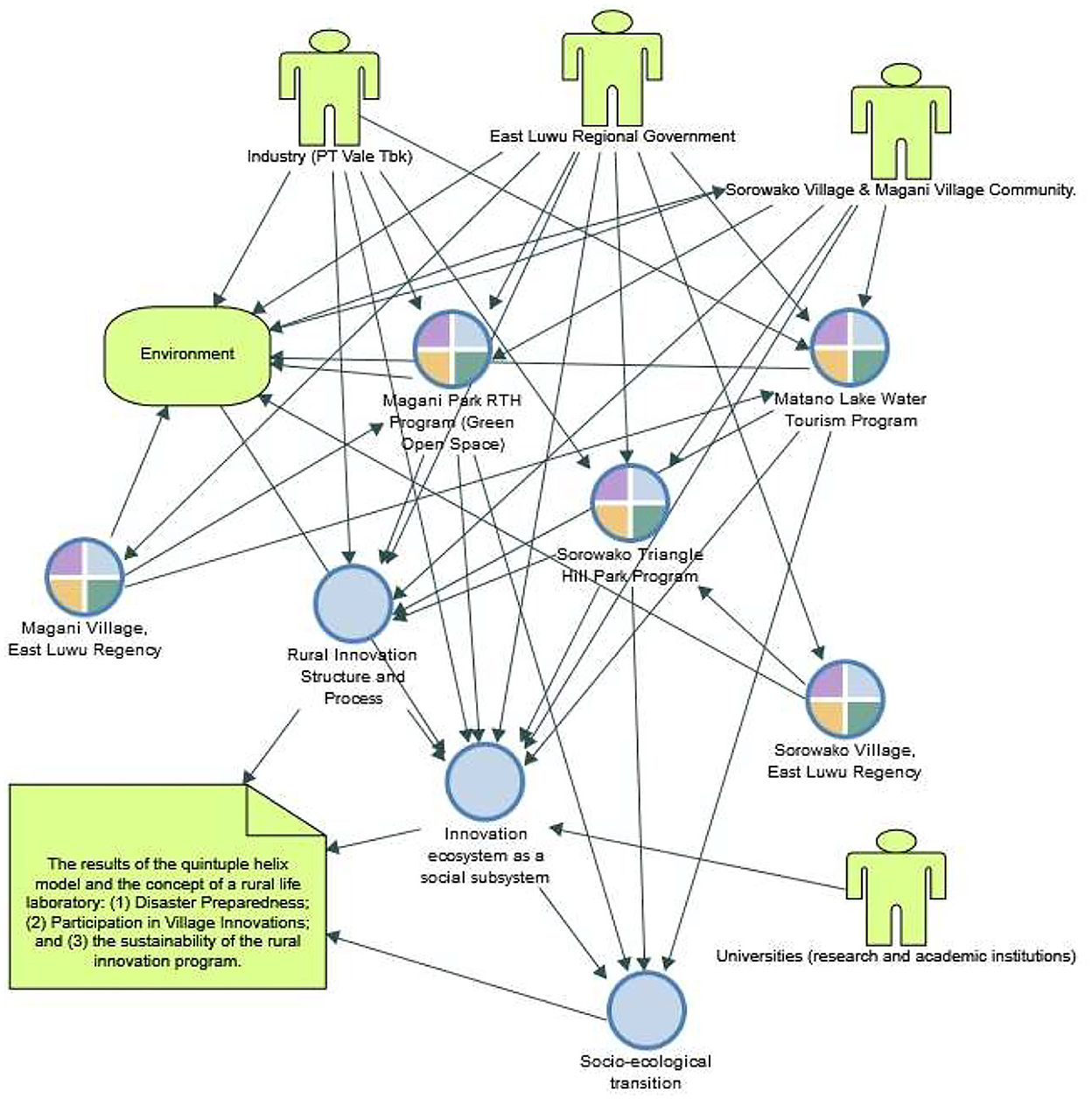
Figure 4. Maps of program-based Quintuple Helix innovation and collaboration in Sorowako and Magani Villages, East Luwu Regency. Source: Processed from Nvivo 12 Pro (2022).
In Figure 4, the socioecological transition is considered to encourage innovation and resilience in rural development through a series of smart approaches and strategies. A program-based Quintuple Helix innovation model and collaboration can drive long-term change at a more latent level in rural areas by inspiring and stimulating the production of innovations about the challenges and smart solutions of developing independent rural areas in East Luwu Regency (Olsson et al., 2006; Li et al., 2019; Castro-Arce and Vanclay, 2020). In the way of thinking of the socioecological system, the Quintuple Helix Model in the laboratory of rural life in the PKPM program in Sorowako and Magani Villages, East Luwu Regency, contributes to the resistance to the rural socioecological system. More specifically, according to the author's simple conclusions, the sustainability of rural innovation is achieved through the facilitation of flexible and agile experiments with possible solutions to overcome problems associated with “system stress” caused by the lack of knowledge of the innovation itself (Asheim and Isaksen, 1997; Nordberg, 2017). This adds to the long-term and latent social transition that is closely interrelated and important in building the resilience of the innovation ecosystem by each actor involved (local government, private sector, village communities, and other groups) in Sorowako and Magani Villages, East Luwu Regency. Ecological concern and knowledge of innovation will encourage the resilience of the rural environment and the community of Sorowako and Magani Villages, East Luwu Regency. This will contribute to a better social transition in rural areas and encourage the advancement of more productive and innovative regions (Olsson et al., 2006; Nordberg, 2017; Li et al., 2019; Castro-Arce and Vanclay, 2020). Therefore, this approach is recommended to be implemented in the innovation program to develop community self-reliance areas in Sorowako and Magani Villages, East Luwu Regency.
The concept of a rural life laboratory (innovation in the independence of rural communities) with an innovative knowledge production ecosystem can generate and develop knowledge indirectly and confirm it while still focusing on the exchange of knowledge in the rural natural environment system (Almirall and Wareham, 2011; Bramwell et al., 2012; Reichert, 2019). Thus, both innovation and socioecological transition in rural areas can become more sustainable, restore ecological balance, and improve the economy of rural communities, thereby ensuring the quality of life of future generations (Hegger et al., 2012; Nordberg, 2017). The theoretical logic of the analysis framework of this study discusses the concept of sustainable rural innovation in the production of knowledge from three models, namely: (1) the structure of rural innovation in East Luwu Regency, where the local government encourages every village head to be more competitive in developing innovative Villages; (2) the innovation ecosystem as a subsystem of the circulation system, in which case every stakeholder is encouraged to be involved in the development of project-based innovation in every village in East Luwu Regency; and (3) the socioecological transition to analyzing the laboratory approach to urban life. The innovations carried out in Luwu Regency, in addition to increasing village community participation, also pay more attention to the village environment. Our findings largely support the assumption of the Quintuple Helix model. This model needs to be developed in a rural innovation program in East Luwu Regency to support rural environmental sustainability, village community independence, and effective collaboration as strategic objectives of the East Luwu Regency Government. This study confirms that the sustainability of rural innovation results from the synergy of the local government-private-university civil and environmental sectors in the knowledge ecosystem of innovation and socioecological transition as a Quintuple Helix innovation model and a rural life laboratory concept based on an innovation knowledge ecosystem. The key to the Rural Innovation Program can be observed in the case of Sorowako and Magani Villages in East Luwu Regency, which is the existence of strong communication and coordination between actors and sectors.
Conclusion
This article bridges the theoretical propositions of the Quintuple Helix model with the practice-based concepts of the rural life laboratory. More specifically, it discusses the concept of sustainable rural innovation in the production of knowledge from three models: (1) the structure of rural innovation in East Luwu Regency, the local government, which encourages every village head to be more competitive in developing innovative Villages; (2) the innovation ecosystem as a subsystem of the circulation system; in this case, every stakeholder is encouraged to be involved in the development of project-based innovation in every village in East Luwu Regency; and (3) the socioecological transition to analyzing the laboratory approach to urban life. The innovations carried out in Luwu Regency, in addition to increasing village community participation, also pay more attention to the village environment. Our findings largely support the assumption of the Quintuple Helix model. This model needs to be developed in a rural innovation program in East Luwu Regency to support rural environmental sustainability, village community independence, and effective collaboration as strategic objectives of the East Luwu Regency Government. This study outlines the concept of a rural life laboratory as a way to practice rural innovation, sustainable innovation processes, and the synergy of local government, universities, private, civil society, and environmental sectors in the production of rural innovation knowledge. The key innovations found in Sorowako, Sorowako village, and Magani East Luwu Regency are a result of a strong partnership between the East Luwu Regency government and the private sector (PT Vale Tbk.), which also increases the participation of rural communities in East Luwu Regency. Rural laboratories in Sorowako and Magani Villages, East Luwu Regency, can work together collectively, communicatively, and coordinatingly to reduce collaboration barriers and have an impact on the exchange of innovative knowledge that has an impact on the implementation of rural innovation. Synergies and partnerships in the local government-private-college-community-environment sector are the keys to innovation. Based on the results of our study, we recommend that the Government of East Luwu Regency, Indonesia, further encourage innovation in rural areas as a living laboratory that pays attention to the ecosystem of knowledge innovation, the socioecological transition, environmental sustainability, village community independence, and effective and efficient coordination and communication with each stakeholder. This can be done by making a policy document for the Rural Innovation Master Plan and Strategic Plan for Regional Development based on rural innovation in East Luwu Regency. This study suggests that in future research, the government should focus on the inhibiting and supporting factors that encourage sustainable rural innovation in local governments so that the findings can be strengthened as recommendations for knowledge of sustainable rural innovation in the three pillars of collaborative innovation programs carried out around the world, especially in local governments in Indonesia.
The authors utilize the Quintuple Helix innovation approach to understand and analyze how knowledge is created and exchanged in rural environments to drive people's economic growth and enhance environmental sustainability, which can be studied as a sustainable innovation development ecosystem that considers the ecological context. Thus, we can generate and develop tacit and codified knowledge in rural living laboratories while focusing on exchanging knowledge in natural environmental systems. Both innovations and rural socioecological transitions can become more sustainable and restore ecological balance, thereby ensuring the quality of life for future generations. Rural life laboratories (innovations in the independence of rural communities) can generate and develop knowledge indirectly and codify it while still focusing on exchanging knowledge in natural environmental systems. In this way, innovations and rural socioecological transitions can become more sustainable and restore ecological balance, further ensuring future generations' quality of life. This study confirms that the sustainability of rural innovation results from the synergy of the local government-private-university civil and environmental sectors in the innovation knowledge ecosystem and socioecological transition as a Quintuple Helix innovation model and the concept of a rural life laboratory based on an innovation knowledge ecosystem.
Data availability statement
The original contributions presented in the study are included in the article/supplementary material, further inquiries can be directed to the corresponding authors.
Ethics statement
The studies involving human participants were reviewed and approved by the Department of Government Studies, University of Muhammadiyah Makassar, Indonesia. Written informed consent for participation was not required for this study in accordance with the national legislation and the institutional requirements.
Author contributions
AA: conceptualize, writing—original draft, and writing—review and editing. IW: analyses and interpretation of the data, critical input on the findings, strengthening the arguments, additional references, and final approval of the manuscript. RB: critically discuss the logic of the arguments, data verification, and final reading of the manuscript. RB and IW: accountable to all aspects of the work. AA and NM: data curation. AA, NM, and SS: resources. SS and AA: supervision. All authors contributed to the article and approved the submitted version.
Acknowledgments
Thanks a lot to Universitas Padjadjaran, in particular to the Center for Decentralization and Participatory Development Research, Faculty of Social and Political Sciences, Padjadjaran University, Indonesia for supporting this research until it was published.
Conflict of interest
The authors declare that the research was conducted in the absence of any commercial or financial relationships that could be construed as a potential conflict of interest.
Publisher's note
All claims expressed in this article are solely those of the authors and do not necessarily represent those of their affiliated organizations, or those of the publisher, the editors and the reviewers. Any product that may be evaluated in this article, or claim that may be made by its manufacturer, is not guaranteed or endorsed by the publisher.
References
Abdillah, A., and Ahmadi, Z. (2022). Tata kelola berkelanjutan: studi tentang idealitas model tata kelola daerah Sulawesi Selatan, Indonesia. Kybernol. J. Govern. Stud. 2, 44–69.
Almirall, E., and Wareham, J. (2011). Living Labs: arbiters of mid-and ground-level innovation. Technol. Anal. Strat. Manag. 23, 87–102. doi: 10.1080/09537325.2011.537110
Ansell, C., and Gash, A. (2008). Collaborative governance in theory and practice. J. Public Administr. Res. Theory 18, 543–571. doi: 10.1093/jopart/mum032
Ariyaningsih, Sukhwani, V., and Shaw, R. (2022). Vulnerability assessment of Balikpapan (Indonesia) for climate change-induced urban flooding. Int. J. Disaster Resil. Built Environ. doi: 10.1108/IJDRBE-08-2021-0111
Asheim, B. T., and Coenen, L. (2005). Knowledge bases and regional innovation systems: comparing Nordic clusters. Res. Policy 34, 1173–1190. doi: 10.1016/j.respol.2005.03.013
Asheim, B. T., and Isaksen, A. (1997). Location, agglomeration and innovation: towards regional innovation systems in Norway?. Eur. Plann. Stud. 5, 299–330. doi: 10.1080/09654319708720402
Asheim, B. T., and Isaksen, A. (2002). Regional innovation systems: the integration of local ‘sticky’and global ‘ubiquitous’ knowledge. J. Technol. Transfer 27, 77–86. doi: 10.1023/A:1013100704794
Baccarne, B. (2019). Collaborative and participatory challenges in urban media innovation (Doctoral dissertation). Ghent: Ghent University.
Baccarne, B., Logghe, S., Schuurman, D., and De Marez, L. (2016). Governing quintuple helix innovation: urban living labs and socio-ecological entrepreneurship. Technol. Innov. Manag. Rev. 6, 22–30. doi: 10.22215/timreview/972
Barth, T. D. (2011). The idea of a green new deal in a Quintuple Helix Model of knowledge, know-how and innovation. Int. J. Soc. Ecol. Sust. Dev. 2, 1–14. doi: 10.4018/jsesd.2011010101
Bogers, M., and West, J. (2012). Managing distributed innovation: Strategic utilization of open and user innovation. Creat. Innov. Manag. 21, 61–75. doi: 10.1111/j.1467-8691.2011.00622.x
Braczyk, H. J., Cooke, P., and Heidenreich, M. (Eds.). (2003). Regional Innovation Systems: The Role of Governances in A Globalized World. London: Routledge. doi: 10.4324/9780203330234
Bramwell, A., Hepburn, N., and Wolfe, D. A. (2012). Growing innovation ecosystems: university-industry knowledge transfer and regional economic development in Canada. Final Report to the Social Sciences and Humanities Research Council of Canada, 62. Available online at: http://sites.utoronto.ca/progris/presentations/pdfdoc/2012/Growing%20Innovation%20Ecosystems15MY12.pdf (accessed July 2022).
Carayannis, E. G., Barth, T. D., and Campbell, D. F. (2012). The Quintuple Helix innovation model: global warming as a challenge and driver for innovation. J. Innov. Entrepren. 1, 1–12. doi: 10.1186/2192-5372-1-2
Carayannis, E. G., and Campbell, D. F. (2010). Triple Helix, Quadruple Helix and Quintuple Helix and how do knowledge, innovation and the environment relate to each other?: a proposed framework for a trans-disciplinary analysis of sustainable development and social ecology. Int. J. Soc. Ecol. Sust. Dev. 1, 41–69. doi: 10.4018/jsesd.2010010105
Carayannis, E. G., and Campbell, D. F. J. (2019). Smart Quintuple Helix Innovation Systems: How Social Ecology and Environmental Protection are Driving Innovation, Sustainable Development and Economic Growth. Cham: Springer Nature Swizerland AG. doi: 10.1007/978-3-030-01517-6
Castro-Arce, K., and Vanclay, F. (2020). Transformative social innovation for sustainable rural development: an analytical framework to assist community-based initiatives. J. Rural Stud. 74, 45–54. doi: 10.1016/j.jrurstud.2019.11.010
Chaminade, C., and Vang, J. (2008). Globalisation of knowledge production and regional innovation policy: supporting specialized hubs in the Bangalore software industry. Res. Policy 37, 1684–1696. doi: 10.1016/j.respol.2008.08.014
Creswell, J. W., and Poth, C. N. (2016). Qualitative Inquiry and Research Design: Choosing Among Five Approaches. London: Sage publications.
Dewi, D. S. K., Harsono, J., Desriyanti, D., Yulianti, D. B., and Azhar, I. Y. (2022). The development of website-based ngebel tourism from an e-government perspective. Otoritas 12, 30–40. doi: 10.26618/ojip.v12i1.6127
Disparbudmudora (2021). Wisata Danau Matano. Available online at http://disparbudmudora.luwutimurkab.go.id/index.php/2-uncategorised/102-wisata-danau-matano (accessed June 2022).
Doelbeckz (2022). RTH Magani Park Aset Progra PKPM Vale Jadi Sumber Ekonomi UMKM. Available online at: https://pluz.id/2022/04/07/rth-magani-park-aset-program-pkpm-vale-jadi-sumber-ekonomi-umkm/ (accessed June 2022).
Fatmawati, F., Mustari, N., Haerana, H., Niswaty, R., and Abdillah, A. (2022). Waste bank policy implementation through collaborative approach: comparative study—Makassar and Bantaeng, Indonesia. Sustainability 14, 7974. doi: 10.3390/su14137974
Gascó, M. (2017). Living labs: implementing open innovation in the public sector. Govern. Inform. Quart. 34, 90–98. doi: 10.1016/j.giq.2016.09.003
Hegger, D., Lamers, M., Van Zeijl-Rozema, A., and Dieperink, C. (2012). Conceptualising joint knowledge production in regional climate change adaptation projects: success conditions and levers for action. Environ. Sci. Policy 18, 52–65. doi: 10.1016/j.envsci.2012.01.002
Ismar, I. (2019). Inilah Inovasi Kades Soroako Luwu Timur Sehingga Diundan Presiden Ke Istana. Available online at: https://makassar.tribunnews.com/2019/08/13/inilah-inovasi-kades-soroako-luwu-timur-sehingga-diundang-presiden-ke-istana (accessed June 2022).
Ismar, I. (2020). Taman Bukit Segitiga Sorowako Destinasi Wisata Baru di Luwu Timur. Available online at: https://makassar.tribunnews.com/2020/11/22/taman-bukit-segitiga-sorowako-destinasi-wisata-baru-di-luwu-timur?page=all (accessed June 2022).
Klenert, D., Funke, F., Mattauch, L., and O'Callaghan, B. (2020). Five lessons from COVID-19 for advancing climate change mitigation. Environ. Resour. Econ. 76, 751–778. doi: 10.1007/s10640-020-00453-w
Kominfo (2022). Bupati Lutim Resmikan Magani Park Sebagai Ruang Terbuka Hijau di Kabupaten Luwu Timur. Available online at https://kominfo.luwutimurkab.go.id/358nbio7166512wi2816b50f (accessed June 2022).
Li, Y., Westlund, H., and Liu, Y. (2019). Why some rural areas decline while some others not: an overview of rural evolution in the world. J. Rural Stud. 68, 135–143. doi: 10.1016/j.jrurstud.2019.03.003
McIntyre-Mills, J. (2020). The COVID-19 era: no longer business as usual. Syst. Res. Behav. Sci. 37, 827–838. doi: 10.1002/sres.2745
McIntyre-Mills, J. J., Makaulule, M., Lethole, P., Pitsoane, E., Arko-Achemfuor, A., Wirawan, R., et al. (2022). Ecocentric living: a way forward towards zero carbon: a conversation about indigenous law and leadership based on Custodianship and Praxis. Syst. Pract. Action Res. doi: 10.1007/s11213-022-09604-0
Miles, M. B., Huberman, A. M., and Saldaña, J. (2018). Qualitative data analysis: A methods sourcebook. London: Sage Publications.
Nof, S. Y., Morel, G., Monostori, L., Molina, A., and Filip, F. (2006). From plant and logistics control to multi-enterprise collaboration. Annu. Rev. Control 30, 55–68. doi: 10.1016/j.arcontrol.2006.01.005
Nordberg, K. (2017). “Enabling regional growth in peripheral non-university regions: the impact of a quadruple helix intermediate organisation,” in Revolutionizing Economic and Democratic Systems (Cham: Palgrave Macmillan), 185–217. doi: 10.1007/978-3-319-40633-6_8
Olsson, P., Gunderson, L. H., Carpenter, S. R., Ryan, P., Lebel, L., Folke, C., et al. (2006). Shooting the rapids: navigating transitions to adaptive governance of social-ecological systems. Ecol. Soc. 11, 18. doi: 10.5751/ES-01595-110118
Pamungkas, G., Chicca, F., and Vale, B. (2013). Kampung Naga, Indonesia in Living within a Fair Share Ecological Footprint, 215–223. Available online at: http://www.taylorandfrancis.com/books/details/9780203126448/ (accessed July 2022).
Pemda Luwu Timur. (2020). Optimalkan Desa Wisata, Jayadi Nas Resmikan Taman Bukit Segitiga Sorowako. Available online at: https://portal.luwutimurkab.go.id/index.php/en/blog/458-optimalkan-desa-wisata,-jayadi-nas-resmikan-taman-bukit-segitiga-sorowako (accessed June 2022).
Prasetyanti, R., and Kusuma, B. M. A. (2020). Quintuple helix dan model desa inovatif (Studi Kasus Inovasi Desa di Desa Panggungharjo, Yogyakarta). J. Borneo Administr. 16, 337–360. doi: 10.24258/jba.v16i3.719
Provenzano, V., Arnone, M., and Seminara, M. R. (2016). Innovation in the rural areas and the linkage with the Quintuple Helix Model. Proc. Soc. Behav. Sci. 223, 442–447. doi: 10.1016/j.sbspro.2016.05.269
Reichert, S. (2019). The role of Universities in Regional Innovation Ecosystems. EUA study, European University Association, Brussels, Belgium.
Rolffs, P., Ockwell, D., and Byrne, R. (2015). Beyond technology and finance: pay-as-you-go sustainable energy access and theories of social change. Environ. Plann. 47, 2609–2627. doi: 10.1177/0308518X15615368
Samalavičius, A. (Ed.). (2017). Rethinking Modernism and the Built Environment. Cambridge Scholars Publishing.
Schaffers, H., Merz, C., and Guzman, J. G. (2009). “Living labs as instruments for business and social innovation in rural areas,” in 2009 IEEE International Technology Management Conference (ICE) (Leiden: IEEE), 1–8. doi: 10.1109/ITMC.2009.7461429
Seddon, N., Chausson, A., Berry, P., Girardin, C. A., Smith, A., and Turner, B. (2020). Understanding the value and limits of nature-based solutions to climate change and other global challenges. Philos. Trans. R. Soc. B 375, 20190120. doi: 10.1098/rstb.2019.0120
Smith, C., von der Borch, R., Isakhan, B., Sukendar, S., Sulistiyanto, P., Ravenscrroft, I., et al. (2018). The manipulation of social, cultural and religious values in socially mediated terrorism. Religions 9, 168. doi: 10.3390/rel9050168
Sovacool, B. K., Kester, J., Noel, L., and de Rubens, G. Z. (2020). Actors, business models, and innovation activity systems for vehicle-to-grid (V2G) technology: a comprehensive review. Renew. Sust Energy Rev. 131, 109963. doi: 10.1016/j.rser.2020.109963
Susanti, E., Nurasa, H., and Widianingsih, I. (2019). Power imbalances in collective decision-making: the study of minimum wage setting cases. J. Ilmu Sosial Ilmu Politik 22, 201–215. doi: 10.22146/jsp.35997
Turnheim, B., Berkhout, F., Geels, F., Hof, A., McMeekin, A., Nykvist, B., et al. (2015). Evaluating sustainability transitions pathways: bridging analytical approaches to address governance challenges. Glob. Environ. Change 35, 239–253. doi: 10.1016/j.gloenvcha.2015.08.010
Warta Luwu Timur. (2022a). Bupati Lutim Resmikan Magani Park Sebagai Ruang Terbuka Hijau. Available online at https://warta.luwutimurkab.go.id/2022/02/11/bupati-lutim-resmikan-magani-park-sebagai-ruang-terbuka-hijau/ (accessed June 2022).
Warta Luwu Timur. (2022b). Bupati Lutim Apresiasi Inovasi “Desa Terang” Bangunan Jaya Non DD dan APBD. Available online at: https://warta.luwutimurkab.go.id/2022/04/22/bupati-lutim-apresiasi-inovasi-desa-terang-bangun-jaya-non-dd-dan-apbd/ (accessed July, 2022).
Widianingsih, I., McIntyre, J. J., Rakasiwi, U. S., Iskandar, G. H., and Wirawan, R. (2022). Indigenous sundanese leadership: eco-systemic lessons on zero emissions. Syst. Pract. Action Res. doi: 10.1007/s11213-022-09606-y
Woolf, N. H., and Silver, C. (2017). Qualitative Analysis Using NVivo: The Five-Level QDA® Method. New York, NY: Routledge. doi: 10.4324/9781315181660
Keywords: innovation, rural living, disaster preparedness culture, Quintuple Helix, sustainable development
Citation: Abdillah A, Widianingsih I, Buchari RA, Mustari N and Saleh S (2022) Governance and Quintuple Helix innovation model: Insights from the local government of East Luwu Regency, Indonesia. Front. Clim. 4:1012108. doi: 10.3389/fclim.2022.1012108
Received: 22 August 2022; Accepted: 03 November 2022;
Published: 06 December 2022.
Edited by:
Dingde Xu, Sichuan Agricultural University, ChinaReviewed by:
Mykola Petrushenko, National Academy of Sciences of Ukraine, UkrainePeng Jiquan, Jiangxi University of Finance and Economics, China
Copyright © 2022 Abdillah, Widianingsih, Buchari, Mustari and Saleh. This is an open-access article distributed under the terms of the Creative Commons Attribution License (CC BY). The use, distribution or reproduction in other forums is permitted, provided the original author(s) and the copyright owner(s) are credited and that the original publication in this journal is cited, in accordance with accepted academic practice. No use, distribution or reproduction is permitted which does not comply with these terms.
*Correspondence: Abdillah Abdillah, YWJkaWxsYWgxODAwMUBtYWlsLnVucGFkLmFjLmlk; Ida Widianingsih, aWRhLndpZGlhbmluZ3NpaEB1bnBhZC5hYy5pZA==