 Tony W. Ciocco1*†
 Brian W. Miller1†Stefan Tangen1†
 Shelley D. Crausbay2†Meagan F. Oldfather1†
 Aparna Bamzai-Dodson1†
- 1U.S. Geological Survey, North Central Climate Adaptation Science Center, Boulder, CO, United States
- 2U.S.D.A. Forest Service, Office of Sustainability and Climate, Fort Collins, CO, United States
There are increasing calls to incorporate indigenous knowledge (IK) into climate adaptation planning (CAP) and related projects. However, given unique attributes of IK and the positionality of tribal communities to scientific research, several considerations are important to ensure CAP efforts with IK are ethical and effective. While such topics have been thoroughly explored conceptually, incorporation of IK into CAP is a nascent field only beginning to report findings and improve science production and delivery. Based on recent work with Ute Mountain Ute (UMU) resource managers and knowledge holders, we reflect on key considerations for incorporating IK into CAP: the importance of sustained and multi-level tribal engagement, operational approaches to IK incorporation, cross-cultural challenges with risk-based approaches, and how CAP can support existing tribal priorities. We hope exploring these considerations can help set appropriate expectations, promote ethical interactions, and increase the effectiveness of tribal CAP and related efforts.
1 Introduction
Climate change adaptation planning (CAP) increasingly seeks to incorporate the valuable knowledge held by indigenous communities (Makondo and Thomas, 2018; Mbah et al., 2021; Petzold et al., 2020). Indigenous knowledge (IK; a body of observations, oral and written knowledge, innovations, technologies, practices, and beliefs developed by Indigenous Peoples through interaction and experience with the environment; U.S. Department of the Interior, 2023) offers unique insights into past and present climatic conditions and can inform adaptation strategies (Nyong et al., 2007). However, incorporating IK into CAP raises critical considerations of ethics, effectiveness, and the unique positionality of IK vis-à-vis western science (WS; Latulippe and Klenk, 2020; Makondo and Thomas, 2018; Mathiesen et al., 2022).
Related topics such as IK research ethics, IK integration, and tribal sovereignty, have been explored theoretically for a variety of applications, but lessons learned from on-the-ground CAP with IK are still needed (Petzold et al., 2020). In this manuscript, we reflect on an on-going CAP effort that incorporates IK with the Ute Mountain Ute (UMU) Tribe and share considerations for others seeking to incorporate IK in CAP. While these considerations are not exhaustive—indeed, we encourage others to build upon this initial set—sharing this initial set is motivated by the growing number of calls to incorporate IK and WS (Gadgil et al., 1993; Hoagland, 2017; Jessen et al., 2022; Nyong et al., 2007; Sidik, 2022; Williams et al., 2020) and the attendant risks to tribal communities (Carroll et al., 2020; Keane et al., 2017). We share practice-based lessons with the aims of supporting CAP practitioners and researchers navigating the complex terrain of IK incorporation and fostering ethical collaboration for the benefit of tribes, federal agencies, and environmental managers.
The UMU climate project (hereafter UMU-CP) first began during a conversation between staff at the North Central Climate Adaptation Science Center (NC CASC) and the UMU Environmental Department during a site visit to Towaoc, CO, in December of 2019. The UMU-CP was designed to support implementation of the recently completed UMU climate adaptation plan (UTE Mountain UTE Tribe, 2020) by using both IK and WS to mainstream climate information into UMU manager decision making processes. The project team includes the UMU Climate Change Coordinator, NC CASC researchers, a USDA Forest Service adaptation specialist, a non-profit scientist, and UMU natural resources personnel. To date, the UMU-CP has entailed site visits, regular virtual meetings, and a scenario planning workshop. Through these engagements, the project has brought remote sensing analysis, IK, climate data, and subject-matter expertise to bear on a climate-informed assessment of ongoing and future UMU resource stewardship projects and planning.
2 Sustained multi-level tribal engagement supports indigenous knowledge incorporation
Federally recognized tribal governments are critical interfaces for ethically accessing IK (Carroll et al., 2020; Dalton et al., 2018; Executive Office of the President. Office of Science and Technology Policy & Council on Environmental Quality, 2022; National Oceanic and Atmospheric Administration (NOAA), 2023; Steen-Adams et al., 2023; U.S. Department of the Interior, 2023). For example, tribal historic preservation offices (THPO) may guide access to cultural resources (Ciocco et al., 2023), and tribal institutional review boards may have relevant protocols regarding data-sovereignty and other research ethics (Him et al., 2019; Kuhn et al., 2020).
Engagement of tribal governments including tribal natural resource management programs does not, however, de-facto constitute incorporating IK expertise as such institutions may or may not reflect and/or represent traditional tribal cultural systems (Ciocco et al., 2023; Cohen, 1942; O'brien, 1993). Although the terms traditional ecological knowledge (TEK) and indigenous knowledge have been used in various contexts (see Green, 2008; Onyancha, 2024 for details), their recognition as valid evidence for inclusion in federal policy, research, and decision-making requires adherence to specific standards regarding the quality and transparency of data sources, as well as the preservation of tribal intellectual property (Brush, 1993; Lefthand-Begay et al., 2024; Ornstein, 2023). For this reason, incorporation1 of IK can be approached as a sub-component of broader engagement with a tribal government (Figure 1). While tribal engagement alone in a project does not constitute IK incorporation, intentionally designed and comprehensive engagement can pave the way for IK incorporation (Steen-Adams et al., 2023).
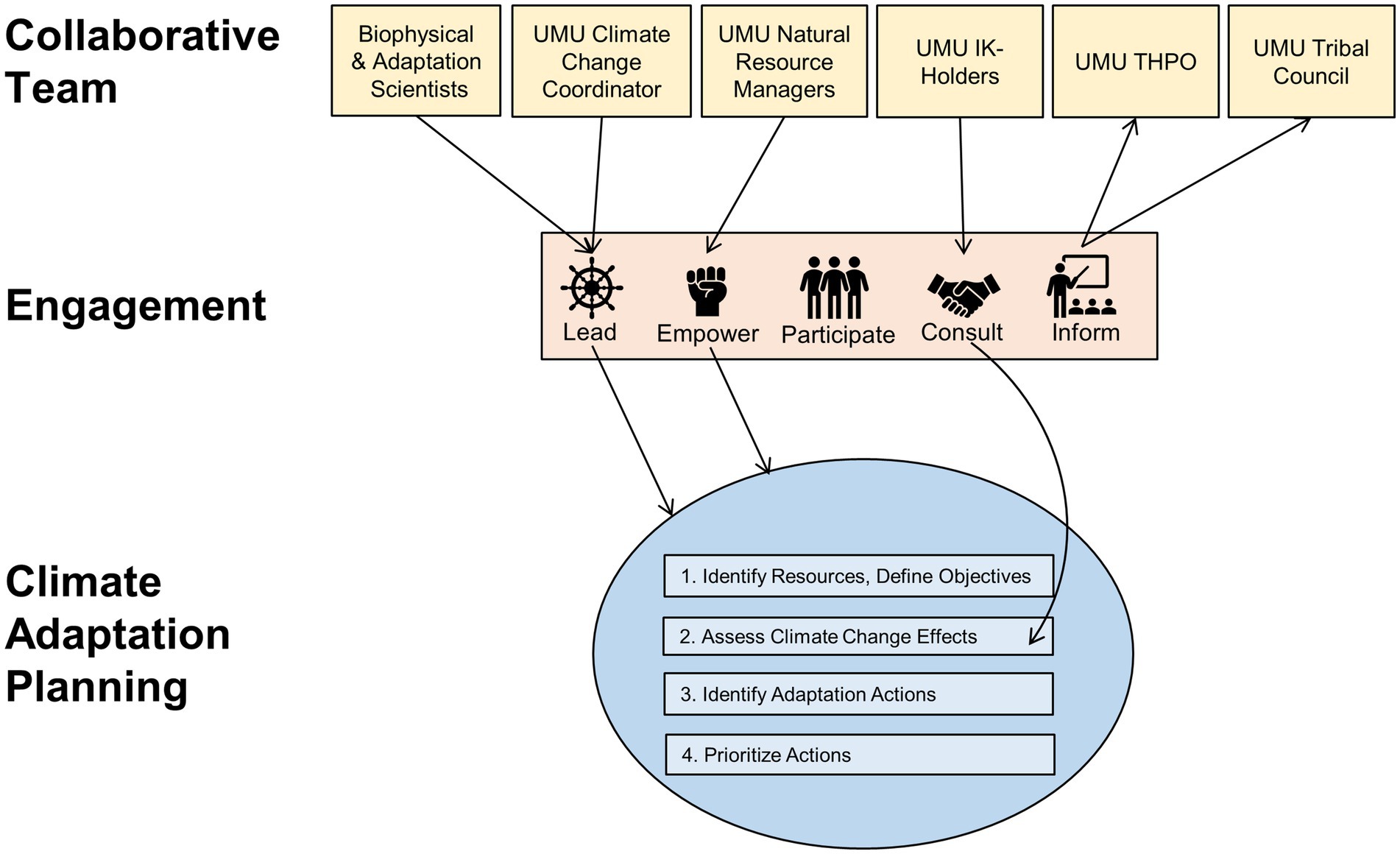
Figure 1. A depiction of the engagement, and climate adaptation planning (CAP) process of the Ute Mountain Ute climate project (UMU-CP). We appended lead to the original mode of engagement framework (Bamzai-Dodson et al., 2021) to account for the role of the principal investigator within the engagement format. The stages of the planning phase of CAP are adapted from Cross et al. (2012). For the UMU-CP, IK was incorporated via consult engagement through interviews with IK-holders with methods detailed shown in Figure 2 and applied primarily to CAP stage 2.
This engagement can take multiple forms, including inform (notifying collaborators of research results), consult (indirect engagement of collaborators through interviews, expert elicitation and related methods), participate (direct and sustained engagement in the knowledge production process), and empower (sustained and direct engagement with methods designed to address power imbalances; Bamzai-Dodson et al., 2021). Here, consult engagement should not be confused with tribal consultation—the formal government to government process (Blumm and Pennock, 2022; Executive Office of the President, 2022; Washburn, 2023). Projects with the goal of IK incorporation may need to engage with multiple entities or organizations within a tribe, rather than solely engaging with an individual entity within a tribe (for example, just the tribal department of natural resources or the tribal historic preservation officer).
Importantly, multiple modes of engagement can be applied within a single project to engage with the multiple entities within a tribe, as was done for the UMU-CP (Figure 1). The overall process was led by biophysical and adaptation scientists and the UMU climate change coordinator (lead engagement). Engagement between these team members began a year before the formal start of the project and included a site visit and many conversations about how to support UMU climate adaptation efforts. Once the formal project began, this project team obtained consent to implement the project from the UMU Tribal Council and coordinated with the UMU THPO in the collection and preservation of IK (inform engagement). IK was elicited from UMU IK-holders via interviews and was then incorporated into the CAP process by managers and researchers (consult engagement; see section 2 for details). UMU resource managers were involved in various stages of the project, but their participation in the scenario planning process, which entailed the translation of climate information into insights for adaptation (empower engagement), was especially important. Deliberately identifying a project’s modes of engagement with various partners is important for scientific transparency and setting expectations. Flexibility in project aims and timeline were also critical to responding to evolving constraints (e.g., COVID-19 pandemic) and partner needs and capacity.
3 Operational approaches to incorporating indigenous knowledge into climate adaptation planning
IK may be incorporated throughout each of the stages of CAP (e.g., consider etic-emic dialectic methods; Chen, 2010; Dalton et al., 2018; Darling, 2017; Eckensberger, 2015; Miller et al., 2017); however, a common approach is to rely on WS throughout CAP and incorporate IK in a limited fashion for select stages. As a generic example, limited incorporation may entail a western scientist saying to IK-holders:
This is your climate, these are your natural resources, here is how climate and the resources have changed, here are some scenarios of future change, and here’s what you can do about it. Can you corroborate some of those historical conditions and weigh in on selecting management strategies?
This can be contrasted with a more comprehensive incorporation, or even integration, of IK:
What is climate from an IK perspective, what is this land and the resources in it, what changes have you observed recently or in historical times, what do you think causes them, what do you think will be the future trajectories, and what should be done about them,
While broadening the scope of IK incorporation may be laudable, limited IK incorporation may be necessary or preferred by IK-holders, tribal institutions, or scientists (Dalton et al., 2018).
CAP facilitators attempting to incorporate IK into CAP may benefit from a background in theoretical literature addressing knowledge systems. This includes the overarching relationships and attitudes between IK and WS (Haverkort and Reijntjes, 2010; Rist and Dahdouh-Guebas, 2006), meta-ontology grappling with fundamental disparities in how indigenous and western knowledge systems interpret and define reality (Daly et al., 2016; Furlan et al., 2020; Hacking, 2002; Ludwig, 2018), values or axiology (Hartman, 2011; Henry and Foley, 2018; Rescher, 2013), epistemology (Ludwig, 2017; Watson and Huntington, 2008), as well as conceptual approaches of integration (Bohensky and Maru, 2011), bridging (also braiding, weaving; Muir et al., 2023), and ‘partial overlaps’ (Ludwig and El-Hani, 2020; Makovec, 2023).
As mentioned in Section 1, our approach to operationalizing these theoretical concepts may be described as a form of consult engagement with IK holders to inform the assessment of climate change impacts (Figure 1). At the project outset, the depth of IK incorporation was left open ended, as it was difficult to determine a priori the most appropriate roles IK would play in the UMU-CP. The UMU Climate Change Coordinator and a local Ute elder conducted interviews with individual Ute elders, selected by recommendation of the Ute elder collaborator. Semi-structured interviews were generally conducted in the respondents’ home setting with a few in an office setting. All interviews were conducted in English with the audio recorded. To maintain data sovereignty, IK interviews were kept as an internal-tribal data source, housed in coordination with the THPO for tribal member access. Excerpts selected by the UMU Climate Coordinator were made available for review by workshop participants.
By employing interviews with IK holders in this engagement, we expand the set of consult engagement tools from commonly applied expert elicitation methods such as Delphi (Mukherjee et al., 2015; Tseng et al., 2022) to include other social science methods of knowledge elicitation that may not typically be considered tools for “consultation” per se. However, IK incorporation into environmental management decision making without involvement of dedicated anthropologist or ethnographic expertise can mean that important methodological considerations may be inadequately addressed (Davis and Wagner, 2003).
We offer a non-comprehensive conceptual roadmap of important methodological considerations for IK incorporation (Figure 2). These include the type of source IK is derived from (e.g., group interviews/focus groups/councils/panels; Frey and Fontana, 1991; McLafferty, 2004; textual analysis; Marcus and Cushman, 1982); and how that source was sampled to represent the larger body of IK (Bernard, 2017; Davis and Wagner, 2003; Lichtman, 2017). The location, setting, and language within which the IK was elicited, which can influence cultural-linguistic code-switching (Molinsky, 2007; Wehi et al., 2009). For example, interviewing an IK-holder at a sacred site in their native language may produce very different responses than an interview conducted in an office setting in English (Wehi et al., 2009). Rapport is heavily emphasized in indigenous research methods and may include interviews conducted by fellow tribal members and close family members, and long-term relationship building between researchers and IK-holders (Albuquerque et al., 2019) and ideally within broader co-management arrangements (Chapman and Schott, 2020; Schott et al., 2020; Washburn, 2022). We also include coarse typologies of methods for design, elicitation, interpretation, and aggregation as used throughout social science research (Bennett et al., 2017; Bernard, 2017; Charnley et al., 2017; Skinner, 2013; Cox, 2015). This roadmap is not a substitute for involving social scientists; rather, we hope that wider use of such a roadmap might raise awareness of the methodological decisions entailed in IK elicitation and promote collaboration with social scientists that are attuned to the nuances of these and other methodological choices.
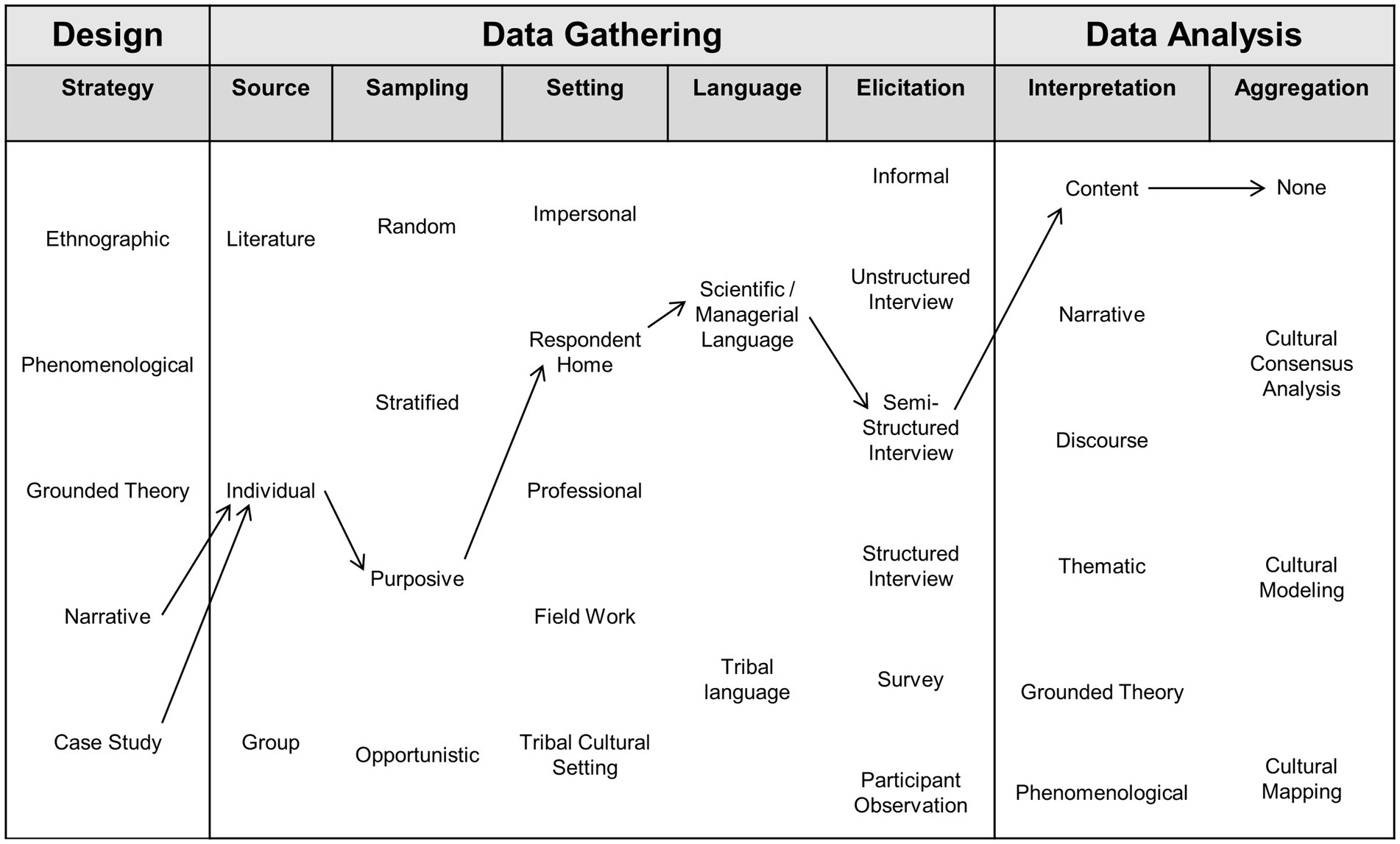
Figure 2. Methodological considerations in indigenous knowledge (IK) documentation as a form of consult engagement, with arrows representing the methods undertaken in the Ute Mountain Ute climate project (UMU-CP).
4 Risk-based framing of climate adaptation planning presents inter-cultural challenges
Risk-based approaches to climate adaptation require assessment of climate-related threats and vulnerabilities for specific environmental resources (Kettle et al., 2014; Kuklicke and Demeritt, 2016). Climate change scenario planning (Miller et al., 2022) and related CAP methods thus involve envisioning future climate conditions and events—including severe droughts, floods, and fires—and their implications. Implications include climate change “winners” or management opportunities, and even the undesirable implications can be effective at increasing awareness and motivating action (Burt and Nair, 2020; Davidson and Kemp, 2023). Recognizing that CAP often deploys such methods with the aim to empower managers to meet their management goals, nuanced attention to the cross-cultural impact of risk-based approaches is nonetheless critical to ethical IK engagement.
Across various domains, envisioning undesirable future outcomes can be used to catalyze a proactive response, a strategy sometimes referred to as fear appeals, negative framing, or loss framing (O'neill and Nicholson-Cole, 2009; Ruiter et al., 2001; Tannenbaum et al., 2015). Effectiveness of such strategies depends broadly on the degree of moral obligation felt by the recipient(s) and their perceived individual or collective efficacy in addressing the challenges presented (Armbruster et al., 2022; Chen, 2016; Ruiter et al., 2014; Sarrina Li and Huang, 2020; Witte and Allen, 2000). IK-holders may be uniquely impacted, as they may embody a heightened sense of moral obligation when faced with environmental concerns (Jostad et al., 1996) and may further possess lower senses of efficacy (e.g., tend to be socio-economically, geographically, and culturally disenfranchised; Cornell, 2006; LaFromboise et al., 2010; Leonard et al., 2020).
For example, consider the relative moral obligation and self-efficacy experienced by a hypothetical manager and an elderly IK-holder in addressing a drying fresh-water spring. The manager may see the spring as a livestock drinking station, an economically valuable but replaceable commodity, and may be equipped with funding, equipment, operational guidelines, and staff to address it. The IK-holder may view the same spring as an irreplaceable home to deities known in visceral relational terms and may have relatively limited capacity to implement restoration.
For the UMU-CP scenario planning workshop, the primary audience was UMU environmental managers, and the scenario planning exercise seemed to promote productive recognition of the climatic changes confronting the Tribe. Two IK-holders also had the opportunity to participate directly in the workshop. Envisioning implications of different future climate conditions for resources yielded scenarios involving extreme drought, loss of traditional foods, and desertification of rangelands. These implications evoked sincere discussions by IK-holders regarding the ability of young generations to/not to continue cultural traditions, community health and survival, and historical and future resolve to stay in their homelands.
Deepening the sense of moral obligation, some IK systems may entail a feeling of responsibility for climatic changes, perceiving climate change as occurring in part due to lack of community adherence to ceremonial protocols (Boillat and Berkes, 2013). Envisioning environmental catastrophes may also invoke apocalyptic prophecies found throughout many Native American religions (Irwin, 1997; Irwin, 2014).
In so much as IK-holders may muster proactive responses to envisioned climate change scenarios, such responses may take unique forms (Ford et al., 2016) such as ceremonial activities, youth engagement, or restoring traditional cultural practices (Boillat and Berkes, 2013; Schramm et al., 2020). For example, the Tribal Climate Adaptation Menu lists ‘Consider cultural practices and seek spiritual guidance’ as the first adaptation strategy for addressing climate change impacts (TAM (Tribal Adaptation Menu) Team, 2019). Given that ceremonial practices are not widely supported climate adaptation strategies in formal management settings, such thinking may inadvertently be stifled in lieu of more normative management interventions.
Given the potential for increased moral obligation, relatively low levels of self-efficacy in effecting natural resource outcomes, and stifling of responses proposed by IK-holders, we urge caution when undertaking risk-based methods. Effective facilitation in this regard may require deeper cultural understanding, close attention to the real-time responses of IK-holder participants, as well as nuanced articulation of both worst-case scenarios and best-case scenarios (Amer et al., 2013; Brooks and Curnin, 2021; Dhami et al., 2022; Favato and Vecchiato, 2017), or positive visioning [e.g., via the Nature Futures Framework, Durán et al., 2023; IPBES (Intergovernmental Science-Policy Platform on Biodiversity and Ecosystem Services), 2023]. Navigating these inter-cultural complexities may also be aided by the role of so-called knowledge bridges/knowledge brokers/bi-cultural competency—individuals adept in both IK and WS (Bohensky and Maru, 2011; Fornssler et al., 2014; Hong, 2010; Makondo and Thomas, 2018).
5 Climate adaptation planning can support and align with tribal priorities
Federally recognized tribes retain political and legal sovereignty, including the right to self-determination (Cornell and Kalt, 2010; Tsosie, 2011), yet often face an onslaught of proposals and requests from extractive industries, religious institutions, renewable energy, gaming and other economic enterprises, environmental organizations, and other sectors (Blumm and Pennock, 2022). In this context, it is all the more important that researchers and federal agencies respect the authority of tribal leaders and communities to determine what is in their own best interest and support such efforts by providing impartial information to empower tribal-led solutions.
Tribes often must weigh climate adaptation measures at serious opportunity costs. Many tribes face complex social challenges including but not limited to addiction crises, unemployment, lack of housing and basic utilities of running water and electricity, heightened rates of violence and suicide, chronic disease, pollution, culture and language loss (Akee et al., 2024; Ehrenpreis and Ehrenpreis, 2022; Hardy and Brown-Rice, 2016; Hilton et al., 2018). Tribal citizens ultimately pay the price (often a visceral and existential price to themselves and family members) of diverting resources from these immediate challenges toward climate adaptation or other concerns. Yet our experience illustrated the rapidly closing window for IK incorporation into environmental management (Aswani et al., 2018; Tang and Gavin, 2016; Okui et al., 2021), as multiple elders set to be interviewed during the project passed away before interviews were conducted.
In tribal natural resource management, a salient and under-recognized concern is that tribes may lack comprehensive natural resource management plans (Ciocco, 2022; Jampolsky, 2015). The American Indian Agricultural Resource Management Act (AIARMA; 25 USC Ch 37), tribal forest management policy (25 USC Ch 33), and a host of related federal policies call for the development of tribal agriculture, water, forest, wildlife, and other management plans, ostensibly coalesced into an Integrated Resources Management Plan (Hall, 2001). When tribes lack such planning documents to organize management under current climatic conditions, planning for potential future conditions may be seen as putting the cart before the horse. With foresight, however, CAP may be strategically used to both plan for climate change while back-filling more immediate or fundamental natural resource planning needs. In a similar vein, CAP may present opportunities to intersect with many of the broader aforementioned social challenges faced by tribes (Castells-Quintana et al., 2018; Poiani et al., 2011; Tucker et al., 2015).
The UMU-CP effort sought to build on the Tribe’s recently developed climate action plan. While the UMU-CP project team explored the possibility of tying research projects to high-level tribal management planning documents, managers ultimately preferred to connect the UMU-CP to a number of active management projects, reassessing those projects’ objectives and strategies. The ongoing collaboration with UMU may further lead to new projects and other future directions, but this is contingent on the Environmental Department’s priorities and capacity.
6 Conclusion
Integrating indigenous knowledge (IK) into climate adaptation planning (CAP) requires thoughtful attention to tribal engagement, operational approaches to IK incorporation, the cultural implications of risk-based approaches, and support for tribal priorities. Addressing these factors is crucial for more comprehensive incorporation of IK at the programmatic level (Ciocco et al., 2023), ensuring culturally relevant climate adaptation for tribes (Reid et al., 2014), and realizing the potential of IK to inform broader climate adaptation efforts (Pisor et al., 2023). However, effective CAP efforts involving IK often encounter challenges due to incentives that encourage researchers and agencies to reduce costs and time commitments. While dedicated expertise and long-term relationship-building may mitigate some of these challenges, genuine personal and institutional investments are irreplaceable.
Data availability statement
The original contributions presented in the study are included in the article/supplementary material, further inquiries can be directed to the corresponding author.
Author contributions
TC: Conceptualization, Investigation, Methodology, Visualization, Writing – original draft, Writing – review & editing. BM: Conceptualization, Formal analysis, Investigation, Methodology, Project administration, Resources, Supervision, Visualization, Writing – original draft, Writing – review & editing. ST: Conceptualization, Funding acquisition, Investigation, Project administration, Resources, Writing – original draft, Writing – review & editing. SC: Conceptualization, Data curation, Formal analysis, Funding acquisition, Investigation, Methodology, Writing – original draft, Writing – review & editing. MO: Visualization, Writing – original draft, Writing – review & editing. AB-D: Funding acquisition, Visualization, Writing – original draft, Writing – review & editing.
Funding
The author(s) declare that financial support was received for the research, authorship, and/or publication of this article. This research was funded by Cooperative Agreement No. G21AC10054 from the U.S. Geological Survey North Central Climate Adaptation Science Center and part of Crausbay’s time was supported by the USDA Forest Service. Any use of trade, firm, or product names is for descriptive purposes only and does not imply endorsement by the US Government.
Acknowledgments
The authors are tremendously grateful to Margie Connolly for her collaboration and contributions throughout the project and to the Ute Mountain Ute Council, the elders who participated in the interviews, and the UMU Environmental Department staff for their considerable investment of time and effort in the engagements described in the paper. We also thank Patrick Freeman at Conservation Science Partners for contributing to the assessment phase of our climate adaptation planning process.
Conflict of interest
The authors declare that the research was conducted in the absence of any commercial or financial relationships that could be construed as a potential conflict of interest.
Publisher’s note
All claims expressed in this article are solely those of the authors and do not necessarily represent those of their affiliated organizations, or those of the publisher, the editors and the reviewers. Any product that may be evaluated in this article, or claim that may be made by its manufacturer, is not guaranteed or endorsed by the publisher.
Footnotes
1. ^In this manuscript, we use the term ‘incorporation’ instead of ‘integration’ to describe the role of IK in CAP. The term ‘integration’ implies a deep, seamless blending into a unified whole, where both knowledge systems are fully interdependent. However, in practice, CAP predominantly follows a western science paradigm to which IK is added to varying degrees. Therefore, we find ‘incorporation’ to more accurately reflect the CAP process as described herein.
References
Akee, R., Feir, D. L., Gorzig, M. M., and Myers, S. Jr. (2024). Native American “deaths of despair” and economic conditions. Res. Social Stratification and Mobility. 89:100880. doi: 10.1016/j.rssm.2023.100880
Albuquerque, U. P., Do Nascimento, A. L. B., Da Silva Chaves, L., Feitosa, I. S., De Moura, J. M. B., Gonçalves, P. H. S., et al. (2019). How to partner with people in ecological research: challenges and prospects. Perspect. Ecol Conservation. 17, 193–200. doi: 10.1016/j.pecon.2019.11.004
Amer, M., Daim, T. U., and Jetter, A. (2013). A review of scenario planning. Futures 46, 23–40. doi: 10.1016/j.futures.2012.10.003
Armbruster, S. T., Manchanda, R. V., and Vo, N. (2022). When are loss frames more effective in climate change communication? An application of fear appeal theory. Sustain. For. 14:7411. doi: 10.3390/su14127411
Aswani, S., Lemahieu, A., and Sauer, W. H. (2018). Global trends of local ecological knowledge and future implications. PLoS One 13:e0195440. doi: 10.1371/journal.pone.0195440
Bamzai-Dodson, A., Cravens, A. E., Wade, A. A., and McPherson, R. A. (2021). Engaging with stakeholders to produce actionable science: a framework and guidance. Weather, Climate, and Society. 13, 1027–1041. doi: 10.1175/WCAS-D-21-0046.1
Bennett, N. J., Roth, R., Klain, S. C., Chan, K., Christie, P., Clark, D. A., et al. (2017). Conservation social science: understanding and integrating human dimensions to improve conservation. Biol. Conserv. 205, 93–108. doi: 10.1016/j.biocon.2016.10.006
Bernard, H. R. (2017). Research methods in anthropology: Qualitative and quantitative approaches. US: Rowman & Littlefield.
Blumm, M. C., and Pennock, L. (2022). Tribal consultation: toward meaningful collaboration with the federal government. Colo. Env't LJ. 33:1. doi: 10.2139/ssrn.3841809
Bohensky, E. L., and Maru, Y. (2011). Indigenous knowledge, science, and resilience: what have we learned from a decade of international literature on “integration”? Ecol. Soc. 16:406. doi: 10.5751/ES-04342-160406
Boillat, S., and Berkes, F. (2013). Perception and interpretation of climate change among Quechua farmers of Bolivia: indigenous knowledge as a resource for adaptive capacity. Ecol. Soc. 18:421. doi: 10.5751/ES-05894-180421
Brooks, B., and Curnin, S. (2021). Stretch-thinking loops: a new technique for scenario planning. Risk Haz. Crisis Publ. Policy 12, 110–124. doi: 10.1002/rhc3.12205
Brush, S. B. (1993). Indigenous knowledge of biological resources and intellectual property rights: the role of anthropology. Am. Anthropol. 95, 653–671. doi: 10.1525/aa.1993.95.3.02a00060
Burt, G., and Nair, A. K. (2020). Rigidities of imagination in scenario planning: strategic foresight through ‘unlearning’. Technol. Forecast. Soc. Chang. 153:119927. doi: 10.1016/j.techfore.2020.119927
Carroll, S. R., Garba, I., Figueroa-Rodríguez, O. L., Holbrook, J., Lovett, R., Materechera, S., et al. (2020). The CARE principles for indigenous data governance. Data Sci. J. 19:43. doi: 10.5334/dsj-2020-043
Castells-Quintana, D., del Pilar Lopez-Uribe, M., and McDermott, T. K. (2018). Adaptation to climate change: a review through a development economics lens. World Dev. 104, 183–196. doi: 10.1016/j.worlddev.2017.11.016
Chapman, J. M., and Schott, S. (2020). Knowledge coevolution: generating new understanding through bridging and strengthening distinct knowledge systems and empowering local knowledge holders. Sustain. Sci. 15, 931–943. doi: 10.1007/s11625-020-00781-2
Charnley, S., Carothers, C., Satterfield, T., Levine, A., Poe, M. R., Norman, K., et al. (2017). Evaluating the best available social science for natural resource management decision-making. Environ. Sci. Pol. 73, 80–88. doi: 10.1016/j.envsci.2017.04.002
Chen, S. X. (2010). From emic to etic: exporting indigenous constructs. Soc. Personal. Psychol. Compass 4, 364–378. doi: 10.1111/j.1751-9004.2010.00268.x
Chen, M. F. (2016). Impact of fear appeals on pro-environmental behavior and crucial determinants. Int. J. Advert. 35, 74–92. doi: 10.1080/02650487.2015.1101908
Ciocco, A. (2022). A prototype of structured decision making with ecological modeling for tribal agricultural resource management plans. US: Oregon State University.
Ciocco, T., Tangen, S., and Smith, C. (2023). Actualizing indigenous knowledge in tribal wildlife management: basic preconditions. Wildl. Soc. Bull. 47:e1467. doi: 10.1002/wsb.1467
Cohen, F. S. (1942). Handbook of federal Indian law: With reference tables and index. US: US Government Printing Office.
Cornell, S. (2006). Indigenous peoples, poverty and self-determination in Australia, New Zealand, Canada, and the United States. Tucson, AZ: Native Nations Institute for Leadership, Management, and Policy. 199–226.
Cornell, S., and Kalt, J. P. (2010). American Indian self-determination. Joint Occasional Papers on Native Affairs. cLO 1, 2117090916–1577391906. doi: 10.2139/ssrn.1724725
Cox, M. (2015). A basic guide for empirical environmental social science. Ecol. Soc. 20:163. doi: 10.5751/ES-07400-200163
Cross, M. S., Zavaleta, E. S., Bachelet, D., Brooks, M. L., Enquist, C. A., Fleishman, E., et al. (2012). The adaptation for conservation targets (ACT) framework: a tool for incorporating climate change into natural resource management. Environ. Manag. 50, 341–351. doi: 10.1007/s00267-012-9893-7
Dalton, M., Chisholm Hatfield, S., and Petersen, A. (2018). Tribal climate adaptation guidebook: Version 1.0. Corvallis, OR: Oregon State University.
Daly, L., French, K., Miller, T. L., and Nic Eoin, L. (2016). Integrating ontology into ethnobotanical research. J. Ethnobiol. 36, 1–9. doi: 10.2993/0278-0771-36.1.1
Darling, F. (2017). Outsider indigenous research: dancing the tightrope between etic and emic perspectives. In Forum: Qualitative Soc. Res. 17, 1–22. doi: 10.17169/fqs-17.3.2538
Davidson, J. P., and Kemp, L. (2023). Climate catastrophe: The value of envisioning the worst-case scenarios of climate change. Netherland: Wiley Interdisciplinary Reviews: Climate Change, e871.
Davis, A., and Wagner, J. R. (2003). Who knows? On the importance of identifying “experts” when researching local ecological knowledge. Hum. Ecol. 31, 463–489. doi: 10.1023/A:1025075923297
Dhami, M. K., Wicke, L., and Önkal, D. (2022). Scenario generation and scenario quality using the cone of plausibility. Futures 142:102995. doi: 10.1016/j.futures.2022.102995
Durán, A. P., Kuiper, J. J., Aguiar, A. P. D., Cheung, W. W., Diaw, M. C., Halouani, G., et al. (2023). Bringing the nature futures framework to life: creating a set of illustrative narratives of nature futures. Sustain. Sci., 1–20. doi: 10.1007/s11625-023-01316-1
Eckensberger, L. H. (2015). Integrating the emic (indigenous) with the etic (universal)—a case of squaring the circle or for adopting a culture inclusive action theory perspective. J. Theory Soc. Behav. 45, 108–140. doi: 10.1111/jtsb.12057
Ehrenpreis, J. E., and Ehrenpreis, E. D. (2022). A historical perspective of healthcare disparity and infectious disease in the native American population. Am J Med Sci 363, 288–294. doi: 10.1016/j.amjms.2022.01.005
Executive Office of the President (2022). Memorandum on uniform standards for tribal consultation. US: The White House.
Executive Office of the President. Office of Science and Technology Policy & Council on Environmental Quality. (2022). Guidance for Federal Departments and Agencies on Indigenous Knowledge. The White House. Available at: https://www.whitehouse.gov/wp-content/uploads/2022/12/OSTP-CEQ-IK-Guidance.pdf (Accessed October 28, 2024).
Favato, G., and Vecchiato, R. (2017). Embedding real options in scenario planning: a new methodological approach. Technol. Forecast. Soc. Chang. 124, 135–149. doi: 10.1016/j.techfore.2016.05.016
Fornssler, B., McKenzie, H. A., Dell, C. A., Laliberte, L., and Hopkins, C. (2014). “I got to know them in a new way” Rela (y/t) ing rhizomes and community-based knowledge (brokers’) transformation of western and indigenous knowledge. Cultural Stud? Critical Methodolog. 14, 179–193. doi: 10.1177/1532708613516428
Frey, J. H., and Fontana, A. (1991). The group interview in social research. Soc. Sci. J. 28, 175–187. doi: 10.1016/0362-3319(91)90003-M
Furlan, V., Jiménez-Escobar, N. D., Zamudio, F., and Medrano, C. (2020). ‘Ethnobiological equivocation’and other misunderstandings in the interpretation of natures. Studies in History and Philosophy of Science Part C: Studies in History and Philosophy of Biological and Biomedical Sciences. 84:101333. doi: 10.1016/j.shpsc.2020.101333
Gadgil, M., Berkes, F., and Folke, C. (1993). Indigenous knowledge for biodiversity conservation. AMBIO-STOCKHOLM- 22:151.
Green, L. J. (2008). ‘Indigenous knowledge’ and ‘science’: reframing the debate on knowledge diversity. Archaeologies 4, 144–163. doi: 10.1007/s11759-008-9057-9
Hacking, I. (2002). “Historical ontology.” In The scope of logic, methodology and philosophy of science: Two of the 11th international congress of logic, methodology and philosophy of science, Cracow, august 1999 (583–600). Dordrecht: Springer Netherlands.
Hall, D. (2001). Guidelines for integrated resource management planning in Indian country. India: Bureau of Indian Affairs, Office of Trust Responsibilities.
Hardy, A., and Brown-Rice, K. (2016). Violence and residual associations among native Americans living on tribal lands. Professional Counselor. 6, 328–343. doi: 10.15241/ah.6.4.328
Hartman, R. S. (2011). The structure of value: Foundations of scientific axiology. US: Wipf and Stock Publishers.
Haverkort, B., and Reijntjes, C. (2010). Diversities of knowledge communities, their worldviews and sciences: on the challenges of their co-evolution. Traditional knowledge in policy and practice: Approaches to development and human well-being, 12–30. doi: 10.18356/f69d7617-en
Henry, E., and Foley, D. (2018). Indigenous research: ontologies, axiologies, epistemologies and methodologies. Handbook of research methods in diversity management, equality and inclusion at work 212:019. doi: 10.4337/9781783476084.00019
Hilton, B. T., Betancourt, H., Morrell, H. E., Lee, H., and Doegey, J. A. (2018). Substance abuse among American Indians and Alaska natives: an integrative cultural framework for advancing research. Int. J. Ment. Heal. Addict. 16, 507–523. doi: 10.1007/s11469-017-9869-1
Him, D. A., Aguilar, T. A., Frederick, A., Seiber, M., and Jyoti Angal, M. P. H. (2019). Tribal IRBs: a framework for understanding research oversight in American Indian and Alaska native communities. American Indian and Alaska native mental health res. 26, 71–95. doi: 10.5820/aian.2602.2019.71
Hoagland, S. J. (2017). Integrating traditional ecological knowledge with western science for optimal natural resource management. IK: Other Ways of Knowing, 1–15.
Hong, H. J. (2010). Bicultural competence and its impact on team effectiveness. Int. J. Cross-cult. Manag. 10, 93–120. doi: 10.1177/1470595809359582
Ford, J., Maillet, M., Pouliot, V., Meredith, T., and Cavanaugh, A. (2016). Adaptation and indigenous peoples in the United Nations framework convention on climate change. Clim. Chang. 139, 429–443. doi: 10.1007/s10584-016-1820-0
IPBES (Intergovernmental Science-Policy Platform on Biodiversity and Ecosystem Services) (2023). The nature futures framework: a flexible tool to support the development of scenarios and models of desirable futures for people, nature and mother earth, and its methodological guidance, version July 2023. Bonn, Germany: IPBES secretariat.
Irwin, L. (1997). Freedom, law, and prophecy: a brief history of native American religious resistance. American Indian Q. 21, 35–55. doi: 10.2307/1185587
Irwin, L. (2014). Coming down from above: Prophecy, resistance, and renewal in native American religions (258). US: University of Oklahoma Press.
Jessen, T. D., Ban, N. C., Claxton, N. X., and Darimont, C. T. (2022). Contributions of indigenous knowledge to ecological and evolutionary understanding. Front. Ecol. Environ. 20, 93–101. doi: 10.1002/fee.2435
Jostad, P. M., McAvoy, L. H., and McDonald, D. (1996). Native American land ethics: implications for natural resource management. Soc. Nat. Resour. 9, 565–581. doi: 10.1080/08941929609380996
Keane, M., Khupe, C., and Seehawer, M. (2017). Decolonising methodology: who benefits from indigenous knowledge research? Educ. Res. social change 6, 12–24. doi: 10.17159/2221-4070/2017/v6i1a2
Kettle, N. P., Dow, K., Tuler, S., Webler, T., Whitehead, J., and Miller, K. M. (2014). Integrating scientific and local knowledge to inform risk-based management approaches for climate adaptation. Clim. Risk Manag. 4-5, 17–31. doi: 10.1016/j.crm.2014.07.001
Kuhn, N. S., Parker, M., and Lefthand-Begay, C. (2020). Indigenous research ethics requirements: an examination of six tribal institutional review board applications and processes in the United States. J. Empir. Res. Hum. Res. Ethics 15, 279–291. doi: 10.1177/1556264620912103
Kuklicke, C., and Demeritt, D. (2016). Adaptive and risk-based approaches to climate change and the management of uncertainty and institutional risk: the case of future flooding in England. Glob. Environ. Chang. 37, 56–68. doi: 10.1016/j.gloenvcha.2016.01.007
LaFromboise, T. D., Albright, K., and Harris, A. (2010). Patterns of hopelessness among American Indian adolescents: relationships by levels of acculturation and residence. Cult. Divers. Ethn. Minor. Psychol. 16, 68–76. doi: 10.1037/a0016181
Latulippe, N., and Klenk, N. (2020). Making room and moving over: knowledge co-production, indigenous knowledge sovereignty and the politics of global environmental change decision-making. Curr. Opin. Environ. Sustain. 42, 7–14. doi: 10.1016/j.cosust.2019.10.010
Lefthand-Begay, C., Agajanian, T. J., Carbajalt, I. A., La Torre, J. C., Littlesun, C. P., McCarty, M., et al. (2024). Prioritizing indigenous peoples’ knowledge in federal decision-making: insights from faculty, graduate students, and tribal leaders. AlterNative: Int. J. Indigenous Peoples 20, 134–145. doi: 10.1177/11771801241235279
Leonard, B., Parker, D. P., and Anderson, T. L. (2020). Land quality, land rights, and indigenous poverty. J. Dev. Econ. 143:102435. doi: 10.1016/j.jdeveco.2019.102435
Ludwig, D. (2017). The objectivity of local knowledge. Lessons from ethnobiology. Synthese 194, 4705–4720. doi: 10.1007/s11229-016-1210-1
Ludwig, D. (2018). Revamping the metaphysics of ethnobiological classification. Curr. Anthropol. 59, 415–438. doi: 10.1086/698958
Ludwig, D., and El-Hani, C. N. (2020). Philosophy of ethnobiology: understanding knowledge integration and its limitations. J. Ethnobiol. 40, 3–20. doi: 10.2993/0278-0771-40.1.3
Makondo, C. C., and Thomas, D. S. (2018). Climate change adaptation: linking indigenous knowledge with western science for effective adaptation. Environ. Sci. Pol. 88, 83–91. doi: 10.1016/j.envsci.2018.06.014
Makovec, D. (2023). Entirely different kinds of beast: the ontological challenge to knowledge integration in ethnobiology. Philos. Soc. Sci. :54. doi: 10.1177/00483931231216773
Marcus, G. E., and Cushman, D. (1982). Ethnographies as texts. Annu. Rev. Anthropol. 11, 25–69. doi: 10.1146/annurev.an.11.100182.000325
Mathiesen, S. D., Eira, I. M. G., Turi, E. I., Oskal, A., Pogodaev, M., and Tonkopeeva, M. (2022). “Ethics of knowledge production in times of environmental change” in Reindeer husbandry: Adaptation to the changing Arctic, vol. 1 (Cham: Springer International Publishing), 131–147.
Mbah, M., Ajaps, S., and Molthan-Hill, P. (2021). A systematic review of the deployment of indigenous knowledge systems towards climate change adaptation in developing world contexts: implications for climate change education. Sustain. For. 13:4811. doi: 10.3390/su13094811
McLafferty, I. (2004). Focus group interviews as a data collecting strategy. J. Adv. Nurs. 48, 187–194. doi: 10.1111/j.1365-2648.2004.03186.x
Miller, B. W., Schuurman, G. W., Symstad, A. J., Runyon, A. N., and Robb, B. C. (2022). Conservation under uncertainty: innovations in participatory climate change scenario planning from US national parks. Conservation Sci. Prac. 4:e12633. doi: 10.1111/csp2.12633
Miller, B. W., Symstad, A. J., Frid, L., Fisichelli, N. A., and Schuurman, G. W. (2017). Co-producing simulation models to inform resource management: a case study from Southwest South Dakota. Ecosphere 8:e02020. doi: 10.1002/ecs2.2020
Molinsky, A. (2007). Cross-cultural code-switching: the psychological challenges of adapting behavior in foreign cultural interactions. Acad. Manag. Rev. 32, 622–640. doi: 10.5465/amr.2007.24351878
Muir, A. M., Duncan, A. T., Almack, K., Boucher, N., Dunlop, E. S., Febria, C., et al. (2023). Sharing across the space: introduction to a special issue on bridging indigenous and non-indigenous knowledge systems. J. Great Lakes Res. 49, S1–S11. doi: 10.1016/j.jglr.2023.04.001
Mukherjee, N., Huge, J., Sutherland, W. J., McNeill, J., Van Opstal, M., Dahdouh-Guebas, F., et al. (2015). The Delphi technique in ecology and biological conservation: applications and guidelines. Methods Ecol. Evol. 6, 1097–1109. doi: 10.1111/2041-210X.12387
National Oceanic and Atmospheric Administration (NOAA). (2023). NOAA guidance and best practices for engaging and incorporating indigenous knowledge in decision-making. Available at: https://www.noaa.gov/legislative-and-intergovernmental-affairs/noaa-tribal-resources/information-documents (Accessed October 29, 2024).
Nyong, A., Adesina, F., and Osman Elasha, B. (2007). The value of indigenous knowledge in climate change mitigation and adaptation strategies in the African Sahel. Mitig. Adapt. Strateg. Glob. Chang. 12, 787–797. doi: 10.1007/s11027-007-9099-0
Okui, K., Sawada, Y., and Yoshida, T. (2021). “Wisdom of the elders” or “loss of experience” as a mechanism to explain the decline in traditional ecological knowledge: a case study on Awaji Island, Japan. Hum. Ecol. 49, 353–362. doi: 10.1007/s10745-021-00237-w
O'neill, S., and Nicholson-Cole, S. (2009). “Fear won't do it” promoting positive engagement with climate change through visual and iconic representations. Sci. Commun. 30, 355–379. doi: 10.1177/1075547008329201
Onyancha, O. B. (2024). Indigenous knowledge, traditional knowledge and local knowledge: what is the difference? An informetrics perspective. Global Knowledge, Memory and Communication 73, 237–257. doi: 10.1108/GKMC-01-2022-0011
Ornstein, E. R. (2023). Indigenous knowledge as evidence in Federal Rule-Making. U. Miami L. Rev. 78:409.
Petzold, J., Andrews, N., Ford, J. D., Hedemann, C., and Postigo, J. C. (2020). Indigenous knowledge on climate change adaptation: a global evidence map of academic literature. Environ. Res. Lett. 15:113007. doi: 10.1088/1748-9326/abb330
Pisor, A., Lansing, J. S., and Magargal, K. (2023). Climate change adaptation needs a science of culture. Philos. Trans. R. Soc. B 378:20220390. doi: 10.1098/rstb.2022.0390
Poiani, K. A., Goldman, R. L., Hobson, J., Hoekstra, J. M., and Nelson, K. S. (2011). Redesigning biodiversity conservation projects for climate change: examples from the field. Biodivers. Conserv. 20, 185–201. doi: 10.1007/s10531-010-9954-2
Reid, M. G., Hamilton, C., Reid, S. K., Trousdale, W., Hill, C., Turner, N., et al. (2014). Indigenous climate change adaptation planning using a values-focused approach: a case study with the Gitga'at nation. J. Ethnobiol. 34, 401–424. doi: 10.2993/0278-0771-34.3.401
Rist, S., and Dahdouh-Guebas, F. (2006). Ethnosciences––a step towards the integration of scientific and indigenous forms of knowledge in the management of natural resources for the future. Environ. Dev. Sustain. 8, 467–493. doi: 10.1007/s10668-006-9050-7
Ruiter, R. A., Abraham, C., and Kok, G. (2001). Scary warnings and rational precautions: a review of the psychology of fear appeals. Psychol. Health 16, 613–630. doi: 10.1080/08870440108405863
Ruiter, R. A., Kessels, L. T., Peters, G. J. Y., and Kok, G. (2014). Sixty years of fear appeal research: current state of the evidence. Int. J. Psychol. 49, 63–70. doi: 10.1002/ijop.12042
Sarrina Li, S. C., and Huang, L. M. S. (2020). Fear appeals, information processing, and behavioral intentions toward climate change. Asian J. Commun. 30, 242–260. doi: 10.1080/01292986.2020.1784967
Schott, S., Qitsualik, J., Coeverden, V., de Groot, P., Okpakok, S., Chapman, J. M., et al. (2020). Operationalizing knowledge coevolution: towards a sustainable fishery for Nunavummiut. Arctic Sci. 6, 208–228. doi: 10.1139/as-2019-0011
Schramm, P. J., Al Janabi, A. L., Campbell, L. W., Donatuto, J. L., and Gaughen, S. C. (2020). How indigenous communities are adapting to climate change: insights from the climate-ready tribes initiative: analysis examines how indigenous communities are adapting to climate change. Health Aff. 39, 2153–2159. doi: 10.1377/hlthaff.2020.00997
Sidik, S. M. (2022). Weaving indigenous knowledge into the scientific method. Nature 601, 285–287. doi: 10.1038/d41586-022-00029-2
Steen-Adams, M. M., Lake, F. K., Jones, C. E. Jr., and Kruger, L. E. (2023). Partnering in research about land management with tribal nations—Insights from the Pacific west. Gen. Tech. Rep. PSW-GTR-275. Albany, CA: US: Department of Agriculture, Forest Service, Pacific Southwest Research Station, 62.
TAM (Tribal Adaptation Menu) Team (2019). Dibaginjigaadeg Anishinaabe Ezhitwaad: A Tribal Climate Adaptation Menu. Odanah, Wisconsin: Great Lakes Indian Fish and Wildlife Commission, 54.
Tang, R., and Gavin, M. C. (2016). A classification of threats to traditional ecological knowledge and conservation responses. Conserv. Soc. 14, 57–70. doi: 10.4103/0972-4923.182799
Tannenbaum, M. B., Hepler, J., Zimmerman, R. S., Saul, L., Jacobs, S., Wilson, K., et al. (2015). Appealing to fear: a meta-analysis of fear appeal effectiveness and theories. Psychol. Bull. 141, 1178–1204. doi: 10.1037/a0039729
Tseng, Y. P., Huang, Y. C., Li, M. S., and Jiang, Y. Z. (2022). Selecting key resilience indicators for indigenous community using fuzzy Delphi method. Sustain. For. 14:18. doi: 10.3390/su14042018
Tsosie, R. (2011). Conceptualizing tribal rights: can self-determination be actualized within the US constitutional structure. Lewis & Clark L. Rev. 15:923.
Tucker, J., Daoud, M., Oates, N., Few, R., Conway, D., Mtisi, S., et al. (2015). Social vulnerability in three high-poverty climate change hot spots: what does the climate change literature tell us? Reg. Environ. Chang. 15, 783–800. doi: 10.1007/s10113-014-0741-6
U.S. Department of the Interior. (2023). 301 DM 7 departmental responsibilities for consideration and inclusion of indigenous knowledge in departmental actions and scientific research. Departmental Manual, Part 301, Chapter 7. U.S. Department of the Interior, Office of Policy, Management, and Budget..
U.S. Global Change Research Program. (2023). Fifth National Climate Assessment. Available at: https://www.globalchange.gov/ (Accessed October 29, 2024).
UTE Mountain UTE Tribe. (2020). Núchíú Ute Mountain Ute tribe climate action plan. A Collaboration of the Ute Mountain Ute Tribe Climate Change Adaptation Planning Working Group and Colorado State University. Available at: https://www.utemountainuteenvironmental.org/sites/umep/assets/PDF/UteMountainUteClimateActionPlan2020%202.pdf
Washburn, K. K. (2022). Facilitating tribal co-management of federal public lands. Wis. L. Rev. 2022:263. doi: 10.2139/ssrn.3951290
Washburn, K. K. (2023). The march of co-management-the Biden-Harris Administration's expanding work with tribes. SSRN :4502951. doi: 10.2139/ssrn.4502951
Watson, A., and Huntington, O. H. (2008). They're here—I can feel them: the epistemic spaces of indigenous and Western knowledges. Soc. Cult. Geogr. 9, 257–281. doi: 10.1080/14649360801990488
Wehi, P. M., Whaanga, H., and Roa, T. (2009). Missing in translation: Maori language and oral tradition in scientific analyses of traditional ecological knowledge (TEK). J. R. Soc. N. Z. 39, 201–204. doi: 10.1080/03014220909510580
Williams, P. A., Sikutshwa, L., and Shackleton, S. (2020). Acknowledging indigenous and local knowledge to facilitate collaboration in landscape approaches—lessons from a systematic review. Landscape 9:331. doi: 10.3390/land9090331
Keywords: indigenous knowledge, climate adaptation planning, knowledge system, knowledge integration, tribal engagement, climate change
Citation: Ciocco TW, Miller BW, Tangen S, Crausbay SD, Oldfather MF and Bamzai-Dodson A (2024) Indigenous knowledge in climate adaptation planning: reflections from initial efforts. Front. Clim. 6:1393354. doi: 10.3389/fclim.2024.1393354
Edited by:
April Taylor, Chickasaw Nation Division of Commerce and South Central Climate Adaptation Science Center, United StatesReviewed by:
Wayne C. Zipperer, Southern Research Station, Forest Service (USDA), United StatesJohn Schelhas, Southern Research Station, Forest Service (USDA), United States
Copyright © 2024 Ciocco, Miller, Tangen, Crausbay, Oldfather and Bamzai-Dodson. This is an open-access article distributed under the terms of the Creative Commons Attribution License (CC BY). The use, distribution or reproduction in other forums is permitted, provided the original author(s) and the copyright owner(s) are credited and that the original publication in this journal is cited, in accordance with accepted academic practice. No use, distribution or reproduction is permitted which does not comply with these terms.
*Correspondence: Tony W. Ciocco, YWNpb2Njb0B1c2dzLmdvdg==
†ORCID: Tony W. Ciocco, http://orcid.org/0000-0002-5849-888X
B. W. Miller, http://orcid.org/0000-0003-1716-1161
S. Tangen, http://orcid.org/0000-0002-6628-6094
S. D. Crausbay, http://orcid.org/0000-0003-3028-801X
M. F. Oldfather, http://orcid.org/0000-0003-3256-4786
A. Bamzai-Dodson, http://orcid.org/0000-0002-2444-9051