 Nwamaka Okeke-Ogbuafor1*
 Joanes Atela2Mary Gorret Nantongo3Leah Aoko2Charles Tonui2Edward Rajah4,5
 Joshia Osamba2Josephat Omune Odongo2
 Assouhan Jonas Atchade2Tim Gray6
- 1School of Social and Environmental Sustainability, University of Glasgow, Glasgow, United Kingdom
- 2Africa Research and Impact Network (ARIN), Nairobi, Kenya
- 3College of Business and Management Sciences, Makerere University, Kampala, Uganda
- 4Department of Natural and Environmental Sciences, School of Arts and Sciences, American University of Nigeria, Yola, Nigeria
- 5Department of Computer Science, School of IT and Computing, American University, Yola, Nigeria
- 6School of Geography, Politics and Sociology, Newcastle University, Newcastle upon Tyne, United Kingdom
Kenya is one of several Sub-Saharan African countries vulnerable to climate change, which severely impacts their small-holder farming (SHF) sectors. To build resilience and reduce SHFs’ vulnerability to the impact of climate change, there has been ongoing advocacy for an increase in adaptation funds disbursed to these African countries. However, the effectiveness of adaptation funds relies heavily on the quality of metrics used for tracking and assessing adaptation needs and actions developed by SHFs. This study, which set out to evaluate the impact of existing locally led adaptation (LLA) metrics relevant to Kenya’s SHFs, systematically searched grey and journal articles published between 2007 and 2023 and found that these sources did not reveal the impact of LLA metrics on resilience of SHFs, nor did they provide a framework for developing adaptation metrics relevant to SHFs. Kenya’s SHF sector is strategically vital for both rural and national economies and is the lifeblood of vulnerable communities. To mitigate the impact of climate change on this sector, the present study developed the first framework for locally led adaptation metrics for SHFs by drawing on the context knowledge of Kenya’s SHFs and lessons from the resilience and adaptation policy literature. This framework requires five steps: (1) to carry out gender intersectionality analysis to unravel the diverse typologies of SHFs in Kenya in order to identify their adaptation needs; (2) to co-develop metrics with stakeholders, including SHFs, periodically reviewing their relevance; (3) to complement metrics with contextual data; (4) to develop a knowledge brokering platform for cross-community and cross-country learning; and (5) to connect with government and decision makers. While this study has provided guidance on implementing the locally led adaptation metrics for Africa (LAMA) framework in real-world settings, there is a need to explore further how quantitative metrics can be complemented with contextual data.
1 Introduction
Among other Sub-Saharan African countries, Kenya has been listed as one of the most vulnerable countries to climate risks not only because of its significant dependence on the agrarian sector but also because of its diverse geography, which includes arid and semi-arid lands, covering about 80% of its land area which are particularly prone to drought and unpredictable rainfall patterns (Nkonya et al., 2018; Climate Fact Sheet, 2024). Smallholder farming (SHF) in Kenya is mainly dominated by production on farms between 0.2 and 3 hectares (Birch, 2018). This sector is vital for local and national economies, employing over 40% of Kenya’s population of 42 million (Opiyo, 2024). It produces about 63% of food consumed in the country (FAO, 2015). SHF is diverse and typically comprises farmers who cultivate food crops interspaced with cash crops, practice mixed farming, and manage their farms in families. A thorough analysis of their typologies requires a deep understanding of these categories, including systems of production and trends (Huber et al., 2024; Eshetae et al., 2024). The characterization of SHF typologies needs to factor in farmers’ socio-economic conditions—most Kenyan SHFs are poor and suffer many forms of deprivation (Birch, 2018; Jayne et al., 2010), such as high levels of ill health, child mortality, poor access to education, and marginalization from the broader community (Heyer, 1991). The impacts of climate change increasingly exacerbate these vulnerabilities, and to alleviate them, SHFs have continuously made adjustments, including changes in planting dates, crop diversification, use of certified seeds, and growing drought-resistant crops (Kalele et al., 2021). Wens et al. (2022) note that adaptation interventions such as early warning systems have also been tried. However, the unpredictability of weather events undermines these adaptation efforts (Mehta et al., 2019; Matthan, 2022). For example, in May 2002, heavy rains flooded farms (USAID, 2002) and by 2009, successive periods of drought were responsible for hunger and malnutrition of about 10 million Kenyans, including SHFs (Institute for Security Studies, 2011). Droughts have also caused loss of livestock: “we experienced a big drought named ‘yua ya Longosa’ meaning it affected livestock, both short and long rain failed, water was a big challenge, our cows died, and we mostly relied on government food aid” (Kalele et al., 2021, p. 7). Kalele et al. (2021, p. 7) note that: “nowadays we do not get sufficient food, most people do not put much effort in their farms, because they are afraid of getting losses”. Kenya’s State Department of Livestock says Kenya has lost 2.5 million head of livestock to climate change and the surviving animals graze from drylands without sufficient pasture and water to drink (Mokku, 2023; Marcus, 2022).
SHFs hold divergent views about the impact of adaptation interventions provided to them, and their socio-economic conditions, and perceptions can influence their decision about whether to accept an adaptation intervention or not (Kalele et al., 2021). For example, SHFs’ opinions differ over certified seeds in the Yatta region. Certified seeds “are costly, not genuine and does not perform well…in cases of limited rainfall, the traditional crops usually persevere and give good grain, but the certified seed does not perform well” (Kalele et al., 2021, p. 8). Although Kenyans look to their government for help with adaptation interventions that can enhance the resilience of their SHFs, they rely more on outcomes from the Conference of Parties (COP) (Mokku, 2023, p. 1).
Section 2 describes the outcome of recent COP meetings and the pledge to vulnerable groups, such as SHFs. Section 3 outlines the methodological approach adopted by the current paper. Section 4 presents the results of the study. Section 5 discusses those results. Section 6 concludes the paper by summarising its findings, their implications and policy recommendations.
2 Outcome of the conference of party meetings: adaptation funds for vulnerable countries
As evidence of the global damage caused by anthropogenic carbon dioxide in the atmosphere continues to accumulate, there have been continuing international negotiations to deal with this problem (Maslin et al., 2023; Moosmann et al., 2019; Rietig, 2016). COP21 held in 2015, is one such negotiation forum. In this forum, 196 countries reached what is known as the Paris Agreement, which is a legally binding international treaty on climate change (Maslin et al., 2023; Falkner, 2016). Key aspects of this agreement include, but are not limited to, actions that can substantially limit global greenhouse gas emissions and temperature increase to below 2°C and work towards further limiting temperature increase to 1.5°C above pre-industrial levels (Huang and Zhai, 2021; UN, n.d.). Agreements were also reached for financial support to be provided to developing countries in order to enhance their resilience and abilities to cope with the impacts of climate change, and to encourage member states to review their commitments. This led to the development of the global stocktake framework (OECD, 2023; UN, n.d.; Vandyck et al., 2016).
Six years later, COP26, which was held in Glasgow, reviewed the Paris Agreement and the progress made by countries (Harris, 2022; Wang et al., 2022). During this meeting, 103 countries pledged to reduce methane emissions by 2030 (Cogan et al., 2022). A hundred and forty countries agreed to halt and reverse deforestation and land degradation by 2030— a group of governments, public and private donors pledged $13.9 billion to support local communities in implementing this agreement (Cogan et al., 2022). Although COP26 addressed all the issues on its agenda and Nationally Determined Contributions (NDC) were received from 151 countries, stakeholders had mixed feelings about whether this conference, which brought together over 38,000 registered participants from across the globe, was successful (Depledge et al., 2022; Musoke, 2021). This mixed feeling results from stakeholders’ expectations of drastic transformation that should happen based on agreements reached during previous meetings (Depledge et al., 2022; Arikan, 2021), and delays in providing the agreed US$100 billion yearly funding to developing countries by 2020 (UN News, 2021; UK Parliament, 2021). Developing countries were dissatisfied with the minuscule progress made around adaptation funds. However, as mentioned in the 2022 House of Commons report, and in IIED (n.d.), the following principles of LLA garnered substantial support and were endorsed by states and organizations: (1) decentralizing decision making and granting local communities access to adaptation finance; (2) addressing structural inequalities, by encouraging vulnerable groups to lead and participate in adaptation management; (3) support for long-term community participation and access to funding (4) investing in local capabilities by co-investigating and producing adaptation management policies with communities; (5) integrating local, indigenous and scientific knowledge in order to develop thorough understanding of climate risks and uncertainties; (6) ensuring that programmes are iterative and funding structures are flexible; (7) ensuring transparency and accountability in programme design and financing, and (8) connecting with international and local investors for assistance, including funding. In November 2022, COP27 took place in Egypt, the emphasis was on implementing pledges from previous COPs rather than setting new targets (Usman, 2022). Discussions included how to facilitate the payment of adaptation and recovery funds to developing countries in order to enhance the adaptive capacities of some four billion vulnerable people, including SHFs (Usman, 2022; World Economic Forum, 2022).
At present, over 2 million Kenyans are food insecure, with high risks of hunger, malnutrition, and poverty (Oloo, 2017; Government of Kenya, 2011; OXFAM International, 2022). Nevertheless, adaptation funds committed annually to Africa from bilateral and multilateral funders remain insufficient to meet the continent’s adaptation investment needs (Savvidou et al., 2021): according to African NDC, the continent needs about USD 53 billion annually between 2020 and 2035, but received only USD 10.6 billion in 2021–2022 (Ijjasz-Vasquez et al., 2024). Thus, negotiations around adaptation funds for strengthening adaptive capacities and resilience of vulnerable groups, including SHFs in Africa, continued during the 2023 (COP28) in Dubai; (AfDB, 2023). However, increasing adaptation funds for African countries will only be productive if metrics are periodically assessed to gauge progress in climate change adaptation. (Singh et al., 2022; Leiter et al., 2019). Emerging studies have shown that while some adaptation interventions are helpful, most work against the principles of the Paris Agreement—they are not needs-driven, and they reinforce vulnerabilities of already vulnerable groups, including SHFs. As Eriksen et al. (2021) note, in some parts of Africa, adaptation interventions inadvertently exacerbate existing vulnerabilities rather than alleviate them. For instance, in São Tomé and Principe (Central Africa), SHFs were better-off without adaptation actions, as current adaptation interventions seem to be pushing SHFs into more casual labour (Mikulewicz, 2020). Inequalities, elite capturing of adaptation interventions, and new vulnerabilities are long-standing problems in climate change adaptation processes (Eriksen et al., 2021; Artur and Hilhorst, 2012). Hence, the need to develop systematic approaches for monitoring progress in adaptation across and within countries (Seyisi et al., 2023). Metrics are essential for this task of climate change adaptation, and their performance is critical for developing adaptation policies (IPAM, n.d.; Seyisi et al., 2023). However, there is a current lack of approved criteria for adaptation metrics (Seyisi et al., 2023; Adaptation Committee, 2021). Most studies focused on internationally developed metrics (Seyisi et al., 2023; Republic of Kenya, 2016). But effective metrics must be context-focused in order to build resilience in communities (Leiter et al., 2019). As a result, LLA approaches for capturing adaptation actions are gaining attention —they can facilitate the development of metrics that will reflect the realities of SHFs (Rahman et al., 2023; Soanes et al., 2017). Locally led adaptation approaches include vulnerable groups in decision-making, thus promising a better understanding of their adaptation needs (Global Commission on Adaptation, 2019). Andrew Norton, Director of the International Institute for Environment and Development (IIED), describes LLA approaches as:
“a crucial initiative, one that will allow multiple organizations in all parts of the world to learn about the best ways to get money where it matters, but also to privilege the voices of the poorest and those who are genuinely at the front lines of the climate crisis” (IIED, 2014, p. 1)
This study will assess the effectiveness of LLA metrics use in monitoring adaptation interventions among Kenya’s SHFs. The findings will contribute to shaping adaptation policies and future strategies to enhance resilience in the SHF sector. To achieve this, the study posed the following questions: (1) What LLA metrics are available to SHFs in Kenya? (2) How were these metrics developed? And (3) Are LLA metrics improving the resilience of SHFs to climate change?
3 Methodology
Building resilience is central to the continuing international discussions (described in Section 2) to deal with the effects of climate change on especially vulnerable groups who have contributed the least to these problems and are suffering unfairly and disproportionately from its impacts (Quintana et al., 2021; Swaby et al., 2024). During the last 20 years, the development community has put in place a range of processes and platforms that can directly or indirectly strengthen the resilience of vulnerable groups (IPAM, n.d.; Ma et al., 2023). For example, the International Platform on Adaptation Metrics (IPAM) launched in 2020 focuses on enhancing resilience to the impacts of climate change through championing innovative design, mapping, and evaluation of metrics (IPAM, 2021, n.d.). Aside from IPAM, there is a range of other resilience building programmes for assessing the effectiveness of adaptation interventions on communities, individuals, and their organizations (Borquez et al., 2017; Aldunce et al., 2014; Engle et al., 2014). However, there are divided views about the effectiveness of these initiatives. One issue is about the meaning of the term “resilience”, as it has become a buzzword, often used loosely. Southwick et al. (2014) note that resilience can be constructed in many ways by individuals, families, cultures, organizations, or communities. A systematic review of the literature published between 2000 and 2012 with specific relevance to climate change showed that resilience is not only complex to describe but there are also different types and levels of resilience (Aldunce et al., 2014; Borquez et al., 2017). The term is commonly used to refer to the ability of a system to absorb, adapt, or recover from social, ecological, structural and physical shocks (Aldunce et al., 2014; Borquez et al., 2017; Walker et al., 2004). A workshop that aimed to elicit the meaning of resilience from diverse groups and individuals found that people described it based on their own particular circumstances. For example, communities previously affected by earthquakes said it was “the capacity to recover” and “to return to an initial state” (Borquez et al., 2017, p. 168). Korda et al. (2021) identified three forms of resilience: (1) Passive fatalists are individuals or groups who have given up resisting, accepted their disadvantaged circumstances, and ignored warning signs of an unsustainable future, including climate change; (2) Reactive adaptors, unlike fatalists develop adaptation actions that can strengthen their resilience: and (3) Proactive transformers work towards taking charge of their development by changing their environment rather than adapting to a life of vulnerability (see also Okeke-Ogbuafor et al., 2023). These differences in the interpretation of the term resilience make it challenging to develop standardized metrics for assessing the effectiveness of resilience programmes (Erol et al., 2010; Hallegatte and Engle, 2019).
Borquez et al. (2017) suggests that resilience programmes can be effective if they pay attention to asymmetrical power relationships and are tailored to meet the needs of individuals or communities. This is an acknowledgement that the impact of climate change on communities, groups, or sectors is not uniform because more established groups, including SHFs with higher income, social status, and class, are likely to be less vulnerable to the impact of climate change compared to their counterparts who are poorer, culturally marginalized, or suffer health challenges (Shamsuddoha et al., 2024; IPCC, 2014; Berberian et al., 2022; Islam and Winkel, 2017). At the heart of many of these inequalities of power lies gender. Discrimination against vulnerable groups such as women is both the cause and the effect of the differential impact of climate change on SHFs. This has led to a growing call for an intersectional perspective that looks at how gender is mediated by context-specific cultural factors, social identities and positions such as ethnicity, class, marital status, age, and (dis)ability. The intersectionality of these combined identities shapes in social positioning, relations, roles, lived experience, vulnerability and options for adaptation action chosen by individuals and groups, including SHFs (Kelly et al., 2021; Christoffersen, 2023). Crenshaw and Willams, cited in Christoffersen (2021, p. 6) note that resilience begins with addressing the needs of vulnerable groups:
“and with restructuring and remaking the world where necessary, then others who are singularly disadvantaged would also benefit…placing those who currently are marginalized in the centre is the most effective way to resist efforts to compartmentalize experiences and undermine potential collective action”
Despite its long history, scholars have struggled with how to test and apply gender intersectionality in real life (Kelly et al., 2021; Christensen and Jensen, 2012; Bowleg, 2012). Stephanie (2008) notes that there is no singular methodology for incorporating intersectionality perspective in any project. Nonetheless she recommends the following guidelines: (1) understanding the context of individual or group; (2) comparing individual or group identities with each other; and (3) documenting and categorizing emerging themes and overlaps (see also Ashmore et al., 2004). Christensen and Jensen (2012, p. 114), in their work on “doing intersectional analysis” highlight the benefits of engaging with individuals and groups through documenting and analysing their everyday life experiences because they:
“are important for grasping the complex processes of identification and positioning…it is of central concern to intersectionality research to both take the actual information given in such narratives seriously and to analyse how gender, class, ethnicity, etc. intersect in the discursive construction of meaning”
This study will also contribute to adaptation policy by examining the benefits of integrating gender intersectionality into metric development.
To answer the research questions posed by this study, a systematic review of papers and reports published between 2007 and 2023 on climate change and adaptation metrics was applied to SHFs in Kenya. Systematic reviews are used in different sectors. In the primary healthcare sector, they inform day-to-day clinical practice (Gopalakrishnan and Ganeshkumar, 2013; Green, 2005). In the fisheries sector, they are used to develop evidence-based fisheries management policies (d’Armengol et al., 2018; Wieczorek et al., 2021). Robinson (2020) applied systematic reviews in research on climate adaptation in Small Island Developing States (see also Johnson et al., 2022; Groulx et al., 2017). The present study adopted the following five-part systematic reviewing protocols developed by Butler et al. (2016, p. 2): (1) develop research questions; (2) design search strategy and search terms; (3) determine inclusion and exclusion criteria; (4) conduct an iterative and critical review of articles; (5) extract and synthesise data (see also Bramer et al., 2018).
The Web of Science and Google Scholar were used to search for peer-reviewed articles. Grey materials, including reports and news were retrieved from organization websites. For a comprehensive search, a combination of natural languages and Boolean operators linked to the study’s aim and research questions were developed and used to refine (narrow down or expand) the search terms for journal articles (Lefebvre et al., 2008). See the Supplementary Material for summary of the search words used and the numbers of articles retrieved, screened, and included.
A two-stage screening process was performed to ensure only relevant studies were included in the final analysis. The grey and peer-reviewed articles included were (1) published in English between 2007 and 2023; and (2) related to the research aim and questions, with a focus on LLA metrics used in Kenya’s SHF sector. The first stage screening did not find any article/report with any evidence of the following:
1. Types of LLA metrics available to SHFs
2. Framework used for developing these metrics
3. Impact of LLA metrics on the resilience of Kenya’s SHF
A second round of search of the same sources was conducted to screen for articles with metrics developed for any sector in Africa. However, due to the scanty information on adaptation metrics, a third round was conducted to draw out lessons that can be used to develop a framework for LLA metrics. The 112 articles and reports included information on adaptation metrics, intervention policies, or both in Kenya or other African countries. See Supplementary materials for the summary search terms for Web of Science and Google Scholar and their results. Martín-Martín et al. (2021) attributes the wide disparity in the number of articles accessed from Google Scholar to the more comprehensive nature of this bibliographical database, especially when compared to Web of Science.
Flow diagrams are crucial in systematic reviews because they provide structured information on how materials were identified, screened, and included (see Vu-Ngoc et al., 2018; Butler et al., 2016). Figure 1 is the flow chart outlining the methods of data extraction used in this study.
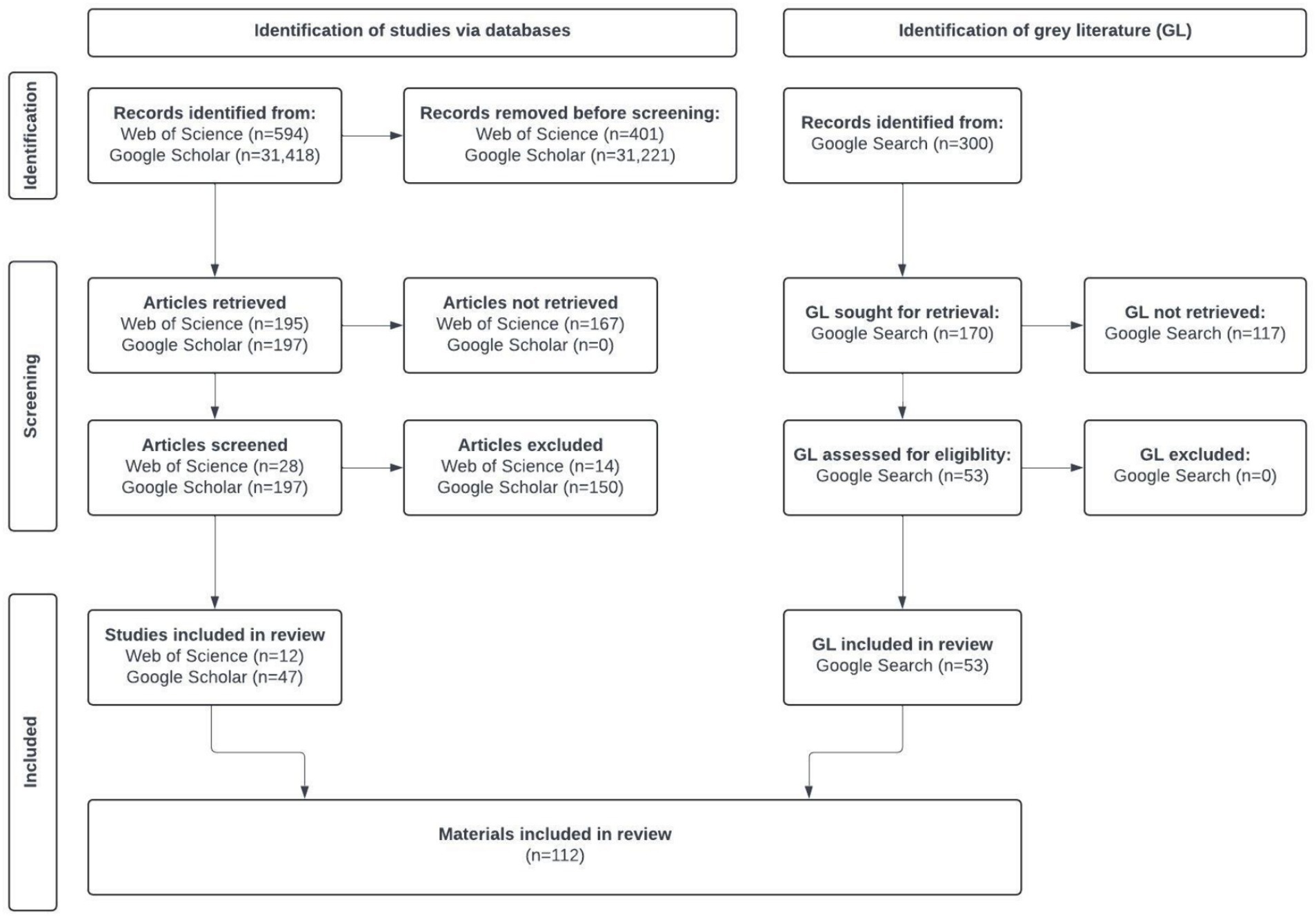
Figure 1. Flow chart of article and grey material selection.
4 Results
The results of the systematic search and review of the literature are divided into three sections: (1) types of LLA metrics available to SHFs; (2) frameworks used for developing them; and (3) impact of existing LLA metrics on the resilience of Kenya’s SHFs.
4.1 Types of LLA metrics available to smallholder farmers (SHFs) in Kenya
Of all the materials reviewed for this study, only Kenya National Climate Plan (KNCCP) 2016 mentioned a few national indicators that might be relevant to SHFs. The Assessment Report from the International Institute for Environment Development (IIED) 2014 described the processes for assessing adaptation interventions. The bulk of the materials (over 55% grey and peer reviewed articles) described adaptation interventions and policies relevant to the SHF sector. Table 1 presents a summary of the recurring themes and adaptation lessons extracted from these materials.

Table 1. Recurring themes from adaptation intervention and policy articles included in this study.
4.2 Framework used for developing LLA metrics for smallholder farmers in Kenya
Only two documents, the Republic of Kenya National Climate Change Plan (KNCCP), 2016 and the Assessment Report from the International Institute for Environment Development (IIED) 2014 suggest that Kenya may be implicitly using national or internationally developed metrics to monitor adaptation interventions developed for SHFs. The KNCCP described some national performance adaptation indicators. It is unclear whether the IIED report infers that externally developed Tracking Adaptation and Measuring Development (TAMD) can be used to evaluate the impact of adaptation interventions on Kenyan SHFs or the impacts of sets of other interventions at national, county and ward levels. At the ward level, while livestock was listed as a priority under the County Adaptation Fund (CAF) and included in the TAMD evaluation, no adaptation actions developed by SHFs were mentioned.
4.3 Impact of existing LLA metrics on the resilience of smallholder farmers
Most grey and journal articles reviewed acknowledged the vulnerability of Kenyans’ SHFs to climate change, though none of them provided detailed information of metrics specific to SHF groups or any specific metrics relevant to them. Therefore, it is difficult to conclude whether available metrics are enhancing the resilience of SHFs.
5 Discussion
Three issues stand out for discussion on what LLA metrics are currently used in tracking and assessing the adaptation needs of SHFs in Kenya. The first issue is to acknowledge that our literature review cannot ascertain whether or to what extent adaptation metrics described in the 2016 KNCCP Plan, and the TAMD report build and enhance the resilience of SHFs. Christiansen et al. (2018) blames this situation on the disconnect between academic scholarly discussions and the activities undertaken by practitioners and policy makers. For Goonesekera and Olazabal (2022) this has to do with unclear data sources, adaptation intervention targets and monitoring timelines. A review by Ongugo et al. (2014, p. 1) attributes this to limited investment in research that could have helped to gather data required to develop metrics and policies that would address increasing cases of vulnerabilities in the SHF sector. Aside the mention of a few indicators in the 2016 KNCCP Plan, none of the grey and journal articles reviewed for types of metrics described the LLA metrics available to Kenyan farmers nor addressed the connection between adaptation actions developed by SHFs and state-developed ones (see Section 4.2). However, we found that the National Climate Change Secretariat (NCCS), which coordinates Kenya’s adaptation actions, has a mandate to build resilience in the SHFs sector, in that it sets “targets and coordinates actions for building resilience to climate change and enhancing adaptive capacity” (Republic of Kenya, 2016, p. 23). But this appears to be a top-down initiative which excludes SHFs from participating in decisions meant to build or enhance their resilience to the impacts of climate change.
This leads us to the second issue—whether the resilience of SHFs to the impact of climate change can be enhanced by external organizations on their own, excluding SHFs themselves. Lessons from resilience literature suggest otherwise: all processes involved in developing adaptation interventions, including capturing adaptation actions, tracking, and reporting, must include stakeholders and users from the onset if they are to be effective (see Section 3). Involving stakeholders, including SHFs, helps build partnerships between them and other prominent actors, including county heads, and focuses attention on asymmetrical power relationships (Borquez et al., 2017; Cundill et al., 2017; Singletary and Sterle, 2020). In addition, co-developing adaptation metrics with SHFs will develop stakeholders’ skills in tracking and assessing their adaptation needs. However, actively involving SHFs in co-developing metrics may not be enough to enhance their resilience: co-developed metrics may be short-lived if stakeholder collaboration is not sustained or linked up with political decision-makers for long-term continuity, project financing, and evaluation (Borquez et al., 2017). Therefore, it is imperative that developers of adaptation metrics build collaborations across different levels of government and develop knowledge-brokering networks such as the International Platform on Adaptation Metrics (IPAM). IPAM, launched in 2020, is an international knowledge brokering platform that focuses on developing adaptation metrics and ensuring standardization through collaboration with stakeholders and capacity-building programmes. (IPAM, n.d.). At the moment, Kenya’s SHF sector seems to depend on national or internationally developed metrics which, as Leiter et al. (2019) note, were developed without its inputs. Such metrics may be ineffective and could reinforce inequalities and vulnerabilities.
This leads to the third issue of whether adaptation intervention lessons from the articles included in this study provide additional valuable ideas for developing metrics to support the increasing number of Kenya’s SHF who are vulnerable to the impact of climate change (see Section 1 and Table 1). The intervention lessons in Table 1 are valuable, but not sufficient to develop a framework for locally led adaptation metrics that can enhance the resilience of Kenya’s SHFs. This study, therefore, integrates lessons from resilience literature (Section 3) with the context specific knowledge of Kenya’s SHFs (Section 1) to develop a locally led adaptation framework for SHFs. This framework involves the following processes: (1) conducting gender intersectionality analysis to help unravel the diverse typologies of SHFs in Kenya and their unique lived experiences, capturing their distinct adaptation needs and actions; (2) complementing quantitative with contextual data in order to provide a comprehensive understanding of what matters to SHFs: (3) co-developing metrics with stakeholders, especially SHFs, periodically reviewing their appropriateness since the impact of climate change is ongoing and dynamic (Bours, 2014; Visman et al., 2022); (4) putting together a knowledge brokering platform for cross-community and country learning; and (5) connecting with government and decision makers for continuous funding. Figure 2 presents a framework for building locally led adaptation metrics.
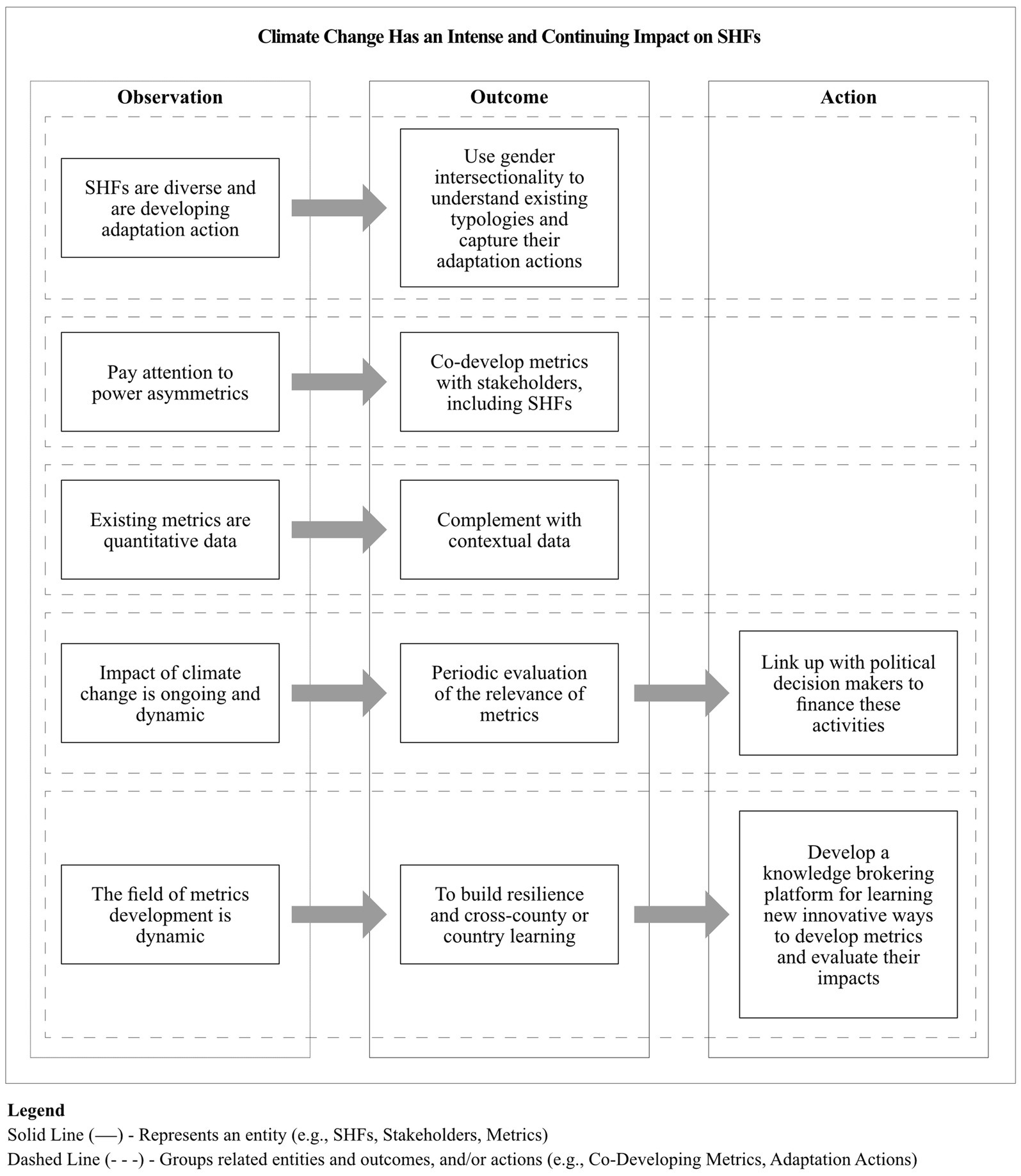
Figure 2. Locally led adaptation metrics for Africa (LAMA) framework. Source: Developed by authors.
Adaptation metrics can be used not only for tracking the adaptation needs and actions developed by SHFs, but as Leiter et al. (2019, p. 1) said, “If used properly, they can enhance our understanding of what works and what does not work, why, and under what circumstances.” However, metrics are quantitative, and when used without qualitative data, they do not capture causal information, including the complexities and dynamic impacts of climate change on SHFs. Using quantitative and contextual data will deepen understanding of local contexts, support informed decision-making, enhance communities’ adaptive capacities and also provide more accurate assessments of climate-related losses and damages (Prabhakar and Srinivasan, 2011). At present, the global stocktake process will need a more accurate inventory and account of losses and damages incurred due to the impact of climate change. The disaggregated data gathered through gender intersectionality (step one of the LAMA framework) will not only help overcome the issues around unclear data sources, it will help calculate more accurately how much adaptation funds would be required to build and enhance the resilience of Kenya’s SHFs.
6 Conclusion
Kenya is one of the Sub-Saharan African countries most vulnerable to climate change which is seriously impacting the livelihoods of over 40% of its population who are SHFs. Adaptation metrics are essential for tracking and assessing the adaptation needs and actions developed by SHFs and estimating the adaptation funds required to build and enhance their resilience to the impacts of climate change. With the steady push for an increase of adaptation funds to be disbursed to Africa, the study has searched for LLA metrics available to SHFs and developed tthe first framework for LLA metrics. Kenya’s lack of LLA metrics for SHFs and shortfall in stakeholder-driven adaptation planning could potentially lead to the development of misaligned adaptation policies, confusion, inefficiencies in disbursing funds, and increasing vulnerabilities within its SHF sector. Integrating gender intersectionality analysis and co-production into the LAMA framework will provide valuable lessons for developing participatory adaptation policies that address the specific realities of smallholder farmers. The LAMA framework is not meant to be an endpoint but a path towards developing LLA metric for SHFs. While this study has provided guidance on implementing the LAMA framework in real-world settings, there is a need to explore further how metrics (quantitative) can be complemented with contextual data. The current study sourced its data from two bibliographical databases (Google Scholar and Web of Science) and websites of organizations that work on climate change: future studies will benefit from using more databases.
Author contributions
NO-O: Conceptualization, Formal analysis, Funding acquisition, Investigation, Methodology, Writing – original draft, Writing – review & editing, Validation. JA: Conceptualization, Formal analysis, Funding acquisition, Methodology, Writing – review & editing. MN: Conceptualization, Funding acquisition, Methodology, Writing – review & editing. LA: Conceptualization, Investigation, Writing – review & editing. CT: Conceptualization, Funding acquisition, Methodology, Validation, Writing – review & editing. ER: Data curation, Formal analysis, Writing – review & editing. JO: Writing – review & editing. JOO: Writing – review & editing. AA: Writing – review & editing. TG: Formal analysis, Writing – review & editing.
Funding
The author(s) declare financial support was received for the research, authorship, and/or publication of this article. Funding for this project is from International Development Research Centre (IDRC). This work was carried out with the grant from the Ministry of Foreign Affairs of the Netherlands and the International Development Research Centre (IDRC), Canada.
Conflict of interest
The authors declare that the research was conducted in the absence of any commercial or financial relationships that could be construed as a potential conflict of interest.
Publisher’s note
All claims expressed in this article are solely those of the authors and do not necessarily represent those of their affiliated organizations, or those of the publisher, the editors and the reviewers. Any product that may be evaluated in this article, or claim that may be made by its manufacturer, is not guaranteed or endorsed by the publisher.
Supplementary material
The Supplementary material for this article can be found online at: https://www.frontiersin.org/articles/10.3389/fclim.2024.1429462/full#supplementary-material
References
Adaptation Committee (2021). Approaches to reviewing the overall progress made in achieving the global goal on adaptation. Available at: https://unfccc.int/documents/273844?gad_source=1 (Accessed February 20, 2024).
AfDB (2023). COP28: African leaders urge robust financing for continent’s climate adaptation. African Development Bank.
Aldunce, P., Indvik, K., Borquez, R., Adler, C., and Galaz, V. (2014). Resilience in the context of climate change: a systematic review of the literature to aid a navigation of diversity. Available at: https://www.cr2.cl/wp-content/uploads/2016/06/Aldunce-et-al-2014-Working-paper-Conceptualization-Resilience.pdf (Accessed March 24, 2024).
Arikan, Y. (2021). COP26 outcomes: multilevel action is the beacon of hope to keep the 1.5 degree goal alive. CityTalk – Blog ICLEI. Available at: https://talkofthecities.iclei.org/cop26-outcomes-multilevel-action-is-the-beacon-of-hope-to-keep-the-1-5-degree-goal-alive/ (Accessed March 21, 2024).
Artur, L., and Hilhorst, D. (2012). Everyday realities of climate change adaptation in Mozambique. Global Environ. Change 22, 529–536. doi: 10.1016/j.gloenvcha.2011.11.013
Ashmore, R. D., Deaux, K., and McLaughlin-Volpe, T. (2004). An organizing framework for collective identity: articulation and significance of multidimensionality. Psychol. Bull. 130, 80–114. doi: 10.1037/0033-2909.130.1.80
Berberian, A. G., Gonzalez, D. J. X., and Cushing, L. J. (2022). Racial disparities in climate change-related health effects in the United States. Curr. Environ. Health Rep. 9, 451–464. doi: 10.1007/s40572-022-00360-w
Birch, I. (2018). Agricultural productivity in Kenya: Barriers and opportunities. Brighton, UK: Institute of Development Studies.
Borquez, R., Aldunce, P., and Adler, C. (2017). Resilience to climate change: from theory to practice through co-production of knowledge in Chile. Sustain. Sci. 12, 163–176. doi: 10.1007/s11625-016-0400-6
Bours, D. (2014). Guidance note 1: twelve reasons why climate change adaptation M&E is challenging. doi: 10.13140/RG.2.1.3248.6167
Bowleg, L. (2012). The problem with the phrase women and minorities: intersectionality-an important theoretical framework for public health. Am. J. Public Health 102, 1267–1273. doi: 10.2105/AJPH.2012.300750
Bramer, W. M., de Jonge, G. B., Rethlefsen, M. L., Mast, F., and Kleijnen, J. (2018). A systematic approach to searching: an efficient and complete method to develop literature searches. J. Med. Libr. Assoc. 106, 531–541. doi: 10.5195/jmla.2018.283
Butler, A., Hall, H., and Copnell, B. (2016). A guide to writing a qualitative systematic review protocol to enhance evidence-based practice in nursing and health care. Worldviews Evid.-Based Nurs. 13, 241–249. doi: 10.1111/wvn.12134
Christensen, A.-D., and Jensen, S. Q. (2012). Doing intersectional analysis: methodological implications for qualitative research. NORA Nord. J. Fem. Gend. Res. 20, 109–125. doi: 10.1080/08038740.2012.673505
Christiansen, L., Martinez, G., and Naswa, P. (eds.) (2018). Adaptation metrics: Perspectives on measuring, aggregating and comparing adaptation results. Copenhagen: UNEP DTU Partnership. Available at: https://comunidadpnacc.com/wp-content/uploads/2019/04/UDP-Perspectives-Adaptation-Metrics-WEB.pdf#page=31
Christoffersen, A . (2021). Intersectionality in practice: Research findings for practitioners and policy makers. Available at: https://www.intersectionalityinpractice.ed.ac.uk/wp-content/uploads/2021/09/Intersectionality-in-practice.pdf
Christoffersen, A. (2023). Applying intersectionality in policy and practice: unseating the dominance of gender in responding to social inequalities. sozialpolitik.ch 1. doi: 10.18753/2297-8224-4030
Climate Fact Sheet (2024). Kenya, Available at: https://www.climatecentre.org/wp-content/uploads/RCCC-Country-profiles-Kenya_2024_final.pdf
Cogan, D., Gerholdt, R., Null, S., Waskow, D., Larsen, G., Lee, A., et al. (2022). Where do we stand on COP26 climate promises? A Progress Report. Available at: https://www.wri.org/insights/cop26-climate-pledges-tracking-progress (Accessed February 20, 2024).
Cundill, G., Bezerra, J. C., De Vos, A., and Ntingana, N. (2017). Beyond benefit sharing: Place attachment and the importance of access to protected areas for surrounding communities. Ecosyst. Serv. 28, 140–148. doi: 10.1016/j.ecoser.2017.03
d’Armengol, L., Prieto Castillo, M., Ruiz-Mallén, I., and Corbera, E. (2018). A systematic review of co-managed small-scale fisheries: social diversity and adaptive management improve outcomes. Glob. Environ. Change 52, 212–225. doi: 10.1016/j.gloenvcha.2018.07.009
Depledge, J., Saldivia, M., and Peñasco, C. (2022). Glass half full or glass half empty? The 2021 Glasgow climate conference. Clim. Pol. 22, 147–157. doi: 10.1080/14693062.2022.2038482
Engle, N., De Bremond, A., Malone, E., and Moss, R. (2014). Towards a resilience indicator framework for making climate-change adaptation decisions. Mitig. Adapt. Strateg. Glob. Change 19, 1295–1312. doi: 10.1007/s11027-013-9475-x
Eriksen, S., Schipper, E. L. F., Scoville-Simonds, M., Vincent, K., Adam, H. N., Brooks, N., et al. (2021). Adaptation interventions and their effect on vulnerability in developing countries: help, hindrance or irrelevance? World Dev. 141:105383. doi: 10.1016/j.worlddev.2020.105383
Erol, O., Henry, D., and Sauser, B. (2010). Exploring resilience measurement methodologies. Available at: https://web.mst.edu/lib-circ/files/Special%20Collections/INCOSE2010/Exploring%20Resilience%20Measurement%20Methodologies.pdf (Accessed February 20, 2024).
Eshetae, M., Abera, W., Tamene, L., Mulatu, K., and Tesfaye, A. (2024). Understanding farm typology for targeting agricultural development in mixed crop-livestock farming systems of Ethiopia. Farming Syst. 2:100088. doi: 10.1016/j.farsys.2024.100088
Falkner, R. (2016). The Paris agreement and the new logic of international climate politics. Int. Aff. 92, 1107–1125. doi: 10.1111/1468-2346.12708
FAO (2015). The economic lives of smallholder farmers: an analysis based on household data from nine countries. Available at: https://openknowledge.fao.org/server/api/core/bitstreams/32709b4d-ed41-4b1e-9d37-91786824cb9e/content (Accessed March 12, 2024).
Global Commission on Adaptation (2019). Adapt now: A global call for leadership on climate resilience. Available at: https://gca.org/wp-content/uploads/2019/09/GlobalCommission_Report_FINAL.pdf
Goonesekera, S. M., and Olazabal, M. (2022). Climate adaptation indicators and metrics: state of local policy practice. Ecol. Indic. 145:109657. doi: 10.1016/j.ecolind.2022.109657
Gopalakrishnan, S., and Ganeshkumar, P. (2013). Systematic reviews and Meta-analysis: understanding the best evidence in primary healthcare. J. Fam. Med. Prim. Care 2, 9–14. doi: 10.4103/2249-4863.109934
Government of Kenya (2011). National Food and nutrition security policy. Available at: https://faolex.fao.org/docs/pdf/ken140936.pdf (Accessed March 28, 2024).
Groulx, M., Brisbois, M. C., Lemieux, C. J., Winegardner, A., and Fishback, L. (2017). A role for nature-based citizen science in promoting individual and collective climate change action? A systematic review of learning outcomes. Sci. Commun. 39, 45–76. doi: 10.1177/1075547016688324
Hallegatte, S., and Engle, N. L. (2019). The search for the perfect indicator: Reflections on monitoring and evaluation of resilience for improved climate risk management. Clim. Risk Manag. 23, 1–6. doi: 10.1016/j.crm.2018.12.001
Harris, P. G. (2022). COP26: The eternally weak pulse of climate diplomacy, and what needs to change. PLOS Climate. 1:e0000019. doi: 10.1371/journal.pclm.0000019
Heyer, J. (1991). “Poverty and food deprivation in Kenya’s smallholder agricultural areas” in The political economy of hunger: Volume 3: Endemic hunger. eds. J. Drèze and A. Sen (Oxford: Oxford University Press).
Huang, M.-T., and Zhai, P.-M. (2021). Achieving Paris agreement temperature goals requires carbon neutrality by middle century with far-reaching transitions in the whole society. Adv. Clim. Chang. Res. 12, 281–286. doi: 10.1016/j.accre.2021.03.004
Huber, R., Bartkowski, B., Brown, C., El Benni, N., Feil, J.-H., Grohmann, P., et al. (2024). Farm typologies for understanding farm systems and improving agricultural policy. Agric. Syst. 213:103800. doi: 10.1016/j.agsy.2023.103800
IIED (n.d.). Principles for locally led adaptation. Available at: https://www.iied.org/principles-for-locally-led-adaptation (Accessed March 27, 2024).
IIED (2014). Tracking adaptation and measuring development (TAMD) in Kenya, Mozambique, Nepal and Pakistan. Available at: https://www.iied.org/sites/default/files/pdfs/migrate/10091IIED.pdf (Accessed February 20, 2024).
Ijjasz-Vasquez, E., Saghir, J., and Richmond, M. (2024). Finance for climate adaptation in Africa still insufficient and losing ground. Brookings. Available at: https://www.brookings.edu/articles/finance-for-climate-adaptation-in-africa-still-insufficient-and-losing-ground/#:~:text=If%20the%20current%20level%20of,larger%20than%20the%20funds%20available (Accessed March 12, 2024).
Institute for Security Studies (2011). The cycle of drought in Kenya a looming humanitarian crisis. Available at: https://issafrica.org/iss-today/the-cycle-of-drought-in-kenya-a-looming-humanitarian-crisis (Accessed February 27, 2024).
IPAM (2021). Adaptation metrics mapping evaluation framework. Available at: https://adaptationmetrics.org/sites/AMME-Framework.pdf (Accessed February 27, 2024).
IPAM (n.d.). Proposed responses of the international platform on adaptation metrics (IPAM) to the guiding questions by the SB chairs for the technical assessment component of the first global Stocktak. Available at: https://adaptationmetrics.org/sites/default/files/docs/IPAM%20submission%20to%20first%20Global%20Stocktake.pdf (Accessed February 27, 2024).
IPCC (2014). Climate change 2014: impacts, adaptation, and vulnerability. Part a: global and sectoral aspects. Contribution of working group II to the fifth assessment report of the intergovernmental panel on climate change. Cambridge, UK: Cambridge University Press. Available at: https://www.ipcc.ch/site/assets/uploads/2018/02/WGIIAR5-PartA_FINAL.pdf (Accessed February 27, 2024).
Islam, S. N., and Winkel, J. (2017). Climate change and social inequality. Available at: https://www.un.org/en/file/71388/download?token=jiPjWu9Q (Accessed March 28, 2024).
Jayne, T. S., Mather, D., and Mghenyi, E. (2010). Principal challenges confronting smallholder agriculture in sub-Saharan Africa. Future Small Farms 38, 1384–1398. doi: 10.1016/j.worlddev.2010.06.002
Johnson, B. A., Kumar, P., Okano, N., Dasgupta, R., and Shivakoti, B. R. (2022). Nature-based solutions for climate change adaptation: a systematic review of systematic reviews. Nat.-Based Solut. 2:100042. doi: 10.1016/j.nbsj.2022.100042
Kalele, D. N., Ogara, W. O., Oludhe, C., and Onono, J. O. (2021). Climate change impacts and relevance of smallholder farmers’ response in arid and semi-arid lands in Kenya. Sci. Afr. 12:e00814. doi: 10.1016/j.sciaf.2021.e00814
Kelly, C., Kasperavicius, D., Duncan, D., Etherington, C., Giangregorio, L., Presseau, J., et al. (2021). “Doing” or “using” intersectionality? Opportunities and challenges in incorporating intersectionality into knowledge translation theory and practice. Int. J. Equity Health 20:187. doi: 10.1186/s12939-021-01509-z
Korda, R., Gray, T., and Stead, S. (2021). Resilience in the English small-scale fishery, small fry but big issue. Cham, Switzerland: Springer.
Lefebvre, C., Manheimer, E., and Glanville, J. (2008). “Searching for studies” in Cochrane handbook for systematic reviews of interventions. eds. J. P. Higgins and S. Green. Available at: https://onlinelibrary.wiley.com/doi/book/10.1002/9780470712184
Leiter, T., Olhoff, A., Al Azar, R., Barmby, V., Bours, D., Clement, V. W. C., et al. (2019). Adaptation metrics: current landscape and evolving practices. Available at: https://unepccc.org/wp-content/uploads/2019/09/adaptation-metrics-current-landscape-and-evolving-practices.pdf (Accessed March 28, 2024).
Ma, C., Qirui, C., and Lv, Y. (2023). “One community at a time”: promoting community resilience in the face of natural hazards and public health challenges. BMC Public Health 23:2510. doi: 10.1186/s12889-023-17458-x
Marcus, J. (2022). ‘Everything is dead’: animal carcasses litter Kenyan landscape as megadrought and climate change collide. The Independent. Available at: https://www.independent.co.uk/climate-change/news/kenya-drought-horn-of-africa-b2227619.html (Accessed March 22, 2024).
Martín-Martín, A., Thelwall, M., Orduna-Malea, E., and Delgado López-Cózar, E. (2021). Google Scholar, Microsoft Academic, Scopus, Dimensions, Web of Science, and OpenCitations’ COCI: a multidisciplinary comparison of coverage via citations. Scientometrics 126, 871–906. doi: 10.1007/s11192-020-03690-4
Maslin, M. A., Lang, J., and Harvey, F. (2023). A short history of the successes and failures of the international climate change negotiations. UCL Open Environ. 5:e059. doi: 10.14324/111.444/ucloe.000059
Matthan, T. (2022). Beyond bad weather: climates of uncertainty in rural India. J. Peasant Stud. 50, 114–135. doi: 10.1080/03066150.2022.2116316
Mehta, L., Srivastava, S., Adam, H. N., Alankar,, Bose, S., Ghosh, U., et al. (2019). Climate change and uncertainty from ‘above’ and ‘below’: perspectives from India. Reg. Environ. Chang. 19, 1533–1547. doi: 10.1007/s10113-019-01479-7
Mikulewicz, M. (2020). The discursive politics of adaptation to climate change. Ann. Am. Assoc. Geogr. 110, 1807–1830. doi: 10.1080/24694452.2020.1736981
Mokku, J. (2023). Climate change destroys the livelihoods of Kenyan pastoralists. U. N. Afr. Renew. Available at: https://www.un.org/africarenewal/magazine/january-2023/climate-change-destroys-livelihoods-kenyan-pastoralists (Accessed March 22, 2024).
Moosmann, L., Urrutia, C., Siemons, A., Cames, M., and Schneider, L. (2019). International climate negotiations – Issues at stake in view of the COP25 UN climate change conference in Madrid. Luxembourg: ENVI.
Musoke, R. (2021). Mixed emotions as COP26 ends. The Independent. Available at: https://www.independent.co.ug/mixed-emotions-as-cop26-ends/ (Accessed March 22, 2024).
Nkonya, E., Minnick, A., Ng’ang’a, E., and Woelcke, J. (2018). Land and natural resources degradation in the arid and semi-arid lands in Kenya. Available at: https://documents1.worldbank.org/curated/en/461701571216895387/pdf/Land-and-Natural-Resource-Degradation-in-Arid-and-Semi-Arid-Lands-in-Kenya.pdf (Accessed March 22, 2024).
OECD (2023). Climate finance provided and mobilised by developed countries in 2013-2021. doi: 10.1787/e20d2bc7-en
Okeke-Ogbuafor, N., Gray, T., Ani, K., and Stead, S. (2023). Proposed solutions to the problems of the Lake Chad fisheries: resilience lessons for Africa? Aust. Fish. 8:64. doi: 10.3390/fishes8020064
Oloo, D. (2017). In Kenya, severe drought threatens to leave 4 million food insecure. UNICEF. Available at: https://www.unicef.org/stories/kenya-severe-drought-threatens-leave-4-million-food-insecure (Accessed February 27, 2024).
Ongugo, P., Langat, D., Oeba, V., and Kimondo, J. (2014). A review of Kenya’s national policies relevant to climate change adaptation and mitigation: insights from Mount Elgon. Available at: https://www.cifor-icraf.org/knowledge/publication/5332/ (Accessed February 27, 2024).
Opiyo, T. (2024). Assessing the impact of population dynamics in Kenya: a need for policy implementation. J. Geogr. Environ. Earth Sci. Int. 28, 53–69. doi: 10.9734/jgeesi/2024/v28i2750
OXFAM International (2022). As many as 28 million people across East Africa at risk of extreme hunger if rains fail again. OXFAM Int. Available at: https://www.oxfam.org/en/press-releases/many-28-million-people-across-east-africa-risk-extreme-hunger-if-rains-fail-again (Accessed April 03, 2024).
Prabhakar, S. V. R. K., and Srinivasan, A. (2011). “Metrics for mainstreaming adaptation in agriculture sector” in Climate change and food security in South Asia. eds. R. Lal, M. Sivakumar, S. Faiz, A. Mustafizur Rahman, and K. Islam (Netherlands: Springer), 551–567.
Quintana, A. V., Venkatraman, R., Coleman, S. B., Martins, D., and Mayhew, S. H. (2021). COP26: An opportunity to shape climate-resilient health systems and research. Available at: https://www.ncbi.nlm.nih.gov/pmc/articles/PMC8598179/pdf/main.pdf
Rahman, M. F., Falzon, D., Robinson, S., Kuhl, L., Westoby, R., Omukuti, J., et al. (2023). Locally led adaptation: promise, pitfalls, and possibilities. Ambio 52, 1543–1557. doi: 10.1007/s13280-023-01884-7
Republic of Kenya (2016). Kenya National Adaptation Plan 2015-2030: enhanced climate resilience towards the attainment of vision 2030 and beyond. Available at: https://www4.unfccc.int/sites/NAPC/Documents%20NAP/Kenya_NAP_Final.pdf (Accessed April 03, 2024).
Rietig, K. (2016). The power of strategy: environmental NGO influence in international climate negotiations. Glob. Gov. 22, 269–288. doi: 10.1163/19426720-02202006
Robinson, S. (2020). Climate change adaptation in SIDS: a systematic review of the literature pre and post the IPCC fifth assessment report. WIREs Clim. Change 11:e653. doi: 10.1002/wcc.653
Savvidou, G., Atteridge, A., Omari-Motsumi, K., and Trisos, C. H. (2021). Quantifying international public finance for climate change adaptation in Africa. Clim. Pol. 21, 1020–1036. doi: 10.1080/14693062.2021.1978053
Seyisi, E., Mantlana, B., and Ndhleve, S. (2023). Indicators for monitoring and evaluating climate change adaptation efforts in South Africa. Jamba Potchefstroom South Afr. 15:1426. doi: 10.4102/jamba.v15i1.1426
Shamsuddoha, M., Jabed, M. A., Islam, M. S., Sultana, N., Imran, A., Rabbi, S. N. A., et al. (2024). Impacts of climate change-induced natural hazards on women and their human rights implications: a study in the southwest coast of Bangladesh. J. Migr. Health 9:100221. doi: 10.1016/j.jmh.2024.100221
Singh, C., Iyer, S., New, M. G., Few, R., Kuchimanchi, B., Segnon, A. C., et al. (2022). Interrogating ‘effectiveness’ in climate change adaptation: 11 guiding principles for adaptation research and practice. Clim. Dev. 14, 650–664. doi: 10.1080/17565529.2021.1964937
Singletary, L., and Sterle, K. (2020). Supporting local adaptation through the co-production of climate information: an evaluation of collaborative research processes and outcomes. Clim. Serv. 20:100201. doi: 10.1016/j.cliser.2020.100201
Soanes, M., Rai, N., Steele, P., Shakya, C., and MacGregor, J. (2017). Delivering real change: Getting international climate finance to the local level. London: IIED.
Southwick, S. M., Bonanno, G. A., Masten, A. S., Panter-Brick, C., and Yehuda, R. (2014). Resilience definitions, theory, and challenges: interdisciplinary perspectives. Eur J Psychotraumatol. 5. doi: 10.3402/ejpt.v5.25338
Stephanie, S. (2008). Gender: An intersectionality perspective. Sex Roles. 59, 301–311. doi: 10.1007/s11199-008-9501-8
Swaby, G., Thangata, C., and Kiyomi de, Z. (2024). What climate-vulnerable countries need on the road to COP29. World Resources Institute. Available at: https://www.wri.org/insights/vulnerable-countries-cop29-climate-action
UK Parliament (2021). Climate change: COP 26. Available at: https://hansard.parliament.uk/lords/2021-11-18/debates/AC16DD27-BF22-437F-8992-31950380B547/ClimateChangeCOP26 (Accessed April 03, 2024).
UN (n.d.). The Paris Agreement. Available at: https://www.un.org/en/climatechange/paris-agreement (Accessed April 03, 2024).
UN News (2021). A matter of life or death: At COP26, vulnerable countries tell developed nations it’s time to keep their promise on climate finance. Available at: https://news.un.org/en/story/2021/11/1105222 (Accessed April 03, 2024).
USAID (2002). Kenya – drought situation report #1 (FY 2002). Available at: https://reliefweb.int/report/kenya/kenya-drought-situation-report-1-fy-2002#:~:text=In%20May%202002%2C%20heavy%20rains,according%20to%20international%20humanitarian%20sources (Accessed April 03, 2024).
Usman, Z. (2022). As financial pledges trickle in, did COP27 meet its goal of implementation? Carnegie Endow. Int. Peace. Available at: https://carnegieendowment.org/posts/2022/11/as-financial-pledges-trickle-in-did-cop27-meet-its-goal-of-implementation?lang=en (Accessed March 22, 2024).
Vandyck, T., Saveyn, B., Keramidas, K., Kitous, A., and Vrontisi, Z. (2016). A global stocktake of the Paris pledges: implications for energy systems and economy. Global Environ. Change 41, 46–63. doi: 10.1016/j.gloenvcha.2016.08.006
Visman, E., Vincent, K., Steynor, A., Karani, I., and Mwangi, E. (2022). Defining metrics for monitoring and evaluating the impact of co-production in climate services. Clim. Serv. 26:100297. doi: 10.1016/j.cliser.2022.100297
Vu-Ngoc, H., Elawady, S. S., Mehyar, G. M., Abdelhamid, A. H., Mattar, O. M., Halhouli, O., et al. (2018). Quality of flow diagram in systematic review and/or meta-analysis. PLoS One 13:e0195955. doi: 10.1371/journal.pone.0195955
Walker, B., Holling, C. S., Carpenter, S. R., and Kinzig, A. (2004). Resilience, adaptability and transformability in social–ecological systems. Ecol. Soc. 9:5. doi: 10.5751/ES-00650-090205
Wang, Y., Liu, Y., and Gu, B. (2022). COP26: Progress, challenges and outlook. Adv. Atmos. Sci. 39, 1209–1216.
Wens, M., Van Loon, A., Veldkamp, T. I. E., and Aerts, J. (2022). Education, financial aid, and awareness can reduce smallholder farmers’ vulnerability to drought under climate change. Nat. Hazards Earth Syst. Sci. 22, 1201–1232. doi: 10.5194/nhess-22-1201-2022
Wieczorek, A. M., Schadeberg, A., Krogh Hallin, J., van Putten, I., Kraak, S. B. M., Richter, A., et al. (2021). Behavioural economics in fisheries: a systematic review protocol. PLoS One 16:e0255333. doi: 10.1371/journal.pone.0255333
World Economic Forum (2022). COP27: how climate finance and adaptation can support vulnerable countries. Available at: https://www.weforum.org/agenda/2022/11/cop27-how-climate-finance-and-adaptation-can-support-vulnerable-countries/ (Accessed April 03, 2024).
Keywords: climate change, smallholder farmers, adaptation metrics, resilience, locally led adaptation, knowledge co-production
Citation: Okeke-Ogbuafor N, Atela J, Nantongo MG, Aoko L, Tonui C, Rajah E, Osamba J, Odongo JO, Atchade AJ and Gray T (2024) Locally led adaptation metrics for Africa: a framework for building resilience in smallholder farming sectors. Front. Clim. 6:1429462. doi: 10.3389/fclim.2024.1429462
Edited by:
Tomoyo Toyota, University of Shimane, JapanReviewed by:
Gustavo J. Nagy, Universidad de la República, UruguayFranziska Wolf, Hamburg University of Applied Sciences, Germany
Copyright © 2024 Okeke-Ogbuafor, Atela, Nantongo, Aoko, Tonui, Rajah, Osamba, Odongo, Atchade and Gray. This is an open-access article distributed under the terms of the Creative Commons Attribution License (CC BY). The use, distribution or reproduction in other forums is permitted, provided the original author(s) and the copyright owner(s) are credited and that the original publication in this journal is cited, in accordance with accepted academic practice. No use, distribution or reproduction is permitted which does not comply with these terms.
*Correspondence: Nwamaka Okeke-Ogbuafor, bndhbWFrYS5va2VrZS1vZ2J1YWZvckBnbGFzZ293LmFjLnVr