 Susanne de Wolf-Linder1,2*
 Iris Kramer1
 Martina Hersperger3,4Maria Schubert1Sonja Bächi1,4Monika Stolz4,5
 Emma Wolverson2,6Christina Ramsenthaler1,2 on behalf of SENIORS-Involve
- 1School of Health Sciences, Institute of Nursing, ZHAW Zurich University of Applied Sciences, Winterthur, Zürich, Switzerland
- 2Wolfson Palliative Care Research Centre, Hull York Medical School, University of Hull, Kingston upon Hull, United Kingdom
- 3“Plattform Mäander” Foundation, Zürich, Switzerland
- 4Department of Health Sciences, PPIE Stakeholder Group for People With Dementia, Institute of Nursing, Winterthur, Switzerland
- 5Person Living With Dementia, Winterthur, Switzerland
- 6Dementia UK, London, United Kingdom
Background: Patient and Public Involvement and Engagement (PPIE) is still underutilised in both dementia research and corresponding dissemination activities.
Aim: To describe the methods, format, and lessons learned in co-creating and co-producing a dissemination strategy for a research project focused on establishing patient-centred outcome measures into routine palliative community care for persons living with dementia (PLWD) and their informal carers.
Materials and methods: A participatory, hybrid-format workshop was conducted to co-create the dissemination strategy with a PPIE group. A video presentation of findings and a list of prompts shared prior to the workshop were used to elicit views on dissemination strategies and knowledge translation. The workshop was followed up with a survey to consolidate the dissemination strategy. Workshop minutes and survey responses were analysed using qualitative thematic analysis.
Results: 22 participants from our diverse PPIE group attended the workshop. Two major themes emerged: (a) Knowledge translation: building bridges between research and practise, and (b) Collaboration and dissemination: everyone's voice is needed. Participants suggested critical changes to dissemination methods and materials. Successful knowledge translation depends on a strong evidence base. For this, materials need to be tailored to specific audiences. Everyone's voice needs to be integrated through co-production in dissemination activities by PPIE members to influence societal change. Tailored dissemination activities within a dissemination strategy were co-created spanning all phases of the research cycle.
Discussion: Informing and educating the public and policymakers about the needs of PLWD relies on disseminating and fostering knowledge translation throughout all phases of the research cycle.
1 Introduction
Patient and public involvement and engagement (PPIE) is defined as conducting research and developing policies with or by patients and members of the public rather than on their behalf (NIHR INVOLVE, 2012). Involving members of the public in this way has been mandated by the UK Government since the late 1990s as both a core democratic principle and for pragmatic reasons (Jackson et al., 2020). Recognising the voice of those being affected by research findings and policies constitutes the moral and political principle of equity and ownership in having a say how public resources are spent (NIHR INVOLVE, 2021). It also can enhance the quality and relevance of research by including a unique perspective “from the inside” (Gove et al., 2018).
Over the past 10 years, the discourse around PPIE has changed from one of passive consultation to active involvement of people in all phases of the research cycle, ranging from conceiving relevant research questions to disseminating research findings, onto participatory research paradigms with co-production of research (Bethell et al., 2018; Burton et al., 2019; Hickey et al., 2018). As can be seen in the acronym, in its current conception PPIE focuses on three pillars: public involvement, public engagement, and participation. What must be avoided is a tokenism of involvement (Jackson et al., 2020; Hilton et al., 2024). This is partly reflected in who should be involved as members of the public. PPIE members nowadays include (potential) patients, their carers, health care professionals, but also voluntary sector workers or policy makers (NIHR INVOLVE, 2012). The aim is for researchers and the community to co-produce research that is scientifically robust, yet follows community wishes.
The incidence of dementia is increasing, affecting a substantial number of people worldwide and in European countries (World Health Organization, 2015). This has led to the European Union (EU) declaring it a priority with a view to support a rights-based approach to dementia research. However, due to its disease course of cognitive decline, people living with dementia (PLWD) have been those to whom the “right to voice” has most often been denied (Georges et al., 2022). Several national and international or European organisations and funders have tried to shift this underrepresentation by releasing position statements and standards of PPIE in dementia research (Georges et al., 2022; Gove et al., 2018). This has resulted in a growing number of research studies delivering and evaluating co-production of dementia research, potential barriers to involvement, and effective strategies to enable meaningful involvement of PPIE representatives (Bethell et al., 2018; Burton et al., 2019; Di Lorito et al., 2020; Iliffe et al., 2013; Kirby et al., 2024; Lord et al., 2022; Miah et al., 2019; Molinari-Ulate et al., 2022; Morbey et al., 2019; Poland et al., 2019; Smith et al., 2024). Meaningful involvement of PPIE representatives is of equal high value regardless the size or the focus of the study (Kirby et al., 2024; Smith et al., 2024). Involvement of PLWD and members of the public in research has been shown to support and promote a person-centred model of health care (Beresford, 2013; Collins et al., 2022; Gerlach and Kales, 2022). Three scoping reviews of PPIE involvement in dementia research conclude a tentative positive effect of such involvement (Burton et al., 2019; Miah et al., 2019; Kirby et al., 2024). However, barriers in how research is funded and organised, or barriers around researchers' and organizations' attitudes and unconscious biases have been reflected upon in qualitative and case study evaluations of PPIE in dementia research as resulting in a potentially negative effect (Bethell et al., 2018; Biddle et al., 2021; Di Lorito et al., 2020; Lord et al., 2022; Mathie et al., 2018; Mockford et al., 2016; Poland et al., 2019; Waite et al., 2019). The recruitment and long-term retention of PLWD (and not only their informal carers) in PPIE activities as well as establishing a true collaborative model of involvement and engagement are further challenges (Bartlett et al., 2019).
In dementia research, studies have developed models of co-producing research to address these challenges (e.g., the CO-research INvolvement and Engagement in Dementia (COINED) model) (Di Lorito et al., 2020; Lord et al., 2022; Mockford et al., 2016; Swarbrick et al., 2019). In these models, strategies for meaningful involvement are usually centred around the phases of a research project. These models also acknowledge the Standards of Involvement as proposed by the National Institute of Health Research (NIHR) in the United Kingdom (NIHR INVOLVE, 2012). Dissemination is defined as the active approach of spreading evidence-based findings to the target audience via determined channels using planned strategies (Tabak et al., 2012; Minogue et al., 2022). Unanimously, all studies reporting on PPIE activities in dementia research relegated these dissemination activities to the last phase of their study (Di Lorito et al., 2020; Lord et al., 2022; Mockford et al., 2016; Swarbrick et al., 2019). Some were fortunate to find some additional funds to pay for dissemination (Mockford et al., 2016) but approaches are rarely published. The only dissemination approaches identified in the literature have targeted either an academic or at least an informed audience (by PPIE members co-authoring scientific publications or co-presenting at scientific or patient organisation conferences) (Brooks et al., 2017; Utengen et al., 2017;). Direct feedback from researchers to PPIE members, particularly at the end of the study when funding might have run out (Jackson et al., 2020), is also often missing (Bagley et al., 2016; Mathie et al., 2018; Popay and Collins, 2014); and the lack of a formal evaluation of PPIE activities and their benefit to PLWD and the wider public remains an important gap in the current discourse (Mathie et al., 2018). To date, no dissemination strategy is available in dementia research that has been co-produced with PPIE and focuses on knowledge translation to the wider public.
Therefore, in this short research report we describe the methods, format, and lessons learned in co-designing and co-producing a dissemination strategy for a research project focused on establishing patient-centred outcome measures into routine palliative community care for PLWD and their informal carers. We illustrate the development of a dissemination strategy that works across all phases of the research project. Together with our diverse PPIE group involving stakeholders from different public areas, we explore novel and meaningful dissemination activities that address a wider public than is currently the case in dementia research. See Box 1 for a summary of this brief research report for the wider audience.
Box 1. Involving people from the public, people living with dementia and people supporting a person with dementia meaningfully in research: Summary for the wider audience.
Dementia often is not recognised enough in society. One reason for the limited recognition is that professionals often act without asking those affected by dementia. This is also true for research. Not enough people from the public, people with dementia and those supporting a person with dementia are involved or engaged in research. We wanted to address this by working together with a group of people from the community and then create a plan to share the research's findings.
Our research is about making sure people with dementia and people supporting a person with dementia get good companionship and/or care by asking them regularly about how they are feeling (e.g., are they feeling sad or are they in pain).
First, we all got together for a workshop. Some of us met in person, and some joined online. Before the workshop, we sent out a video with the findings from the research and some questions. We wanted to know how best to share these findings with a wider audience. After the workshop, we asked everyone their opinions in a survey. Then, the research team and members of the PPIE group looked at all the ideas and talked about them.
We found two big ideas: one is about making sure our research results get used in real life. The other is about making sure everyone's voice is heard when we share our findings. We learned that it is important to have good evidence when sharing our research. And we saw that it is best when everyone works together to ensure the information reaches different groups of people in easy-to-understand language.
Our plan now includes ways to share our research at every step. We believe that if we inform politicians and healthcare workers about what people with dementia need, it will make a big difference. We also believe letting people affected by dementia take the lead in disseminating this information will enhance the quality of our research. It further contributes to the inclusion/participation of people with dementia in our society.
2 Methods
Our research program in dementia focuses on developing, validating, and implementing person-centred outcome measures (PCOMs) into routine community care in Switzerland (de Wolf-Linder et al., 2021, 2022). Existing measures in dementia may not include outcomes important to PLWD as their perspectives are often poorly represented in the development of such measures (Morbey et al., 2019). Moreover, most measures focus on nursing home populations only, thereby inadequately reflecting the symptoms and concerns of PLWD living at home across mild to severe stages of dementia (Morbey et al., 2019; Murphy et al., 2015). Despite the inclusion of PLWD of all stages, in our research studies we conceptualise measurement of person-centred symptoms and concerns under a holistic palliative care viewpoint (Radbruch et al., 2020). Both these angles—developing a community-based and person-centred outcome measure for PLWD—have not been explored in Switzerland before. After the multi-methods development and validation of the Integrated Palliative Care Outcome Scale—Dementia for the community care setting, the research team is now co-producing a digital version of this outcome measure. The idea for this follow-on research project, the “Electronic PerSon-cENtred care and Specialised Palliative Care for people with dementIa: Improving the quality of life with Outcome guided Recognition and assessment of relevant Symptoms, neeDs and care issues” (eSENIORS) study, was voiced directly from PPIE and nurses from community/district nursing services.
Our PPIE group is embedded in the ongoing eSENIORS study (2023-2024). Participants for the group were recruited through various channels in 2023. Recruitment to this group is ongoing. We aim for a diverse range of people, including PLWD, informal carers, members of community care services, health insurance companies, public health, ethics, or health policy representatives, non-profit organisation (NPO) representatives, media experts and members of patient or dementia-related organisations e.g., Alzheimer's Society. PPIE members can represent more than one group or organisation. Most members were recruited through snowball sampling. We also promote the group, among the first of its kind in Switzerland, at public events and conferences. Individual consent for participation is negotiated via email or phone calls and re-established at the beginning of the PPIE group's activities.
2.1 The workshop
As part of the PPIE activities, we ran a two-hour workshop to co-design and co-produce the dissemination strategy for our research program. The workshop in December 2023 used a hybrid format of in-person attendance at our university and online attendance via a Webex board (big screen with camera). The hybrid format was agreed with the PPIE members prior to the workshop to enable inclusive opportunities according to the NIHR's standards (NIHR INVOLVE, 2012). Hybrid or online formats have been successfully employed with PPIE groups in dementia research (Brighton et al., 2018; Molinari-Ulate et al., 2022). We have followed their lessons learned to enable life conversations and interactions with all workshop participants. Three facilitators were involved in the study, the project lead (CR) and the two research associates (SdW, IK). We refrained from appointing a co-facilitator from the PPIE group due to the fact that the level of familiarity between researchers and PPIE members was not sufficiently developed at that particular moment.
All PPIE workshop participants received materials for preparation two weeks before the workshop. These included a video presentation of the study results created by the project lead and the research associate, as well as a set of questions about the presentation of results (understandability, design, style) and further avenues of knowledge translation to the public (see Table 1). We followed guidance on question prompts in communications according to the NIHR's guidance (Hickey et al., 2018).
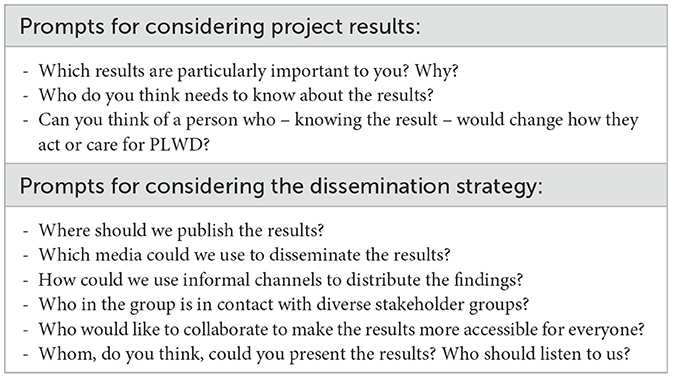
Table 1. Question prompts for building the dissemination strategy.
In the workshop, we began with a round of introductions and clarifying expectations and setting ground rules for collaboration and co-production. Co-production of the dissemination strategy involved discussing the question prompts in small groups of four participants per table/breakout room from mixed backgrounds/groups, using first the think-pair-share method and then a world café approach (Keogh et al., 2021). Online participants were allocated in groups of four and mixed backgrounds in online breakout rooms. Both activities, think-pair-share method and the world café approach, were facilitated by the researchers. Spontaneously, one PPIE member co-facilitated the discussion at the in-person table seating the PPIE member with early-onset dementia. At the end of two rounds of discussion per table/breakout room, results were shared in the larger group and recorded on flipchart paper and—simultaneously—on a Padlet page for online attendees. The final round of discussion was followed by a casual exchange that blended formal and informal elements and concluded the workshop. We reimbursed our participants for their time per hour to prepare and attend the workshop in line with the INVOLVE guidance (Hickey et al., 2018).
After the workshop, all PPIE group members (n = 40), including those not able to attend the workshop (n = 18), were sent a survey. The survey's aim was two-fold; first, conducting a short evaluation of the first workshop and further eliciting preferences around attendance for future workshops and PPIE activities; second, confirming proposed tactics and extending ideas regarding the dissemination strategy and knowledge sharing/translation with the public. The survey link was sent out via Redcap® (Harris et al., 2009). Participants could choose whether to complete the survey online or in a print-out format.
2.2 Analysis
A qualitative, thematic analysis and synthesis (Braun and Clarke, 2006) of both the workshop minutes and discussion notes and survey answers was undertaken by the researchers (SdW, IK). The thematic analysis focused on responses regarding the development of the dissemination strategy. We used member checking with three PPIE workshop participants (one PLWD, one managing director of an NPO, and one nurse) to validate and extend results.
3 Results
Twenty two participants attended the workshop, 15 in person and 7 online. See Table 2 for the profile of participating PPIE group members. Comments in the survey were received from 24 participants. Five survey participants were unable to attend the previous workshop and therefore responded only to strategical questions with regards to the dissemination strategy. Overall, the workshop was evaluated as a positive activity for those attending. Several adjustments for making PPIE contribution an inclusive opportunity were described by survey respondents.
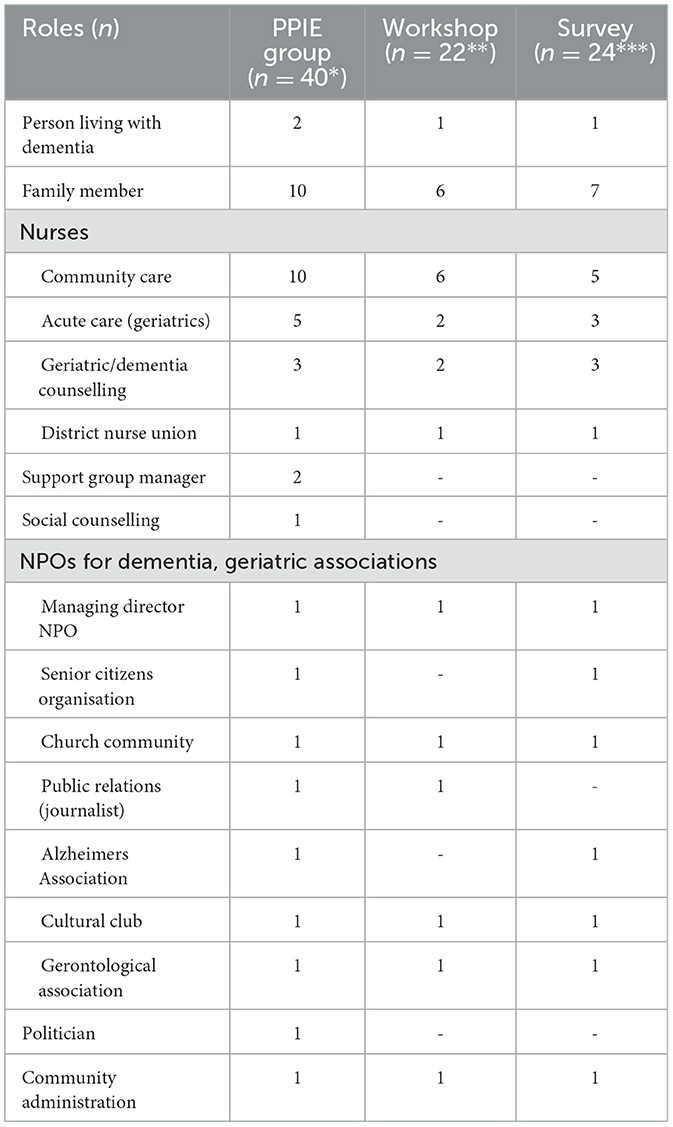
Table 2. Profile of PPIE group members (n = 40; 4 double roles*), attendees at the workshop (n=22; 1 double role**), and participants providing answers to the survey (n = 24; 3 double roles***).
Two major themes emerged regarding how best to achieve a collaborative model of involvement and engagement in disseminating research: (a) Knowledge translation: Building bridges between research and practise, (b) Collaboration and dissemination: Everyone's voice is needed. We lastly present a dissemination strategy that integrates into all phases of the research cycle.
3.1 Knowledge translation: building bridges between research and practise
PPIE participants needed encouragement to voice critical views on the materials received. Participants suggested small changes to the prepared dissemination materials which can be summarised under the heading “less is more”. For instance, they felt we needed to tailor information materials to the intended audience by focusing on one message per slide in presentations and choosing a simpler colour scheme. For a successful knowledge translation reaching a diverse range of audiences, participants suggested a different use of language and alerted to the use of technical terms and jargon that might be differently understood by different audiences. However, participants were adamant about the need to be evidence-based in their dissemination:
“Research is part of everyday life” (Advanced nurse practitioner, Geriatric/dementia counselling)
To achieve knowledge translation into everyday life, they suggested support from non-academic writers to avoid jargon in dissemination materials like newspaper articles or flyers. Once trust was built among members of the workshop, participants felt comfortable to take control of the dissemination. They suggested developing larger communication programs (e.g., a series in newsletter format) to disseminate implications for practise and research.
3.2 Collaboration and dissemination: everyone's voice is needed
Participants voiced concerns about the power imbalance when researchers communicated to non-academic audiences. Several ideas around co-presenting or sole facilitation/dissemination by a lay member were brought forward to reach diverse audiences. Several of our group members (particularly informal carers) stepped up during the worldcafé to spontaneously co-facilitate the discussion at their table. Some PPIE members also helped each other while preparing for the workshop. With the facilitation of a community nurse familiar to her, our PLWD member was able to contribute important insights for both designing dissemination materials tailored to PLWD and the importance of a joint dissemination/communication strategy uniting all voices. The group felt that given dementia is often perceived as a Cinderella disease, isolating, and rendering those affected by it almost invisible, everyone is needed to contribute to research findings to be heard:
“From backyard thinking to network thinking—that's the mission!” (PR for dementia and geriatric association)
3.3 Dissemination strategy to communicate results in dementia research
At the end of the workshop and with the help of consolidation via the online survey, we agreed on a dissemination strategy traversing the whole research cycle. In order to reach different audiences and for everyone to be able to contribute, participants suggested to integrate dissemination strategies and knowledge translation throughout all phases of a research project. Figure 1 summarises a range of strategies to reach academic and non-academic audiences and the general public, the target of the dissemination activities, and key factors for success.

Figure 1. Dissemination strategy integrated into all phases of the research cycle embedded in the key principles of the NIHR guidance on co-producing research (NIHR, 2019).
4 Discussion
Using a co-production workshop with members of our PPIE group, we have developed a dissemination strategy that transcends all phases of the research cycle. Unlike common models of integrating PPIE activities into a study, we propose for dissemination to become an integral part of the research lifecycle, not just at the end of the study when it might be difficult due to time and funding constraints to reach meaningful involvement and engagement of PPIE (Bate and Robert, 2006; Greenhalgh et al., 2019; Kirby et al., 2024). Based on our findings, we propose for dissemination and knowledge translation to be considered activities of co-production rather than mere person or user-centred traditional approaches of consultation (Jackson et al., 2020). Collaborating as equal partners while recognising and valuing diverse knowledge, experiences, social networks, and cultural methods, are essential moral principles that should guide individuals engaged in co-productive activities (Jackson et al., 2020). Ideally, these dissemination activities are organised according to the key principles of the NIHR guidance on co-producing research (NIHR, 2019)—(a) sharing power, (b) including all perspectives and skills, (c) respecting and valuing the knowledge of all those working together with equal importance of everyone's voice, (d) reciprocity and everyone benefitting from each other, and (e) building and maintaining relationships as a means to share power. Embedding such a dissemination strategy (Figure 1) into the overall PPIE strategy can directly benefit the research project, e.g., representing the project as a lay member at the ethics committee review meeting, reviewing and adapting patient information leaflets or writing a lay summary. Such dissemination strategies can draw on and benefit from the unique inside perspective of PPIE participants, and their diverse skill set, experiences, and social networks. For this to be successful, the NIHR's (2019) principles need to be followed. This can then build the collective confidence of the PPIE group. PPIE members in our workshop group were cognizant of both the power of their voice and the right to express that voice as a political means to confirm the personhood of PLWD in society.
Through the feedback in our workshop, we have also realised that a view of framing PPIE as co-production in both research and dissemination may be too high a demand in a PPIE-naïve country without funding infrastructure such as Switzerland (Biddle et al., 2021; Miah et al., 2019), an aspiration and goal rather than a reality. Similar to what is concluded in existing scoping reviews of PPIE co-production in dementia research, there also remains a need for the thorough evaluation of PPIE activities, also capturing less positive or overwhelming experiences with PPIE reported from all perspectives (Hendriks et al., 2017; Russell et al., 2020). The members of our PPIE group were eager to transform less positive experiences from the workshop (e.g., feeling overwhelmed by too much material, researchers talking to long about research findings, reacting spontaneously to new material, public speaking) into valuable learning opportunities for future workshops by assuming responsibility for driving positive change within the group. While our PPIE group members also remained very keen on contributing to the study and the dissemination of its findings, barriers to meaningful, sustainable contribution were also voiced. Many of the issues around time constraints, conflicting care obligations, money and reimbursement issues, and worries about committing long-term to the group may also reflect the socioeconomic disadvantage of belonging to a group often marginalised in Western societies (Biddle et al., 2021; Miah et al., 2019). As part of the workshop and its evaluation, participants have also suggested ways to address these barriers (see Table 3). We have categorised the suggestions around the six NIHR standards of involvement (NIHR INVOLVE, 2019). In addition, we have embedded suggestions from the literature on how to achieve meaningful engagement and co-production via PPIE in dementia research (Bagley et al., 2016; Burton et al., 2019; Ferra et al., 2023; Georges et al., 2022; Gove et al., 2018; Hilton et al., 2024; Jackson et al., 2020; Kirby et al., 2024; Lord et al., 2022; Masoud et al., 2021; Mathie et al., 2018; Miah et al., 2019; Morbey et al., 2019; Poland et al., 2019; Popay and Collins, 2014; Smith et al., 2024; Staniszewska et al., 2017). Many of these suggestions are novel in the sense that they focus on how to engage PPI members in dissemination activities, rather than focusing on how to engage them in dementia research. However, these more general recommendations also apply to engaging them in dissemination activities.
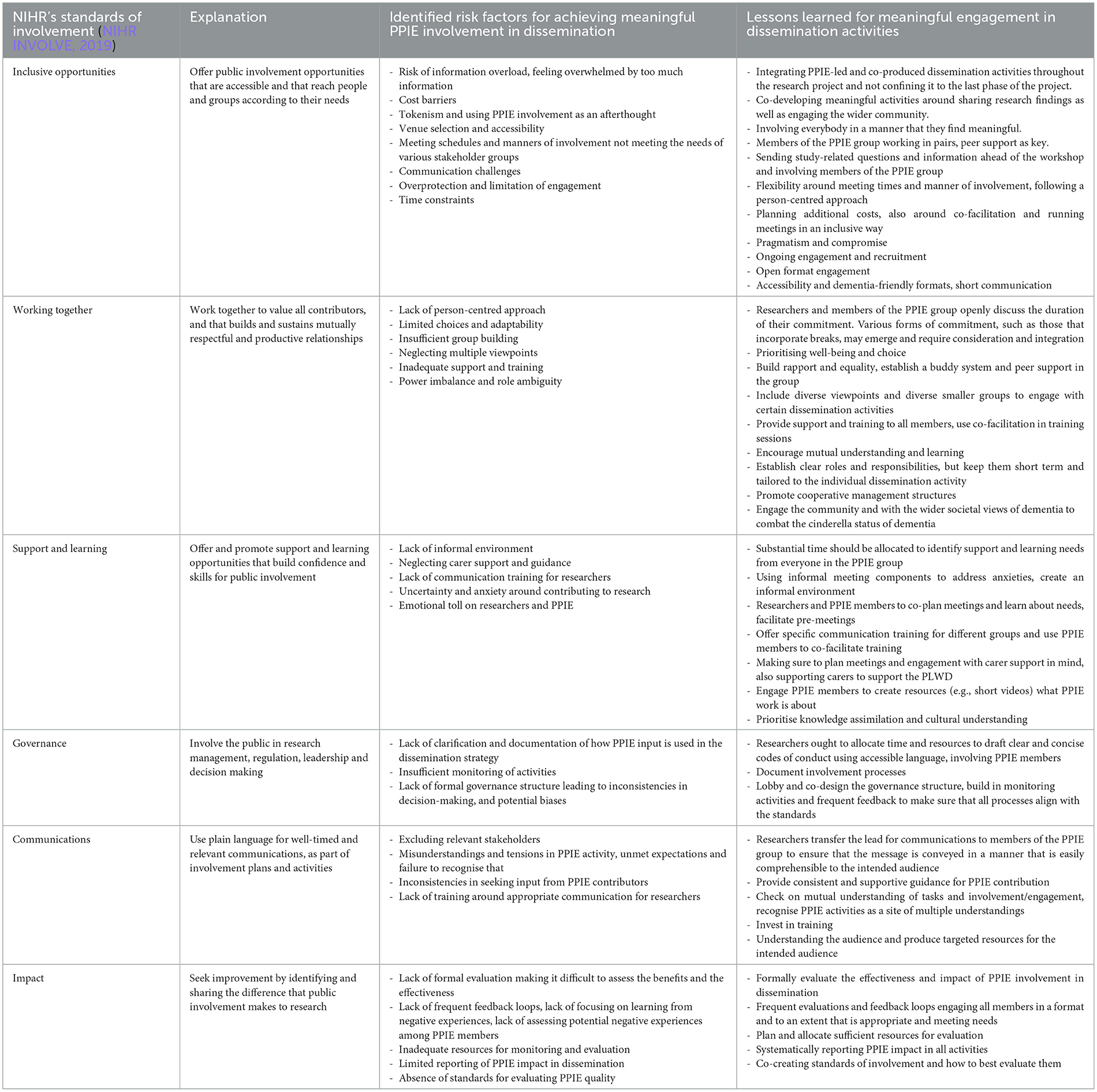
Table 3. Addressing the NIHR's six standards of involvement around PPIE in dissemination with lessons learned.
We acknowledge that in the workshop, we only had one PLWD attending. In our PPIE group, we currently have two PLWD participants. It has been acknowledged that recruitment and retention of PLWD to PPIE activities remains a challenge (Masoud et al., 2021; Moreno et al., 2023). Our workshop did not include co-facilitation by PPIE members as our primary focus was on exploring the expectations and visions of the group regarding their involvement and establishing a basis for our work. As dementia-aware facilitators, we appreciated that the group was diverse in their needs (Masoud et al., 2021). By using group work techniques that facilitated peer support and hearing diverse voices we hoped to develop a co-created code of conduct with shared values, beliefs, and attitudes. However, with the group now being initiated, and with the ongoing recruitment of new members, we are planning to explore avenues for co-facilitation to better consider the needs of PPIE group members, particularly around avoiding information-heavy meetings. Lastly, as academic researchers we also acknowledge the need for further training around effective communication and facilitation strategies of workshops with a diverse range of people from different backgrounds attending.
Limitations to this work apply. Although we analysed our study using principles of qualitative thematic analysis, the manner of sampling, data collection, and analysis cannot be considered representative of a qualitative study. We share anecdotal evidence of what worked in our project. The representativeness of our findings is limited.
5 Conclusion
We have developed a dissemination strategy with a diverse PPIE group, including PLWD and informal carers. In every dissemination activity, we advise to tailor the illustration, language format, and overall message to a specific target audience and working with PPIE group members to co-produce disseminiation materials. By sharing or even handing over the lead in dissemination activities, we believe that knowledge translation can be fostered and that research findings can reach those audiences that can bring about a change in public health and societal views around the stigma associated with dementia (Low and Purwaningrum, 2020). Our results provide new avenues of how and when to disseminate research findings to maximise their impact.
Data availability statement
The raw data supporting the conclusions of this article will be made available by the corresponding author upon reasonable request.
Author contributions
SW-L: Conceptualization, Formal analysis, Project administration, Writing – original draft, Writing – review & editing. IK: Formal analysis, Writing – review & editing. MH: Writing – review & editing. MSc: Funding acquisition, Writing – review & editing. SB: Writing – review & editing. MSt: Writing – review & editing. EW: Conceptualization, Writing – review & editing. CR: Conceptualization, Funding acquisition, Methodology, Writing – original draft, Writing – review & editing.
Funding
The author(s) declare financial support was received for the research, authorship, and/or publication of this article. This workshop has been embedded in the eSENIORS study: Electronic PerSon-cENtred care and Specialised Palliative Care for people with dementIa: Improving the quality of life with Outcome guided Recognition and assessment of relevant Symptoms, neeDs and care issues (eSENIORS), which was funded by the Age Stiftung, Switzerland; Dossier No: 943. ZHAW University of Applied sciences funded this paper to be published Open Access.
Acknowledgments
The authors acknowledge all members of our PPIE group for their generous contribution of time, resources, and insights, which have been instrumental in the development and sustainability of the overall project. In this paper, we use as few acronyms as possible, but those used were used to enhance readability.
Conflict of interest
The authors declare that the research was conducted in the absence of any commercial or financial relationships that could be construed as a potential conflict of interest.
Publisher's note
All claims expressed in this article are solely those of the authors and do not necessarily represent those of their affiliated organizations, or those of the publisher, the editors and the reviewers. Any product that may be evaluated in this article, or claim that may be made by its manufacturer, is not guaranteed or endorsed by the publisher.
References
Bagley, H. J., Short, H., Harman, N. L., Hickey, H. R., Gamble, C. L., Woolfall, K., et al. (2016). A patient and public involvement (PPI) toolkit for meaningful and flexible involvement in clinical trials—A work in progress. Res. Involv. Engagem. 2:15. doi: 10.1186/s40900-016-0029-8
Bartlett, R., Milne, R., and Croucher, R. (2019). Strategies to improve recruitment of people with dementia to research studies. Dementia 18, 2494–2504. doi: 10.1177/1471301217748503
Bate, P., and Robert, G. (2006). Experience-based design: From redesigning the system around the patient to co-designing services with the patient. Qual. Saf. Health Care 15, 307–310. doi: 10.1136/qshc.2005.016527
Beresford, P. (2013). From ‘other' to involved: user involvement in research: an emerging paradigm. Nord Soc. Work Res. 3, 139–148. doi: 10.1080/2156857X.2013.835138
Bethell, J., Commisso, E., Rostad, H. M., Puts, M., Babineau, J., Grinbergs-Saull, A., et al. (2018). Patient engagement in research related to dementia: a scoping review. Dementia 17, 944–975. doi: 10.1177/1471301218789292
Biddle, M. S. Y., Gibson, A., and Evans, D. (2021). Attitudes and approaches to patient and public involvement across Europe: a systematic review. Health Soc. Care Community 29, 18–27. doi: 10.1111/hsc.13111
Braun, V., and Clarke, V. (2006). Using thematic analysis in psychology. Qual. Res. Psychol. 3, 77–101. doi: 10.1191/1478088706qp063oa
Brighton, L. J., Pask, S., Benalia, H., Bailey, S., Sumerfield, M., Witt, J., et al. (2018). Taking patient and public involvement online: qualitative evaluation of an online forum for palliative care and rehabilitation research. Res. Involv. Engagem. 4:14. doi: 10.1186/s40900-018-0097-z
Brooks, J., Gridley, K., and Savitch, N. (2017). Removing the ‘gag': involving people with dementia in research as advisers and participants. Soc. Res. Pract. 3, 3–14.
Burton, A., Ogden, M., and Cooper, C. (2019). Planning and enabling meaningful patient and public involvement in dementia research. Curr. Opin. Psychiatry 32, 557–562. doi: 10.1097/YCO.0000000000000548
Collins, R., Hunt, A., Quinn, C., Martyr, A., Pentecost, C., and Clare, L. (2022). Methods and approaches for enhancing communication with people with moderate-to-severe dementia that can facilitate their inclusion in research and service evaluation: Findings from the IDEAL programme. Dementia 21, 1135–1153. doi: 10.1177/14713012211069449
de Wolf-Linder, S., Ellis-Smith, C., Hodiamont, F., Reisinger, M., Gohles, E., Murtagh, F. E. M., et al. (2022). Separated by a common language – cognitive interview study on the Integrated Palliative Care Outcome Scale for People With Dementia (IPOS-Dem) in the acute- and district nurse/community care setting. Palliat. Med. 36:122.
de Wolf-Linder, S., Schubert, M., Ellis-Smith, C., Reisinger, M., Gohles, E., Hodiamont, F., et al. (2021). Cultural adaptation of the Integrated Palliative Care Outcome Scale for Dementia (IPOS-Dem) for the Swiss context: A focus-group interview study with relatives, district nurses, and acute care nurses. Palliat. Med. 35:243.
Di Lorito, C., Godfrey, M., Dunlop, M., Bosco, A., Pollock, K., van der Wardt, V., et al. (2020). Adding to the knowledge on Patient and Public Involvement: Reflections from an experience of co-research with carers of people with dementia. Health Expect. 23, 691–706. doi: 10.1111/hex.13049
Ferra, F., Drewelow, E., Klein, O., Daum, M., Walde, P., Gerullis, K., et al. (2023). Implementation and evaluation of participatory advisory boards in mental health research: a research protocol of the 'PART-Beirat' project. Res. Involv. Engagem. 9:112. doi: 10.1186/s40900-023-00522-6
Georges, J., Diaz-Ponce, A., Lamirel, D., Moradi-Bachiller, S., and Gove, D. (2022). Keeping track of and recognizing the value of Public Involvement work in dementia research. Front. Neurol. 13:1031831. doi: 10.3389/fneur.2022.1031831
Gerlach, L. B., and Kales, H. C. (2022). Moving toward more person-centered dementia care. Int. Psychogeriat. 34, 227–228. doi: 10.1017/S1041610221000478
Gove, D., Diaz-Ponce, A., Georges, J., Moniz-Cook, E., Mountain, G., Chattat, R., et al. (2018). Alzheimer Europe's position on involving people with dementia in research through PPI (patient and public involvement). Aging Ment. Health 22, 723–729. doi: 10.1080/13607863.2017.1317334
Greenhalgh, T., Hinton, L., Finlay, T., Macfarlane, A., Fahy, N., Clyde, B., et al. (2019). Frameworks for supporting patient and public involvement in research: Systematic review and co-design pilot. Health Expect. 22, 785–801. doi: 10.1111/hex.12888
Harris, P. A., Taylor, R., Thielke, R., Payne, J., Gonzalez, N., and Conde, J. G. (2009). Research electronic data capture (REDCap)—A metadata-driven methodology and workflow process for providing translational research informatics support. J. Biomed. Inform. 42, 377–381. doi: 10.1016/j.jbi.2008.08.010
Hendriks, N., Slegers, K., and Wilkinson, A. (2017). Lessons learned from participatory design in dementia care: placing care partners at the centre. Stud. Health Technol. Inform. 233, 63–77.
Hickey, G., Brearley, S., Coldham, T., Denegri, S., Green, G., Staniszewska, S., et al. (2018). Guidance on Co-producing a Research Project. Southampton: INVOLVE.
Hilton, A., Megson, M., Aryankhesal, A., Blake, J., Rook, G., Irvine, A., et al. (2024). What really is nontokenistic fully inclusive patient and public involvement/engagement in research? Health Expect. 27:e14012. doi: 10.1111/hex.14012
Iliffe, S., McGrath, T., and Mitchell, D. (2013). The impact of patient and public involvement in the work of the Dementias & Neurodegenerative Diseases Research Network (DeNDRoN): case studies. Health Expect. 16, 351–361. doi: 10.1111/j.1369-7625.2011.00728.x
Jackson, T., Pinnock, H., Liew, S. M., Horne, E., Ehrlich, E., Fulton, O., et al. (2020). Patient and public involvement in research: from tokenistic box ticking to valued team members. BMC Med. 18:79. doi: 10.1186/s12916-020-01544-7
Keogh, F., Carney, P., and O'Shea, E. (2021). Innovative methods for involving people with dementia and carers in the policymaking process. Health Expect. 24, 800–809. doi: 10.1111/hex.13213
Kirby, P., Lai, H., Horrocks, S., Harrison, M., Wilson, D., Daniels, S., et al. (2024). Patient and public involvement in technology-related dementia research: scoping review. JMIR Aging 7:e48292. doi: 10.2196/48292
Lord, K., Kelleher, D., Ogden, M., Mason, C., Rapaport, P., Burton, A., et al. (2022). Co-designing complex interventions with people living with dementia and their supporters. Dementia 21, 426–441. doi: 10.1177/14713012211042466
Low, L.-F., and Purwaningrum, F. (2020). Negative stereotypes, fear and social distance: A systematic review of depictions of dementia in popular culture in the context of stigma. BMC Geriatr. 20:477. doi: 10.1186/s12877-020-01754-x
Masoud, S. S., Glassner, A. A., Patel, N., Mendoza, M., James, D., Rivette, S., et al. (2021). Engagement with a diverse Stakeholder Advisory Council for research in dementia care. Res. Involv. Engagem. 7:54. doi: 10.1186/s40900-021-00297-8
Mathie, E., Wythe, H., Munday, D., Millac, P., Rhodes, G., Roberts, N., et al. (2018). Reciprocal relationships and the importance of feedback in patient and public involvement: a mixed methods study. Health Expect. 21, 899–908. doi: 10.1111/hex.12684
Miah, J., Dawes, P., Edwards, S., Leroi, I., Starling, B., and Parsons, S. (2019). Patient and public involvement in dementia research in the European Union: a scoping review. BMC Geriatr. 19:220. doi: 10.1186/s12877-019-1217-9
Minogue, V., Morrissey, M., and Terres, A. (2022). Supporting researchers in knowledge translation and dissemination of their research to increase usability and impact. Qual. Life Res. 31, 2959–2968. doi: 10.1007/s11136-022-03122-1
Mockford, C., Murray, M., Seers, K., Oyebode, J., Grant, R., Boex, S., et al. (2016). A SHARED study-the benefits and costs of setting up a health research study involving lay co-researchers and how we overcame the challenges. Res. Involv. Engagem. 2:8. doi: 10.1186/s40900-016-0021-3
Molinari-Ulate, M., Woodcock, R., Smith, I., van der Roest, H. G., Franco-Martín, M. A., and Craven, M. P. (2022). Insights on conducting digital patient and public involvement in dementia research during the COVID-19 pandemic: supporting the development of an “E-nabling digital co-production” framework. Res. Involv. Engagem. 8:33. doi: 10.1186/s40900-022-00371-9
Morbey, H., Harding, A. J. E., Swarbrick, C., Ahmed, F., Elvish, R., Keady, J., et al. (2019). Involving people living with dementia in research: an accessible modified Delphi survey for core outcome set development. Trials 20:12. doi: 10.1186/s13063-018-3069-6
Moreno, M., Kline, C., Shubeck, E., Lanigan, K., and Fazio, S. (2023). Engaging individuals living with dementia as stakeholders. Alzheimer's Dement. 9:e12366. doi: 10.1002/trc2.12366
Murphy, K., Jordan, F., Hunter, A., Cooney, A., and Casey, D. (2015). Articulating the strategies for maximising the inclusion of people with dementia in qualitative research studies. Dementia 14, 800–824. doi: 10.1177/1471301213512489
NIHR (2019). NIHR Guidance on co-Producing a Research Project. London: NIHR. Available at: https://www.learningforinvolvement.org.uk/content/resource/nihr-guidance-on-co-producing-a-research-project/? (accessed April 15, 2024).
NIHR INVOLVE (2012). What is Public Involvement in Research? Available at: https://www.invo.org.uk/find-out-more/what-is-public-involvement-in-research-2/ (accessed April 15, 2024).
NIHR INVOLVE (2021). Briefing Notes for Researchers: Public Involvement in NHS, Health and Social Care. London: INVOLVE.
Poland, F., Charlesworth, G., Leung, P., and Birt, L. (2019). Embedding patient and public involvement: managing tacit and explicit expectations. Health Expect. 22, 1231–1239. doi: 10.1111/hex.12952
Popay, J., and Collins, M. (2014). The Public Involvement Impact Assessment Framework (PiiAF): Executive Summary. Lancaster: Lancaster University.
Radbruch, L., De Lima, L., Knaul, F., Wenk, R., Ali, Z., Bhatnaghar, S., et al. (2020). Redefining palliative care-a new consensus-based definition. J. Pain Symptom Manage 60, 754–764. doi: 10.1016/j.jpainsymman.2020.04.027
Russell, J., Fudge, N., and Greenhalgh, T. (2020). The impact of public involvement in health research: what are we measuring? Why are we measuring it? Should we stop measuring it? Res. Involv. Engagem. 6:63. doi: 10.1186/s40900-020-00239-w
Smith, C., Baillie, J., and Gill, P. (2024). Importance of patient and public involvement in doctoral research involving people living with dementia. Nurse Res. 32, 39–45. doi: 10.7748/nr.2024.e1919
Staniszewska, S., Brett, J., Simera, I., Seers, K., Mockford, C., Goodlad, S., et al. (2017). GRIPP2 reporting checklists: tools to improve reporting of patient and public involvement in research. BMJ 358:j3453. doi: 10.1136/bmj.j3453
Swarbrick, C. M., Doors, O., Davis, K., and Keady, J. (2019). Visioning change: co-producing a model of involvement and engagement in research (Innovative Practice). Dementia 18, 3165–3172. doi: 10.1177/1471301216674559
Tabak, R. G., Khoong, E. C., Chambers, D. A., and Brownson, R. C. (2012). Bridging research and practice: models for dissemination and implementation research. Am. J. Prev. Med. 43, 337–350. doi: 10.1016/j.amepre.2012.05.024
Utengen, A., Rouholiman, D., Gamble, J. G., Grajales, F. J., Pradhan, N., Staley, A. C., et al. (2017). Patient participation at health care conferences: engaged patients increase information flow, expand propagation, and deepen engagement in the conversation of tweets compared to physicians or researchers. J. Med. Internet Res. 19:e280. doi: 10.2196/jmir.8049
Waite, J., Poland, F., and Charlesworth, G. (2019). Facilitators and barriers to co-research by people with dementia and academic researchers: Findings from a qualitative study. Health Expect. 22, 761–771. doi: 10.1111/hex.12891
World Health Organization (2015). World Health Organization Regional Office for Europe—The European Mental Health Action Plan 2013–2020. Copenhagen: World Health Organization. Regional Office for Europe. Available at: https://iris.who.int/handle/10665/175672 (accessed April 15, 2024).
Keywords: participatory research, dementia, palliative care, person-centred care, person-centred outcome measures, dissemination
Citation: de Wolf-Linder S, Kramer I, Hersperger M, Schubert M, Bächi S, Stolz M, Wolverson E and Ramsenthaler C (2024) Meaningful patient and public engagement in dissemination—embedding co-production in dementia research. Front. Dement. 3:1426019. doi: 10.3389/frdem.2024.1426019
Received: 30 April 2024; Accepted: 22 August 2024;
Published: 16 September 2024.
Edited by:
Anthea Innes, McMaster University, CanadaReviewed by:
Rosalie Ashworth, NHS Tayside, United KingdomMargaret Calkins, IDEAS Institute, United States
Copyright © 2024 de Wolf-Linder, Kramer, Hersperger, Schubert, Bächi, Stolz, Wolverson and Ramsenthaler. This is an open-access article distributed under the terms of the Creative Commons Attribution License (CC BY). The use, distribution or reproduction in other forums is permitted, provided the original author(s) and the copyright owner(s) are credited and that the original publication in this journal is cited, in accordance with accepted academic practice. No use, distribution or reproduction is permitted which does not comply with these terms.
*Correspondence: Susanne de Wolf-Linder, c3VzYW5uZS5kZXdvbGYtbGluZGVyQHpoYXcuY2g=