 Jeannie K. Lee
 J. Skye Nicholas1
- 1Department of Pharmacy Practice & Science, The University of Arizona R. Ken Coit College of Pharmacy, Tucson, AZ, United States
- 2The University of Arizona College of Nursing, Tucson, AZ, United States
Introduction: Adherence to hypertension medications is low among older people, and there is limited guidance on the safety of taking a missed medication. Knowing the window of time when an older individual can safely take a missed medication could improve adherence and reduce the fear of overdosing. We developed and implemented a decision support algorithm for missed hypertension medications in a digital therapeutic system designed to facilitate self-management of hypertension medications and blood pressure among older adults.
Methods: The medication formulary included hypertension medications and doses available in the United States that are safe for use by older people. The decision support algorithm was developed through a literature review of clinical and pharmacokinetic studies and knowledge of the pharmacology of aging (pharmacokinetics and pharmacodynamics). The algorithm was peer-reviewed and checked against available provider and patient instructions about missed hypertension medications. Case scenarios were used to code the algorithm into the app.
Results: A total of 117 hypertension medications and combination products were included in the formulary of the Medication Education, Decision Support, Reminding, and Monitoring (MEDSReM©) system, a mobile digital therapeutic. The formulary contains medication names and dose options available for selection at onboarding or when medication changes occur. The safe window for taking missed/overdue medication was programmed into the MEDSReM© app for each medication and dosing frequency. The users are presented with “take, snooze, and skip” options when they receive a reminder and open the app to take the medication. If they open the app past the safe window hours, a recommendation to skip that dose and take the next dose at the regular time is presented. If the user decides to take the missed dose, a decision to take or skip the next dose is shown.
Discussion: The MEDSReM© decision support algorithm provides a safe window of time for each hypertension medication for older adults when they need to take their medication after the intended target time has passed. The interdisciplinary collaboration of clinical, technology, and research teams resulted in a novel, older adult-centered, time-specific digital therapeutic intervention to support decision-making about taking missed hypertension medications.
Introduction
Hypertension is a highly prevalent chronic disease in older people, in which medication is a major factor in lowering blood pressure to optimal levels (Wright et al., 2015; Williamson et al., 2016; Zhang et al., 2021). Multiple medications with proven efficacy for hypertension control are available at low cost in the United States (U.S.), and adherence to these medications can prevent damage to major organs, including the heart, eyes, kidneys, and brain (Whelton et al., 2017; Kleindorfer et al., 2021; Flack et al., 2003; Gottesman et al., 2014; Walker et al., 2019). Yet hypertension medication adherence is a common challenge with multifaceted barriers for patients and with approximately 50% adherence to these effective medications (Viswanathan et al., 2012; Cutler and Everett, 2010; Osterberg and Blaschke, 2005; Vrijens et al., 2008). Thus, our research focuses on improving medication adherence for older people who take hypertension medications using a mobile app as a digital therapeutic system.
Building on the cognitive aging theory-based Multifaceted Prospective Memory Intervention research (Insel et al., 2016; Insel et al., 2013), a technology prototype containing a decision support algorithm for the top 10 most frequently prescribed hypertension medications was tested in a pilot study (Al-Saleh et al., 2024). The prototype was advanced to contain additional features targeting multiple factors related to adherence, including education about hypertension and antihypertensive medications, reminders provided at medication-taking times using age-friendly alarm sounds, and visualization for tracking medication taking and blood pressure. We ensured that strategies incorporated into the system leveraged the older person’s medication taking to be aligned with their established daily routine (Gualtieri et al., 2024). The advanced system called Medication, Education, Decision Support, Reminding, and Monitoring (MEDSReM©) also contains an expanded decision support algorithm to include 117 medications and combination products. MEDSReM© is a digital therapeutic system consisting of a smartphone application (app) and a companion website designed to improve self-management of hypertension medications and adherence with improved blood pressure for adults 65 years and older.
The MEDSReM© app contains a hypertension medication formulary and a medication-specific decision support algorithm for older users. The purpose of developing the decision support algorithm with a designated “safe window” to take each hypertension medication was to guide decision-making for older adults when they have missed the usual dosing hour and are trying to determine whether it is still safe to take the missed medication dose given the next scheduled dose. Although taking the medication within an hour of the usual dosing time is ideal, knowing the safe time duration when older adults can take the medication without overdose concerns may improve adherence. We describe the development steps that enabled the MEDSReM© decision support functionality, including the hypertension medication formulary, the algorithm of the safe dosing window for each medication, and coding strategies to communicate decision support to users.
Materials and methods
The decision support team, led by a clinical pharmacist with geriatric pharmacotherapy and hypertension management expertise, included a nurse investigator with cognitive aging and adherence research expertise, a project coordinator with aging research expertise, and a doctor of pharmacy (PharmD) student interested in aging research. Building the MEDSReM© medication formulary and decision support algorithm for hypertension medications began with the top 10 most frequently prescribed hypertension medications in the U.S. and medications used by field test subjects during the pilot test (Al-Saleh et al., 2024). The full MEDSReM© formulary was subsequently created using all hypertension medications and combination products available in the U.S. that are safe for older adults. Medications potentially inappropriate for older adults included in the 2019 Beers Criteria®, such as clonidine and immediate-release nifedipine, were excluded (American Geriatrics Society Beers Criteria, 2019). The formulary, organized by generic drug name, included available brand names and dosages. We used an evidence-based clinical decision-making drug information tool (IBM Micromedex®) (Micromedex, 2017) to generate the hypertension medication list. The final formulary list was double-checked using another evidence-based drug information tool (Lexicomp® Lexi-Drugs) (Lexi-drugs, 2024).
The decision support algorithm was created based on a literature review of studies that evaluated missed doses of hypertension medications and the pharmacology of aging, including pharmacokinetic and pharmacodynamic changes that can affect the metabolism and excretion of hypertension medications in older people. We conducted the literature review of missed hypertension medication dose studies using the PubMed search engine to gather information regarding the time to alter the pharmacodynamic properties of hypertension medication after missing a dose and the impact of the missed dose on blood pressure. The pharmacokinetic properties of each medication in the formulary were collected using IBM Micromedex® (Micromedex, 2017) and Lexicomp® (Lexi-drugs, 2024) and included drug onset (time to medication effect upon administration), duration of action (length of time a drug is effective), peak effect (time to peak medication effect), and half-life (time it takes for the concentration of the drug in the body to be reduced by half). The half-life is useful for calculating the estimated time for a medication to reach the steady state (when the concentration of the drug in the body stays consistent) and how long it would take for a medication at a steady state to be eliminated from the body.
The MEDSReM© algorithm containing a safe window of time to take each missed or overdue hypertension medication by older adults was checked a) against commercially published medication information for consumer use, when available; b) against subscription drug information resources for provider use; and c) by peer review. The MEDSReM© safe windows were compared with consumer information to reveal contradictions. Most resources did not contain missed dose information for the public, but we found two sources that somewhat consistently provided this information. The New Zealand Medicines and Medical Devices Safety Authority’s Medsafe (Medicine Information, 2024) provided consumer information on “If you forget to take it,” while WebMD’s Drugs & Medications A–Z (Drugs and Medications, 2024) had a section on “What happens if I miss a dose?” To supplement patient information in the publicly available resources, we searched IBM Micromedex® (Micromedex, 2017) under the “Patient Education: Medication Counseling” section for any available instructions on missed doses of hypertension medications. Within the IBM Micromedex®, CareNotes® (CareNotes, 2017) is available for providers to use as handouts for educating patients and care partners. We compared the “Missed dose” section information under “How to Use This Medicine” with our safe window recommendations. In addition, experts in pharmacokinetics, pharmacology, clinical pharmacy, geriatric pharmacy, and geriatric medicine were invited to review and provide feedback and insights, a voluntary request with no incentives. A few safe windows were revised based on these expert opinions and recommendations.
The decision support team worked with the technology partner to code the algorithm and to display understandable app screens for older users. Case examples were created and used for the coding strategy discussions. To further understand existing research on communicating what to do for missed medication doses to patients, we searched the literature for studies on instructing patients. The PubMed and Wiley Online Library databases were used. Search terms included patient education strategy, missed dose education, missed dose of medication, missed dose knowledge, medication adherence communication, patient/physician communication, missed dose communication, patient missed dose knowledge, and missed dose directions.
Results
The MEDSReM© app contains a hypertension medication formulary and a medication-specific decision support algorithm. The formulary consists of 117 oral hypertension medications and combination products available in the U.S. appropriate for use by older adults. The formulary is organized alphabetically by generic names, with the U.S. brand names, oral formulations, and dose options listed for each generic name. The dose options ranged from 1 to 11, and 41 combination products included two or three medications in one tablet or capsule. Supplementary Appendix A illustrates the MEDSReM© formulary with dose options included.
The decision support algorithm contains designated hours (i.e., a safe window) for older adults to take missed medication doses without overdose concerns. Within the safe window, an option to take or skip a medication dose is available for the user, even if their usual dosing hour has passed. A section of the decision support algorithm containing the safe windows for each medication per frequency of dosing is presented in Table 1. The full decision support algorithm covering all MEDSReM© formulary medications is included in Supplementary Appendix B. The literature search on hypertension medication decision support yielded 30 articles of various types: four safety trials (Kabakci et al., 2010; Nold et al., 1998; Spanos et al., 2014; Tomlinson et al., 2004), six pharmacokinetic studies (Agewall and Kendall, 1997; Bianchetti et al., 1996; Choo et al., 2000; Dimmitt et al., 1998; Fourtillan et al., 1998; Lücker et al., 1990), and 20 clinical trials with intentionally missed doses at the end of the trial (Asmar and Lacourcière, 2000; de Leeuw et al., 2017; Düsing et al., 2013; Elliott et al., 2002; Hermida et al., 2008; Hu et al., 2001; Johnson and Whelton, 1994; Lacourcière and Asmar, 1999; Leenen et al., 1996; Nussinovitch et al., 2002; Ongtengco et al., 2002; Palatini et al., 2010; Redon et al., 2016; Ribeiro et al., 2007; Smilde, 1997; Tan and Leenen, 1999; Vaur et al., 1995; White et al., 2004; Mancia et al., 1999; Myers et al., 2006). None of the studies posed significant changes in blood pressure when the study hypertension medication dose was missed or skipped. This meant a recommendation to skip a missed dose when outside the safe window would not interfere with their blood pressure control.
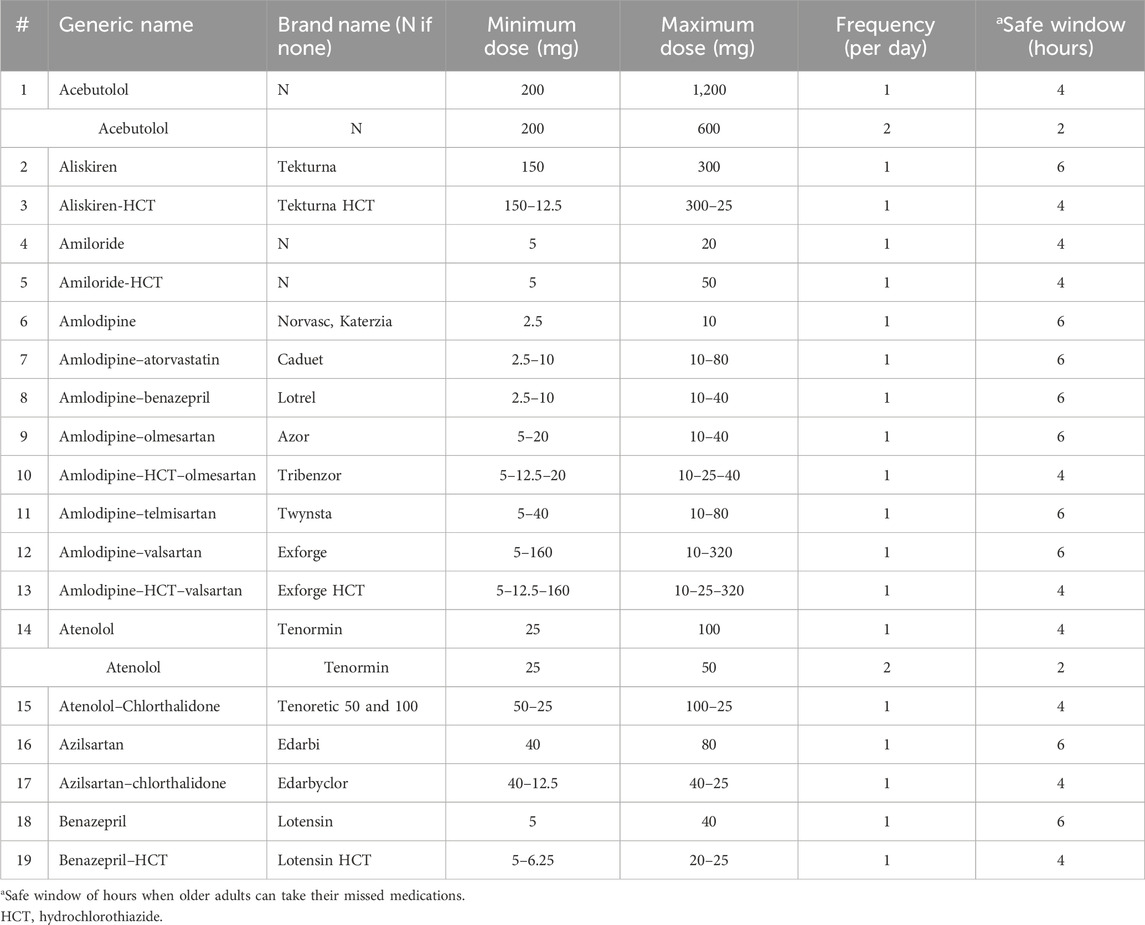
Table 1. Example of the MEDSReM© decision support algorithm.
Table 2 presents examples of patient information about missed medication doses available through commercial databases, the New Zealand Safety Authority’s MedSafe (Medicine Information, 2024), and WebMD’s Drugs & Medications A-Z online databases (Drugs and Medications, 2024). The examples of provider and patient instructions on missed doses of hypertension medications from the online subscription resource are also shown in Table 2. Provider-directed information to instruct the patients about missed hypertension medications was vague, inconsistent, and unavailable for 47 unique hypertension medications. For patient instructions, one of the following two recommendations was listed for most hypertension medications: (1) If you miss a dose or forget to take your medicine, take it as soon as you can. If it is almost time for your next dose, wait until then to take the medicine and skip the missed dose. Do not use extra medicine to make up for a missed dose, or (2) Take a dose as soon as you remember. If it is almost time for your next dose, wait until then and take a regular dose. Do not take extra medicine to make up for a missed dose.
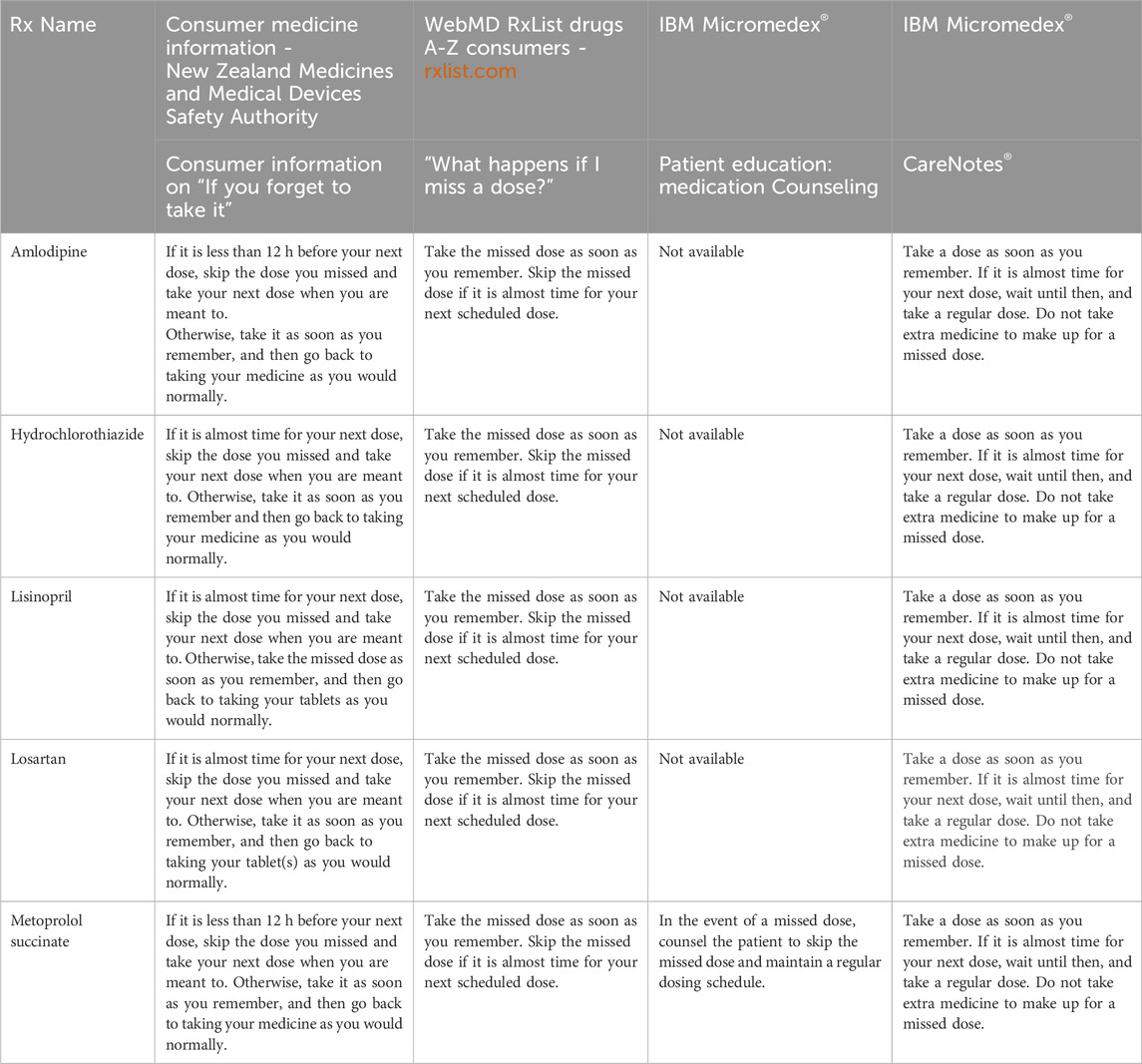
Table 2. Examples of clinician and patient information about missed medication doses.
The 20 experts (two geriatricians, two pharmacokinetic experts, four PharmDs with collaborative practice in hypertension management, and 12 PharmDs with geriatrics practice) invited to peer-review the formulary and decision support algorithm agreed with the safe windows selection reflecting conservative estimation specific to older adults. Seven articles were found in a literature search to identify the best practices for communicating missed medication dose instructions. Of these, three studies focused on the patient’s understanding and interpretation of medication administration, including instructions on what actions to take when a dose is missed and what patients perceived to be the right course of action when they miss a medication (Davis et al., 2009; Jolles et al., 2013; Lorish et al., 1990). All three studies included people aged 65 years and older, but the mean age of study participants was 40–50 years. Two qualitative studies involved hypertension medications: one study asked patients about their perspectives on hypertension (Jolles et al., 2013), and the other assessed patient understanding of mock medication labels (Davis et al., 2009). The last study targeted rheumatoid arthritis medications (Lorish et al., 1990). The remaining four articles were reviews on strategies implemented by healthcare personnel to educate patients on medication administration that were not specific to hypertension medications (Gilbert et al., 2002; Solem et al., 2003; Newall et al., 2005; Zind et al., 1992) with only two reports targeting missed medication doses (Gilbert et al., 2002; Zind et al., 1992). There was no recent literature and no standardized methods of education to support decision-making by patients on missed medication doses.
Figure 1 captures the user app screens for decision support in MEDSReM©. The decision support algorithm feature displays information to users when they open the “Meds” tab based on the time of app opening with respect to the dosing window, which is 1 h before the intended dosing time plus the safe window of time in the algorithm for each medication. The options include “Upcoming” when opened too early, “Act Now” when opened on time, and “Overdue” when opened past the dosing window. If the user receives a reminder, opens the app on time within the dosing window, and presses the “Act Now” button, they are presented with “take,” “snooze,” and “skip” options. The “take” option captures medication taking at the moment, while the “snooze” option sends another reminder in 15 min. If the user opens the app past the dosing window and presses the “Overdue” button, they receive a recommendation to skip the medication dose and take the next dose at the regular time. If the user decides to take the overdue medication, the app asks whether they would like to take or skip the next dose to prevent duplicate dosing. The technology partner coded the decision support algorithm into the MEDSReM© app. For this coding, we used a scenario model of a medication taken twice daily that has a 3-h safe window to support the scheduling of the dose (see Figure 2). In addition, the MEDSReM© Decision Support Guide containing three case examples was developed by the investigators and used by our technology partner for the coding process.
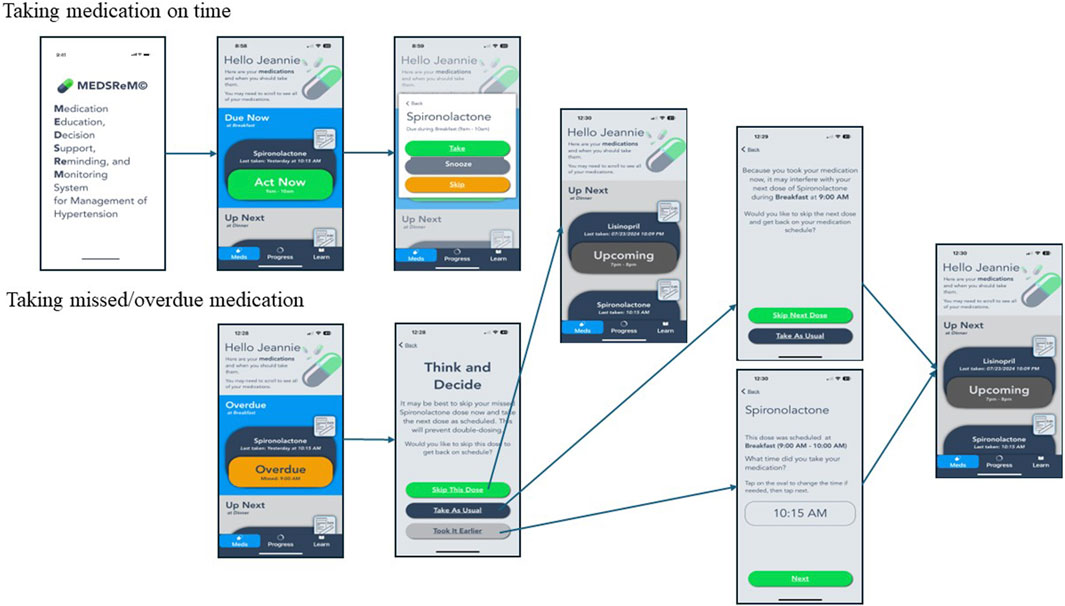
Figure 1. MEDSReM© app medication-taking and decision-support features.
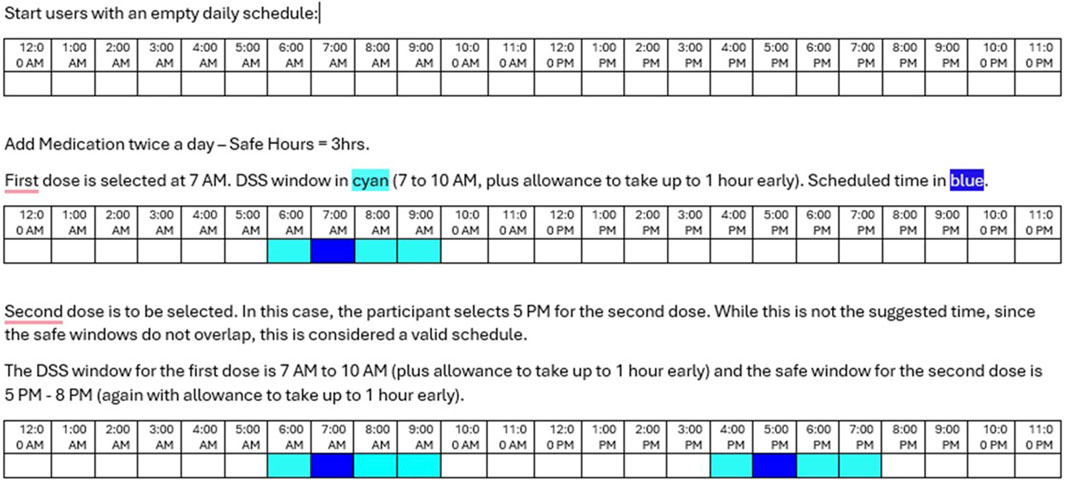
Figure 2. A scenario model of the MEDSReM© decision support scheduling (DSS) for coding.
Discussion
An interdisciplinary team created the hypertension medication formulary, decision support algorithm, and coding guide for the MEDSReM© system. To our knowledge, the MEDSReM© decision support algorithm is the first tool developed to help older patients with hypertension make decisions about their missed medication doses, even though there is an expanding market for mobile apps and smart medication adherence products for patient use at home (Park et al., 2019; Faisal et al., 2023). Because clinician information and patient instruction about actions to take for a missed medication dose are inconsistent, not medication-specific, and not age-specific for older adults, we developed the innovative decision support algorithm. This algorithm helps with decision-making about missed hypertension medication doses to improve self-management and potentially improve adherence in older patients.
By design, we made conservative estimates of the safe window hours considering the risks of double-dosing or overdosing in older people, and our peer reviewers agreed with this approach. Even though the MEDSReM© system was developed for those who can self-manage hypertension medications, the conservative estimates addressed the potential risk of frequent changes in health conditions among older adults compared with a younger population. A review and content analysis completed by a research team expressed their concern for the lack of involvement by healthcare providers in medication adherence app development (Ahmed et al., 2018). We found the same results in our initial reviews of existing smartphone apps targeting medication adherence. The MEDSReM© app, including the decision support component, was developed and peer-reviewed through interdisciplinary collaborations among diverse stakeholders involving healthcare experts from pharmacy, nursing, and medicine.
The decision support strategy for actions to be taken when a patient misses a hypertension medication dose was checked against provider and patient education materials. Using the two commercially available online databases with patient information about missed medication doses, Medsafe (Medicine Information, 2024) and Drugs & Medications A–Z (Drugs and Medications, 2024), we reviewed the information for each medication included in the MEDSReM© formulary. Some information was missing from the Medsafe resource, likely due to the differences in available prescription products between the U.S. and New Zealand. We developed a guide and worked closely with our technology partner on coding the decision support algorithm into the MEDSReM© app for seamless delivery and user selection of available options when their medication is overdue. Medication use case scenarios in the guide were formulated to assist with coding and options generated for users.
Overall, there is a lack of up-to-date literature and reliable evidence on educational strategies widely used by healthcare professionals to support decision-making by older patients who missed a medication dose. Similarly, it is unknown which educational strategies for decision-making on missed medication doses are effectively followed by patients. Both instructions for clinicians about advising patients and patient information on managing missed hypertension medication doses were inconsistently available, with most guidance not specific to individual medications. None were age-specific for older adults with hypertension. We found very few review articles that focused on strategies implemented by healthcare personnel to educate patients on medication administration, with only two studies targeting missed medication doses. Various instructions used by healthcare professionals about missed medications ranged from “If you miss one dose or if it is almost time for your next dose, skip the missed dose and continue with your normal schedule” to “Do not double up on doses you have missed” (Gilbert et al., 2002). A study found that although 81% of patients reported adhering to their proton pump inhibitor dosing schedule, the instructions provided by their physicians were frequently not consistent with the product labeling (Solem et al., 2003). This highlights the importance of addressing the prescriber knowledge gap to improve adherence and therapeutic outcomes.
Three studies revealed how some patients manage missed medications, although these studies were also not medication- or age-specific. When assessing patients’ understanding of medication instructions, researchers found that instructions that depicted frequency in hourly intervals (e.g., take one every 12 h) were most often misinterpreted. Time-of-day instructions (e.g., take one in the morning and evening) were better understood by patients compared with the time–frequency (e.g., take one twice a day) or hourly interval instructions (Davis et al., 2009). When asked about the use of blood pressure medications, most participants in a study denied missing a dose but said that they would skip the missed dose due to forgetting or a change in their daily routine and move on to the next scheduled dose; daily routine was considered important for medication adherence (Jolles et al., 2013). Another study found that most patients would skip their missed rheumatoid arthritis medication dose for fear of experiencing side effects from doubling up (Lorish et al., 1990). In the MEDSReM© app, medication-taking time is tied to a daily routine occurring around the same time each day (e.g., breakfast). For missed medication doses (outside the safe window), the decision support feature recommends users skip the missed medication dose and take the next scheduled dose. However, the decision to skip or take the medication is left to the user to allow for self-management and autonomy for our target population with normal age-associated cognitive function.
Limitations to creating a decision support algorithm were having limited information in the literature to draw from and available information being too vague for patient action. Similarly, information for providers to educate patients about missed medication decisions and related patient adherence outcomes was lacking. It was not feasible to test the algorithm for medication effectiveness and safety; however, hypertension medication effectiveness is evidenced by outcomes literature, and conservative estimates of safe windows were used for safety. The decision support algorithm is limited to hypertension medications and combination products, and there is no automated process to generate safe windows for any new hypertension medications or medications used in other conditions. Future research may develop an advanced process via artificial intelligence or machine learning to automate algorithm generation for decision support.
Through interdisciplinary collaboration with people with complementary expertise in pharmacology, cognitive aging, and technology development, we developed and implemented the hypertension medication formulary and decision support algorithm in the MEDSReM© system. It addresses the gap in instructions for missed medication doses by including time-specific and age-specific safe windows for taking the missed medication. Such a tool may be helpful for providers to use when teaching their patients about the safe window of time to take missed medications. Designed with older adult-centered information for older users with hypertension, the MEDSReM© decision support feature may assure older adults to optimize adherence and prevent harm from overdose.
Data availability statement
The original contributions presented in the study are included in the article/Supplementary Material; further inquiries can be directed to the corresponding author.
Author contributions
JL: conceptualization, data curation, funding acquisition, investigation, methodology, project administration, supervision, visualization, writing–original draft, and writing–review and editing. JN: data curation, project administration, validation, visualization, writing–original draft, and writing–review and editing. AA: data curation, investigation, validation, visualization, writing–original draft, and writing–review and editing. KI: conceptualization, funding acquisition, investigation, supervision, validation, writing–original draft, and writing–review and editing.
Funding
The author(s) declare that financial support was received for the research, authorship, and/or publication of this article. Research reported in this publication was supported by the National Institute of Nursing Research (NINR) of the National Institutes of Health (NIH) under award number R01NR018469. The content is solely the responsibility of the authors and does not necessarily represent the official views of the National Institutes of Health.
Acknowledgments
The authors would like to thank Wendy A. Rogers, Renato Ferreira Leitao Azevedo, and the Ephibian Team for helpful suggestions during the development of the MEDSReM© decision support algorithm and coding and Ariane Guthrie, Elizabeth Pae, Jennifer Stanislaw for literature searches and educational information searches.
Conflict of interest
The authors declare that the research was conducted in the absence of any commercial or financial relationships that could be construed as a potential conflict of interest.
Publisher’s note
All claims expressed in this article are solely those of the authors and do not necessarily represent those of their affiliated organizations, or those of the publisher, the editors and the reviewers. Any product that may be evaluated in this article, or claim that may be made by its manufacturer, is not guaranteed or endorsed by the publisher.
Supplementary material
The Supplementary Material for this article can be found online at: https://www.frontiersin.org/articles/10.3389/fdsfr.2025.1476998/full#supplementary-material
References
Agewall, S., and Kendall, M. (1997). Treatment with beta-blockers--the value of an even plasma concentration over 24 h. J. Clin. Pharm. Ther. 22 (3), 171–179. doi:10.1046/j.1365-2710.1997.8775087.x
Ahmed, I., Ahmad, N. S., Ali, S., Ali, S., George, A., Saleem Danish, H., et al. (2018). Medication adherence apps: review and content analysis. JMIR Mhealth Uhealth 6 (3), e62. doi:10.2196/mhealth.6432
Al-Saleh, S., Lee, J., Rogers, W., and Insel, K. (2024). Translation of a successful behavioral intervention to a digital therapeutic self-management system for older adults. Ergon. Des. 32 (2), 5–13. doi:10.1177/10648046211066409
American Geriatrics Society Beers Criteria (2019). American geriatrics society 2019 updated AGS Beers Criteria® for potentially inappropriate medication use in older adults. J. Am. Geriatr. Soc. 67 (4), 674–694. doi:10.1111/jgs.15767
Asmar, R., and Lacourcière, Y. (2000). A new approach to assessing antihypertensive therapy: effect of treatment on pulse pressure. Candesartan cilexetil in Hypertension Ambulatory Measurement of Blood Pressure (CHAMP) Study Investigators. J. Hypertens. 18 (11), 1683–1690. doi:10.1097/00004872-200018110-00022
Bianchetti, G., Billy, S., Ascalone, V., Saivin, S., Houin, G., and Rosenzweig, P. (1996). Multicenter studies on the pharmacokinetic profile of sustained-release oral diltiazem (300 mg) after once a day repeated administration: influence of age. Int. J. Clin. Pharmacol. Ther. 34 (5), 195–201.
PubMed Abstract PubMed Abstract PubMed Abstract | Google Scholar
CareNotes (2017). Micromedex. Ann Arbor, MI: Greenwood Village (CO): IBM Corporation. Available online at: https://www.micromedexsolutions.com.Subscriptionrequiredtoview (Accessed July 20, 2024).
Choo, P. W., Rand, C. S., Inui, T. S., Lee, M. L., Ma, C. C., and Platt, R. (2000). A pharmacodynamic assessment of the impact of antihypertensive non-adherence on blood pressure control. Pharmacoepidemiol Drug Saf. 9 (7), 557–563. doi:10.1002/pds.539
Cutler, D. M., and Everett, W. (2010). Thinking outside the pillbox--medication adherence as a priority for health care reform. N. Engl. J. Med. 362 (17), 1553–1555. doi:10.1056/NEJMp1002305
Davis, T. C., Federman, A. D., Bass, P. F., Jackson, R. H., Middlebrooks, M., Parker, R. M., et al. (2009). Improving patient understanding of prescription drug label instructions. J. Gen. Intern Med. 24 (1), 57–62. doi:10.1007/s11606-008-0833-4
de Leeuw, P. W., Fagard, R., and Kroon, A. A. (2017). The effects of missed doses of amlodipine and losartan on blood pressure in older hypertensive patients. Hypertens. Res. 40 (6), 568–572. doi:10.1038/hr.2016.190
Dimmitt, D. C., Bhargava, V. O., Arumugham, T., Eller, M., and Weir, S. J. (1998). Relative bioavailability of Cardizem CD and Tiazac controlled-release diltiazem dosage forms after single and multiple dosing in healthy volunteers. Am. J. Ther. 5 (3), 173–179. doi:10.1097/00045391-199805000-00008
Drugs, Z., and Medications, A. (2024). WebMD. New York (NY): WebMD, LLC. Available online at: https://www.webmd.com/drugs/2/index (Accessed July 20, 2024).
Düsing, R., Brunel, P., Baek, I., and Baschiera, F. (2013). Sustained blood pressure-lowering effect of aliskiren compared with telmisartan after a single missed dose. J. Clin. Hypertens. (Greenwich). 15 (1), 41–47. doi:10.1111/jch.12018
Elliott, H. L., Elawad, M., Wilkinson, R., and Singh, S. P. (2002). Persistence of antihypertensive efficacy after missed doses: comparison of amlodipine and nifedipine gastrointestinal therapeutic system. J. Hypertens. 20 (2), 333–338. doi:10.1097/00004872-200202000-00025
Faisal, S., Samoth, D., Aslam, Y., Patel, H., Park, S., Baby, B., et al. (2023). Key features of smart medication adherence products: updated scoping review. JMIR Aging 6, e50990. doi:10.2196/50990
Flack, J. M., Peters, R., Shafi, T., Alrefai, H., Nasser, S. A., and Crook, E. (2003). Prevention of hypertension and its complications: theoretical basis and guidelines for treatment. J. Am. Soc. Nephrol. 14 (7 Suppl. 2), S92–S98. doi:10.1097/01.asn.0000070142.14843.8e
Fourtillan, J. B., Ingrand, I., Decourt, J. P., Istin, B., and Girault, J. (1998). The kinetic profiles of amlodipine and of a sustained release form of diltiazem. Therapie 53 (2), 121–126.
PubMed Abstract PubMed Abstract PubMed Abstract | Google Scholar
Gilbert, A., Roughead, L., and Sansom, L. (2002). I've missed a dose; what should I do? Aust. Prescr. 25, 16–18. doi:10.18773/austprescr.2002.010
Gottesman, R. F., Schneider, A. L., Albert, M., Alonso, A., Bandeen-Roche, K., Coker, L., et al. (2014). Midlife hypertension and 20-year cognitive change: the atherosclerosis risk in communities neurocognitive study. JAMA Neurol. 71 (10), 1218–1227. doi:10.1001/jamaneurol.2014.1646
Gualtieri, L., Rigby, M., Wang, D., and Mann, E. (2024). Medication management strategies to support medication adherence: interview study with older adults. Interact. J. Med. Res. 13, e53513. doi:10.2196/53513
Hermida, R. C., Ayala, D. E., Khder, Y., and Calvo, C. (2008). Ambulatory blood pressure-lowering effects of valsartan and enalapril after a missed dose in previously untreated patients with hypertension: a prospective, randomized, open-label, blinded end-point trial. Clin. Ther. 30 (1), 108–120. doi:10.1016/j.clinthera.2008.01.012
Hu, D., Zhao, X., He, X., Tao, D., Wang, S., Wei, G., et al. (2001). Effect of “drug holiday” on blood pressure control: a randomized double-blind comparative trial of amlodipine versus felodipine extended release in Chinese patients with mild to moderate essential hypertension. Heart Drug 1, 77–82. doi:10.1159/000048941
Insel, K. C., Einstein, G. O., Morrow, D. G., and Hepworth, J. T. (2013). A multifaceted prospective memory intervention to improve medication adherence: design of a randomized control trial. Contemp. Clin. Trials 34 (1), 45–52. doi:10.1016/j.cct.2012.09.005
Insel, K. C., Einstein, G. O., Morrow, D. G., Koerner, K. M., and Hepworth, J. T. (2016). Multifaceted prospective memory intervention to improve medication adherence. J. Am. Geriatr. Soc. 64 (3), 561–568. doi:10.1111/jgs.14032
Johnson, B. F., and Whelton, A. (1994). A study design for comparing the effects of missing daily doses of antihypertensive drugs. Am. J. Ther. 1 (4), 260–267. doi:10.1097/00045391-199412000-00003
Jolles, E. P. P. R., Clark, A. M., and Braam, B. (2013). A qualitative study of patient perspectives about hypertension. Sch. Res. Notices. 2013, 1–10. Article ID 671691. doi:10.5402/2013/671691
Kabakci, G., Kaya, B. E., Tulumen, E., Kocabas, U., Abali, G., Deveci, O., et al. (2010). The efficacy and safety of irbesartan in primary hypertension even if a dose is missed: results from the no problem Study. Blood Press Suppl. 1, 5–9. doi:10.3109/08037050903444099
Kleindorfer, D. O., Towfighi, A., Chaturvedi, S., Cockroft, K. M., Gutierrez, J., Lombardi-Hill, D., et al. (2021). 2021 guideline for the prevention of stroke in patients with stroke and transient ischemic attack: a guideline from the American heart association/American stroke association. Stroke 52 (7), e364–e467. doi:10.1161/STR.0000000000000375
Lacourcière, Y., and Asmar, R. (1999). A comparison of the efficacy and duration of action of candesartan cilexetil and losartan as assessed by clinic and ambulatory blood pressure after a missed dose, in truly hypertensive patients: a placebo-controlled, forced titration study. Candesartan/Losartan study investigators. Am. J. Hypertens. 12 (12 Pt 1-2), 1181–1187. doi:10.1016/s0895-7061(99)00142-9
Leenen, F. H., Fourney, A., Notman, G., and Tanner, J. (1996). Persistence of anti-hypertensive effect after “missed doses” of calcium antagonist with long (amlodipine) vs short (diltiazem) elimination half-life. Br. J. Clin. Pharmacol. 41 (2), 83–88. doi:10.1111/j.1365-2125.1996.tb00164.x
Lexi-drugs (2024). Lexicomp online. Waltham (MA): UpToDate Inc. Available online at: http://online.lexi.com.Subscriptionrequiredtoview (Accessed January 6, 2024).
Lorish, C. D., Richards, B., and Brown, S. (1990). Perspective of the patient with rheumatoid arthritis on issues related to missed medication. Arthritis Care Res. 3 (2), 78–84. doi:10.1002/1529-0131(199006)3:2<78::aid-anr1790030205>3.0.co;2-v
Lücker, P., Moore, G., Wieselgren, I., Olofsson, B., and Bergstrand, R. (1990). Pharmacokinetic and pharmacodynamic comparison of metoprolol CR/ZOK once daily with conventional tablets once daily and in divided doses. J. Clin. Pharmacol. 30 (S2), S17–S27. doi:10.1002/j.1552-4604.1990.tb03491.x
Mancia, G., Dell’Oro, R., Turri, C., and Grassi, G. (1999). Comparison of angiotensin II receptor blockers: impact of missed doses of candesartan cilexetil and losartan in systemic hypertension. Am. J. Cardiol. 84 (10a), 28s–34s. doi:10.1016/s0002-9149(99)00731-6
Medicine Information (2024). Medsafe. Wellington, New Zealand: New Zealand Medicines and Medical Devices Safety Authority. Available online at: https://www.medsafe.govt.nz/Medicines/medicine-information.asp (Accessed July 20, 2024).
Micromedex (2017). Micromedex. Ann Arbor, MI: IBM Corporation. Available online at: https://www.micromedexsolutions.com (Accessed July 20, 2024).
Myers, M. G., and Leenen, F. H.General Practice Research Group (2006). Persistence of the antihypertensive effect of low-dose combination therapy in mild hypertension. Blood Press 15 (6), 325–332. doi:10.1080/08037050601037455
Newall, F., Monagle, P., and Johnston, L. (2005). Patient understanding of warfarin therapy: a review of education strategies. Hematology 10 (6), 437–442. doi:10.1080/10245330500276451
Nold, G., Strobel, G., and Lemmer, B. (1998). Morning versus evening amlodipine treatment: effect on circadian blood pressure profile in essential hypertensive patients. Blood Press Monit. 3 (1), 17–25.
PubMed Abstract PubMed Abstract PubMed Abstract | Google Scholar
Nussinovitch, N., Rosenberg, G., Peleg, E., and Rosenthal, T. (2002). A comparative crossover evaluation of amlodipine and nifedipine GITS before and after a missed dose: 48-h blood pressure profiles. Am. J. Hypertens. 15 (6), 580–582. doi:10.1016/s0895-7061(02)02924-2
Ongtengco, I., Morales, D., Sanderson, J., Lu, Z. R., Beilin, L. J., Burke, V., et al. (2002). Persistence of the antihypertensive efficacy of amlodipine and nifedipine GITS after two 'missed doses': a randomised, double-blind comparative trial in Asian patients. J. Hum. Hypertens. 16 (11), 805–813. doi:10.1038/sj.jhh.1001485
Osterberg, L., and Blaschke, T. (2005). Adherence to medication. N. Engl. J. Med. 353 (5), 487–497. doi:10.1056/NEJMra050100
Palatini, P., Jung, W., Shlyakhto, E., Botha, J., Bush, C., and Keefe, D. L. (2010). Maintenance of blood-pressure-lowering effect following a missed dose of aliskiren, irbesartan or ramipril: results of a randomized, double-blind study. J. Hum. Hypertens. 24 (2), 93–103. doi:10.1038/jhh.2009.38
Park, J. Y. E., Li, J., Howren, A., Tsao, N. W., and De Vera, M. (2019). Mobile phone apps targeting medication adherence: quality assessment and content analysis of user reviews. JMIR Mhealth Uhealth 7 (1), e11919. doi:10.2196/11919
Redon, J., and Pichler, G.Missed Dose Study Group (2016). Comparative study of the efficacy of olmesartan/amlodipine vs. Perindopril/amlodipine in peripheral and central blood pressure parameters after missed dose in type 2 diabetes. Am. J. Hypertens. 29 (9), 1055–1062. doi:10.1093/ajh/hpw033
Ribeiro, A. B., Mion, D., Marin, M. J., Majul, C., Botero, R., López, R., et al. (2007). Antihypertensive efficacy of amlodipine and losartan after two “missed” doses in patients with mild to moderate essential hypertension. J. Int. Med. Res. 35 (6), 762–772. doi:10.1177/147323000703500604
Smilde, J. G. (1997). A comparison of amlodipine and felodipine extended release in the treatment of hypertension at study state and after two missed doses. Curr. Ther. Res. 28 (3), 141–153. doi:10.1016/50011-393X(97)80009-4
Solem, C., Mody, R., Stephens, J., Macahilig, C., and Gao, X. (2014). Mealtime-related dosing directions for proton-pump inhibitors in gastroesophageal reflux disease: physician knowledge, patient adherence. J. Am. Pharm. Assoc. 54 (2), 144–153. doi:10.1331/JAPhA.2014.13117
Spanos, G., Kalaitzidis, R. G., Karasavvidou, D. P., Zikou, X., and Siamopoulos, K. C. (2014). Aliskiren in an alternate-day administration schedule in hypertensive albuminuric patients. Blood Press Monit. 19 (6), 359–365. doi:10.1097/MBP.0000000000000077
Tan, K. W., and Leenen, F. H. (1999). Persistence of anti-hypertensive effect after missed dose of perindopril. Br. J. Clin. Pharmacol. 48 (4), 628–630. doi:10.1046/j.1365-2125.1999.00055.x
Tomlinson, B., Woo, J., Thomas, G. N., Chau, Y. M., and Critchley, J. A. (2004). Randomized, controlled, parallel-group comparison of ambulatory and clinic blood pressure responses to amlodipine or enalapril during and after treatment in adult Chinese patients with hypertension. Clin. Ther. 26 (8), 1292–1304. doi:10.1016/s0149-2918(04)80145-0
Vaur, L., Dutrey-Dupagne, C., Boussac, J., Genes, N., Bouvier d'Yvoire, M., Elkik, F., et al. (1995). Differential effects of a missed dose of trandolapril and enalapril on blood pressure control in hypertensive patients. J. Cardiovasc Pharmacol. 26 (1), 127–131. doi:10.1097/00005344-199507000-00020
Viswanathan, M., Golin, C. E., Jones, C. D., Ashok, M., Blalock, S. J., Wines, R. C., et al. (2012). Interventions to improve adherence to self-administered medications for chronic diseases in the United States: a systematic review. Ann. Intern Med. 157 (11), 785–795. doi:10.7326/0003-4819-157-11-201212040-00538
Vrijens, B., Vincze, G., Kristanto, P., Urquhart, J., and Burnier, M. (2008). Adherence to prescribed antihypertensive drug treatments: longitudinal study of electronically compiled dosing histories. Bmj 336 (7653), 1114–1117. doi:10.1136/bmj.39553.670231.25
Walker, K. A., Sharrett, A. R., Wu, A., Schneider, A. L. C., Albert, M., Lutsey, P. L., et al. (2019). Association of midlife to late-life blood pressure patterns with incident dementia. Jama 322 (6), 535–545. doi:10.1001/jama.2019.10575
Whelton, P. K., Carey, R. M., Aronow, W. S., Casey, D. E., Collins, K. J., Dennison Himmelfarb, C., et al. (2017). 2017 ACC/AHA/AAPA/ABC/ACPM/AGS/APhA/ASH/ASPC/NMA/PCNA guideline for the prevention, detection, evaluation, and management of high blood pressure in adults: executive summary: a report of the American college of cardiology/American heart association task force on clinical practice guidelines. Circulation 138 (17), e426–e483. doi:10.1161/CIR.0000000000000597
White, W. B., Lacourciere, Y., and Davidai, G. (2004). Effects of the angiotensin II receptor blockers telmisartan versus valsartan on the circadian variation of blood pressure: impact on the early morning period. Am. J. Hypertens. 17 (4), 347–353. doi:10.1016/j.amjhyper.2004.02.016
Williamson, J. D., Supiano, M. A., Applegate, W. B., Berlowitz, D. R., Campbell, R. C., Chertow, G. M., et al. (2016). Intensive vs standard blood pressure control and cardiovascular disease outcomes in adults aged ≥75 Years: a randomized clinical trial. Jama 315 (24), 2673–2682. doi:10.1001/jama.2016.7050
Wright, J. T., Williamson, J. D., Whelton, P. K., Snyder, J. K., Sink, K. M., Rocco, M. V., et al. (2015). A randomized trial of intensive versus standard blood-pressure control. N. Engl. J. Med. 373 (22), 2103–2116. doi:10.1056/NEJMoa1511939
Zhang, W., Zhang, S., Deng, Y., Wu, S., Ren, J., Sun, G., et al. (2021). Trial of intensive blood-pressure control in older patients with hypertension. N. Engl. J. Med. 385 (14), 1268–1279. doi:10.1056/NEJMoa2111437
Keywords: decision support, medication adherence, hypertension, digital therapeutic, older adults, missed dose
Citation: Lee JK, Nicholas JS, Albadawi A and Insel KC (2025) Developing decision support algorithm for hypertension medications for use in a digital therapeutic system. Front. Drug Saf. Regul. 5:1476998. doi: 10.3389/fdsfr.2025.1476998
Received: 07 August 2024; Accepted: 17 February 2025;
Published: 13 March 2025.
Edited by:
Igor Diemberger, University of Bologna, ItalyReviewed by:
Guenka Ivanova Petrova, Medical University Sofia, BulgariaBidita Khandelwal, Sikkim Manipal University, India
Copyright © 2025 Lee, Nicholas, Albadawi and Insel. This is an open-access article distributed under the terms of the Creative Commons Attribution License (CC BY). The use, distribution or reproduction in other forums is permitted, provided the original author(s) and the copyright owner(s) are credited and that the original publication in this journal is cited, in accordance with accepted academic practice. No use, distribution or reproduction is permitted which does not comply with these terms.
*Correspondence: Jeannie K. Lee, amtsZWVAYXJpem9uYS5lZHU=
†ORCID: Kathleen C. Inset, orcid.org/000-0001-7620-9933