 Yuan Sui
 Michael Wisniewski
 Samir Droby
 Edoardo Piombo
 Xuehong Wu
 Junyang Yue
- 1Chongqing Key Laboratory of Economic Plant Biotechnology, Collaborative Innovation Center of Special Plant Industry in Chongqing, College of Forestry and Life Science, Institute of Special Plants, Chongqing University of Arts and Sciences, Yongchuan, China
- 2U.S. Department of Agriculture-Agricultural Research Service, Kearneysville, WV, United States
- 3Department of Postharvest Science, Agricultural Research Organization, Volcani Center, Bet Dagan, Israel
- 4Department of Agricultural, Forestry and Food Sciences, University of Turin, Turin, Italy
- 5Department of Plant Pathology, China Agricultural University, Beijing, China
- 6School of Food and Biological Engineering, Hefei University of Technology, Hefei, China
Candida oleophila is an effective biocontrol agent used to control post-harvest diseases of fruits and vegetables. C. oleophila I-182 was the active agent used in the first-generation yeast-based commercial product, Aspire®, for post-harvest disease management. Several action modes, like competition for nutrients and space, induction of pathogenesis-related genes in host tissues, and production of extracellular lytic enzymes, have been demonstrated for the biological control activity exhibited by C. oleophila through which it inhibits post-harvest pathogens. In the present study, the whole genome of C. oleophila I-182 was sequenced using PacBio and Illumina shotgun sequencing technologies, yielding an estimated genome size of 14.73 Mb. The genome size is similar in length to that of the model yeast strain Saccharomyces cerevisiae S288c. Based on the assembled genome, protein-coding sequences were identified and annotated. The predicted genes were further assigned with gene ontology terms and clustered in special functional groups. A comparative analysis of C. oleophila proteome with the proteomes of 11 representative yeasts revealed 2 unique and 124 expanded families of proteins in C. oleophila. Availability of the genome sequence will facilitate a better understanding the properties of biocontrol yeasts at the molecular level.
Introduction
The use of biocontrol yeasts to manage post-harvest diseases of fruits and vegetables has been actively investigated (Droby et al., 2016; Wisniewski et al., 2016; Contarino et al., 2019). Among the antagonistic yeasts, Candida oleophila has been reported to be an effective biocontrol agent against several post-harvest pathogens that cause decay in a variety of fruits, including apple (El-Neshawy and Wilson, 1997), grapefruit (Droby et al., 2002), kiwifruit (Wang et al., 2018), banana (Bastiaanse et al., 2010), and pear (Nie et al., 2019). C. oleophila I-182 was the active agent in the first yeast-based commercialproduct, Aspire®, for the management of post-harvest diseases (Droby et al., 1998). Although the product is no longer available, another strain, C. oleophila strain O, has since been used to develop a new post-harvest biocontrol product, Nexy® (Massart and Jijakli, 2014). Several modes of action for the biocontrol activity of C. oleophila I-182 have been demonstrated, including competition for nutrients and space (El-Neshawy and Wilson, 1997), induction of pathogenesis-related genes and proteins (Droby et al., 2002; Liu et al., 2013), oxidative stress tolerance (Wang et al., 2018), production of extracellular lytic enzymes (Bar-Shimon et al., 2004) and superoxide anion production (Macarisin et al., 2010). Additionally, a suppressive-subtractive hybridization (SSH) cDNA library that identified several antioxidant genes associated with biocontrol activity and stress tolerance in C. oleophila I-182 was also constructed (Liu et al., 2012). Information on its genome sequence, assembly, and annotation, however, is currently lacking.
The genome sequences of two biocontrol yeasts Metschnikowia fructicola (strains 277 and AP47) (Piombo et al., 2018), and a plant growth-promoting endophytic yeast, Rhodotorula graminis (strain WP1) (Firrincieli et al., 2015) have been previously reported. Genome sequence information is a valuable reference for determining the sequences of putative “biocontrol/growth-promoting related” genes in different species of yeasts, characterizing gene clusters with known and unknown functions, as well as for identifying global changes in the expression of gene networks rather than just specific, targeted genes. A full genome sequence also enables one to conduct comparative genomic analyses among closely related yeast species that do not exhibit biocontrol properties (Massart et al., 2015).
In the present study, the whole genome of C. oleophila strain I-182 was sequenced and assembled using a combination of both PacBio and Illumina sequencing platforms. Results indicate that the size of the C. oleophila genome is approximately 14.13 Mb and contains 5,615 protein-encoding genes. The genome sequence, assembly, and annotation can be used to further elucidate the molecular mechanism underlying the biocontrol activity of yeast antagonists against several higher fungi responsible for causing decay in harvested fruits and vegetables.
Materials and Methods
Sample Collection and Cell Culture
The type-culture of the biocontrol yeast, C. oleophila I-182 (ATCC® MYA-1208TM), originally isolated from the surface of tomato fruit (Wilson et al., 1993), was grown in a yeast-peptone-dextrose (YPD) broth (10 g of yeast extract, 20 g of peptone, and 20 g of dextrose in 1 L of distilled water). Twenty milliliters of YPD broth was placed in 50-mL conical flasks and inoculated with C. oleophila at an initial concentration of 105 cells/mL. Yeast cultures were incubated at 25°C for 48 h at 200 r.p.m. The yeast cells were pelleted by centrifugation at 8,000 g for 2 min, and subsequently washed three times with sterile distilled water to remove any residual medium. Approximately, 2 g (fresh weight) of yeast cells were used for DNA extraction as described below.
DNA Extraction and Genome Sequencing
PacBio sequencing-genomic DNA of C. oleophila was prepared as previously described (Pirone-Davies et al., 2015). High molecular weight (HMW) genomic DNA was extracted and sheared into fragments approximately 20 kb in size using g-Tubes (Covaris, Inc., Woburn, MA, United States) according to the manufacturer’s instructions. The fragment ends were subsequently repaired and ligated with the connector of a hairpin structure to form a dumbbell structure called SMRTbell. The SMRTbell library was constructed using a DNA Template Prep Kit 1.0 and the 20-kb insert library protocol (Pacific Biosciences, Menlo Park, CA, United States). Size selection was performed with BluePippin (Sage Science, Beverly, MA, United States). The resulting library was sequenced using P6/C4 chemistry on a PacBio® RS II Sequencer System (Pacific Biosciences), with a 240-min collection protocol along with stage start.
For next-generation sequencing (NGS), genomic DNA was extracted and fragmented into random sizes using CovarisTM S2 (Covaris, Inc.). The overhangs generated from fragmentation were converted into blunt ends using Illumina’s Genomic DNA Sample Preparation kit (Illumina, San Diego, CA, United States). After adding an ‘A’ base to the 3′ end of the blunt phosphorylated DNA fragments, adapters were ligated to the ends of the DNA fragments. The desired DNA fragments were selected by gel-electrophoresis and amplified by PCR. Two, paired-end Illumina libraries with insert sizes of 300 and 10,000 bp were prepared and subsequently sequenced on an Illumina HiSeq 2500 system (Illumina).
Genome Assembly and Error Correction
Prior to genome assembly, the size of the genome, degree of heterozygosity and the level of gene duplication were estimated by k-mer analysis using GenomeScope (Vurture et al., 2017). The genome was assembled using a de novo approach. Illumina reads of different insert size were first trimmed with Trimmomatic v. 0.36 to remove low quality reads (Bolger et al., 2014). Sequence data obtained from the PacBio long-read sequencing were analyzed using the SMRT Link pipeline version 5.1.0 and the HGAP program version 3.0 (Chin et al., 2013). In the HGAP protocol, the parameters of minimum sub-read length cutoff and target coverage were set at 5,000 kb and 20X, respectively. The obtained contigs were corrected and assembled using Canu version 1.7 (Koren et al., 2017). Finally, the assembly was polished using the Quiver tool (Chin et al., 2013) and further corrected using the high-quality, cleaned Illumina reads and Pilon version 1.22 (Walker et al., 2014).
Genome Annotation
After obtaining the assembled genome, the distribution of functional elements was primarily annotated using homology-based predictions. The repeat-masked genome sequences were identified by RepeatMasker (Saha et al., 2008), and protein-coding genes were predicted by GeneScan (Burge and Karlin, 1997). A homologous sequence search was performed through alignment with the yeast S288c genome downloaded from Saccharomyces genome database (SGD1) using the BLASTN program with an E-value cutoff 1e-5. Annotation of the predicted genes was performed by querying against a number of nucleotide and protein databases, including non-redundant (nr), Swiss-Prot, TrEMBL, KEGG, COG, P450, VFDB, ARDB, TF, CAZY, PHI, IPR, and T3SS (E-value = 1e-5). Gene ontology (GO) terms were assigned to the annotated genes using the Blast2GO pipeline (Ashburner et al., 2000). Conserved domains within the predicted protein sequences of C. oleophila were identified by comparison against datasets from the Pfamand InterPro databases. Secondary metabolite clusters were predicted using the antiSMASH tool (Weber et al., 2015). Non-coding RNAs were also identified using the Infernal tool (Nawrocki and Eddy, 2013). To ensure the biological relevance, the results with the highest quality alignment were selected and retained for the annotation of all of the identified genes.
Gene Family Identification and Genome Evolution
The OrthoFinder package ver. 2.2.7 (Emms and Kelly, 2015) was used to identify and compare gene families present in C. oleophila I-182 and 11 other representative yeast species, including Candida maltosa Xu316, Candida tenuis ATCC 10573, Debaryomyces hansenii CBS 767, Lachancea thermotolerans CBS 6340, M. fructicola CBS 8853, Pichia kudriavzevii str. 129, Pichia membranifaciens NRRL Y-2026, Saccharomyces cerevisiae S288c R64-1-1, Tetrapisispora phaffii CBS 4417, Torulaspora delbrueckii CBS 1146, and Wickerhamomyces anomalus NRRL Y-366-8. The protein sequences of these species were downloaded from the EnsemblFungi database2. Species-specific proteins, as well as their protein families, were determined based on their presence or absence in a given species. The dynamic evolution (expansion and contraction) of orthologous protein families was explored with Computational Analysis of gene Family Evolution (Café 3.1) (de Bie et al., 2006) using probabilistic graphical models. Evolutionary relationships among the 12 examined yeast species were resolved with the Randomized Accelerated Maximum Likelihood package (RAxMLversion 8) (Stamatakis, 2006) using 538 single-copy and high-quality orthologous members. The generated phylogenetic tree was visualized using MEGA version 10 (Kumar et al., 2018).
Results and Discussion
Sequence Data
The availability of the whole genome sequence of microbial biocontrol agents will facilitate a more comprehensive understanding of the mode of action at a molecular level (Druzhinina et al., 2011). In the present study, an assembly of the genome of C. oleophila I-182 was achieved by combining the long but relatively low-quality PacBio reads, with the shorter but higher quality Illumina reads using a complex approach. As a result, a high-quality genome sequence of C. oleophila I-182 was constructed. The assembled gapless and near-complete genome is equivalent in length to that of the model yeast species, S. cerevisiae S288c (∼12.2 Mb3), but much less than the size of another biocontrol species M. fructicola (∼26 Mb; Piombo et al., 2018). Three SMRT cells were constructed and sequenced on the PacBio RS II Sequencer providing up to 1,516 Mb of sequence data. A total of 103,064 reads with a mean and median length of 14,713 and 21,808 bp, respectively were generated. Illumina sequencing technology of two paired-end Illumina libraries with insert sizes of 300 and 10,000 bp was also utilized producing a total of862 and 1,259 Mb of raw sequence data for the small and large fragments, respectively comprising 5,749,278 and 8,397,144 reads respectively. After removal of the adaptor sequences and filtering out low quality reads, approximately 741 and 699 Mb high-quality cleaned sequences were obtained for the small and large fragments (Table 1). The raw sequencing data have been deposited at the Sequence Read Archive of NCBI database, under the accession number PRJNA5114094.
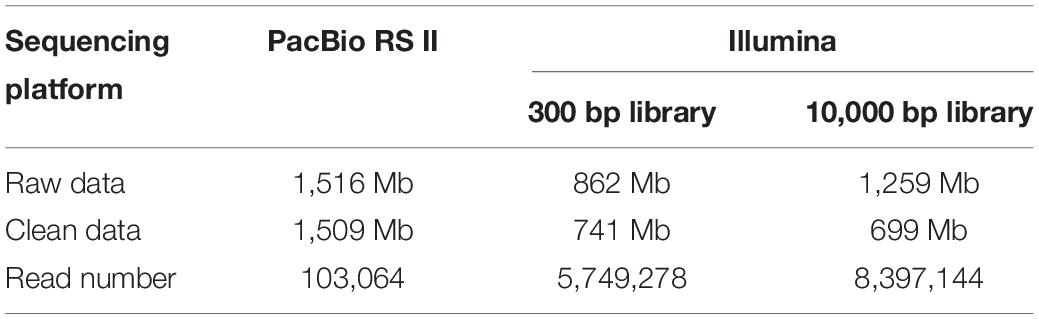
Table 1. Summary of the sequencing data obtained with PacBio and Illumina technology and used for the genome assembly of C. oleophila I-182.
Genome Size and Assembly
A k-mer analysis of the sequence data indicated that the estimated size of the C. oleophila genome was 14.73 Mb. Thus, the clean data generated from the PacBio and Illumina sequencing platforms represented 107 × and 101 × coverage of the genome, respectively.
The clean, high-quality sequences from each platform were first independently assembled and optimized after multiple adjustments. The two assemblies were then merged to improve contiguity using the Quickmerge tool (Chakraborty et al., 2016). This resulted in the construction of a high-quality genome consisting of 10 contigs with an N50 of 1,848,245 bp. The resulting contigs were then further assembled into 8 scaffolds by mapping the genome against the yeast S288c reference genome (SGD5). Thefinal size of the C. oleophila genome in the released version was 14.13 Mb. Details of the genome assembly statistics are presented in Table 2.
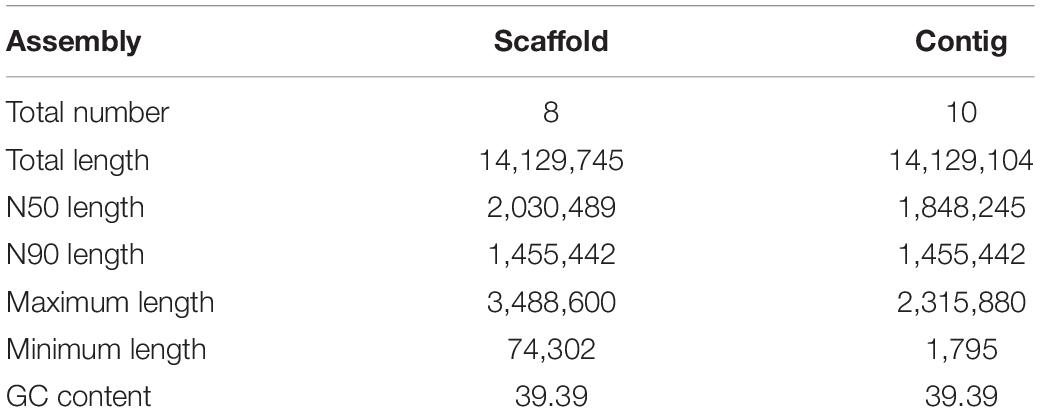
Table 2. The details of genome assembly statistics for C. oleophila.
Gene Prediction and Annotation
Functional genes were predicted based on homologous sequence searching. As a result, 5,615 protein-encoding genes with 8,004 exons were identified. The average length of these gene sequences is 1,683 bp, and the average number of exons per gene is 1.43. Of the 5,615 genes identified in the C. oleophila genome, 4,779, 2,839, 3,162, 3,745, and 727 were aligned to the nr, Swiss-Prot, KEGG, GO, and COG databases, respectively, using an E-value cutoff of 1e-5. The statistics regarding gene annotation from the P450, VFDB, ARDB, TF, TrEMBL, CAZY, PHI, IPR, and T3SS databases are also listed in Table 3. After eliminating the redundancy of genes listed in different databases, a total of 5,356 genes were annotated at least once, covering up to 95.39% of the identified gene sequences.
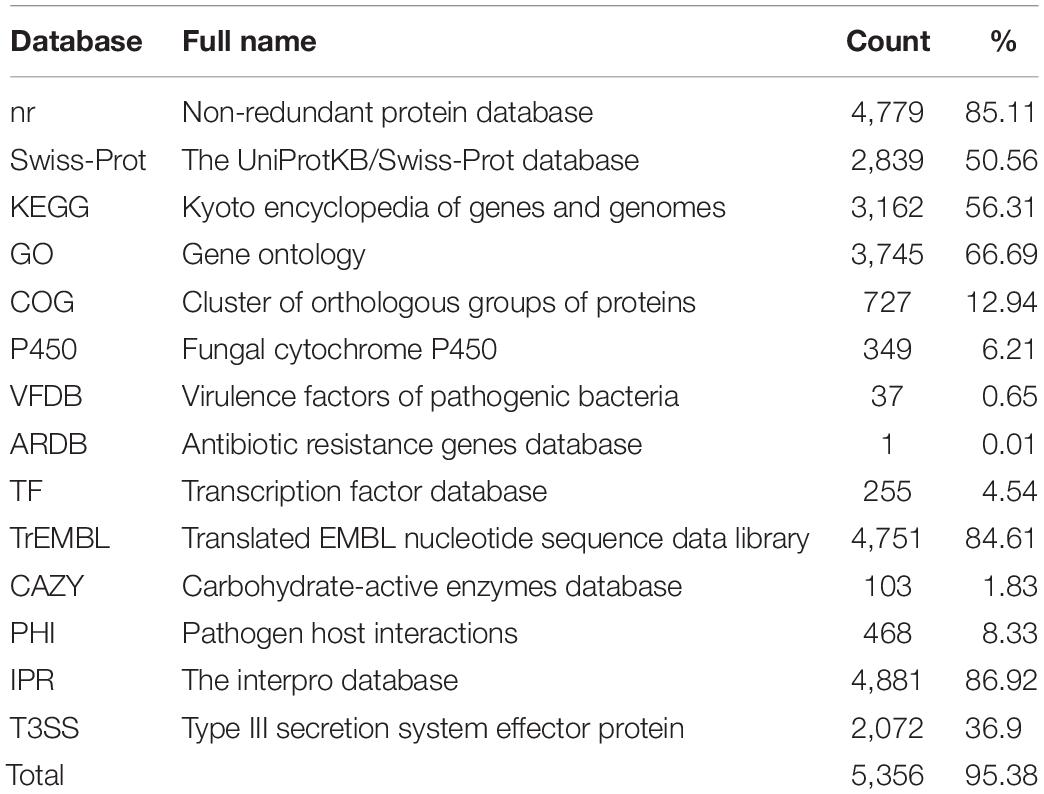
Table 3. Annotation of the predicted genes using a variety of databases.
A total of 4,779 of the annotated genes were present in the nr database, accounting for approximately 89.23% of the total number of annotated genes. A statistical analysis of the distributed E-value revealed that 83.89% of the mapped sequences have strong homologies (E-value < 1e-80) to sequences available in the nr database (Figure 1A). The species distribution of the top BLAST hits for the best alignment in the nr database is presented in Figure 1B. The species with the highest percentage of homologous genes were D. hansenii CBS767 (29.65%), Debaryomyces fabryi (28.75%), Scheffersomyces stipitis CBS 6054 (11.84%), Meyerozyma guilliermondii ATCC 6260 (6.32%), Millerozyma farinosa CBS 7064 (3.98%), Clavispora lusitaniae ATCC 42720 (2.43%), Spathaspora passalidarum NRRL Y-27907 (2.41%), C. tenuis ATCC 10573 (1.84%), C. maltosa Xu316 (1.36%), and Candida auris (1.34%).
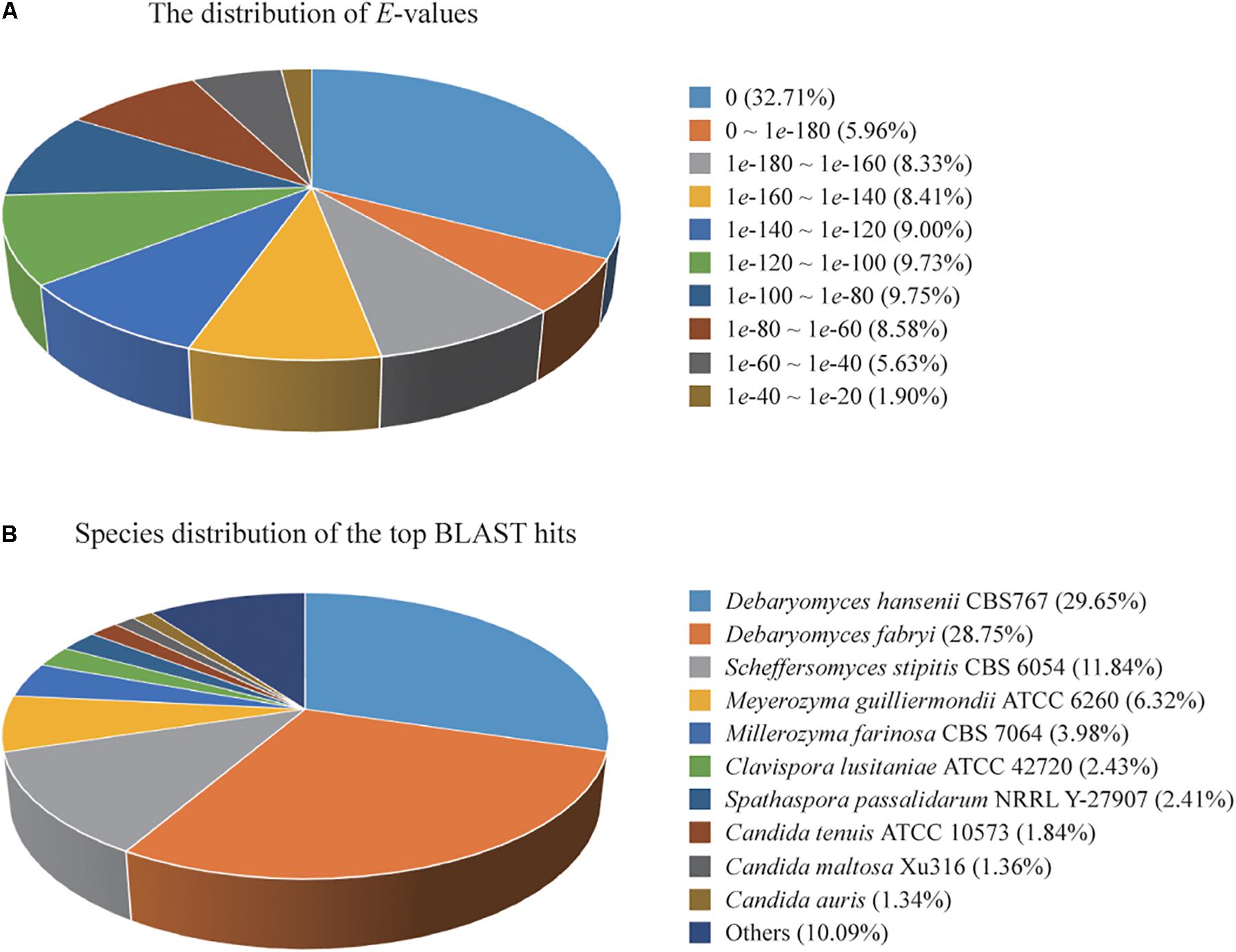
Figure 1. (A) Percent distribution of E-value from the alignment of Candida oleophila predicted genes with available sequences in the nr database. (B) Species distribution of the top BLAST hits for the best alignment of C. oleophila predicted genes against the nr database.
Homologies within the Swiss-Prot database were also assessed by manual curation, consequently representing high quality and accuracy. As a result, 2,839 genes were identified and annotated within the Swiss-Prot database, all of which had also been identified and annotated within the nr database. Additionally, 3,162 and 727 genes were mapped to 372 KEGG pathways and 21 COG categories, respectively. The KEGG pathways for ‘metabolic pathways’ represented the largest group, followed by ‘biosynthesis of secondary metabolites,’ ‘biosynthesis of antibiotics,’ ‘microbial metabolism in diverse environments,’ and ‘biosynthesis of amino acids’ (Supplementary Table S1). The categories of genes most frequently mapped to the21 COG categories, included ‘translation, ribosomal structure, and biogenesis,’ ‘amino acid transport and metabolism,’ ‘energy production and conversion,’ ‘post-translational modification, protein turnover, chaperones,’ and ‘carbohydrate transport and metabolism’ (Figure 2).
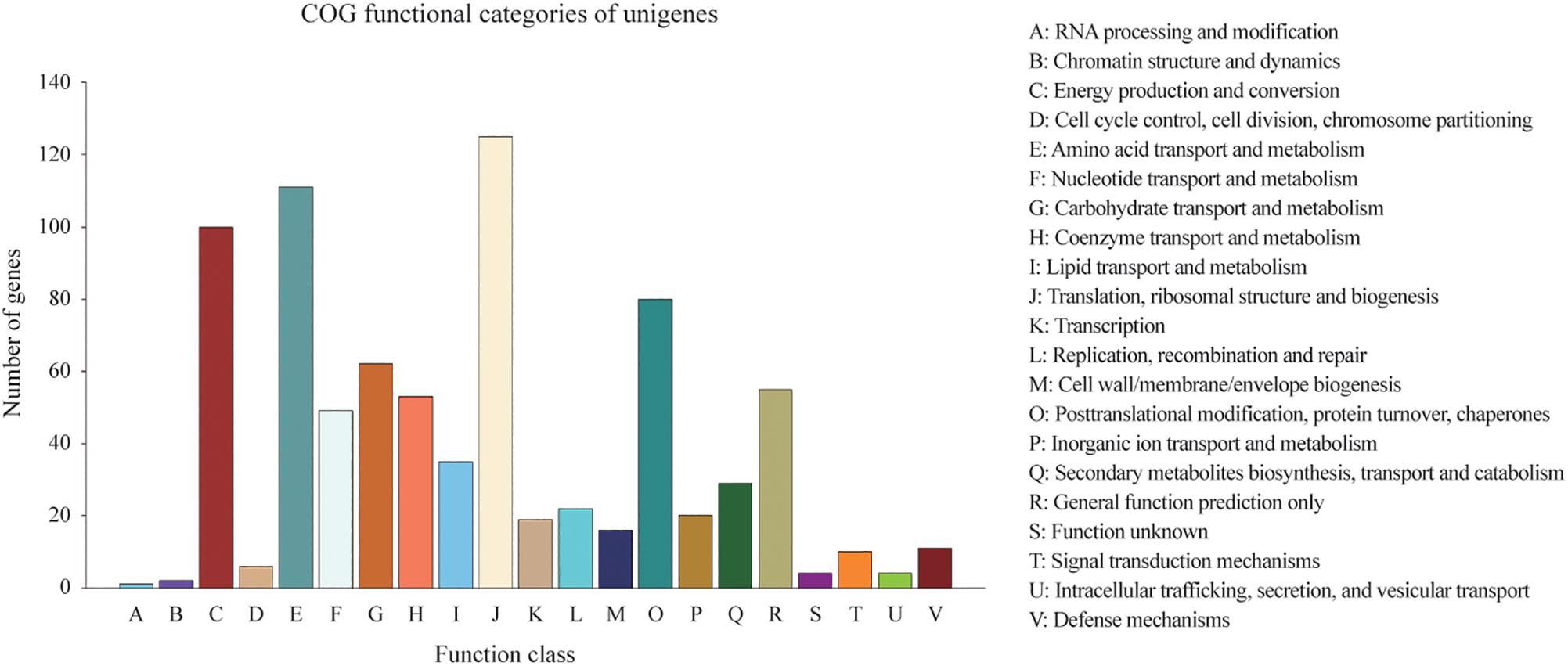
Figure 2. Distribution of 727 predicted genes in C. oleophila and 21 different COG functional categories.
A total of 3,745 genes could be assigned to at least one GO category using the Blast2GO pipeline. Among them, 2,618 genes were classified in the biological process category, 1,400 genes were classified in the cellular component category, and 3,152 genes were classified in the molecular function category. A total of 44 functional GO terms were annotated (Figure 3). For each of the three main categories, the dominant GO terms were ‘metabolic process’ (in ‘biological process’), ‘cell or cell part’ (in ‘cellular component’) and ‘binding’ (in ‘molecular function’). In contrast, relatively few genes representing ‘locomotion’ (in ‘biological process’), ‘nucleoid’ (in ‘cellular component’) and ‘molecular carrier activity’ (in ‘molecular function’) were identified.
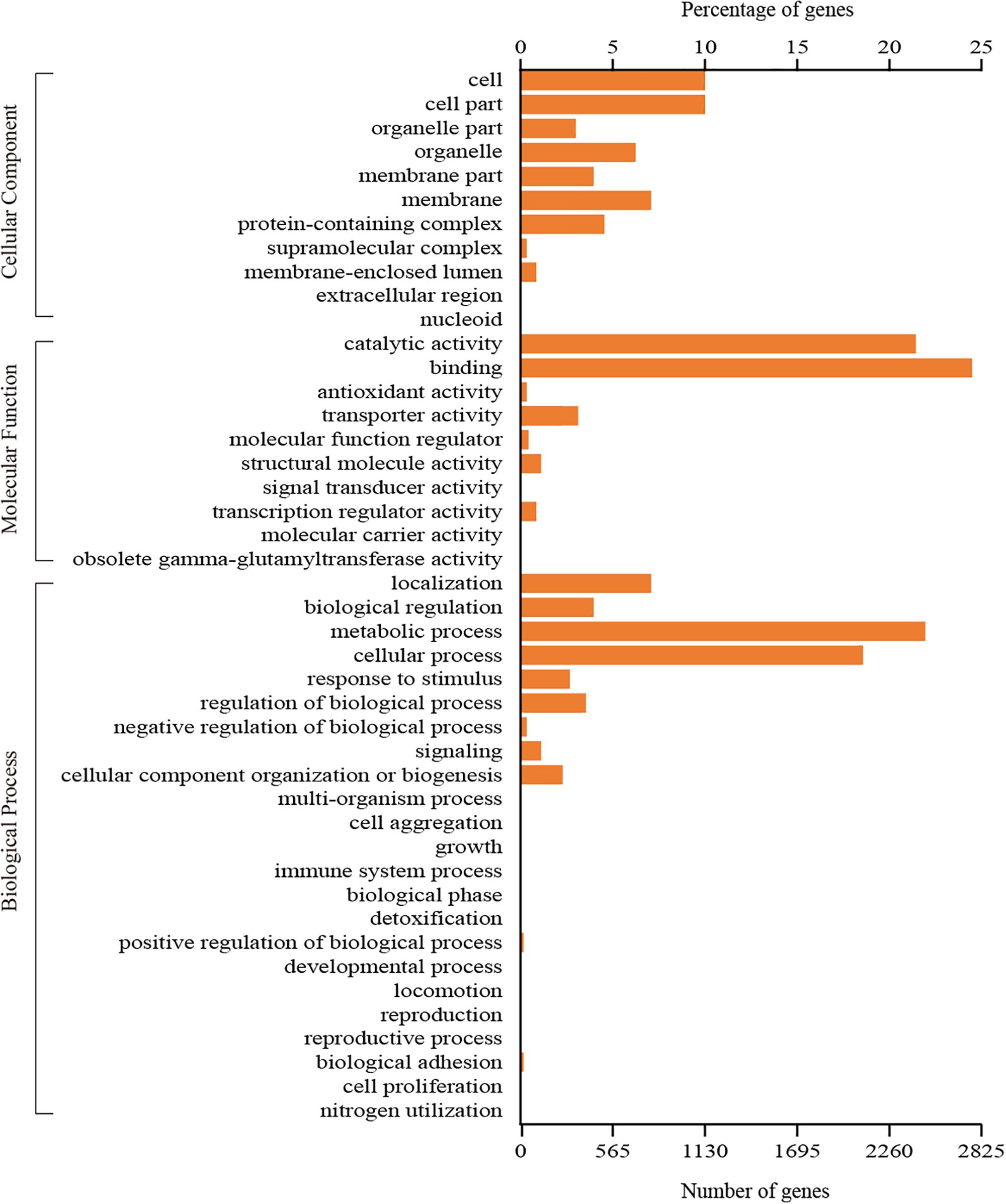
Figure 3. GO classification of all the identified genes in C. oleophila was summarized as three main categories: biological process, molecular function and cellular component.
In addition to protein-encoding genes, non-coding sequences are also involved in many cellular processes. In the present study, rRNA, tRNA, sRNA, snRNA, and miRNA sequences present in C. oleophila were identified using the Infernal tool (Nawrocki and Eddy, 2013). The statistics of their copy number and sequence length is shown in Table 4. Additionally, a total of 431.35 kb repeat sequences were also identified in the genome of C. oleophila by RepeatMasker (Saha et al., 2008).
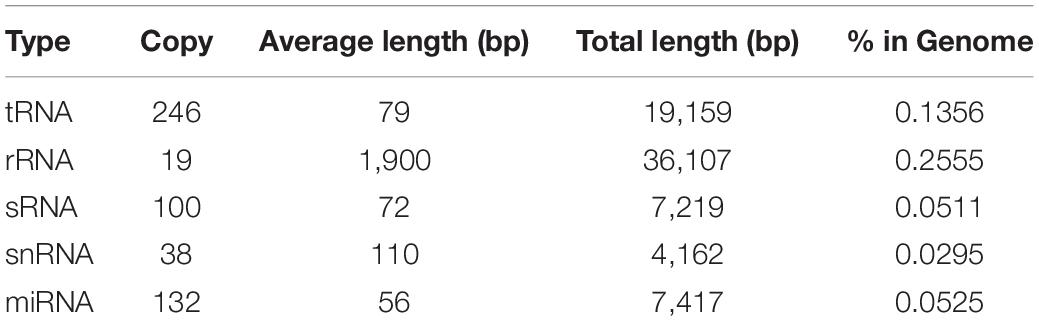
Table 4. Statistics of different types of ncRNA in the C. oleophila genome.
The high integrity of the assembled genome enabled the identification and annotation of a large number of protein-coding genes through the use of multiple annotation approaches. A comparison of annotated genes between I-182 and S288c revealed a number of variations in protein-coding genes, which could be relevant to functional properties and gene evolution in C. oleophila.
Gene Families and Evolution
To explore the genomic basis of species adaptation during evolution, the identified proteome of C. oleophila was compared to the proteome of 11 other representative yeasts. The yeast species were selected based on their use as a model organism (S. cerevisiae) or because of their reported use as a biocontrol agent against a variety of plant diseases. The latter includes C. maltosa, C. tenuis, D. hansenii, L. thermotolerans, M. fructicola, P. kudriavzevii, P. membranifaciens, T. delbrueckii, T. phaffii, and W. anomalus. The analysis identified a total of 6,383 orthologous protein families comprising 66,461 proteins. The comparison further identified 36,833 proteins belonging to 2,529 families that were shared among all 12 yeasts, representing a core set of ancestral clusters. In contrast, 229 proteins belonging to two different families were found to be specific to C. oleophila, suggesting that they may play a unique biological function or have a specific phytochemical property within this species (Figure 4). Functional enrichment analysis based on the GO annotation revealed that the specific proteins in C. oleophila tended to possess NADH dehydrogenase (ubiquinone) activity (GO:0008137) and glutathione peroxidase activity (GO:0004602) (Supplementary Table S2).
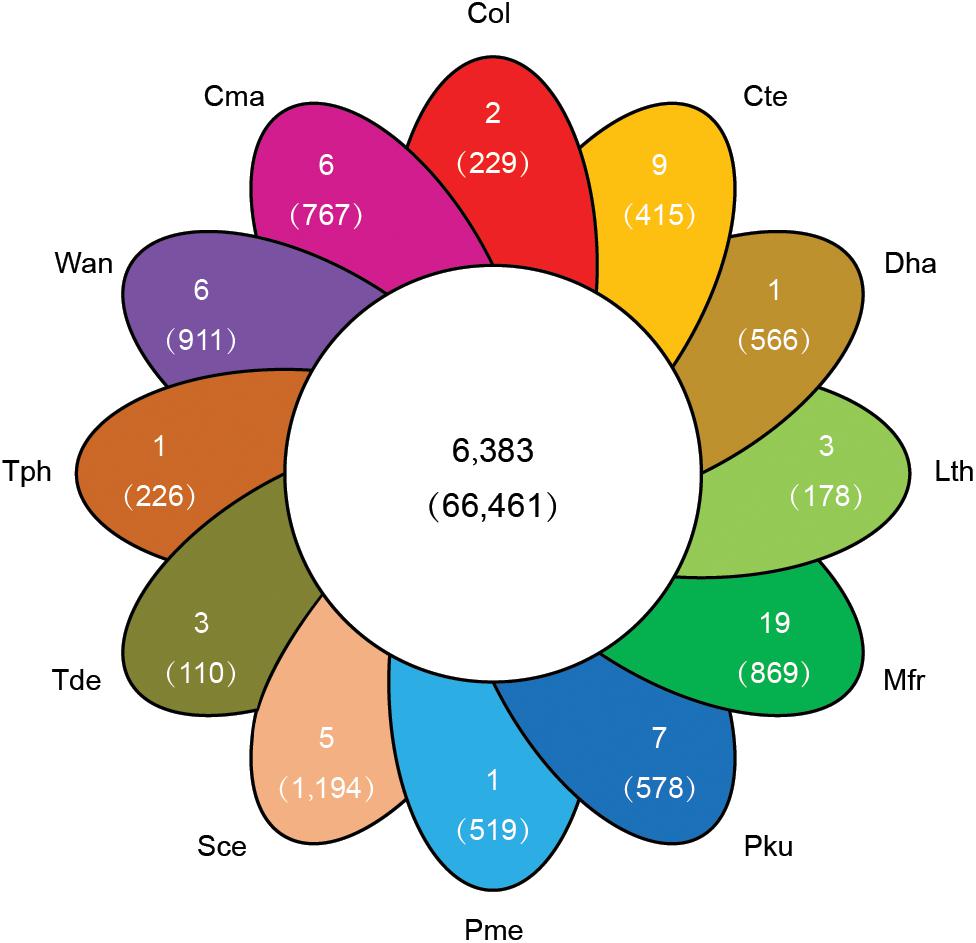
Figure 4. Venn diagram indicating the number of shared and specific gene families among C. oleophila and 11 other representative yeast species. The number in the middle white circle indicates the number of shared families (no parentheses) and the number of shared genes (parentheses). In each of the colored section the number of unique gene families (no parentheses) is indicated and the number of genes within the species-specific families (parentheses) is indicated. Three-letter acronym for the abbreviation of each species.
The expansion and contraction of gene families in yeast species are crucial driving forces of lineage splitting and physiological diversification (Papp et al., 2003). Therefore, gene families that had experienced discernible changes and adaptive evolution along divergent branches were characterized. Particular emphasis was placed on C. oleophila as representing a biocontrol agent. A phylogenetic analysis was also performed to discern the evolutionary relationships among multiple species. Results indicated that among the 6,383 gene families inferred to be present in the most recent common ancestor (MRCA) of the 12 examined species of yeasts, 124 families were expanded in C. oleophila (Figure 5). GO annotation of 346 genes from 69 families with significant expansions (P < 0.05) revealed that they were primarily enriched in functional categories related to cell adhesion (in ‘biological process’) and coenzyme binding (in ‘molecular function’), which provided interesting information on the metabolic network architecture in this species (Supplementary Table S3).
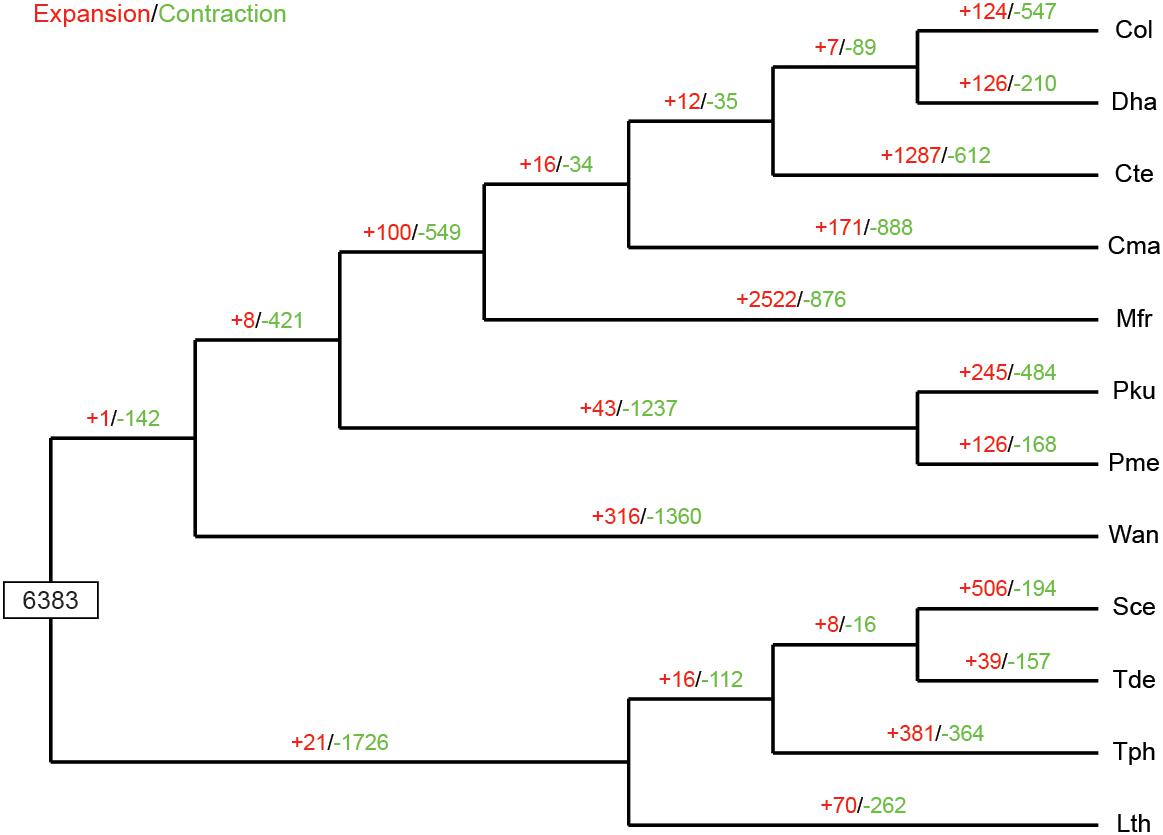
Figure 5. Expansion and contraction of gene families among the 12 yeast species. Phylogenetic tree was constructed based on 538 high-quality 1:1 single-copy orthologous genes. The numerical values on each branch of the tree represent gene families undergoing gain (red) or loss (green) events. Gene families predicted in the most recent common ancestor (MRCA) was 6,383. Three-letter acronym for the abbreviation of each species name.
Functional analysis of the specific and expanded gene families could potentially provide important information on the biocontrol mechanisms of C. oleophila. For example, yeast biofilms formed by the secretion of a extracellular matrix that provides protection and helps yeast adhere to the surface of host cells and tissues will directly influence environmental persistence and attachment capability, and ultimately biocontrol activity (Freimoser et al., 2019). In addition, enzymes involved in the antioxidant system of yeast, such as glutathione peroxidase, catalase, and superoxide dismutase, have been reported to be associated with biocontrol efficacy in C. oleophila (Liu et al., 2012), as well as several other yeast, including Cystofilobasidium infirmominiatum (Liu et al., 2011), and Pichia caribbica (Li et al., 2014).
Enzymes Involved in Carbohydrate Metabolism
The cell walls of vascular plant hosts consist of a complex network of carbohydrate components, including cellulose, hemicellulose, and pectin. These carbohydrates have the potential to be catalyzed into oligomers and simple monomers that can be used as nutrients by microbes (Cantarel et al., 2009). Bacteria and fungi have evolved a variety of carbohydrate-active enzymes (CAZymes) in response to their interaction with their plant hosts (Kolton et al., 2013). Our analysis indicates that C. oleophila encodes 103 genes representing CAZymes. These include54 polysaccharide lyases (PLs), 37 glycosyl transferase (GTs), 1 glycoside hydrolases (GHs), 5 carbohydrate esterases (CEs), and 5 carbohydrate-binding modules (CBMs). All of the identified CAZymes have the potential to be involved in the degradation of the cell walls, which is an important attribute of yeasts as biocontrol agents against fungal pathogens. For instance, CoEXG1, which encodes a secreted 1,3-β-glucanase in C. oleophila I-182, was cloned, and its role in biocontrol was characterized (Segal et al., 2002; Yehuda et al., 2003; Bar-Shimon et al., 2004). Other antagonistic fungi, such as Aureobasidium pullulans JYC1291, Galactomyces candidum JYC1146, and Trichoderma harzianum CECT 2413, produce and secrete different types of CAZymes, that play an important functional role in the degradation of the cell wall of fungal pathogens (Ait-Lahsen et al., 2001; Chen et al., 2018). Whether the CAZymes produced by biocontrol agents have a detrimental effect on host tissues, however, has not been explored. Notably, there are no existing reports of selected biocontrol yeast species causing infection in the hosts they protect or related hosts, although admittedly, comprehensive studies have not been conducted.
Secondary Metabolite Clusters
Secondary metabolites play an important role in the cell viability of yeasts, including biocontrol yeasts such as W. anomalus, Metschnikowia pulcherrima, Aureobasidium pullulans, and Saccharomyces cerevisiae (Abdel-Kareem et al., 2019; Contarino et al., 2019). The prediction and annotation of protein-encoding genes in this study revealed that the genome of C. oleophila encodes a series of secondary metabolite genes. Among them, two distinct secondary metabolite clusters were identified using the antiSMASH online tool, a non-ribosomal peptide synthetase (NRPS)-like cluster and a terpenecluster. The NRPS-like and terpene clusters were composed of 18 and 9 functional genes, respectively (Figure 6). NRPS-like proteins are key enzymes in microorganisms that function in the assembly of peptide backbones of biologically-active natural products (Hühner et al., 2018). Terpenoids comprise a variety of compounds serving different functions in yeasts. For example, they facilitate attachment of proteins to membranes by thioether bonds in the form of prenyl-anchors (Wriessnegger and Pichler, 2013; Santiago-Tirado and Doering, 2016). The classification of various terpene synthases and their catalytic mechanisms have been recently reviewed (Gao et al., 2012). The antimicrobial activity of most terpenoids is linked to their functional groups, and it has been shown that the hydroxyl group of phenolic terpenoids and the presence of delocalized electrons are important for antimicrobial activity (Hyldgaard et al., 2012). For instance, a putative terpene cyclase, vir4, has been reported to be responsible for the biosynthesis of volatile terpene compounds in the biocontrol fugus, Trichoderma virens, thus contributing to its biocontrol efficacy (Crutcher et al., 2013). In the present study, we assume that the NRPS-like and terpene clusters within C. oleophila may play a role in their ability to attach to fungal and plant cell walls directly affecting its biocontrol efficacy. The ability of the biocontrol yeasts, Pichia guilliermondii and Rhodotorula glutinis, to attach to and parasitize the post-harvest pathogen Botrytis cinerea has also been reported (Wisniewski et al., 1991; Li et al., 2016).
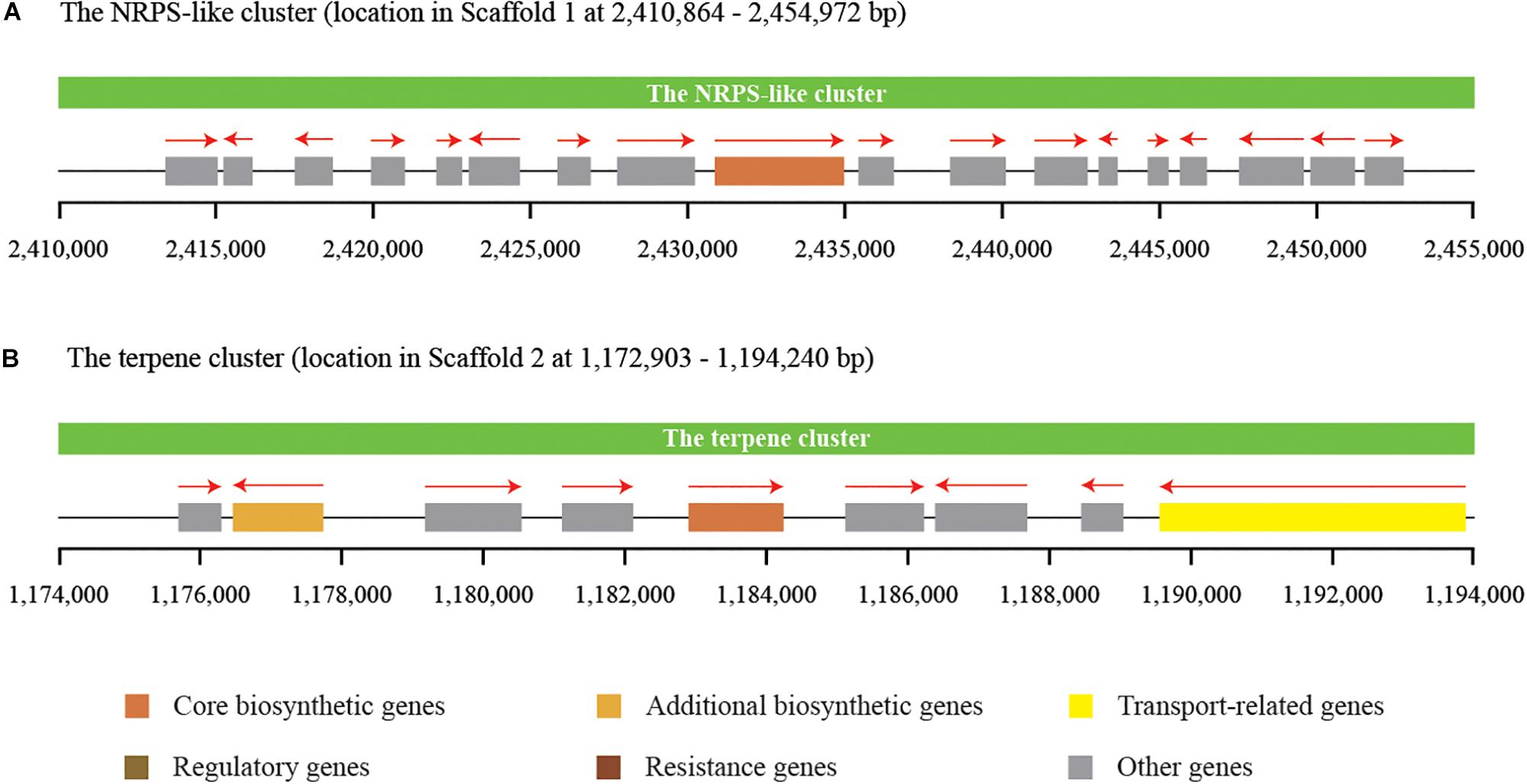
Figure 6. Identification of two distinct secondary metabolite clusters in the genome of C. oleophila. (A) The non-ribosomal peptide synthetase (NRPS)-like cluster is composed of 18 functional genes. (B) The terpene cluster is composed of nine functional genes. The rectangle denotes a functional gene, while the red arrow on the top indicates the transcriptional direction of each functional gene.
Conclusion
The genome of C. oleophila I-182, the active agent in the first-generation commercial yeast product Aspire® developed for the biocontrol of post-harvest disease of fruits and vegetables was sequenced, assembled, and annotated. The genome size (14.73 Mb), along with the identification of CAZymes and secondary metabolite clusters, provides important genetic information on this biocontrol agent that can be used to better understand the various modes of action reported for this yeast, including competition for space and nutrients, hydrolysis of fungal cell walls, and induction of host disease resistance, at a molecular level. As the genome sequence of more biocontrol yeasts become available, it is hoped that the identification of “biocontrol” genes can be pursued. Such knowledge would help to identify traits that can be used to select effective biocontrol agents rather than by empirical selection methods alone.
Data Availability Statement
The datasets generated for this study can be found in the PRJNA511409.
Author Contributions
YS, XW, and JY conceived and designed the experiments and drafted the manuscript. YS, MW, SD, EP, and JY performed the experiments and analyzed the data. All authors read and approved the final manuscript.
Funding
This work was supported by National Natural Science Foundation of China (31972133), Science and Technology Research Program of Chongqing Education Commission (KJQN201801331), and Anhui Provincial Natural Science Foundation (1808085QC68).
Conflict of Interest
The authors declare that the research was conducted in the absence of any commercial or financial relationships that could be construed as a potential conflict of interest.
Supplementary Material
The Supplementary Material for this article can be found online at: https://www.frontiersin.org/articles/10.3389/fmicb.2020.00295/full#supplementary-material
Footnotes
- ^ https://www.yeastgenome.org/
- ^ https://fungi.ensembl.org/
- ^ https://www.yeastgenome.org/
- ^ http://www.ncbi.nlm.nih.gov/bioproject/PRJNA511409
- ^ https://www.yeastgenome.org/
References
Abdel-Kareem, M. M., Rasmey, A. M., and Zohri, A. A. (2019). The action mechanism and biocontrol potentiality of novel isolates of Saccharomyces cerevisiae against the aflatoxigenic Aspergillus flavus. Lett. Appl. Microbiol. 68, 104–111. doi: 10.1111/lam.13105
Ait-Lahsen, H., Soler, A., Rey, M., de La Cruz, J., Monte, E., and Llobell, A. (2001). An antifungal exo-alpha-1,3-glucanase (AGN13.1) from the biocontrol fungus Trichoderma harzianum. Appl. Environ. Microbiol. 67, 5833–5839. doi: 10.1128/aem.67.12.5833-5839.2001
Ashburner, M., Ball, C. A., Blake, J. A., Botstein, D., Butler, H., Cherry, J. M., et al. (2000). Gene ontology: tool for the unification of biology. Nat. Genet. 25, 25–29.
Bar-Shimon, M., Yehuda, H., Cohen, L., Weiss, B., Kobeshnikov, A., Daus, A., et al. (2004). Characterization of extracellular lytic enzymes produced by the yeast biocontrol agent Candida oleophila. Curr. Genet. 45, 140–148. doi: 10.1007/s00294-003-0471-7
Bastiaanse, H., de Bellaire, L. L., Lassois, L., Mission, C., and Jijakli, M. H. (2010). Integrated control of crown rot of banana with Candida oleophila strain O, calcium chloride and modified atmosphere packaging. Biol. Control 53, 100–107. doi: 10.1016/j.biocontrol.2009.10.012
Bolger, A. M., Lohse, M., and Usadel, B. (2014). Trimmomatic: a flexible trimmer for Illumina sequence data. Bioinformatics 30, 2114–2120. doi: 10.1093/bioinformatics/btu170
Burge, C., and Karlin, S. (1997). Prediction of complete gene structures in human genomic DNA. J. Mol. Biol. 268, 78–94. doi: 10.1006/jmbi.1997.0951
Cantarel, B. L., Coutinho, P. M., Rancurel, C., Bernard, T., Lombard, V., and Henrissat, B. (2009). The Carbohydrate-Active EnZymes database (CAZy): an expert resource for Glycogenomics. Nucleic Acids Res. 37, D233–D238. doi: 10.1093/nar/gkn663
Chakraborty, M., Baldwin-Brown, J. G., Long, A. D., and Emerson, J. J. (2016). Contiguous and accurate de novo assembly of metazoan genomes with modest long read coverage. Nucleic Acids Res. 44:e147.
Chen, P. H., Chen, R. Y., and Chou, J. Y. (2018). Screening and evaluation of yeast antagonists for biological control of Botrytis cinerea on strawberry fruits. Mycobiology 46, 33–46. doi: 10.1080/12298093.2018.1454013
Chin, C. S., Alexander, D. H., Marks, P., Klammer, A. A., Drake, J., Heiner, C., et al. (2013). Nonhybrid, finished microbial genome assemblies from long-read SMRT sequencing data. Nat. Methods 10, 563–569. doi: 10.1038/nmeth.2474
Contarino, R., Brighina, S., Fallico, B., Cirvilleri, G., Parafati, L., and Restuccia, C. (2019). Volatile organic compounds (VOCs) produced by biocontrol yeasts. Food Microbiol. 82, 70–74. doi: 10.1016/j.fm.2019.01.008
Crutcher, F. K., Parich, A., Schuhmacher, R., Mukherjee, P. K., Zeilinger, S., and Kenerley, C. M. (2013). A putative terpene cyclase, vir4, is responsible for the biosynthesis of volatile terpene compounds in the biocontrol fungus Trichoderma virens. Fungal Genet. Biol. 56, 67–77. doi: 10.1016/j.fgb.2013.05.003
de Bie, T., Cristianini, N., Demuth, J. P., and Hahn, M. W. (2006). CAFE: a computational tool for the study of gene family evolution. Bioinformatics 22, 1269–1271. doi: 10.1093/bioinformatics/btl097
Droby, S., Cohen, L., Daus, A., Weiss, B., Horev, B., Chalutz, E., et al. (1998). Commercial testing of Aspire: a yeast preparation for the biological control of postharvest decay of citrus. Biol. Control 12, 97–101. doi: 10.1006/bcon.1998.0615
Droby, S., Vinokur, V., Weiss, B., Cohen, L., Daus, A., Goldschmidt, E. E., et al. (2002). Induction of resistance to Penicillium digitatum in grapefruit by the yeast biocontrol agent Candida oleophila. Phytopathology 92, 393–399. doi: 10.1094/PHYTO.2002.92.4.393
Droby, S., Wisniewski, M., Teixidó, N., Spadaro, D., and Jijakli, M. H. (2016). The science, development, and commercialization of postharvest biocontrol products. Postharvest Biol. Technol. 122, 22–29. doi: 10.1016/j.postharvbio.2016.04.006
Druzhinina, I. S., Seidl-Seiboth, V., Herrera-Estrella, A., Horwitz, B. A., Kenerley, C. M., Monte, E., et al. (2011). Trichoderma: the genomics of opportunistic success. Nat. Rev. Microbiol. 9, 749–759. doi: 10.1038/nrmicro2637
El-Neshawy, S. M., and Wilson, C. L. (1997). Nisin enhancement of biocontrol of postharvest diseases of apple with Candida oleophila. Postharvest Biol. Technol. 10, 9–14. doi: 10.1016/s0925-5214(96)00053-1
Emms, D., and Kelly, S. (2015). OrthoFinder: solving fundamental biases in whole genome comparisons dramatically improves orthogroup inference accuracy. Genome Biol. 16:157. doi: 10.1186/s13059-015-0721-2
Firrincieli, A., Otillar, R., Salamov, A., Schmutz, J., Khan, Z., Redman, R. S., et al. (2015). Genome sequence of the plant growth promoting endophytic yeast Rhodotorula graminis WP1. Front. Microbiol. 6:978.
Freimoser, F. M., Rueda-Mejia, M. P., Tilocca, B., and Migheli, Q. (2019). Biocontrol yeasts: mechanisms and applications. World J. Microbiol. Biotechnol. 35:154.
Gao, Y., Honzatko, R. B., and Peters, R. J. (2012). Terpenoid synthase structures: a so far incomplete view of complex catalysis. Nat. Prod. Rep. 29, 1153–1175. doi: 10.1039/c2np20059g
Hühner, E., Backhaus, K., Kraut, R., and Li, S. M. (2018). Production of α-keto carboxylic acid dimers in yeast by overexpression of NRPS-like genes from Aspergillus terreus. Appl. Microbiol. Biotechnol. 102, 1663–1672. doi: 10.1007/s00253-017-8719-1
Hyldgaard, M., Mygind, T., and Meyer, R. L. (2012). Essential oils in food preservation: mode of action, synergies, and interactions with food matrix components. Front. Microbiol. 3:12. doi: 10.3389/fmicb.2012.00012
Kolton, M., Sela, N., Elad, Y., and Cytryn, E. (2013). Comparative genomic analysis indicates that niche adaptation of terrestrial Flavobacteria is strongly linked to plant glycan metabolism. PLoS One 8:e76704. doi: 10.1371/journal.pone.0076704
Koren, S., Walenz, B. P., Berlin, K., Miller, J. R., Bergman, N. H., and Phillippy, A. M. (2017). Canu: scalable and accurate long-read assembly via adaptive k-mer weighting and repeat separation. Genome Res. 27, 722–736. doi: 10.1101/gr.215087.116
Kumar, S., Stecher, G., Li, M., Knyaz, C., and Tamura, K. (2018). MEGA X: molecular evolutionary genetics analysis across computing platforms. Mol. Biol. Evol. 35, 1547–1549. doi: 10.1093/molbev/msy096
Li, B., Peng, H., and Tian, S. (2016). Attachment capability of antagonistic yeast Rhodotorula glutinis to Botrytis cinerea contributes to biocontrol efficacy. Front. Microbiol. 7:601. doi: 10.3389/fmicb.2016.00601
Li, C., Zhang, H., Yang, Q., Komla, M. G., Zhang, X., and Zhu, S. (2014). Ascorbic acid enhances oxidative stress tolerance and biological control efficacy of Pichia caribbica against postharvest blue mold decay of apples. J. Agric. Food Chem. 62, 7612–7621. doi: 10.1021/jf501984n
Liu, J., Wisniewski, M., Artilip, T., Sui, Y., Droby, S., and Norelli, J. (2013). The potential role of PR-8 gene of apple fruit in the mode of action of the yeast antagonist, Candida oleophila, in postharvest biocontrol of Botrytis cinerea. Postharvest Biol. Technol. 85, 203–209. doi: 10.1016/j.postharvbio.2013.06.007
Liu, J., Wisniewski, M., Droby, S., Norelli, J., Hershkovitz, V., Tian, S., et al. (2012). Increase in antioxidant gene transcripts, stress tolerance and biocontrol efficacy of Candida oleophila following sublethal oxidative stress exposure. FEMS Microbiol. Ecol. 80, 578–590. doi: 10.1111/j.1574-6941.2012.01324.x
Liu, J., Wisniewski, M., Droby, S., Vero, S., Tian, S., and Hershkovitz, V. (2011). Glycine betaine improves oxidative stress tolerance and biocontrol efficacy of the antagonistic yeast Cystofilobasidium infirmominiatum. Int. J. Food Microbiol. 146, 76–83. doi: 10.1016/j.ijfoodmicro.2011.02.007
Macarisin, D., Droby, S., Bauchan, G., and Wisniewski, M. (2010). Superoxide anion and hydrogen peroxide in the yeast antagonist–fruit interaction: a new role for reactive oxygen species in postharvest biocontrol? Postharvest Biol. Technol. 58, 194–202. doi: 10.1016/j.postharvbio.2010.07.008
Massart, S., and Jijakli, M. H. (2014). “Pichia anomala and Candida oleophila in biocontrol of postharvest diseases of fruits: 20 years of fundamental and practical research,” in Plant Pathology in the 21st Century, Vol. 7, eds D. Prusky and M. L. Gullino, (Dordrecht: Springer), 111–122. doi: 10.1007/978-3-319-07701-7_10
Massart, S., Perazzolli, M., Höfte, M., Pertot, I., and Jijakli, M. H. (2015). Impact of the omic technologies for understanding the modes of action of biological control agents against plant pathogens. Biocontrol 60, 725–746. doi: 10.1007/s10526-015-9686-z
Nawrocki, E. P., and Eddy, S. R. (2013). Infernal 1.1: 100-fold faster RNA homology searches. Bioinformatics 29, 2933–2935. doi: 10.1093/bioinformatics/btt509
Nie, X., Zhang, C., Jiang, C., Zhang, R., Guo, F., and Fan, X. (2019). Trehalose increases the oxidative stress tolerance and biocontrol efficacy of Candida oleophilain the microenvironment of pear wounds. Biol. Control 132, 23–28. doi: 10.1016/j.biocontrol.2019.01.015
Papp, B., Pál, C., and Hurst, L. D. (2003). Dosage sensitivity and the evolution of gene families in yeast. Nature 424, 194–197. doi: 10.1038/nature01771
Piombo, E., Sela, N., Wisniewski, M., Hoffmann, M., Gullino, M. L., Allard, M. W., et al. (2018). Genome sequence, assembly and characterization of two Metschnikowia fructicola strains used as biocontrol agents of postharvest diseases. Front. Microbiol. 9:593. doi: 10.3389/fmicb.2018.00593
Pirone-Davies, C., Hoffmann, M., Roberts, R. J., Muruvanda, T., Timme, R. E., Strain, E., et al. (2015). Genome-wide methylation patterns in Salmonella enterica subsp. enterica serovars. PLoS One 10:e0123639. doi: 10.1371/journal.pone.0123639
Saha, S., Bridges, S., Magbanua, Z. V., and Peterson, D. G. (2008). Empirical comparison of ab initio repeat finding programs. Nucleic Acids Res. 36, 2284–2294. doi: 10.1093/nar/gkn064
Santiago-Tirado, F. H., and Doering, T. L. (2016). All about that fat: lipid modification of proteins in Cryptococcus neoformans. J. Microbiol. 54, 212–222. doi: 10.1007/s12275-016-5626-6
Segal, E., Yehuda, H., Droby, S., Wisniewski, M., and Goldway, M. (2002). Cloning and analysis of CoEXG1, a secreted 1,3-β-glucanase of the yeast biocontrol agent Candida oleophila. Yeast 19, 1171–1182. doi: 10.1002/yea.910
Stamatakis, A. (2006). RAxML-VI-HPC: maximum likelihood-based phylogenetic analyses with thousands of taxa and mixed models. Bioinformatics 22, 2688–2690. doi: 10.1093/bioinformatics/btl446
Vurture, G. W., Sedlazeck, F. J., Nattestad, M., Underwood, C. J., Fang, H., Gurtowski, J., et al. (2017). GenomeScope: fast reference-free genome profiling from short reads. Bioinformatics 33, 2202–2204. doi: 10.1093/bioinformatics/btx153
Walker, B. J., Abeel, T., Shea, T., Priest, M., Abouelliel, A., Sakthikumar, S., et al. (2014). Pilon: an integrated tool for comprehensive microbial variant detection and genome assembly improvement. PLoS One 9:e112963. doi: 10.1371/journal.pone.0112963
Wang, Y., Luo, Y., Sui, Y., Xie, Z., Liu, Y., Jiang, M., et al. (2018). Exposure of Candida oleophila to sublethal salt stress induces an antioxidant response and improves biocontrol efficacy. Biol. Control 132, 23–28.
Weber, T., Blin, K., Duddela, S., Krug, D., Kim, H. U., Bruccoleri, R., et al. (2015). antiSMASH 3.0 – a comprehensive resource for the genome mining of biosynthetic gene clusters. Nucleic Acids Res. 43, W237–W243. doi: 10.1093/nar/gkv437
Wilson, C., Wisniewski, M., Droby, S., and Chalutz, E. (1993). A selection strategy for microbial antagonists to control postharvest diseases of fruits and vegetables. Sci. Hortic. 53, 183–189. doi: 10.1016/0304-4238(93)90066-y
Wisniewski, M., Biles, C., Droby, S., McLaughlin, R., Wilson, C., and Chalutz, E. (1991). Mode of action of the postharvest biocontrol yeast, Pichia guilliermondii. I. Characterization of attachment to Botrytis cinerea. Physiol. Mol. Plant Pathol. 39, 245–258. doi: 10.1016/0885-5765(91)90033-e
Wisniewski, M., Droby, S., Norelli, J., Liu, J., and Schena, L. (2016). Alternative management technologies for postharvest disease control: the journey from simplicity to complexity. Postharvest Biol. Technol. 122, 3–10. doi: 10.1016/j.postharvbio.2016.05.012
Wriessnegger, T., and Pichler, H. (2013). Yeast metabolic engineering–targeting sterol metabolism and terpenoid formation. Prog. Lipid Res. 52, 277–293. doi: 10.1016/j.plipres.2013.03.001
Keywords: biocontrol agent, Candida oleophila, genome assembly, genome annotation, post-harvest disease management
Citation: Sui Y, Wisniewski M, Droby S, Piombo E, Wu X and Yue J (2020) Genome Sequence, Assembly, and Characterization of the Antagonistic Yeast Candida oleophila Used as a Biocontrol Agent Against Post-harvest Diseases. Front. Microbiol. 11:295. doi: 10.3389/fmicb.2020.00295
Received: 08 December 2019; Accepted: 10 February 2020;
Published: 25 February 2020.
Edited by:
Matthias Sipiczki, University of Debrecen, HungaryReviewed by:
Lucia Parafati, University of Catania, ItalyFabio Vazquez, National University of San Juan, Argentina
Copyright © 2020 Sui, Wisniewski, Droby, Piombo, Wu and Yue. This is an open-access article distributed under the terms of the Creative Commons Attribution License (CC BY). The use, distribution or reproduction in other forums is permitted, provided the original author(s) and the copyright owner(s) are credited and that the original publication in this journal is cited, in accordance with accepted academic practice. No use, distribution or reproduction is permitted which does not comply with these terms.
*Correspondence: Xuehong Wu, d3V4dWVob25nQGNhdS5lZHUuY24=; Junyang Yue, YWFyYW4ueXVlQGdtYWlsLmNvbQ==