 Eloïse Mason1
 Antonio Bispo1
 Mireille Matt2Katharina Helming3,4Elena Rodriguez5Rocio Lansac5Violeta Carrasco5
 Mohammad Rafiul Hashar3Loes Verdonk6Gundula Prokop7
 David Wall8Nancy Francis9
 Peter Laszlo9
 Michael T. Löbmann3,10*
- 1INRAE, Info & Sols, Orléans, France
- 2LISIS-INRAE, Université Gustave Eiffel, CNRS, Champs-sur-Marne, France
- 3Agricultural Landscape Systems, Leibniz Centre for Agricultural Landscape Research (ZALF) e.V., Müncheberg, Germany
- 4Eberswalde University for Sustainable Development (HNEE), Eberswalde, Germany
- 5National Institute for Agricultural and Food Research and Technology, (INIA-CSIC), Madrid, Spain
- 6Wageningen Environmental Research, Wageningen University & Research, PB Wageningen, Netherlands
- 7Austrian Environment Agency, Vienna, Austria
- 8Faculty of Landscape Management and Nature Conservation, Crops, Environment and Land-Use Programme, Teagasc Crops, Environment and Land-Use Research Centre, Wexford, United Kingdom
- 9Institute for Soil Sciences, Centre for Agricultural Research, Budapest, Hungary
- 10Svensk Kolinlagring AB, Malmö, Sweden
Healthy soil is vital for our wellbeing and wealth. However, increasing demand for food and biomass may lead to unsustainable soil and land management practices that threaten soils. Other degradation processes such as soil sealing also endanger soil resources. Identifying and accessing the best available knowledge is crucial to address related sustainability issues and promote the needed transition towards sustainable soil and land management practices. Such knowledge has to cover all knowledge domains, system knowledge, target knowledge, and transformation knowledge. However, a comprehensive overview of existing research addressing societal needs related to soil is still missing, which hinders the identification of knowledge gaps. This study provides a detailed analysis of scientific literature to identify ongoing research activities and trends. A quantitative and qualitative analysis of scientific literature related to sustainable soil and land management was conducted. A systems-oriented analytical framework was used that combines soil and land related societal challenges with related knowledge domains. Our analysis revealed a significant increase in scientific publications and related interest in soil and land use-related research, above the average increase of publications within all scientific fields. Different forms of reduction and remediation of soil degradation processes (e.g. erosion, contamination) have been studied most extensively. Other topic areas like land take mitigation, soil biodiversity increase, increase of ecosystem services provision and climate change mitigation and adaption seem to be rather recent concerns, less investigated. We could highlight the importance of context-specific research, as different regions require different practices. For instance, boreal, tropical, karst and peatland regions were less studied. Furthermore, we found that diversifying soil management practices such as agroforestry or including livestock into arable systems are valuable options for increasing biomass, mitigating/adapting to climate change, and improving soil related ecosystem services. A recent trend towards the latter research topic indicates the transition from a soil conservation-oriented perspective to a soil service-oriented perspective, which may be better suited to integrate the social and economic dimensions of soil health improvement alongside the ecological dimension.
1 Introduction
Healthy soil is the foundation for healthy life and it is the primary source of food (1). At the same time, soil contributes to climate change while providing habitats for biodiversity and clean water. It preserves our cultural heritage and is a key part of our landscapes (2, 3). However, soils are threatened globally because of (i) a higher demand for food, feed and fiber which leads to an increasing pressure on soil and land resources (4), and (ii) an increase of soil and land degradation caused amongst others by unsustainable management practices in agriculture and forestry, contamination, and soil sealing through urbanization and infrastructures (5). Due to compaction, erosion, chemical pollution, nutrient depletion, acidification and salinization, 33% of the world’s soils are moderately to highly degraded (1). In Europe, the EUSO soil health dashboard (6) developed and maintained by the European Joint Research Centre (JRC) indicates that more than 60% of European soils are considered as degraded.
The topic is gaining importance in the European Union (EU) and globally. On the one hand EU invested considerably to support soil research (7) and on the other hand, over the last years, a number of policies on soil health have been set up by the European Commission (EC). In 2023, the EC published the proposal for a ‘Directive of Soil Monitoring and Resilience’ referred to as the ‘Soil Monitoring Law’ (8). It is supposed to support the European Green Deal (9) and contribute to the EU Biodiversity Strategy and Farm to Fork Strategy. The Horizon Europe Mission ‘A Soil Deal for Europe’ is planned to underpin, inter alia, the success of the Soil Monitoring Law through the provision of science-based evidence (5). At the same time, it is a key part of the European Union’s commitment to achieving the Sustainable Development Goals (SDGs). As such, it integrates all of the so far separately addressed soil and land use types as well as the full cycle of knowledge (co-)production, testing, dissemination, adoption and monitoring into one comprehensive framework.
Science has a role to play in identifying and promoting sustainable soil management practices. Here, scientific evidence should serve a wide range of knowledge domains, including systems knowledge such as basic knowledge generation, systems understanding, target knowledge such as modelling and assessment of management practices in different conditions and contexts, and transformation knowledge such as co-designing solutions and evidence-based policy support (10). A large number of articles have been published in scientific journals presenting research achievements on sustainable soil and land management covering a range of knowledge domains. However, a soil systems-oriented overview of existing research and innovation (R&I) knowledge with a focus on sustainable soil and land management across the different land use types and knowledge domains has not yet been conducted to date. In this study, we performed a combined quantitative and qualitative analysis of scientific literature on sustainable soil and land management in order to provide a comprehensive and detailed overview of existing R&I knowledge within the broader topic area. The objective was to inventory existing articles related to i) the main societal challenges for which soil and land management is relevant, combined with ii) ten knowledge domains as described in the systems-oriented analytical framework published by Löbmann et al. (10). Exploring the R&I existing knowledge will contribute subsequently to identify R&I gaps by comparing the existing knowledge domains to the actor’s needs.
2 Materials and methods
2.1 A study based on a systems-oriented analytical framework
The knowledge stock assessment, which followed a systemic approach that covered all soil and land use types, including agriculture, forestry, protected areas, industry, urban areas and infrastructure, was based on an adapted version of the systems-oriented analytical framework for sustainable soil and land management by Löbmann et al. (10). Based on the SDGs, they developed a systems-oriented analytical framework that combines six soil and land use related societal challenges with eight inter- and transdisciplinary knowledge domains that need to be addressed in order to ensure practical transition towards sustainable soil and land management. The framework provides a sound methodology for gaining a holistic overview of soil and land related problem situations in order to propose mission-oriented research questions as embedded within a dynamic systems context targeted at co-creational research performance that includes actual implication of R&I within practice, economy, society and policy (10).
For the purposes of this study, we adapted the systems-oriented analytical framework by separating some of the societal challenges and knowledge domains into individual assessment areas, in order to gain a more detailed analysis (Figure 1). We included eight soil related societal challenges and ten knowledge domains, while the overall content was not changed. Specifically, we split the societal challenges ‘mitigate and adapt to climate change’ to ‘mitigate climate change’ and ‘adapt to climate change’, as well as ‘increase provision of ecosystem services and biodiversity’ to ‘increase provision of ecosystem services’ and ‘increase biodiversity’. Furthermore, we split the knowledge domain ‘specific regions and sectors’ to ‘specific regions’ and ‘specific land use and management practices’, and we decided to add a tenth knowledge domain ‘basic knowledge production’. Basic knowledge is seen here as research that aims at basic understanding of processes and inter-relationships, without any direct links to practical application.
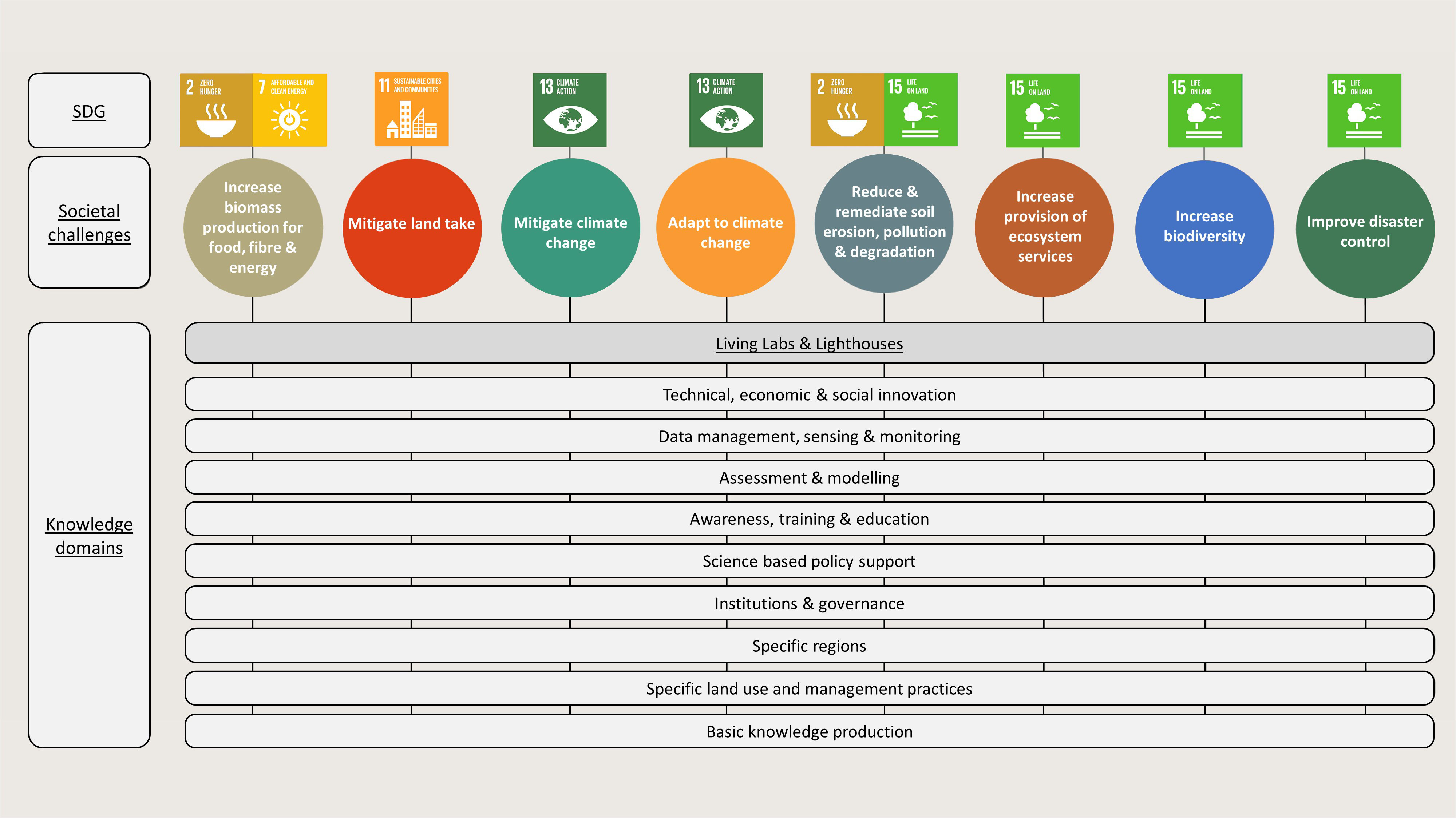
Figure 1 The systems-oriented analytical framework for the literature search and analysis adapted from Löbmann et al. (10). It combines soil and land related societal challenges with relevant knowledge domains. ‘Living Labs & Lighthouses’ are emphasized, since they are a key strategic element for the implementation of the European Soil Mission (9).
2.2 Search and selection of relevant articles
Through a keyword based bibliographic search in Scopus (Elsevier), we identified all peer-reviewed scientific articles related to soil and land management (11). The search was performed throughout April 2021, considering all articles published and available in Scopus until the end of 2020, just before the Horizon Europe Mission ‘A Soil Deal for Europe’ started. The search covered all soil and land use sectors and all types of soil and land management, including agriculture, forestry, protected areas, urban and industrial soil use. The article identification was performed individually for each cell of the systems-oriented analytical framework (‘societal challenge’ X ‘knowledge domain’) (Figure 1). Sets of keywords in English were identified for each of the 80 cells (Supplementary Materials). A scoping exercise was conducted on the Scopus database to build-up the search strings. Given the existence of numerous synonyms for concepts related to the different societal challenges and knowledge domains, the search term was constructed by crossing, one by one, the different synonyms existing, including variations in their spelling. Construction of the list of synonyms was based on different studies (12–14). So as not to overlook the characteristic of action/change of the societal challenges (i.e. ‘increase’, ‘improve’, ‘adapt’, ‘reduce’ and ‘mitigate’), action verbs were integrated in the search strings. The keywords ‘soil’ and ‘land’ were also included in the search strings as we were looking for soil and land related scientific articles. For cells with ≤ 50 identified articles, a screening for relevance was performed as based on the title and abstract. Articles addressing topics that did not fit into the respective cell were either removed or relocated to a more appropriate cell. Due to their large volume, cells > 50 articles were not screened. Remaining articles were extracted, including article related information on title, abstract, keywords, year of publication, authors, authors’ countries and institutions, related societal challenges and knowledge domains.
2.3 Content analysis of the articles
A content analysis of all articles was conducted for each cell of the systems-oriented analytical framework. The analysis focused on four key points: (i) getting a general overview of existing R&I knowledge; (ii) assessing publication activities over time; (iii) identifying main actors publishing; and (iv) identifying specific focus topics and promoted practices. Depending on the number of articles in the respective cell, two different analysis pathways were applied. For cells with ≤ 50 articles, the content analysis was based on a desk study of title and abstract and if relevant to the topic, articles were in depth analyzed. Relevant content was then extracted and summarized per cell. For cells with > 50 articles, a textual analysis was performed using the text analysis program CorTexT Manager. CorTexT Manager allows for large-scale literature reviews and correlation of large volumes of data (15, 16). Textual analysis allows to quickly explore large amounts of literature to get an overview of the themes covered and the relationships between these themes (17). The textual analysis consisted of two main steps, as proposed by el Akkari et al. (18). In the first step, we identified the most used words or groups of words (terms) within title, abstract and keywords and calculated their overall frequency. Words without specific meaning (conjunctions, words present in all scientific articles) were eliminated and synonyms (words or terms) were combined. In the second step, we calculated the frequency of two terms occurring in the same article. Results were summarized in network maps. By analyzing the terms and their relationships within clusters, specific themes could be identified. The relationships between clusters can highlight how different themes in the corpus are related to each other.
Recently, Arias-Navarro et al. (7) conducted a review of soil related research concentrating only on EU funded projects and searching for the keyword “soil”. Our research covers a far larger domain as we searched for “soil” and “land” as main keywords, developed a dedicated systems-oriented analytical framework and included international references. We also identified main actors publishing.
3 Results
3.1 General overview of existing R&I knowledge
In total, 15,679 relevant articles were identified in Scopus as related to soil and land management after the screening (11). During the screening process, 1,752 articles considered as irrelevant were taken out of the corpus. The 15,679 articles correspond to the total sum of articles per cell. Therefore, some articles might be counted twice as they could be related to several knowledge domains and/or societal challenges. Based on the EU CORDIS database, Arias-Navarro et al. (7) identified only 1,101 articles for their review.
Out of the 80 cells of the systems-oriented analytical framework (Figure 2), 33 cells have less than 5 articles, 25 cells had between 5 and 49 and 22 cells had ≥ 50 articles. Large differences can be observed regarding the coverage of the eight societal challenges. For some societal challenges, many articles could be identified such as for ‘reduce soil degradation’ (11,285 articles), ‘improve disaster control’ (2,527), ‘mitigate climate change’ (837), ‘increase biomass production’ (613) and ‘adapt to climate change’ (370). Conversely, the societal challenges ‘increase biodiversity’ (130), ‘mitigate land take’ (67) and ‘increase provision of ecosystem services’ (45) were less represented. Similarly, some knowledge domains (Figure 3) yielded many articles such as ‘assessment & modelling’ and ‘basic knowledge production’, while the knowledge domains ‘Living Labs & Lighthouses’, ‘awareness & education’, ‘science-based policy support’ and ‘institutions & governance’ are rather less represented.
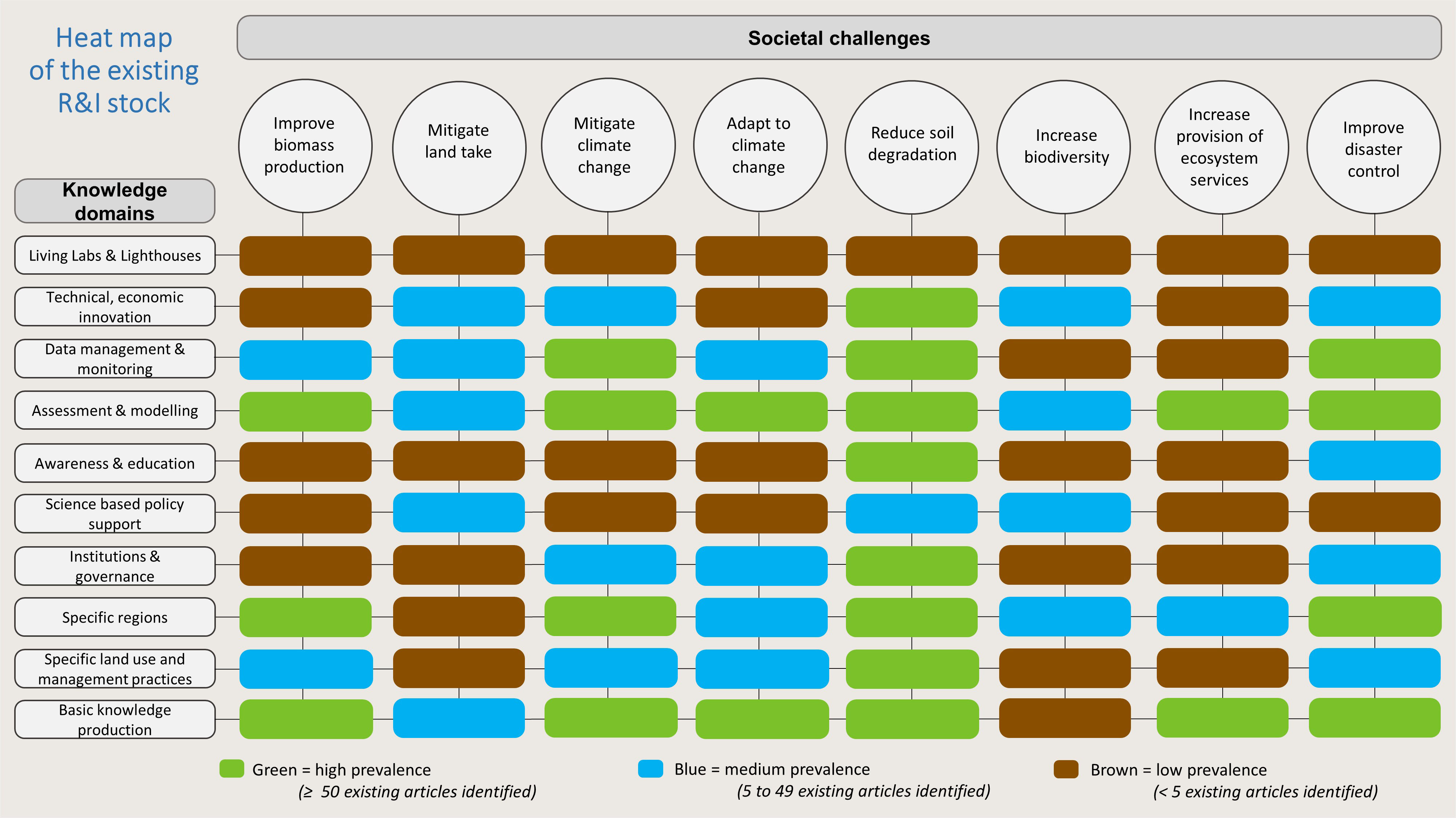
Figure 2 Heat map indicating the abundance of identified scientific literature for each knowledge domain within each societal challenge.
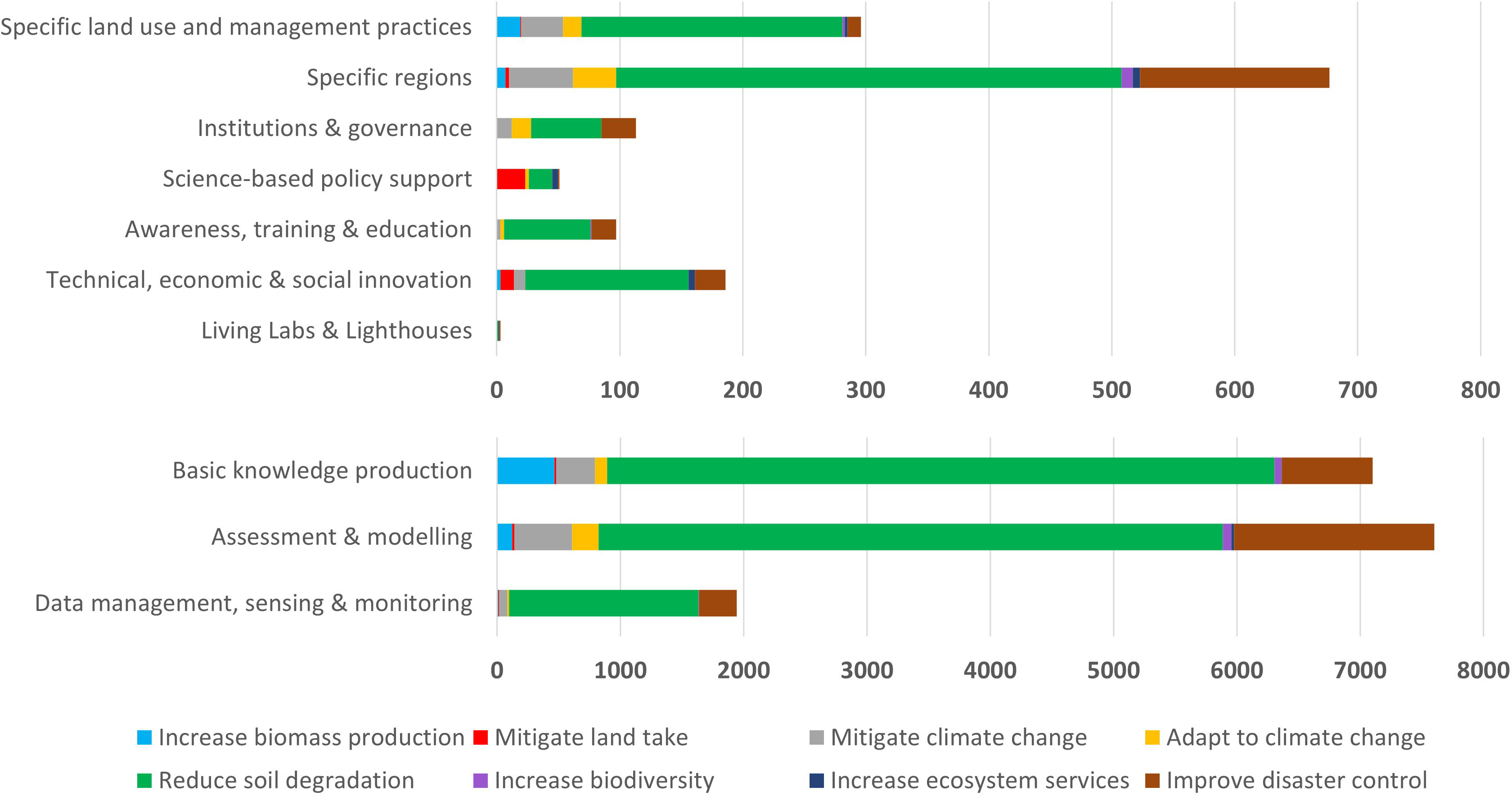
Figure 3 Number of identified scientific articles per knowledge domain and societal challenge.
All publications were analyzed textually to review the major themes addressed in the 15,679 articles. Overall, the main terms found in the articles were, in descending order: ‘pollution control’, ‘land use’, ‘soil erosion’, ‘climate change’, ‘contaminated soil’, ‘water quality’, ‘air pollution’, and ‘management practices’. Main terms were related to degradation processes and soil threats. The societal challenge ‘reduce soil degradation’ yielded most articles (11,285). Accordingly, the main terms used in the full corpus mainly address this societal challenge.
A network map was built by the text analysis program CorTexT Manager. The main terms were coalesced together by the tool according to their relationships in five clusters represented by colored circles (Figure 4). Cluster 1 ‘land use & carbon & air pollution’ is closely linked to clusters 4 ‘soil pollution’ and 5 ‘water resources’. It includes terms such as ‘land use change’, ‘air pollution control’, ‘soil organic matter’ and ‘greenhouse gas’. Cluster 2 focused on ‘water pollution’ and is closely related in the analysis to cluster 5 ‘water resources’. Notable terms of the ‘water pollution’ cluster included ‘pollution control’, ‘non-point source pollution’ and ‘water quality’. The ‘soil erosion’ cluster (3) is closely linked to the cluster 5 ‘water resources’. It includes terms such as ‘soil water’, ‘erosion control’, ‘soil erosion’ and ‘soil conservation’. Cluster 4 ‘soil pollution’ is closely linked to the ‘land use & carbon & air pollution’ cluster. It includes the terms ‘contaminated soil’, ‘soil remediation’, ‘heavy metals’ and ‘soil pollution control’, referring to options to control or remediate soils. Cluster 5 ‘water resources’ is most central in the map and thus linked to most clusters, i.e. ‘land use & carbon & air pollution’, ‘water pollution’ and ‘soil erosion’. It includes the terms ‘water management’, ‘water resources’, ‘river basin’ and ‘flood control’. All five clusters are similar to the clusters found in the results for the most represented societal challenge ‘reduce soil degradation’ as this topic represents more than 70% of the identified papers.
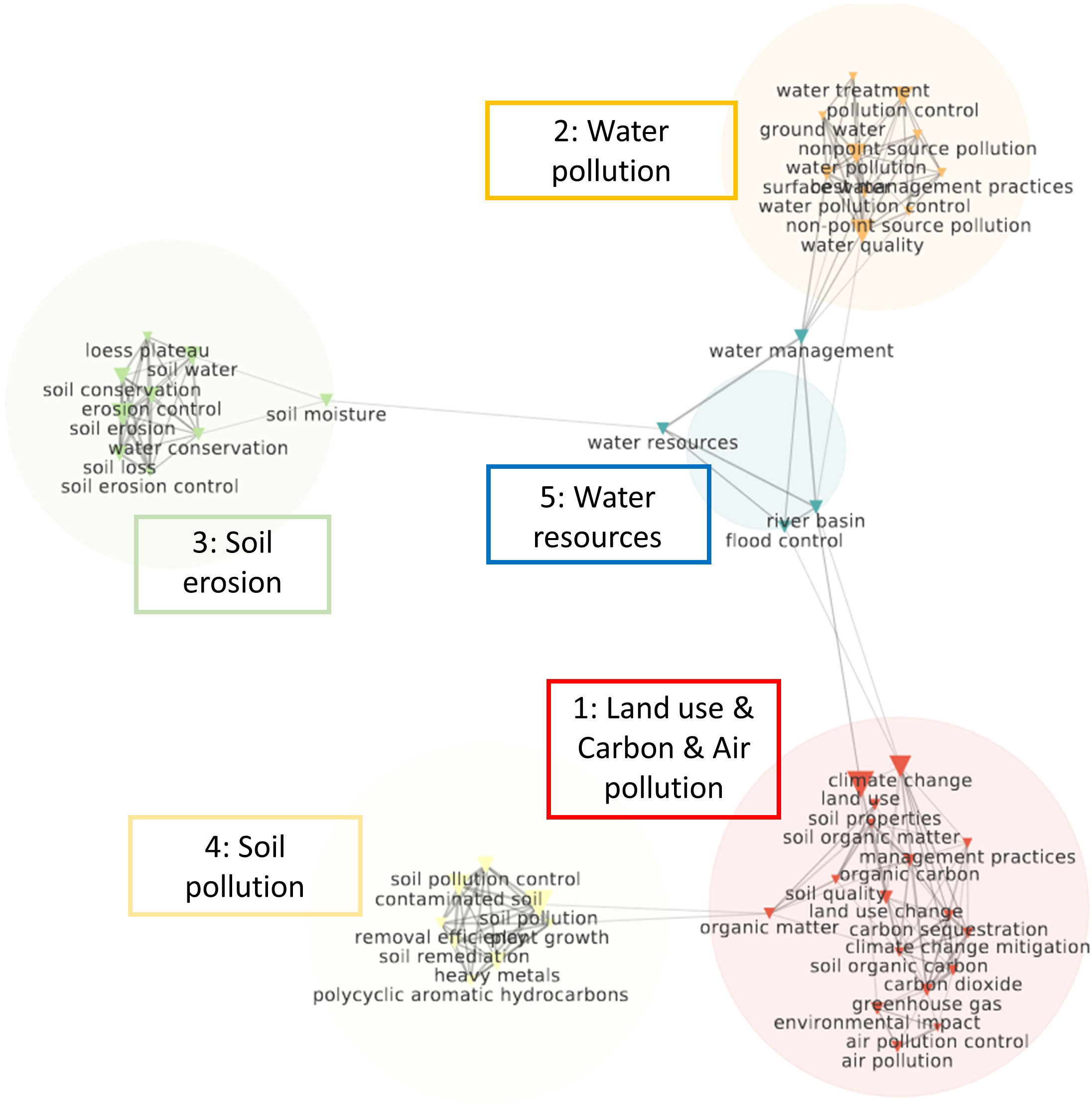
Figure 4 Cluster map of the main terms used in the scientific articles (15,679 articles).
CorTexT generated a list of the main terms used in the keywords and titles of the corpus per societal challenges (Table 1), except for the societal challenge ‘increase the provision of ecosystem services’ since less than 50 articles were identified. Some main terms can be found in various societal challenges, such as the terms ‘life cycle’ and ‘land use’.
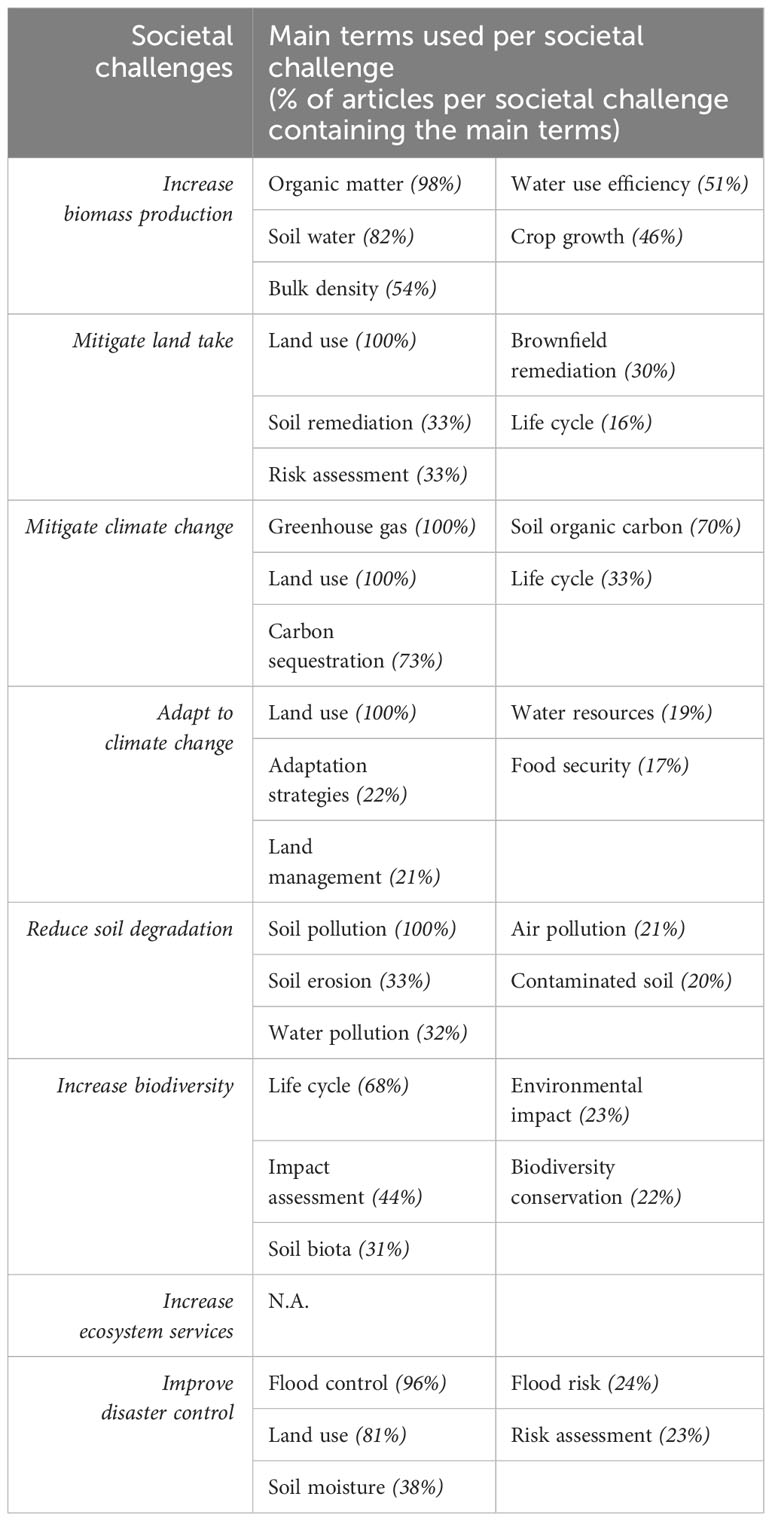
Table 1 Overview of the main terms used per societal challenge and the percentage of articles containing them.
3.2 Assessing publication activities over time
In total, 15,679 relevant articles were identified. While early publications could be identified from 1919 (Figure 5), identified articles in Scopus on soil and land management with a focus on the soil are very rare until the 1980s. There has been an increase of publications from 1980 to 2005, followed by a subsequent decline between 1999 and 2001. The number of published articles has surged considerably since 2005, with more than one thousand articles per year. Notably, more than a third of all identified articles (36%, 5,599/15,679) were published in the last five years of this study, i.e. 2016 to 2020.
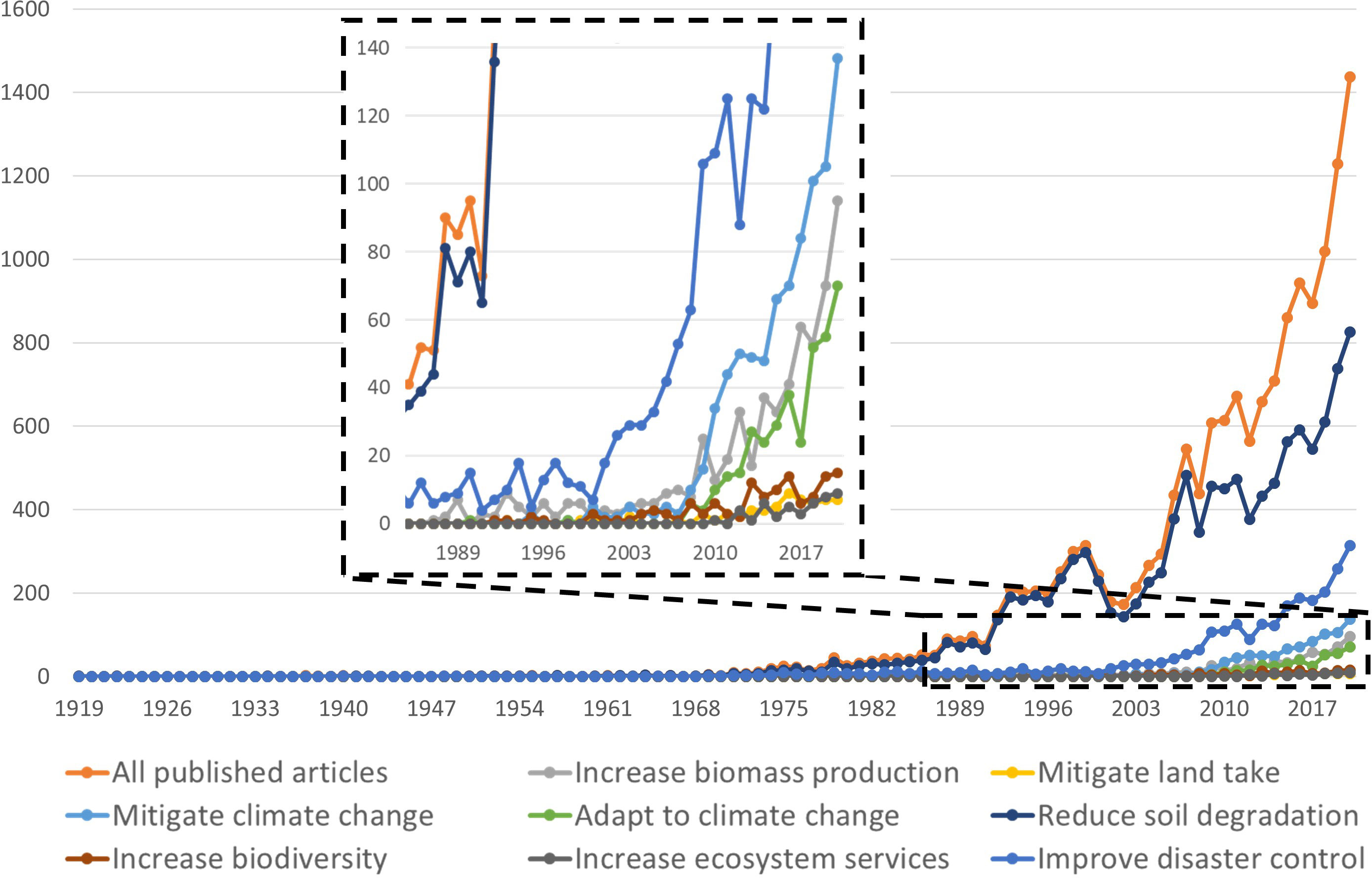
Figure 5 Numbers of published scientific articles per year per societal challenges.
The number of articles published over time differs for each societal challenge. Related to ‘increase biomass production’, first articles were identified from 1974 and 613 articles were identified in total. There has been a significant increase in general attention in this topic area since 2009. The number of published articles increased rapidly and reached some 95 in 2020. Related to ‘mitigation of land take’, first articles were identified from 1982 and until 2020, 67 articles were found. There has been a slight increase of attention in this area since 2010. However, generally this topic area seems to be little addressed. For ‘climate change mitigation’, 837 articles were identified between 1995 and 2020. There has been a significant increase in general attention in this area since 2010. ‘Climate change adaptation’ yielded 370 articles in the period from 1990 and 2020. Since 2008, general attention in this area increased significantly. Related to ‘reduction of soil degradation’, 11,285 articles were identified, published between 1919 and 2020. While very early scientific articles were identified, numbers of publications initially stayed low. Since 1992, a significant increase in numbers of scientific publications in this area can be observed. ‘Increase biodiversity’ yielded some 130, published between 1983 and 2020. The number of published articles on increasing soil biodiversity increased from 2013. Some 45 scientific articles were identified related to ‘increase of ecosystem services’, published between 2010 and 2020. Related to improvement of ‘disaster control’, 2,527 articles were identified between 1940 and 2020. Numbers of publications increased since approximately 2008.
3.3 Main specific regions covered and land use and management practices investigated
We identified the most studied regions in our corpus. Depending on societal challenges, the focus was on different geographical regions (Table 2). For example, soil and land degradation was investigated in many different environments, but peatland could not be found in this context. However, peatland played an important role within climate change mitigation. ‘Mitigate land take’ only covered the cities/brownfields region. Some regions have been studied extensively such as the Mediterranean, islands and coasts, mountains and cities/brownfields. Conversely, the regions boreal, tropical and karsts were less represented within a soil context.
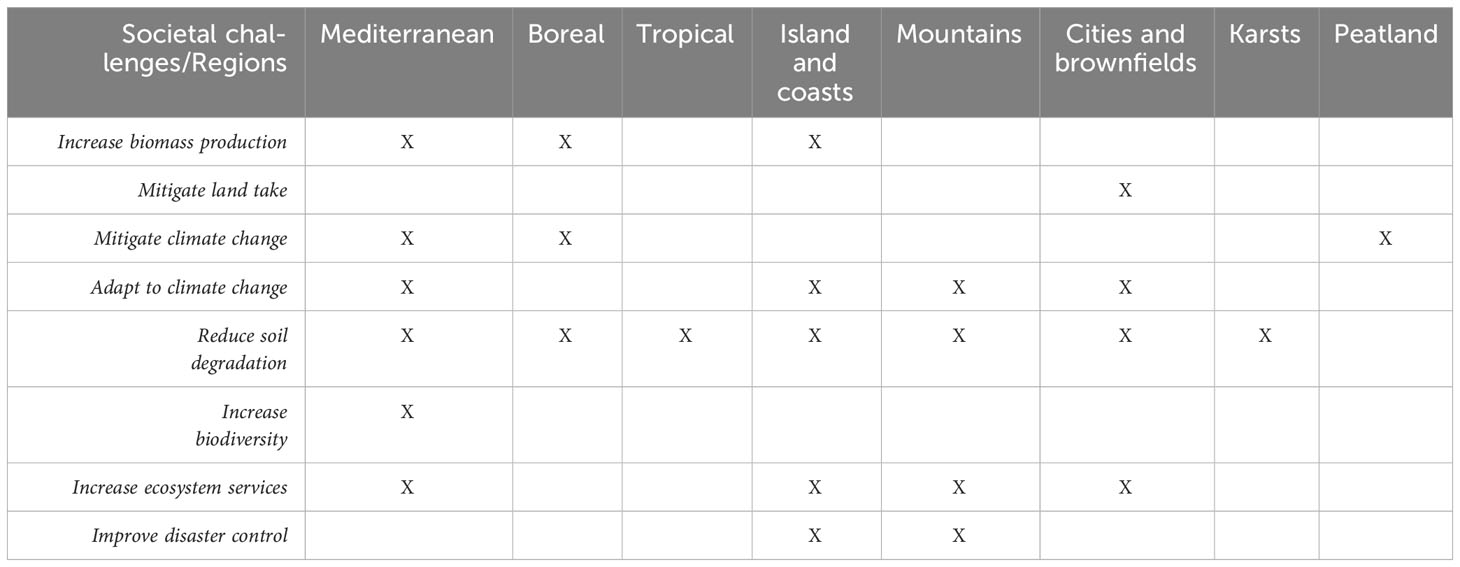
Table 2 Overview of the main studied regions per societal challenge based on the desk analysis.
Depending on the respective societal challenge, different land use and management practices were addressed (Table 3). Agroforestry is often investigated and presented as a valuable option to increase biomass, mitigate/adapt to climate change, improve ecosystem services, control disaster and reduce soil degradation. Few proposed and studied solutions imply a rethinking of agricultural systems by including livestock into arable systems or developing agroforestry. Other studied options are techniques that improve a specific practice (e.g. include soil amendment, develop intercropping, or reduce tillage).
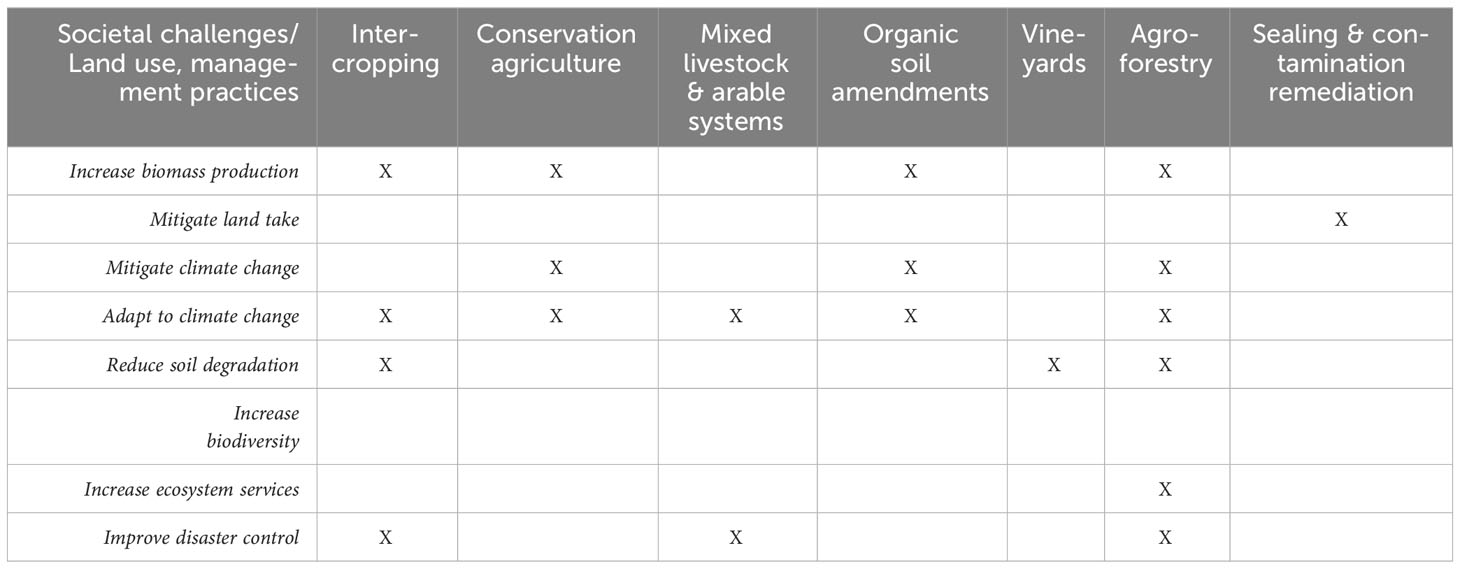
Table 3 Overview of the main studied land use and management practices per societal challenge based on the desk analysis.
3.4 Main actors publishing on the topic
The main countries in total number of articles for all societal challenges are mainly located in the European Union (30%), China (24%) and North America (24%) (Figure 6). Within Europe, the United Kingdom followed by Germany and Spain are the countries who published most articles with 7%, 5% and 4% respectively. Major publishing institutions in Europe are Wageningen University & Research (WUR) in the Netherlands, the Spanish National Research Council (CSIC) in Spain and the French National Center for Scientific Research (CNRS) in France.
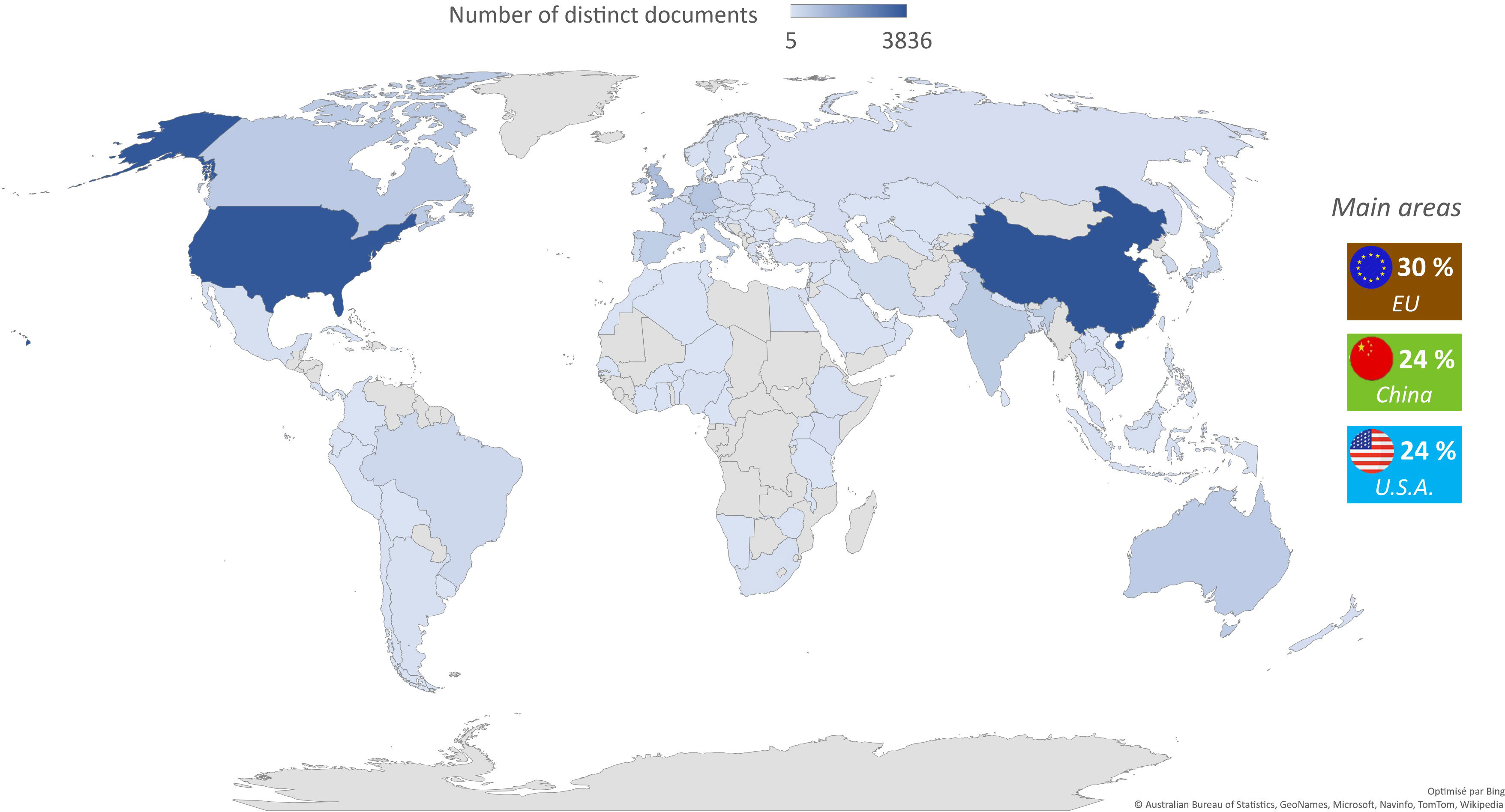
Figure 6 Concentration of published soil related scientific articles per country for all 8 related societal challenges. EU countries are summed to reach 30%.
4 Discussion
We could identify an abundant portfolio of scientific literature addressing the eight major soil and land use related societal challenges. We want to emphasize in this context that this literature search was limited to Scopus-indexed scientific journals published in English language, which may exclude large amounts of existing scientific literature. Thus, output from non-English journals and articles is not reflected here, which may be of particular importance for publications in early years, when English was not yet broadly established as a global standard for scientific publishing. Furthermore, although our search strategy is robust for peer-reviewed scientific journal articles, other publishing formats such as conference papers, books, book chapters, and non-digitalized articles, may be underrepresented, or not included in the used database. Non-scientific studies, or non-peer-reviewed scientific articles are also not present in this inventory of articles. Nonetheless, we consider the used database for this review article as representative for the overall trends within the scientific field, since it includes major scientific journals that reflect up-to date developments through their published articles. However, absolute numbers of identified articles should be regarded carefully and rather seen as trends when comparing different focus topics with each other. In addition, some articles addressed several knowledge domains and societal challenges.
The earliest article we could identify in Scopus related to soil and land use was published in 1919. Generally, we found only few articles in early years. Thelwall and Sud (19) investigated the growth in articles throughout time. They found an exponential growth in number of articles in Scopus from 1900 to 2020. Further, they demonstrated that Scopus searches spanning from 1900 are weak, due to a lack of abstracts in the early years, but stronger in recent years as abstracts are predominantly included. As our study is based on searches of titles, abstracts, and keywords, results obtained are likely to be biased in favor of articles published in more recent years. Accordingly, we found that publication activities (in Scopus) started to increase from the 1970s and further increased considerably from the 2000s. When comparing these figures with the general increase of numbers of scientific publications (all scientific categories combined), we note that between 2005 and 2017, the annual number of scientific peer-reviewed publications increased by 83% to almost 2 million per year (20). In our study, the number of scientific peer-reviewed publications on soil and land use increased by 205% during the same period. Hence, we note a very significant general increase in both scientific publication activities as well as related interest in soil and land use associated research, as compared to the overall development within science.
We observed great differences between publication activities associated with each of the eight societal challenges over time. Some of the soil related societal challenges are already widely studied by scientists such as ‘reduce soil degradation’ and ‘improve disaster control’. Together these two challenges account for 88% of the identified literature. The remaining societal challenges ‘increase biomass production’, ‘mitigate land take’, ‘adapt to climate change’, ‘mitigate climate change’, ‘increase biodiversity’ and ‘increase provision of ecosystem services’ represent 12% of the identified articles.
The societal challenge reduce soil degradation alone represents with 72% of the identified articles the major focus area of research. Likewise, this is reflected in the main terms found in the articles, in descending order: ‘pollution control’, ‘land use’, ‘soil erosion’, ‘climate change’, ‘contaminated soil’, ‘water quality’, ‘air pollution’, and ‘management practices’. These terms relate to degradation processes and soil threats. One reason for this could be the broad character of this societal challenge, in addition to the yet vague definitions of related terms like ‘soil degradation’ and ‘degraded soil’ (10). Ferreira et al., (21) described three main soil and land degradation categories: physical soil degradation (e.g. soil sealing, compaction, erosion), chemical soil degradation (e.g. loss of soil organic matter, contamination, salinization), and biological soil degradation (e.g. loss of biodiversity, high disease pressure). Thus, this societal challenge covers a broad ground of scientific interests. This finding is in line with Arias-Navarro et al. (7) who also identified at EU scale the most relevant theme as being contaminated soils. In addition, ‘reduce soil degradation’ is closely linked to all other soil related societal challenges, since it is the basis for soil capacity building (10). For example, soil sealing for urban, industrial and infrastructure development (see also Land take mitigation) constitutes the most severe form of land degradation and heavily affects all soil ecosystem services (22). Soil erosion on the other hand can have severe ecological impacts. The relationship between erosion and soil biodiversity is reciprocal (23). In addition, climate change is expected to lead to increased soil erosion (24). Historically, research on soil degradation seems to be often associated with catastrophic events (e.g. the dust bowl event in the USA during the 1930s) (25), or cases of soil degradation that cause public interest (e.g. local soil pollution events) (26, 27). Particularly in recent years, soil regenerative topics are becoming more popular, due to a rising realization that degraded soils pose a central problem to many of today’s challenges (1, 6). Particularly regenerative agriculture and reforestation are promoted as pathways to improve diverse ecosystem services such as carbon sequestration, water retention (flood and drought prevention), soil fertility or remediation of biodiversity (28–30).
Associated with soil degradation, land take mitigation has become a growing concern. First articles identified on this topic were published in 1982. Similarly, Weng (31) and Peroni et al. (32) report that in the 1990s, papers on soil sealing were rare, but in the following years the topic gained interest in the scientific community. Several studies pointed out the impact of land take and soil sealing on biodiversity (33–36), food security (37, 38) and soil carbon sequestration potential (39). Today, many research efforts go towards developing greener urban designs with less sealed surfaces and better integrated natural and semi-natural structures (40).
Improve disaster control accounted for 16% of the identified articles. Especially in recent years (since 2008), numbers of publications in this area seem to increase. Main focus areas cover a broad range including floods, wildfires, droughts and hazardous geomorphological events (e.g. landslides). In recent decades, climate change associated topics seem to gain more focus, such as more intense and frequent heat waves. Extreme hot temperatures are usually associated with other disaster events such as droughts (41), or more frequent and more extensive wildfires (42). Similarly, also the frequency of floods and landslides has increased significantly over the last century (43, 44). Also here, disaster control research puts increasing focus on nature-based rather than technological solutions. Bagnall et al. (45) found that for each 1% increase of soil carbon, an extra 150K – 300K L of water per ha can be stored in the soil. Thus, soil regeneration and targeted land management promote resilient ecosystems that prevent both floods through increased water uptake capacities, as well as droughts through more steady water release (46, 47). Also ecological engineering is gaining more attention for slope failure prevention and remediation (48, 49).
First articles on climate change mitigation related to soils in Scopus were identified rather late (from 1995), This result, as well as the fact that about 94% of articles identified in this field were published between 2010 and 2020, shows that the topic is a rather new concern that rapidly gains attention both in science and society. The role of soils in climate change mitigation was also identified as a main domain of EU research by Arias-Navarro et al. (7). In 1997, the Kyoto protocol was adopted after which the United Nations Framework Convention on Climate Change (UNFCCC) was launched. Through the protocol, the countries with the highest greenhouse gas emissions committed to emission reductions by implementation of mitigation policies and regularly reporting on their emissions. The Kyoto protocol was succeeded by the Paris Climate Agreement (2015) in which nearly all countries committed to a reduction of greenhouse gas emissions in order to limit global warming to 2°C, but preferably 1.5°C. One of the initiatives resulting from the Paris Climate Agreement is the ‘4 per 1000’ initiative in which it is strived for an annual increase of 0.4% in global soil organic carbon stocks (50–52). Oertel et al. (53) and Chataut et al. (54) show that under current management, many soils are a climate gas source. However, in order to reach the UN climate goals, they state that soils play a crucial role as a potential climate gas sink, when managed appropriately. Here again, regenerative management is gaining more attention within research, often combined with research on CO2 offsets and related measurement, monitoring and verification systems (55).
Similarly, for climate change adaptation, first articles were found from 1990, as well with rapidly increasing publication activities in the last five years (2016-2020) of this search. The interest over time in climate change adaptation can be illustrated by the establishment of the National Adaptation Plan (NAPs) process under the Cancun Adaptation Framework (2010) in order to prepare countries for addressing climate risk in the medium term. Recent research confirms the fundamental role of soils in agricultural strategies for climate change adaption (56). Promising adaptation solutions include both soil regeneration, introduction of soil and land management that is adapted to the changing conditions, innovations in management, as well as value chains that promote sustainable and regenerative soil and land use.
While increasing biomass production is probably one of the oldest and most predominant soil related research subjects, we could only identify a surprisingly low number of related articles in our search. For example, agricultural growth is seen as the most important factor to reduce malnutrition, hunger and poverty (57). The world’s increasing population and the need to produce food, feed, fiber and fuel (energy) from agricultural crops puts pressures on global soil resources and therefore enhances the need for research on biomass production increase (58). The low number of identified soil related articles on this topic may be due to the fact that soil quality is so inextricably linked with biomass production that it has not even been made explicit and as a consequence main research focused on fertilizers, irrigation, pest control, genetics, etc. Recent transition to agroecology is now calling for new research on how soil and land management can increase biomass production as we should produce more with less external inputs. Another explanation for this low number of papers may also be due to an unsuitable choice of key words.
Biomass production related challenges differ significantly between regions with industrialized countries with high productivity needing to reduce external inputs and use of chemicals while maintaining production levels (59) and many developing countries facing a need for actually increasing productivity (60). In recent years, the EU recognized the importance of trans-disciplinary, location specific solutions that are based on ecological principles, in order to address these challenges (9). Thus, we expect an increasing focus on inclusive, agroecological and regional research efforts.
Soil biodiversity increase seems to be as well a rather new topic area. Starting from 1988, biodiversity is an area of growing interest from 2010, not only for the scientific community but globally due to the international and European commitments in this matter (UN 2030 Agenda for Sustainable Development, European Green Deal, and the new EU Biodiversity Strategy for 2030). The International Initiative for the Conservation and Sustainable Use of Soil Biodiversity was established in 2002 (61). The Status of the World’s Soil Resources report (1) examined the major threats to soil and included threats to soil biodiversity. Loss of biodiversity is not only an environmental issue, but also a developmental, economical, security, health, societal and ethical issue. This is illustrated by the Global Risks Report 2020 (62) that identifies biodiversity loss and ecosystem collapse within the top five major threats that may impact global prosperity in 2020 and over the next decade. Biodiversity aspects are closely linked to how we use soils and land (63, 64). Thus, we expect increasing integrated biodiversity research that combines targeted soil and land management (e.g. agriculture, forestry, urban areas) with biodiversity remediation and conservation.
Increase of ecosystem services was by far the most recent topic area addressed in the identified literature with first articles from 2010. In spite of its importance, most studies (e.g. 65–67) describe ecosystems with a focus on services rather in general terms (i.e., provisioning, supporting, regulating, and cultural services) with little emphasis on soil specifically. Hewitt et al. (68) mentioned that soil is an overlooked component in ecosystem service-related studies and policy level decisions. However, since Dominati et al. (69) created a basis for analyzing soil related ecosystem services, an increasing body of literature dealing with the importance and conceptual integration of soils into the ecosystem services approach has been published (70). Recently, increasing efforts go towards measurement, monitoring and monetization of ecosystem services in order to create markets and to compensate soil and land managers for ecosystem service restoring and maintaining efforts and related costs. A common example here are soil carbon credits (71), but also markets for other ecosystem services are increasing.
In terms of knowledge domains, ‘data management & monitoring’, ‘assessment & modelling’ are the main knowledge domains addressed. Those topics are crucial to provide the information needed to identify and locate the main degraded areas, define the right measures to improve soil condition and monitor their effects within time. This explains why they are the moss investigated domains in literature and also why they are included as the main elements in the recent EC published proposal for a ‘Directive of Soil Monitoring and Resilience’ referred to as the ‘Soil Monitoring Law’ (8). Intermediate attention was given to ‘specific regions’, ‘specific land use and management practices’, ‘technical, economic & social innovation’. The knowledge domains ‘institutions & governance’, ‘science-based policy support’ and ‘awareness, training & education’ seem to be rather little discussed within scientific literature. Potentially, the latter knowledge domains are more addressed in different forms of publications (e.g. reports, books) that were not included in this study. Nonetheless, Helming et al. (72) argues that soil-related governance is not as well understood as the governance of other natural resources such as water, air, and biodiversity. According to the authors, research needs yet to explore how different governance mechanisms and processes interact at all levels of administration, as well as which instruments are most relevant to the decisions made by practitioners. The authors further suggest that research should look into the role that property rights and tenure systems may have in influencing the efficiency of governance instruments.
Findings from this study demonstrate how the specific regions studied and the practices promoted vary across the eight societal challenges. Requirements for R&I in support of sustainable soil and land management are often specific to context, regional, or even local pedo-climatic and socio-economic conditions (73). In order to fully implement sustainable soil and land management, it is important to include smaller geographic regions and pedo-climatic zones – such as coastal, islands, mountain, karst, sub-arctic and arctic regions – in research efforts, e.g. in Living Labs (see also Arias-Navarro et al. (7) and Bouma (74)), and to exchange this specific knowledge on a global level (10). In our study, we found that some regions have been studied extensively such as Mediterranean, coastal/islands, mountains and cities/brownfields. Conversely, the regions boreal, tropical, karts and peatlands seem to be less discussed within a soil context. A higher concentration of research institutes in regions such as the Mediterranean, coastal/islands, mountains and cities/brownfields could be an explanation. Indeed, proportionally less research institutes are located in boreal, tropical, karst and peatland regions. More than three quarters of the articles identified in our study were published in the European Union, China and the Unites States. Only a small part of China and the United States is under tropical climate and no part of Europe is. Similarly, according to Xu et al. (75), the majority of the world’s peatlands are situated in Asia (38.4% mostly Russia) and North America (31.6%, mostly Canada & Alaska). Regarding the boreal regions, it includes only a few countries of the European Union (Sweden, Finland, Estonia, Latvia and Lithuania).
‘Reduce soil degradation’ is the societal challenge on which most articles were published, therefore also covering all regions except for peatland. This is surprising, since peatlands comprise important soil ecosystems. We presume that other key words, not used in this search dominate this discussion. Soil degradation through land take is closely linked to urban sprawl (76) which matches with our finding that the societal challenge ‘mitigate land take’ only covers the region cities and brownfields.
Regarding land use and management practices, agroforestry was often investigated and presented as a valuable option to increase biomass, mitigate/adapt to climate change, improve ecosystem services, control disaster and reduce soil degradation (77, 78). Few proposed and studied solutions imply a rethinking of agricultural systems, e.g. by including livestock into arable systems, or developing agroforestry. Such diversification strategies have been demonstrated to promote soil health (79) and ecosystem services of agricultural systems (80).
In our study, the articles we identified were mainly published in the European Union (30%), China (24%) and North America (24%). Within Europe, the United Kingdom followed by Germany and Spain are the countries who published the most articles with 7%, 5% and 4% respectively. The SCImago Journal & Country Rank portal (81) shows that for all scientific categories combined, between 1996 and 2021 articles worldwide are published mainly in the European Union (26%) followed by the United States (21%) and China (12%). Within Europe, the United Kingdom followed by Germany and France are the countries who published the most articles with 6%, 5% and 4% respectively. This indicates that publication activities on soil related topics are above average in the EU, United States and China, thus indicating great interest in related research. Especially China seems to have a strong focus on soil related research as compared to other research activities, when compared to the global average. Indeed, with the nationwide sloping land conversion program, also known as ‘Grain for Green Project’ the Chinese Government initiated the world largest soil conservation program with focus on combatting soil erosion (82).
5 Conclusion
Soil health remains crucial for delivering food security and many other important ecosystem services. The search for soil and land use-related scientific literature identified a large portfolio of publications. We could see a significant increase in publication activities related to soil and land use research, especially in recent years. Reduced soil degradation represents the major focus area of research and is closely linked to all other soil-related challenges, being the basis for soil capacity building. Our results highlight a transition from a conservation-oriented perspective to a service-oriented perspective on soil health, which may be better suited to integrate the social and economic dimensions of soil health improvement alongside the ecological dimension. Our study also confirmed that agricultural diversification such as agroforestry is a valuable option for increasing biomass, mitigating/adapting to climate change, improving ecosystem services, and reducing soil degradation.
Based on our findings we recommend to focus on research areas yet less covered as the societal challenges biodiversity and ecosystems services increase. Considering the different knowledge domains, we suggest to concentrate more on socio-economic and governance of soil and land as well as awareness, training and education - keeping in mind that our review process was restricted to soil and land, meaning that extending our research by including other domains as water or biodiversity may have revealed exiting knowledge adaptable to soil and land management. It would be relevant to consider such work in the future, if possible through the development of Living Labs and Lighthouses as supported by the Soil Mission because such organization constitute relevant bottom-up experimentation and learning tools that include a broad range of actors (producers, consumers, public research actors, farmers, foresters etc.) for inducing system transformations. It is a way of developing at the same place biophysical, socio-economic and governance knowledge. Mixing the experience of all actors will also improve soil literacy.
Data availability statement
The raw data supporting the conclusions of this article will be made available by the authors, without undue reservation.
Author contributions
EM: Conceptualization, Formal analysis, Investigation, Methodology, Validation, Writing – original draft, Writing – review & editing, Data curation, Visualization. AB: Conceptualization, Formal analysis, Investigation, Methodology, Supervision, Validation, Writing – original draft, Writing – review & editing. MM: Conceptualization, Methodology, Validation, Writing – original draft, Writing – review & editing. KH: Conceptualization, Funding acquisition, Methodology, Project administration, Supervision, Validation, Writing – original draft, Writing – review & editing. ER: Formal analysis, Visualization, Writing – original draft, Writing – review & editing. RL: Formal analysis, Visualization, Writing – original draft, Writing – review & editing. VC: Formal analysis, Visualization, Writing – original draft, Writing – review & editing. MH: Formal analysis, Visualization, Writing – original draft. LV: Formal analysis, Visualization, Writing – original draft. GP: Formal analysis, Visualization, Writing – original draft. DW: Formal analysis, Visualization, Writing – original draft. NF: Formal analysis, Visualization, Writing – original draft. PL: Formal analysis, Visualization, Writing – original draft. ML: Conceptualization, Formal analysis, Investigation, Methodology, Supervision, Validation, Writing – original draft, Writing – review & editing.
Funding
The author(s) declare financial support was received for the research, authorship, and/or publication of this article. This research was undertaken within the project Soil Mission Support (SMS) and has received funding from the European Union’s Horizon2020 Research and Innovation Programme under Grant Agreement No. 101000258.
Conflict of interest
The authors declare that the research was conducted in the absence of any commercial or financial relationships that could be construed as a potential conflict of interest.
Publisher’s note
All claims expressed in this article are solely those of the authors and do not necessarily represent those of their affiliated organizations, or those of the publisher, the editors and the reviewers. Any product that may be evaluated in this article, or claim that may be made by its manufacturer, is not guaranteed or endorsed by the publisher.
Supplementary material
The Supplementary Material for this article can be found online at: https://www.frontiersin.org/articles/10.3389/fsoil.2023.1268037/full#supplementary-material
References
1. FAO, ITPS. Status of the world's soil resources (SWSR) – main report. Rome, Italy: Food and Agriculture Organization of the United Nations and Intergovernmental Technical Panel on Soils (2015).
2. Schirpke U, Kohler M, Leitinger G, Fontana V, Tasser E, Tappeiner U. Future impacts of changing land-use and climate on ecosystem services of mountain grassland and their resilience. Ecosystem Serv (2017) 26:79–94. doi: 10.1016/j.ecoser.2017.06.008
3. Helming K, Daedlow K, Paul C, Techen A-K, Bartke S, Bartkowski B, et al. Managing soil functions for a sustainable bioeconomy-Assessment framework and state of the art. Land Degradation Dev (2018) 29(9):3112–26. doi: 10.1002/ldr.3066
4. Popp J, Lakner Z, Harangi-Rákos M, Fári M. The effect of bioenergy expansion: Food, energy, and environment. Renewable Sustain Energy Rev (2014) 32:559–78. doi: 10.1016/j.rser.2014.01.056
5. Veerman C, Correia TP, Bastioli C, Biro B, Bouma J, Ciencala E, et al. Caring for soil is caring for life - Ensure 75% of soils are healthy by 2030 for food, people, nature and climate. Brussels: European Commission (2020).
6. EUSO soil health dashboard. EU soil observatory (2023). Available at: https://esdac.jrc.ec.europa.eu/esdacviewer/euso-dashboard/ (Accessed 10 May 2023).
7. Arias-Navarro C, Panagos P, Jones A, Amaral MJ, Schneegans A, van Liedekerke M, et al. Forty years of soil research funded by the European Commission: Trends and future. A systematic review of research projects. Eur J Soil Sci (2023) 74(5):e13423. doi: 10.1111/ejss.13423
8. EC. Proposal for a directive on soil monitoring and resilience (2023). Available at: https://environment.ec.europa.eu/publications/proposal-directive-soil-monitoring-and-resilience_en.
9. EC. A Soil Deal for Europe: 100 Living Labs and Lighthouses to lead the transition towards healthy soils by 2030. Implementation Plan (2021). Directorate-General for Research and Innovation, European Commission. Internal working document of the European Commission.
10. Löbmann MT, Maring L, Prokop G, Brils J, Bender J, Bispo A, et al. Systems knowledge for sustainable soil and land management. Sci Total Environ (2022) 822:153389. doi: 10.1016/j.scitotenv.2022.153389
11. Mason E, Löbmann M, Matt M, Sharif I, Maring L, Ittner S, et al. Knowledge needs and gaps on soil and land management. Deliverable 2.4. Soil Mission Support. Zenodo (2023). doi: 10.5281/zenodo.7695462
12. Pellerin S, Lelievre V, Arnaud F, Cécillon L, Dia A, Valentin C. Regards sur la recherche française en Sciences du sol à partir d'une analyse bibliométrique : points forts, points faibles et tendances récentes. Étude Gestion Des Sols (2019) 26(1):49–63.
13. Zhang J, Wang B, Chen X, Wu X, Zhang D. Research trends on land use changes during 1991–2015: A Bibliometric Analysis. Lowland Technol Int (2019) 21(1):61–70.
14. Oliveira Filho JdeS. A bibliometric analysis of soil research in Brazil 1989–2018. Geoderma Regional (2020) 23:e00345. doi: 10.1016/j.geodrs.2020.e00345
15. Aviso KB, Sy CL, Tan RR, Ubando AT. Fuzzy optimization of carbon management networks based on direct and indirect biomass co-firing. Renewable Sustain Energy Rev (2020) 132:110035. doi: 10.1016/j.rser.2020.110035
16. Ubando AT, del Rosario AJR, Chen W-H, Culaba AB. A state-of-the-art review of biowaste biorefinery. Environ pollut (2021) 269:116149. doi: 10.1016/j.envpol.2020.116149
17. Réchauchère O, Bispo A, Gabrielle B, Makowski D eds. Sustainable agriculture reviews Vol. 30. Cham, Switzerland: Springer International Publishing (2018). doi: 10.1007/978-3-319-96289-4
18. EL Akkari M, Sandoval M, le Perchec S, Réchauchère O. Textual analysis of published research articles on the environmental impacts of land-use change. In: Réchauchére O., Bispo A., Gabrielle B., Makowski D. (eds). Sustainable Agriculture Reviews. vol 30. Cham: Springer doi: 10.1007/978-3-319-96289-4_2
19. Thelwall M, Sud P. Scopus 1900–2020: Growth in articles, abstracts, countries, fields, and journals. Quantitative Sci Stud (2022) 3(1):37–50. doi: 10.1162/qss_a_00177
20. OST. La position scientifique de la France dans le monde et en Europe 2005-2018. Paris: Hcéres (2021).
21. Ferreira CSS, Seifollahi-Aghmiuni S, Destouni G, Ghajarnia N, Kalantari Z. Soil degradation in the European Mediterranean region: Processes, status and consequences. Sci Total Environ (2022) 805:150106. doi: 10.1016/j.scitotenv.2021.150106
22. Tobias S, Conen F, Duss A, Wenzel LM, Buser C, Alewell C. Soil sealing and unsealing: State of the art and examples. Land Degradation Dev (2018) 29(6):2015–24. doi: 10.1002/ldr.2919
23. Orgiazzi A, Panagos P. Soil biodiversity and soil erosion: It is time to get married. Global Ecol Biogeography (2018) 27(10):1155–67. doi: 10.1111/geb.12782
24. Eekhout JPC, de Vente J. Global impact of climate change on soil erosion and potential for adaptation through soil conservation. Earth-Science Rev (2022) 226:103921. doi: 10.1016/j.earscirev.2022.103921
25. Schubert SD, Suarez MJ, Pegion PJ, Koster RD, Bacmeister JT. On the cause of the 1930s dust bowl. Science (2004) 303(5665):1855–9. doi: 10.1126/science.1095048
26. Gensburg LJ, Pantea C, Fitzgerald E, Stark A, Hwang S-A, Kim N. Mortality among former love canal residents. Environ Health Perspect (2009) 117(2):209–16. doi: 10.1289/ehp.11350
27. Baumhardt R, Stewart B, Sainju U. North American soil degradation: processes, practices, and mitigating strategies. Sustainability (2015) 7(3):2936–60. doi: 10.3390/su7032936
28. Lamb D. Undertaking large-scale forest restoration to generate ecosystem services. Restor Ecol (2018) 26(4):657–66. doi: 10.1111/rec.12706
29. Gosnell H, Gill N, Voyer M. Transformational adaptation on the farm: Processes of change and persistence in transitions to ‘climate-smart’ regenerative agriculture. Global Environ Change (2019) 59:101965. doi: 10.1016/j.gloenvcha.2019.101965
30. Schreefel L, Schulte RPO, de Boer IJM, Schrijver AP, van Zanten HHE. Regenerative agriculture – the soil is the base. Global Food Secur (2020) 26:100404. doi: 10.1016/j.gfs.2020.100404
31. Weng Q. Remote sensing of impervious surfaces in the urban areas: Requirements, methods, and trends. Remote Sens Environ (2012) 117:34–49. doi: 10.1016/j.rse.2011.02.030
32. Peroni F, Pappalardo SE, Facchinelli F, Crescini E, Munafò M, Hodgson ME, et al. How to map soil sealing, land take and impervious surfaces? A systematic review. Environ Res Lett (2022) 17(5):053005. doi: 10.1088/1748-9326/ac6887
33. McKinney ML. Urbanization, biodiversity, and conservation. Bioscience (2002) 52:883–90. doi: 10.1641/0006-3568(2002)052[0883:UBAC]2.0.CO;2
34. Pereira HM, Leadley PW, Proença V, Alkemade R, Scharlemann JPW, Fernandez-Manjarrés JF, et al. Scenarios for global biodiversity in the 21st century. Science (2010) 330(6010):1496–501. doi: 10.1126/science.1196624
35. Concepción ED, Obrist MK, Moretti M, Altermatt F, Baur B, Nobis MP. Impacts of urban sprawl on species richness of plants, butterflies, gastropods and birds: not only built-up area matters. Urban Ecosyst (2016) 19(1):225–42. doi: 10.1007/s11252-015-0474-4
36. Naumann S, Frelih-Larsen A, Prokop G, Ittner S, Reed M, Mills J, et al. Land take and soil sealing—drivers, trends and policy (legal) instruments: insights from European cities. In: Ginzky H, Dooley E, Heuser I L, Kasimbazi E, Markus T, Qin T (eds) International Yearbook of Soil Law and Policy 2018. Cham: Switzerland: Springer Nature Switzerland. doi: 10.1007/978-3-030-00758-4
37. Tóth G. Impact of land-take on the land resource base for crop production in the European Union. Sci Total Environ (2012) 435–436:202–14. doi: 10.1016/j.scitotenv.2012.06.103
38. Gardi C, Panagos P, van Liedekerke M, Bosco C, de Brogniez D. Land take and food security: assessment of land take on the agricultural production in Europe. J Environ Plann Manage (2015) 58(5):898–912. doi: 10.1080/09640568.2014.899490
39. Tóth G, Ivits E, Prokop G, Gregor M, Fons-Esteve J, Milego Agràs R, et al. Impact of soil sealing on soil carbon sequestration, water storage potentials and biomass productivity in functional urban areas of the European Union and the United Kingdom. Land (2022) 11(6):840. doi: 10.3390/land11060840
40. Madureira H, Monteiro A. Going green and going dense: a systematic review of compatibilities and conflicts in urban research. Sustainability (2021) 13(19):10643. doi: 10.3390/su131910643
41. Chiang F, Mazdiyasni O, AghaKouchak A. Amplified warming of droughts in southern United States in observations and model simulations. Sci Adv (2018) 4(8):eaat2380. doi: 10.1126/sciadv.aat2380
42. Zhang Y, Biswas A. The effects of forest fire on soil organic matter and nutrients in boreal forests of North America: A review. In: Adaptive soil management: from theory to practices. Singapore: Springer (2017). p. 465–76. doi: 10.1007/978-981-10-3638-5_21
43. Alaoui A, Rogger M, Peth S, Blöschl G. Does soil compaction increase floods? A review. J Hydrology (2018) 557:631–42. doi: 10.1016/j.jhydrol.2017.12.052
44. Cendrero A, Forte LM, Remondo J, Cuesta-Albertos JA. Anthropocene geomorphic change. Climate Hum Activities? Earth’s Future (2020) 8(5):e2019EF001305. doi: 10.1029/2019EF001305
45. Bagnall DK, Morgan CLS, Cope M, Bean GM, Cappellazzi S, Greub K, et al. Carbon-sensitive pedotransfer functions for plant available water. Soil Sci Soc America J (2022) 86(3):612–29. doi: 10.1002/saj2.20395
46. Whitfield PH. Floods in future climates: a review. J Flood Risk Manage (2012) 5(4):336–65. doi: 10.1111/j.1753-318X.2012.01150.x
47. Schneider R, Morreale S, Li Z, Menzies Pluer E, Kurtz K, Ni X, et al. Restoring soil health to reduce irrigation demand and buffer the impacts of drought. Front Agric Sci Eng (2020) 7(3):339. doi: 10.15302/J-FASE-2020348
48. Hubble T, Clarke S, Stokes A, Phillips C. 4th International Conference on soil bio- and eco-engineering (SBEE2016) ‘The Use of Vegetation to Improve Slope Stability.’. Ecol Eng (2017) 109:141–4. doi: 10.1016/j.ecoleng.2017.11.003
49. Bordoloi S, Ng CWW. The effects of vegetation traits and their stability functions in bio-engineered slopes: A perspective review. Eng Geology (2020) 275:105742. doi: 10.1016/j.enggeo.2020.105742
50. Lal R. Soil carbon sequestration to mitigate climate change. Geoderma (2004) 123(1–2):1–22. doi: 10.1016/j.geoderma.2004.01.032
51. Minasny B, Malone BP, McBratney AB, Angers DA, Arrouays D, Chambers A, et al. Soil carbon 4 per mille. Geoderma (2017) 292:59–86. doi: 10.1016/j.geoderma.2017.01.002
52. Rumpel C, Amiraslani F, Koutika L-S, Smith P, Whitehead D, Wollenbeg L. Put more carbon in soils to meet Paris climate pledges. Comment Nat (2018) 564:32–4. doi: 10.1038/d41586-018-07587-4
53. Oertel C, Matschullat J, Zurba K, Zimmermann F, Erasmi S. Greenhouse gas emissions from soils—A review. Geochemistry (2016) 76(3):327–52. doi: 10.1016/j.chemer.2016.04.002
54. Chataut G, Bhatta B, Joshi D, Subedi K, Kafle K. Greenhouse gases emission from agricultural soil: A review. J Agric Food Res (2023) 11:100533. doi: 10.1016/j.jafr.2023.100533
55. Rumpel C, Amiraslani F, Chenu C, Garcia Cardenas M, Kaonga M, Koutika L-S, et al. The 4p1000 initiative: Opportunities, limitations and challenges for implementing soil organic carbon sequestration as a sustainable development strategy. Ambio (2020) 49(1):350–60. doi: 10.1007/s13280-019-01165-2
56. Hamidov A, Helming K, Bellocchi G, Bojar W, Dalgaard T, Ghaley BB, et al. Impacts of climate change adaptation options on soil functions: A review of European case-studies. Land Degradation Dev (2018) 29(8):2378–89. doi: 10.1002/ldr.3006
58. Gerzabek M. Global soil use in biomass production: Opportunities and challenges of ecological and sustainable intensification in agriculture. Bodenkultur. (2014) 65:5–15.
59. IPES-Food. From uniformity to diversity: a paradigm shift from industrial agriculture to diversified agroecological systems (2016). International Panel of Experts on Sustainable Food systems. Available at: https://www.ipes-food.org/_img/upload/files/UniformityToDiversity_FULL.pdf (Accessed 15 November 2023).
60. Tittonell P, Giller KE. When yield gaps are poverty traps: The paradigm of ecological intensification in African smallholder agriculture. Field Crops Res (2013) 143:76–90. doi: 10.1016/j.fcr.2012.10.007
61. FAO, ITPS, GSBI, CBD, EC. State of knowledge of soil biodiversity - Status, challenges and potentialities, Report 2020. Rome: FAO (2020). doi: 10.4060/cb1928en
62. World Economic Forum. The global risks report 2020 (2020). World Economic Forum. Available at: http://www3.weforum.org/docs/WEF_Global_Risk_Report_2020.pdf (Accessed 13 March 2023).
63. Karimi B, Cahurel J-Y, Gontier L, Charlier L, Chovelon M, Mahé H, et al. A meta-analysis of the ecotoxicological impact of viticultural practices on soil biodiversity. Environ Chem Lett (2020) 18(6):1947–66. doi: 10.1007/s10311-020-01050-5
64. Christel A, Maron PA, Ranjard L. Impact of farming systems on soil ecological quality: a meta-analysis. Environ Chem Lett (2021) 19(6):4603–25. doi: 10.1007/s10311-021-01302-y
65. Costanza R, d’Arge R, de Groot R, Farber S, Grasso M, Hannon B, et al. The value of the world’s ecosystem services and natural capital. Nature (1997) 387(6630):253–60. doi: 10.1038/387253a0
66. de Groot RS, Wilson MA, Boumans RMJ. A typology for the classification, description and valuation of ecosystem functions, goods and services. Ecol Economics (2002) 41(3):393–408. doi: 10.1016/S0921-8009(02)00089-7
67. MEA. Millennium ecosystem assessment: ecosystems and human well-being 5. Washington, DC: Island Press (2005).
68. Hewitt A, Dominati E, Webb T, Cuthill T. Soil natural capital quantification by the stock adequacy method. Geoderma (2015) 241–242:107–14. doi: 10.1016/j.geoderma.2014.11.014
69. Dominati E, Patterson M, Mackay A. A framework for classifying and quantifying the natural capital and ecosystem services of soils. Ecol Economics (2010) 69(9):1858–68. doi: 10.1016/j.ecolecon.2010.05.002
70. Paul C, Kuhn K, Steinhoff-Knopp B, Weißhuhn P, Helming K. Towards a standardization of soil-related ecosystem service assessments. Eur J Soil Sci (2021) 72(4):1543–58. doi: 10.1111/ejss.13022
71. Paul C, Bartkowski B, Dönmez C, Don A, Mayer S, Steffens M, et al. Carbon farming: Are soil carbon certificates a suitable tool for climate change mitigation? J Environ Manage (2023) 330:117142. doi: 10.1016/j.jenvman.2022.117142
72. Helming K, Daedlow K, Hansjürgens B, Koellner T. Assessment and governance of sustainable soil management. Sustainability (2018) 10(12):4432. doi: 10.3390/su10124432
73. Francis C, Lieblein G, Gliessman S, Breland TA, Creamer N, Harwood R, et al. Agroecology: the ecology of food systems. J Sustain Agric (2003) 22(3):99–118. doi: 10.1300/J064v22n03_10
74. Bouma J. Transforming living labs into lighthouses: a promising policy to achieve land-related sustainable development. SOIL (2022) 8:751–9. doi: 10.5194/soil-8-751-2022
75. Xu J, Morris PJ, Liu J, Holden J. PEATMAP: Refining estimates of global peatland distribution based on a meta-analysis. CATENA (2018) 160:134–40. doi: 10.1016/j.catena.2017.09.010
76. Colsaet A, Laurans Y, Levrel H. What drives land take and urban land expansion? A systematic review. Land Use Policy (2018) 79:339–49. doi: 10.1016/j.landusepol.2018.08.017
77. Jose S. Agroforestry for ecosystem services and environmental benefits: an overview. Agroforestry Syst (2009) 76(1):1–10. doi: 10.1007/s10457-009-9229-7
78. Dollinger J, Jose S. Agroforestry for soil health. Agroforestry Syst (2018) 92(2):213–9. doi: 10.1007/s10457-018-0223-9
79. Strauss V, Paul C, Dönmez C, Löbmann M, Helming K. Sustainable soil management measures: a synthesis of stakeholder recommendations. Agron Sustain Dev (2023) 43(1):17. doi: 10.1007/s13593-022-00864-7
80. Tamburini G, Bommarco R, Wanger TC, Kremen C, van der Heijden MGA, Liebman M, et al. Agricultural diversification promotes multiple ecosystem services without compromising yield. Sci Adv (2020) 6(45):eaba1715. doi: 10.1126/sciadv.aba1715
81. SCImago. SJR — SCImago journal & Country rank (2023). Available at: http://www.scimagojr.com (Accessed 13 March 2023).
Keywords: CorTexT, knowledge gaps, literature analysis, societal challenge, soil mission, stock assessment
Citation: Mason E, Bispo A, Matt M, Helming K, Rodriguez E, Lansac R, Carrasco V, Hashar MR, Verdonk L, Prokop G, Wall D, Francis N, Laszlo P and Löbmann MT (2023) Sustainable soil and land management: a systems-oriented overview of scientific literature. Front. Soil Sci. 3:1268037. doi: 10.3389/fsoil.2023.1268037
Received: 27 July 2023; Accepted: 29 November 2023;
Published: 18 December 2023.
Edited by:
Xiaogang Yin, China Agricultural University, ChinaReviewed by:
Henry Oppong Tuffour, Kwame Nkrumah University of Science and Technology, GhanaXiaolong Wang, South China Agricultural University, China
Copyright © 2023 Mason, Bispo, Matt, Helming, Rodriguez, Lansac, Carrasco, Hashar, Verdonk, Prokop, Wall, Francis, Laszlo and Löbmann. This is an open-access article distributed under the terms of the Creative Commons Attribution License (CC BY). The use, distribution or reproduction in other forums is permitted, provided the original author(s) and the copyright owner(s) are credited and that the original publication in this journal is cited, in accordance with accepted academic practice. No use, distribution or reproduction is permitted which does not comply with these terms.
*Correspondence: Michael T. Löbmann, bWxvZWJtYW5uQG91dGxvb2suY29t