 Lewis K. Fausak
 Noa Bridson
 Rachhpal S. Jassal
 Les M. Lavkulich
- Faculty of Land and Food Systems, University of British Columbia, Vancouver, BC, Canada
Governments and organizations are expressing growing concerns about soil health, driven largely by uncertainties of food security with an increasing human population and unpredictable effects of climate change. Although considerable literature and debate exist, there is discord around the question, what is a healthy soil? This is not surprising, given the complex roles the soil provides, from the range of food, fiber and medical products, hosting a biodiverse community, and supporting the water and nutrient cycles. While a consensus seems to suggest that a soil in good health should be able to provide goods and services in perpetuity, this does not define soil health, rather its provisioning functions. To explore the question, ‘what is healthy?’, we propose an analogy comparing indicators of human and soil health. For example, to identify the cause of a symptom, we compare the diagnostic pH in both humans and soil, demonstrating the similarities between the way human and soil health concerns are addressed. Additionally, we consider the context that necessitates health and use a set of holistic predictors to link human and soil health further. In humans, genetics express many traits and can predispose one to certain illnesses or diseases, in the same way, parent material, soil texture, and length of time exposed to weathering can inform a soil’s capability and predisposition for certain habitats or uses. In both cases, science informs the state of health and appropriate management solutions. We posit the null hypothesis “the concept of human health cannot be applied to soil”.
1 Introduction
Recently there has been increased concern and debate about the importance of soil health (1). However, “although there has been a World Soil Day since 2014, there is still no consensus on a shared definition of ‘healthy soil’” (2). Until 2020, the International Technical Panel on Soils of the FAO Global Soil Partnership defined soil health as “the ability of the soil to sustain the productivity, diversity and environmental services of terrestrial ecosystems”. The ‘service’ is defined, but not the ‘provider’ of the service (3). Thus, determining the state of soil health is conducted through available diagnostics.
Regarding determining the health of an ecosystem, the traditional science premise is ‘we cannot prove the positive with certainty but we can prove the negative— the ‘null hypothesis’ (4). Indicators and symptoms vary depending on past experiences and the effect the activities have had on our wellbeing, which often leads to different remedies to remove the symptom and the cause, with the aim to return us to ‘normal’ (5). A question arises, from a human analogy, and posits the question “are you healthy”? In other words, do we know for certain if our own internal ‘ecosystem’ is healthy? It is more likely that we are more certain when we are not, if we have a symptom (an indicator) that suggests there is something that is not normal. Is this the case for soil?
Soil health, which has been recognized by researchers and government institutions as a societal concern, has led to policy recommendations for increased research and outreach programs (6). The objective of this paper is to review and synthesize the information on the current state of the definition of ‘soil health’ as a result of historic and traditional soil use and management, its importance to global food security and human health, and to provide criteria based on human-soil comparison, to assess the concern of and define soil health.
2 Why soil health?
Soil serves an integral function in all terrestrial ecosystems to food, medicines and fiber production, and thus is the very basis of human life. Soil, a finite and non-renewable natural resource, is responsible for producing 95% of the food we eat (7), home to 25% of the world’s biodiversity (8), the largest terrestrial carbon pool on the planet, plays a key role in the circular economy and adaptation to climate change (9). Important soil functions related to crop production and environmental quality include retaining and cycling nutrients, supporting plant growth, sequestering carbon, allowing infiltration and facilitating storage of water, suppressing pests, diseases and weeds, detoxifying harmful chemicals, and supporting the production of food, feed, fiber and fuel (10).
3 Human impacts on soil health
Agricultural intensification in recent decades, including increased cultivation intensity, several-fold increases in pesticide use, and almost 700% increase in inorganic fertilizers, has been identified as the major cause in the degradation of soils e.g., increasing soil erosion, soil compaction and greenhouse gas emissions (11). Some less well documented environmental concerns include decreased abundance of mycorrhizal fungi in roots, soil and groundwater pollution (11, 12). As such, human interventions have caused some irrevocable changes in the nature and properties of soil (13). While the exploitation of soil has largely resulted in increased agricultural production and decreased global hunger, this intensification has come at a cost to soil health (14). The FAO estimates that about 1/3rd of global soil has been degraded already, as a result of soil erosion, loss of soil organic matter (SOM), compaction, and acidification or salinization (15). Climate change and decreased biodiversity are further aggravating the problem. In addition to the environmental consequences, there is a growing body of research indicating that global food security and overall human health are directly related to the state of soil health, and both will likely suffer as a consequence of worsening soil conditions (16). Thus, there is an urgent need to address “the ability of the soil to sustain the productivity, diversity, and environmental services of terrestrial ecosystems” by selecting best management practices that minimize the negative impacts on this vital resource (8).
4 The state of the soil
A citation from Sanskrit scriptures written around 1500 BC (17) states that “Upon this handful of soil our survival depends. Husband it and it will grow our food, our fuel and our shelter and surround us with beauty. Abuse it, and soil will collapse and die, taking humanity with it.” However, despite the respect held by many historical societies, as well as modern Indigenous peoples, a scientific understanding of the myriad of processes occurring in soil, including the complex interactions among physical, chemical and biological processes is still poorly documented. Perhaps because of this lack of knowledge of its relative importance in our lives or the negative connotation of soil as “dirt”, public perception of soil in general is often negative, and soil health in particular is not a major public concern (18).
The ability of soil to provide sustainable, good quality food is expressed in terms of soil quality, soil fertility, and more recently soil health, with the latter more recently adopted by the scientific community (19). However, soil is not a single living organism, per se, for which ‘health’ indicators can be readily measured and quantified. Instead, soil is a complex adaptive system of organic and inorganic solids, liquids, and gases that perform multifarious functions at a range of spatial and temporal scales, orchestrated by biological organisms and regulated by environmental and geographical conditions (19). Yet, despite the integrated nature of the term ‘soil health’, it is commonly used for soil monitoring and management, as a readily understood term to aid in its conceptualization and communication, and to catalyze the adoption by policy-makers and stakeholders to address the recognition of the vital role of the soil (20, 21).
In recent years, the science behind the maintenance of soil health has led to the increasing awareness of soil degradation, the need for sustainable food production, the use of organic manures and fertilizers, and the integrated use of inorganic and organic fertilizers. Organic manures also help soil health by increasing SOM and improving both physical and biological properties (22).
However, both nutrient deficiency and excess can negatively impact proper soil functions (23). Inadequately fertilized crops may not provide sufficient vegetative ground cover to protect the soil from rainfall impact, hence leaving the soil vulnerable to water and wind erosion. Furthermore, it has been reported that application of optimum fertilizer (at or below the maximum yield level) can build soil organic matter and microbial biomass by promoting plant growth and increasing above- and below-ground litter, while higher than optimum N can lead to increased SOM decomposition and soil acidity (24).
5 Soil health defined
The concept of soil health emerged from the term soil quality in the 1990s (25), and has been widely adopted (26) (Table 1). According to Lal (36), while soil quality and soil health are similar, “they should not be used interchangeably as soil quality is related to soil functions or what it does, whereas soil health presents the soil as a finite and dynamic living soil resource, and is directly related to plant health”. However, outside of the scientific literature, soil health and soil quality are frequently conflated. Soil health has become popularized as it invokes the idea that soil is an ecosystem full of life that needs to be carefully managed to regain and maintain our soil’s ability to function optimally (37).
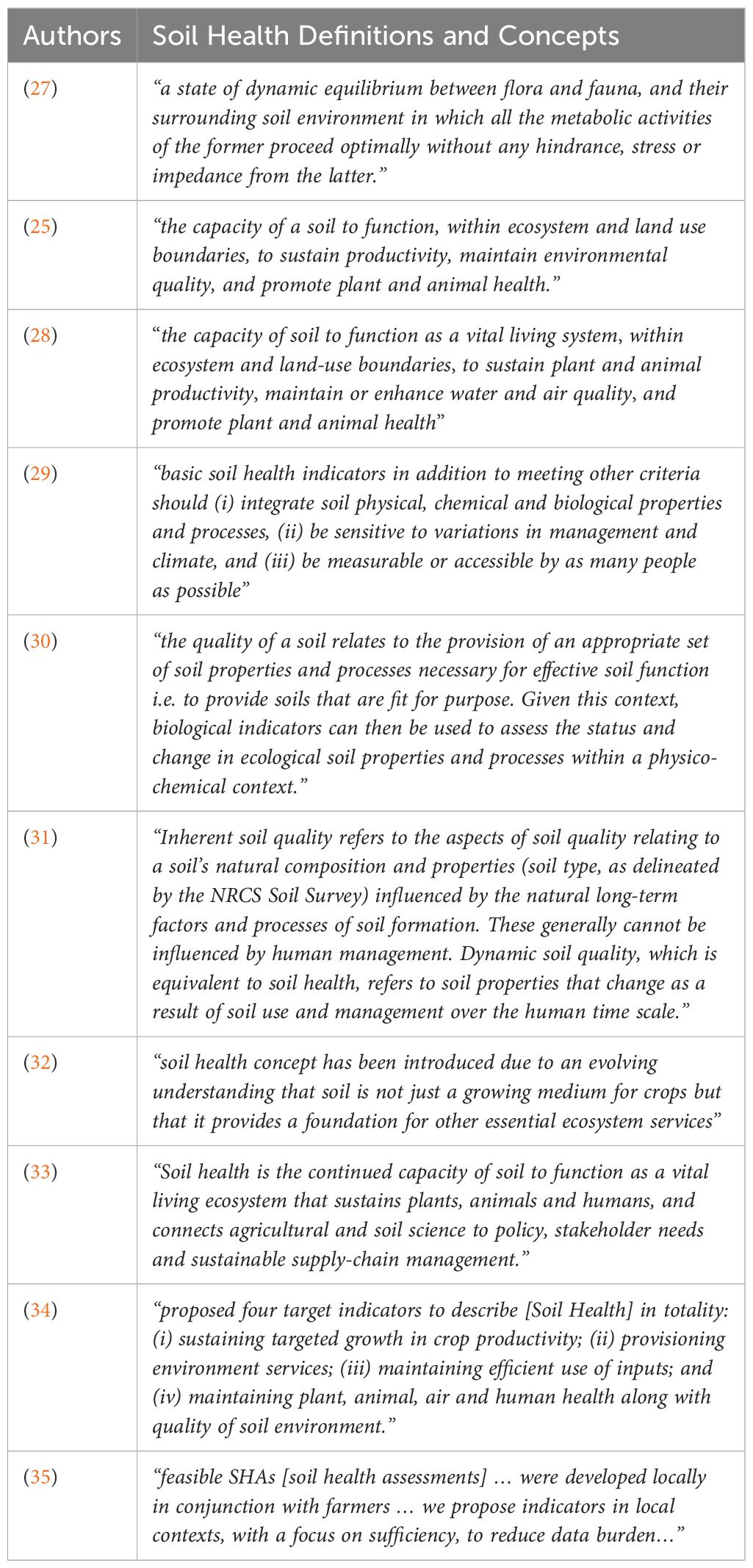
Table 1. Review of the evolution of definitions and concepts of soil health from peer-reviewed literature.
One way of conceptualizing soil health is based on its capacity to function within ecosystem and land-use boundaries, sustain key biological activities, maintain environmental quality and promote plant and animal health (25, 38). Thus, soil health also reflects how the soil responds to environmental stresses. A soil with good health has the capacity to produce sustainable high yields with appropriate management and balanced fertilizers. More recently, the recognition and integration of research on the role of soil biology to soil quality and function has contributed to the integration of soil biology to soil health (Table 2). While the academic debate surrounding the soil health definition continues (19, 52, 53), a consensus is beginning to emerge, suggesting soil health may be defined as “The continued capacity of soil to function as a vital living ecosystem that sustains plants, animals, and humans” (54) or “The ability of the soil to sustain the productivity, diversity, and environmental services of terrestrial ecosystems” (3). Thus, the state of soil health is often commonly conceptualized as the integrated and synchronous performance of the functioning of soil physical, chemical and biological processes. However, if we embrace the concept of environmental health in terms by which human health is determined in part by the well-being of their external surroundings, then soil health may be defined as “a branch of public health that monitors the relationship between human health and the environment, examining aspects of both our natural and human-made environment and their effect on human wellbeing” (55).
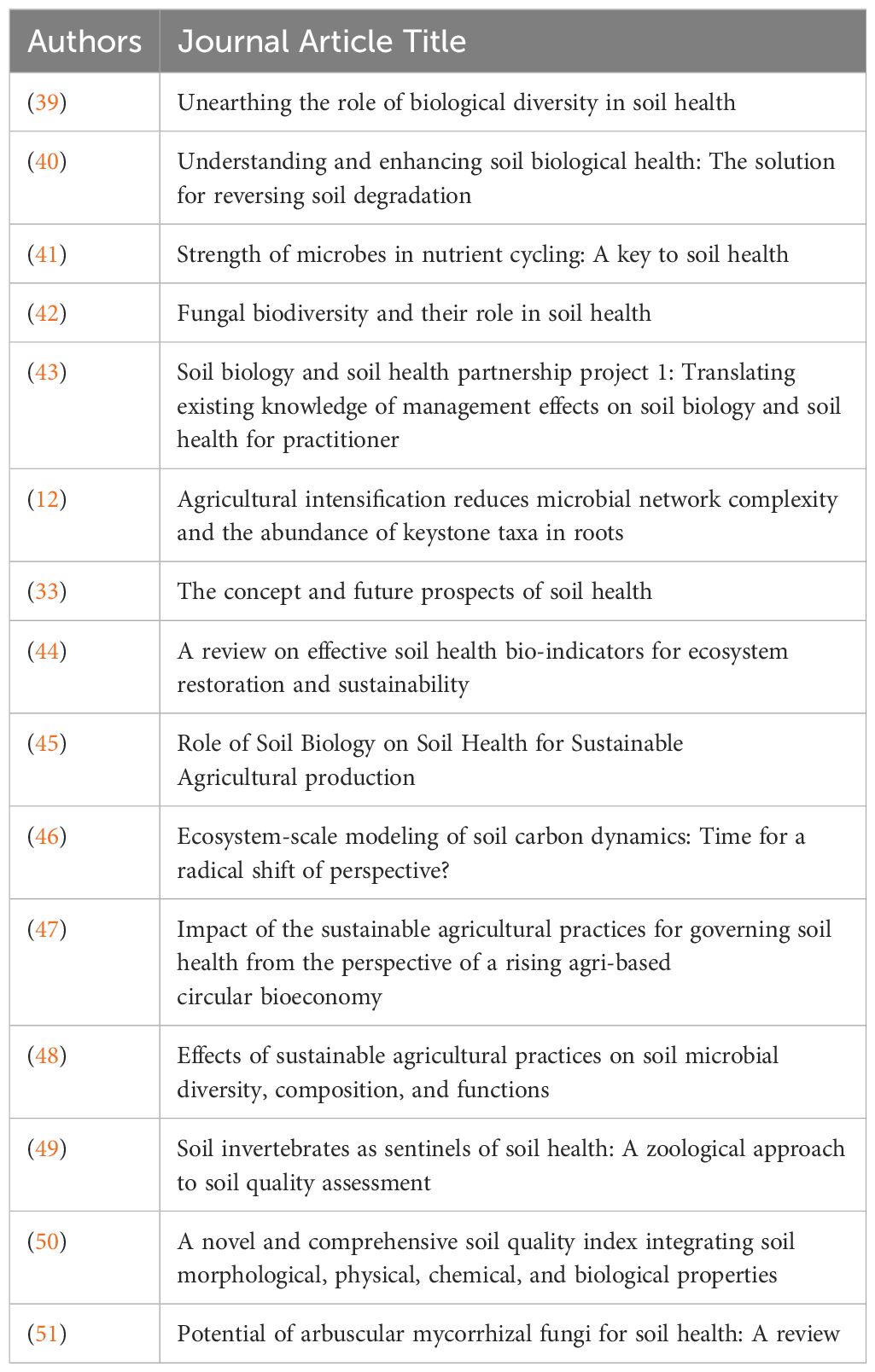
Table 2. Recent literature emphasizing the role and importance of soil biology in relation to soil health.
To expand on the analogy of human health, one can look at the example of a deficiency of a vitamin or deterioration of an organ which may affect the functioning of the individual and would be an indicator of poor health requiring remedial action to function effectively. Similarly, a healthy soil is one with good soil tilth, sufficient rooting depth, adequate water retention and availability, good drainage, adequate supply of available nutrients, abundance of beneficial organisms, resilience to organic matter degradation, and free of pollutants, plant pathogens and insect pests. Should one or more of these be deficient, remedial action may be required. This comparison of human and soil health provides an analogy that demonstrates the connection between health and the surrounding environment. Keith et al. (56) purport that soil stewardship is the nexus between providing ecosystem services or functions and the ‘one health’ concept, wherein the health of humans, animals and the environment are interconnected (57). In fact, the importance of soil health to the health of plants, humans and animals as well as the environment has been gaining general acceptance (18).
6 Soil health assessment
Costanza (58) stated that ecosystem health assessment may be made in terms of an ecosystem health index composed of its productivity, organization (and diversity) and resilience. Regarding an assessment of soil health, like an assessment in the medical profession, health cannot be represented by one property, organ or function alone, but manifests as a product of many characteristics (59), determined collectively by chemistry, physics and biology. Janzen et al. (53) argued that soil health cannot be measured per se, however, soil characteristics can be seen through the lens of proxy variables (such as SOM), land functions (e.g., food quality, water quality, climate mitigation) and societal values (e.g., aesthetics, equity, well-being), which can be used as “illuminating indicators”. Nevertheless, no single indicator or a combination thereof can provide a comprehensive evaluation of the health of the whole soil system.
According to Lewandowski et al. (60), the health of soil provides an overall fitness for carrying out ecosystem functions and for responding to environmental stresses, as well as agricultural interventions, including irrigation, tillage and application of fertilizers. In this context, soils are a living system in that they are the habitat for innumerable microorganisms and thus soil health depends on soil microbiome diversity. Like human health, it isn’t easy to quantify soil health, but it can be assessed using multiple indicators. Doran and Zeiss (28) suggested that criteria for indicators must be; (i) sensitive to changes in management, (ii) correlated with ecosystem functions, (iii) useful for interpreting ecosystem processes, (iv) practical and useful to land managers, and (v) easy and cost-effective to measure. To address these criteria, common soil indicators may include: soil texture, soil depth, bulk density, microbial biomass, soil structure, soil organic carbon, pH, cation exchange capacity, electrical conductivity, available nutrients, lack of pathogens, toxins, and pests (25). Gugino et al. (61) and Idowu et al. (62) created the Comprehensive Assessment of Soil Health, which uses the combinations of physical (texture, available water capacity, surface hardness, subsurface hardness, aggregate stability), biological (organic matter, soil protein, soil respiration, active carbon, with add-ons of root pathogen pressure rating and potentially mineralizable nitrogen) and chemical (soil chemical composition - Modified Morgan Extractable phosphorus, potassium, soil pH, and micronutrients with add-ons of salinity and sodicity and heavy metals) attributes. A scoring function then converts the values for a specific indicator to give an interpretive rating of the soil between 0-100 (63).
In both human and soil health, there are different kinds of indicators, some of which are not readily altered. For example, low bone density due to genetic predisposition is not easily changed. While other indicators such as blood sugar or triglycerides are indicators that may be more readily altered with lifestyle and medication. Similarly, soil texture and depth do not substantially vary and are not managed, and therefore called capability indicators (64). Lehmann et al. (33) proposed that indicators such as aggregation (structure), air and water infiltration, earthworm abundance and organic C and N fractions should be more widely adopted in soil health assessment. Similarly, soil greenhouse gas (GHG) emissions and C sequestration potential could be added as important soil health indicators in recognition of the relationship between soil and climate change (65). While it remains a challenge to effectively integrate the multitude of soil health indicators into a single score or soil health index (66), a comparison of the various indicators of soil health through the lens of human health can help us understand how similar diagnostics are related to different health functions, as illustrated in Figure 1.
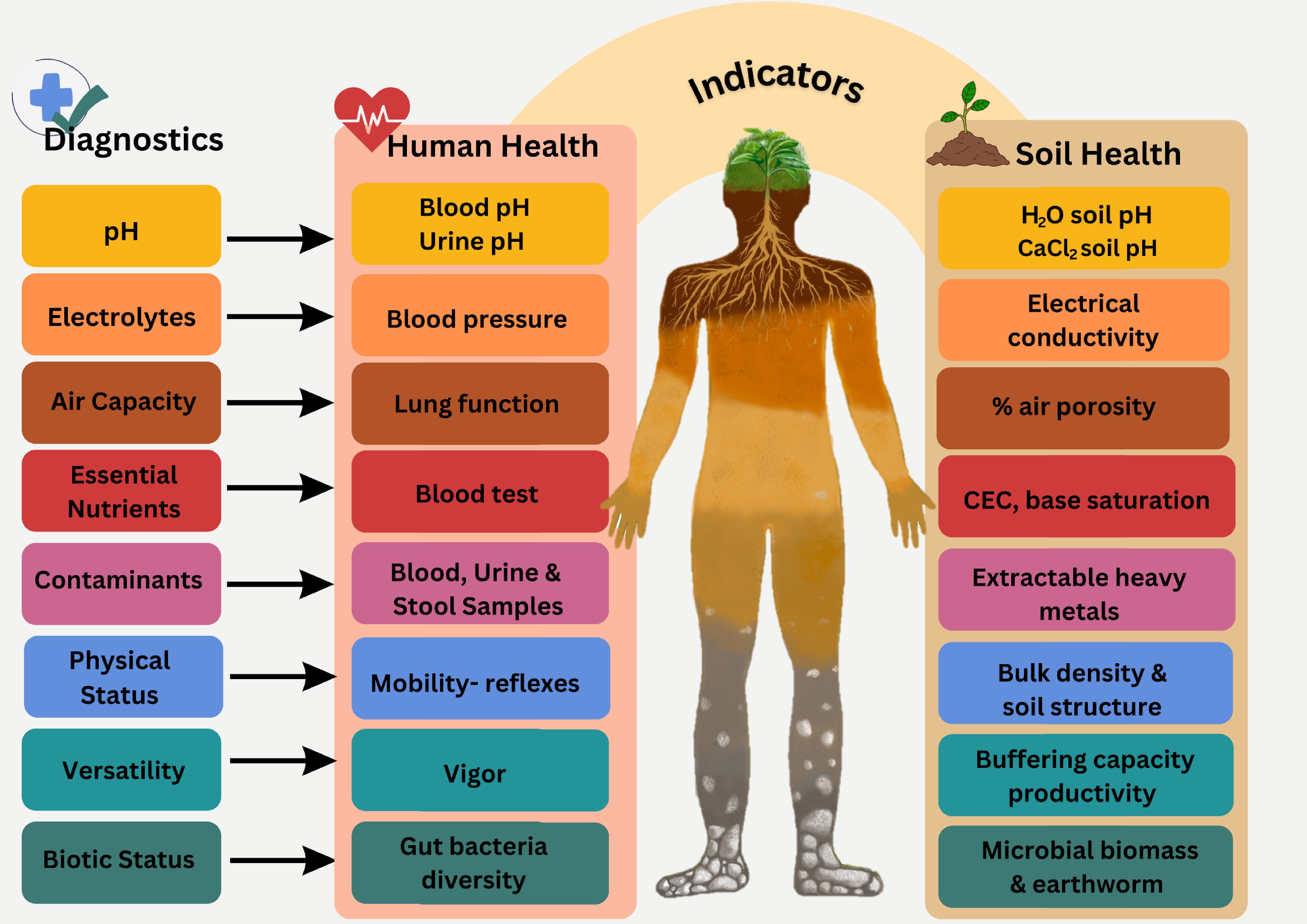
Figure 1. Comparison of several diagnostics that can be used to assess various indicators of human and soil health.
In addition to the diagnostic indicators of human health, a current understanding of genetics and environmental health builds a more holistic picture of the factors influencing human well-being. Adapting the work of Casebeer et al. (67), we further explore the analogy between human and soil health and their indicators. While Figure 1 shows the connection between the indicators of human health and soil health, Figure 2 illustrates the connection between both human health and soil health and the socioeconomic and physical environment in which both exist.
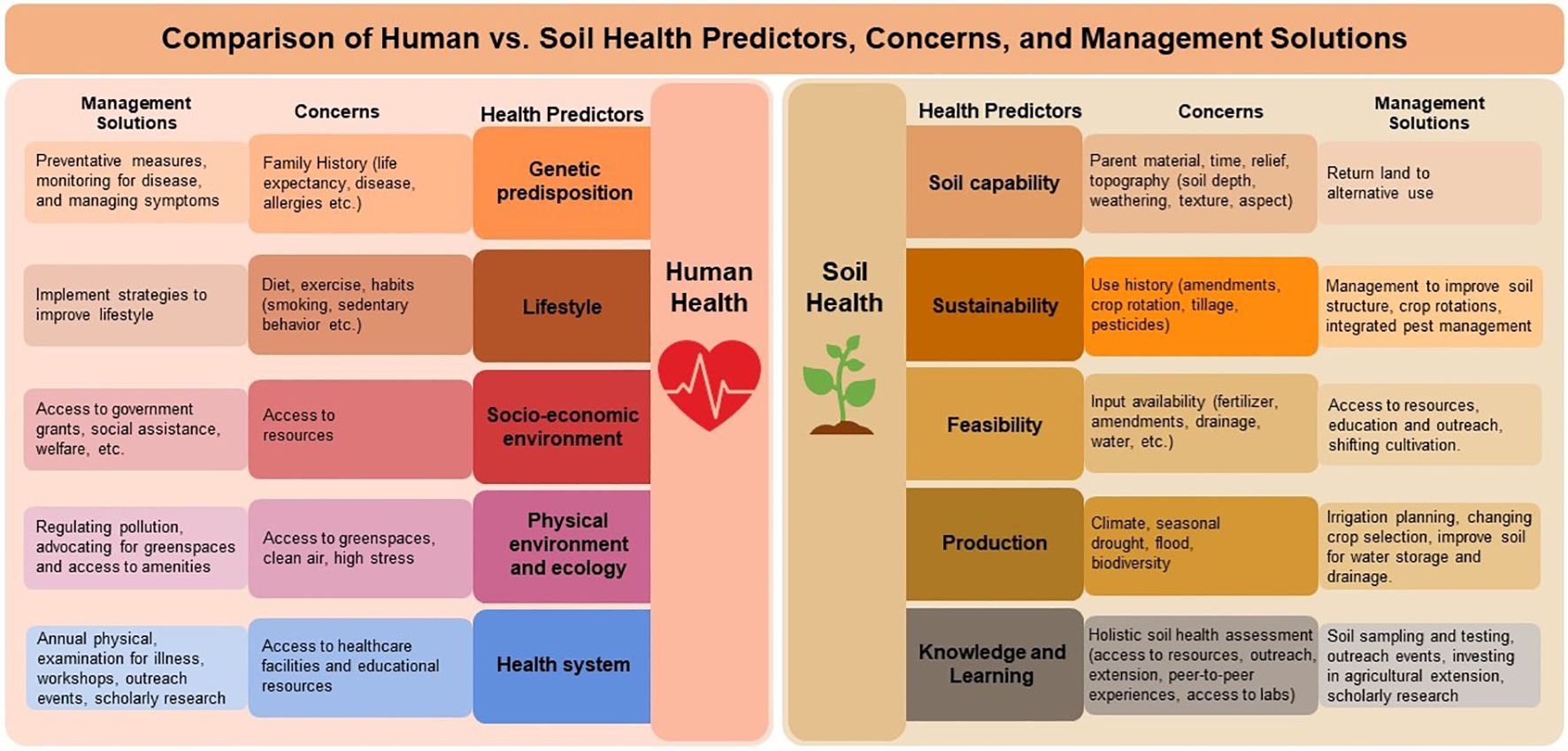
Figure 2. A comparison of human health to soil health using common predictors of human health including genetic predisposition, lifestyle, socio-economic environment and ecology and the health system relating them to soil.
Genetic predisposition in human health is related to concerns about family history around disease, age and genetic conditions. It is difficult to manage these concerns since they are inherent to your genetic makeup; however, one can employ preventative measures, monitor for disease and manage symptoms. For soils, genetic predisposition could be related to a soil’s capability, in which the parent material and age of soil (time) are concerns that would be important to consider when determining the potential land use of a soil. One cannot easily change soil texture or have an influence on time; however, there is also the management option to restore marginal lands back to their original use, for example flooding an area that has had drainage installed or restoring saltwater marshes along coastlines.
A person’s lifestyle affects their health, for example, someone who smokes, does not exercise and has a sedentary lifestyle, may be more prone to disease. For soils, this would be parallel to their use history. For example, all the previous cropping history, amendment applications, use of high or low tillage, pesticide applications and more, would affect the current health status of the soil, and would require management intervention such as amendments, planned crop rotations or integrated pest management to improve health.
The socio-economic environment predictors for human and soil health are quite similar. Both predictors are concerned with access to resources that promote health. Similarly, we can manage socio-economic concerns through access to government grants, social or farmer assistance programs and non-governmental organizations. For human health, the physical environment and ecology deal with concerns about access to clean air, greenspaces, biodiversity and low-stress environments. To address these concerns, one common government intervention is to regulate pollution from industry or advocate for greenspaces and access to amenities such as parks, libraries and schools. In parallel, the physical environment and ecology are essential to soil health. This includes concerns about the topography, aspect of the soil, changes in biodiversity and climate change, which could increase floods or seasonal drought. Some ways to manage these concerns are, for example, with a high slope one could implement contour cropping, with a south-facing aspect one can plant different crop varieties that can withstand more arid conditions. For climate change induced modifications, you can implement climate-smart agricultural practices like cover cropping, compost or low tillage.
Lastly, the parallel between the human health system can be made to soil testing and education access for producers. While access to health care for an annual physical examination such as blood and urine tests are crucial to monitor and respond to any changes in human health, it is similarly important for producers to have access to soil testing facilities, farmer outreach events and peer-to-peer learning engagements, to ensure they can interpret test results, learn from agrologists, colleagues and get help with other problems through scholarly research. In addition, the information in Figure 2 is summarized in Figure 3 in a pictorial fashion.
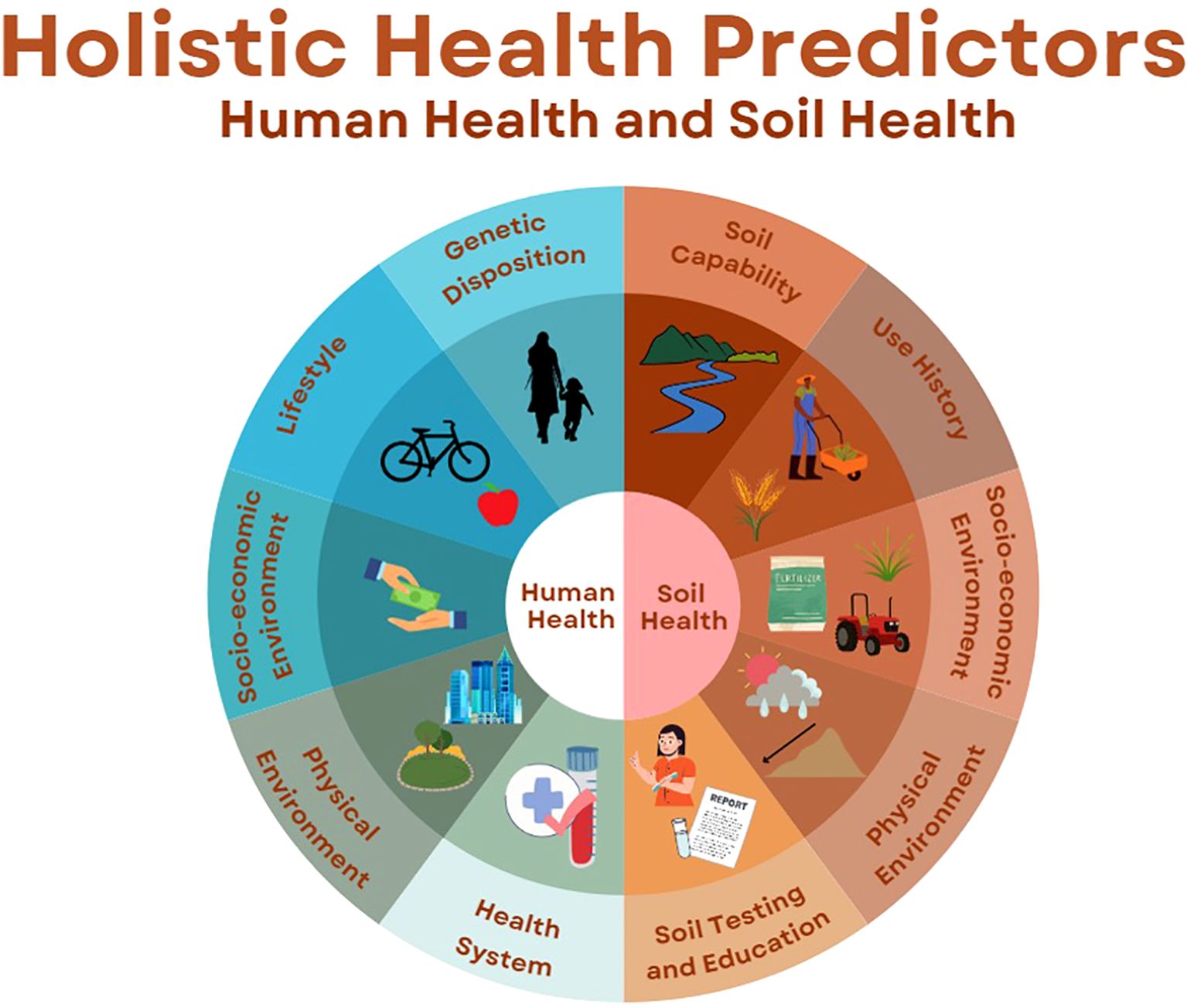
Figure 3. Pictorial diagram of holistic health predictors highlighting the influence of socio-environmental factors on human and soil health.
The comparisons illustrated in Figures 1 and 2 are conceptual and convey that health is a commonly used term, often without specific context that is applied to many defined entities, including people, ecosystems, plants, animals, environments and buildings. By understanding the unique characteristics of the predictors of soil health for a specific soil, we can begin to assess the types of diagnostics needed and the most useful plan to improve soil health. In the case of managed systems, such as the soil ‘health’, conceptualization aids in communication among specialists, the public and policymakers. In addition, the concept of health becomes incorporated into other concepts, such as sustainability.
7 Sustainable agricultural systems and soil health
The concept of soil health is the cornerstone of ‘Sustainable Agriculture’ which may be defined as “an integrated system of plant and animal production practices having a site-specific application that will last over the long term” (68), and is aimed to recharge the soil with nutrients and water that are essential for crop production, minimize soil erosion and maintain soil biota (69).
The transition to more sustainable agricultural systems, such as regenerative agriculture has been proposed in recent years so that soils may recover toward a healthier state (70). This approach targets the restoration of topsoil, enhancement of biodiversity, improvement of the water cycle, ecosystem services, and resilience to climate change with a range of management practices such as agroforestry, minimum tillage, cover-cropping, recycling of farm wastes and the addition of composted materials (71).
The Oxford English Dictionary defines sustainability as ‘the use of natural products and energy in a way that does not harm the environment’(72). Thus, the sustainable use of soils has connotations of continuity and maintenance, rather than the continuous improvement implied by regenerative agriculture or precision agriculture, although regenerative agriculture promotes improving soil health for future use. Regenerative agriculture also helps increase soil C sequestration (i.e., SOM) thereby offsetting the GHG emissions. The suggestion of sustainable soil management and continual improvements may contribute to a more informed description of soil health as it aids in the description of what is a sustainable or ‘healthy soil’.
Not only does sustainable agriculture play a crucial role in soil health, there is growing evidence suggesting that it may be linked to human health, as the soil also contains important nutrients, pathogens, as well as healthy microbes, natural antibiotics and medicines (18, 73). Thus, one may argue that protecting life below ground, by ensuring a robust and diverse community of soil biota, is crucial to sustaining the good health of animals, including humans. In turn, better soil health is also the key to the global food supply, as healthy soil in combination with balanced, integrated nutrient management will result in optimum yield and good quality of produce, a necessity for human health – reinforcing the concept of ‘One Health” (56).
8 Soil health in relation to climate change
The start of the present agricultural food production era may be considered the first instance of an increase in soil GHG emissions (74) such that agriculture and associated land use changes are significant sources of CO2, CH4 and N2O emissions that contribute to climate change (75, 76). As a result of climate change associated elevated temperatures, more frequent droughts and flooding further affect soil health by affecting crop production and increasing soil erosion and GHG emissions. Furthermore, soils can contribute to positive feedback loops resulting from increased SOM decomposition and soil GHG emissions. Thus, increasing emphasis is being laid on soil-centric climate change mitigation by developing soil C sequestration strategies and improved land use and management practices to decrease agricultural GHG emissions (77). Soils can mitigate some concerns of climate change as a result of greater soil C sequestration from increased productivity due to increased CO2, fertilization and a longer growing season (16, 78). Better soil health, the result of higher SOC content, may also help mitigate climate change and its effects on other soil-ecosystem services, such as water quality, and sustain plant productivity with greater resilience to drought and flooding (9). However, to realize the potential for climate change mitigation through global soil management requires understanding cultural, political and socioeconomic contexts, and the ways in which widespread, sustained changes in practices can be successfully achieved (79). As such, there needs to be a greater level of engagement with the land users, who will need to implement the practices that abate GHG emissions and sequester carbon.
Canada has recently launched an Agricultural Climate Solutions program under the $4B Natural Climate Solutions Fund focused on sequestering C and decreasing GHG emissions along with other environmental benefits by developing, adopting, and refining agricultural technologies (80). This ten-year program will support the integration of scientific research and farming operations with the goal of increasing adoption of tested technologies by farmers. Focused on the science of increased soil C sequestration, by implementing suitable soil health practices, to mitigate climate change to the extent that has been proposed to align with agricultural and climate policies (81).
9 Future perspective
It is challenging to elucidate and communicate the myriad of interacting processes that take place in soil, and also to draw public attention to soil-related issues in comparison to water and air pollution and economic issues that are more readily noticeable (82). This lack of visibility of soils by the public at large and lack of funding for soil research compared to other disciplines, has impacted the lack of focus and public awareness of soil health. It is interesting to note that more money is spent on the search for, and detailed study of, exoplanets, distant by several lightyears from us, than on the soils on Earth on which our livelihood depends (83).
Healthy soil has been shown to suppress the effects of pathogens, sustain biological activities, decompose organic matter, inactivate toxic materials, and recycle nutrients, energy, and water (41). On the other hand, degraded soils that are compacted or contain less SOM hold less water than healthy soil, thereby increasing the likelihood of floods and making them more susceptible to droughts, ultimately leading to economic losses. The latter also increases the demand for water for irrigation, thereby impacting and competing with other water-intensive industries. Among many benefits, keeping soils healthy will improve water availability, decrease nutrient inputs and increase pathogenic resistance. Similarly, employing sustainable and beneficial land management practices to reverse and restore SOM and hence regain soil health can aid carbon sequestration. Accordingly, maintaining good soil health makes for a business case, as an integral component to mitigating the disruption of water, energy, food and fiber supply chains, as well as climate change (8).
With increasing knowledge and awareness of the role of soils in climate change and the mitigation of adverse impacts, national governments have begun to act on this important issue. In addition, the growing concerns about future global food security given an ever-increasing population and the continued degradation of soils have begun to ring alarm bells across nation-states. Realizing the extent of soil degradation and the important role it plays not only in numerous ecosystem services but also in the global circular economy, the European Parliament adopted a Soil Protection resolution [2021/2548(RSP)] thereby proposing a Soil Health Law to develop a comprehensive legal framework for the protection of soil and to grant it the same level of protection as water and air. The aim is to have all soils in healthy condition by 2050. In 2021, Canada Bill C-290 also proposed the Soil Conservation Act directed toward raising public awareness of the importance of improving and sustaining soil health, and helping farmers adapt to climate change and conserve water and soil; and the USA Bill S.1356 modified the Environmental Quality Incentives Program of the USDA to provide permanent incentive payments to producers that adopt practices designed to improve soil health through increasing carbon levels in soil. Worldwide there is a push from policymakers, scientists and concerned citizens alike to protect the health of this once overlooked resource.
The soil health concept fills an important stakeholder need in sustainable development (84) by elevating the recognition of the role of soil in modern society. However, while the soil health concept has been developed into an attractive and actionable platform for policymakers, farmers, and scientists, the latter two have different perceptions of soil and do not generally conceive of soil in the same way, nor at the same scale of concern. Farmers are mostly concerned with maintaining soil for productive purposes under variable conditions, whereas scientists like to know “why” and explain things by understanding relationships and processes. Nevertheless, through effective communication among all stakeholders, some of the anthropogenic changes impacting soil health may be reversed and soil health restored by adopting beneficial management practices and restoring soil biodiversity and resilience.
The main barrier to sustainable soil health practices is the economic cost. While practitioners are interested in maintaining good soil health by using best management practices (BMPs), stakeholders often cannot implement such BMPs due to economic constraints. Farmers are more likely to adopt those practices known to benefit the environment if they save on inputs without decreasing crop revenue (85). However, research shows that most sustainable agriculture practices that increase soil biodiversity and improve soil health are not economically viable in the short term for farmers. While farmers value the environment, they would certainly prefer to use sustainable practices if provided incentives, or at least compensated for any economic loss for adopting specific strategies.
There is a scientifically documented need for policy-makers, scientists, farmers, and foresters to collaborate and apply a holistic approach, share knowledge, promote soil health and integrate with plant, animal, and human health for controlling current and emerging infectious diseases, water quality, and food security issues (86). Additionally, there is a need to enhance the transfer of existing knowledge to and among farmers. Sustainable agricultural practices for optimum crop production that enhance soil biodiversity and thereby soil and human health require incentives that could be incorporated into policies that integrate with public health and food security concerns.
Finally, efforts should be continued toward the development of a comprehensive soil health index that will benefit sustainable agriculture goals. However, we have to remember the possibility of a “no one size fits all” when deciding what is a healthy soil, taking into consideration the predictors of soil health and choosing indicators to assess soil health improvement methods. Creating such an index will require calibration for different regions with different pedo-climatic conditions and needs (87). Nevertheless, innovative analytical and conceptual approaches including newer measurement sensors, microbiological assessments, computational technology and data analysis tools will provide advances.
In conclusion, we cannot prove what is ‘healthy’, but can determine using indicators and predictors focused on function, what is not healthy, thus rejecting the null hypothesis that the concept of human health cannot be applied to soil. The comparison of soil health with human health may aid in the recognition and communication of the importance of soil, thereby contributing to an informed public debate on the necessity of conserving our vital soil resource.
Author contributions
LF: Writing – original draft, Writing – review & editing. NB: Writing – original draft, Writing – review & editing. FD: Writing – original draft, Writing – review & editing. RJ: Writing – original draft, Writing – review & editing. LL: Writing – original draft, Writing – review & editing.
Funding
The author(s) declare that no financial support was received for the research, authorship, and/or publication of this article.
Conflict of interest
The authors declare that the research was conducted in the absence of any commercial or financial relationships that could be construed as a potential conflict of interest.
Publisher’s note
All claims expressed in this article are solely those of the authors and do not necessarily represent those of their affiliated organizations, or those of the publisher, the editors and the reviewers. Any product that may be evaluated in this article, or claim that may be made by its manufacturer, is not guaranteed or endorsed by the publisher.
References
1. Wilton BR. Soil Health for Our Future: Outcomes Report. Brussels, Ottawa: European Commission and Agriculture and Agri-Food Canada (2021) 2021.
2. Isonio E. What is healthy soil? FAO coins the official definition. Re Soil Foundation, Turin, Piedmont, Italy (2021). Available at: https://resoilfoundation.org/en/environment/healthy-soil-official-definition/#:~:text=Although%20there%20has%20also%20been,Partnership%20has%20filled%20that%20void.
3. FAO. Towards a definition of soil health. Rome: FAO (2020). Available at: https://openknowledge.fao.org/handle/20.500.14283/cb1110en.
5. Walpole M, Viglizzo EF. Developing Ecosystem Service Indicators: Experiences and lessons learned from sub-global assessments and other initiatives (2011). Available online at: https://www.researchgate.net/publication/236151918 (Accessed September 20, 2024).
6. Soil Health for Our Future. Outcomes Report. European Commission and Agriculture and Agri-Food Canada Vol. 2021. Government of Canada, Brussels, Ottawa (2021).
7. FAO. FAOSTAT: Crops. Rome: FAO (2022). Available at: https://www.fao.org/faostat/en/#data/FBS.
8. FAO, ITPS, GSBI, SCBD, EC. State of knowledge of soil biodiversity - Status, challenges and potentialities, Report 2020. Rome: FAO (2020). Available at: https://openknowledge.fao.org/items/24035f6b-eed4-40a8-a838-b45b866c35c2.
9. Lal R. Soil carbon sequestration impacts on global climate change and food security. Science. (2004) 304:1623–7. doi: 10.1126/science.1097396
10. Vogel E, Donat MG, Alexander LV, Meinshausen M, Ray DK, Karoly D, et al. The effects of climate extremes on global agricultural yields. Environ Res Lett. (2019) 14:(5). doi: 10.1088/1748-9326/ab154b
11. Foley JA, Defries R, Asner GP, Barford C, Bonan G, Carpenter SR, et al. Global consequences of land use. Science. (2005) 309:570–4. doi: 10.1126/science.1111772
12. Banerjee S, Walder F, Büchi L, Meyer M, Held AY, Gattinger A, et al. Agricultural intensification reduces microbial network complexity and the abundance of keystone taxa in roots. ISME J. (2019) 13:1722–36. doi: 10.1038/s41396-019-0383-2
13. Dror I, Yaron B, Berkowitz B. The human impact on all soil-forming factors during the anthropocene. ACS Environ Au. (2021) 2:11–9. doi: 10.1021/acsenvironau.1c00010
14. Ameen A, Raza S. International journal of advances in scientific research green revolution: A review QR code correspondence info. Int J Adv Sci Res. (2018) 3:129–37. doi: 10.7439/ijasr
15. Pimentel D. Soil erosion: a food and environmental threat. Environ Dev Sustain. (2006) 8:119–37. doi: 10.1007/s10668-005-1262-8
16. Rumpel C, Amiraslani F, Koutika L, Smith P, Whitehead D, Wollenberg E. Put more carbon in soils to meet Paris climate pledges. Nature. (2018) 564:32–4. doi: 10.1038/d41586-018-07587-4
17. Lal R. Soil science and the carbon civilization. Soil Sci Soc Am J. (2007) 71:1425–37. doi: 10.2136/sssaj2007.0001
18. Brevik EC, Slaughter L, Singh BR, Steffan JJ, Collier D, Barnhart P, et al. Soil and human health: Current status and future needs. Air Soil Water Res. (2020) 13:117862212093444. doi: 10.1177/1178622120934441
19. Harris JA, Evans DL, Mooney SJ. A new theory for soil health. Eur J Soil Sci. (2022) 73:e13292. doi: 10.1111/ejss.13292
20. Powlson DS. Is ‘soil health’ meaningful as a scientific concept or as terminology? Soil Use Manage. (2021) 37:403–5. doi: 10.1111/sum.12721
21. Wood M, Litterick AM. Soil health – What should the doctor order? Soil Use Manage. (2017) 33:339–45. doi: 10.1111/sum.12344
22. Cotrufo MF, Lavallee JM. Soil organic matter formation, persistence, and functioning: A synthesis of current understanding to inform its conservation and regeneration. Adv Agron. (2022) 172:1–66. doi: 10.1016/bs.agron.2021.11.002
23. Montanarella L, Pennock DJ, McKenzie N, Badraoui M, Chude V, Baptista I, et al. World’s soils are under threat. Soil. (2016) 2:79–82. doi: 10.5194/soil-2-79-2016
24. Khonje DJ, Varsa EC, Klubek B. The acidulation effects of nitrogeneous fertilizers on selected chemical and microbiological properties of soil. Commun Soil Sci Plant Anal. (1989) 20:2377–1395. doi: 10.3390/microorganisms8050694
25. Doran JW, Parkin TB. Defining and assessing soil quality. In: Doran W, Coleman DC, Bezdicek DF, Stewart BA, editors. Defining Soil Quality for a Sustainable Environment. Madison, WI, United States and American Society of Agronomy, Inc (1994). doi: 10.2136/sssaspecpub35.c1
26. Puig de la Bellacasa M. Re- animating soils: transforming human–soil affections through science, culture and community. Sociol Rev. (2019) 67:391–407. doi: 10.1177/0038026119830601
27. Goswami NN, Rattan RK. Soil Health - Key to sustained agriculture productivity. Fertiliser News. (1992) 37:53–60.
28. Doran JW, Zeiss MR. Soil health and sustainability: managing the biotic component of soil quality. Appl Soil Ecol. (2000) 15:3–21. doi: 10.1016/S0929-1393(00)00067-6
29. Dwivedi BS, Dwivedi V. Monitoring soil health for higher productivity. Indian J Fertilisers. (2007) 3:11–23.
30. Ritz K, Black HIJ, Campbell CD, Harris JA, Wood C. Selecting biological indicators for monitoring soils: A framework for balancing scientific and technical rigor with practical constraints. Soil Biol Biochem. (2009) 41:2494–504. doi: 10.1016/j.soilbio.2009.06.024
31. Moebius-Clune BN, Moebius-Clune DJ, Gugino BK, Idowu OJ, Schindelbeck RR, Ristow AJ, et al. Comprehensive Assessment of Soil Health – The Cornell Framework. Edition 3.2. Geneva, NY: Cornell University (2016).
32. Rinot O, Levy GJ, Steinberger Y, Svoray T, Eshel G. Soil health assessment: A critical review of current methodologies and a proposed new approach. Sci Total Environ. (2019) 648:1484–91. doi: 10.1016/j.scitotenv.2018.08.259
33. Lehmann J, Bossio DA, Kögel-Knabner I, Rillig MC. The concept and future prospects of soil health. Nat Rev Earth Environ. (2020) 1:544–53. doi: 10.1038/s43017-020-0080-8
34. Katyal JC, Chaudhari SK. Do Fertilizers Protect or Punish Soil Health? In Indian Journal of Fertilisers (2021) 17.
35. Hughes HM, Koolen S, Kuhnert M, Baggs EM, Maund S, Mullier GW, et al. Towards a farmer-feasible soil health assessment that is globally applicable. J Environ Manage. (2023) 345:118582. doi: 10.1016/j.jenvman.2023.118582
36. Lal R. Soil health and carbon management. In: Food and Energy Security, vol. 5. Wiley-Blackwell Publishing Ltd, Hoboken, New Jersey, United States (2016). p. 212–22. doi: 10.1002/fes3.96
37. Rahman S, Slawinski N. How nature-based knowledge can restore local ecosystems and improve community well-being. The Conversation (2024). Available online at: https://theconversation.com/how-nature-based-knowledge-can-restore-local-ecosystems-and-improve-community-well-being-224832 (Accessed September 20, 2024).
38. Kibblewhite MG, Ritz K, Swift MJ. Soil health in agricultural systems. Philos Trans R Soc B 2008. (2008) 363:685–701. doi: 10.1098/rstb.2007.2178
39. Ferris H, Tuomisto H. Unearthing the role of biological diversity in soil health. Soil Biol Biochem. (2015) 85:101–9. doi: 10.1016/J.SOILBIO.2015.02.037
40. Lehman RM, Cambardella CA, Stott DE, Acosta-Martinez V, Manter DK, Buyer JS, et al. Understanding and enhancing soil biological health: The solution for reversing soil degradation. Sustainability (Switzerland). (2015) 7:988–1027. doi: 10.3390/su7010988
41. Sahu N, Vasu D, Sahu A, Lal N, Singh SK. Strength of microbes in nutrient cycling: A key to soil health. In: Meena V, Mishra P, Bisht J, Pattanayak A, editors. Agriculturally Important Microbes for Sustainable Agriculture. Springer, Singapore (2017). p. 69–86.
42. Frąc M, Hannula SE, Bełka M, Jędryczka M. Fungal biodiversity and their role in soil health. Front Microbiol. (2018) 9:707. doi: 10.3389/fmicb.2018.00707
43. Griffiths BS, Hargreaves PR, Bhogal A, Crotty F. v, Stockdale EA. Soil Biology and Soil Health Partnership Project 1: Translating existing knowledge of management effects on soil biology and soil health for practitioners (2018). Available online at: https://projectblue.blob.core.windows.net/media/Default/Research%20Papers/Cereals%20and%20Oilseed/2019%20(and%20earlier)/91140002%20final%20report%2001.pdf (Accessed September 20, 2024).
44. Bhaduri D, Sihi D, Bhowmik A, Verma BC, Munda S, Dari B. A review on effective soil health bio-indicators for ecosystem restoration and sustainability. Front Microbiol. (2022) 13:938481. doi: 10.3389/fmicb.2022.938481
45. Tarafdar JC. Role of soil biology on soil health for sustainable agricultural production. In: Giri B, Kapoor R, Wu QS, Varma A, editors. Structure and Functions of Pedosphere. Springer, Singapore (2022). doi: 10.1007/978-981-16-8770-9_3
46. Baveye PC. Ecosystem-scale modelling of soil carbon dynamics: Time for a radical shift of perspective? In Soil Biol Biochem. (2023) 184. doi: 10.1016/j.soilbio.2023.109112
47. de Corato U, Viola E, Keswani C, Minkina T. Impact of the sustainable agricultural practices for governing soil health from the perspective of a rising agri-based circular bioeconomy. Appl Soil Ecol. (2024) 194. doi: 10.1016/j.apsoil.2023.105199
48. Mondaca P, Celis-Diez JL, Díaz-Siefer P, Olmos-Moya N, Montero-Silva F, Molina S, et al. ). Effects of sustainable agricultural practices on soil microbial diversity, composition, and functions. Agriculture Ecosyst Environ. (2024) 370:109053. doi: 10.1016/J.AGEE.2024.109053
49. Ramasubba Reddy H, Khan M, Pasarkar A. Soil invertebrates as sentinels of soil health: A zoological approach to soil quality assessment. J Advanced Zoology. (2024) 45:86–94. doi: 10.17762/jaz.v45i1.2959
50. Vasu D, Tiwary P, Chandran P. A novel and comprehensive soil quality index integrating soil morphological, physical, chemical, and biological properties. Soil Tillage Res. (2024) 244:106246. doi: 10.1016/J.STILL.2024.106246
51. Zhang J, Zhao R, Li X, Zhang J. Potential of arbuscular mycorrhizal fungi for soil health: A review. Pedosphere. (2024) 34:279–88. doi: 10.1016/J.PEDSPH.2024.02.002
52. Baveye PC. Soil health at a crossroad. In Soil Use and Management. Blackwell Publishing Ltd. (2021) 37:215–219. doi: 10.1111/sum.12703
53. Janzen HH, Janzen DW, Gregorich EG. The ‘soil health’ metaphor: Illuminating or illusory? Soil Biol Biochem. (2021) 159:108167. doi: 10.1016/j.soilbio.2021.108167
54. USDA. Soil health(2024). Available online at: https://www.nrcs.usda.gov/conservation-basics/natural-resource-concerns/soils/soil-health (Accessed September 20, 2024).
55. Ranniger G. What is environmental health? Environmental Health News (2022). Available online at: https://www.ehn.org/what-is-environmental-health-2657680870.html (Accessed September 20, 2024).
56. Keith AM, Schmidt O, McMahon BJ. Soil stewardship as a nexus between ecosystem services and one health. Ecosyst Serv. (2016) 17:40–2. doi: 10.1016/j.ecoser.2015.11.008
57. Prata JC, Ribeiro AI, Rocha-Santos T. Chapter 1—An introduction to the concept of One Health. In: Prata JC, Ribeiro AI, Rocha-Santos T, editors. One Health. Academic Press, Amsterdam, Netherlands (2022). p. 1–31. doi: 10.1016/B978-0-12-822794-7.00004-6
58. Costanza R. Towards an operational definition of ecosystem health. In: Costanza R, Norton B, Haskell B, editors. Ecosystem Health: New Goals for Environmental Management. Island Press, Washington DC (1992). p. 239–56.
60. Lewandowski A, Zumwinkle M, Fish A. Assessing the Soil System: A Review of Soil Quality Literature, Minnesota Department of Agriculture, Energy and Sustainable Agriculture Program. Minnesota Department of Agriculture, St. Paul, MN (1999).
61. Gugino BK, Idowu OJ, Schindelbeck RR, van HM, Moebius-Clune BN, Wolfe DW, et al. Cornell Soil Health Assessment Training Manual, Edition 2.0. Cornell University, Geneva, New York, United States (2009). Available at: http://soilhealth.cals.cornell.edu/.
62. Idowu OJ, van Es HM, Abawi GS, Wolfe DW, Ball JI, Gugino BK, et al. Farmer-oriented assessment of soil quality using field, laboratory, and VNIR spectroscopy methods. Plant Soil. (2008) 307:243–53. doi: 10.1007/s11104-007-9521-0
63. Andrews SS, Karlen DL, Cambardella CA. The soil management assessment framework. Soil Sci Soc America J. (2004) 68:1945–62. doi: 10.2136/sssaj2004.1945
64. Bouma J, Ittersum MK, Stoorvogel JJ, Batjes NH, Droogers P, Pulleman MM. Soil capability: exploring the functional potentials of soils. In Global Soil Secur. (2017), 27–44. doi: 10.1007/978-3-319-43394-3_3
65. Girija Veni V, Srinivasarao Ch, Sammi Reddy K, Sharma KL, Rai A. Chapter 26—Soil health and climate change. In: Prasad MNV, Pietrzykowski M, editors. Climate Change and Soil Interactions. Elsevier, Amsterdam, Netherlands (2020). p. 751–67. doi: 10.1016/B978-0-12-818032-7.00026-6
66. Jian J, Du X, Stewart R. A database for global soil health assessment. Sci Data. (2020) 7:16. doi: 10.1038/s41597-020-0356-3
67. Casebeer A, Deis K, Doze S. Health indicator development in Alberta health authorities: Searching for common ground. Can J Public Health. (1999) 90. doi: 10.1007/bf03403582
68. Gold MV. Sustainable agriculture: information access tools (2009). Available online at: https://www.nal.usda.gov/afsic/sustainable-agriculture-information-access-tools (Accessed September 20, 2024).
69. Brodt S, Six J, Feenstra G, Ingels C, Campbell D. Sustainable agriculture. Nat Educ Knowledge. (2011) 3:1. Available online at: https://www.nature.com/scitable/knowledge/library/sustainable-agriculture-23562787/.
70. Dudek M, Rosa A. Regenerative agriculture as a sustainable system of food production: concepts, conditions, perceptions and initial implementations in Poland, Czechia and Slovakia. Sustainability. (2023) 15:15721. doi: 10.3390/su152215721
71. Rhodes CJ. Feeding and healing the world: Through regenerative agriculture and permaculture. Sci Prog. (2012) 95:345–446. doi: 10.3184/003685012X13504990668392
72. Oxford English Dictionary, s.v. sustainability (n.), sense 2.b. Oxford, Great Britain and Oxford University Press (2023). doi: 10.1093/OED/1042593202.
73. Wall D, Nielsen U, Six J. Soil biodiversity and human health. Nature. (2015) 528:69–76. doi: 10.1038/nature15744
74. Ruddiman WF. The anthropogenic greenhouse era began thousands of years ago. Climate. Change. (2003) 61:261–93. doi: 10.1023/B:CLIM.0000004577.17928.fa
75. Smith P. Soils and climate change. Curr Opin Environ. (2012) Sust. 4:539–44. doi: 10.1016/j.cosust.2012.06.005
76. Tubiello FN, Salvatore M, Ferrara AF, House J, Federici S, Rossi S, et al. The contribution of agriculture, forestry and other land use activities to global warming 1990 –2012. Glob Change Biol. (2015) 21:2655–60. doi: 10.1111/gcb.2015.21.issue-7
77. Kahiluoto H, Smith P, Moran D, Olesen JE. Enabling food security by verifying agricultural carbon sequestration. Nat Clim Change. (2014) 4:309–11. doi: 10.1038/nclimate2209
78. Mehra P, Singh BP, Kunhikrishnan A, Cowie A, Bolan N. Soil health and climate change: A critical nexus. Manag. Soil Health Sustain Agric. (2018) 2018:39–68. doi: 10.19103/AS.2017.0033.04
79. Smith P, Martino D, Cai Z, Gwary D, Janzen H, Kumar P, et al. Policy and technological constraints to implementation of greenhouse gas mitigation options in agriculture. Agric Ecosyst Environ. (2007) 118:6–28. doi: 10.1016/j.agee.2006.06.006
80. Government of Canada. Natural climate solutions (2021). Available online at: https://www.Canada.ca/en/campaign/natural-climate-solutions.html (Accessed September 20, 2024).
81. Chabbi A, Lehmann J, Ciais P, Loescher HW, Cotrufo MF, Don A, et al. Aligning agriculture and climate policy. In Nat Climate Change. (2017) 7:307–9. doi: 10.1038/nclimate3286
82. Pino V, McBratney A, O’Brien E, Singh K, Pozza L. Citizen science and soil connectivity: Where are we? Soil Secur. (2022) 9. doi: 10.1016/j.soisec.2022.100073
83. Baveye PC, Rangel D, Jacobson AR, Laba M, Darnault C, Otten W, et al. From dust bowl to dust bowl: soils are still very much a frontier of science. Soil Sci Soc Am J. (2011) 75:2037–48. doi: 10.2136/sssaj2011.0145
84. European Commission. E.U. Mission board soil health and food. Caring for soil is caring for life. Publications Office Eur Union. (2020). doi: 10.2777/821504
85. Liu T, Bruins RJF, Heberling MT. Factors influencing farmers’ Adoption of best management practices: A review and synthesis. Sustainability. (2018) 10:432. doi: 10.3390/su10020432
86. Sharna SC, Maraseni T, Radanielson AM. A global systematic literature review on sustainable soil management practices. Soil Use Manage. (2023) 39:1267–88. doi: 10.1111/sum.12949
Keywords: sustainable agriculture, land management, carbon sequestration, soil fertility, climate change mitigation
Citation: Fausak LK, Bridson N, Diaz-Osorio F, Jassal RS and Lavkulich LM (2024) Soil health – a perspective. Front. Soil Sci. 4:1462428. doi: 10.3389/fsoil.2024.1462428
Received: 10 July 2024; Accepted: 11 September 2024;
Published: 09 October 2024.
Edited by:
Hassan Ragab El-Ramady, Kafrelsheikh University, EgyptReviewed by:
Alaa El-Dein Omara, Agricultural Research Center, EgyptTamer Elsakhawy, Agricultural Research Center, Egypt
Copyright © 2024 Fausak, Bridson, Diaz-Osorio, Jassal and Lavkulich. This is an open-access article distributed under the terms of the Creative Commons Attribution License (CC BY). The use, distribution or reproduction in other forums is permitted, provided the original author(s) and the copyright owner(s) are credited and that the original publication in this journal is cited, in accordance with accepted academic practice. No use, distribution or reproduction is permitted which does not comply with these terms.
*Correspondence: Lewis K. Fausak, bGV3aXMuZmF1c2FrQHViYy5jYQ==