 Fu-Sheng Liu1
 Lin-Xia Deng
 Fu-Bing Liu
 Xiao-Bin Wang
 Jing Li
- 1Department of Spine Surgery Spinal Deformity Center, The Second Xiangya Hospital, Central South University, Changsha, China
- 2Department of Pediatrics, The Third Xiangya Hospital, Central South University, Changsha, China
Purpose: This study aimed to summarize the characteristics of the 100 most-cited articles on adult spinal deformity (ASD) and to analyze past and current research hotspots and trends.
Methods: Literature searches (from inception to 28 April 2022) using Web of Science databases were conducted to identify ASD-related articles. The top 100 most-cited articles were collected for further analysis. Meanwhile, author keywords from articles published in the last 5 years were selected for further analysis.
Results: The top 100 most-cited articles on ASD were selected from 3,354 papers. The publication year ranged from 1979 to 2017, and all papers were written in English. The citation count among them ranged from 100 to 1,145, and the mean citation number was 215.2. The foremost productive first author was Schwab F. University of Washington had the largest number of publications. The United States of America had the largest number of published articles (n = 84) in this field. Spine was the most popular journal. Complications were the most studied themes. The visualization analysis of author keywords from the literature in the recent 5 years showed that complications, sagittal plane parameters, and surgical techniques are still the research hotspots, and minimally invasive surgery will continue to develop rapidly.
Conclusion: Based on a comparative analysis of the results of bibliometric and visualization, complications and sagittal plane parameters are still the major topics of research at present and even later, and minimally invasive surgery has a growth trend in this field of ASD.
Introduction
Adult spinal deformity (ASD) is a complex rigid three-dimensional spinal deformity characterized by back pain, symptoms of nerve compression, malalignment, and decreased quality of life (1–3). The question of whether the optimal treatment of ASD is conservative management or operative treatment remains controversial. Compared with non-surgical treatment, correction surgery has shown favorable results for ASD, such as restoring alignment, reducing pain, and improving health-related quality of life (HRQOL) (4–6); however, these benefits are offset by high incidences of complications, the complexity of surgical techniques, and the uncertainty of long-term outcomes (7, 8). As people live longer lives and suffer from spinal degeneration, the prevalence of ASD grows and public attention is on the rise. Despite the high frequency of ASD, an understanding of the underlying mechanisms remains incomplete. Therefore, an in-depth study on the research status and hotspots is meaningful and necessary.
Summarizing the previous studies is of great practical significance in a specific research field. Bibliometrics refers to the quantitative analysis of a given topic, based on the existing published literature, using mathematical and statistical methods to quickly understand the hotspots, trends, author cooperation networks, institutional cooperation networks, article relevance analysis, and so on (9–11). Meanwhile, we can understand it intuitively by combining it with visualization software, such as VOSviewer and CiteSpace.
Although bibliometric analysis has been widely used in the field of medicine (11, 12), there is currently no detailed analysis of ASD. This paper collected and selected the 100 most influential articles in ASD and compared them with the literature published in the recent 5 years in order to better understand the cooperative network, academic community, current status, and research hotspots, while also discussing and summarizing the research trend in this field.
Materials and methods
Study design
In this study, the records of literature on ASD were analyzed using a bibliometric methodology.
Search strategy
Electronic searches of the Web of Science database (including the Web of Science Core Collection, KCL-Korean Journal Database, MEDLINE, Russian Science Citation Index, and SciELO Citation Index) were performed from inception to 28 April 2022 (a time span from 1950 to 2022), to identify eligible studies. The terms used for searching were “adult spinal deformity” OR “adult scoliosis” OR “adult deformity” OR “degenerative scoliosis” OR “iatrogenic deformity” OR “secondary deformity.” No limitation was applied in language or article type or publishing time.
A total of 3,354 papers matched our search criteria. Then, the results were listed from highest to lowest by “citation times.” Two reviewers independently evaluated eligible studies according to predefined inclusion and exclusion criteria and then identified the 100 most-cited articles on ASD for further analysis (Figure 1). Any dispute was resolved through consensus.
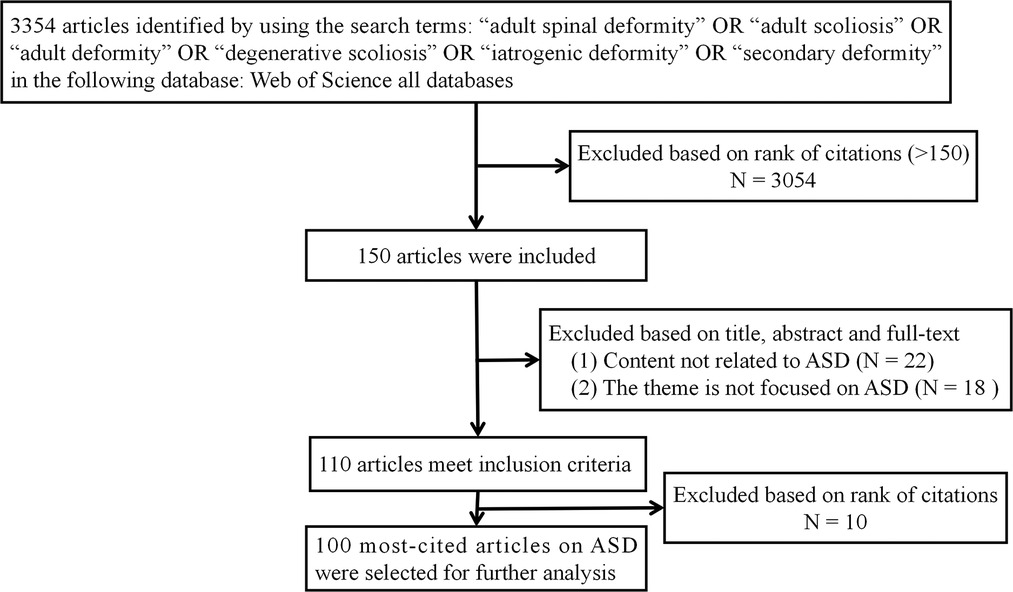
Figure 1. Flow diagram of literature search showing studies identified, included, and excluded at each stage.
Eligibility criteria
Inclusion criteria: (1) A clear correlation with ASD; (2) basic or clinical research associated with ASD; (3) theme focus on ASD.
Exclusion criteria: (1) The theme was not focused on ASD, such as adolescent scoliosis; (2) the types of articles are letters, news, meetings, etc.
Data extraction
From the included 100 most-cited articles, we extracted bibliographic information such as publication title, year of publication, the institution of publication, abstract, first author, journal title, impact factor (IF), author keywords, the total number of citations, citation density, country, language, and themes. For the information extraction of the institution, we collected the first author's institution. If there were multiple affiliations of the first author, we only analyzed the ranked first.
At the same time, the same search terms were used in the identical database. Then, collect all of the literature in the recent 5 years (from 2017 to April 2022) and analyze the author keywords with VOSviewer (Version. 1.6.16) and CiteSpace (Version. 6.1R2). The previous articles can be used to learn more about how these programs work (12–15).
Results
Top 100 most-cited articles
The top 100 most-cited articles on ASD were selected from 3,354 papers that matched our search criteria, and all papers were written in English. The citation count among them ranged from 100 to 1,145, and the mean citation number was 215.2. Meanwhile, 32 articles were cited at least 200 times. The article “The impact of positive sagittal balance in adult spinal deformity,” published by Glassman et al., was the most-cited study (cited 1,145 times) and the highest cited density article (69.1 times per year). The papers “Adult Scoliosis and Back Pain,” published in 1979 by Nachemson et al., and “Global Alignment and Proportion (GAP) Score Development and Validation of a New Method of Analyzing Spinopelvic Alignment to Predict Mechanical Complications After Adult Spinal Deformity Surgery” published in 2017 by Yilgor et al., were the earliest and the most recent article, respectively. As shown in Figure 9A, the top 100 most-cited articles were published between 1979 and 2017, with 25 percent of the articles published before 2005. In addition, between 2005 and 2014, 73 articles were published, accounting for nearly three-quarters of the total. During this period, the largest number of articles were published in 2010, with 11 papers, followed by 10 articles in 2013. It can be inferred that this decade was very important for the development of ASD research (Table 1 and Figure 9A).
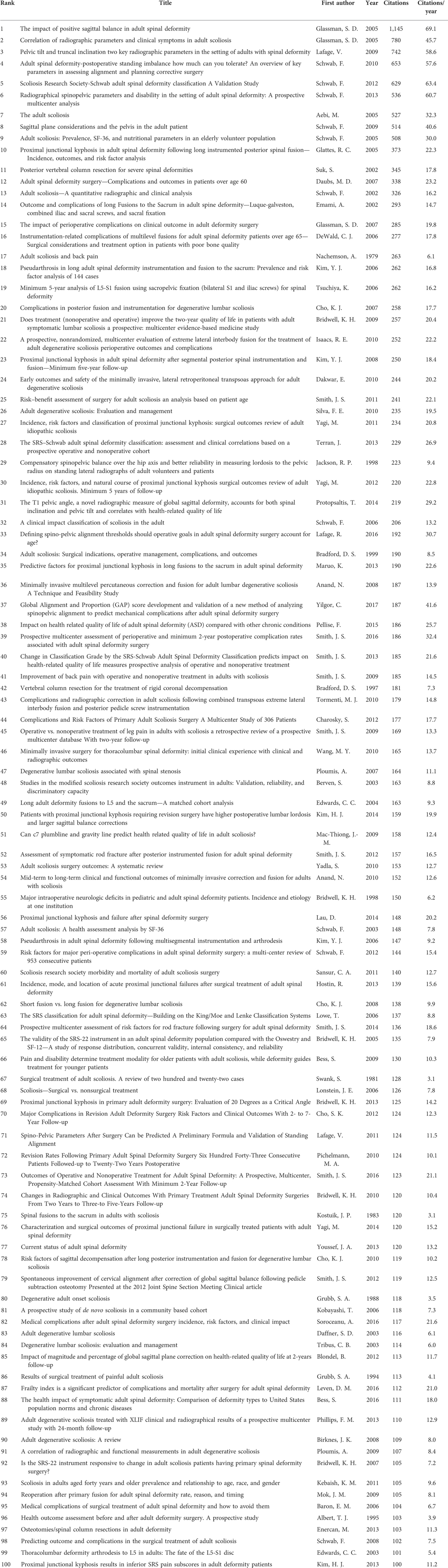
Table 1. The 100 most-cited articles on adult spinal deformity.
Country of origin
The top 100 articles originated from a total of nine different countries. The United States of America had the largest number of published articles (n = 84) in the field of ASD; followed by Japan and South Korea tied for second place (n = 4, each); and then, Canada and Turkey each contributed two papers; countries from France, Spain, Sweden, and Switzerland published one article each. Judging by the results, most of them came from developed countries in Europe and the United States (Figure 2).
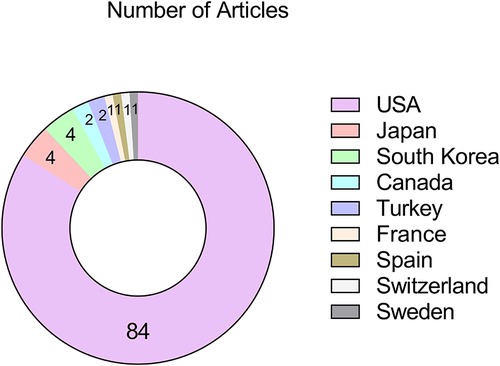
Figure 2. The countries of origin for the 100 most-cited articles on ASD.
The highly productive first author and relationship between authors
A total of 63 different first authors contributed to the top 100 articles, and 15 authors published 2 or more articles. The top 3foremost productive first authors were Schwab F., Smith J. S., and Bridwell K. H., with published 10, 9, and 6 articles respectively. It is worth mentioning that, although Glassman S. D. only contributed to three articles, he had the highest mean citation number, reaching 736.7 per article (Table 2 and Figure 8).
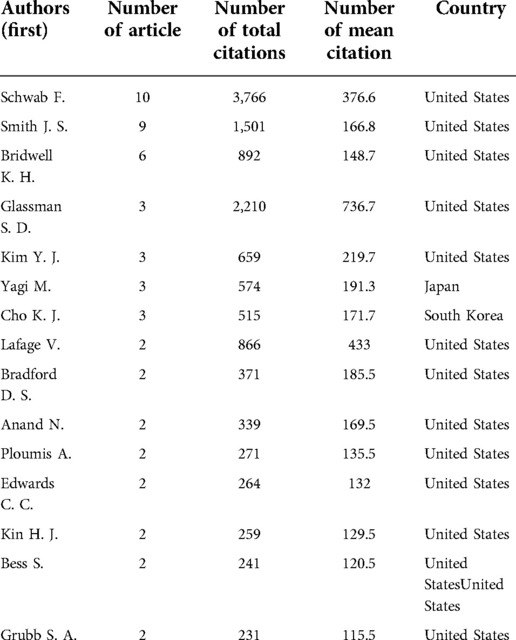
Table 2. First authors with two or more papers of the 100 most-cited articles on adult spinal deformity.
We used Bibliographic coupling, Citation, and Co-authorship analysis to explore the relationships among the authors of the top 100 articles. As shown in Figure 8, a total of 365 authors were recorded, with 22 authors appearing in more than 5 documents at the same time chosen and analyzed. In Figure 8A, the Bibliographic coupling analysis of authors showed that the top five authors with the total link strength were as follows: Schwab, Frank J. (total link strength = 22,894), Shaffrey, Christopher I. (total link strength = 19,701), Lafage, Virginie (total link strength = 16,577), Smith, Justin S. (total link strength = 15,677) and Bess, Shay (total link strength = 14,363). The figure also showed that Schwab, frank j had a strong connection to Lafage, Virginie, Smith, Justin S., Shaffrey, Christopher I., Bess, Shay, Hostin, Richard, Hart, Robert, and Klineberg, Eric. In Figure 8B, the Citation analysis of authors showed that the top five authors with the total link strength were as follows: Schwab, Frank J. (total link strength = 1,646), Shaffrey, Christopher I (total link strength = 1,284), Lafage, Virginie (total link strength = 1,010), Smith, Justin S. (total link strength = 953), and Berven, Sigurd H. (total link strength = 831). The figure also showed that Schwab, Frank J. had a strong connection to Lafage, Virginie, Hostin, Richard, Bess, Shay, Smith, Justin S., and Shaffrey, Christopher I. Similarly, in Figure 8C, the co-authorship analysis of authors showed that the top five authors with the total link strength were as follows: Schwab, Frank J. (total link strength = 170), Shaffrey, Christopher I. (total link strength = 156), Smith, Justin S. (total link strength = 125), Bess, Shay (total link strength = 124), and Lafage, Virginie (total link strength = 121). The figure also showed that Schwab, Frank J. had a strong connection to Smith, Justin S., Lafage, Virginie, Bess, Shay, Hostin, Richard, and Shaffrey, Christopher I. The above results suggested that the stronger the connection between the authors, the closer the cooperation between them.
Institutions of publication
In total, 41 different institutions contributed to the top 100 articles, with 15 institutions publishing two or more. The top three institutions were the University of Washington (n = 15), New York University (n = 13), and University of Virginia (n = 9), with 2,912, 4,308, and 1,501 total citations, respectively. Among the 15 institutions which published two or more articles, the average number of citations exceeded 100 times, with the University of Louisville having the most, reaching 736.7 times (Table 3).
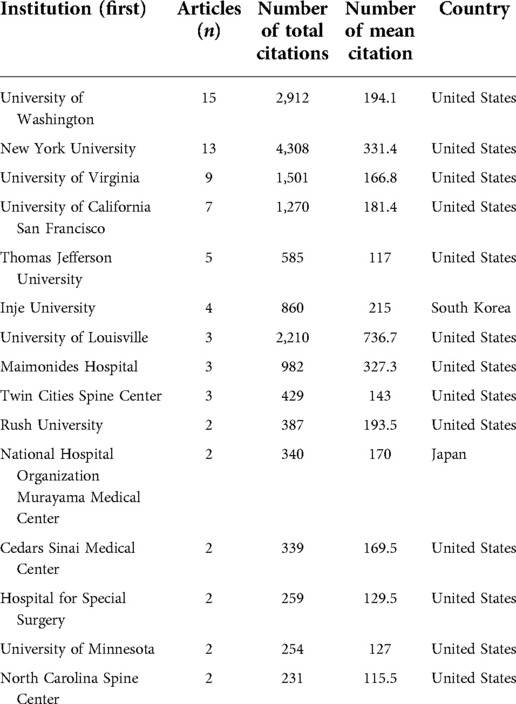
Table 3. The institutions providing two papers or more to the most highly cited ASD articles.
Journals of publication
The top 100 most-cited articles were collected in 13 different journals, with at least two studies published in six of them. Spine was the most contributed journal, publishing more than two-thirds (n = 69) of the articles, with a total of 16,308 citations. Neurosurgery (n = 7) was the second most popular journal, followed by Neurosurgical Focus (n = 6) and European Spine Journal (n = 5), with citation counts of 1,041, 1,128, and 1,098, respectively (Table 4).
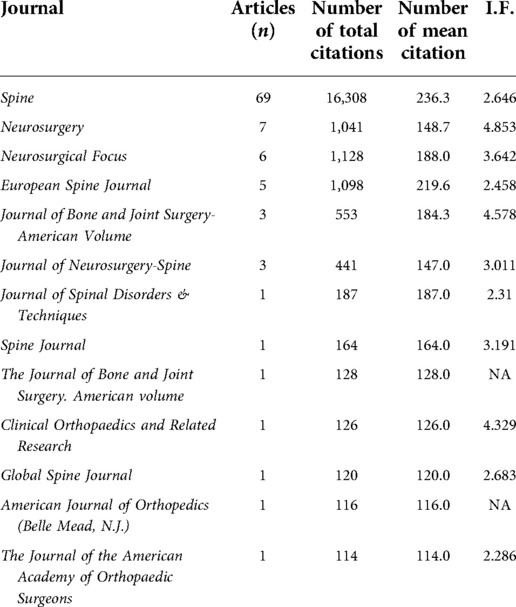
Table 4. The journals in which the top-cited 100 articles were published.
Themes distribution
The top 100 articles were composed of 83 original articles, 15 reviews or systematic reviews, and two case series. The majority of study designs were retrospective and prospective cohort studies, with many coming from multicenter databases. Taken together, there were 10 different core themes around the top 100 articles. Complications (n = 32) were the most studied themes, followed by radiographic parameters (n = 16), surgical techniques (n = 12), general overview of ASD (n = 11), related questionnaires (n = 8), comparison of clinical efficacy (surgical vs. non-surgical) (n = 6), classification system (n = 5) and clinical efficacy of surgical treatment (n = 4). As for the prediction model (n = 2) and internal fixation system (n = 2), it was less involved. In the theme of complications, proximal junctional kyphosis (PJK) and proximal junctional failure (PJF) were the main research content, except for the overall complications (Figure 3).
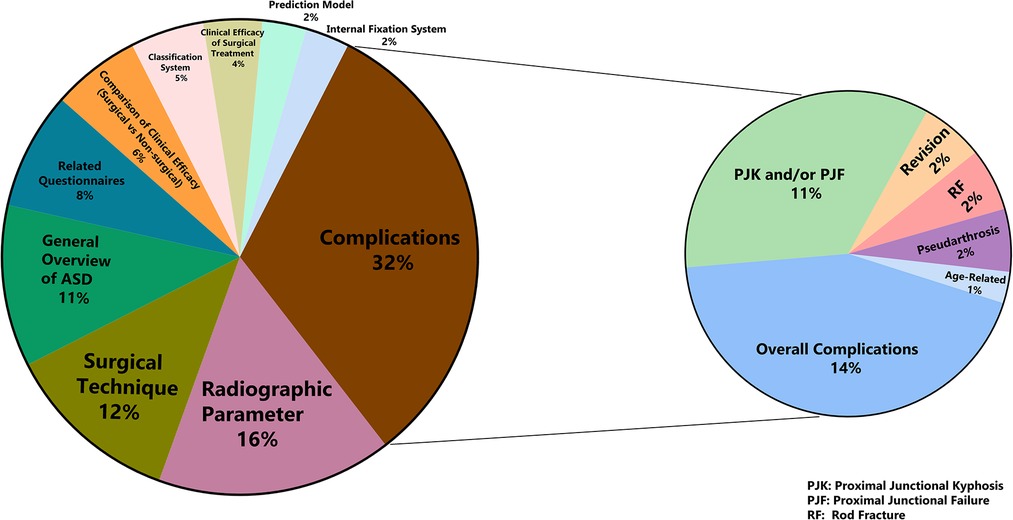
Figure 3. The themes for the 100 most-cited articles on ASD.
Author keywords analysis and visualization
In the recent 5 years, a total of 1,993 articles have been published. According to the Co-Occurrence Network and Cluster Analysis based on VOSviewer, there were 3,060 author keywords extracted from the above articles and 78 keywords repeated at least 15 times. The author keywords co-occurrence visual network diagram showed five different clusters roughly in Figure 4. Distinctive color represented different clusters, and the line between each keyword implied co-occurrence in the same articles. The cluster on yellow mainly focused on the sagittal plane parameter. “Sagittal alignment” occurrences times was 94 and “sagittal balance” was 74; cluster on blue mainly concentrated in surgical technique, “pedicle subtraction osteotomy” occurrences times was 47, and “minimally invasive” and “minimally invasive surgery” was 34 and 33, respectively; cluster on green focused on complications, “complications” and “complication” occurrences times were 146 and 47, respectively. In addition, “PJK” occurrences times was 145, “PJF” was 57 and pseudarthrosis was 34 (Supplementary Table S1). While cluster of red and purple focused on risk factors and cost. Figure 5 showed author keywords from 2017 to 2022, in which the color implied the time when the keywords appeared, and the yellower the color in the picture, the newer the keywords. The picture showed that “reoperation,” “PJK,” “revision,” “rod fracture,” “PJF,” “Lateral lumbar interbody fusion,” “spinopelvic parameters”, and “coronal imbalance” were the latest research hotspots.
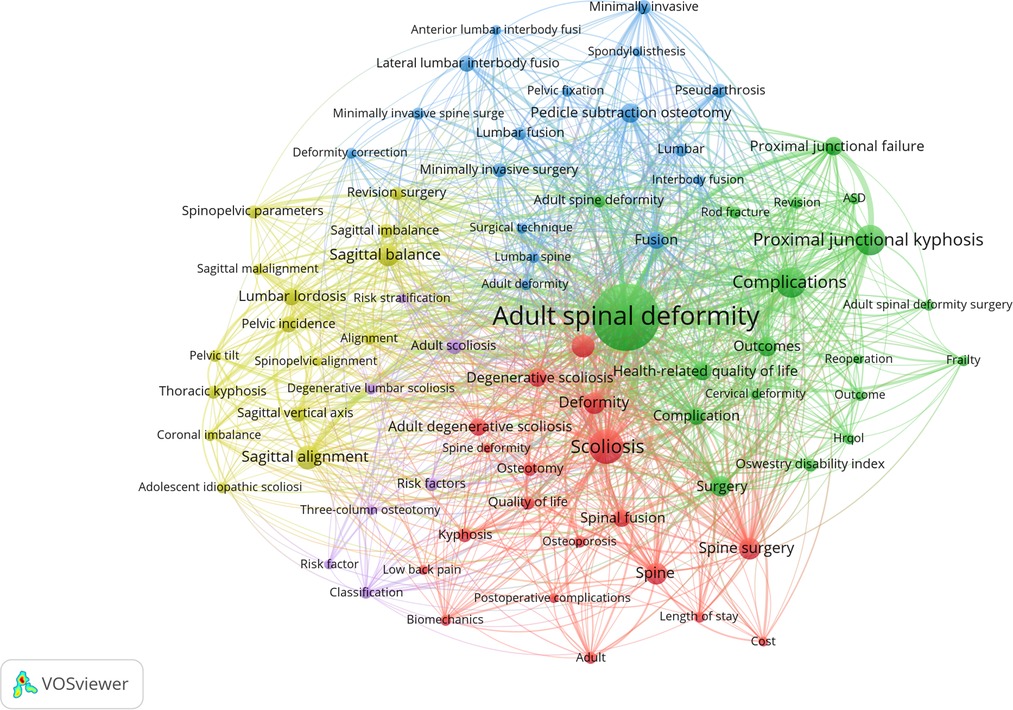
Figure 4. The network visualization analysis of author keywords of the whole articles published in the recent 5 years (overlay visualization).
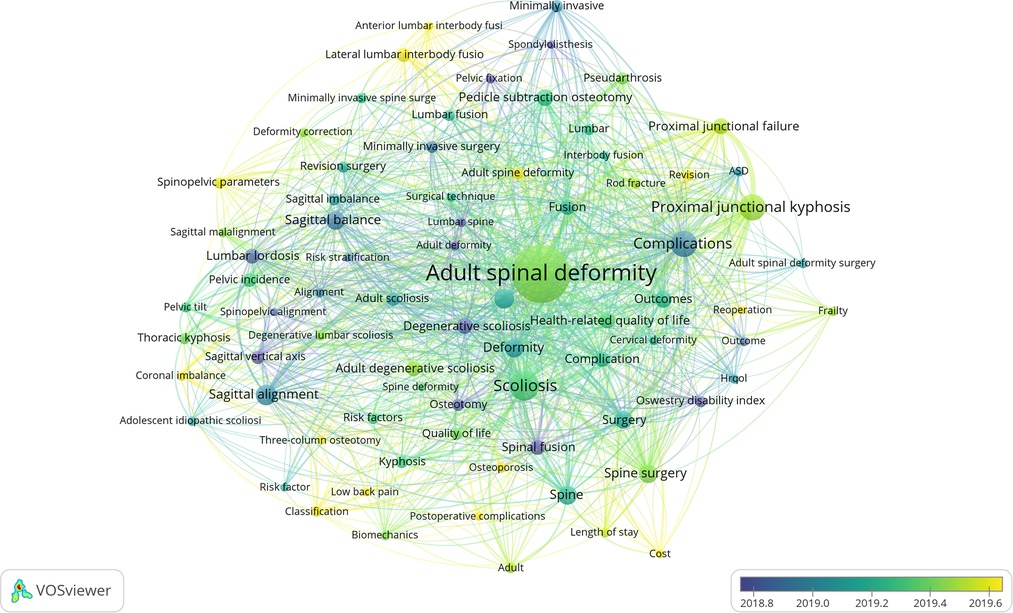
Figure 5. The network visualization analysis of author keywords of the whole articles published in the recent 5 years (time-dependent overlay visualization).
Additionally, author keywords burst and timeline visualization were displayed by CiteSpace (time-space from January 2017 to April 2022), which were usually employed to identify research trends and hot topics. Figure 6 showed the top 25 author keywords with the strongest citation bursts. The red bar represents the strongest citation bursts. The keywords burst from 2020 to 2022 were “mechanical complication,” “3 column osteotomy,” “goal,” “paraspinal muscle,” “patient-reported outcome,” and so on. These keywords indicated the hotspots of research in the recent two years. In addition, the keywords timeline view demonstrated the evolution of the research trend (Figure 7). The larger the nodes, the more published articles, and the most recent studies were nearly closer to the right. The line between each node represented the correlation and the different colors implied the diverse time, with purple line being the oldest (2017), and the yellow line being the newest (2022). In this picture, we could find that the keywords such as “machine learning,” “S2-alar-iliac-screw,” “muscle,” and “paraspinal muscle” were close to the right of the picture and appear relatively recently, suggesting that these topics had received more attention recently.
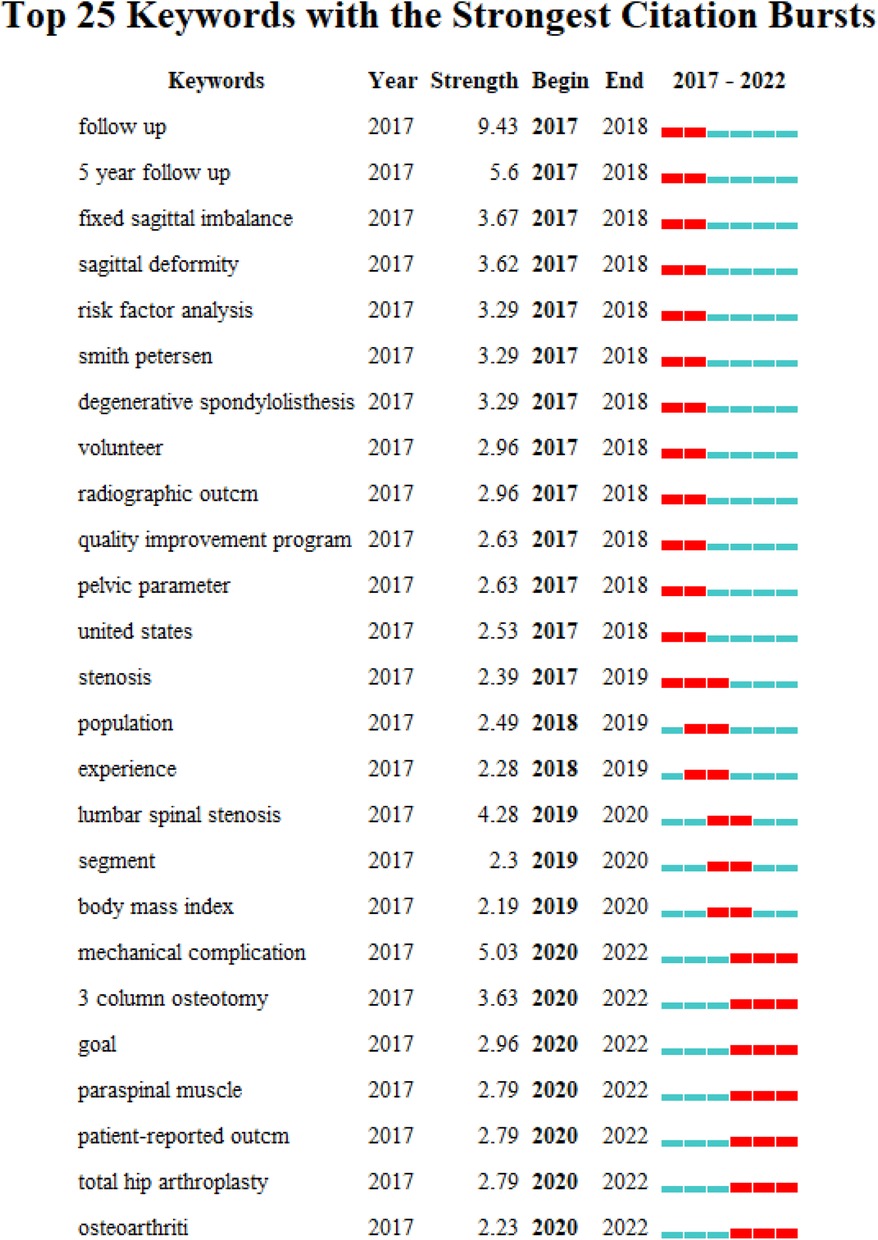
Figure 6. Top 25 author keywords with strongest citation bursts based on CiteSpace (from 2017 to 2022).

Figure 7. Timeline visualization of author keywords based on CiteSpace (from 2017 to 2022). The node represents the time when the keyword first occurs. The larger the node, the more times it appears. The clustering label was obtained by CiteSpace software according to the timeline on the right of the figure. Each row in the figure shows the occurrence of the keyword in different years. The line between each node represented the correlation and the different colors implied the diverse time, the purple line was the oldest (2017), while the yellow line was the newest (2022).
Discussion
In the present study, we used bibliometric methods to analyze the most influential articles on ASD from the Web of Science database, which is a trustworthy database that allows for making citation analysis. We found that the top 100 most-cited articles on ASD were published primarily in the journal of spine and they were mainly from Western developed countries, particularly in the United States. The most productive first author was Schwab Frank, who came from New York University. In the past, the most important topics in the field of ASD were complications, sagittal plane parameters, and surgical techniques had been. The papers reported similar themes from the literature in the last 5 years when taking the author keywords into account. Complications and sagittal balance remain the focus of current research. However, since 2020, “3 column osteotomy” and “paraspinal muscle” displayed citation bursts, implying that there have been great changes in this field in a short time. In a nutshell, these messages provided a comprehensive understanding of the most important studies, discussed and topical in the field of ASD. Moreover, this study may help guide classic journal selection, hotspot tracking, and research trend catching for some scholars who are interested in ASD.
Among the top 100 most-cited articles on ASD, publication dates ranged from 1979 to 2017. Only 10 of the most influential articles were published before the year 2000. Subsequently, the number of articles was continuously increasing, between 2001 and 2010 up to 54. While 36 studies were finished between 2011 and 2017. The oldest article of the top 100 most-cited studies on ASD was recorded in the journal of spine in 1979, written by Nachemson A., describing the relationship between adult scoliosis and back pain (8). The newest article in our study was published in the Journal of Bone and Joint Surgery-American Volume by Yilgor C. in 2017 (16). In this study, the authors proposed a new pelvic-incidence-based proportional method, global alignment and proportion (GAP) score, which could effectively predict mechanical complications in ASD. The most-cited article was written by Glassman S. D., who came from the University of Louisville (17). The authors performed a prospective multicentric study with the correlation between positive sagittal balance and health status. They found that positive sagittal balance was linearly correlated with clinical symptoms. The reason for this most frequently cited article may be attributed to the subsequent understanding of sagittal balance. The scholars found that restoring the sagittal balance was more significant than correcting the coronal balance when taking HRQOL into account (18, 19). Meanwhile, we should treat the citations of articles rationally. Apart from self-citation, many factors affect the citation rate of an article, such as hotspot research, famous journals, authors with high prestige and respect for the pioneers, etc. (20, 21). In the scientific literature citations, scholars tend to cite the articles which have a high influence on the field they are studying, but also are inclined to cite the study completed by highly reputed authors who are active in this field. Therefore, there is a tendency that highly-cited articles to become even more cited, which is the so-called Matthew effect (the rich become richer) (21, 22). The Matthew effect was widely found in literature citations and affected the authenticity of citations (20, 23–25). In the scientific literature, highly cited articles may persist due to the “Matthew effect,” in which well-researched articles maintain prominence. As a result, this phenomenon will detriment to our understanding of important articles which are not well known, and will also have a negative impact on the potential for innovation and exploration in research. In addition, there is very meaningful to analyze trends in the growth of scientific literature. Generally speaking, the trend often shows slow growth at first, then exponential increase, and finally gradually reaches a stable level of growth. As we know, there are many kinds of growth models proposed in scientific literature. Common models include the exponential growth model (26, 27), logistic curve model (28, 29), and linear model (30, 31). In this study, we developed an exponential growth model and logistic regression curve to predict the number of ASD publications in the future. As shown in Figures 9B,C, the model of the exponential curve fitted the number of annual publications well (Figure 9B, R2 = 0.978). In the predictive curve (Figure 9C), it can be seen that the number of publications with ASD will reach 9,108 in 2,040, and in 2,050 the number will reach 43,055. Meanwhile, in the logistic regression curve, we could also see that the curve fits the current data very well (Figure 9D, R2 = 0.992). However, the predictive curve showed that the number of publications will reach its peak in 2030, with about 524 papers. Since then, the annual publications have remained at this level (Figure 9E). This prediction result was quite different from the exponential model, which may suggest that larger data were needed to modify these models. In addition, the logistic model may indicate that ASD-related research will be in a bottleneck period in 2030, so it is particularly important to explore new theories to re-lead the research hotspots in this field.
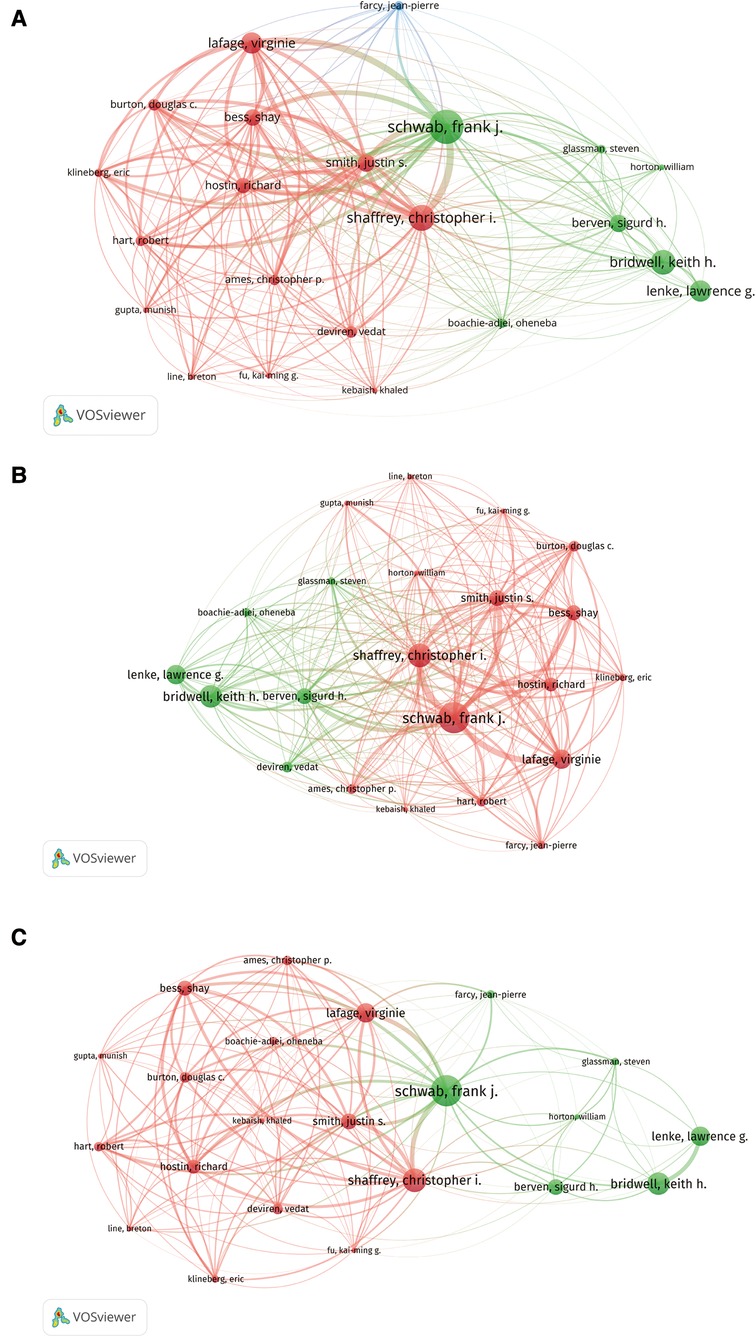
Figure 8. Visual mapping of the authors’ relationships. Bibliographic coupling analysis of authors from the top 100 most-cited articles on ASD (A); citation analysis of authors from the top 100 most-cited articles on ASD (B); co-authorship analysis of authors from the top 100 most-cited articles on ASD (C).
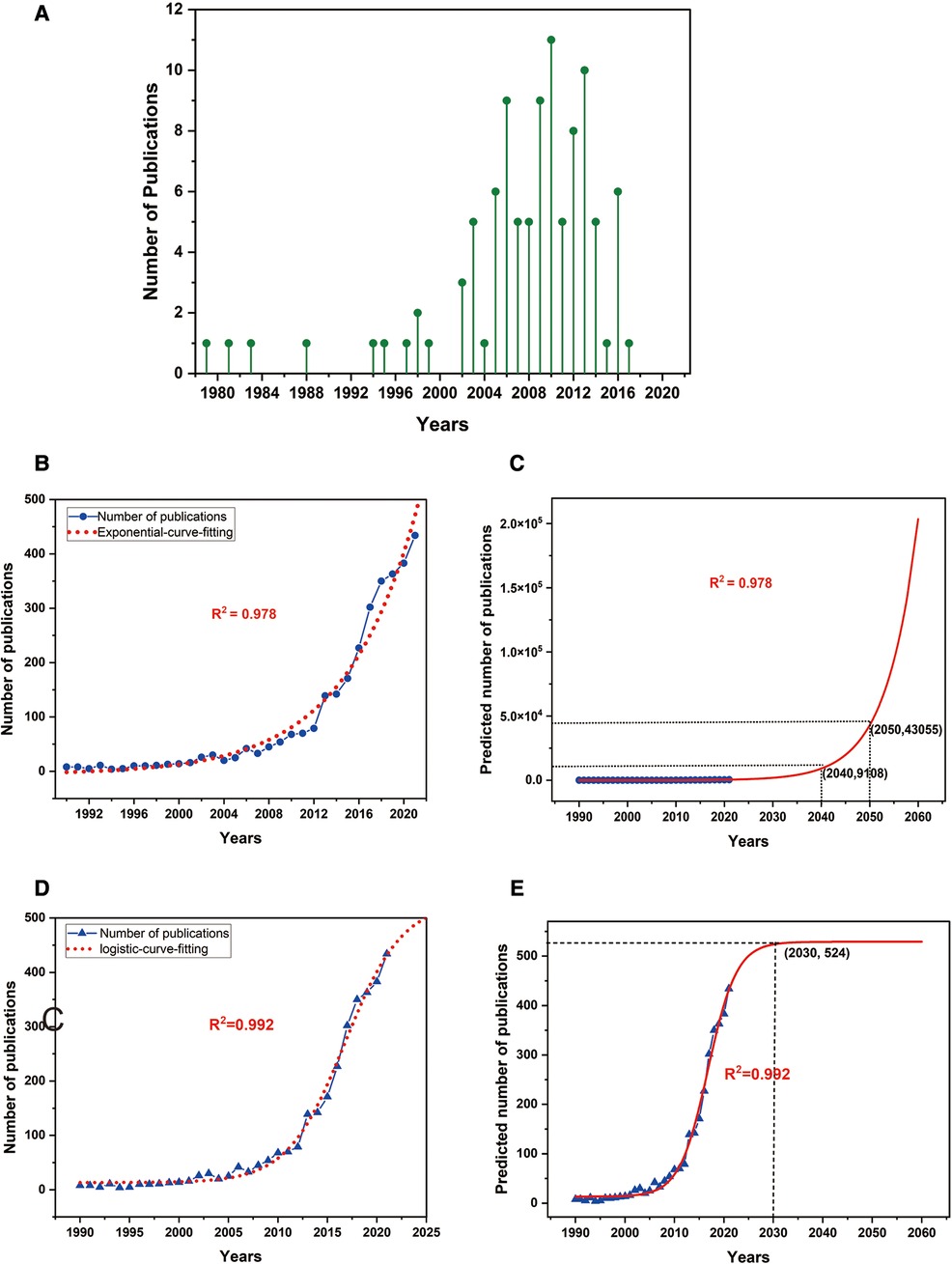
Figure 9. The distribution of the top 100 most-cited articles on ASD (A). Model of exponential fitting curves of the trends in publications related to ASD research per year (B,C). Model of logistic regression fitting curves of the trends in publications related to ASD research per year (D,E).
The 100 most-cited articles on ASD were recorded in 13 different journals. The top three journals account for more than four-fifths of the total. Spine was the most contributed journal. Sixty-two different first authors participated in these studies, and they came from 41 different affiliated institutions, covering nine diverse countries. The percentage of published papers in the top five first author affiliations was 49%, and the institutions were all located in the United States. Among the first author institutions, the University of Washington was the most prolific college. From this, we recognize that Western countries, especially the United States, have a certain degree of leadership in the field of ASD research. Some authors or institutions can be good candidates for academic collaboration, such as Schwab F., Smith J. S., Bridwell K. H., and Glassman S. D.
Surgical complications were the most frequently discussed themes in the top 100 most-cited articles on ASD. In our study, there were 32 articles published about complications. Fourteen of them were reported overall complications, followed by PJK and/or PJF (n = 11), revision (n = 2), rod fracture (RF) (n = 2), pseudarthrosis (n = 2), and age-related (n = 1). Previous multicentric studies had demonstrated that the overall complication rates ranged from 13.4% to 39%, and approximately 26% of these patients required revision surgery because of mechanical or neurological complications (7, 32). As a specific complication, PJK has a high incidence and the most likely reason for it may be that corrective surgery reconstructed the deformed spinal alignment and adjusted the direction of the stress and muscle strength which dramatically increased the stress of the junctional segments (33). In recent years, some articles had discussed the occurrence of postoperative PJK in the form of meta-analysis. Zhao et al. (34), included 55 papers for meta-analysis and found that the incidence of PJK ranged from 13.16% to 61.7% in different studies and the elderly female who accompanied osteoporosis, high sagittal vertical axis, large pelvic tilt, low lumbar lordosis, and fixed to pelvis were more suffer from PJK. Meanwhile, excessive correction of the sagittal vertical axis and lumbar lordosis were also risk factors for PJK. Zou et al. (35) explored the characteristics and risk factors of PJK; they also found that elderly female ASD patients with low bone mineral density were more susceptible to PJK and the ASD patients had larger parameters (such as proximal junctional angle, thoracic kyphosis, and sagittal alignment) except the pelvic incidence minus lumbar lordosis. To avoid the appearance of PJK, they had some suggestions as follows: upper instrumented vertebra should be fixed above T8 and used hooks instead of pedicle screws; try to avoid fixation to the pelvis; a good sagittal alignment should be obtained after correction surgery. PJK would seriously affect the HRQOL of patients, so it needs to be an adequate evaluation before the operation to minimize its incidence.
The second most discussed themes were radiographic parameters, accounting for 16% of the 100 most-cited articles. Among the radiographic parameters, many of them were sagittal plane parameters, and the correlation between sagittal parameters and clinical symptoms or outcomes was discussed in these studies. The two most representative papers were written by Glassman S. D. (17, 36), which revealed that sagittal balance was more important than coronal plane balance because the sagittal balance was more correlated with the patient's clinical symptoms. In recent years, however, the coronal imbalance had also attracted much attention. Many scholars had explored the correction techniques (37–41), risk factors (42–44), radiological parameters (19, 45, 46), and classification systems (47, 48) of coronal imbalance in ASD. Makhni et al. (40) first proposed a “kickstand rod” technique to correct coronal deformity which achieved good radiological parameters and clinical outcomes.
As for surgical techniques, fusion segment and osteotomy were mainly explored before 2008 (49–51), and since then, with the deepening of the concept of minimally invasive, a variety of minimally invasive techniques had been created, such as MIS XLIF (52) and MIS TLIF (53). Minimally invasive surgery had the characteristics of fewer complications and rapid recovery, which was in line with the patient's pursuit of rapid recovery and would be the direction of future efforts in this field.
Keywords in the recent literature can well reveal the current research hotspots and trends. We analyzed the author keywords of 1,993 articles on ASD published after 2017 and understood the current research status to some extent. Apart from the keywords describing the definition of ASD (such as “Adult spinal deformity”, “Scoliosis” and “Spinal deformity”), other keywords such as “Complications (occurrence times, n = 146),” “Proximal junctional kyphosis (n = 145),” “Sagittal alignment (n = 94),” “Spinal surgery (n = 78),” “Sagittal balance (n = 74),” “Surgery (n = 69),” “Outcomes (n = 63),” “Pedicle subtraction osteotomy (n = 61),” “Proximal junctional failure (n = 57),” “Health-related quality of life (n = 54),” “Spinal fusion (n = 49),” “Fusion (n = 48),” “Complication (n = 47),” “Lumbar lordosis (n = 47),” and “Pelvic incidence (n = 45)” were the 15 most popular words (Supplementary Table S1). From these most prevalent keywords, it is not difficult to find that complication, sagittal plane parameters, and surgical techniques are still the focus of current research when compared with the top 100 most-cited articles on ASD. The visualization analysis of keywords burst showed that the keywords such as “mechanical complication,” “3 column osteotomy,” “paraspinal muscle,” and “total hip arthroplasty” appeared to burst, which implied that they may be the research hotspots and emerging trends since 2020. Meanwhile, from the timeline view of keywords, we could also find that the keywords such as “paraspinal muscle,” “muscle,” “freehand technique,” and “machine learning” were much closer to the right of Figure 7, which means that there were more recent studies in these fields. Hyun et al. (54) found that patients with PJK had lower muscularity and higher fatty degeneration in long segment fusion of ASD compared to the patients without PJK. Pennington et al. (55) found that paraspinal muscle size was an independent risk factor for PJK in ASD. In addition, Bae et al. (56) found that the quality of paraspinal muscle was related to patient maintenance of upright posture and sagittal decompensation in ASD. As an important auxiliary structure to maintain the biomechanical balance of the spine (57), the paraspinal muscle should be paid more attention to in the deformity correction of ASD.
Comprehensive analysis of keywords in the collected articles could provide useful information for revealing the theme of the literature and determining the research hotspots and trends. In this study, we made a comparative analysis of the themes of the top 100 most-cited papers on ASD and the author keywords in the articles published in the last 5 years. We have found some research hotspots and trends in the field of ASD, which were summarized as follows: (1) complications and sagittal plane parameters are still the major topics of study at present and even later; (2) the study of coronal balance and paraspinal muscle is expected to be strengthened in the coming years; (3) less trauma, quick recovery, and reliable curative effects are the common goals pursued by doctors and patients. Minimally invasive surgery will continue to develop rapidly.
Inevitably, there were several limitations in this study. First, this study was only based on the Web of Science database, and some influential articles recorded in other sources may be omitted. Second, the total citation counts of the articles did not fully reflect the quality of the paper. Finally, this study is not fair to the newly published high-quality papers, and it is obvious that limited by the total number of citations, the inclusion criteria will be more conducive to earlier research.
Conclusion
Based on a comparative analysis of the results of bibliometric and visualization, complications and sagittal plane parameters are still the major topics of research at present and even later, and minimally invasive surgery has a growth trend in this field of ASD.
Data availability statement
The datasets presented in this study can be found in online repositories. The names of the repository/repositories and accession number(s) can be found in the article/Supplementary Material.
Author contributions
All authors participated in data acquisition. JL: contributed to the conception and design of the study. F-SL, L-XD, F-BL, Q-SZ, and X-BW: did the data collection and analysis. F-SL and L-XD: contributed to the drafting and revision of the manuscript. All authors contributed to the article and approved the submitted version.
Funding
This work was supported by the National Natural Science Foundation of China (grant no. 81871821 to JL), National Natural Science Foundation of China Youth Science Fund Project (grant no. 81701228 to F-BL), and the Fundamental Research Funds for the Central Universities of Central South University (grant no. 160171025 to F-SL).
Conflict of interest
The authors declare that the research was conducted in the absence of any commercial or financial relationships that could be construed as a potential conflict of interest.
Publisher's note
All claims expressed in this article are solely those of the authors and do not necessarily represent those of their affiliated organizations, or those of the publisher, the editors and the reviewers. Any product that may be evaluated in this article, or claim that may be made by its manufacturer, is not guaranteed or endorsed by the publisher.
Supplementary material
The Supplementary Material for this article can be found online at: https://www.frontiersin.org/articles/10.3389/fsurg.2022.961582/full#supplementary-material.
Abbreviations
ASD, adult spinal deformity; HRQOL, health-related quality of life; IF, impact factor; PJK, proximal junction kyphosis; PJF, proximal junction failure.
References
1. Grabel ZJ, Hart RA, Clark AJ, Park SH, Shaffrey CI, Scheer JK, et al. Adult spinal deformity knowledge in orthopedic spine surgeons: impact of fellowship training, experience, and practice characteristics. Spine Deform. (2018) 6(1):60–6. doi: 10.1016/j.jspd.2017.06.003
2. Lee NJ, Kothari P, Kim JS, Shin JI, Phan K, Di Capua J, et al. Early complications and outcomes in adult spinal deformity surgery: an NSQIP study based on 5803 patients. Global Spine J. (2017) 7(5):432–40. doi: 10.1177/2192568217699384
4. Acaroglu E, Yavuz AC, Guler UO, Yuksel S, Yavuz Y, Domingo-Sabat M, et al. A decision analysis to identify the ideal treatment for adult spinal deformity: is surgery better than non-surgical treatment in improving health-related quality of life and decreasing the disease burden? Eur Spine J. (2016) 25(8):2390–400. doi: 10.1007/s00586-016-4413-8
5. Bridwell KH, Glassman S, Horton W, Shaffrey C, Schwab F, Zebala LP, et al. Does treatment (nonoperative and operative) improve the two-year quality of life in patients with adult symptomatic lumbar scoliosis A prospective multicenter evidence-based medicine study. Spine. (2009) 34(20):2171–8. doi: 10.1097/BRS.0b013e3181a8fdc8
6. Choi SH, Son SM, Goh TS, Park W, Lee JS. Outcomes of operative and nonoperative treatment in patients with adult spinal deformity with a Minimum 2-year follow-up: a meta-analysis. World Neurosurg. (2018) 120:e870–e6. doi: 10.1016/j.wneu.2018.08.179
7. Charosky S, Guigui P, Blamoutier A, Roussouly P, Chopin D, Study Grp S. Complications and risk factors of primary adult scoliosis surgery A multicenter study of 306 patients. Spine. (2012) 37(8):693–700. doi: 10.1097/BRS.0b013e31822ff5c1
8. Nachemson A. Adult scoliosis and back pain. Spine. (1979) 4(6):513–7. doi: 10.1097/00007632-197911000-00011
9. Moed H. New developments in the use of citation analysis in research evaluation. Arch Immunol Ther Exp. (2009) 57(1):13–8. doi: 10.1007/s00005-009-0001-5
10. Devos P, Ménard J. Trends in worldwide research in hypertension over the period 1999-2018: a bibliometric study. Hypertension. (2020) 76(5):1649–55. doi: 10.1161/HYPERTENSIONAHA.120.15711
11. Wang Y, Zhao N, Zhang X, Li Z, Liang Z, Yang J, et al. Bibliometrics analysis of butyrophilins as immune regulators [1992–2019] and implications for cancer prognosis. Front Immunol. (2020) 11:1187. doi: 10.3389/fimmu.2020.01187
12. Chen C, Song M. Visualizing a field of research: a methodology of systematic scientometric reviews. PloS One. (2019) 14(10):e0223994. doi: 10.1371/journal.pone.0223994
13. Zhong D, Luo S, Zheng L, Zhang Y, Jin R. Epilepsy occurrence and circadian rhythm: a bibliometrics study and visualization analysis via CiteSpace. Front Neurol. (2020) 11:984. doi: 10.3389/fneur.2020.00984
14. Gao Q, Zhang C, Wang J, Wei Q, Wei Q, Miyamoto A, et al. The top 100 highly cited articles on osteoporosis from 1990 to 2019: a bibliometric and visualized analysis. Arch Osteoporos. (2020) 15(1):144. doi: 10.1007/s11657-020-0705-z
15. Xie Y, Wang J, Wang L, Zhu Y, Lei L, Wan T, et al. Research trends in osteoporosis in Asian countries and regions in the last 20 years. Arch Osteoporos. (2020) 15(1):130. doi: 10.1007/s11657-020-00795-4
16. Yilgor C, Sogunmez N, Boissiere L, Yavuz Y, Obeid I, Kleinstuck F, et al. Global alignment and proportion (GAP) score development and validation of a new method of analyzing spinopelvic alignment to predict mechanical complications after adult spinal deformity surgery. J Bone Joint Surg Am. (2017) 99(19):12. doi: 10.2106/JBJS.16.01594
17. Glassman SD, Bridwell K, Dimar JR, Horton W, Berven S, Schwab F. The impact of positive sagittal balance in adult spinal deformity. Spine. (2005) 30(18):2024–9. doi: 10.1097/01.brs.0000179086.30449.96
18. Jang J, Lee S, Min J, Kim S, Han K, Maeng D. Surgical treatment of failed back surgery syndrome due to sagittal imbalance. Spine. (2007) 32(26):3081–7. doi: 10.1097/BRS.0b013e31815cde71
19. Paul J, Vira S, Quirno M, Protopsaltis T. Importance of the sagittal plane in understanding adult spinal deformities. Bull Hosp Jt Dis. (2018) 76(1):80–4.
20. Ioannidis J. Massive citations to misleading methods and research tools: Matthew effect, quotation error and citation copying. Eur J Epidemiol. (2018) 33(11):1021–3. doi: 10.1007/s10654-018-0449-x
21. Merton R. The Matthew effect in science. The reward and communication systems of science are considered. Science. (1968) 159(3810):56–63. doi: 10.1126/science.159.3810.56
22. Heinemann M. The Matthew effect. Thorac Cardiovasc Surg. (2016) 64(2):87. doi: 10.1055/s-0036-1579579
23. Grandjean P, Eriksen M, Ellegaard O, Wallin J. The Matthew effect in environmental science publication: a bibliometric analysis of chemical substances in journal articles. Environ. Health: Glob. Access Sci Source. (2011) 10:96. doi: 10.1186/1476-069X-10-96
24. Dhillon J K, Kalra G, Sharma A, Prakash Mathur V. Trends in authorship in an Indian pediatric dentistry journal: relevance of matthew effect. Acta Inform Med. (2013) 21(4):288–90. doi: 10.5455/aim.2013.21.288-290
25. Bol T, de Vaan M, van de Rijt A. The Matthew effect in science funding. Proc Natl Acad Sci U S A. (2018) 115(19):4887–90. doi: 10.1073/pnas.1719557115
26. van de Rijt A, Kang S, Restivo M, Patil A. Field experiments of success-breeds-success dynamics. Proc Natl Acad Sci U S A. (2014) 111(19):6934–9. doi: 10.1073/pnas.1316836111
27. Okoroiwu H, López-Muñoz F, Povedano-Montero F. Bibliometric analysis of global sickle cell disease research from 1997 to 2017. Hematol Transfus Cell Ther. (2022) 44(2):186–96. doi: 10.1016/j.htct.2020.09.156
28. Beierlein J, McNamee L, Walsh M, Ledley F. Patterns of innovation in Alzheimer's disease drug development: a strategic assessment based on technological maturity. Clin Ther. (2015) 37(8):1643–51.e3. doi: 10.1016/j.clinthera.2015.07.003
29. Jiang A, Ginocchio L, Rosenkrantz A. Associations between academic rank and advanced bibliometric indices among United States academic radiologists. Acad Radiol. (2016) 23(12):1568–72. doi: 10.1016/j.acra.2016.08.017
30. Zohrabian V, Staib L, Castillo M, Wang L. American Journal of NeuroradiologyScientific collaboration across time and space: bibliometric analysis of the, 1980–2018. AJNR Am J Neuroradiol. (2020) 41(5):766–71. doi: 10.3174/ajnr.A6523
31. Chen S, Huang R, Huang L, Weng P, Chung C, Cheng C, et al. A bibliometric analysis of top 100 most-cited articles in dentistry with author(s) affiliated with Taiwan institutes. J Chin Med Assoc. (2021) 84(8):799–807. doi: 10.1097/JCMA.0000000000000573
32. Sansur CA, Smith JS, Coe JD, Glassman SD, Berven SH, Polly DW, et al. Scoliosis research society morbidity and mortality of adult scoliosis surgery. Spine. (2011) 36(9):E593–E7. doi: 10.1097/BRS.0b013e3182059bfd
33. Sebaaly A, Riouallon G, Obeid I, Grobost P, Rizkallah M, Laouissat F, et al. Proximal junctional kyphosis in adult scoliosis: comparison of four radiological predictor models. Eur Spine J. (2018) 27(3):613–21. doi: 10.1007/s00586-017-5172-x
34. Zhao J, Chen K, Zhai X, Chen K, Li M, Lu Y. Incidence and risk factors of proximal junctional kyphosis after internal fixation for adult spinal deformity: a systematic evaluation and meta-analysis. Neurosurg Rev. (2021) 44(2):855–66. doi: 10.1007/s10143-020-01309-z
35. Zou L, Liu J, Lu H. Characteristics and risk factors for proximal junctional kyphosis in adult spinal deformity after correction surgery: a systematic review and meta-analysis. Neurosurg Rev. (2019) 42(3):671–82. doi: 10.1007/s10143-018-1004-7
36. Glassman SD, Berven S, Bridwell K, Horton W, Dimar JR. Correlation of radiographic parameters and clinical symptoms in adult scoliosis. Spine. (2005) 30(6):682–8. doi: 10.1097/01.brs.0000155425.04536.f7
37. Bao H, Liu Z, Zhang Y, Sun X, Jiang J, Qian B, et al. Sequential correction technique to avoid postoperative global coronal decompensation in rigid adult spinal deformity: a technical note and preliminary results. Eur Spine J. (2019) 28(9):2179–86. doi: 10.1007/s00586-019-06043-9
38. Chan A, Lau D, Osorio J, Yue J, Berven S, Burch S, et al. Asymmetric pedicle subtraction osteotomy for adult spinal deformity with coronal imbalance: complications, radiographic and surgical outcomes. Oper Neurosurg. (2020) 18(2):209–16. doi: 10.1093/ons/opz106
39. Lau D, Haddad A, Deviren V, Ames C. Asymmetrical pedicle subtraction osteotomy for correction of concurrent sagittal-coronal imbalance in adult spinal deformity: a comparative analysis. J Neurosurg Spine. (2020): 33(6):822–9. doi: 10.3171/2020.5.SPINE20445
40. Makhni M, Zhang Y, Park P, Cerpa M, Yang M, Pham M, et al. The “kickstand rod” technique for correction of coronal imbalance in patients with adult spinal deformity: initial case series. J Neurosurg Spine. (2019): 32(3):415–22. doi: 10.3171/2019.9.SPINE19389
41. Mundis G, Walker C, Smith J, Buell T, Lafage R, Shaffrey C, et al. Kickstand rods and correction of coronal malalignment in patients with adult spinal deformity. Eur Spine J. (2022) 31(5):1197–205. doi: 10.1007/s00586-022-07161-7
42. Lewis S, Keshen S, Kato S, Dear T, Gazendam A. Risk factors for postoperative coronal balance in adult spinal deformity surgery. Global Spine J. (2018) 8(7):690–7. doi: 10.1177/2192568218764904
43. Matsumura A, Namikawa T, Kato M, Hori Y, Hidaka N, Nakamura H. Factors related to postoperative coronal imbalance in adult lumbar scoliosis. J Neurosurg Spine. (2020):34(1):66–72. doi: 10.3171/2020.6.SPINE20670
44. Zhang Z, Song K, Wu B, Chi P, Wang Z, Wang Z. Coronal imbalance in adult spinal deformity following posterior spinal fusion with instrument: a related parameters analysis. Spine. (2019) 44(8):550–7. doi: 10.1097/BRS.0000000000002897
45. Tanaka N, Ebata S, Oda K, Oba H, Haro H, Ohba T. Predictors and clinical importance of postoperative coronal malalignment after surgery to correct adult spinal deformity. Clin Spine Surg. (2020) 33(7):E337–41. doi: 10.1097/BSD.0000000000000947
46. Zhang J, Chi P, Cheng J, Wang Z. A novel integrated global coronal aligner helps prevent post-operative standing coronal imbalance in adult spinal deformity patients fused to pelvis: technical notes and preliminary results. BMC Musculoskelet Disord. (2021) 22(1):307. doi: 10.1186/s12891-021-04147-2
47. Obeid I, Berjano P, Lamartina C, Chopin D, Boissière L, Bourghli A. Classification of coronal imbalance in adult scoliosis and spine deformity: a treatment-oriented guideline. Eur Spine J. (2019) 28(1):94–113. doi: 10.1007/s00586-018-5826-3
48. Zhang J, Yu Y, Gao S, Hai Y, Wu B, Su X, et al. The classification of coronal deformity based on preoperative global coronal malalignment for adult spinal deformity is questionable. BMC Musculoskelet Disord. (2022) 23(1):300. doi: 10.1186/s12891-022-05246-4
49. Suk S, Kim JH, Kim WJ, Lee SM, Chung ER, Nah KH. Posterior vertebral column resection for severe spinal deformities. Spine. (2002) 27(21):2374–82. doi: 10.1097/00007632-200211010-00012
50. Tsuchiya K, Bridwell KH, Kuklo TR, Lenke LG, Baldus C. Minimum 5-year analysis of L5-S1 fusion using sacropelvic fixation (bilateral S1 and iliac screws) for spinal deformity. Spine. (2006) 31(3):303–8. doi: 10.1097/01.brs.0000197193.81296.f1
51. Bradford DS, Tribus CB. Vertebral column resection for the treatment of rigid coronal decompensation. Spine. (1997) 22(14):1590–9. doi: 10.1097/00007632-199707150-00013
52. Isaacs RE, Hyde J, Goodrich JA, Rodgers WB, Phillips FM. A prospective, nonrandomized, multicenter evaluation of extreme lateral interbody fusion for the treatment of adult degenerative scoliosis perioperative outcomes and complications. Spine. (2010) 35(26):S322–S30. doi: 10.1097/BRS.0b013e3182022e04
53. Wang MY, Mummaneni PV. Minimally invasive surgery for thoracolumbar spinal deformity: initial clinical experience with clinical and radiographic outcomes. Neurosurg Focus. (2010) 28(3):8. doi: 10.3171/2010.1.FOCUS09282
54. Hyun S, Kim Y, Rhim S. Patients with proximal junctional kyphosis after stopping at thoracolumbar junction have lower muscularity, fatty degeneration at the thoracolumbar area. J Spine. (2016) 16(9):1095–101. doi: 10.1016/j.spinee.2016.05.008
55. Pennington Z, Cottrill E, Ahmed A, Passias P, Protopsaltis T, Neuman B, et al. Paraspinal muscle size as an independent risk factor for proximal junctional kyphosis in patients undergoing thoracolumbar fusion. J Neurosurg Spine. (2019) 31(3):380–8. doi: 10.3171/2019.3.SPINE19108
56. Bae J, Sathe A, Lee S, Theologis A, Deviren V, Lee S. Correlation of paraspinal muscle mass with decompensation of sagittal adult spinal deformity after setting of fatigue post 10-Minute walk. Neurospine. (2021) 18(3):495–503. doi: 10.14245/ns.2142510.255
57. Yamato Y, Nojima O, Banno T, Hasegawa T, Yoshida G, Oe S, et al. Measuring muscle activity in the trunk, pelvis, and lower limb which are used to maintain standing posture in patients with adult spinal deformity, with focus on muscles that contract in the compensatory Status. Global Spine J. (2022). doi: 10.1177/21925682221079257
Keywords: bibliometric, most-cited articles, adult spinal deformity, trends, visualization analysis
Citation: Liu F, Deng L, Liu F, Zhang Q, Wang X and Li J (2023) The top 100 most-cited articles on adult spinal deformity: The most popular topics are still sagittal plane parameters and complications. Front. Surg. 9:961582. doi: 10.3389/fsurg.2022.961582
Received: 4 June 2022; Accepted: 19 October 2022;
Published: 6 January 2023.
Edited by:
Eberval Figueiredo, University of São Paulo, BrazilReviewed by:
Nguyen Minh Duc, Pham Ngoc Thach University of Medicine, VietnamRenaud Lafage, Lenox Hill Hospital, United States
© 2023 Liu, Deng, Liu, Zhang, Wang and Li. This is an open-access article distributed under the terms of the Creative Commons Attribution License (CC BY). The use, distribution or reproduction in other forums is permitted, provided the original author(s) and the copyright owner(s) are credited and that the original publication in this journal is cited, in accordance with accepted academic practice. No use, distribution or reproduction is permitted which does not comply with these terms.
*Correspondence: Jing Li amluZ2xpMTk2OUBjc3UuZWR1LmNu
Specialty Section: This article was submitted to Orthopedic Surgery, a section of the journal Frontiers in Surgery