 Mehmet Fatih Şahin
 Çağrı Doğan†
- Department of Urology, Tekirdag Namık Kemal University Medical School, Tekirdağ, Türkiye
Introduction: Peyronie's disease (PD) is a common urologic illness, motivating numerous scientific investigations and publications. Scientific publications have more authors each year. A bibliometric review of the PD literature might help urologists and sexual medicine professionals comprehend publication tendencies in this subject. The current study was aimed at presenting a bibliometric analysis of PD, which is one of the important and trending subjects of andrology.
Methods: On January 5, 2023, Web of Science scanned documents with the terms Peyronie's disease” “Peyronie's disease treatment”, “Peyronie's disease management”, “Peyronie's disease surgery” and “Peyronie's disease injection” from 1975 through 2023. Titles, years, authors, citations, citation indices, journal names, authors' countries of origin, article categories, and funding sources were recorded.
Results: “Clinical Efficacy, Safety and Tolerability of Collagenase Clostridium Histolyticum for the Treatment of Peyronie Disease in 2 Large Double-Blind, Randomized, Placebo Controlled Phase 3 Studies” has the most citations and citation index. Most of the T100 articles were published in 2020, primarily in the Journal of Urology. These articles mainly focused on treatment, especially surgeries. All of these articles were in English, and the vast majority of them were by authors from the US who were most frequently collaborated with by other authors.
Conclusion: This research analyzed the top 100 PD studies. This research focused on pathophysiology, innovative surgical procedures, and new approaches of PD. It also recommended bigger databases and more financing for research.
Introduction
Peyronie's disease (PD) is an acquired condition of the tunica albuginea with painful erections, curvature, and sexual dysfunction (1). It has a prevalence rate of 0.5%–20.3%, which may differ among different populations (2). PD is believed to occur due to microtrauma of the erect penis involving a wound and a scar (3). In diagnosis, although new methods are being developed to reveal possible causes such as calcified plaques, the number of studies on this subject is still limited (4). Oral pharmacotherapy is no longer recommended for treatment. Interferon alpha 2b and collagenase clostridium histolyticum (CCH) are the preferred injection therapies for patients who do not want surgery or who prefer minimal invasive interventions. Surgical procedures such as tunical lengthening, incision or excision with grafting, and tunical shortening are also possible. The disease itself causes pronounced physical and psychological distress for patients.
Bibliometric analysis is the study of data produced about a particular topic over a specific amount of time. This type of analysis enables a more comprehensive evaluation of the current literature and improved tracking of relevant material. The bibliometric technique facilitates the identification of the most significant authors, articles, publications, nations, and organizations in a specific field of research as well as the simultaneous analysis of several papers. In their future research, authors can save time by using bibliometric analysis, as it can be employed to summarize the most pertinent literature. Additionally, bibliometric analysis can highlight current patterns of treatment and give academics fresh insights. Authors who want to contribute to the literature by examining previous studies and their details can produce more distinguished and quality works with bibliometric analyses (5). Citations are helpful for gauging the quality of studies, interpreting scientific knowledge, and discovering new and evolving subjects that can constitute the focus of future research. They also provide useful quantitative data (6). Citation analysis is a recognized technique for evaluating the significance of a research paper, researcher, journal, nation, or year (7).
Great contributions are being made to the literature with the increasing number of urology studies, especially in the field of andrology. Although classical bibliometric analyses on andrological subjects such as erectile dysfunction and PD exist, there has been not much analysis on PD, despite it being a frequently occurring condition. Accordingly, the aim of the present study was to perform a bibliometric analysis of the top 100 (T100) most cited articles on PD that were published between 1975 and 2023 in order to identify significant advancements and trends in the field and to contribute to the methodologies and hypotheses included in subsequent research.
Materials and method
On January 5th, 2023, we searched Web of Science (Clarivate Analytics, Philadelphia, USA) papers published between 1975 and 2023 using the keywords “Peyronie's disease” “Peyronie's disease treatment”, “Peyronie's disease management”, “Peyronie's disease surgery” and “Peyronie's disease injection”. As a limitation, the study eliminated other databases like Google Scholar and Scopus, which would have had an impact on the quantity of papers returned, and we only used the Web of Science database. We have listed the resulting publications from the highest to the lowest according to the number of citations, with the most cited article residing at the top of the results list. Since the data for this study came from published literature, no ethical committee approval was necessary. The T100 articles were found among the search results for PD based on the quantity of citations. Two separate researchers (MFŞ and ÇD) independently analyzed the papers' abstracts and/or contents on any areas of disagreement to reach a consensus. Starting with the study that had the most citations, we examined each study individually. Those unrelated to PD were disregarded. We eliminated 23 records out of 123 articles as they were not relevant to the topic, making the 100th most cited article the 123rd on the list. For bibliometric analysis, the title of the article, the corresponding author, the source title, the publication year, the total number of citations, the number of articles, and the Adjusted Citation Index (ACI) were noted. In order to determine the ACI, which represents the yearly average number of citations, the number of citations was divided by the number of years since the article's publication. With the help of VOSviewer, co-authorship and co-citation analysis for the authors, co-authorship analysis for the authors according to country, and co-occurrence analysis for the authors according to keywords were analyzed. Finally, with the help of the Altmetric Bookmarklet, all of the Altmetric scores (AmS) of the publications were noted. The statistical analysis of the variables was performed by SPSS version 26.0 (IBM Corp., USA). The continuous variables of the study were summarized as medians and interquartile ranges (IQR), and the categorical variables were summarized as frequencies and percentages.
Results
The total number of publications after the search was 3,149, all of which were published between 1975 and 2023. The most cited T100 publications are listed in Table 1. The top 100 median ± IQR citation count was 98.50 ± 52 (range: 68–287) and the median ± IQR of the ACI was 5.05 ± 3.37 (range: 2.24–26.09). The oldest publication year was 1985 and the newest was 2016. The total number of authors ranged between 1 and 43 with a median ± IQR of 4 ± 3. The median AmS was found to be 2.0 ± 4.0 (range: 0–88). After the Spearman correlation, we found that there exists a positive but relatively weak correlation between the AmS and the number of citations (Spearman's rho = 0.334, %95 CI: 0.15–0.5, p < 0.001, n = 100).
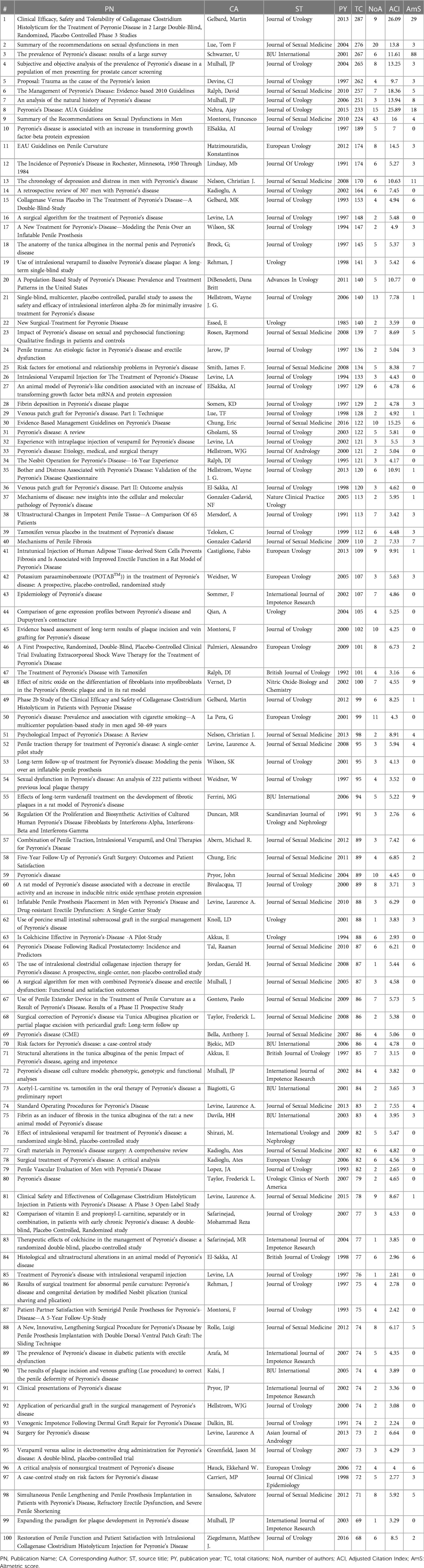
Table 1. The top 100 cited articles about peyronie's disease (PD).
The highest number of papers were published in 2020, according to an analysis of the articles' date of publication, and the maximum number of citations were also found in 2020. (Figure 1). When the journals with the highest portion of the T100 articles were examined, the Journal of Urology was found to have the most publications, followed by the Journal of Sexual Medicine (Figure 2).
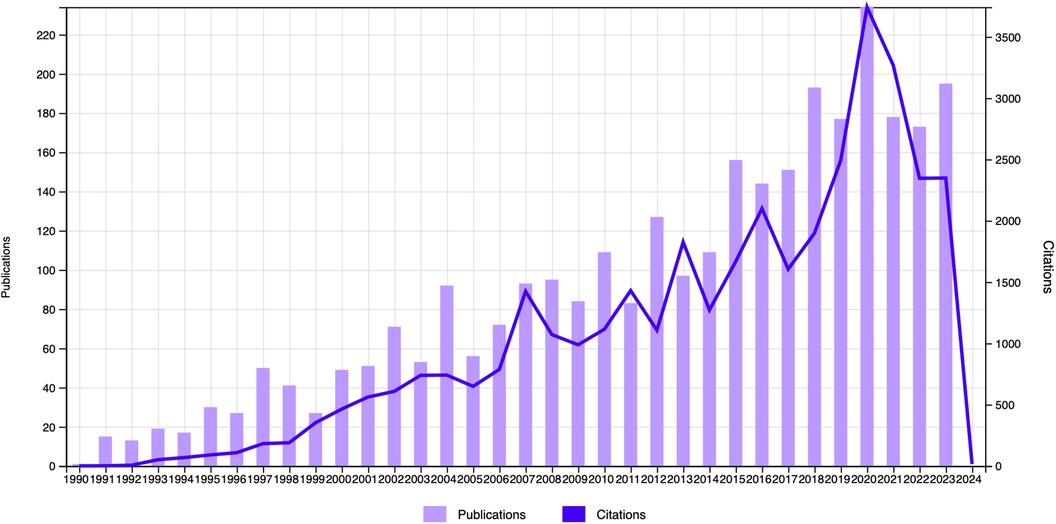
Figure 1. The total number of citations and articles by year.
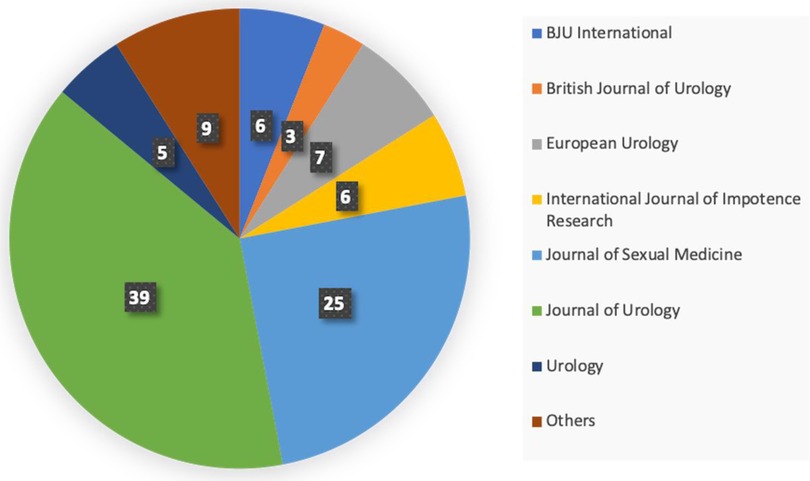
Figure 2. Journal distribution of the T100 articles (number and % out of 100).
One-half of the T100 journals focused on the treatment of PD, while 28% focused on general topics such as epidemiology, prevalence, and recommendations, and 22% examined pathophysiology. Concerning treatment, 34% of the T100 articles examined surgery, 26% concentrated on intralesional injections, and 14% focused on oral treatments (Figure 3). The studies included in the T100 were mainly concerned with recommendations, prevalence, relationship with trauma, intracavernous injections, and etiology.
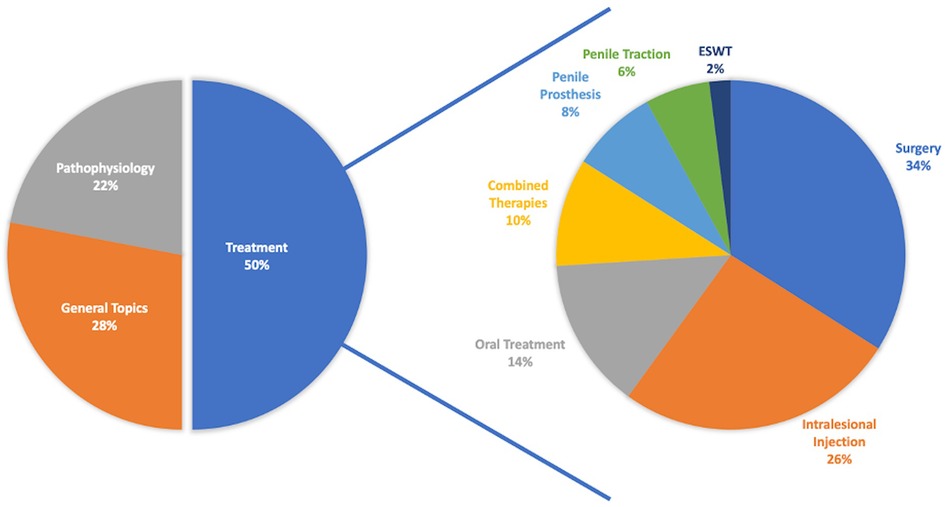
Figure 3. Journal distribution of the T100 articles according to the topic.
Analysis of the authors of the T100 articles showed that the author with the highest total number of citations was Lue TF, MD, with a total of 1,357 citations and 11 articles, while the author with the highest number of articles was Levine Laurence A, MD, with 9 articles. Co-authorship and co-citation analysis for the authors is presented in Figure 4 (minimum number of articles: 2 and above) and Figure 5 (minimum number of citations: 10 and above).
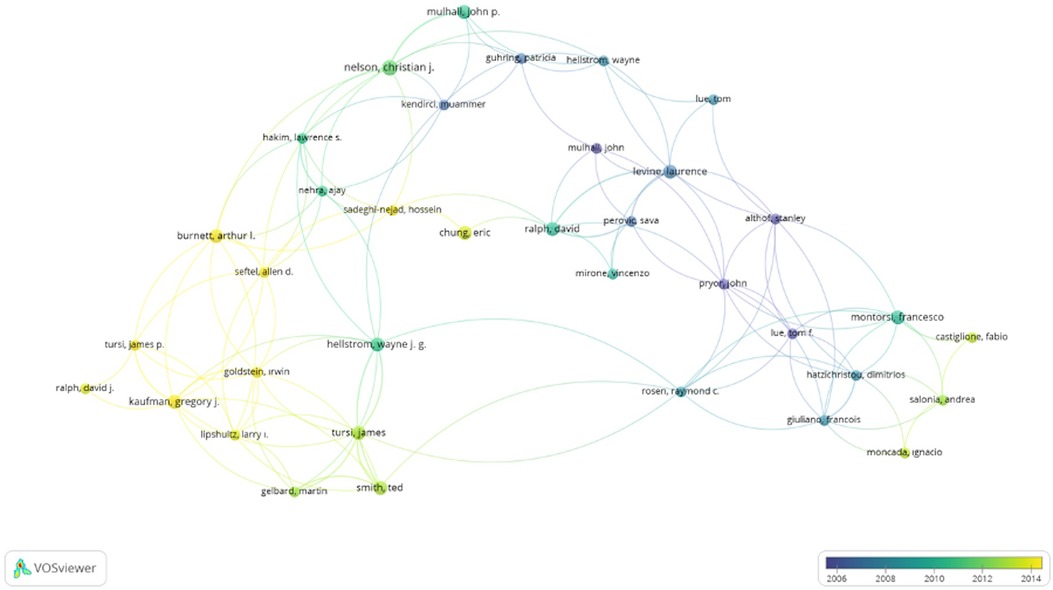
Figure 4. Co-authorship analysis for the authors (minimum number of articles: 2 and above, and minimum number of citations of an author: 2 and above).
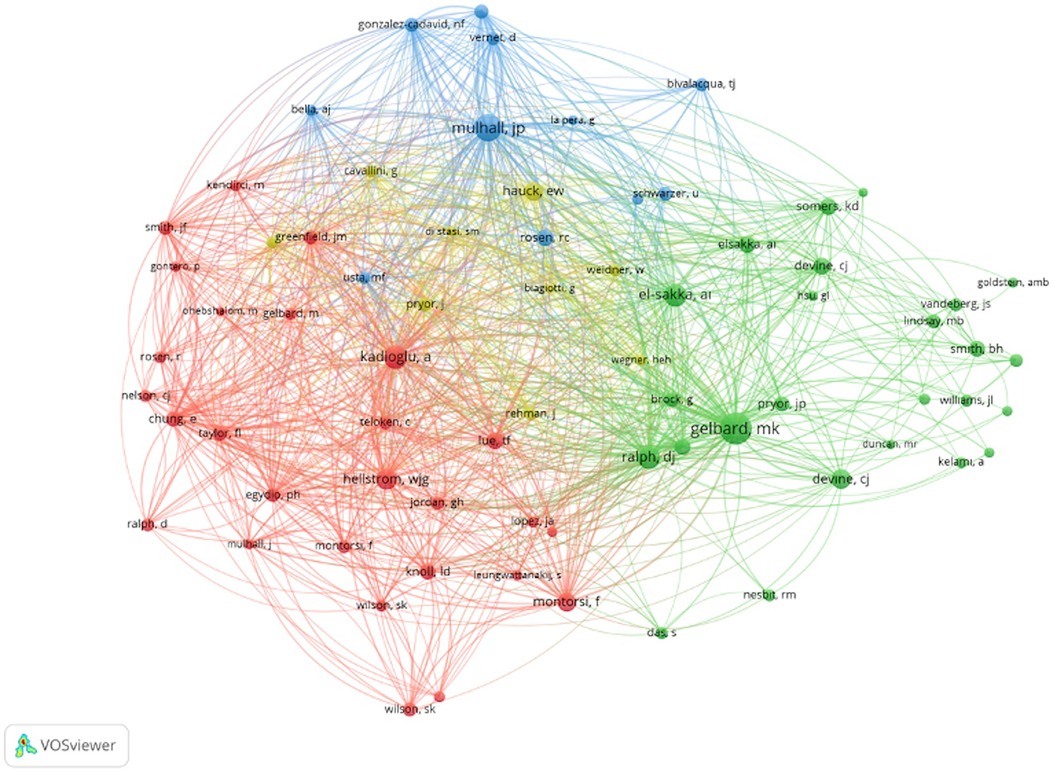
Figure 5. Co-citation analysis for the authors (minimum number of citations: 10 and above).
As expected, all of the articles were published in English. The distributions of articles according to country was as follows: 64% US, 11% Italy, and 25% others (Germany, England, Turkey, etc.) (Figure 6).
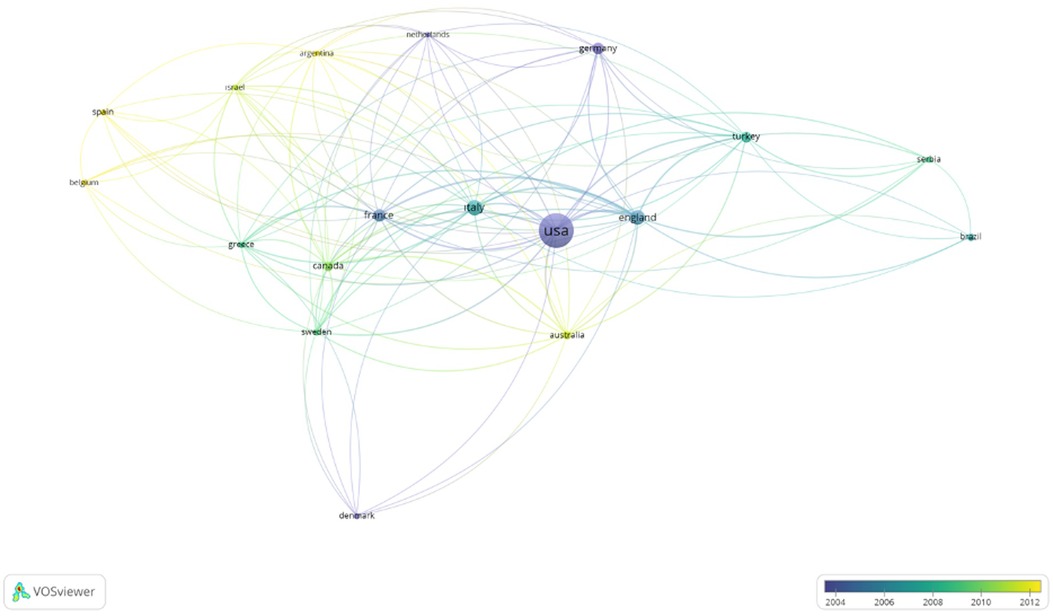
Figure 6. Co-authorship analysis for the authors according to country (minimum number of articles of a country: 2 and above).
The analysis of keywords showed that the top 10 keywords were as follows: Peyronie's disease, penis, penile induration, erectile dysfunction, fibrosis, penile prosthesis, impotence, collagen, tunica albuginea, and risk factors (Figure 7).
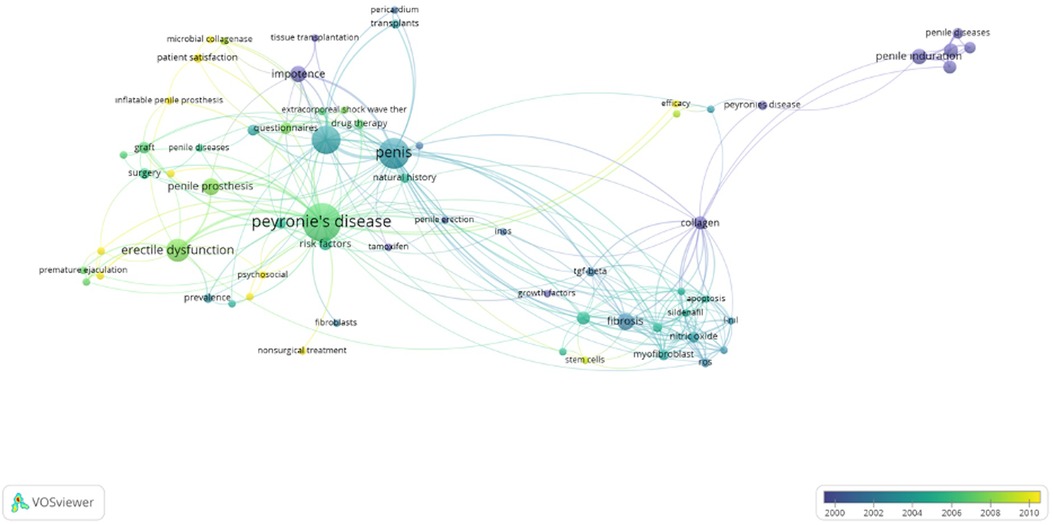
Figure 7. The analysis of the top keywords in a density format (minimum number of author occurrences of a keyword: 2 and above).
Discussion
Bibliometric analysis is useful for several reasons. For example, it can identify and highlight the contributions of colleagues and forebearers, acknowledge significant urological advancements, and provide a helpful historical context for current trends in the field. The urological literature can be examined using citation analysis, which also reveals quantitative data about authors, subjects, countries, and journals that are useful for finding classic works and high-impact publications (6).
Altmetric analysis is a method that tracks the influence of a publication in the online area, rather than within academic circles. It enables us to quantify the extent to which a scientific study is referenced across different online platforms, including social media, blogs, news outlets, and podcasts. Additionally, it measures the number of online views and downloads. Most of the publications about PD' AmS are found to be very low. But in our study, like Kolahi et al., we found a positive but weak correlation between the number of citations and AmS (7). However, it is important to acknowledge that altmetrics is a relatively recent notion within the academic community. Furthermore, the growing awareness and use of social media among researchers in the future may potentially amplify this association. This shows that this issue is a phenomenon that has gained a place in the academic world rather than being a popular problem among people.
Many factors influence the number of citations an article receives. Articles typically receive the most citations 3–10 years after their publication (8). Older articles are more likely to be cited (9), but when detailed analyses were performed in the current study, it was seen that most articles and citations both occurred in 2020. As such, this year can be considered to be a milestone in PD research, generating a better understanding of the disease, including its etiology, anatomy, predisposing factors, histological structure, and surgical and non-surgical techniques. None of the most cited articles were published in the last five years. More than one-half of the publications in the T100 were published in the Journal of Urology and Journal of Sexual Medicine, both of which have a high impact factor and h-index. This could be a sign that scientists want to publish their works in prestigious publications related to PD. These two journals have a considerably great impact on studies that examine PD and can be regarded as references for articles listed in the T100. Most of the studies were conducted by individual scientists, and a few studies in the T100 were found by a study group using a multicenter database. Contrary to collaborative disciplines such as urooncology or urogynecology, multicenter studies on andrology and PD are needed rather than single-center studies.
We also found that one-half of the papers on PD concerned treatment, while older publications mostly focused on pathophysiology. Newer studies focused on new surgical methods and approaches. Among these studies, surgeries were the most common subject, followed by intralesional injections. The publication with the highest number of citations was also included in this section. Intralesional CCH has been used in the treatment of PD since 1985, with the author who published the first article being the same author of the most cited article (10). In a randomized controlled trial, Gelbard et al. stated that intralesional CCH provided a significant improvement in plaque size and penile deformity compared to a placebo (11). This article also occupied the 15th place in the T100 list. Intralesional verapamil (12) and interferon alpha-2b (13) are the other treatment modalities seen in the T100 list with the most citations. Although the most cited publication was on intralesional injections, the most cited articles on treatment options concentrated on surgical methods. The Nesbit technique is the oldest surgical method used in the treatment of PD (14). However, in the publications on the T100 list, articles about graft materials stood out as a new trend. When examined in a more limited group, we can see that the first 10 articles were generally related to etiology and pathophysiology. For this, it was observed that there are very few surgeries and interventional procedures, and only one publication was found to be about injections. Since most of these subjects have been examined in relation to PD, multicenter randomized prospective studies about surgery are needed.
The US had the highest number of articles in the T100. This is not surprising since the studies with the greatest funding are from the US (15). According to a review of co-authorship analysis for authors according to country using VOSviewer, the US had the highest link strength. Christiansen et al. found that only 15.1% of articles written about PD had a funding source in 2020. Other articles appeared to be self-funded (15). This may suggest that it is easier to perform research in high-income countries, such as the US and some European countries, compared to other, developing countries. A newly published article about Peyronie's disease and bibliometric analysis has been published, but it has not been focused on funding issues, which we think are very important for scientific developments (16). A total of three studies from our country, Turkey, are included in this list, and although surgery is frequently performed in Turkey, they are in the category of current literature analysis or review articles due to lower income and difficulties in drug supply. We believe that further studies will be interrupted and new developments will be stymied due to a lack of funding on such a developmental subject in andrology. In our study, 19% of the T100 studies had a funding source that slightly increased in two years. This finding leads us to the conclusion that good material resources facilitate the development of science, and that this increase in funding provides hope for the future of research on PD. By doing more research on the pathological sequence of cellular and molecular processes and deepening our comprehension of the pathophysiology of PD via animal models, the achievement of new and efficient medical treatments and management modalities will become a feasible goal.
This study had some limitations. First, the study eliminated other databases like Google Scholar and Scopus, which would have had an impact on the quantity of papers returned, and we only used the Web of Science database. Second, self-citations and interactions between citations were not examined. Third, we only investigated the top 100 articles with the most citations, so it is possible that we missed some more significant articles with fewer citations.
Conclusion
Our study was the first to analyze the top 100 most cited studies about Peyronie's disease (PD). In the T100 list, the Journal of Urology and the Journal of Sexual Medicine were the leading journals. The vast majority of the articles were focused on treatments of the disease, with surgery being the predominant topic. The US was the leading country with the most publications. Future research is anticipated to benefit from and be guided by the insights produced in this study. Novel therapies like stem cells, new greft materials with new plication techniques, and new medical treatment modalities are interesting hot research topics. Lastly, there is a need for further studies that include larger databases and receive greater funding.
Author's note
In this article, MFŞ and ÇD get part at substantial contributions to conception and design, MA and SŞ at drafting and revising the article critically for important intellectual content and CMY and HSD get part at final approval of the version to be published.
Data availability statement
The original contributions presented in the study are included in the article/Supplementary Material, further inquiries can be directed to the corresponding author.
Ethics statement
Ethical approval was not required for this study, as this is a retrospective study performing secondary analysis, and involved no direct procedures on living beings or human data. The previous original studies involving human participants would have been reviewed and approved by their relevant review boards.
Author contributions
MFŞ: Conceptualization, Methodology, Writing – original draft, Writing – review & editing. ÇD: Conceptualization, Methodology, Writing – original draft. MA: Writing – review & editing. CY: Writing – review & editing. SŞ: Writing – review & editing. HD: Writing – review & editing.
Funding
The author(s) declare that no financial support was received for the research, authorship, and/or publication of this article.
Conflict of interest
The authors declare that the research was conducted in the absence of any commercial or financial relationships that could be construed as a potential conflict of interest.
Publisher's note
All claims expressed in this article are solely those of the authors and do not necessarily represent those of their affiliated organizations, or those of the publisher, the editors and the reviewers. Any product that may be evaluated in this article, or claim that may be made by its manufacturer, is not guaranteed or endorsed by the publisher.
References
1. Krieger JR, Rizk PJ, Kohn TP, Pastuszak A. Shockwave therapy in the treatment of Peyronie's disease. Sex Med Rev. (2019) 7(3):499–507. doi: 10.1016/j.sxmr.2019.02.001
2. Nehra A, Alterowitz R, Culkin DJ, Faraday MM, Hakim LS, Heidelbaugh JJ, et al. Peyronie’s disease: AUA guideline. J Urol. (2015) 194(3):745–53. doi: 10.1016/j.juro.2015.05.098
3. Ostrowski KA, Gannon JR, Walsh TJ. A review of the epidemiology and treatment of Peyronie’s disease. Res Rep Urol. (2016) 8:61–70. doi: 10.2147/RRU.S65620
4. Trama F, Illiano E, Iacono F, Ruffo A, di Lauro G, Aveta A, et al. Use of penile shear wave elastosonography for the diagnosis of Peyronie’s disease: a prospective case–control study. Basic Clin Androl. (2022) 32(1):1–8. doi: 10.1186/s12610-022-00164-w
5. Temel MH, Erdem İH, Kul A, Bağcıer F. Bibliometric analysis of the top 100 most-cited articles on the treatment of osteoporosis. Arch Osteoporos. (2022) 17(1):1–12. doi: 10.1007/s11657-022-01141-6
6. Suzan V, Bektan Kanat B, Yavuzer H, Doventas A. Themes and trends for osteoporosis: the bibliometric and altmetric approach. Arch Osteoporos. (2021) 16(1):122. doi: 10.1007/s11657-021-00983-w
7. Kolahi J, Khazaei S, Iranmanesh P, Kim J, Bang H, Khademi A. Meta-analysis of correlations between altmetric attention score and citations in health sciences. BioMed Res Int. (2021) 2021:1–11. doi: 10.1155/2021/6680764
8. Shahid I, Motiani V, Siddiqi TJ, Usman MS, Kumar J, Hussain A, et al. Characteristics of highly cited articles in heart failure: a bibliometric analysis. Future Cardiol. (2020) 16:189–97. doi: 10.2217/fca-2019-0016
9. Held M, Castelein S, Bruins M-F, Laubscher M, Dunn R, Keel M, et al. Most influential literature in spinal tuberculosis: a global disease without global evidence. Glob Spine J. (2018) 8:84–94. doi: 10.1177/2192568217707182
10. Gelbard MK, Lindner A, Kaufman JJ. The use of collagenase in the treatment of Peyronie’s disease. J Urol. (1985) 134(2):280–3. doi: 10.1016/s0022-5347(17)47123-0
11. Gelbard MK, James K, Riach P, Dorey F. Collagenase versus placebo in the treatment of Peyronie’s disease: a double-blind study. J Urol. (1993) 149(1):56–8. doi: 10.1016/s0022-5347(17)35998-0
12. Levine LA, Merrick PF, Lee RC. Intralesional verapamil injection for the treatment of Peyronie’s disease. J Urol. (1994) 151(6):1522–4. doi: 10.1016/s0022-5347(17)35291-6
13. Hellstrom WJ, Kendirci M, Matern R, Cockerham Y, Myers L, Sikka SC, et al. Single-blind, multicenter, placebo controlled, parallel study to assess the safety and efficacy of intralesional interferon α-2b for minimally invasive treatment for Peyronie’s disease. J Urol. (2006) 176(1):394–8. doi: 10.1016/S0022-5347(06)00517-9
14. Nesbit RM. Congenital curvature of the phallus: report of three cases with description of corrective operation. J Urol. (1965) 93(2):230–2. doi: 10.1016/S0022-5347(17)63751-0
15. Christiansen A, Smelser W, Broghammer J, Deibert CM. Funding Peyronie’s disease: funding sources for primary research literature. Int J Impot Res. (2021) 33(1):82–5. doi: 10.1038/s41443-020-0244-6
Keywords: Peyronie’s disease, number of citations, bibliometric analysis, adjusted citation index, altmetric score
Citation: Şahin MF, Doğan Ç, Akgül M, Yazıcı CM, Şeramet S and Dayısoylu HS (2024) Bibliometric analysis of most cited Peyronie's disease and its management publications. Front. Surg. 11:1336391. doi: 10.3389/fsurg.2024.1336391
Received: 10 November 2023; Accepted: 6 May 2024;
Published: 17 May 2024.
Edited by:
Jafar Kolahi, Independent Researcher, Isfahan, IranReviewed by:
Achille Aveta, University of Naples Federico II, ItalyPedram Iranmanesh, Isfahan University of Medical Sciences, Iran
© 2024 Şahin, Doğan, Akgül, Yazıcı, Şeramet and Dayısoylu. This is an open-access article distributed under the terms of the Creative Commons Attribution License (CC BY). The use, distribution or reproduction in other forums is permitted, provided the original author(s) and the copyright owner(s) are credited and that the original publication in this journal is cited, in accordance with accepted academic practice. No use, distribution or reproduction is permitted which does not comply with these terms.
*Correspondence: Mehmet Fatih Şahin, bWZhdGloc2FoaW5AZ21haWwuY29t
†ORCID Mehmet Fatih Şahin orcid.org/0000-0002-0926-3005
Çağrı Doğan orcid.org/0000-0001-9681-2473
Murat Akgül orcid.org/0000-0001-6187-1940
Cenk Murat Yazıcı orcid.org/0000-0001-6140-5181